








Can you get herpes from smoking with someone ?
Written by
Published
Tue, 09/12/2025
Herpes is a common viral infection that many people have questions about, particularly regarding how it is spread. Many worry about contracting the virus through indirect contact. Let's delve into the ways herpes can be transmitted and address the specific concerns about contracting it from sharing items.
Understanding Herpes and Its Transmission
Herpes is primarily known as a sexually transmitted disease (STD), but it's essential to understand the nuances of how the herpes virus is spread. It is crucial to differentiate between the types of herpes and the common ways they are transmitted to properly assess the risks of getting herpes from sharing items. Understanding this allows for informed decisions about prevention.
What is the Herpes Virus?
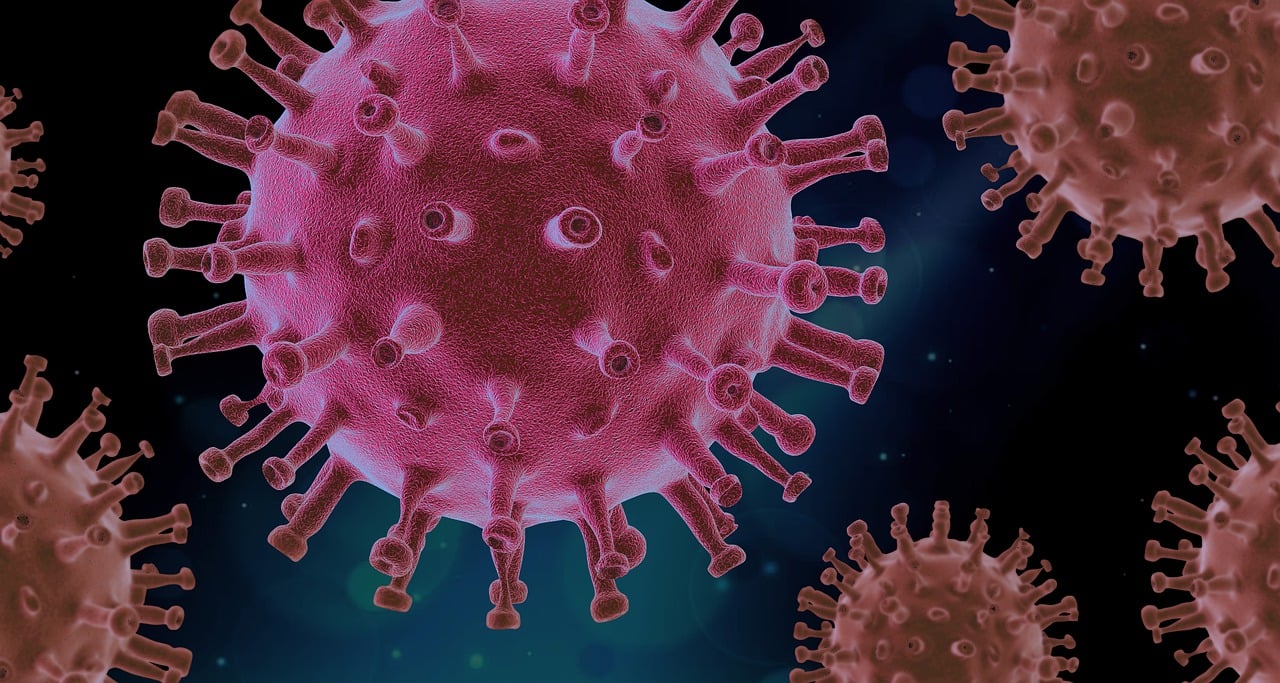
The herpes virus is a virus that causes lifelong infections. There are two main types of herpes simplex virus, and they are commonly associated with different symptoms:
Herpes simplex virus type 1 (HSV-1) is typically associated with oral herpes, causing cold sores or fever blisters around the mouth.
Herpes simplex virus type 2 (HSV-2) is more commonly associated with genital herpes, causing sores in the genital area.
Both types, however, can cause infections in either location through oral sex or skin-to-skin contact.
How is Herpes Spread?
Herpes is spread through direct skin-to-skin contact with someone who has herpes, particularly when an outbreak is present. The herpes virus is most contagious when herpes sores or blisters are open and shedding the virus. Activities like kissing someone, oral sex, vaginal sex, and anal sex can transmit the virus. Even without visible sores, a person with herpes can still spread the virus through asymptomatic shedding. Condom use can reduce, but not eliminate, the risk of transmission.
Can You Get Herpes from Sharing Items?
While herpes is primarily spread through direct skin-to-skin contact, the possibility of transmitting herpes by sharing items exists, though it is generally low. The herpes simplex virus cannot survive for long periods outside the body. Sharing items like utensils, drinks, blunts, or vapes carries a minimal risk unless the item is freshly contaminated with the virus from an active herpes sore or outbreak. The virus needs a moist environment to survive, so transmission via inanimate objects is less likely compared to direct contact, especially when there are open sores.
Types of Herpes: Cold Sores vs. Genital Herpes
Identifying Cold Sores
Cold sores, also known as fever blisters, are caused by the herpes simplex virus type 1 (HSV-1). These oral herpes sores typically appear around the mouth and lips. Symptoms of cold sores usually begin with tingling, itching, or burning sensations, followed by the appearance of small, painful blisters. These blisters eventually break, forming a scab that can last several days. While cold sores are highly contagious during an outbreak, the herpes simplex virus type 1 can sometimes spread even when no sores are visible.
Understanding Genital Herpes
Genital herpes is commonly caused by the herpes simplex virus type 2 (HSV-2), but can also be caused by HSV-1. It is a sexually transmitted disease characterized by sores on the genitals, buttocks, or inner thighs. These genital herpes sores can be painful and may be accompanied by flu-like symptoms during the initial outbreak. Like oral herpes, genital herpes is highly contagious, especially when open sores are present. Someone with herpes can experience recurrent outbreaks throughout their life, though the frequency and severity can vary.
How Each Type Transmits
Both oral herpes and genital herpes transmit through direct skin-to-skin contact. Oral herpes is often spread through kissing someone, sharing utensils, or sharing drinks with someone who has herpes. Genital herpes is typically transmitted through sexual contact, including vaginal, anal sex, and oral sex. It is important to note that condom use can reduce, but does not eliminate, the risk of transmitting the herpes virus. Even when someone with herpes has no visible sores, they can still spread herpes through asymptomatic shedding of the virus.
Sharing Items: Risks and Considerations
Sharing a Vape: What You Need to Know
Sharing a vape, like sharing blunts, carries a potential risk of transmitting the herpes virus if someone with herpes has an active oral herpes outbreak. Although the herpes virus does not survive long outside the body, if the vape is freshly contaminated with saliva from someone with herpes who has cold sores, there's a chance herpes can spread. The risk of getting herpes from sharing a vape is relatively low compared to direct skin-to-skin contact, but it's essential to be aware of the possibility, especially if someone has open sores.
Other Common Items That May Transmit Herpes
Besides sharing a vape, other common items, such as razors, towels, and utensils, can potentially transmit herpes, although the risk is generally low. If these items come into contact with an active herpes sore or outbreak and are then used by someone else, there is a small chance the herpes virus could be spread. The herpes simplex virus requires a moist environment to survive, so the risk is higher if the item is used immediately after contamination. However, the herpes simplex virus is not very resilient outside the body, making transmission from inanimate objects less likely than direct skin-to-skin contact.
How to Minimize Risk When Sharing
To minimize the risk of spreading herpes when sharing items, it is best to avoid sharing personal items altogether, especially during a herpes outbreak. If sharing is unavoidable, certain precautions are vital:
Ensure the item is thoroughly cleaned and disinfected before use.
Avoid sharing items that come into direct contact with the mouth, genitals, or any areas where herpes sores may be present.
Open communication with partners about their herpes status and practicing safe sex, including condom use, can also help reduce the risk of transmitting herpes. Awareness and caution are key to preventing herpes infection.
Questions About Herpes: Common Concerns
Can You Pass the Herpes Virus Without Symptoms?
Yes, you can absolutely pass the herpes virus even without visible symptoms. This is known as asymptomatic shedding, where the herpes simplex virus is active on the skin surface but doesn't cause a herpes outbreak. During these times, people with herpes can unknowingly spread herpes through kissing someone, oral sex, or other forms of intimate skin-to-skin contact. Using a condom helps, but doesn't fully prevent the herpes simplex virus's transmission.
How Long Can the Virus Live Outside the Body?
The herpes virus doesn't survive long outside the body, generally only a few seconds to a few minutes. This is why herpes is primarily spread through direct skin-to-skin contact such as oral sex, vaginal or anal sex, or kissing someone. The herpes simplex virus needs a moist environment to remain viable. Therefore, the risk of getting herpes from inanimate objects like utensils or sharing drinks is quite low, unless there's fresh contamination from an active herpes sore or outbreak.
What to Do If You Think You Have Herpes
If you suspect you might have herpes, it's crucial to consult a healthcare professional immediately. Symptoms can include cold sores, genital herpes sores, blisters, or flu-like symptoms during an outbreak. A doctor can perform tests to confirm a herpes infection and provide guidance on managing the condition. Early diagnosis and treatment can help minimize outbreaks, reduce the risk of spreading herpes to others, and improve your overall quality of life with the herpes virus.
Diagnosis and Treatment of Herpes
How is Herpes Diagnosed?
Diagnosing herpes typically involves a physical examination and laboratory tests. If sores or blisters are present, a healthcare provider can take a sample from the sore to test for the herpes simplex virus type 1 (HSV-1) or herpes simplex virus type 2 (HSV-2). Blood tests can also detect antibodies to the herpes virus, indicating a past or current infection. It's important to note that blood tests may not always be accurate, especially in the early stages of infection.
Available Treatments for Managing Symptoms
While there is no cure for herpes, several antiviral medications can effectively manage symptoms and reduce the frequency and severity of outbreaks. Common antiviral drugs include acyclovir, valacyclovir, and famciclovir. These medications work by interfering with the virus's replication process. Treatment can be episodic, meaning medication is taken only during outbreaks, or suppressive, where medication is taken daily to prevent outbreaks and reduce the risk of transmitting the herpes virus to others.
Living with Herpes: Tips for Care
Living with herpes involves several strategies to manage outbreaks and prevent transmission. A few key areas to focus on include:
Maintaining a healthy lifestyle with a balanced diet, regular exercise, and sufficient sleep to strengthen your immune system.
Practicing safe sexual behaviors, including using condoms, and communicating openly with your partner about your status.
Identifying and avoiding triggers like stress or sunlight is also important.