





Xylitol for Oral Health: Benefits, Uses & Results
| Key Insight | Explanation |
|---|---|
| Xylitol starves cavity-causing bacteria | Streptococcus mutans absorbs xylitol but can't metabolize it, disrupting its energy cycle and reducing acid production that erodes enamel. |
| Effective daily dose is 6–10g | Research consistently shows this range, split across 3–5 exposures per day, delivers meaningful cavity reduction — not a single large dose. |
| Stimulates saliva production | Increased saliva flow neutralizes acids, delivers calcium and phosphate to enamel, and creates a less hospitable environment for harmful bacteria. |
| Nicotine pouches can harm oral health | Chronic nicotine pouch use is linked to gum recession and reduced saliva quality — making xylitol-based formulas a meaningful harm-reduction tool. |
| Not all xylitol products are equal | Delivery format matters. Gum, mints, and oral pouches with sustained contact time outperform xylitol added to beverages or foods consumed quickly. |
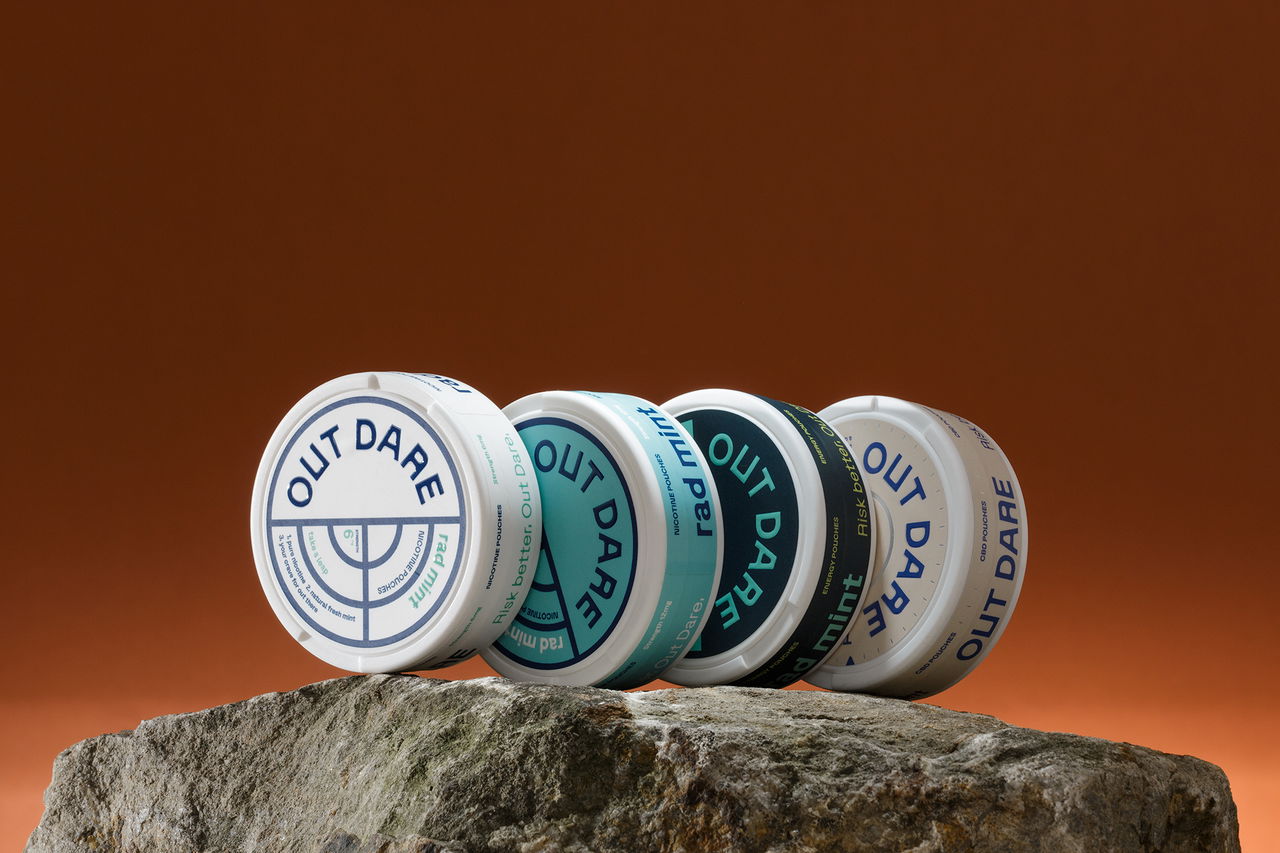
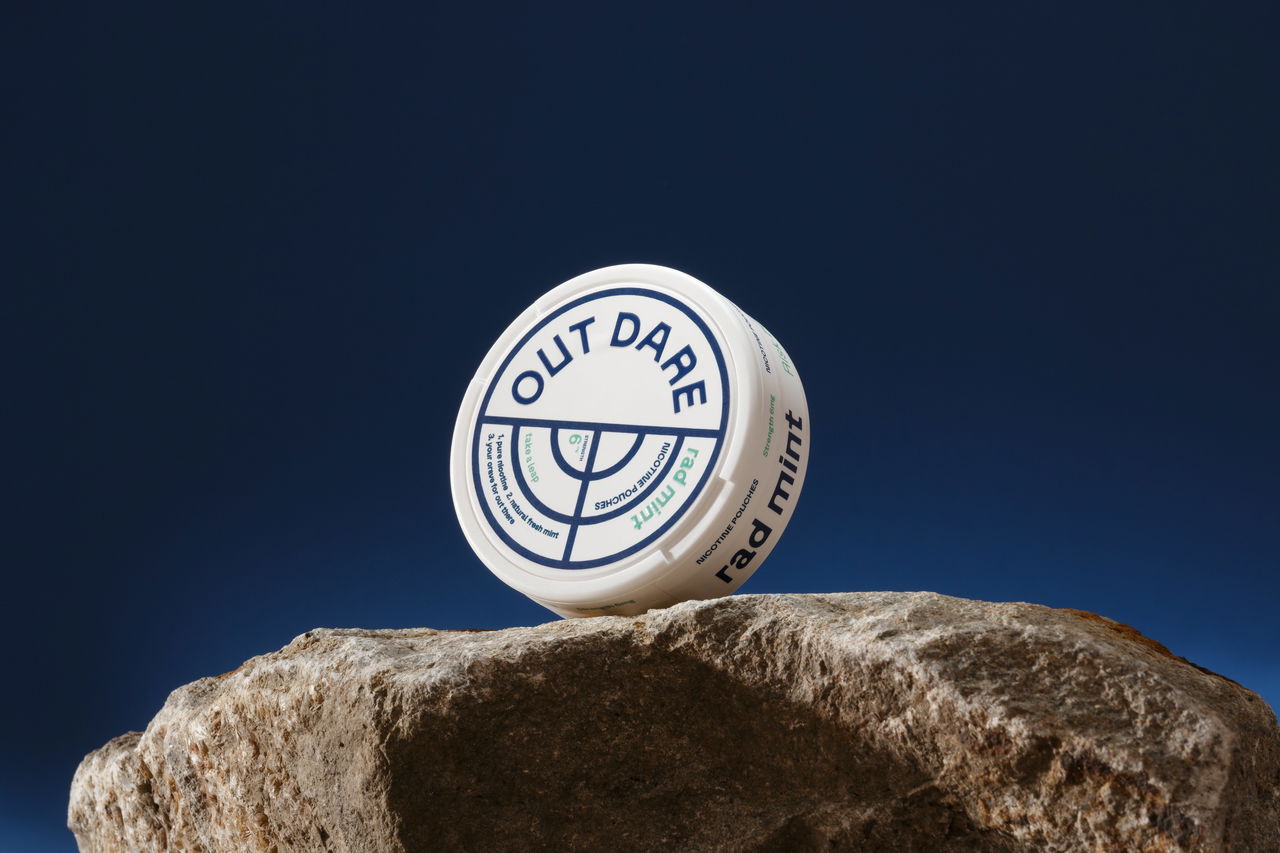
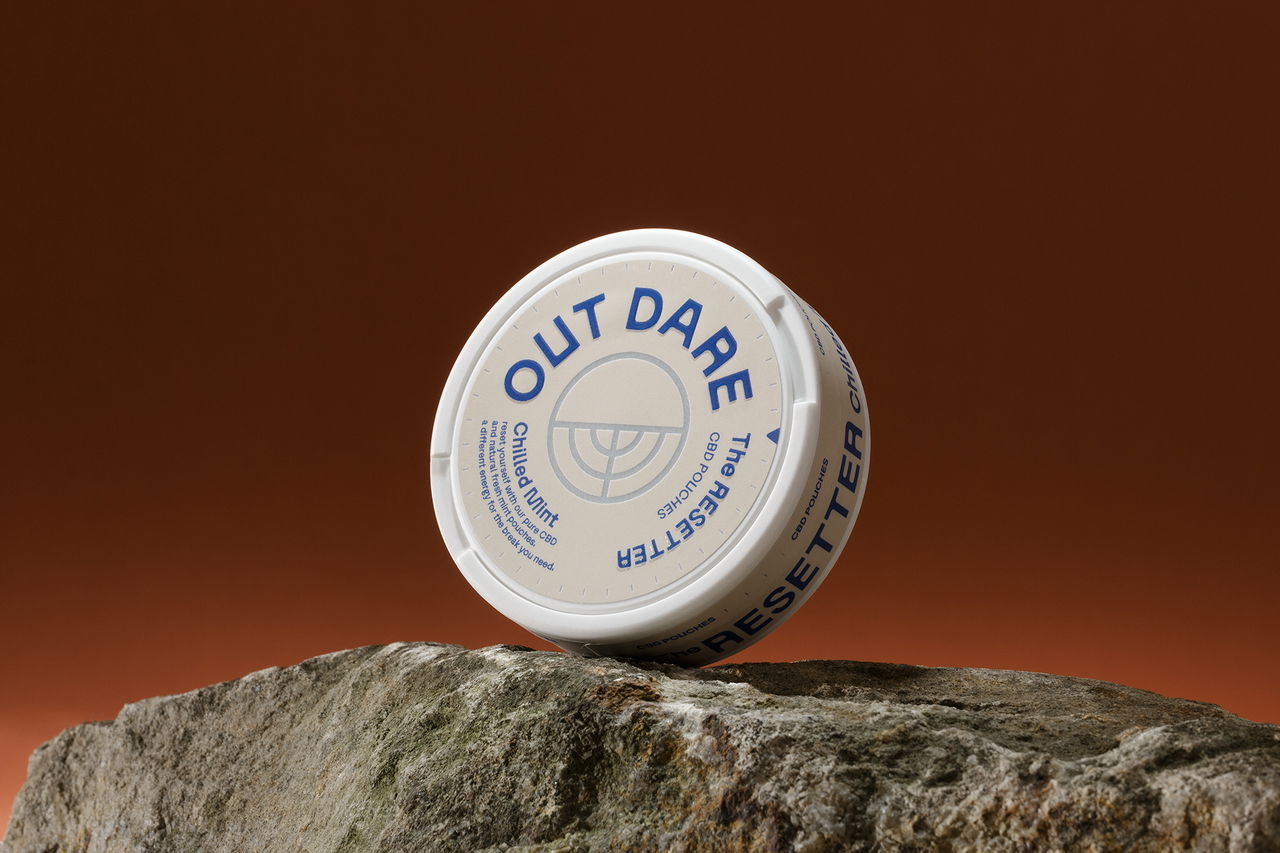
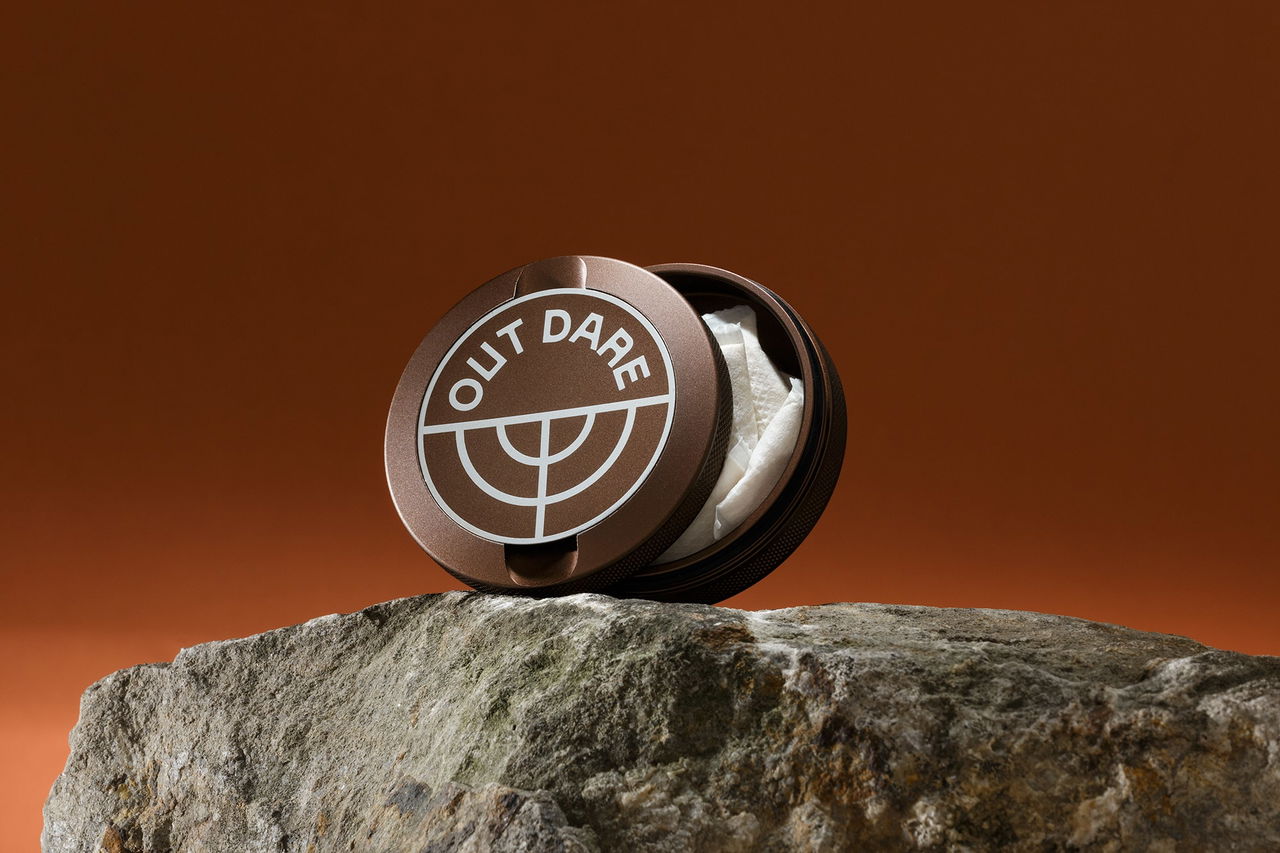
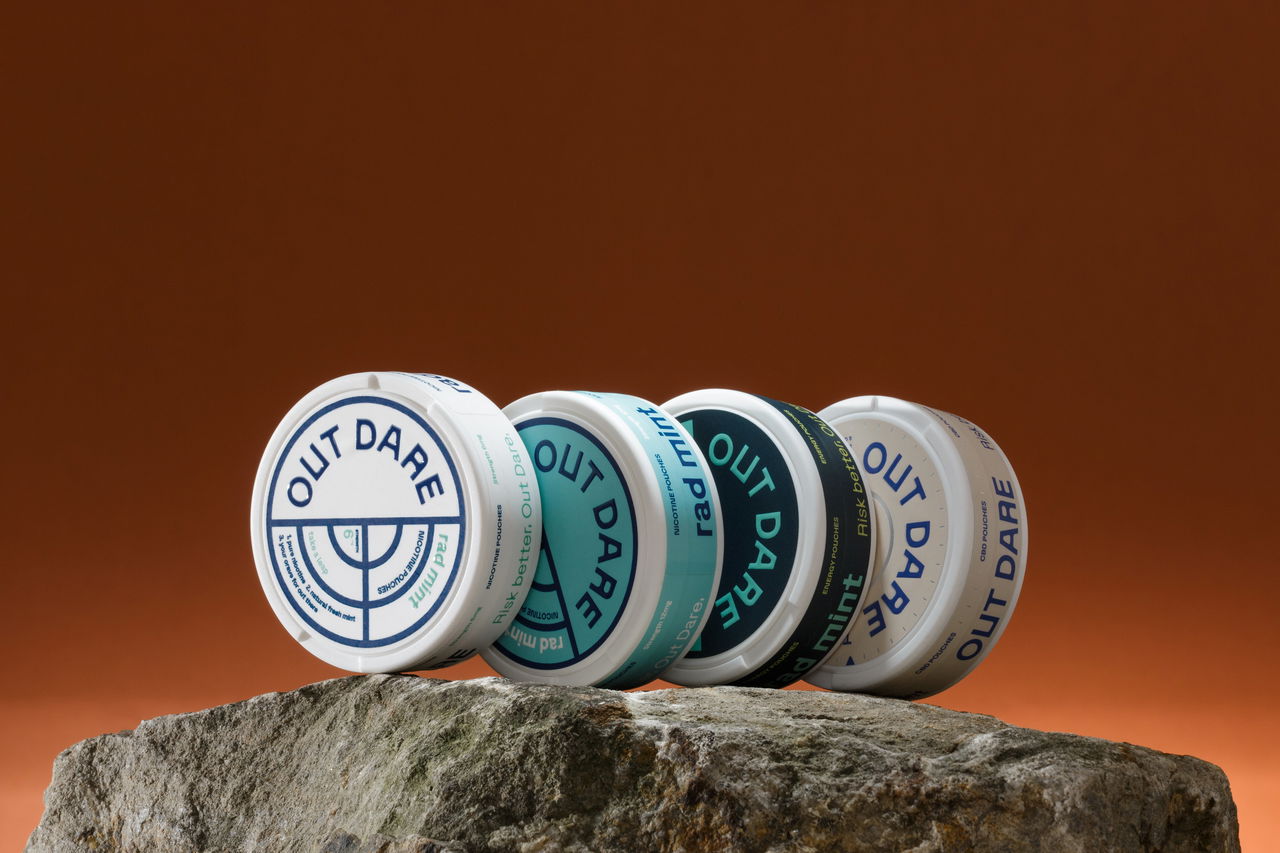
| Outdare pouches use a xylitol-based formula | Outdare's tobacco-free pouch system incorporates xylitol as a base ingredient, supporting oral health while users reduce nicotine dependency through the 30/30/30 method. |
Xylitol for oral health is one of the most clinically validated natural interventions in preventive dentistry. It's a five-carbon sugar alcohol derived from plant fiber that oral bacteria absorb but cannot ferment, effectively starving the microbes responsible for tooth decay and gum disease. That distinction matters: unlike table sugar, xylitol doesn't feed the cavity cycle — it breaks it. This article covers exactly how xylitol works at the biochemical level, what the research says about dosing and delivery, why nicotine pouch users in particular should pay attention, and how to build a practical xylitol routine that actually produces results.
What Is Xylitol and Why Does It Matter for Oral Health?
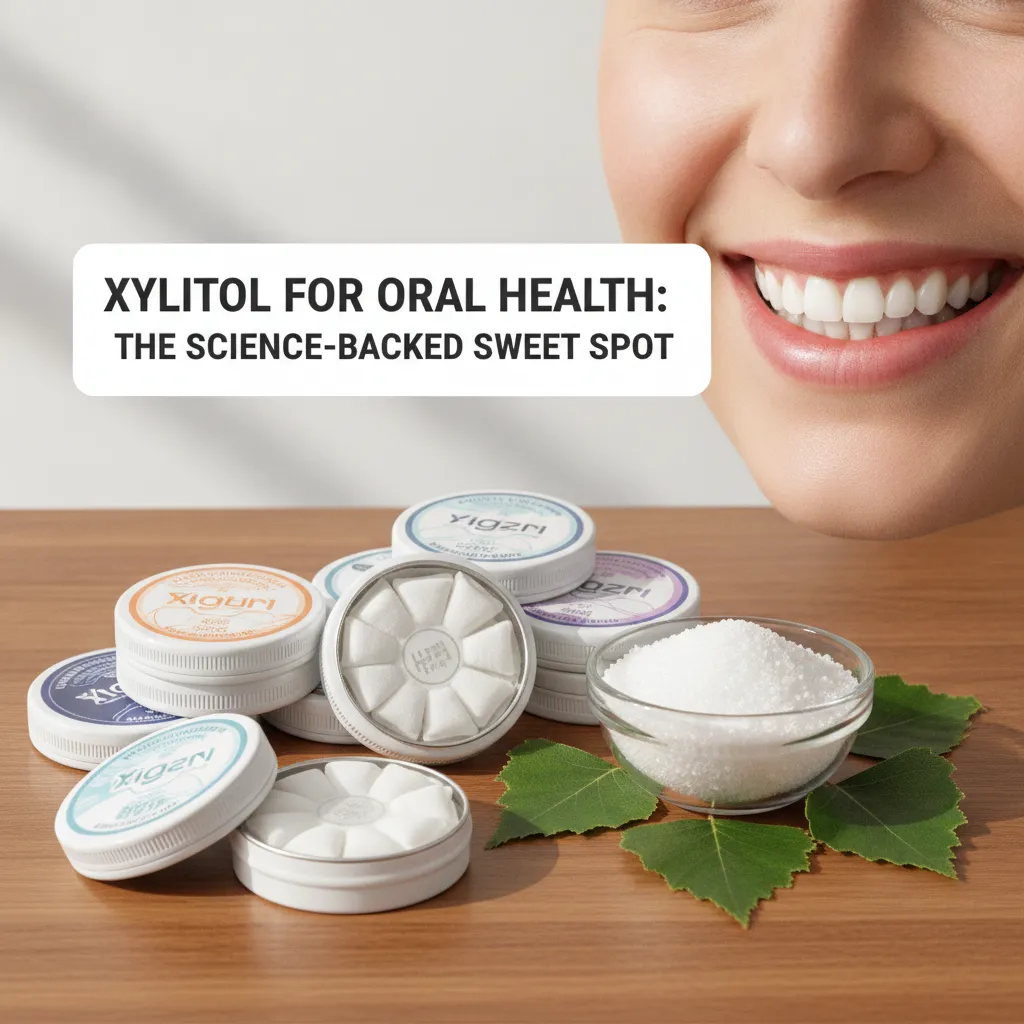
Xylitol is a naturally occurring sugar alcohol found in birch bark, corn cobs, and many fruits and vegetables, widely used as a low-glycemic sweetener with documented antimicrobial properties in the oral cavity. It tastes like sugar, looks like sugar, but behaves completely differently once it enters your mouth — and that difference is the entire story. This is particularly relevant for xylitol for oral health.
The Basic Chemistry
Standard sugars (sucrose, fructose, glucose) are six-carbon molecules. Xylitol has five carbons. That one missing carbon is what makes it biologically inert to the bacteria that cause cavities. Streptococcus mutans (S. mutans), the primary driver of dental caries (tooth decay caused by bacterial acid production), absorbs xylitol thinking it's glucose. It can't process it. The bacterium wastes energy on a dead-end metabolic loop and produces no acid as a result [1].
According to a systematic review published in PMC/NIH, xylitol reduces plaque formation, inhibits enamel demineralization, and demonstrates genuine antimicrobial activity against S. mutans — not just the salivary stimulation effect that critics sometimes cite as the sole mechanism [2].
Where Xylitol Comes From
Commercial xylitol is typically extracted from birch wood or corn cobs through a hydrogenation process. The end product is chemically identical regardless of source. As of 2026, European-manufactured xylitol from non-GMO corn or birch is the most common form found in premium oral health and functional wellness products.
- Natural food sources: Plums, strawberries, cauliflower, pumpkin (in small amounts)
- Commercial sources: Birch bark, corn cobs (hydrogenated xylose)
- Common product formats: Chewing gum, mints, toothpaste, mouthwash, oral pouches, lozenges
- Glycemic index: 7 (compared to 65 for table sugar) — negligible blood sugar impact
The California Dental Association notes that "over time with xylitol use, the quality of the bacteria in the mouth changes and fewer and fewer decay-causing bacteria survive on tooth surfaces" — a cumulative effect that builds with consistent daily use [3].
How Xylitol Works Against Tooth Decay
Xylitol disrupts the cavity cycle through three distinct mechanisms: it poisons the metabolic pathway of S. mutans, stimulates protective saliva flow, and physically interferes with bacterial adhesion to tooth surfaces. Understanding all three explains why delivery format and frequency matter as much as total dose.
The Three Mechanisms in Detail
Mechanism 1: Metabolic disruption of S. mutans. When S. mutans absorbs xylitol, it phosphorylates it into xylitol-5-phosphate, a compound that accumulates inside the cell and inhibits glycolysis. The bacterium expends ATP (cellular energy) trying to expel it, draining its resources without producing acid. Repeated exposure over weeks reduces the viable S. mutans population in dental plaque significantly [1].
Mechanism 2: Saliva stimulation. Xylitol's sweetness and slight cooling effect trigger salivary gland activity. Saliva is the mouth's natural defense system: it contains calcium, phosphate, bicarbonate, and antimicrobial proteins. Increased saliva flow raises oral pH (making the environment less acidic), remineralizes early enamel lesions, and dilutes bacterial metabolites [4]. When considering xylitol for oral health, this point stands out.
Mechanism 3: Anti-adhesion effect. S. mutans uses glucosyltransferase enzymes to produce sticky glucan polymers that anchor it to tooth enamel. Xylitol inhibits this enzyme activity, making it harder for bacteria to form the biofilm (dental plaque) that precedes cavity formation [2].
Why Frequency Beats Total Dose
This is where most people get xylitol wrong. A single large dose once a day is far less effective than smaller exposures spread across the day. Research from the Ontario Dental Hygienists' Association supports a model of 3–5 separate xylitol exposures daily, each lasting at least 5 minutes of oral contact time [4].
| Exposure Pattern | Daily Dose | Estimated Efficacy | Best Format |
|---|---|---|---|
| 1x daily (single dose) | 6–10g | Low — bacteria recover between exposures | Any |
| 3x daily (spread out) | 6–10g | Moderate — meaningful plaque reduction | Gum, mints, pouches |
| 5x daily (after meals + snacks) | 6–10g | High — maximum S. mutans suppression | Oral pouches, gum, lozenges |
Pro Tip: The most effective xylitol delivery formats are those that maintain sustained contact with tooth surfaces — oral pouches, slowly dissolving mints, and chewing gum. Xylitol in beverages or food passes through too quickly to deliver meaningful antimicrobial benefit.
Key Benefits of Xylitol for Oral Health
The clinical evidence for xylitol's oral health benefits is robust across multiple outcome measures: cavity reduction, plaque control, gum health, and enamel remineralization. Here's what the research actually shows — and what it doesn't yet prove.
Cavity Reduction and Enamel Protection
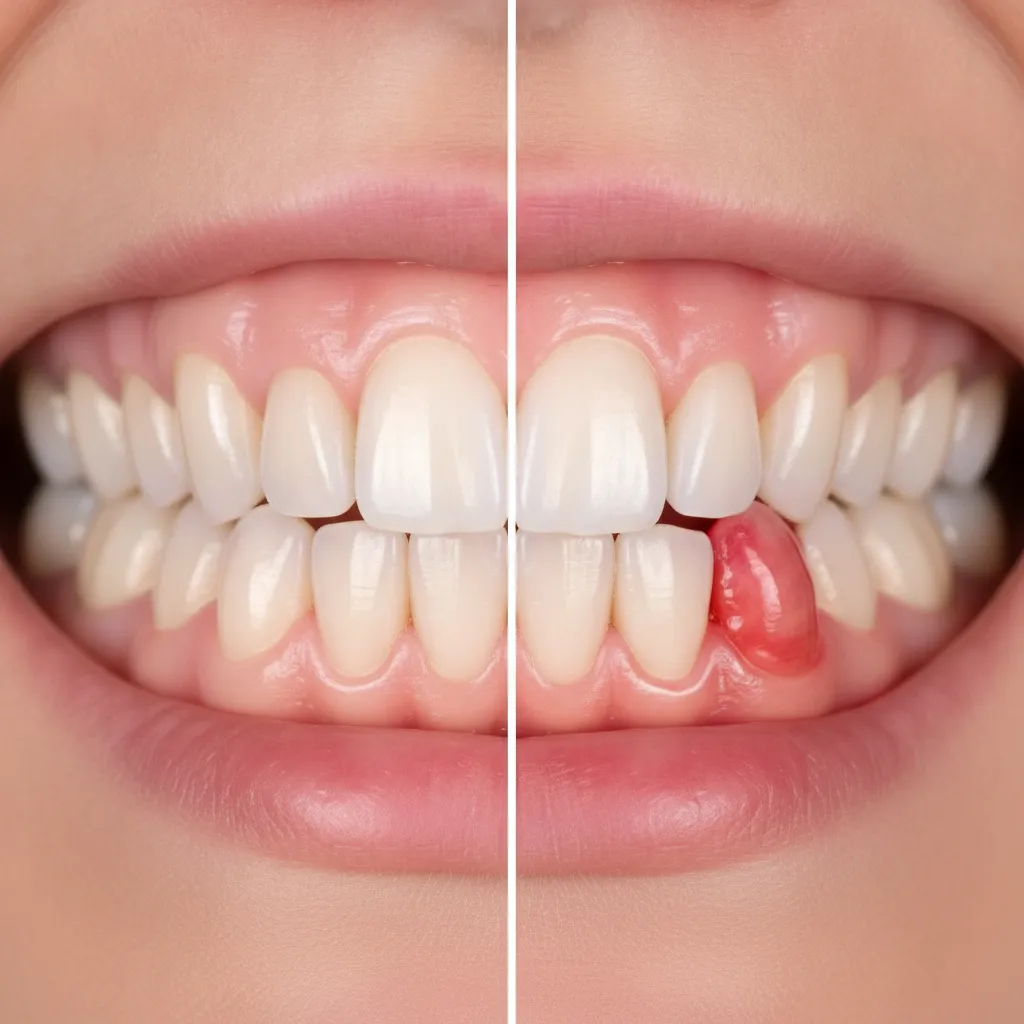
A meta-analysis published in PMC found that xylitol use was associated with a statistically significant reduction in dental caries incidence compared to control groups — with some trials showing up to 85% fewer cavities in high-frequency xylitol users over 2–3 years [2]. The mechanism isn't just bacterial suppression. Xylitol also supports remineralization: by raising oral pH and boosting calcium-rich saliva, it creates the conditions for enamel to repair early-stage demineralization (pre-cavity lesions) before they progress [1].
According to research from the University of Colorado Anschutz Medical Campus, "xylitol may help prevent cavities because oral bacteria cannot ferment it into acid" — a straightforward summary of why it outperforms other alternative sweeteners in dental outcomes [5].
Gum Health and Anti-Inflammatory Effects
Periodontal disease (gum disease) is driven by bacterial biofilm accumulation along the gumline. Because xylitol reduces S. mutans adhesion and overall plaque load, it indirectly supports gum health by reducing the bacterial pressure on gingival tissue. This is particularly relevant for nicotine pouch users, who face elevated risk of gum recession from both nicotine-induced vasoconstriction and the physical placement of pouches against gum tissue.
- Reduces plaque accumulation at the gumline, lowering inflammation triggers
- Supports saliva quality — chronic nicotine use reduces salivary flow, which xylitol partially compensates for
- No acid byproduct — zero fermentation means zero pH drop after use, unlike sugar-containing products
- Compatible with enamel remineralization — works synergistically with fluoride toothpaste in clinical protocols
The Ontario Dental Hygienists' Association notes that xylitol has been studied for its contribution to bone density and blood sugar stabilization beyond oral health — though the primary validated application remains dental caries prevention [4]. For those exploring xylitol for oral health, this matters.
Why This Matters for Pouch Users Specifically
If you're using nicotine pouches, your oral environment is already under stress. Nicotine reduces blood flow to gum tissue, impairs healing, and can accelerate recession. Choosing a pouch formula built on a xylitol base — rather than sucrose or artificial sweeteners — isn't just a minor ingredient preference. It's a meaningful harm-reduction decision for your mouth.
At Outdare LTD, we've found that formulating our pouches with a xylitol-based matrix addresses two problems simultaneously: it delivers the mild sweetness and mouthfeel that makes the pouch experience satisfying, while actively supporting the oral environment that nicotine use can degrade. That's not a coincidence — it's the point.
Pro Tip: If you use nicotine pouches daily, look for formulas that list xylitol as a primary ingredient rather than a trace additive. The dose in the product matters. A xylitol-based formula typically contains 0.5–1g per pouch — enough to provide measurable oral benefit across multiple daily uses.
Common Challenges and Mistakes With Xylitol Use
Xylitol is effective, but it's easy to use it wrong — and the most common mistakes explain why some people report no noticeable benefit after weeks of trying. Dose, frequency, and format are everything.
Underdosing and Inconsistency
The most frequent mistake is consuming too little xylitol too infrequently. A single piece of xylitol gum after dinner doesn't move the needle. The evidence-based threshold is 6–10g per day, divided across multiple exposures [2]. One piece of xylitol gum typically contains 0.7–1.5g. You'd need 5–7 pieces per day, distributed across the day, to hit the therapeutic range.
A common mistake practitioners see is patients buying xylitol toothpaste and assuming that covers their daily requirement. Toothpaste contact time is 2 minutes maximum — and most of it is spat out. It contributes, but it's not sufficient alone.
Choosing the Wrong Format
Not all xylitol delivery formats are equal. Here's a practical comparison:
- Chewing gum: Good contact time (10–20 min per piece), but jaw fatigue limits all-day use
- Mints/lozenges: Convenient, but dissolve in 3–5 minutes — shorter contact window
- Oral pouches: Excellent — sustained 20–45 minute contact with gum and teeth, consistent dose delivery
- Toothpaste: Low contact time, but useful as a baseline addition
- Beverages/food: Minimal oral benefit — passes through too quickly for antimicrobial effect
The Xylitol Controversy — Addressed Directly
Critics have argued that xylitol's cavity-prevention effect is primarily a salivary stimulation effect, not a specific antimicrobial one. This is the core of the xylitol controversy. The counter-evidence is strong: studies using non-chewing xylitol delivery (lozenges, varnishes, syrup) where salivary stimulation is minimal still show S. mutans reduction, confirming that the metabolic disruption mechanism is real and independent of saliva volume [1]. The debate largely reflects older, poorly controlled studies rather than the current body of evidence as of 2026. This directly impacts xylitol for oral health outcomes.
One limitation worth acknowledging: most high-quality xylitol trials run for 2–3 years in controlled populations (often children). Real-world results in adults with existing periodontal issues may vary. Xylitol is a preventive and supportive tool — not a treatment for active gum disease or existing cavities.
Best Practices for Using Xylitol in 2026
Building an effective xylitol routine in 2026 means matching the right format to your lifestyle, hitting the evidence-based dose threshold, and stacking it with complementary oral hygiene habits. Here's a practical framework.
The Daily Xylitol Protocol
- Morning (post-breakfast): Use a xylitol-containing oral pouch or chew 2 pieces of 100% xylitol gum for 10–15 minutes. Target: 1.5–2g xylitol.
- Mid-morning: A xylitol mint or second pouch use. Target: 1–1.5g xylitol.
- Post-lunch: Gum or lozenge immediately after eating — this is when bacterial acid production peaks. Target: 1.5–2g xylitol.
- Afternoon: Another pouch or mint use. Target: 1–1.5g xylitol.
- Evening (post-dinner, pre-sleep): Final xylitol exposure before brushing. Target: 1.5–2g xylitol.
Total daily target: 6–10g across 5 exposures. This protocol aligns with the dosing model supported by the California Dental Association and the NIH-published meta-analysis [3][2].
Stacking Xylitol With Your Existing Habits
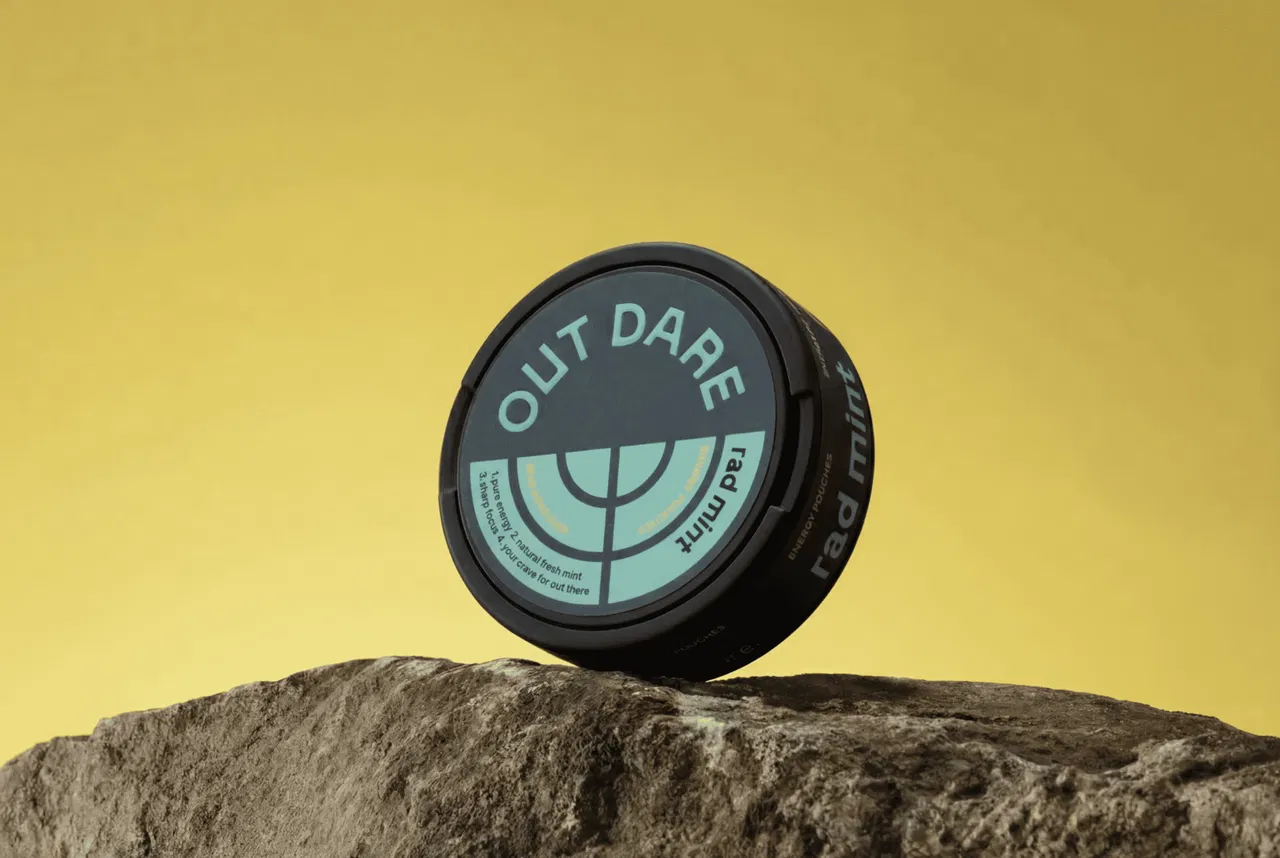
For nicotine pouch users, the integration point is obvious: replace some of your daily pouch uses with a xylitol-based non-nicotine pouch. You keep the ritual, the burn, the mouthfeel — and you add oral health benefit instead of subtracting it. This is exactly the logic behind Outdare's Energy and CBD pouch formats, both built on a xylitol-based formula that delivers oral health support during every single use.
- Always use xylitol products after meals — not before, when there's nothing to neutralize
- Wait 30 minutes after eating before brushing, but use xylitol immediately post-meal
- Combine with fluoride toothpaste — xylitol and fluoride are synergistic, not redundant
- Stay consistent for at least 4–6 weeks before expecting measurable plaque reduction
- Check product labels: "xylitol-sweetened" doesn't mean the product contains a therapeutic dose
Pro Tip: If you're transitioning away from nicotine pouches, every non-nicotine pouch use is a double win: you're reducing chemical dependency AND delivering xylitol to your oral environment. Stack the benefits deliberately — that's the system-level thinking that makes habit change sustainable.
According to Dr. Andrew Huberman's discussion of oral health research, xylitol's ability to inhibit S. mutans specifically makes it one of the most actionable dietary interventions for dental health — accessible, low-cost, and usable multiple times daily without side effects at recommended doses [6].
Industry analysts suggest that as of 2026, xylitol is increasingly being incorporated into functional wellness products beyond traditional gum and mints — including oral pouches, sleep aids, and nootropic formats — reflecting broader consumer demand for ingredients that serve multiple health functions simultaneously.
Sources & References
- PMC/NIH, "The effect of xylitol on dental caries and oral flora," 2014
- PMC/NIH, "Xylitol in preventing dental caries: A systematic review and meta-analysis," 2017
- California Dental Association (CDA), "Xylitol," CDA Patient Education Resource
- Ontario Dental Hygienists' Association (ODHA), "Xylitol and Oral Care," 2016
- University of Colorado Anschutz Medical Campus, "Fact or Fad? A Dentist Explains Whether Xylitol Really Prevents Cavities," 2023
- Dr. Andrew Huberman, "The Benefits of Xylitol for Oral Health," Huberman Lab
- Bondi Dental, "Xylitol for Oral Health: Knowing its Pros and Cons"
- Thunderbird Dental Care, "Xylitol: A significant factor for improving your oral health"
Frequently Asked Questions
1. What is the xylitol controversy?
The xylitol controversy centers on whether its dental benefits come from a specific antimicrobial mechanism or simply from the increased saliva production triggered by chewing gum or sucking mints. Critics argue xylitol is no more effective than other non-fermentable sweeteners. However, multiple controlled studies using non-chewing formats (lozenges, varnishes, syrups) still show significant S. mutans reduction — confirming that xylitol's metabolic disruption of cavity-causing bacteria is a real, standalone mechanism independent of salivary stimulation. The scientific consensus as of 2026 supports xylitol as genuinely superior to other alternative sweeteners for oral health outcomes [1][2]. This is particularly relevant for xylitol for oral health.
2. How much xylitol do you need per day for oral health benefits?
The evidence-based daily dose for meaningful cavity prevention is 6–10 grams, distributed across 3–5 separate exposures throughout the day. A single large dose is significantly less effective than the same amount split into multiple sessions. Each exposure should involve at least 5 minutes of oral contact time. Products like gum, mints, and oral pouches are the most practical delivery formats for hitting this target consistently [2][3].
3. Does xylitol actually remineralize teeth?
Xylitol doesn't directly deposit minerals onto enamel — but it creates the conditions for remineralization to occur. By suppressing acid-producing bacteria and stimulating calcium-rich saliva, it raises oral pH and delivers the raw materials (calcium, phosphate) that enamel needs to repair early-stage demineralization. This is why xylitol and fluoride are considered synergistic: fluoride accelerates mineral uptake, while xylitol creates the alkaline environment where that uptake is possible [1][5].
4. Is xylitol safe for daily use in adults?
Yes, xylitol is safe for daily adult use at recommended doses. The main side effect at high doses (above 30–40g/day) is a laxative effect and gastrointestinal discomfort, because xylitol is only partially absorbed in the small intestine. At the therapeutic oral health range of 6–10g/day, most adults experience no adverse effects. It's also safe for diabetics given its negligible glycemic index of 7. Note: xylitol is toxic to dogs and should be kept away from pets [7].
5. Can xylitol help with gum recession?
Xylitol doesn't reverse existing gum recession — that's a structural tissue loss that requires clinical intervention. What it does is reduce the bacterial load and plaque accumulation that contribute to periodontal disease progression, which can slow the rate of further recession. For nicotine pouch users already experiencing gum sensitivity or early recession, switching to pouches with a xylitol-based formula is a meaningful harm-reduction step. Combined with proper brushing technique and regular dental visits, xylitol use supports the conditions needed to stabilize gum health [4][8].
6. Is xylitol in oral pouches as effective as xylitol in gum?
Oral pouches can actually outperform gum in some respects. A pouch maintains sustained contact with gum tissue and tooth surfaces for 20–45 minutes per use, compared to gum which is typically chewed for 10–20 minutes. Longer contact time means more prolonged exposure of bacteria to xylitol's metabolic disruption effect. The key variable is xylitol content per pouch — look for formulas where xylitol is a primary base ingredient rather than a minor flavoring agent [1][2].
7. How long does it take to see results from xylitol for oral health?
Most clinical trials show measurable reductions in S. mutans levels within 4–6 weeks of consistent daily use at therapeutic doses. Visible improvements in plaque levels and gum inflammation may take 8–12 weeks. Cavity prevention is a long-term outcome measured over months and years — not days. Consistency is the critical variable. Results will vary based on baseline oral health, diet, brushing habits, and the format and dose of xylitol used [2][3].
Conclusion
Xylitol for oral health isn't a trend — it's one of the most consistently supported preventive dentistry tools in the clinical literature. Six to ten grams per day, across multiple exposures, delivered through sustained-contact formats like gum, mints, or oral pouches: that's the protocol. The mechanism is real, the dose threshold is clear, and the benefits stack with every other oral hygiene habit you already practice.
For nicotine pouch users, the case is even more direct. Your habit already involves a product sitting against your gum tissue for 20–45 minutes at a time. The question is whether that product is working for your oral health or against it. A xylitol-based formula turns every pouch use into a net positive for your mouth — not just a neutral act.
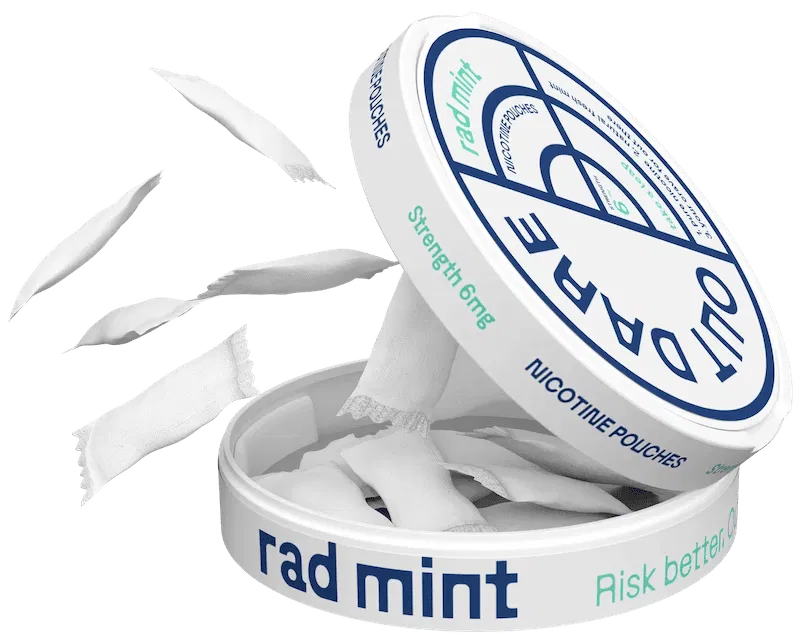
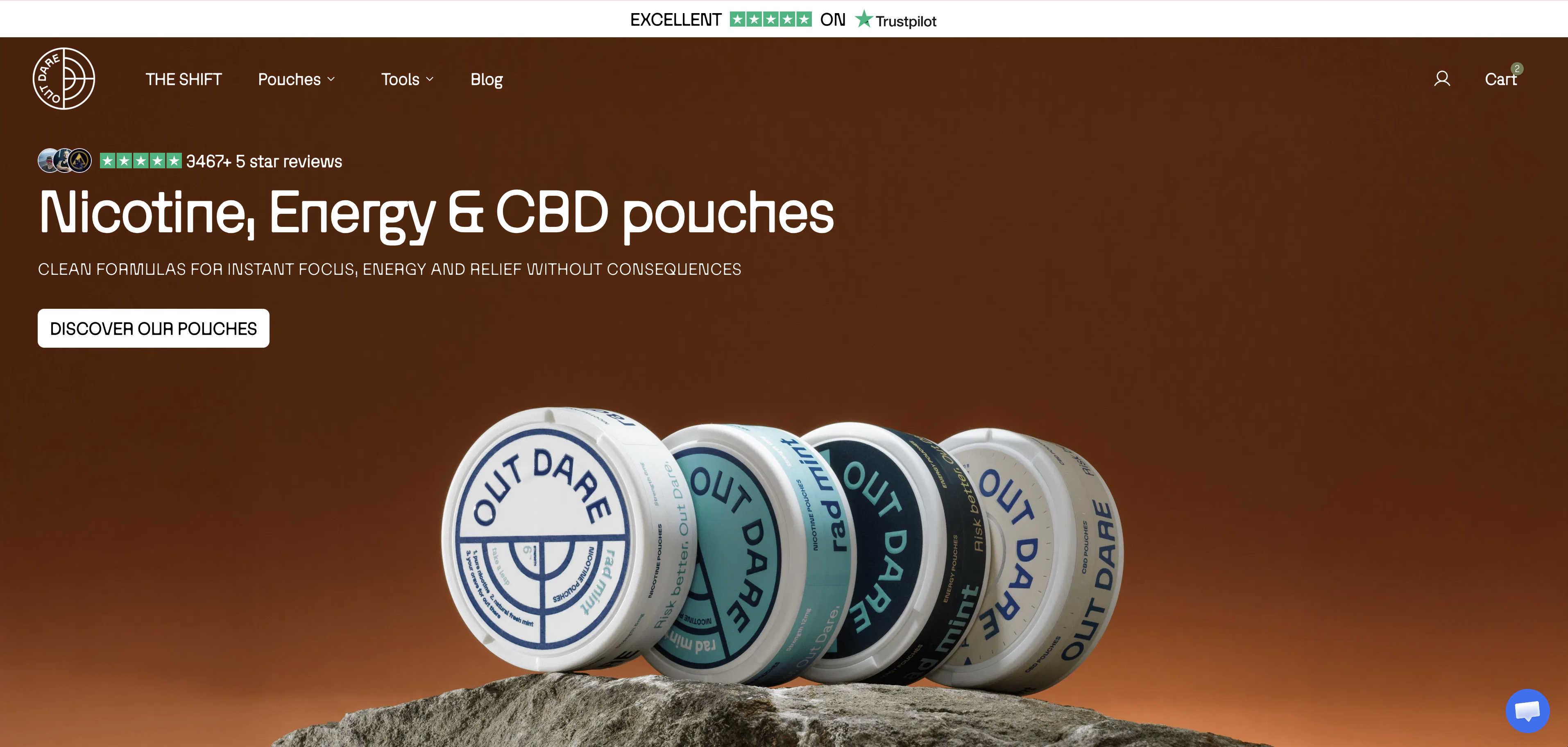
At Outdare LTD, we built our entire pouch formula around this logic. Plant-fiber fillers, natural mint, and a xylitol base — because the ritual should support your health, not erode it. Whether you're using our Nicotine, Energy, or CBD pouch, you're getting the oral health benefit every time. That's what pouches should have been from the start. Risk Better.
Recommended Articles
Explore more from our content library: