




What Are Nicotine Pouches? Complete Guide 2026
| Key Insight | Explanation |
|---|---|
| Definition | Small pouches containing nicotine powder, flavorings, and plant fibers placed under the upper lip |
| Tobacco-Free | Unlike traditional snus, they contain no tobacco leaf or dust, only synthetic or plant-derived nicotine |
| Usage Method | Placed between gum and upper lip for 15-60 minutes, delivering nicotine through oral tissues |
| Market Growth | Sales increased 641% from 2019-2022, with continued expansion across Europe and North America |
| Health Positioning | Marketed as harm reduction alternative to smoking, though still containing addictive nicotine |
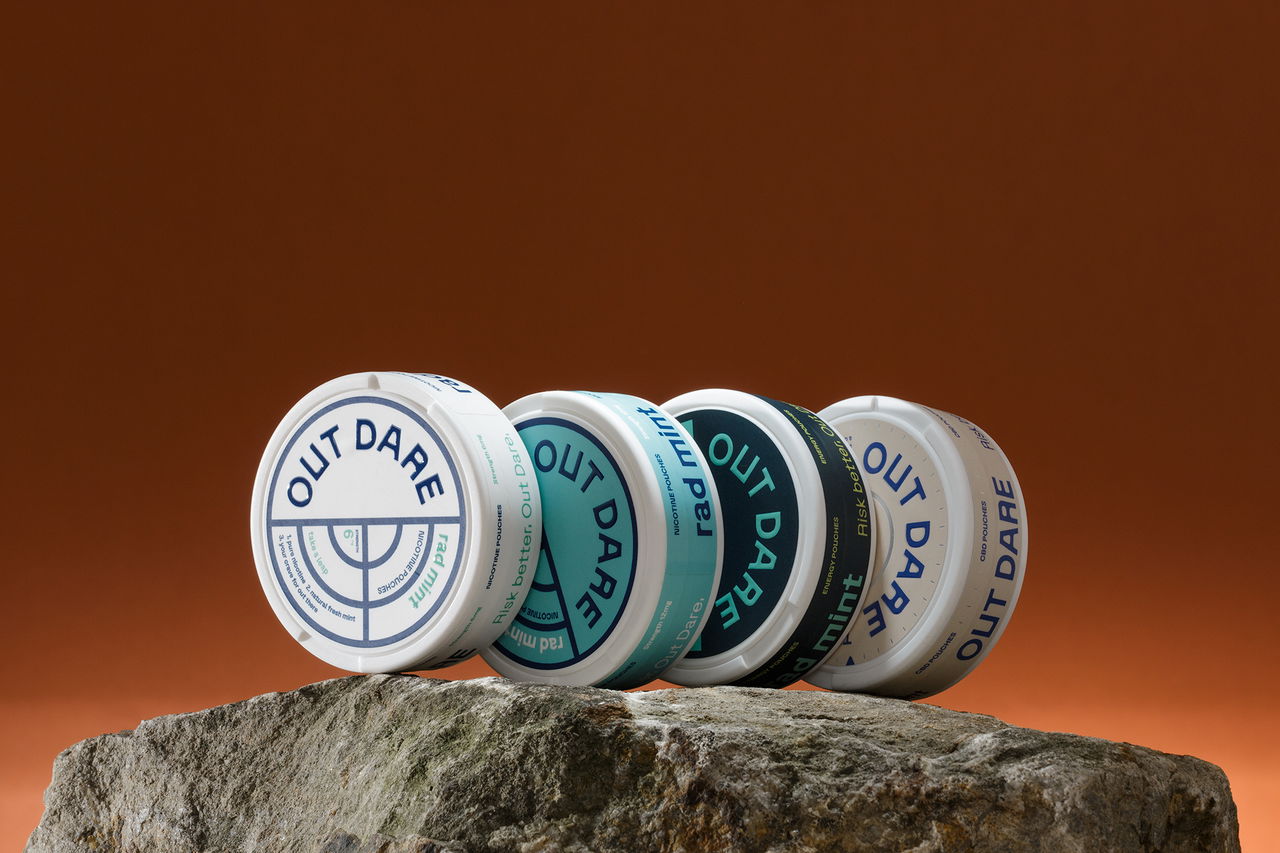
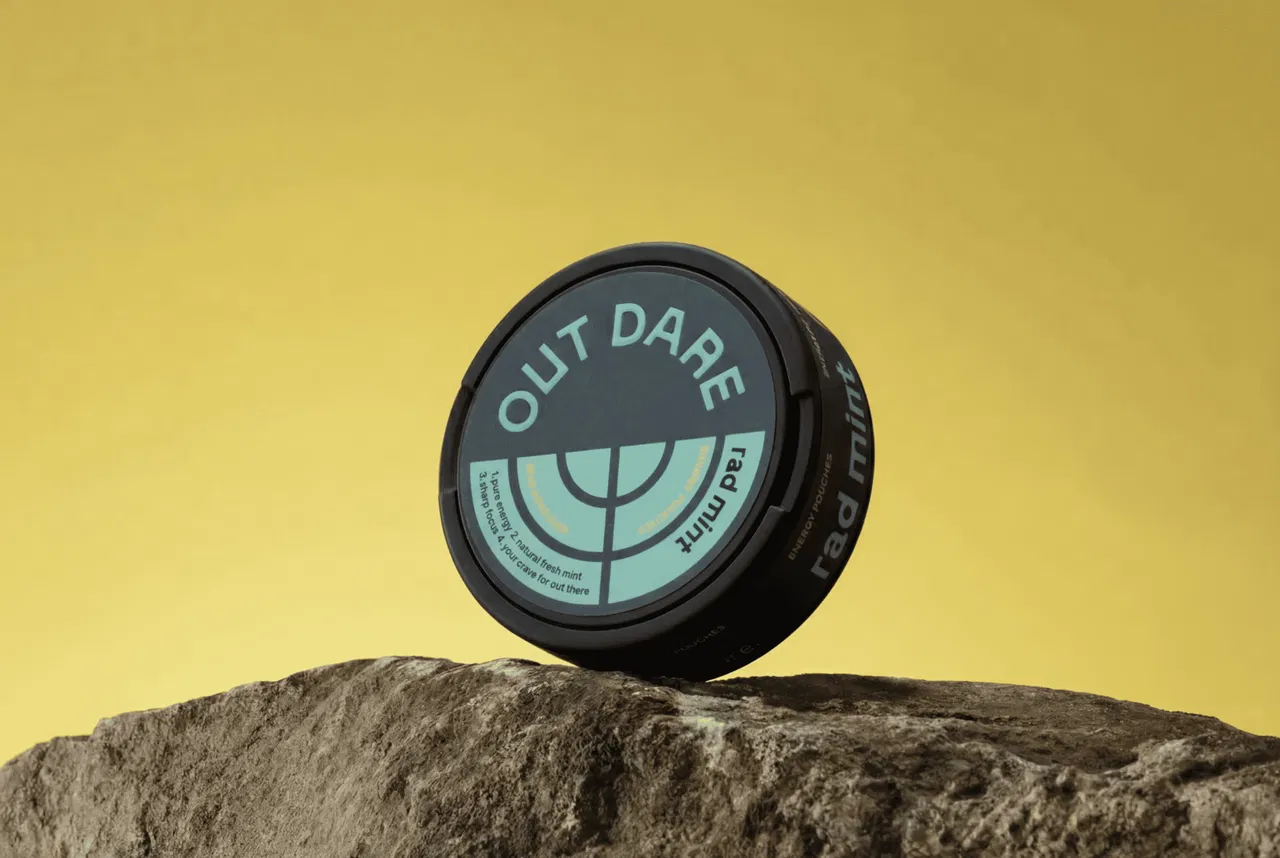
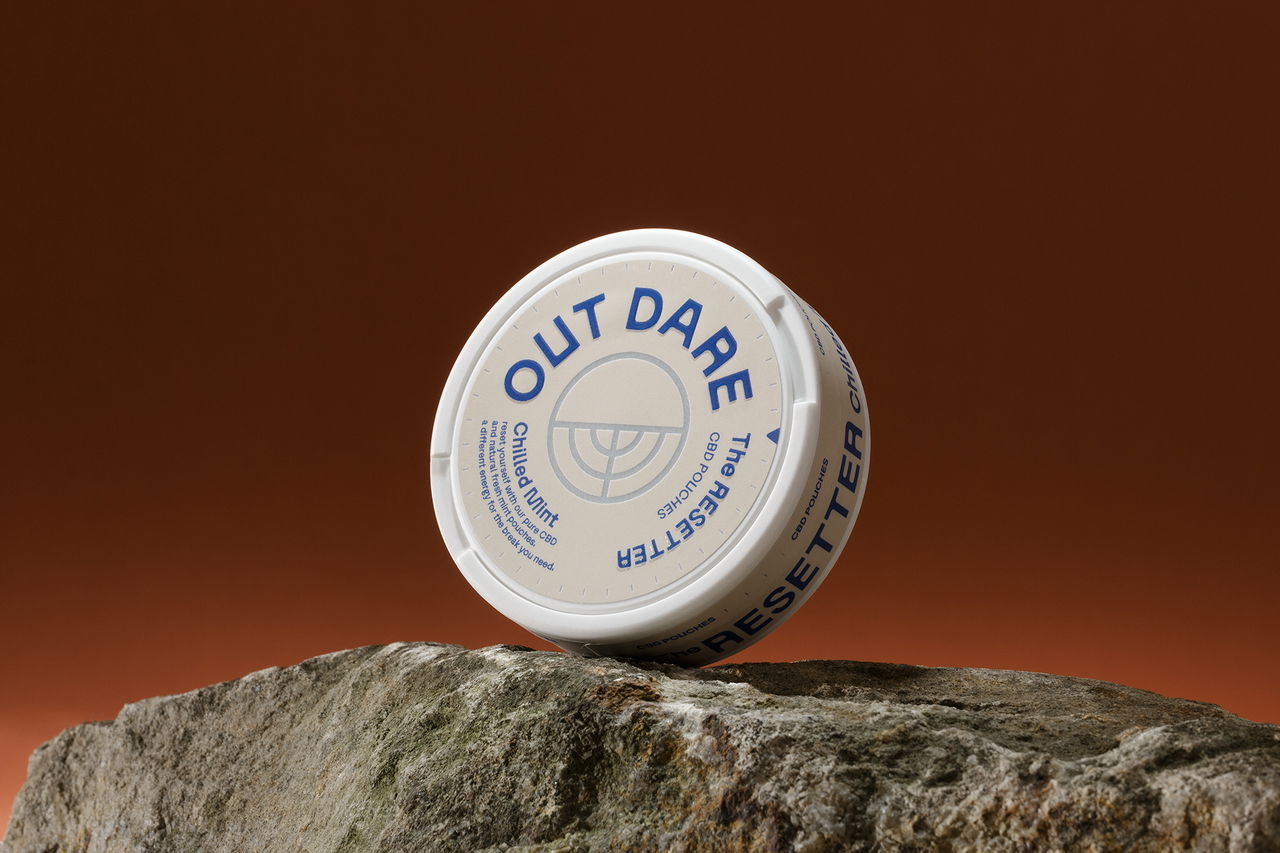
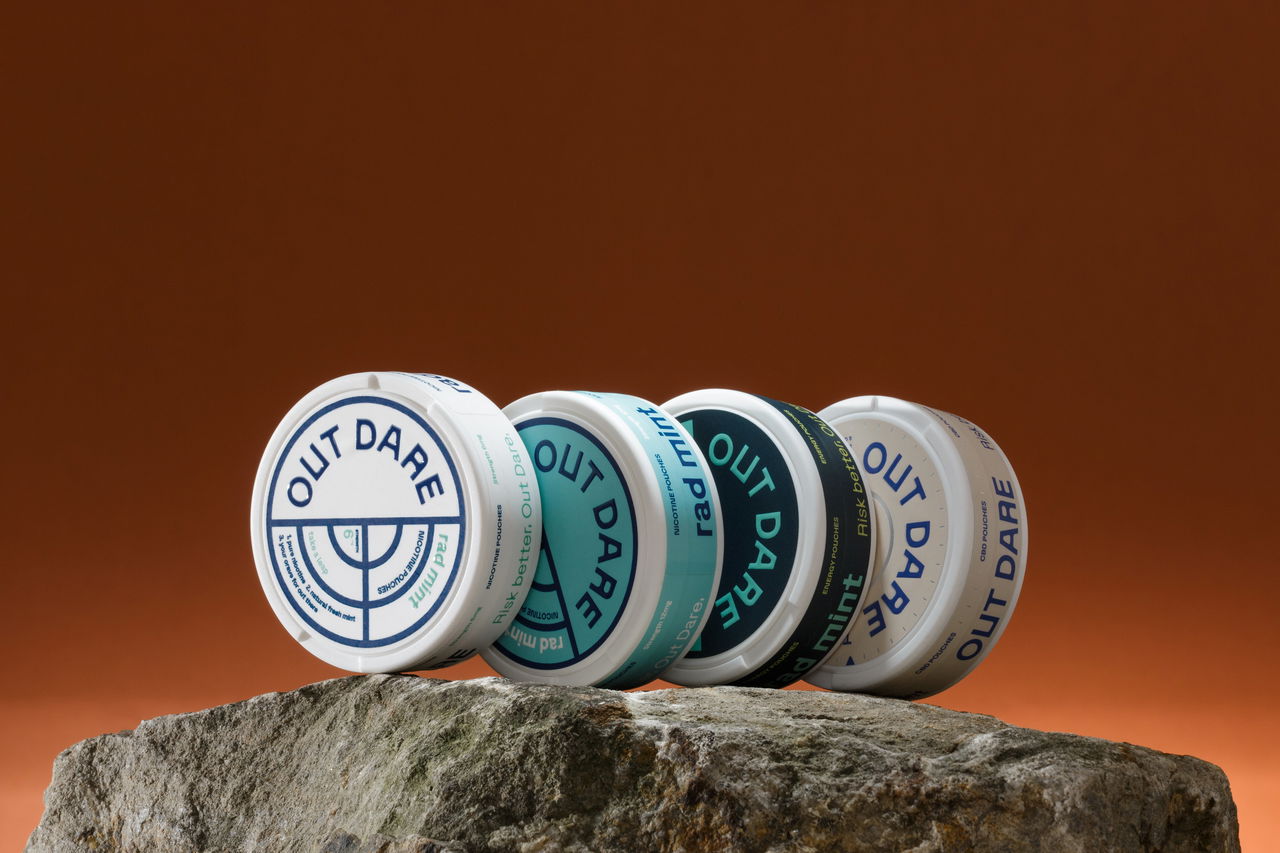
| Evolution Beyond | 2026 innovations include energy and CBD pouches offering alternatives to nicotine dependency |
What Are Nicotine Pouches?
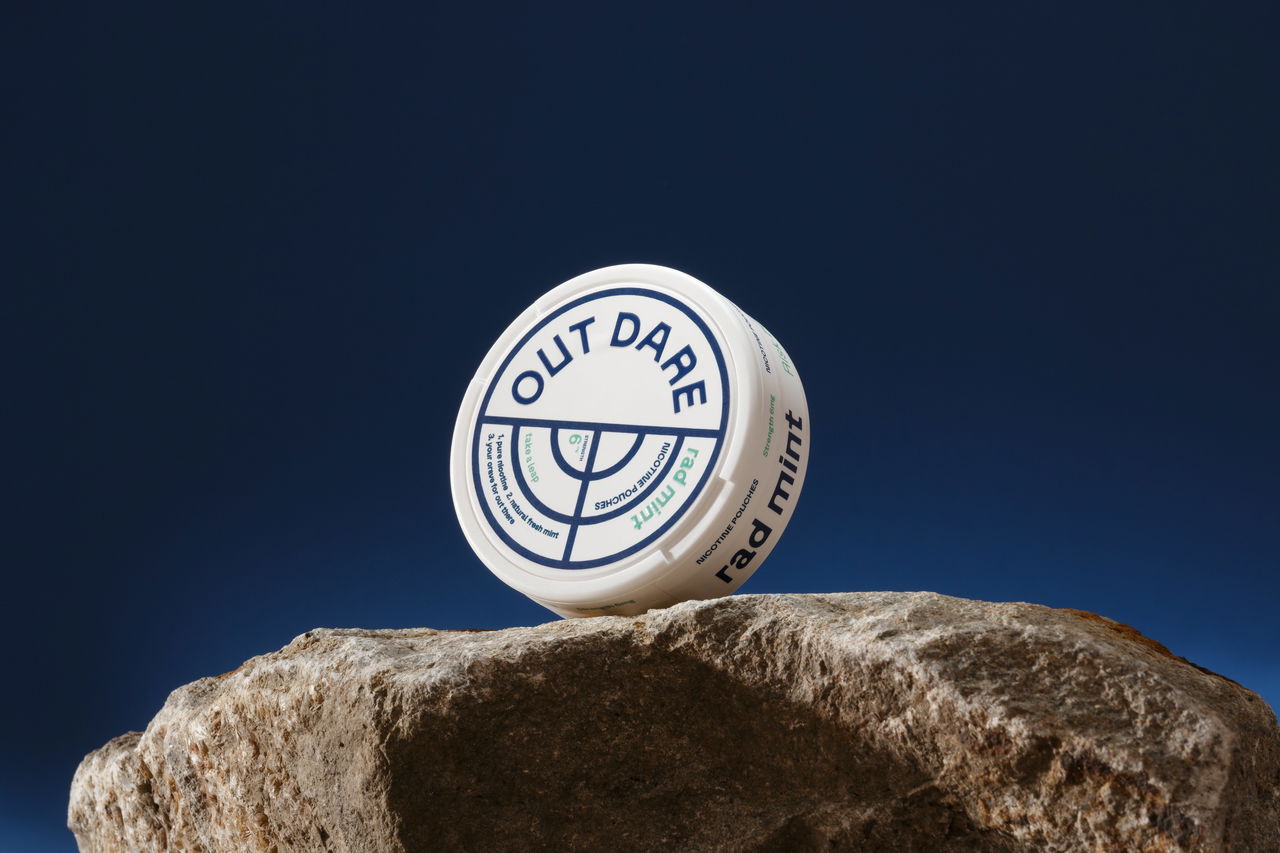
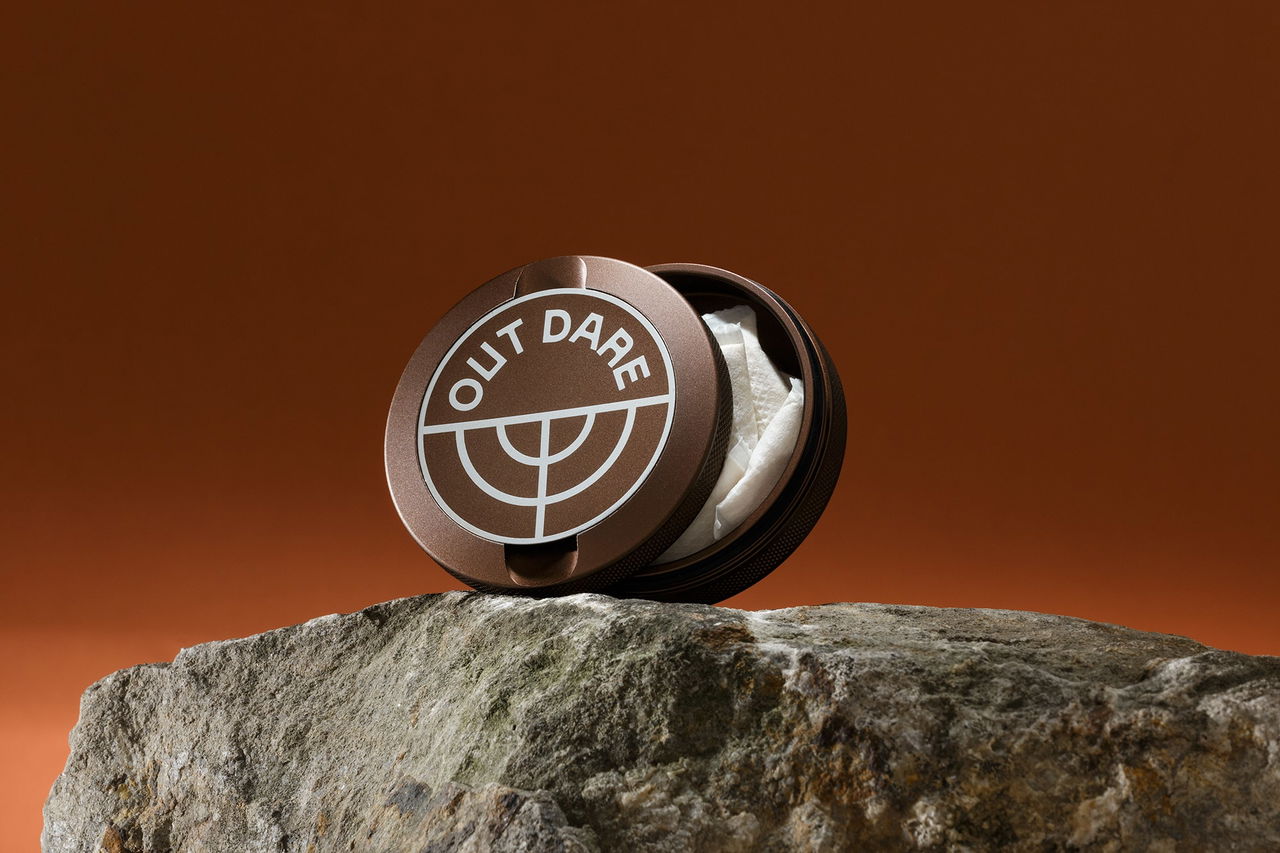
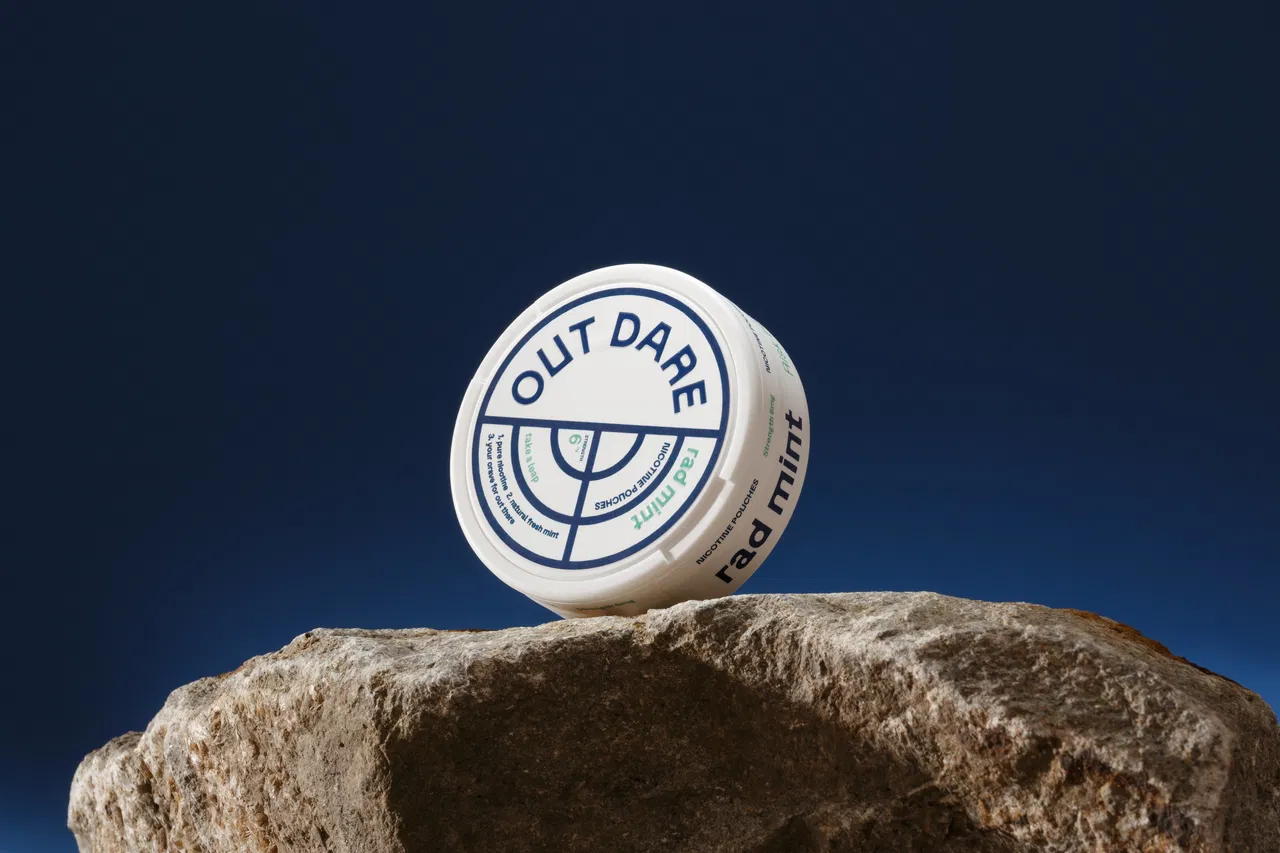
Nicotine pouches are small, rectangular or round sachets containing nicotine powder, plant-based fillers, flavorings, and other ingredients designed for oral consumption. Unlike traditional tobacco products, these pouches contain no tobacco leaf, dust, or combustible materials [1].Basic Composition and Structure
The typical nicotine pouch consists of several key components that work together to deliver nicotine effectively:- Nicotine powder: Either synthetic nicotine or nicotine derived from tobacco plants, ranging from 2mg to 15mg per pouch
- Plant-based fillers: Microcrystalline cellulose, plant fibers, or similar materials that create the pouch structure
- pH adjusters: Sodium carbonate or similar compounds that optimize nicotine absorption
- Flavorings: Natural and artificial flavors, with mint being the most common
- Sweeteners: Xylitol, sucralose, or other sugar alternatives
- Moisture agents: Propylene glycol or glycerin to maintain texture
Historical Development and Market Evolution
Nicotine pouches emerged as an evolution of traditional Swedish snus, which has been used for centuries. However, the modern tobacco-free version represents a significant departure from its tobacco-containing predecessor. The first commercial nicotine pouches appeared in the early 2010s, but widespread adoption didn't occur until the late 2010s.Pro Tip: The tobacco-free nature of modern nicotine pouches allows manufacturers to avoid many tobacco-specific regulations, enabling broader distribution and marketing compared to traditional snus products.Market data from 2026 shows explosive growth in the nicotine pouch sector. Sales increased by 641% between 2019 and 2022, with the trend continuing as more consumers seek alternatives to smoking and vaping [2]. This growth reflects both increased awareness and the appeal of a discrete, smokeless nicotine delivery method. The regulatory landscape has evolved alongside market growth. In Europe, nicotine pouches are generally regulated as consumer products rather than tobacco products, provided they contain no tobacco-derived materials. This regulatory distinction has facilitated market expansion and product innovation.
How Nicotine Pouches Work
Nicotine pouches deliver nicotine through a process called buccal absorption, where the active ingredient passes through the mucous membranes in the mouth directly into the bloodstream. This method bypasses the digestive system and lungs, providing rapid nicotine delivery without combustion or vapor.The Absorption Mechanism
When a nicotine pouch is placed between the gum and upper lip, several physiological processes begin immediately:- Moisture activation: Saliva moistens the pouch, activating the nicotine powder and pH adjusters
- pH optimization: Alkaline compounds in the pouch raise the pH, converting nicotine to its free-base form for better absorption
- Membrane penetration: Free-base nicotine passes through the oral mucosa into capillaries
- Systemic circulation: Nicotine enters the bloodstream and reaches the brain within 10-20 minutes
Duration and Intensity Patterns
The nicotine delivery profile of pouches differs significantly from other consumption methods. Users typically experience:- Onset: Initial effects within 5-15 minutes of placement
- Peak absorption: Maximum nicotine levels reached after 30-45 minutes
- Duration: Effects lasting 45-90 minutes depending on pouch strength and individual metabolism
- Elimination: Gradual decline over 2-4 hours as nicotine is metabolized
Pro Tip: The "pillow feeling" under the lip becomes part of the psychological ritual, which explains why many users struggle to quit even when nicotine levels are reduced. The physical sensation reinforces the habit independently of the chemical dependency.Individual factors significantly influence how nicotine pouches work for each user. Body weight, oral pH, previous tobacco use, and genetic factors affecting nicotine metabolism all impact absorption rates and effects. This variability explains why some users require higher-strength pouches while others find lower doses sufficient.
Key Benefits and Why They Matter
Nicotine pouches offer several advantages over traditional tobacco products and other nicotine delivery methods, making them an attractive option for harm reduction and smoking cessation efforts. Understanding these benefits helps explain their rapid market adoption and appeal to diverse user groups.Harm Reduction Compared to Smoking
The primary benefit of nicotine pouches lies in their potential for harm reduction compared to combustible tobacco products:- No combustion: Eliminates exposure to tar, carbon monoxide, and thousands of toxic compounds produced by burning tobacco
- No secondhand smoke: Protects others from passive smoke exposure
- Reduced cancer risk: While not risk-free, eliminates many carcinogens associated with tobacco combustion
- Respiratory benefits: No direct lung exposure to harmful substances
Convenience and Discretion
Modern lifestyle factors have contributed significantly to nicotine pouch popularity:| Advantage | Traditional Smoking | Nicotine Pouches |
|---|---|---|
| Indoor Use | Prohibited in most locations | Allowed in most settings |
| Odor | Strong, persistent smell | Minimal to no odor |
| Preparation | Requires lighter/matches | Ready to use immediately |
| Cleanup | Ash, butts, disposal issues | Simple disposal, no residue |
| Social Acceptance | Increasingly stigmatized | More socially acceptable |
Controlled Nicotine Delivery
Unlike cigarettes, which deliver nicotine in rapid spikes, pouches provide more controlled, sustained release. This characteristic offers several advantages:- Predictable dosing: Each pouch contains a known nicotine amount, enabling better consumption control
- Steady levels: Sustained release helps avoid the peaks and crashes associated with smoking
- Customizable strength: Available in various nicotine concentrations to match individual needs
- Duration control: Users can remove the pouch when desired effects are achieved
Pro Tip: The controlled delivery that makes pouches appealing for harm reduction can also make them harder to quit than cigarettes. Many users find themselves using more pouches per day than they initially intended, leading to higher overall nicotine consumption.
Common Challenges and Mistakes
Despite their benefits, nicotine pouches present significant challenges that users often underestimate. Understanding these pitfalls is crucial for anyone considering or currently using these products, as many of the marketed advantages can become drawbacks with regular use.The Escalation Trap
One of the most common mistakes users make is underestimating how quickly tolerance develops with nicotine pouches:- Strength progression: Users often start with lower-strength pouches but quickly move to higher concentrations
- Frequency increase: The convenience and discretion lead to more frequent use throughout the day
- Quantity escalation: Many users report consuming 15-30 pouches daily, far exceeding their initial intentions
- Cost accumulation: Regular users can spend €200-400 monthly on pouches
Physical Side Effects and Oral Health Issues
Many users experience significant oral health problems that aren't adequately discussed in marketing materials:- Gum recession: Prolonged contact with pouches can cause gum tissue to recede, particularly in the placement area
- Mouth sores: Regular users frequently develop painful lesions where pouches are placed
- Tooth sensitivity: Chemical exposure can increase dental sensitivity and discomfort
- Altered taste: Long-term use can affect taste perception and oral sensation
The Single-Solution Problem
Perhaps the most significant challenge with traditional nicotine pouches is their one-dimensional approach to what's actually a multi-faceted addiction:Pro Tip: Addiction research shows that only 30% of nicotine dependence is chemical. The other 70% consists of physical habit (30%) and sensory cues (30%). Traditional pouches only address the chemical component, leaving users vulnerable to the habit and sensory aspects of their addiction.This limitation creates several problems:
- Incomplete satisfaction: Users may increase consumption trying to satisfy non-chemical aspects of their addiction
- Difficult cessation: Quitting becomes harder because the physical and sensory components remain unaddressed
- Cycle reinforcement: The ritual aspects of pouch use strengthen the overall addictive pattern
- Limited flexibility: Users have no alternatives for different situations or moods
Misconceptions About Safety
Many users make decisions based on incomplete information about nicotine pouch safety:- "Tobacco-free means safe": While avoiding tobacco-specific harms, pouches still carry nicotine-related risks
- Cardiovascular impacts: Nicotine affects heart rate, blood pressure, and circulation regardless of delivery method
- Addiction potential: The clean delivery can make pouches more addictive than traditional tobacco products
- Long-term effects unknown: As a relatively new product category, long-term health impacts remain unclear

Best Practices for 2026
As the nicotine pouch market matures in 2026, best practices have evolved beyond simple harm reduction to encompass comprehensive approaches that address the full spectrum of nicotine dependency. Smart users are adopting strategies that provide flexibility and control rather than replacing one single-option dependency with another.The Multi-Pouch System Approach
The most significant innovation in 2026 involves moving beyond single-ingredient pouches to comprehensive systems that address different aspects of the addiction cycle:- Situational matching: Using different pouch types for specific needs rather than defaulting to nicotine for everything
- Gradual transition: Systematically replacing nicotine pouches with alternatives that maintain the ritual while reducing chemical dependency
- Maintained sensory cues: Ensuring alternative pouches provide the same taste, burn, and physical sensation to satisfy psychological components
- Flexible dosing: Having options that allow users to choose their chemical input based on actual need rather than habit
Strategic Usage Patterns
Successful pouch users in 2026 follow specific patterns that maximize benefits while minimizing risks:- Morning assessment: Determining actual energy/focus needs before automatically reaching for nicotine
- Situational selection: Choosing energy pouches for productivity, CBD pouches for stress, nicotine only when specifically needed
- Evening transition: Using relaxation-focused pouches rather than stimulants that disrupt sleep
- Weekend protocols: Implementing different patterns during leisure time to avoid building rigid dependencies
Health Monitoring and Rotation
Advanced users implement monitoring systems to track their consumption patterns and health impacts:| Monitoring Area | Key Metrics | Warning Signs |
|---|---|---|
| Consumption Frequency | Pouches per day, timing patterns | Automatic reaching, increased frequency |
| Oral Health | Gum condition, mouth sores | Persistent irritation, tissue changes |
| Sleep Quality | Sleep onset, duration, quality | Difficulty falling asleep, restlessness |
| Energy Levels | Natural energy, crash patterns | Dependence for basic function, afternoon crashes |
Pro Tip: Rotate placement locations in your mouth to prevent localized tissue damage. Many users develop permanent gum recession by consistently placing pouches in the same spot. Alternate between different areas of the upper lip to distribute contact.
Integration with Lifestyle Goals
The most successful pouch users align their consumption with broader health and performance objectives:- Fitness integration: Using energy pouches pre-workout instead of nicotine, which can impair exercise performance
- Productivity optimization: Matching pouch selection to cognitive demands rather than using nicotine as a default
- Social consideration: Choosing options that support social interaction rather than creating dependency behaviors
- Long-term planning: Setting reduction goals and timelines rather than maintaining static consumption
Sources & References
- CDC, "Nicotine Pouches | Smoking and Tobacco Use", 2026
- Yale Medicine, "What Parents Should Know About Nicotine Pouches", 2024
- Truth Initiative, "What is Zyn and what are oral nicotine pouches?", 2024
- MD Anderson Cancer Center, "What to know about nicotine pouches", 2024
- Wikipedia, "Nicotine pouch", 2026
- VCU Health, "How safe are nicotine pouches", 2024
- American Lung Association, "ZYN 101: What to Know About Big Tobacco's Latest Addiction", 2024
- American Cancer Society, "What to Know About Nicotine Pouches and Cancer Risk", 2024
- PMC, "Nicotine pouches: a narrative review of the existing literature", 2024
- Johns Hopkins, "Are Oral Nicotine Pouches Safe?", 2024
Frequently Asked Questions
1. What does a nicotine pouch do to your mouth?
Understanding what are nicotine pouches is essential. Nicotine pouches can cause gum irritation, mouth sores, and tissue recession, particularly where the pouch contacts the gums. Regular users often experience sensitivity, altered taste, and localized tissue changes. The alkaline pH and prolonged contact can damage oral tissues over time, with effects varying based on frequency of use and individual sensitivity.
2. Are nicotine pouches safer than cigarettes?
While nicotine pouches eliminate combustion-related harms like tar and carcinogens from burning tobacco, they still carry significant risks. They contain addictive nicotine that affects cardiovascular health, can cause oral tissue damage, and may lead to higher overall nicotine consumption due to their convenience and discretion. This is particularly relevant for what are nicotine pouches.
3. How long should you keep a nicotine pouch in your mouth?
Most manufacturers recommend keeping nicotine pouches in place for 15-60 minutes. However, many users remove them sooner if they experience irritation or achieve desired effects. Leaving pouches in longer than recommended increases the risk of oral tissue damage and doesn't significantly increase nicotine absorption. When considering what are nicotine pouches, this point stands out.
4. Can nicotine pouches help you quit smoking?
Nicotine pouches may help some people transition away from smoking by providing nicotine without combustion. However, they address only the chemical aspect of addiction, not the behavioral and sensory components. Many users find themselves dependent on pouches instead, sometimes consuming more nicotine than they did while smoking. For those exploring what are nicotine pouches, this matters.
5. What are the side effects of nicotine pouches?
Common side effects include gum irritation, mouth sores, increased heart rate, nausea, hiccups, and throat irritation. Long-term effects may include gum recession, altered taste, sleep disruption, and cardiovascular impacts. Some users also experience brain fog, energy crashes, and digestive issues with regular use. This directly impacts what are nicotine pouches outcomes.
6. How much nicotine is in a typical pouch?
Nicotine pouches typically contain 2-15mg of nicotine per pouch, with 6mg being common for regular users. For comparison, a cigarette delivers about 1-2mg of absorbed nicotine, meaning a single high-strength pouch can deliver significantly more nicotine than a cigarette, though absorption is slower and more sustained. This is particularly relevant for what are nicotine pouches.
7. Are there alternatives to traditional nicotine pouches?
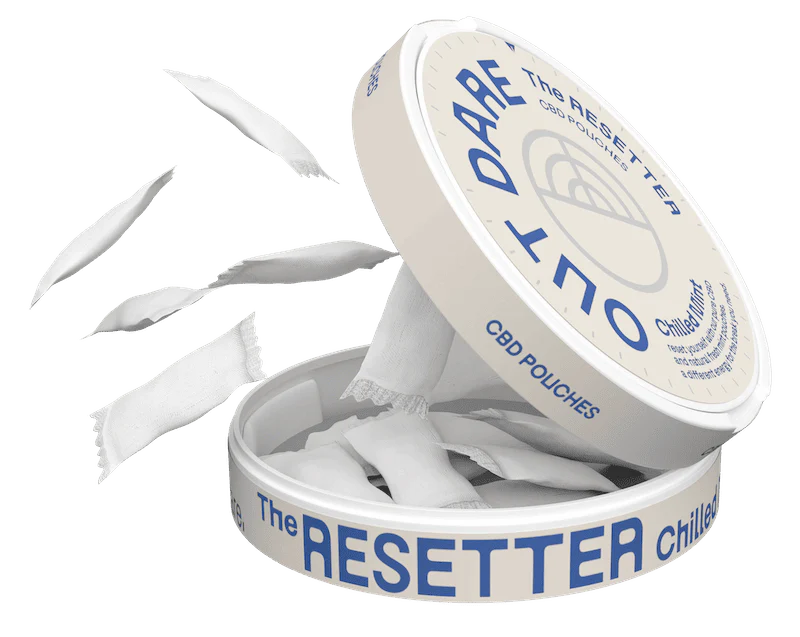
Yes, 2026 has seen the emergence of energy pouches containing caffeine and nootropics, and CBD pouches for relaxation. These alternatives maintain the same physical ritual and sensory experience as nicotine pouches but address different needs without nicotine dependency. Some systems combine all three types to provide users with choices based on their actual needs rather than automatic nicotine consumption. When considering what are nicotine pouches, this point stands out.
Recommended Articles
Explore more from our content library: