





Top Oral Nicotine Alternatives That Actually Work
| Key Insight | Explanation |
|---|---|
| Nicotine is only 30% of the addiction | The 30/30/30 Addiction Rule shows that habit and sensory cues make up 60% of dependency — meaning most quit attempts fail because they ignore the ritual. |
| Functional pouches are the fastest-growing alternative category | As of 2026, caffeine, nootropic, and CBD pouches are emerging as the most viable non-nicotine alternatives that preserve the oral ritual without chemical dependency. |
| Cold turkey has a very high failure rate | Research consistently shows that abrupt cessation without behavioral or pharmacological support leads to relapse in the majority of attempts within the first two weeks. |
| Sensory parity is the key to substitution success | Alternatives that replicate the same burn, mouthfeel, and taste as nicotine pouches are significantly more effective at preventing relapse than those that don't. |
| A structured 4-week method outperforms willpower alone | Outdare users who follow the 4-Week Method report reducing nicotine intake by 60–90% in the first month by gradually replacing nicotine pouches with Energy and CBD variants. |
| Not all alternatives suit all users | The right alternative depends on dependency level, the role nicotine plays (energy, stress relief, habit), and whether the user wants to quit entirely or reduce gradually. |
The best oral nicotine alternatives in 2026 aren't patches, gum, or willpower. They're a new generation of tobacco-free pouches — functional, discreet, and built to respect the ritual that makes quitting so hard in the first place. If you've tried cold turkey and failed, you're not weak. You're just missing the right system.
Nicotine dependency is more layered than most quit guides admit. The chemical craving is real, but so is the physical habit of placing something under your lip, the burn, the focus cue. Strip all of that away at once and your brain fights back hard.
This article breaks down every major category of oral nicotine alternative available in 2026 — from NRT standbys like gum and lozenges, to functional pouches loaded with caffeine, nootropics, and CBD. You'll learn how each one works, where each one falls short, and which combination actually gives you the best shot at reducing or quitting without white-knuckling every craving.
What Are Oral Nicotine Alternatives?
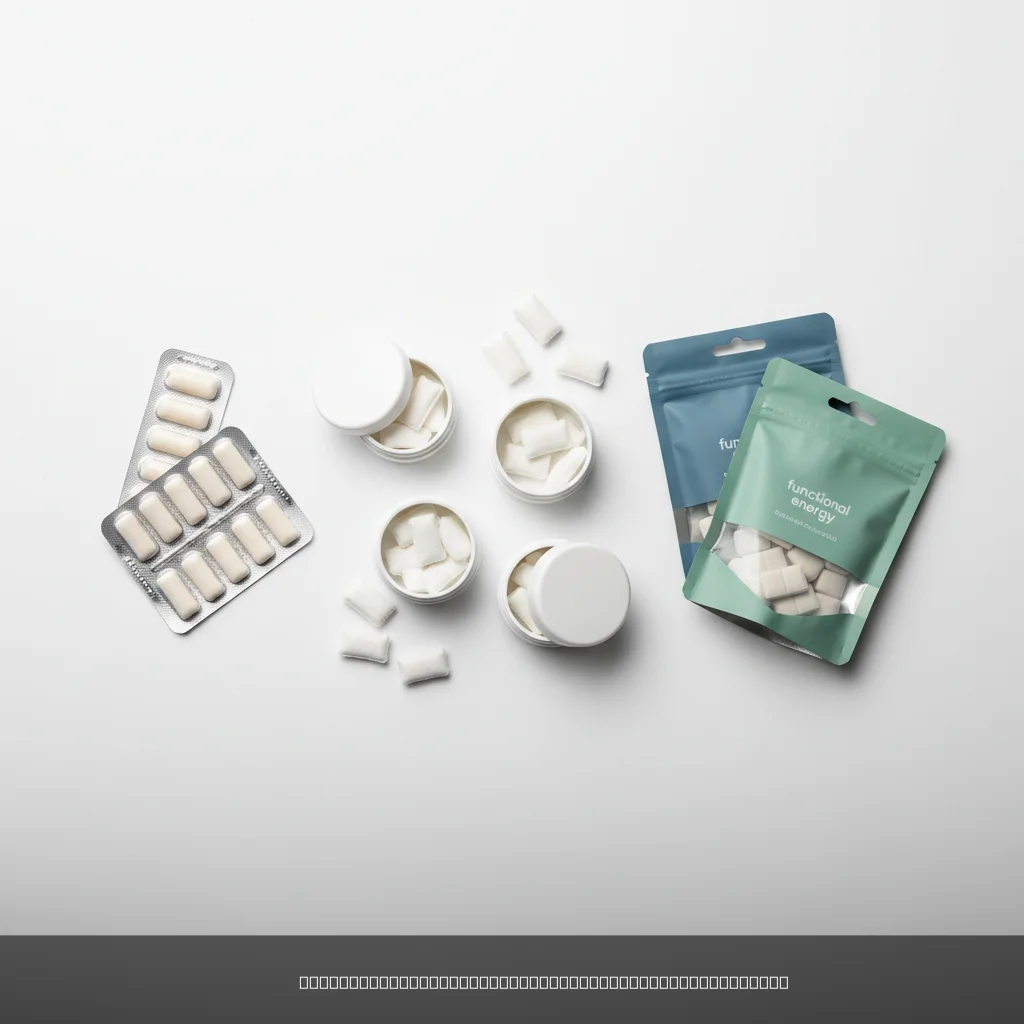
Oral nicotine alternatives are tobacco-free products placed in or around the mouth that either deliver nicotine without tobacco or replace the oral habit entirely with functional non-nicotine ingredients. They range from pharmaceutical NRT products to modern functional pouches containing caffeine, nootropics, or CBD.
The Landscape in 2026
The global nicotine pouch market was valued at approximately USD 2.4 billion in 2023 and is projected to grow at a CAGR of over 35% through 2030, according to Grand View Research. That growth is being driven by three intersecting trends: tightening EU vaping regulations, rising demand for smoke-free formats, and a genuine consumer shift toward harm reduction over abstinence.
As of 2026, the category has split into two distinct lanes. The first is nicotine-containing alternatives — tobacco-free pouches, NRT gum, lozenges, and prescription medications — that manage chemical dependency. The second is non-nicotine functional alternatives — caffeine pouches, CBD pouches, herbal pouches, and nootropic formats — that address the habit and sensory components without feeding the chemical loop [1].
Understanding which lane you need is the first step. Most people need both.
Why "Oral" Matters Specifically
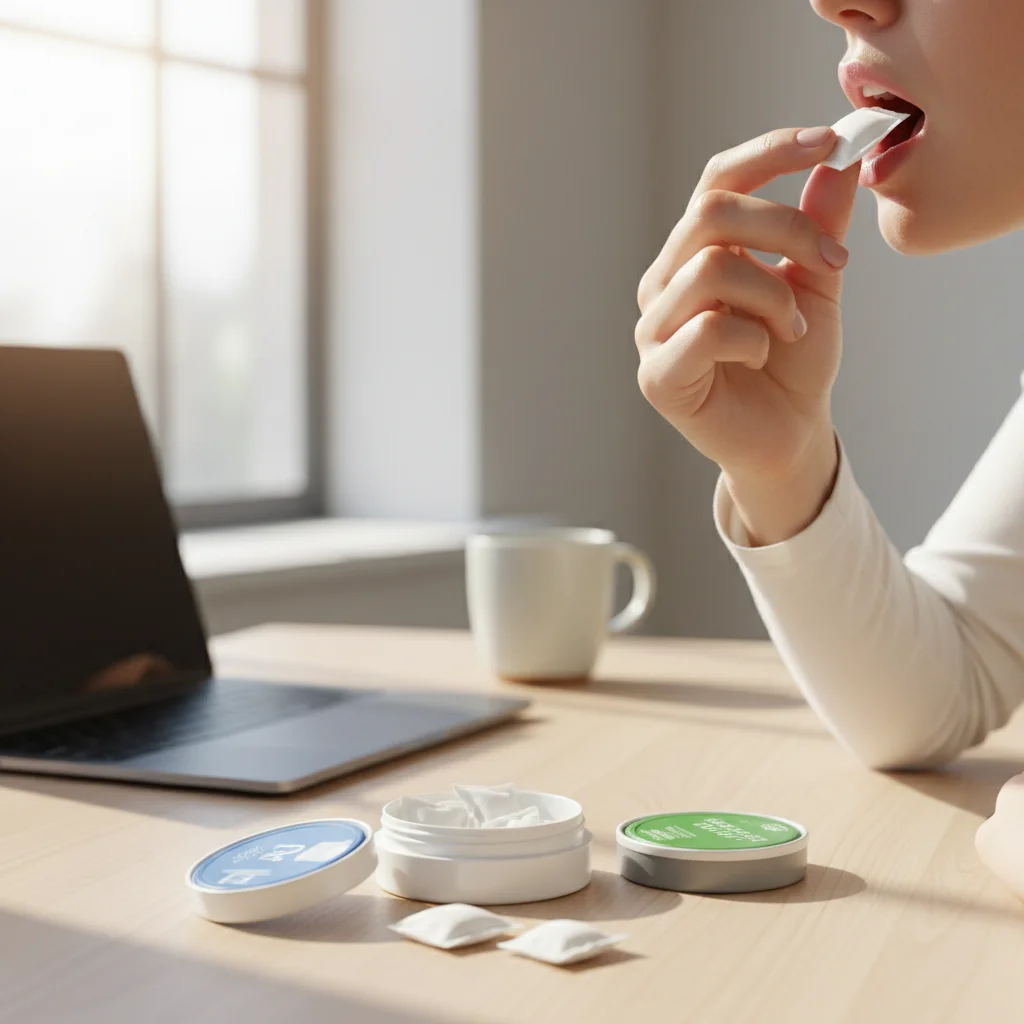
Patches and inhalers address nicotine withdrawal but completely ignore the oral fixation — the physical act of placing something under the lip, feeling the pillow sensation, tasting the mint burn. Research from the American Lung Association notes that oral nicotine products like pouches are used in a way that closely mimics the behavioral ritual of traditional tobacco [2].
That ritual isn't trivial. It's wired. And any alternative that ignores it will leave a gap your brain will try to fill — usually by reaching for the original product.
- Nicotine pouches (tobacco-free): Deliver nicotine without tobacco leaf, smoke, or vapor
- NRT gum and lozenges: Pharmaceutical-grade nicotine in an oral format
- Functional energy pouches: Zero nicotine, caffeine plus nootropics, same oral placement
- CBD pouches: Zero nicotine, cannabidiol for stress and sleep support
- Herbal pouches: Plant-based fillers, no nicotine, no caffeine — purely habit-replacement
Best Oral Nicotine Alternatives in 2026: A Full Comparison
The best oral nicotine alternatives in 2026 span five distinct categories, each suited to a different user profile, dependency level, and goal — from full cessation to gradual reduction while maintaining daily function.
Category-by-Category Breakdown
Here's how the main options stack up. The right choice depends heavily on why you use nicotine — for energy, for stress relief, for the ritual, or all three.
| Alternative | Nicotine | Preserves Ritual | Functional Benefit | Best For |
|---|---|---|---|---|
| Tobacco-free nicotine pouches (step-down) | Yes (6–15mg) | Yes | Nicotine delivery | Heavy users reducing gradually |
| Energy pouches (caffeine + nootropics) | No | Yes | Focus, clean energy | Productivity users, quitters |
| CBD pouches | No | Yes | Calm, stress relief, sleep | Evening use, anxiety management |
| NRT gum / lozenges | Yes (2–4mg) | Partial | Craving management | Clinical cessation support |
| Herbal pouches | No | Partial | Habit replacement only | Light users, oral fixation |
| Prescription medication (varenicline, cytisine) | No | No | Receptor-blocking | Heavy smokers with medical support |
The NHS currently lists varenicline (cytisine) and combination NRT as the most effective single-product cessation aids [3]. However, clinical effectiveness and real-world adherence are two different things. Most users don't fail because the chemistry doesn't work — they fail because the ritual disappears.
Community feedback on Reddit's r/QuittingZyn consistently points to one finding: users who replaced their pouches with something that felt physically similar — same oral placement, same sensation — had dramatically better outcomes than those who switched to patches or gum [4].
Pro Tip: If you use nicotine primarily for focus and energy, a caffeine-plus-nootropic pouch is your strongest non-nicotine alternative. The energy delivery is real, the ritual is preserved, and you're not adding to your chemical dependency. This is the substitution your brain will actually accept.
The Truth Initiative notes that oral nicotine pouches have become the second most-used smokeless tobacco alternative in recent years, which signals just how strong the demand for oral-format alternatives really is [1].
How the 30/30/30 Rule Changes How You Should Quit
The 30/30/30 Addiction Rule reframes nicotine dependency as a three-part problem: 30% chemical (nicotine), 30% physical habit (the oral ritual), and 30% sensory cue (the burn and taste). This means the best oral nicotine alternatives must address all three components, not just the chemical one.
Why Most Quit Attempts Fail
Cold turkey removes all three components simultaneously. Your brain loses its chemical hit, its physical ritual, and its sensory anchor at the same moment. That's not a quit attempt — that's a neurological ambush. No wonder the relapse rate is so high.
According to the CDC, most smokers attempt to quit multiple times before succeeding, and behavioral support significantly improves outcomes when combined with pharmacological aids [5]. The same principle applies to pouch users.
Here's what the math actually looks like in practice:
- Chemical dependency (30%): Manageable through step-down dosing or NRT
- Physical habit (30%): The act of placing a pouch under the lip, the pillow sensation
- Sensory cue (30%): The mint burn, the taste, the gum tingle that signals "this is working"
- The remaining 10%: Social context, stress triggers, and environmental cues
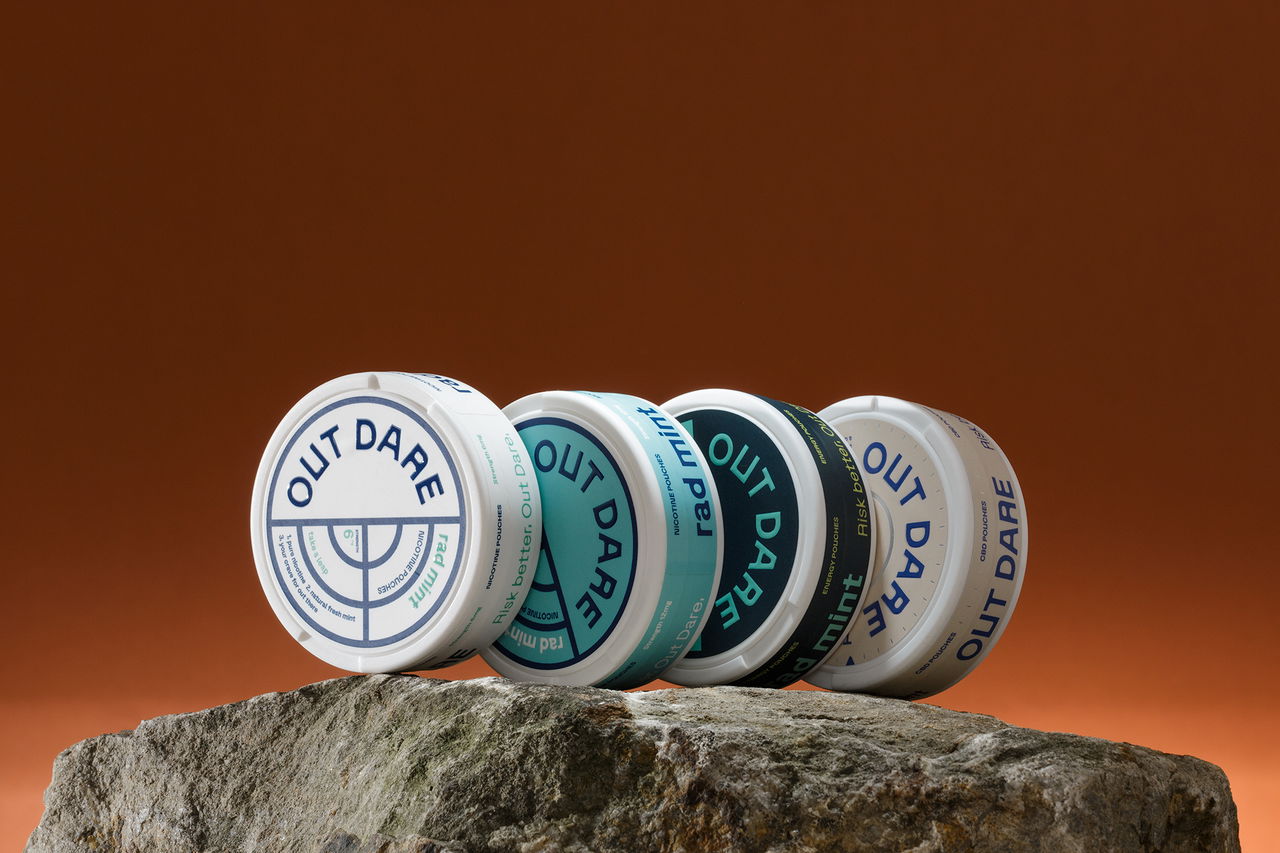
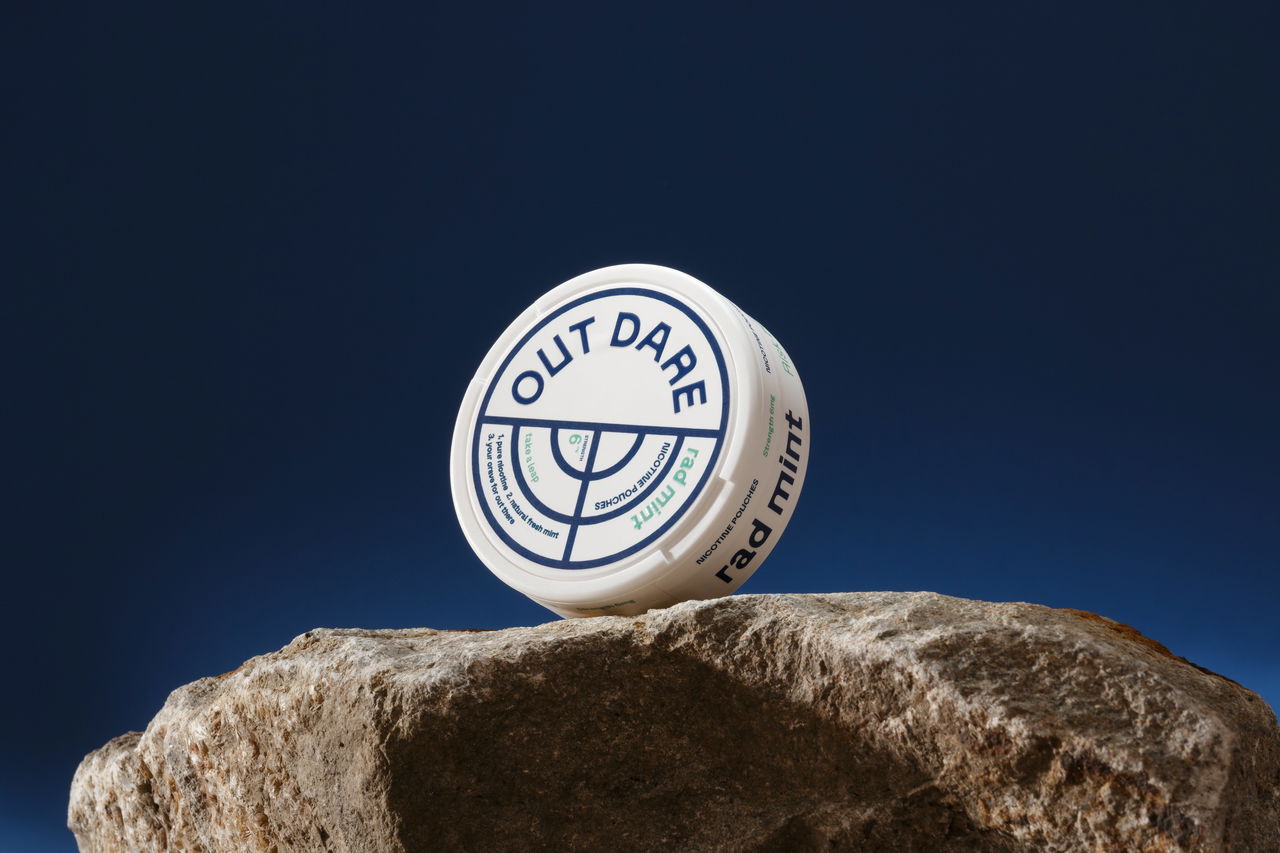
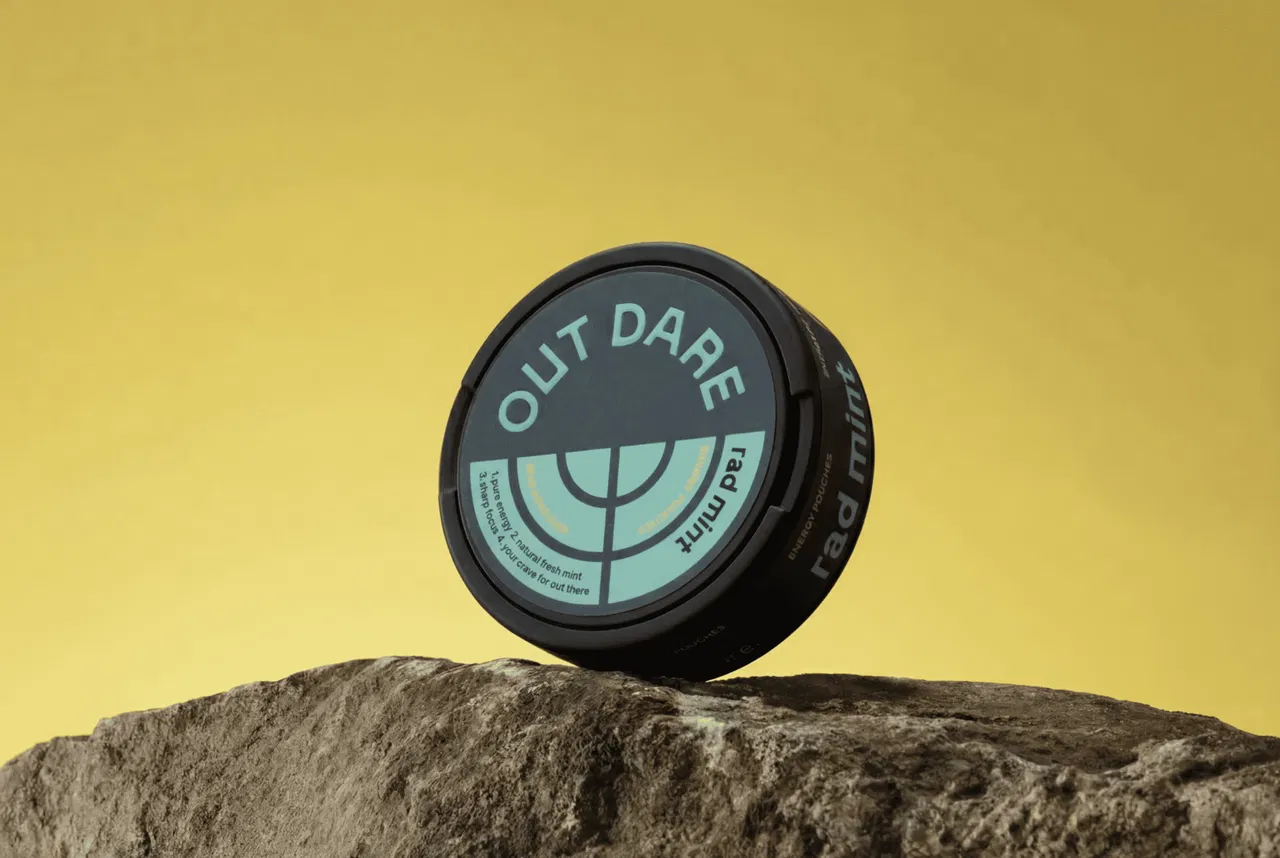
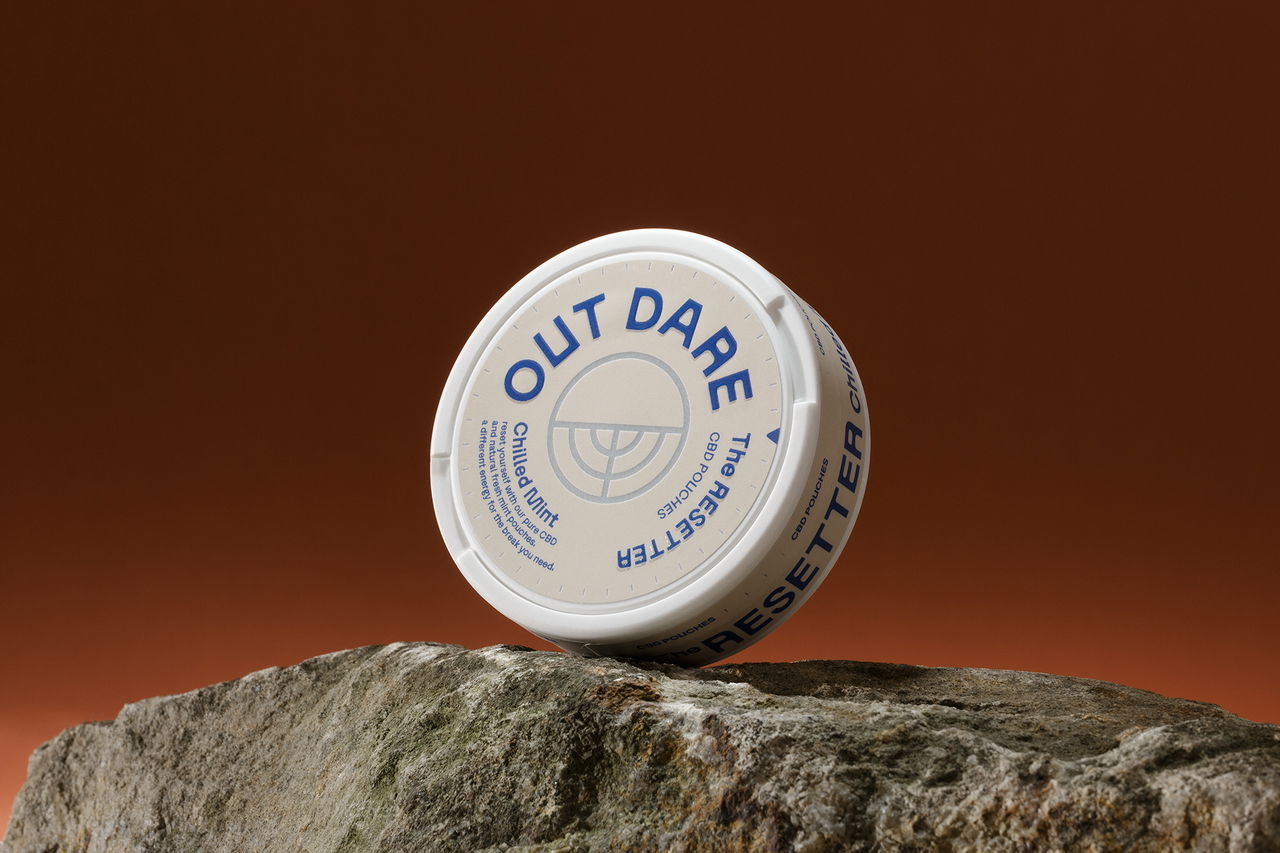
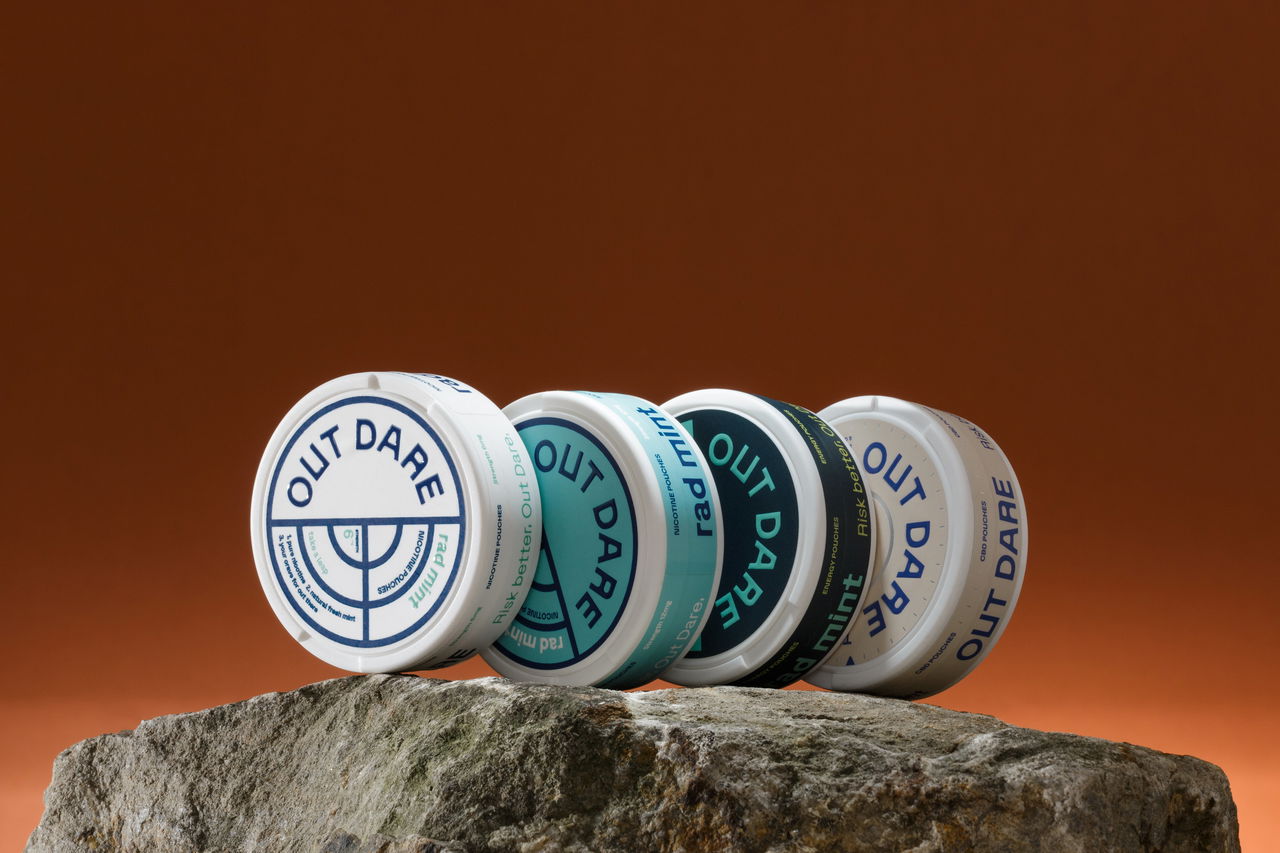
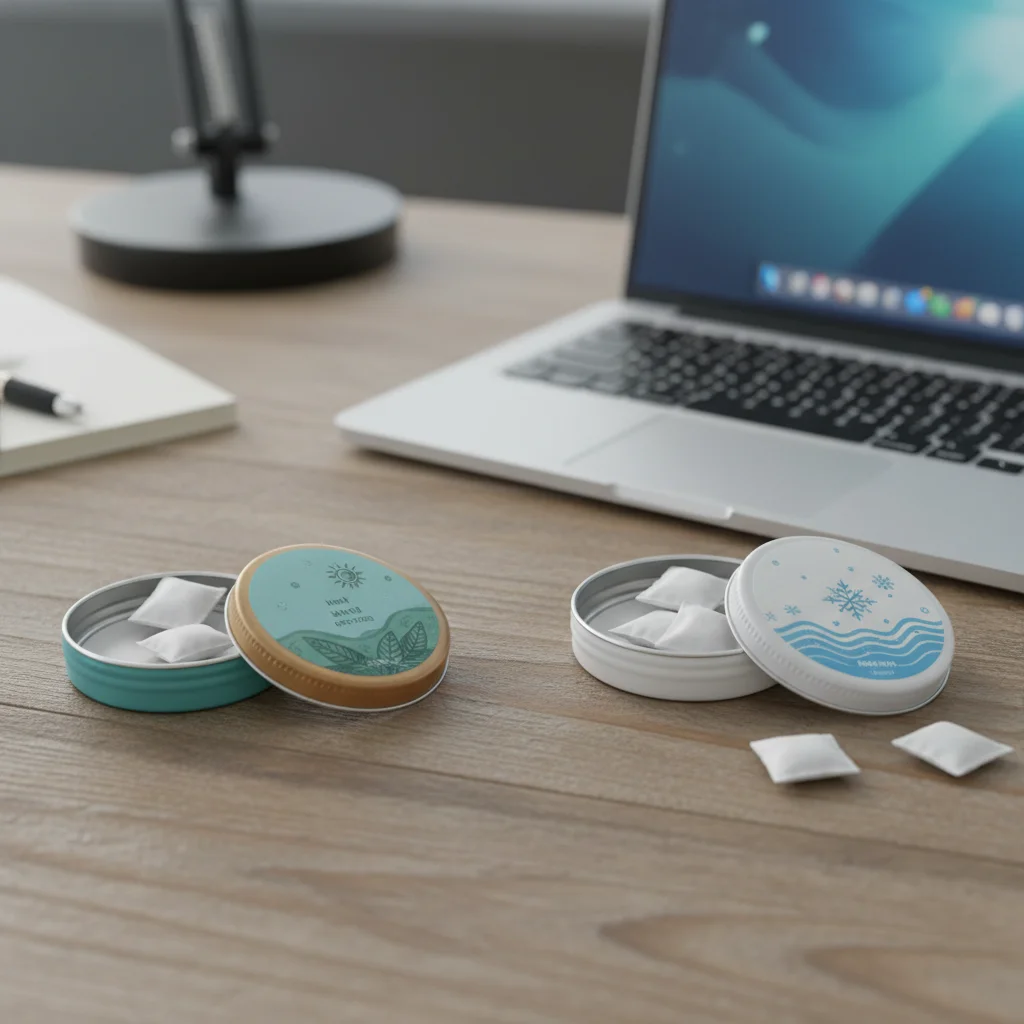
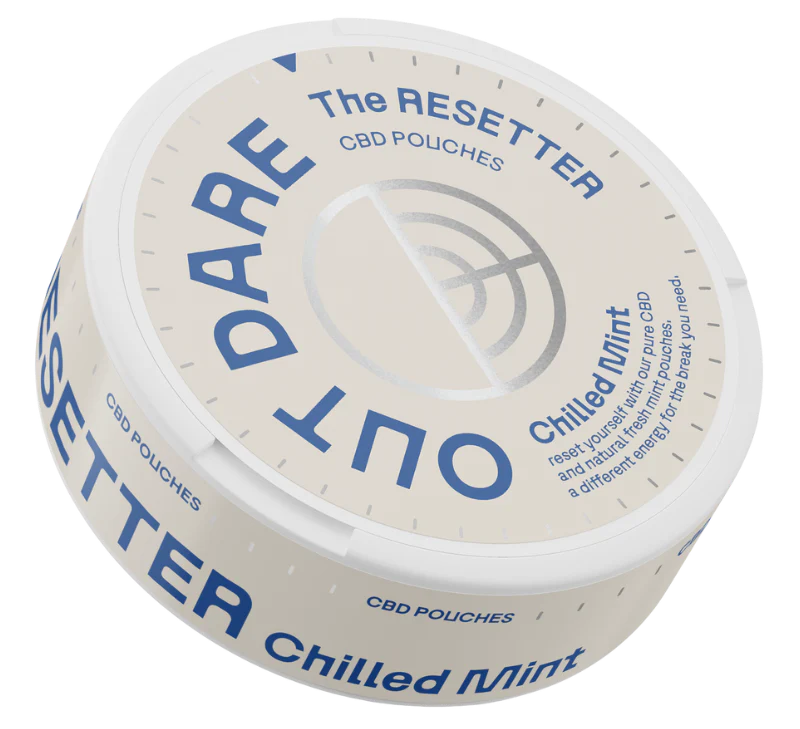
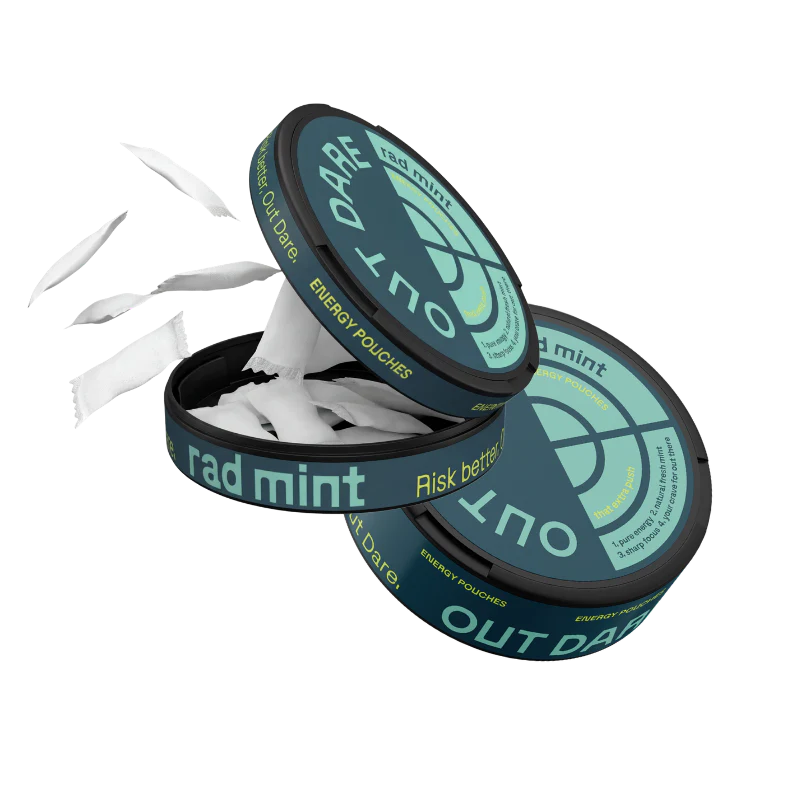
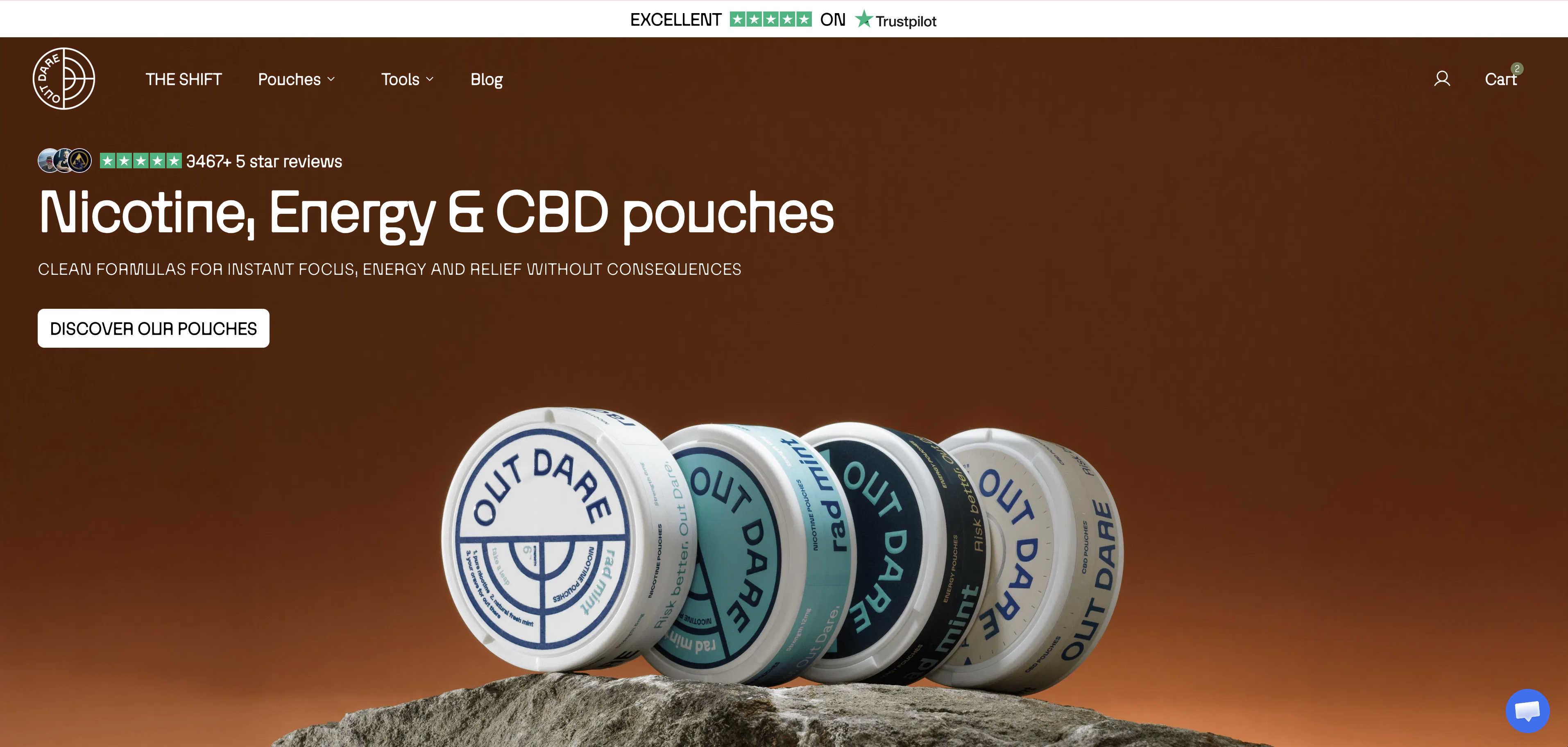
Outdare's 3-pouch system was built specifically around this framework. All three pouch variants — Clean Nicotine, Energy, and CBD — share identical mint flavor, mouthfeel, and gum burn. Your brain can't tell which one it's getting. So the 60% (habit plus sensory cue) stays fully satisfied while you quietly reduce the 30% chemical component.
The 4-Week Method in Practice
The structured approach matters. Swapping randomly doesn't produce the same results as a deliberate protocol.
- Week 1: Establish your baseline. Track how many nicotine pouches you use per day and when. Identify the triggers — morning routine, post-meeting, pre-workout, evening wind-down.
- Week 2: Replace 30–40% of your nicotine pouches with Energy pouches during focus-heavy moments. The caffeine plus nootropics deliver real functional benefit, so the swap doesn't feel like deprivation.
- Week 3: Introduce CBD pouches for evening use and stress-triggered moments. Replace another 20–30% of remaining nicotine pouches.
- Week 4: Nicotine pouches become the deliberate choice, not the default. Most users reach 60–90% reduction by the end of this week.
At Outdare LTD, we've found that users who follow this structured protocol consistently outperform those who attempt unguided reduction — not because the system is complicated, but because having a plan removes the cognitive load of deciding in the moment.
Pro Tip: Start your substitution with the Energy pouch during your highest-focus work block — typically 9am–12pm. This is when nicotine's perceived "edge" is strongest, and when a clean caffeine-plus-nootropic alternative will feel most convincing to your brain. The ritual stays intact. The chemistry changes.
Common Mistakes When Switching to Nicotine Alternatives
The most common mistake when switching to oral nicotine alternatives is choosing a product that addresses chemical dependency but ignores the sensory and behavioral components — leading to relapse within days, not weeks.
Mistake 1: Treating the Ritual as Optional
A patch delivers nicotine. It doesn't deliver the burn, the pillow, or the mint. For heavy pouch users, that gap is enormous. The oral habit isn't a side effect of nicotine dependency — it's a core component of it.
One pattern seen repeatedly in practice: a user switches to NRT patches, manages the chemical craving reasonably well for a few days, then finds themselves reaching for a pouch at 2pm not because they need nicotine, but because they need something under their lip during a stressful call. The patch can't help with that. A sensory-matched alternative can.
The Boston Children's Hospital notes that behavioral support and counseling — addressing the habitual component of nicotine use — are among the most effective complementary strategies for cessation [6].
Mistake 2: Jumping to Zero Too Fast
Heavy users who consume 15–20 pouches per day can't realistically drop to zero in a week. The chemical dependency is real, and ignoring it doesn't make it disappear faster.
- Don't eliminate nicotine entirely in week one
- Don't skip the step-down process — use 12mg before moving to 6mg
- Don't confuse "reducing" with "suffering" — the goal is a smooth transition, not white-knuckling
- Don't choose an alternative that tastes, feels, or sits differently — your brain will notice and reject it
Mistake 3: Ignoring What Nicotine Was Actually Doing
This is the big one. Nicotine doesn't just satisfy a craving — for most regular users, it's doing a job. It's the 10am focus boost. It's the post-lunch energy reset. It's the stress valve at 4pm.
If you remove nicotine without replacing the functional benefit, you're not just dealing with withdrawal — you're dealing with a performance gap. That's why functional alternatives that deliver real energy or real calm are so much more effective than purely habit-based substitutes like herbal pouches.
The MD Anderson Cancer Center recommends combining behavioral strategies with pharmacological support, specifically because the functional role nicotine plays in a user's daily routine needs to be actively replaced, not just removed [7].
Best Practices for Choosing an Alternative in 2026
Choosing among the best oral nicotine alternatives in 2026 comes down to three questions: What job is nicotine doing for you? How strong is your physical habit? And how fast do you want to reduce?
Match the Alternative to the Function
Not all nicotine use is the same. Your replacement strategy should reflect what nicotine is actually doing in your day.
- If nicotine = energy and focus: Energy pouches with 50mg caffeine plus nootropics (L-Theanine, Alpha-GPC) are the most direct functional replacement. No jitter, no crash, no chemical dependency.
- If nicotine = stress relief: CBD pouches address the anxiety and overstimulation that often drive stress-triggered pouch use, without adding to dependency.
- If nicotine = morning ritual: Start with a step-down nicotine pouch (12mg to 6mg), then phase in Energy pouches for the focus component once the chemical dose is lower.
- If nicotine = evening habit: CBD pouches are the strongest alternative here — they satisfy the oral ritual while actively supporting relaxation and sleep quality.
Evaluate Sensory Compatibility First
Before committing to any alternative, test whether it replicates the sensory experience of your current pouch. Taste, burn intensity, pillow size, and mouthfeel all matter — more than most product descriptions admit.
This is where the Outdare Discovery Pack has a structural advantage. Trying all three pouch formats before committing means you're not guessing whether the substitution will feel right. You know.
Pro Tip: When evaluating any oral nicotine alternative, don't judge it during a craving. Try it at a neutral moment — mid-morning, after a meal, when you're not already in withdrawal. Your assessment will be far more accurate, and you'll get a genuine read on whether the sensory profile actually works for you.
Consider the European Regulatory Context
As of 2026, the EU's Tobacco Products Directive (TPD) continues to shape what's legal and how products can be marketed across member states. Tobacco-free nicotine pouches occupy a distinct regulatory category from tobacco snus, which remains banned in most EU countries. Functional pouches (caffeine, CBD) fall outside tobacco regulation entirely.
Clean European manufacturing matters here. Plant-fiber fillers, xylitol-based formulas, and natural flavoring align with both consumer preference and regulatory direction in France, Denmark, Finland, Ireland, the Netherlands, and Slovenia — the six markets where Outdare currently ships DTC.
Our team at Outdare LTD recommends always verifying that any pouch product you try is manufactured in compliance with EU food-grade standards, uses no tobacco-derived ingredients, and discloses its full ingredient list. Transparency isn't just a brand value — it's a safety baseline.
Sources & References
- Truth Initiative, "What is Zyn and what are oral nicotine pouches?", 2024
- American Lung Association, "ZYN 101: What to Know About Big Tobacco's Latest Addiction", 2024
- NHS Better Health, "Find the best stop-smoking product for you", 2026
- Reddit r/QuittingZyn, "Luck with non-nicotine alternative pouches?", 2025
- CDC, "Five New Ways to Quit With Medicines", 2026
- Boston Children's Hospital, "Trending alternatives to help quit nicotine. Do they work?", 2025
- MD Anderson Cancer Center, "Quit smoking: 6 products to strike out nicotine cravings", 2024
Frequently Asked Questions
1. What are the best oral nicotine alternatives for heavy pouch users?
The best oral nicotine alternatives for heavy users (15+ pouches per day) combine a step-down nicotine pouch protocol with functional non-nicotine substitutes. Start with 12mg tobacco-free pouches, then progressively replace individual sessions with energy pouches (caffeine plus nootropics) during focus moments and CBD pouches in the evening. This preserves the full oral ritual while reducing chemical exposure by 60–90% within four weeks, based on the 30/30/30 Addiction Rule framework.
2. Are nicotine-free pouches as effective as nicotine pouches for quitting?
Nicotine-free pouches are most effective when they closely replicate the sensory experience of nicotine pouches — same burn, same mouthfeel, same taste. Purely herbal pouches with no functional ingredient often fall short for heavy users because they address the habit but not the energy or focus gap nicotine was filling. Functional alternatives (caffeine, nootropics, CBD) that also match the sensory profile perform significantly better in practice.
3. Is ZYN better than vaping as an alternative to smoking?
Tobacco-free nicotine pouches like ZYN eliminate combustion and inhalation — two of the most harmful aspects of smoking and vaping. From a harm-reduction perspective, they're a meaningful step forward. However, they still deliver nicotine and can sustain chemical dependency. The next step is replacing them with functional non-nicotine alternatives that maintain the oral ritual without the ongoing chemical dependency.
4. What is the best nicotine-free ZYN alternative that feels the same?
The strongest nicotine-free ZYN alternatives are functional pouches that match the physical format — same pillow size, same gum burn, same mint flavor. Energy pouches with caffeine and nootropics are the best daytime substitute, delivering focus without nicotine. CBD pouches work best for evening use. The key is sensory parity: if the alternative feels different in the mouth, your brain will reject it. Results may vary depending on individual sensitivity and dependency level.
5. Can energy pouches really replace the focus effect of nicotine?
Yes — for most users. Nicotine's perceived "edge" comes primarily from its stimulant effect on dopamine and acetylcholine pathways. A well-formulated energy pouch delivering 50mg caffeine alongside nootropics like L-Theanine and Alpha-GPC can replicate that focus state without nicotine's downsides (brain fog, gut issues, dependency creep). The key is clean dosing — enough to feel the effect, not enough to cause jitter or crash.
6. How long does it take to quit nicotine pouches using alternatives?
With a structured substitution protocol like the 4-Week Method, most users reduce nicotine intake by 60–90% within the first month. Full cessation timelines vary depending on dependency depth, daily usage, and how consistently the alternative is used. One limitation is that users who experience high stress or major life disruptions during the process may need to extend the timeline. The goal isn't speed — it's sustainability.
7. Are there any risks to using CBD pouches as a nicotine alternative?
CBD pouches manufactured to EU food-grade standards, with disclosed ingredient lists and no tobacco content, carry a low risk profile for most healthy adults. They don't create chemical dependency. One consideration: CBD interacts with some medications, so users on prescription drugs should consult a healthcare provider before regular use. Always choose products with transparent labeling, plant-fiber fillers, and verified manufacturing origins.
8. What's the difference between NRT gum and functional pouches as oral alternatives?
NRT gum delivers pharmaceutical-grade nicotine and is clinically proven to reduce withdrawal symptoms — but it doesn't replicate the oral pouch ritual. It's chewed, not placed under the lip, and the sensory profile is entirely different. Functional pouches (energy, CBD) address the ritual and the sensory cue directly, which makes them more effective for users whose dependency is heavily habit-driven. For the strongest results, combining NRT support with functional pouches addresses all three components of the addiction simultaneously.
The Bottom Line
The best oral nicotine alternatives in 2026 aren't a single product — they're a system. Nicotine dependency has three layers: chemical, behavioral, and sensory. Any approach that only addresses one layer is going to leave two open doors for relapse.
The shift happening right now in the European market is significant. Functional pouches — caffeine plus nootropics for focus, CBD for calm — are filling a gap that pharmaceutical NRT never could: they keep the ritual intact while the chemistry changes. That's not a marketing claim. It's how habit loops actually work.
You don't need to quit everything at once. You need a smarter swap. One pouch at a time, same burn, same taste, different ingredient. Your brain stays satisfied. Your dependency shrinks. And for the first time, you're in control of what goes in — not the other way around.
Outdare LTD was built on exactly this premise: that the ritual isn't the problem, and that the right system can make reducing nicotine feel like an upgrade rather than a sacrifice. Risk Better.
Recommended Articles
Explore more from our content library: