









Relapse Prevention Techniques That Actually Work
| Key Insight | Explanation |
|---|---|
| Relapse is a process, not an event | Most relapses begin days or weeks before the physical act — recognizing early warning signs is the most critical skill in recovery. |
| Nicotine addiction is only 30% chemical | The 30/30/30 Addiction Rule shows that habit (30%) and sensory cues (30%) drive 60% of dependency — addressing only the chemical component is why most quit attempts fail. |
| Cold turkey has a high failure rate | Research estimates 40–60% of people in addiction recovery experience relapse; abrupt cessation without a system dramatically worsens those odds. |
| Ritual substitution outperforms willpower | Keeping the physical habit loop intact while gradually reducing chemical exposure is more effective than white-knuckling cravings. |
| Cognitive Behavioral Therapy (CBT) is the gold standard | CBT-based relapse prevention frameworks are among the most evidence-backed approaches across multiple substance use disorders. |
| Structured systems beat motivation alone | A written relapse prevention plan with triggers identified, coping responses mapped, and alternatives ready reduces decision fatigue during high-risk moments. |
Effective relapse prevention techniques combine cognitive restructuring, trigger identification, ritual substitution, and structured support systems to interrupt the relapse cycle before it starts. Research published by the National Institutes of Health confirms that addiction relapse rates sit between 40–60%, and that the most successful recovery outcomes involve proactive, skill-based strategies rather than willpower alone [1]. Whether you're managing nicotine dependency, alcohol use, or other substance use disorders, the same core principles apply: know your triggers, replace the ritual, and build a system that works even when motivation runs out.

What Are Relapse Prevention Techniques?
Relapse prevention techniques are structured behavioral, cognitive, and environmental strategies designed to reduce the risk of returning to substance use after a period of abstinence or reduction. They address the psychological, physical, and social dimensions of addiction simultaneously.
The clinical foundation for most modern relapse prevention frameworks traces back to psychologists G. Alan Marlatt and Judith Gordon, who developed Relapse Prevention (RP) therapy in the 1980s. Their model, now refined into Mindfulness-Based Relapse Prevention (MBRP), treats relapse not as a moral failure but as a predictable, manageable risk that can be interrupted with the right skills [2].
Why Standard "Just Quit" Advice Fails
The problem with most quit advice is that it focuses exclusively on the chemical component of addiction. For nicotine users especially, that's a fundamental misread of how dependency actually works. You're not just addicted to the molecule. You're addicted to the ritual, the burn, the feel of a pouch under your lip, the 10am routine, the post-meeting reset.
Strip away the chemical and leave the craving for the ritual completely unaddressed, and relapse becomes almost inevitable. According to the Recovery Research Institute, all treatments for substance use disorder are, in a sense, relapse prevention strategies — but the most effective ones account for both the behavioral habit loop and the chemical dependency [3].
Who These Techniques Are For
- Heavy nicotine pouch users who've tried quitting cold turkey multiple times
- Former smokers or vapers managing ongoing oral fixation
- Anyone in early recovery from a substance use disorder
- People who recognize a pattern of relapse and want a structured system to break it
Understanding the Stages of Relapse
Relapse is a process that unfolds in three distinct stages — emotional, mental, and physical — and effective prevention requires intervening at the earliest stage, not the last.
Most people think of relapse as the moment they pick up a cigarette, a pouch, or a drink. That's the physical relapse — and by that point, the process has already been running for days or weeks. The Florida Courts system's relapse prevention framework explicitly states: "Relapse is not an event, but a process. Before the physical act of relapse, there are warning signs" [4].
The Three Stages Explained
- Emotional relapse: You're not thinking about using, but your emotions and behaviors are setting you up for it. Signs include poor self-care, isolation, skipping support routines, and bottled-up feelings.
- Mental relapse: Part of your mind starts negotiating. You romanticize past use, minimize the consequences, and start thinking "just once." This is the most dangerous stage because it feels rational.
- Physical relapse: The actual return to use. At this point, the earlier stages have already done their damage. Intervention here is harder and less effective.
Understanding this progression is the first step in building a prevention system that actually catches you early. Most of the 12 techniques below are designed to interrupt the emotional and mental stages — long before you're standing in front of a vending machine or a pouch can.
Pro Tip: Keep a simple daily mood log for one week. If you notice irritability, poor sleep, and social withdrawal stacking up together, that's an emotional relapse warning cluster — act on it before it escalates to mental negotiation.
12 Relapse Prevention Techniques That Work in 2026
The following relapse prevention techniques are drawn from clinical research, cognitive-behavioral frameworks, and real-world harm-reduction practice — ranked to give you both immediate tools and longer-term structural strategies.
Techniques 1–6: Immediate Coping Tools
1. Know Your Triggers (Trigger Mapping)
Trigger mapping means systematically identifying the people, places, emotions, and times of day that precede your urge to use. Research from American Addiction Centers confirms that trigger awareness is foundational to any effective relapse prevention plan [5]. Write them down. Categorize them as internal (stress, boredom, anxiety) or external (social situations, specific locations). You can't avoid what you haven't named.
2. The HALT Check
HALT stands for Hungry, Angry, Lonely, Tired. These four physiological and emotional states are the most common hidden drivers of craving. Before reaching for a nicotine pouch, a cigarette, or any substance, run the HALT check first. If you're one of those four things, address that need directly. Often the craving dissolves.
3. Urge Surfing (Mindfulness-Based Craving Management)
Urge surfing, developed within the MBRP framework, teaches you to observe a craving without acting on it. Cravings peak and pass — typically within 15–20 minutes — if you don't feed them. The technique involves sitting with the urge, noticing its physical sensations, and watching it rise and fall like a wave. NIH-published research on MBRP shows significant reductions in craving intensity and substance use frequency compared to standard treatment alone [2].
4. Grounding Techniques (The 5-4-3-2-1 Method)
Grounding pulls you out of craving-driven mental loops by anchoring attention to present-moment sensory experience. The 5-4-3-2-1 method: name 5 things you can see, 4 you can touch, 3 you can hear, 2 you can smell, 1 you can taste. It interrupts the mental relapse stage by redirecting cognitive resources away from craving and toward immediate physical reality.
5. Diaphragmatic (Deep) Breathing
Slow, controlled breathing activates the parasympathetic nervous system and reduces cortisol — the stress hormone most directly linked to craving spikes. A simple protocol: inhale for 4 counts, hold for 4, exhale for 6. Repeat 5 times. Valley Hospital Phoenix recommends breathing exercises as one of the most accessible, evidence-supported coping tools for craving management [6].
6. Ritual Substitution
This is the technique most recovery programs underuse. Instead of eliminating the ritual entirely, you replace the substance while keeping the behavioral structure intact. For nicotine users, this is particularly powerful because the oral habit loop — the reach, the placement, the burn, the wait — is as addictive as the nicotine itself. Substituting a zero-nicotine alternative that replicates the same sensory experience satisfies the 60% of the addiction that isn't chemical.
Techniques 7–12: Structural and Long-Term Strategies
7. Build a Written Relapse Prevention Plan
A relapse prevention plan (RPP) is a written document that maps your triggers, your warning signs, your coping responses, and your emergency contacts. The Florida Courts system's RPP template includes sections for identifying high-risk situations, personal warning signs, and a step-by-step action plan for each [4]. Writing it down isn't bureaucracy — it removes decision-making from the moment of crisis, when your prefrontal cortex is least reliable.
8. Self-Care as a Non-Negotiable System
Post-acute withdrawal syndrome (PAWS) — the extended period of neurological adjustment after stopping substance use — produces insomnia, fatigue, anxiety, and mood instability for weeks or months. Consistent sleep, nutrition, hydration, and exercise aren't optional wellness add-ons. They're the biological foundation that makes every other technique work. Without them, your emotional regulation capacity drops and your relapse risk climbs.
9. Join a Structured Support Group
Social accountability is one of the most robust predictors of long-term recovery outcomes. SAMHSA's National Helpline (1-800-662-4357) connects individuals with free, confidential treatment referrals and support group resources available 24/7 [1]. Whether that's a formal 12-step program, an online community, or a structured accountability partnership, the mechanism is the same: external commitment raises the psychological cost of relapse.
10. Cognitive Behavioral Therapy (CBT) for Addiction
CBT is the most evidence-backed psychological intervention for substance use disorders. It works by identifying and restructuring the automatic thought patterns that lead from trigger to craving to use. According to NIH-published research, CBT-based relapse prevention is effective across alcohol, nicotine, cocaine, and opioid use disorders — and its effects persist after treatment ends, which distinguishes it from pharmacological-only approaches [7].
11. Step-Down Dosing (Gradual Reduction)
For nicotine specifically, abrupt cessation produces acute withdrawal that overwhelms coping capacity. A structured step-down protocol — reducing nicotine strength progressively over 4–8 weeks — gives the brain time to recalibrate dopamine receptor sensitivity without triggering the full withdrawal cascade. This is more sustainable than cold turkey and more effective when paired with ritual substitution.
12. Create an Emergency Contact List
An emergency contact list is a pre-committed set of people you'll call before you use — not after. The key is specificity: name the person, their number, and what you'll say. "I'm about to relapse and I need to talk for 10 minutes." Having this list removes the friction of deciding who to call during a crisis moment, when shame and urgency combine to make isolation feel easier than connection.

The 30/30/30 Rule and Nicotine Relapse Prevention
The 30/30/30 Addiction Rule reframes nicotine relapse prevention by showing that chemical dependency accounts for only one-third of the addiction — making ritual and sensory substitution the most leveraged intervention available.
Here's the breakdown most quit programs ignore. Nicotine pouch addiction has three components:
- 30% chemical: The actual nicotine dependency — dopamine receptor conditioning, withdrawal symptoms, physiological craving.
- 30% physical habit: The act of reaching for a pouch, placing it under the lip, the pillow sensation, the routine timing.
- 30% sensory cue: The mint flavor, the gum burn, the tingling sensation that the brain has learned to associate with relief and focus.
Most quit attempts address only the chemical 30%. They remove the nicotine and leave the other 60% completely unmet. That unmet need is what pulls people back — not weakness, not lack of willpower, but an unaddressed habit loop that the brain keeps trying to complete.
How Ritual Substitution Applies the 30/30/30 Framework
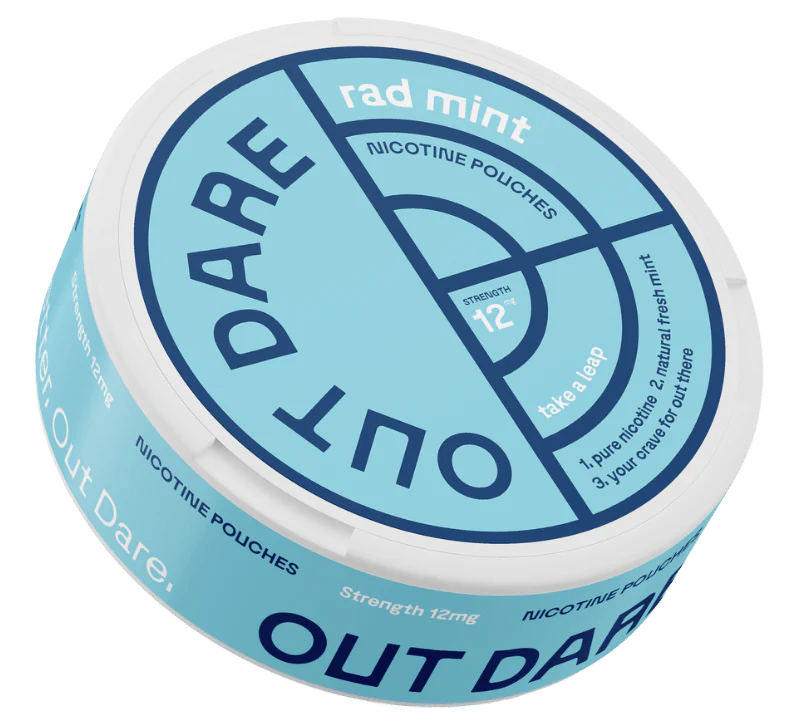
At Outdare LTD, we've found that the users who succeed long-term aren't the ones who white-knuckle through cravings — they're the ones who give their brain a complete sensory experience that satisfies the ritual and the burn, while progressively reducing the chemical load.
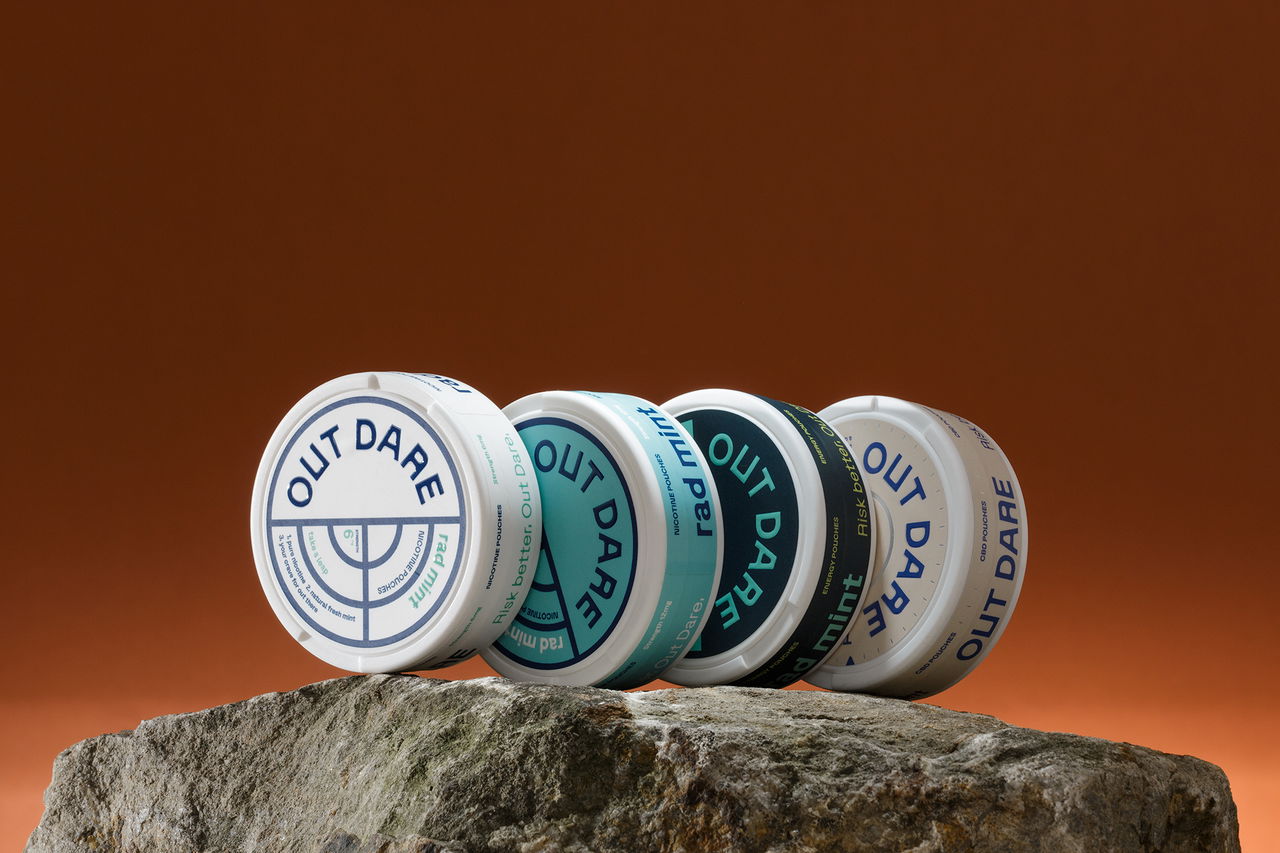
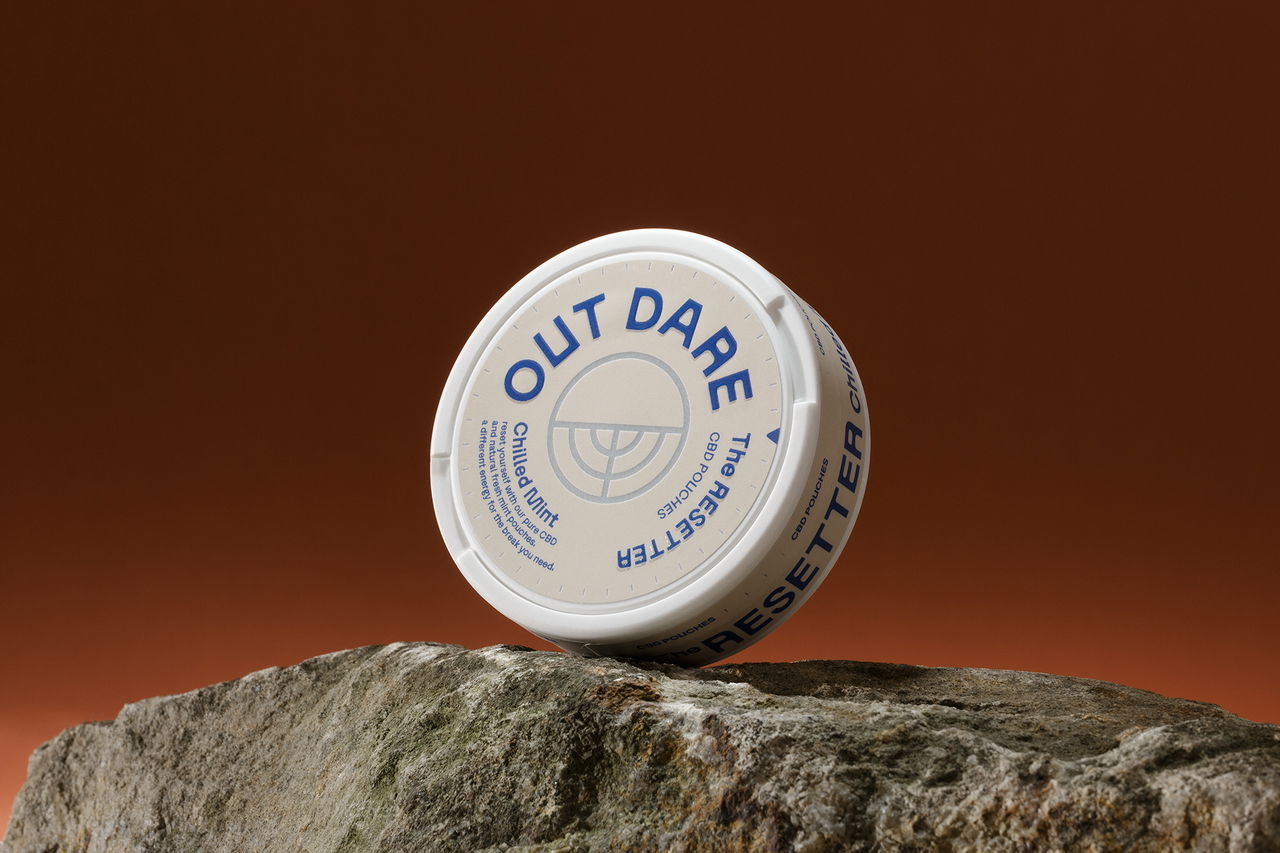
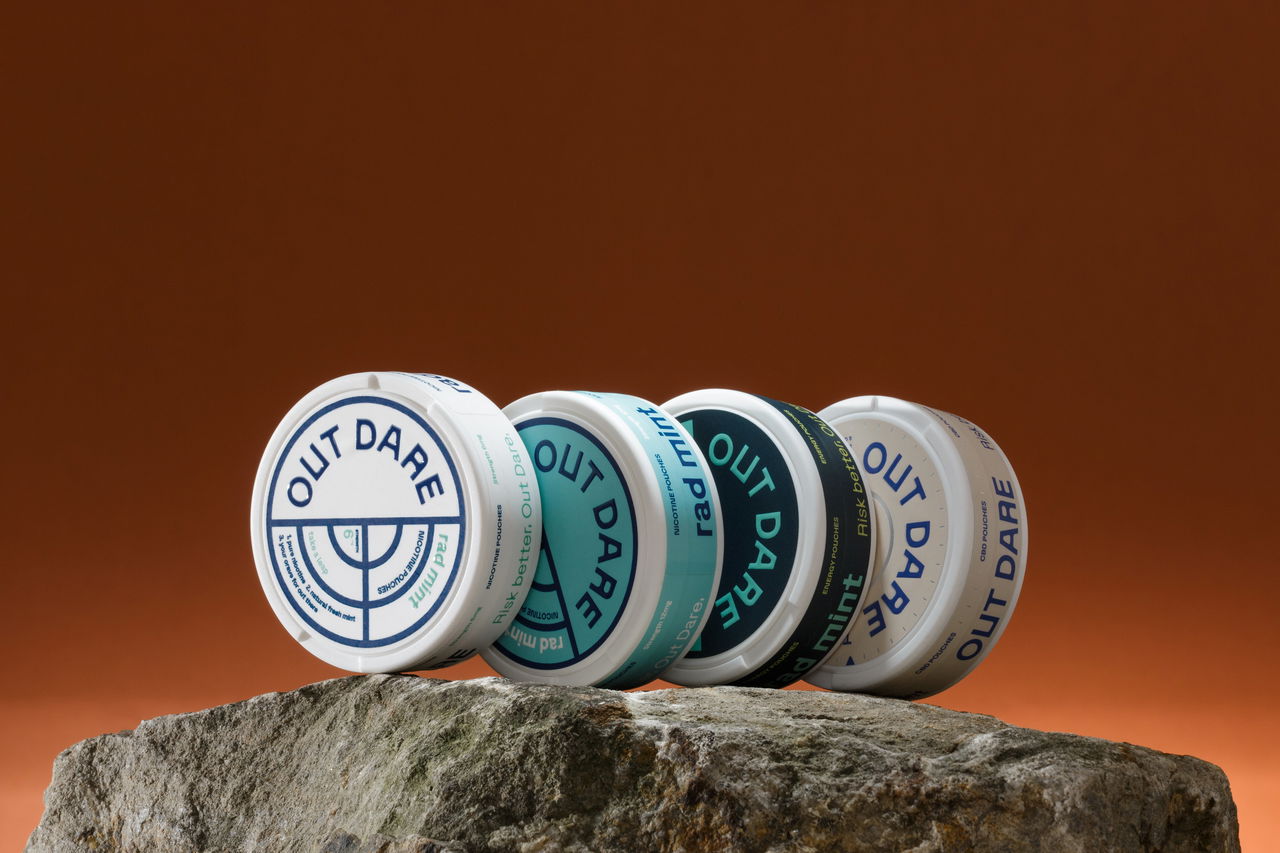
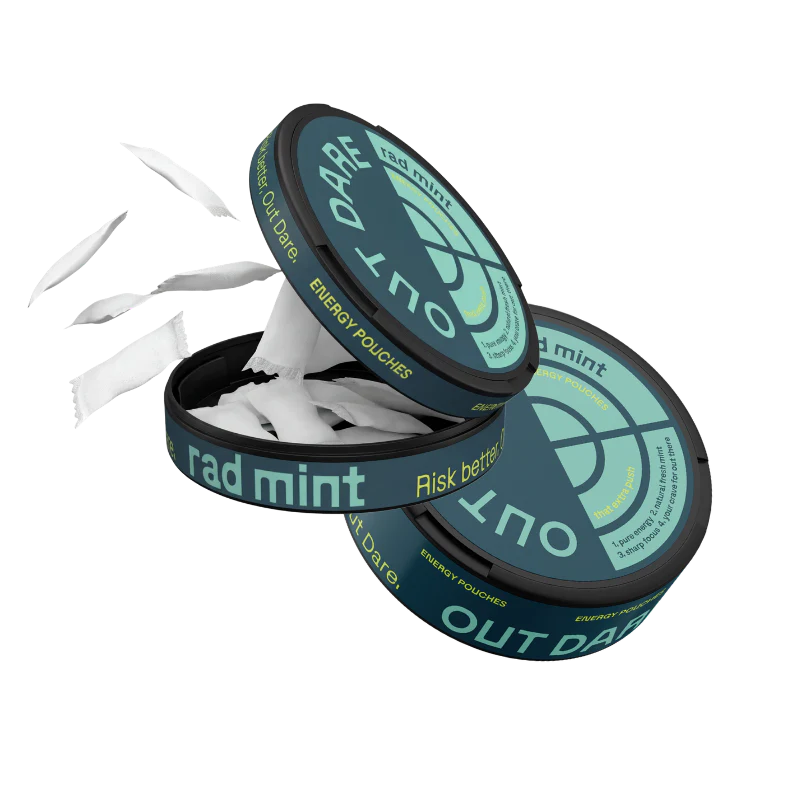
The Outdare 4-Week Method applies this directly. By using Energy pouches (50mg caffeine plus nootropics, zero nicotine) and CBD pouches (zero nicotine, on-demand relaxation) that share the exact same mint flavor, mouthfeel, and gum burn as the nicotine variant, users can swap pouches without the brain registering a loss. The ritual stays intact. The sensory cue stays intact. Only the chemical changes — and it changes on a schedule you control.
Most users following this method reduce nicotine intake by 60–90% within the first month. That's not a marketing claim — it's what happens when you address the full addiction architecture instead of just one layer of it.
Pro Tip: Start the first week by replacing every third nicotine pouch with an Energy or CBD variant. Your brain won't notice the switch if the taste and burn are identical. By week four, you're using nicotine pouches only when you consciously choose to — not because the ritual demands it.
How to Build Your Relapse Prevention Plan
A relapse prevention plan is a personalized, written document that converts your self-knowledge into a decision-making system — so you don't have to think clearly during the moments when clear thinking is hardest.
Hazelden Betty Ford, one of the most respected addiction treatment centers in the world, frames relapse prevention planning as a continuous, living process — not a one-time exercise completed at discharge [8]. Your plan should evolve as your recovery does.
Step-by-Step: Building Your Plan
- List your top 5 triggers. Be specific. Not "stress" — "the 4pm deadline pressure at work when I haven't eaten since noon."
- Map your warning signs across all three stages. What does emotional relapse look like for you? What does mental negotiation sound like in your head?
- Assign a coping response to each trigger. For every high-risk situation, you need a pre-committed action: call someone, do the 5-4-3-2-1 grounding, switch to an Energy pouch, go for a walk.
- Write your emergency contact list. Three people minimum. Include their number and what you'll say.
- Define your self-care non-negotiables. Sleep target, meals per day, movement. These aren't aspirational — they're structural requirements.
- Set a review date. Revisit and update your plan every 30 days. What's working? What trigger caught you off guard?
Comparing Relapse Prevention Approaches
| Approach | Best For | Addresses Chemical | Addresses Ritual | Evidence Level |
|---|---|---|---|---|
| Cold Turkey | Very light users | Yes | No | Low (high relapse rate) |
| CBT-Based RP | All substance use disorders | Partially | Yes (thought patterns) | High (NIH-validated) |
| Step-Down Dosing | Nicotine, opioids | Yes (gradually) | No | Moderate-High |
| Ritual Substitution (30/30/30) | Nicotine pouch / oral habit users | Yes (step-down) | Yes (full sensory match) | Emerging (framework-based) |
| MBRP (Mindfulness-Based RP) | All addictions, especially stress-driven | No | Yes (craving awareness) | High (NIH-validated) |
| Support Groups | Social accountability needs | No | Partially | High (long-term outcomes) |
Pro Tip: A common mistake is building a relapse prevention plan during a high-motivation moment and never revisiting it. Set a calendar reminder for 30 days out. Recovery plans that get reviewed and updated have significantly better outcomes than static documents written once and filed away.
One limitation worth acknowledging: relapse prevention plans work best as part of a broader support system. This article covers the core techniques, but it doesn't replace professional clinical support, especially for severe substance use disorders. If you're managing a serious dependency, SAMHSA's National Helpline (1-800-662-4357) offers free, confidential 24/7 referrals [1].
Sources & References
- SAMHSA, "National Helpline for Mental Health, Drug, Alcohol Issues," 2026
- PMC / NIH, "Relapse Prevention," 2018
- Recovery Research Institute, "Relapse Prevention (RP) (MBRP)," 2023
- Florida Courts, "Relapse Prevention Plan," 2020
- American Addiction Centers, "Relapse Prevention Plan: Strategies and Techniques for Addiction," 2024
- Valley Hospital Phoenix, "Preventing Relapse: Advice for Keeping Yourself Accountable," 2023
- PMC / NIH, "Relapse Prevention and the Five Rules of Recovery," 2015
- Hazelden Betty Ford, "Relapse Prevention: Make a Plan to Stay Sober," 2024
- Berman Center Atlanta, "The Importance of Coping Skills for Relapse Prevention," 2023


Frequently Asked Questions
1. What is the 3 3 3 rule for addiction?
The 3-3-3 rule for addiction is a grounding technique used as one of several relapse prevention techniques to interrupt craving-driven thought loops by anchoring attention to immediate sensory experience. It involves naming 3 things you can see, 3 sounds you can hear, and then moving 3 parts of your body. The mechanism is neurological: shifting attentional resources to present-moment sensory input reduces the cognitive bandwidth available for craving ideation, effectively lowering the emotional intensity of the urge within 60–90 seconds. It's most effective during the mental relapse stage, when negotiation thoughts are active but physical relapse hasn't occurred yet.
2. What are the five rules of recovery and relapse prevention?
According to NIH-published research, the five rules of recovery are: (1) change your life, not just your substance use; (2) be completely honest; (3) ask for help; (4) practice self-care; and (5) don't bend the rules. These rules function as a cognitive framework that addresses the rationalization patterns — often called "stinking thinking" — that precede relapse. Each rule targets a specific failure mode: isolation, dishonesty, self-neglect, and rule-bending are the four most common precursors to physical relapse [7].
3. How do you prevent nicotine pouch relapse specifically?
Nicotine pouch relapse prevention requires addressing all three components of the addiction: the chemical (nicotine), the physical habit (the oral ritual), and the sensory cue (mint flavor, gum burn). Most quit attempts fail because they address only the chemical component. Effective relapse prevention techniques for pouch users include step-down dosing across nicotine strengths (15mg to 12mg to 6mg), ritual substitution with zero-nicotine alternatives that replicate the same sensory experience, trigger mapping for specific use times (post-meal, during focus work, social situations), and the HALT check before every reach for a pouch.
4. What is the relapse rate for nicotine and how does it compare to other addictions?
Nicotine relapse rates are among the highest of any substance, with some estimates placing the 1-year relapse rate for unaided cold turkey cessation above 90%. By comparison, alcohol and heroin relapse rates are estimated at 40–60% with treatment support [5]. The high nicotine relapse rate is largely explained by the strength of the behavioral habit loop — the oral ritual and sensory cues are deeply conditioned — and by the fact that nicotine withdrawal, while not life-threatening, produces cognitive impairment, irritability, and anxiety that make daily functioning difficult without a structured substitution system.
5. What is Mindfulness-Based Relapse Prevention (MBRP) and does it work?
Mindfulness-Based Relapse Prevention (MBRP) is a structured 8-week program that integrates traditional CBT-based relapse prevention techniques with mindfulness meditation practices. It was developed at the University of Washington and is designed to help individuals in recovery develop greater awareness of triggers, cravings, and automatic behavioral responses. NIH-published research shows MBRP produces significant reductions in substance use, craving intensity, and depressive symptoms compared to standard aftercare — and its effects are durable at 12-month follow-up [2]. It's particularly effective for stress-driven relapse patterns.
6. Can coping skills actually prevent relapse, or is relapse inevitable?
Coping skills don't make relapse impossible, but they dramatically reduce its probability and severity. Research from the Berman Center confirms that individuals who actively develop and practice coping skills — including emotional regulation, trigger management, and social support activation — have significantly better long-term recovery outcomes than those who rely on motivation or willpower alone [9]. Relapse is best understood as a high-risk event that can be prepared for, not an inevitable outcome. The goal of relapse prevention techniques isn't perfection — it's building a system robust enough to catch you at the emotional stage, before physical relapse occurs.
Conclusion
Relapse prevention techniques work when they address the full picture of addiction — not just the chemical, but the ritual, the sensory cue, and the emotional infrastructure underneath. The 12 techniques covered here range from immediate grounding tools (HALT, urge surfing, the 3-3-3 method) to structural systems (written prevention plans, CBT, step-down dosing) that work even when motivation runs dry.
For nicotine pouch users specifically, the most leveraged insight is this: 60% of your addiction isn't the nicotine. It's the ritual and the burn. Address those two things, and the chemical reduction becomes manageable. That's the premise behind the Outdare 4-Week Method — same taste, same mouthfeel, same gum burn across nicotine, energy, and CBD pouches, so your brain stays satisfied while you quietly phase out the chemical dependency on your own terms.
Results will vary depending on dependency level, consistency, and support systems in place. But one thing the research is clear on: a structured system always outperforms willpower alone. Build the plan. Know your triggers. Replace the ritual. Risk better.
Recommended Articles
Explore more from our content library: