





Plant-Based Oral Pouches: The Complete 2026 Guide
| Key Insight | Explanation |
|---|---|
| Plant-fiber matrix is the foundation | Most quality pouches use cellulose or plant-derived fillers — not tobacco leaf — to carry active ingredients and maintain shape under the lip. |
| Three functional categories exist | Plant-based oral pouches now span nicotine-free energy, CBD/adaptogen, and tobacco-free nicotine formats — each serving a distinct purpose beyond simple habit replacement. |
| 60% of pouch addiction is non-chemical | The 30/30/30 Addiction Rule shows that physical habit and sensory burn together account for 60% of dependency — meaning clean-formula pouches can satisfy most cravings without nicotine. |
| Xylitol-based formulas protect oral health | Xylitol (a natural sugar alcohol) is used in premium pouches to inhibit harmful oral bacteria, making it a better choice than sugar-sweetened alternatives for gum health. |
| Nootropics + caffeine replace nicotine's focus effect | Ingredients like L-Theanine, Alpha-GPC, and 50mg caffeine can replicate the cognitive edge of nicotine without chemical dependency or the crash that follows energy drinks. |
| The market is growing fast | The global nicotine pouch market was valued at approximately USD 2.4 billion in 2023 and is projected to grow at over 35% CAGR through 2030, with plant-based and functional formats leading the innovation curve. |
Plant-based oral pouches are small, tobacco-free sachets filled with plant-derived cellulose fiber, active ingredients (such as nicotine, caffeine, nootropics, or CBD), and natural flavorings — placed under the lip for discreet, smoke-free absorption. They contain no tobacco leaf, no combustion, and no spitting required. As of 2026, they represent the fastest-growing format in the tobacco-free alternatives market, used by millions across Europe and North America for everything from nicotine reduction to clean energy and on-demand relaxation [1].
The category has expanded well beyond simple nicotine replacement. Today's plant-based oral pouches split into three functional lanes: tobacco-free nicotine pouches, energy pouches (caffeine plus nootropics), and CBD or adaptogen pouches. Each uses the same plant-fiber base — but what's inside is completely different. That distinction matters enormously, especially if you're trying to reduce dependency rather than just swap one chemical for another.
What Are Plant-Based Oral Pouches?
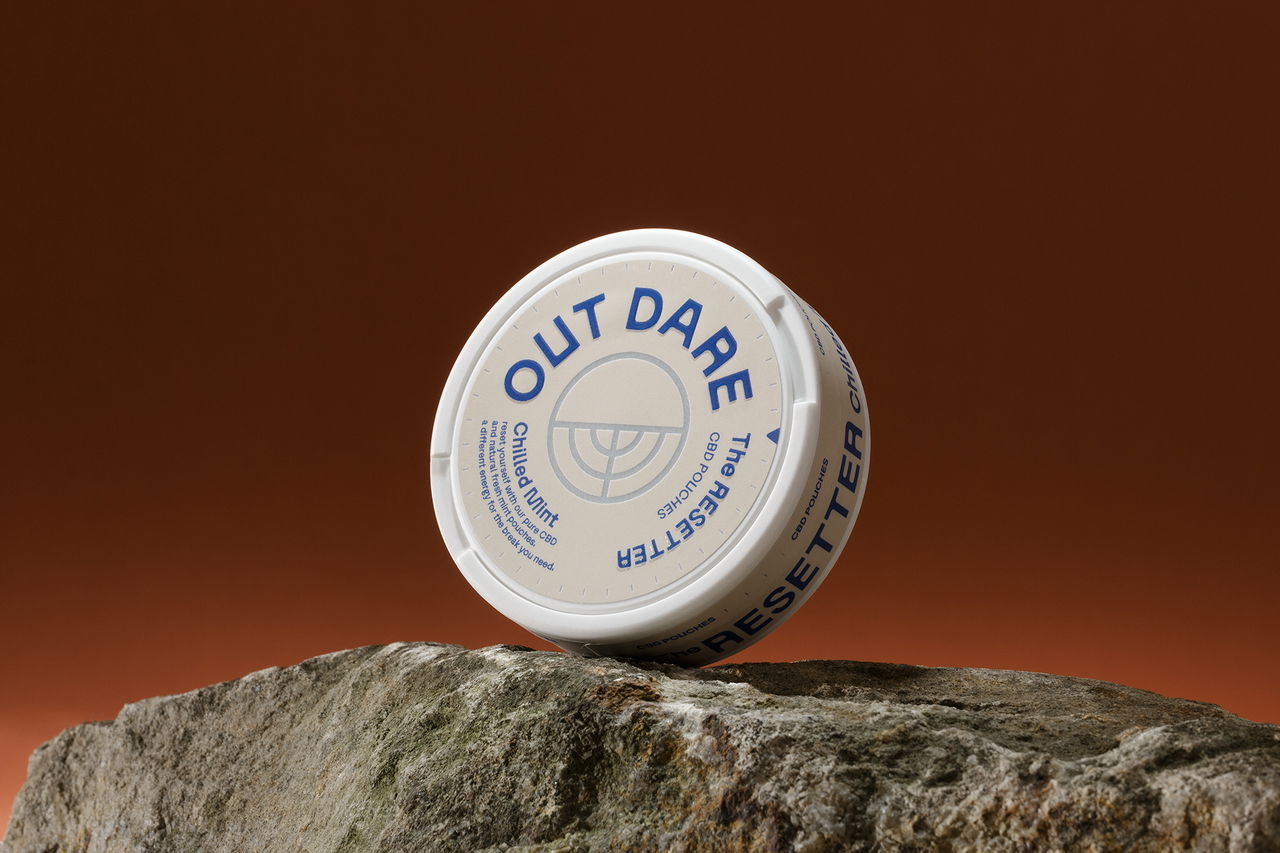
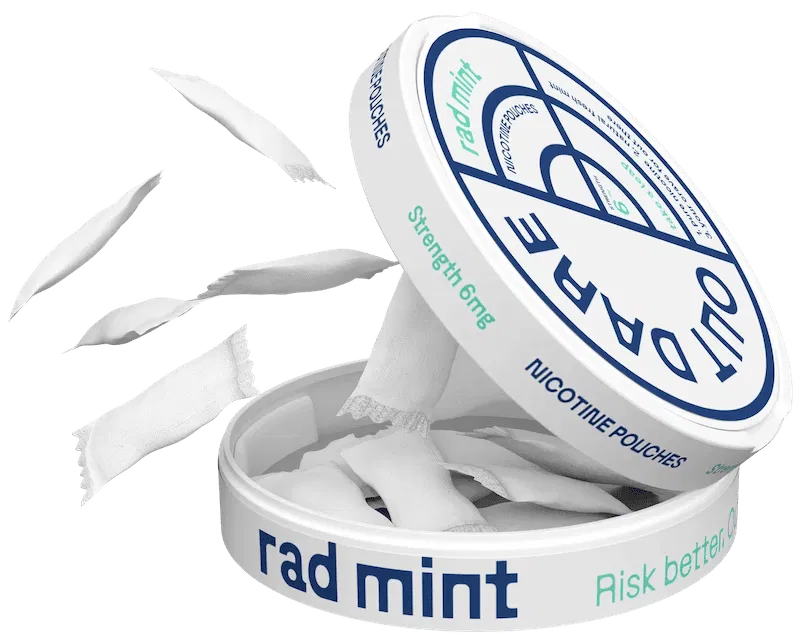
Plant-based oral pouches are tobacco-free, spitless sachets made from vegetable cellulose fiber, designed to deliver active compounds through the oral mucosa (the tissue lining the inside of your mouth). No tobacco leaf. No smoke. No vaporized chemicals.
The Anatomy of a Plant-Based Pouch
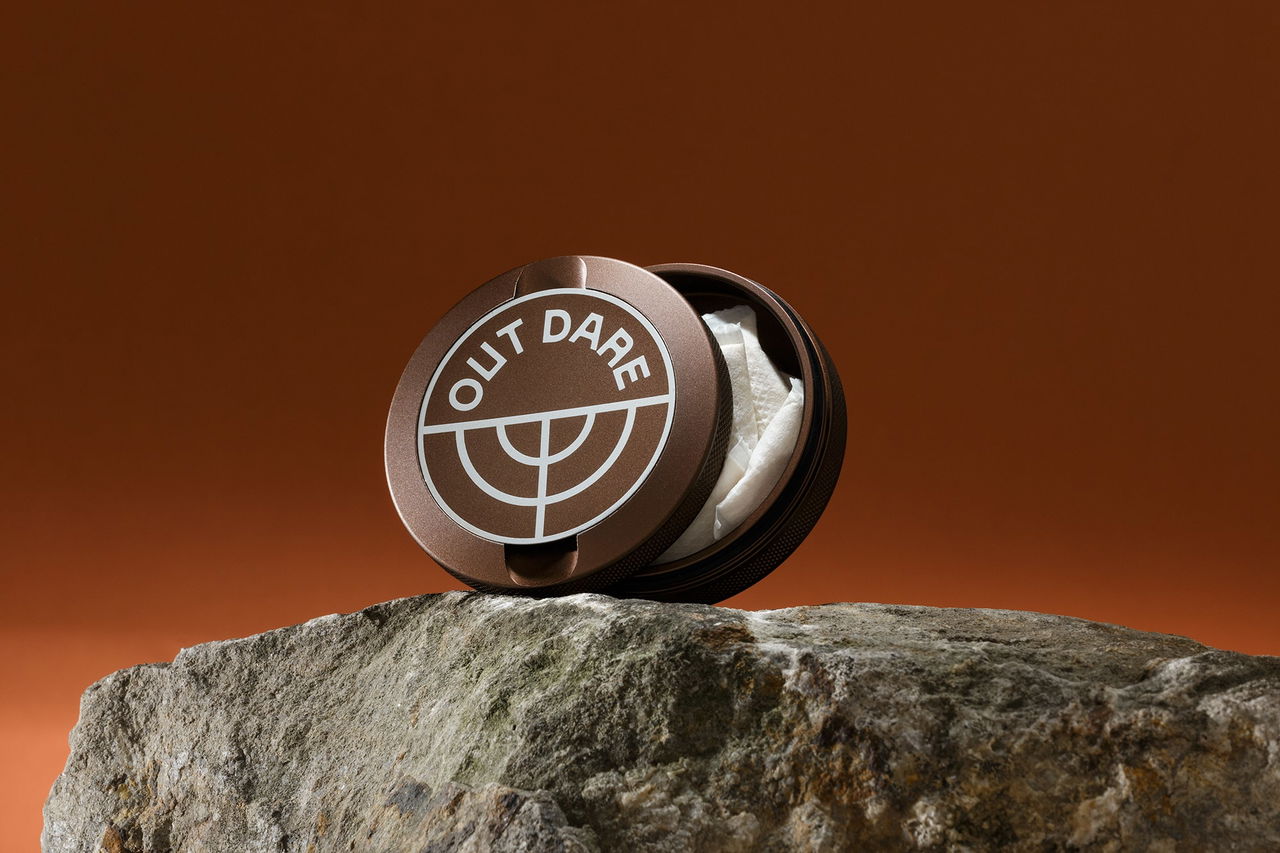
According to a peer-reviewed narrative review published in PMC, "the base material for nicotine pouches is called cellulose, which is made from plant fibers to provide and maintain the pouch shape during use" [1]. That plant-fiber matrix (sometimes called a plant-fiber filler) is the structural backbone of every modern oral pouch — it holds the active ingredient, controls moisture release, and creates the characteristic "pillow" sensation under the lip.
Premium formulas add a few more components on top of that base:
- Active ingredient: Nicotine (synthetic or tobacco-derived), caffeine, nootropics, CBD, or herbal extracts depending on the product category
- Sweetener: Xylitol (a natural sugar alcohol) in cleaner formulas — not sugar, which feeds harmful oral bacteria
- Flavoring: Natural mint, citrus, or berry extracts (the best brands use food-grade, mixologist-developed flavor profiles)
- pH adjusters: Sodium carbonate or bicarbonate to optimize absorption speed through the gum tissue
- Moisture agents: Hydroxypropyl cellulose or similar compounds to control the release rate of active ingredients
The CDC confirms that nicotine pouches "do not include tobacco leaf" and that some contain nicotine made in a laboratory rather than extracted from tobacco plants [3]. This is a critical distinction. Tobacco-free doesn't automatically mean nicotine-free — but it does mean no tobacco-specific nitrosamines (TSNAs), the carcinogenic compounds associated with traditional smokeless tobacco products.
How Plant-Based Pouches Differ From Traditional Snus
Traditional snus contains actual tobacco leaf, which brings TSNAs, tobacco proteins, and a distinct brown color and smell. Plant-based oral pouches replace all of that with cellulose fiber. The result is a white, odorless pouch that can be used discreetly anywhere — no staining, no smell, no social stigma. According to the Global State of Tobacco Harm Reduction (GSTHR), nicotine pouches are "thumbnail-sized sachets containing vegetable fibres infused with nicotine and a range of flavours" [5], a description that captures the plant-based format precisely.
| Feature | Traditional Snus | Plant-Based Oral Pouch |
|---|---|---|
| Base material | Tobacco leaf | Plant-derived cellulose fiber |
| Tobacco-specific nitrosamines | Present | Absent |
| Color | Brown | White |
| Odor | Noticeable tobacco smell | Minimal to none |
| Active ingredient options | Nicotine only | Nicotine, caffeine, nootropics, CBD, herbs |
| Discretion | Visible, staining | Invisible, no staining |
For a deeper look at how plant-based pouches fit into the broader landscape of tobacco-free options, our guide on tobacco-free alternatives covers the full category.
How Plant-Based Oral Pouches Work
Plant-based oral pouches deliver active compounds through the oral mucosa — the thin, highly vascularized tissue lining the inside of your lip — bypassing the digestive system entirely for faster absorption.
The Absorption Mechanism
Place a pouch under your upper or lower lip. Saliva activates the plant-fiber matrix, which begins releasing moisture and active compounds. Those compounds cross the mucous membrane and enter the bloodstream directly. The process typically takes 5-15 minutes to reach peak effect, depending on the ingredient and pH level of the formula.
pH is a key variable. Nicotine absorbs more efficiently in an alkaline environment — which is why manufacturers add sodium carbonate to most nicotine pouch formulas. Caffeine and CBD have slightly different absorption profiles, but the same principle applies: the plant-fiber base controls the release rate, and pH adjusters optimize bioavailability.
According to research published in PMC, the cellulose plant-fiber base "provides and maintains the pouch shape during use" while also controlling the moisture and ingredient release that drives absorption [1]. It's a delivery vehicle first, a comfort element second.
The 30/30/30 Addiction Framework: Why Plant-Based Matters
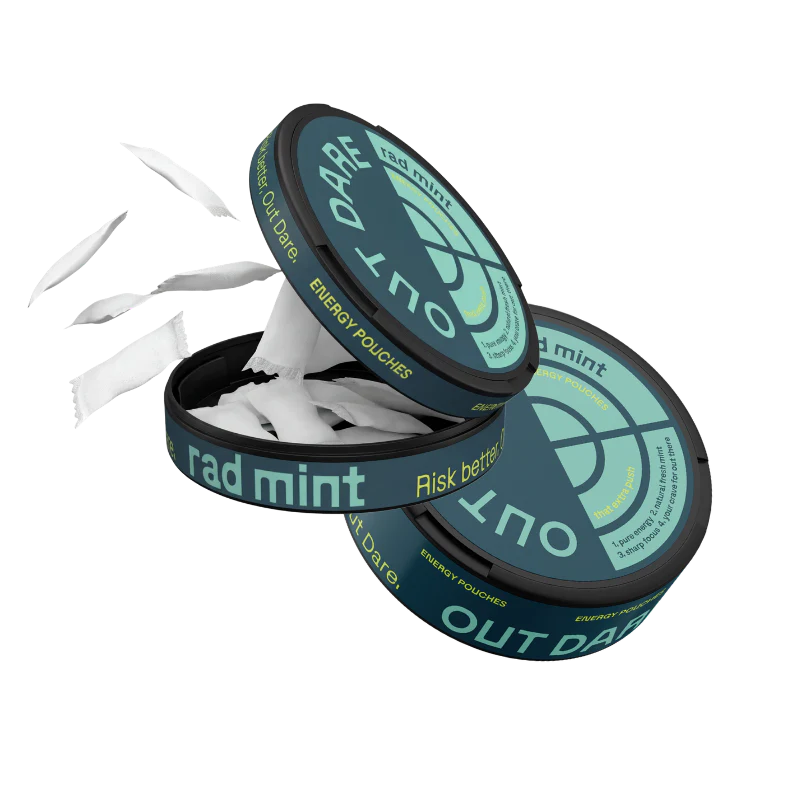
Here's the part most brands don't talk about. Pouch addiction isn't purely chemical. At Outdare LTD, we've found that breaking down dependency into three equal components gives users a much more honest picture of what they're actually dealing with:
- 30% chemical dependency: The nicotine itself — the part most quit strategies focus on exclusively
- 30% physical habit: The "pillow" sensation under the lip, the ritual of opening the can, the tactile comfort of the pouch
- 30% sensory cue: The gum burn, the mint flavor, the immediate oral sensation that signals "this is working"
Plant-based oral pouches that match taste, mouthfeel, and burn across nicotine, energy, and CBD formats can satisfy 60% of that addiction equation without any nicotine at all. That's not a minor detail. That's the entire logic behind a structured reduction system. Most quit attempts fail because they remove all three components at once — plant-based alternatives let you keep the ritual while you address the chemical component on your own terms.
This framework connects directly to what researchers studying nicotine replacement therapy (NRT) have long observed: the behavioral and sensory components of tobacco use are often harder to address than the pharmacological ones [2]. Plant-based oral pouches that replicate the sensory experience are doing something NRT patches and gum simply cannot.
Pro Tip: If you're using plant-based oral pouches to reduce nicotine intake, don't just swap randomly. Use nicotine pouches for your highest-craving moments (morning, post-meal) and replace mid-day or evening pouches with energy or CBD variants first. This targeted substitution approach tends to produce faster reductions than an all-or-nothing switch.
Key Benefits of Plant-Based Oral Pouches in 2026
Plant-based oral pouches offer a cleaner ingredient profile, broader functional range, and lower harm potential than tobacco-based alternatives — making them the most versatile oral pouch format available in 2026.
Health and Safety Advantages
The absence of tobacco leaf is the most significant structural advantage. No tobacco means no tobacco-specific nitrosamines, no tobacco proteins, and no combustion byproducts. MD Anderson Cancer Center notes that while nicotine pouches are classified as a tobacco product (because some contain tobacco-derived nicotine), "they don't actually contain tobacco" in the leaf form that drives most tobacco-related health risks [2].
Beyond the tobacco question, the plant-based formula brings specific oral health benefits:
- Xylitol base: Inhibits Streptococcus mutans and other cavity-causing bacteria, actively protecting tooth enamel rather than degrading it
- No sugar: Clean-formula pouches avoid the sugar content that contributes to gum inflammation and decay in many flavored products
- No spitting required: Unlike traditional snus or chewing tobacco, plant-based pouches don't produce excess saliva that needs to be expelled — reducing social friction and exposure risk
- No smoke or vapor: Zero combustion means zero lung exposure, making them genuinely discreet in any environment
For users who've experienced gum recession from heavy nicotine pouch use, our complete prevention guide on gum recession and nicotine pouches covers what the research actually says about oral tissue impact.
Functional Versatility: Three Pouches, Three Jobs
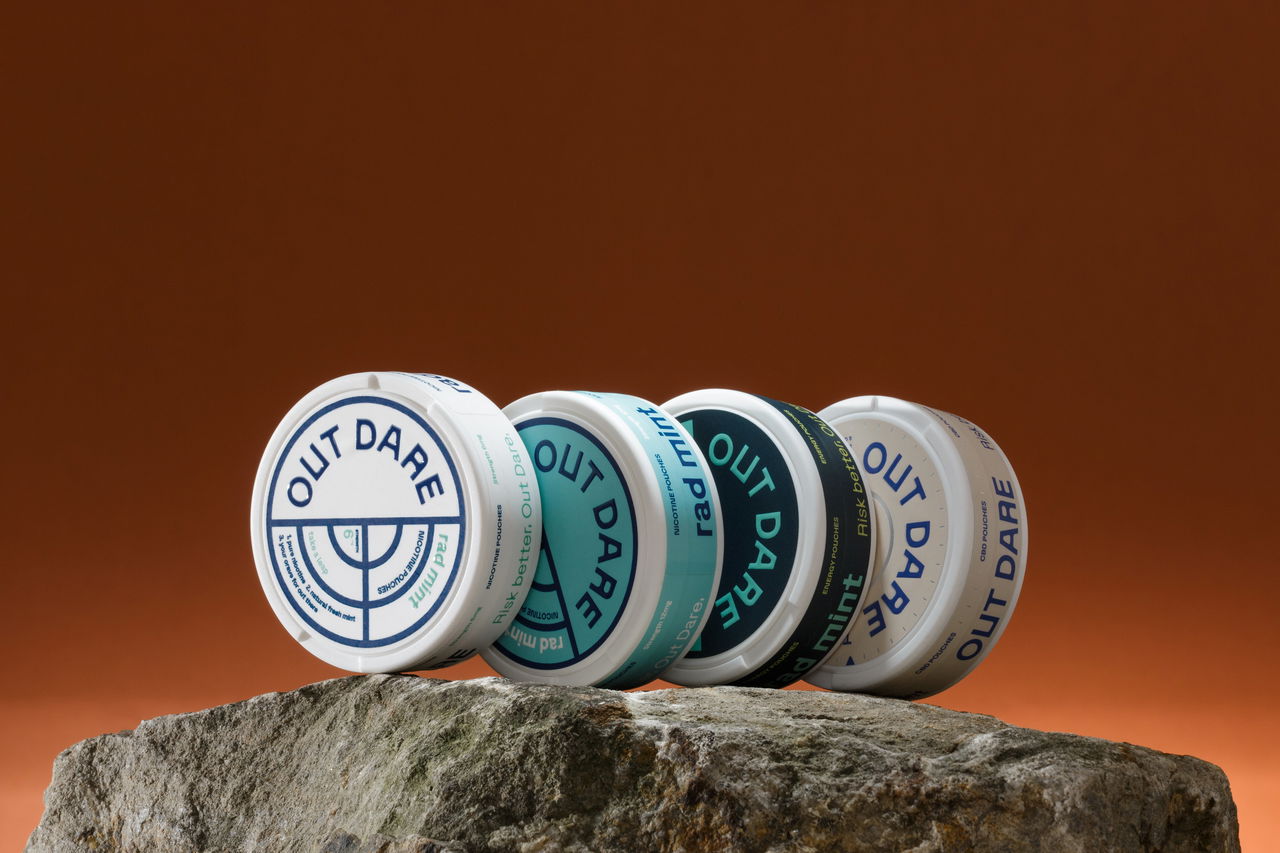
This is where plant-based oral pouches in 2026 have genuinely separated from the old single-purpose model. The category now offers distinct functional profiles:
- Energy pouches: 50mg caffeine combined with nootropics like L-Theanine (which smooths the caffeine curve and reduces jitter) and Alpha-GPC (which supports acetylcholine production for sharper focus). Zero nicotine, zero crash. Our guide on nootropic energy pouches goes deeper on the ingredient science.
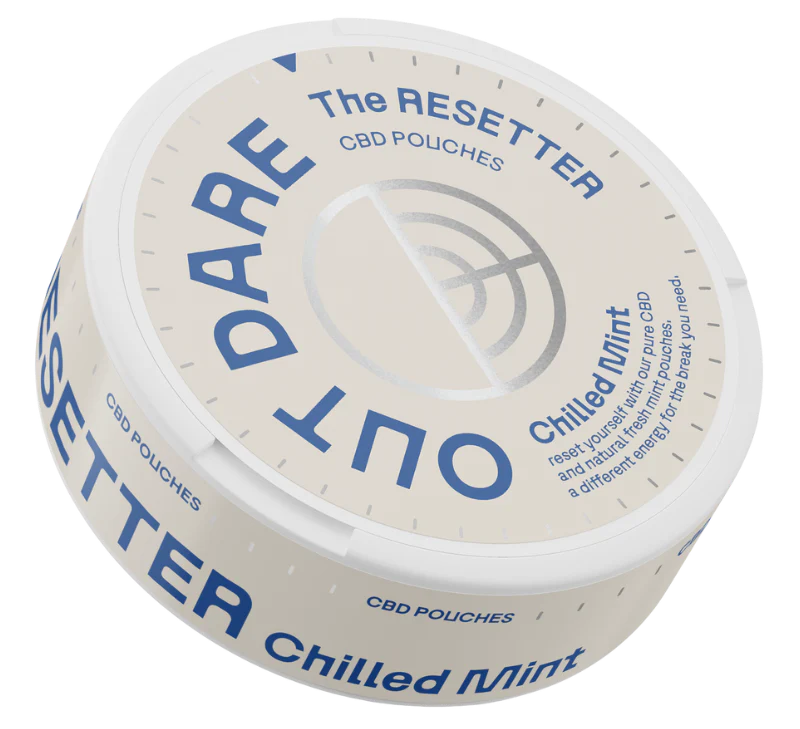
- CBD pouches: Zero nicotine, zero caffeine. Designed for evening use or high-stress moments when you need to reset without sedation. The oral mucosa absorption route delivers faster onset than edibles or capsules.
- Tobacco-free nicotine pouches: Available in step-down strengths (6mg, 12mg, 15mg) for users who need the chemical component while they work on the habit and sensory layers of their dependency.
Industry analysts reviewing the functional wellness pouch segment note that the convergence of clean-label ingredients, oral delivery technology, and consumer demand for discreet formats is driving rapid product innovation in 2026. The plant-based format is the enabling infrastructure for all of it.
Pro Tip: If you're comparing energy pouches to your morning coffee, the key metric isn't caffeine quantity — it's the L-Theanine ratio. A 2:1 L-Theanine-to-caffeine ratio (100mg L-Theanine : 50mg caffeine) is the most studied combination for clean focus without anxiety. Look for this on any energy pouch label before buying.
Common Mistakes and Misconceptions
The most common mistake with plant-based oral pouches is assuming "plant-based" automatically means "safe" or "nicotine-free" — neither is guaranteed without reading the label carefully.
Mistake 1: Confusing "Plant-Based" With "Nicotine-Free"
Plant-based refers to the filler material — the cellulose matrix. It says nothing about what's dissolved in that matrix. A plant-based pouch can still contain 15mg of nicotine. The Truth Initiative is clear on this point: oral nicotine pouches "contain nicotine powder and flavorings" regardless of whether the base material is plant-derived [4]. Always check the active ingredient panel, not just the marketing copy on the front of the can.
A common mistake we see from health-conscious switchers is grabbing any white pouch labeled "tobacco-free" and assuming it's a clean, low-risk product. Tobacco-free means no tobacco leaf — it doesn't constrain nicotine strength, sweetener type, or additive list. Read the full ingredient disclosure.
Mistake 2: Going Cold Turkey Instead of Using a System
From experience, the single biggest predictor of failure in nicotine reduction isn't willpower — it's strategy. Removing all pouches at once eliminates the chemical, the habit, and the sensory cue simultaneously. That's a three-front withdrawal. Most people can't sustain it.
Plant-based oral pouches that replicate the sensory experience of nicotine pouches are specifically designed to prevent this. By keeping the ritual intact while you swap the active ingredient, you're only fighting one front at a time. The 4-Week Outdare Method applies this logic systematically: start with mostly nicotine pouches, gradually introduce energy and CBD variants, and let the ratio shift naturally over 30 days.
- Week 1: Mostly nicotine pouches, introduce 1-2 energy pouches per day at low-craving moments
- Week 2: 50/50 split between nicotine and energy/CBD pouches
- Week 3: Nicotine pouches reserved for peak craving moments only
- Week 4: Primarily energy and CBD pouches, nicotine optional
Most users following this approach reduce nicotine intake by 60-90% within the first month — without white-knuckling a single craving.
Mistake 3: Ignoring Placement and Duration
Pouch placement affects both absorption efficiency and gum tissue impact. Rotating placement (alternating between upper and lower lip positions, and left vs. right) reduces localized gum irritation. Leaving a pouch in for longer than the recommended 30-60 minutes doesn't increase absorption — the active compounds are largely depleted by then — but it does increase the risk of gum sensitivity over time [1].
Best Practices for Choosing and Using Them in 2026
Choosing the right plant-based oral pouch comes down to matching the active ingredient to your actual need at that moment — not defaulting to nicotine every time because it's the only option you have.
How to Evaluate a Plant-Based Pouch Formula
Not all this strategy are created equal. The label tells you most of what you need to know if you know what to look for:
- Check the filler material: Look for "plant fiber," "cellulose," or "vegetable fiber" — these confirm a genuine plant-based base rather than synthetic fillers
- Identify the active ingredient and dose: Nicotine strength (mg), caffeine content (mg), CBD concentration (mg) — all should be clearly disclosed
- Check the sweetener: Xylitol is preferable to sorbitol or sucralose for oral health; avoid sugar entirely
- Look for natural flavoring: "Natural mint flavor" or "food-grade flavoring" is preferable to artificial flavor compounds
- Verify manufacturing origin: European-manufactured pouches are subject to stricter quality controls than many imported alternatives, as of 2026
- Check for nootropic ingredients: If buying energy pouches, look for L-Theanine, Alpha-GPC, or similar compounds with published human trial data — not just marketing-friendly buzzwords
Matching Pouches to Your Moment
The real power of this approach in 2026 is functional specificity. You don't need the same pouch at 8am that you need at 10pm. Here's a practical framework:
| Time / Situation | Recommended Pouch Type | Why It Works |
|---|---|---|
| Morning focus session / deep work | Energy (caffeine + nootropics) | Clean cognitive lift without dependency; L-Theanine prevents jitter |
| Peak nicotine craving (morning, post-meal) | Tobacco-free nicotine (step-down strength) | Addresses the chemical 30% when the craving is genuinely chemical |
| Afternoon slump / habit-driven reach | Energy or CBD depending on context | Satisfies the ritual without reinforcing chemical dependency |
| Pre-workout / pre-competition | Energy (caffeine + nootropics) | No liquid, no sugar, no crash — portable performance support |
| Evening wind-down / anxiety / poor sleep | CBD (zero nicotine, zero caffeine) | Resets the nervous system; faster onset than edibles via oral mucosa |
| Social situations / stress craving | CBD or Energy depending on setting | Keeps the ritual discreet without feeding nicotine dependency |
For users who are also exploring the caffeine-L-Theanine combination in more depth, our article on caffeine L-Theanine pouches covers the clinical evidence behind that specific stack.
Pro Tip: Start with a Discovery Pack or mix-and-match bundle before committing to a single pouch type. The sensory experience — mint intensity, burn level, pillow firmness — varies between brands and even between product lines. Testing all three formats back-to-back is the fastest way to confirm that the substitution will actually feel identical to your current pouch, which is the whole point.
If you're new to the broader category and want to understand the basics before diving into plant-based specifics, our explainer on what nicotine pouches are is a solid starting point. And if you're weighing pouches against your current vaping habit, our comparison of nicotine pouches vs. vaping lays out the key differences clearly.
Sources & References
- PMC / National Library of Medicine, "Nicotine pouches: a narrative review of the existing literature," 2024
- MD Anderson Cancer Center, "What to know about nicotine pouches," 2024
- Centers for Disease Control and Prevention (CDC), "Nicotine Pouches," 2024
- Truth Initiative, "What is Zyn and what are oral nicotine pouches?," 2024
- Global State of Tobacco Harm Reduction (GSTHR), "What are nicotine pouches?," 2024
- Nectr Energy, "Oral Pouches Explained: Complete Guide (2026)," 2026
- Roon, "Herbal Pouches Nicotine Free: 2026 Buyer's Guide," 2026
- HitSnus, "Discover herbal pouches: A nicotine-free alternative," 2024
Frequently Asked Questions
1. What exactly makes an oral pouch "plant-based"?
the practice use cellulose or vegetable fiber as the filler material instead of tobacco leaf or synthetic compounds. This plant-fiber matrix holds the active ingredients (nicotine, caffeine, CBD, or herbal extracts), controls moisture release, and creates the physical sensation under the lip. The term refers specifically to the structural base of the pouch — not to whether the active ingredient is natural or synthetic. Always read the full ingredient list to understand what's actually inside [1].
2. Are plant-based oral pouches safe?
The plant-fiber base itself is considered safe for oral use — it's the same cellulose material used in food production. The safety profile of any specific pouch depends primarily on the active ingredient it carries. Tobacco-free nicotine pouches eliminate the tobacco-specific nitrosamines associated with traditional smokeless tobacco, but nicotine itself carries dependency and cardiovascular risks. Nicotine-free energy and CBD plant-based pouches have a substantially lower risk profile. Results vary by individual health status; consult a healthcare provider if you have existing cardiovascular conditions [2][3].
3. Do plant-based oral pouches help with quitting nicotine?
They can be highly effective as part of a structured reduction system — but only if the non-nicotine variants replicate the sensory experience of the nicotine pouch closely enough that your brain doesn't register a difference. This is the core principle behind the 30/30/30 Addiction Rule: 60% of pouch dependency is habit and sensory cue, not chemistry. Plant-based energy and CBD pouches that match the mint flavor, gum burn, and pillow sensation of nicotine pouches satisfy that 60% without feeding chemical dependency. Most users following a structured 4-week method reduce nicotine intake by 60-90% in the first month.
4. What are the side effects of plant-based oral pouches?
Side effects depend entirely on the active ingredient. Nicotine-containing plant-based pouches can cause hiccups, nausea, and gum irritation — especially at higher strengths or with improper placement. Energy pouches with caffeine may cause mild anxiety or sleep disruption if used late in the day. CBD pouches are generally well-tolerated, though individual responses vary. The plant-fiber base itself rarely causes issues, though some users report minor dry mouth during initial use. Rotating pouch placement and staying within recommended daily use limits significantly reduces irritation risk [1][2].
5. How do plant-based oral pouches compare to nicotine patches or gum?
Nicotine patches and gum are pharmaceutical NRT (nicotine replacement therapy) products that address the chemical dependency component of nicotine addiction — but they do nothing for the physical habit or sensory ritual. this practice, particularly those designed with sensory parity across nicotine and non-nicotine formats, address all three components of the addiction. They're also faster-acting than patches (which deliver nicotine transdermally over hours) and more discreet than gum. One limitation is that plant-based pouches aren't classified as medical cessation aids in most EU markets, so they don't carry the clinical endorsement that prescription NRT products do [4].
6. What ingredients should I look for in plant-based energy pouches?
The most evidence-backed combination is caffeine (40-60mg per pouch) paired with L-Theanine (80-120mg), which smooths the stimulant curve and reduces jitter. Alpha-GPC supports acetylcholine production for sharper cognitive focus. Panax Ginseng and adaptogens like Ashwagandha are increasingly common in premium formulas. Avoid products that rely solely on caffeine without a balancing compound — the crash and anxiety profile is significantly worse without the L-Theanine buffer. Look for a xylitol base rather than sugar, and natural mint flavoring rather than artificial compounds [6][7].
7. Are plant-based oral pouches legal in Europe?
As of 2026, tobacco-free nicotine pouches are legal in most European markets, though regulations vary by country. They're sold legally in France, Denmark, Slovenia, Finland, Ireland, and the Netherlands, among others. Nicotine-free energy and CBD pouches face fewer regulatory constraints across the EU, as they don't contain nicotine or tobacco. CBD pouches must comply with EU Novel Food regulations and national CBD laws, which differ between member states. Always verify local regulations before purchasing, particularly for nicotine-containing products [3][5].
8. How long does it take for a plant-based oral pouch to work?
Active compounds in this method typically begin absorbing through the oral mucosa within 5-10 minutes of placement, reaching peak effect at 15-30 minutes depending on the ingredient and individual physiology. Nicotine absorbs slightly faster than caffeine due to the pH-adjusted formulas used in most nicotine pouches. CBD onset via the oral mucosa is faster than edibles (30-90 minutes) but slower than inhalation. The plant-fiber matrix controls release rate, so a well-formulated pouch delivers a steady, sustained effect rather than an immediate spike [1][6].
Conclusion
this strategy have moved well past the "tobacco alternative" label. In 2026, they're a functional category in their own right — covering energy, focus, relaxation, and nicotine reduction under one format that's discreet, clean-label, and genuinely versatile.
The plant-fiber matrix is what makes all of it possible. It's the delivery vehicle that carries nicotine, caffeine, nootropics, or CBD to the oral mucosa without tobacco, without combustion, and without the social baggage of smoking or vaping. But the formula matters as much as the format. Xylitol base, natural flavoring, European manufacturing, and a sensory profile that actually replicates the ritual — these aren't marketing details. They're the difference between a product that works and one that gets abandoned after three days.
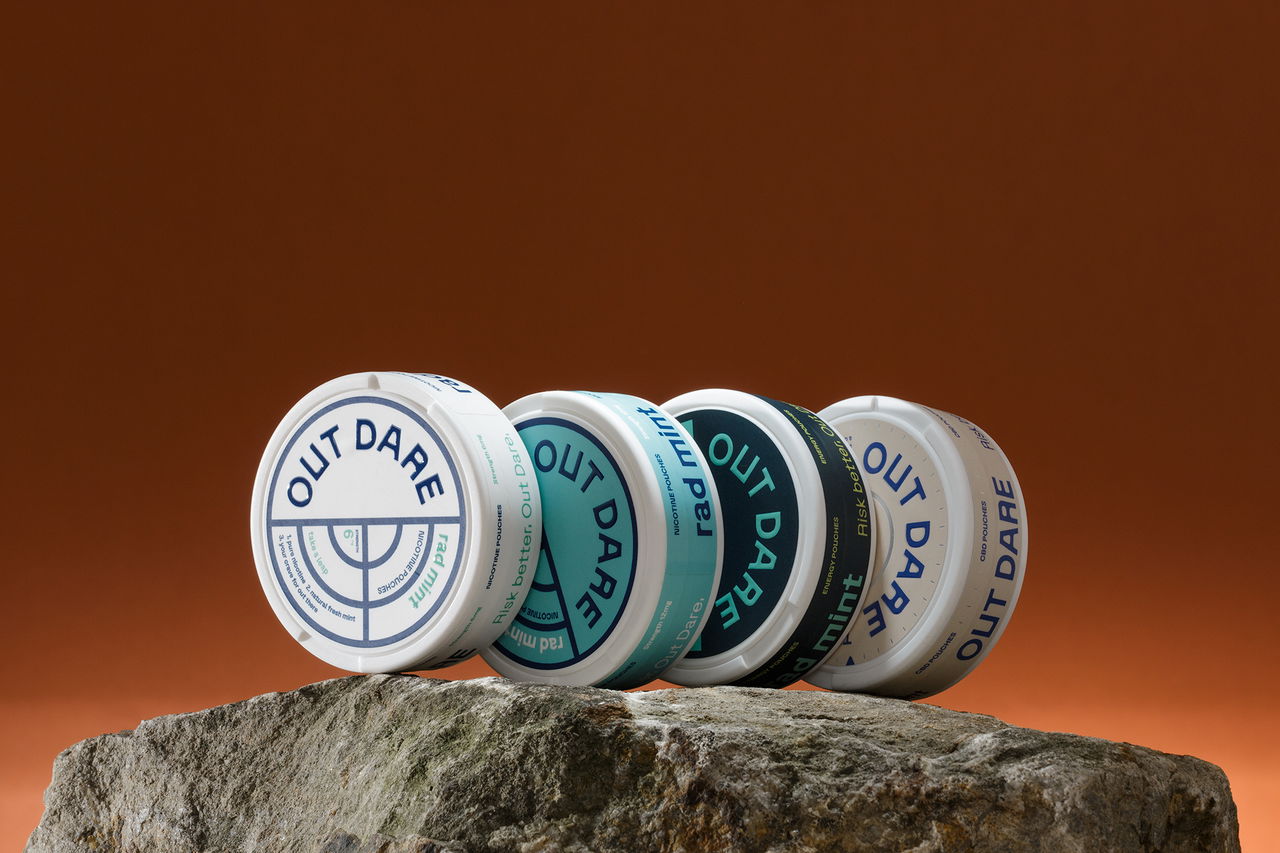
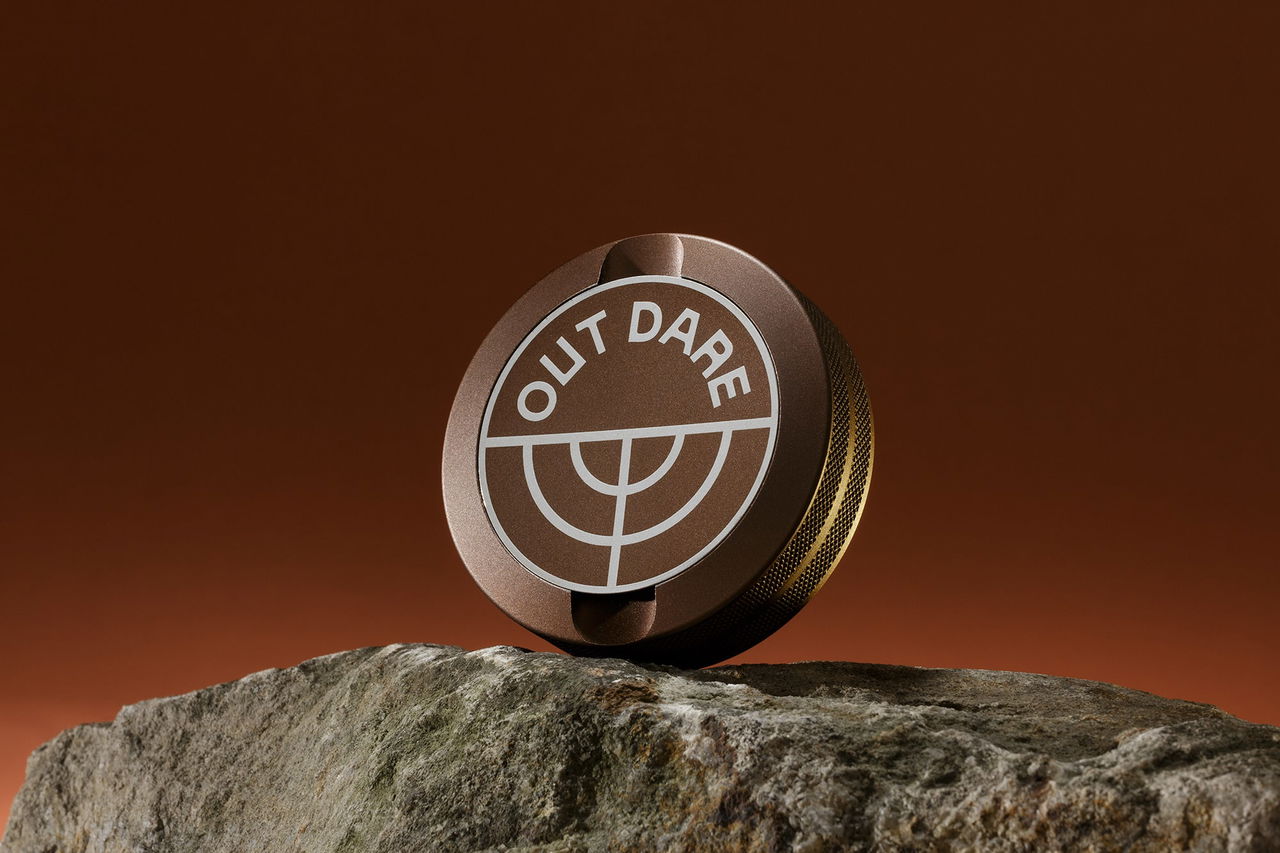
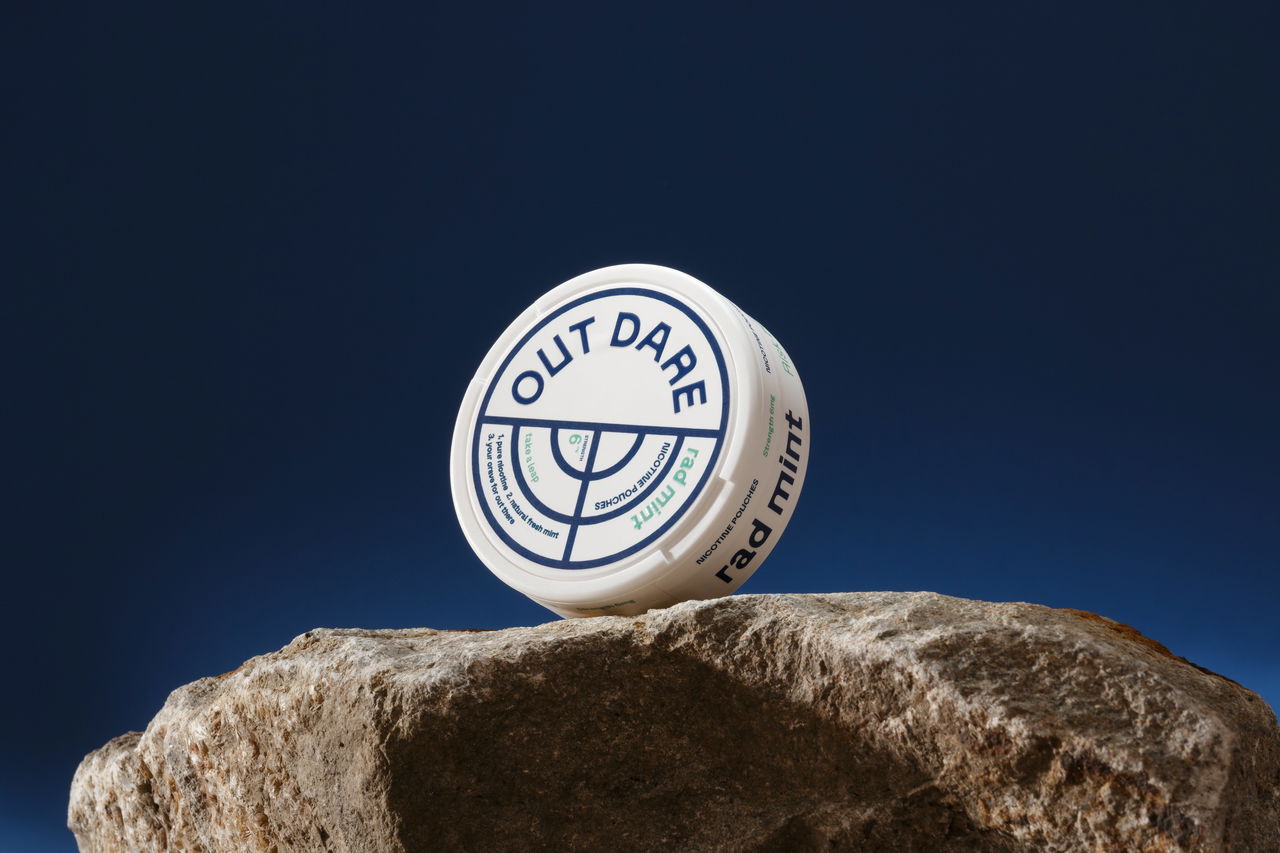
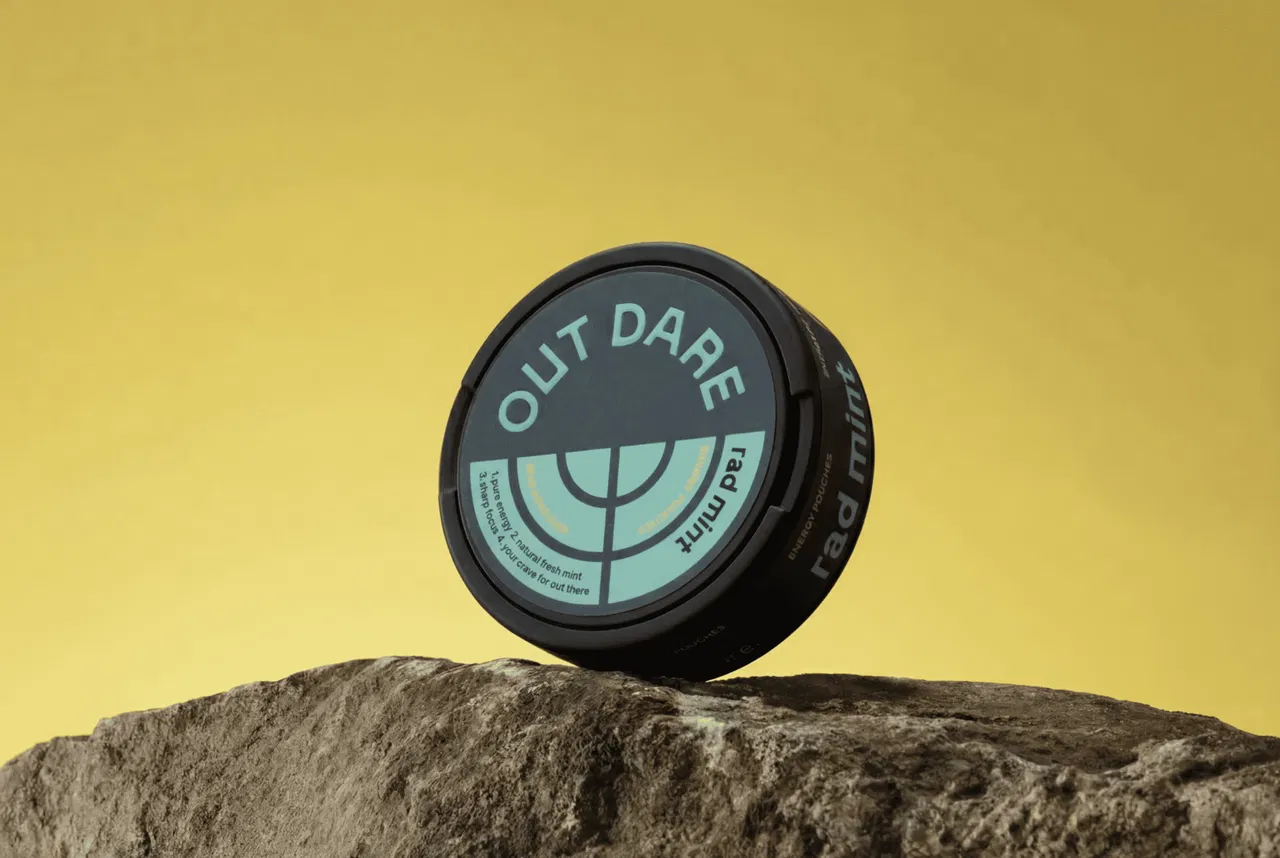
If you've been stuck in the one-pouch-fits-all trap, the answer isn't willpower. It's options. Outdare LTD was built around exactly that idea: three this approach, identical in taste and feel, different in what they do. Energy for focus. CBD for reset. Nicotine only when you actually choose it. That's what the pouch category should have been from the start. Risk Better. Out Dare.
Recommended Articles
Explore more from our content library: