





Oral Nicotine Pouches in Europe: The Complete Guide
| Key Insight | Explanation |
|---|---|
| Oral nicotine pouches are tobacco-free | Unlike traditional snus, modern nicotine pouches contain no tobacco leaf — only nicotine (synthetic or tobacco-derived), plant-fiber fillers, and flavorings. |
| No EU-wide regulation as of 2026 | The Tobacco Products Directive (TPD) does not cover nicotine pouches, leaving each member state to regulate independently — creating a patchwork of rules across Europe. |
| France banned pouches in early 2025 | France became one of the first major EU markets to prohibit nicotine pouch sales, citing youth addiction concerns — a signal that tighter regulation is coming across the bloc. |
| The market is growing rapidly | The global nicotine pouch market was valued at approximately USD 2.4 billion in 2023 and is projected to grow at a CAGR exceeding 35% through 2030. |
| Nicotine is only 30% of the addiction | The 30/30/30 Addiction Rule shows that habit and sensory cues account for 60% of pouch dependency — meaning substitution systems can be highly effective. |
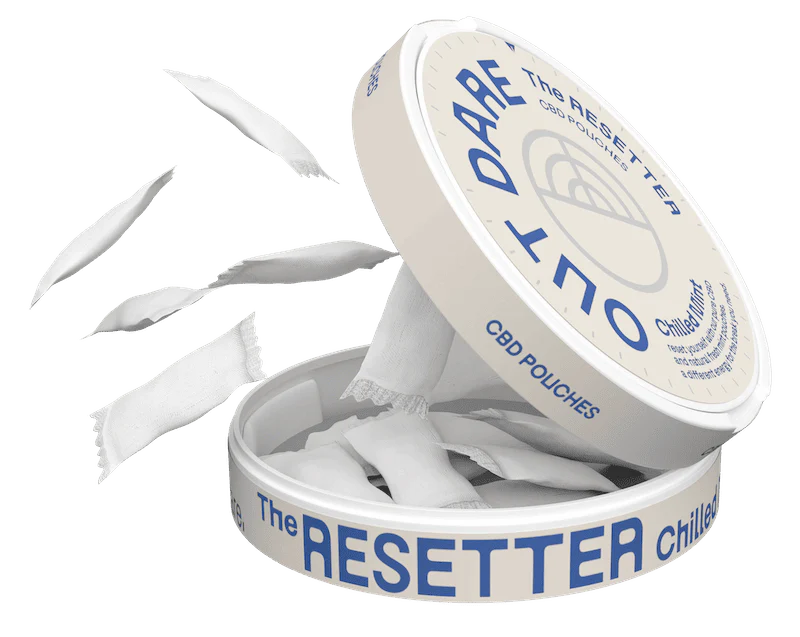
| Zero-nicotine alternatives now exist | Energy and CBD pouches that replicate the exact same burn, mouthfeel, and taste as nicotine pouches give users a genuine exit path without losing the ritual. |
Understanding oral nicotine pouches Europe is essential. Oral nicotine pouches in Europe are small, tobacco-free sachets placed under the lip to deliver nicotine through the gum tissue — no smoke, no vapor, no tobacco leaf. They emerged from Scandinavia in the early 2000s and have grown into one of the fastest-expanding consumer health categories on the continent. As of 2026, they sit in a complex legal and scientific gray zone: widely used, largely unregulated at the EU level, and increasingly scrutinized by national governments. This guide covers everything — how they work, where they're legal, what the science says about safety, and why the smartest users are now moving beyond pure nicotine pouches entirely.
What Are Oral Nicotine Pouches?: oral nicotine pouches Europe
Oral nicotine pouches are tobacco-free, smoke-free sachets containing nicotine, plant-fiber fillers, and flavoring agents, designed to be held between the gum and upper lip for 15–60 minutes. They release nicotine directly through the oral mucosa (the lining of the mouth), bypassing the lungs entirely. That makes them categorically different from cigarettes, vapes, and even traditional snus. This is particularly relevant for oral nicotine pouches Europe.
Nicotine Pouches vs. Snus: A Critical Distinction
The two products are frequently confused, but the difference matters — legally and biologically. Traditional snus is a moist tobacco product that has been banned across the EU and UK since 1992 [1]. Sweden holds a unique exemption from that ban, which is why snus culture remains strong there. Oral nicotine pouches, by contrast, contain zero tobacco leaf. They're manufactured using synthetic nicotine or nicotine extracted from tobacco plants, combined with cellulose-based fillers, pH adjusters, and flavoring [2].
Because they contain no tobacco, they fall outside the EU's existing snus ban — and, as of 2026, outside any unified EU-level regulation at all [3].
What's Actually Inside a Nicotine Pouch?
- Nicotine: Typically 4–20mg per pouch, delivered through the oral mucosa over 15–45 minutes
- Plant-fiber filler: Usually cellulose or similar material — gives the pouch its physical "pillow" shape under the lip
- Humectants: Retain moisture and influence the release rate of nicotine
- pH adjusters: Sodium carbonate or similar compounds that increase nicotine bioavailability
- Flavorings: Mint is by far the most common in Europe; fruit and citrus variants are growing
- Xylitol or sweeteners: Used in premium formulations to improve taste and oral health profile
Nicotine strengths are typically categorized as regular (4–8mg), strong (8–12mg), and extra strong (12–20mg+). Research from the Campaign for Tobacco-Free Kids notes that nicotine pouch brands including well-known market leaders offer varying strengths, with some ultra-high formats raising particular concern among health researchers [4]. When considering oral nicotine pouches Europe, this point stands out.
Pro Tip: If you're currently using a 15mg or higher pouch, dropping to 6mg cold turkey is almost always counterproductive. The 30/30/30 Addiction Rule suggests that 60% of your dependency is ritual and sensory — not chemical. A step-down approach that preserves the physical habit while reducing nicotine concentration is far more likely to succeed.
Oral Nicotine Pouches in Europe: The Regulatory Landscape 2026
Oral nicotine pouches in Europe are regulated differently in almost every country — because no EU-wide framework exists for them. The Tobacco Products Directive (TPD), last revised in 2014, does not mention nicotine pouches, leaving member states to create their own rules [3].
Country-by-Country Status as of 2026
The regulatory map is changing fast. France made international headlines when it banned nicotine pouch sales in early 2025, citing concerns about youth addiction and the lack of long-term safety data [5]. That move was significant — France was one of the largest potential markets for nicotine pouches in Western Europe, and the ban signals a direction of travel that other member states may follow.
| Country | Status (as of 2026) | Notes |
|---|---|---|
| Sweden | Legal (open market) | Birthplace of snus culture; both snus and pouches widely available |
| Denmark | Legal | Regulated under the Danish Tobacco Act; age restriction 18+ |
| Finland | Legal | Permitted; nicotine pouches treated as nicotine-containing products |
| Netherlands | Legal | Available; regulation under review following EU discussions |
| Ireland | Legal | No specific pouch legislation; general nicotine product rules apply |
| Slovenia | Legal | Permitted with age restrictions |
| France | Banned (2025) | Sale prohibited; one of the first major EU markets to ban pouches |
| Germany | Legal (restricted) | Regulated as novel nicotine products; under active legislative review |
| Austria | Banned | Classified under tobacco product regulations; sale prohibited |
| Hungary | Banned | Prohibited under national tobacco legislation |
Industry analysts suggest the EU Commission is likely to include nicotine pouches in a revised TPD in the next legislative cycle — which would create harmonized rules but also potentially restrict the category significantly in markets where it's currently open [3]. For those exploring oral nicotine pouches Europe, this matters.
What the Regulatory Uncertainty Means for Users
If you're buying oral nicotine pouches in Europe, the legal status in your country matters. Cross-border online purchases exist in a further gray zone — shipping regulations vary, and some countries restrict import even where domestic sales are permitted.
- Always verify the current legal status in your specific country before purchasing
- Age restrictions (typically 18+) apply in all markets where pouches are legal
- Nicotine content labeling requirements differ by country
- Marketing restrictions are tightening across the EU, particularly around youth-targeted advertising
Pro Tip: If you're in a market where nicotine pouches are under regulatory pressure, this is actually the best time to start transitioning toward zero-nicotine alternatives. Energy and CBD pouches that replicate the full sensory experience aren't classified as nicotine products — they're not subject to the same restrictions, and they give you a genuine exit path before the rules change.
How Nicotine Pouches Work — and Why People Get Stuck
Nicotine pouches deliver nicotine through the oral mucosa — the thin membrane lining your gums and inner cheeks. Nicotine absorption begins within minutes and peaks around 15–30 minutes after placement, producing a mild stimulant effect that most users describe as focused alertness combined with reduced anxiety.
The Absorption Mechanism
The "burn" you feel when you place a fresh pouch is the pH-adjusted formula activating. Higher pH increases the proportion of free-base nicotine, which crosses mucosal membranes more efficiently [2]. That tingle isn't just sensory feedback — it's the delivery mechanism at work. Most users quickly associate that burn with the incoming nicotine hit, which is exactly why the sensory experience becomes a powerful addiction driver in its own right. This directly impacts oral nicotine pouches Europe outcomes.
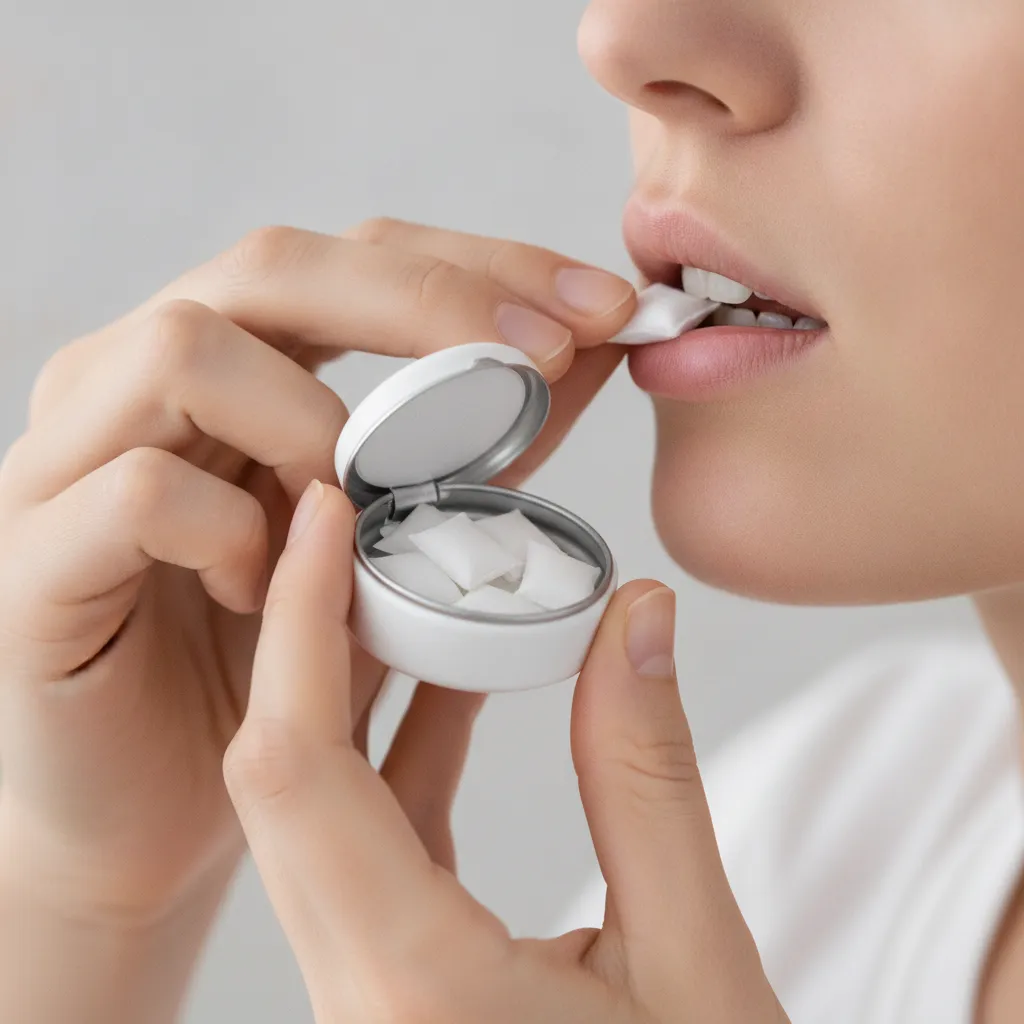
Nicotine in the bloodstream stimulates the release of dopamine and adrenaline. The effect is real — improved focus, reduced appetite, mild euphoria. But the body adapts fast. Within weeks of regular use, baseline dopamine levels shift, and the pouch stops producing the original effect. It just prevents the withdrawal that now happens without it [4].
The 30/30/30 Addiction Rule — Why Cold Turkey Fails
Here's what most people don't understand about nicotine pouch addiction. The chemical dependency — the actual nicotine craving — accounts for only about 30% of the total addiction. The remaining 60% breaks down like this:
- 30% physical habit: The act of placing something under the lip, the pillow sensation, the tactile ritual of opening the tin
- 30% sensory cue: The burn, the mint flavor, the saliva response — the brain has wired these as reward signals completely independent of nicotine
This is why cold turkey has such a high failure rate. You remove the chemical dependency, but the other 60% of the addiction — the habit loop and the sensory trigger — screams for satisfaction every 45 minutes. The brain doesn't distinguish between "I want nicotine" and "I want the ritual." It just wants the ritual. This is particularly relevant for oral nicotine pouches Europe.
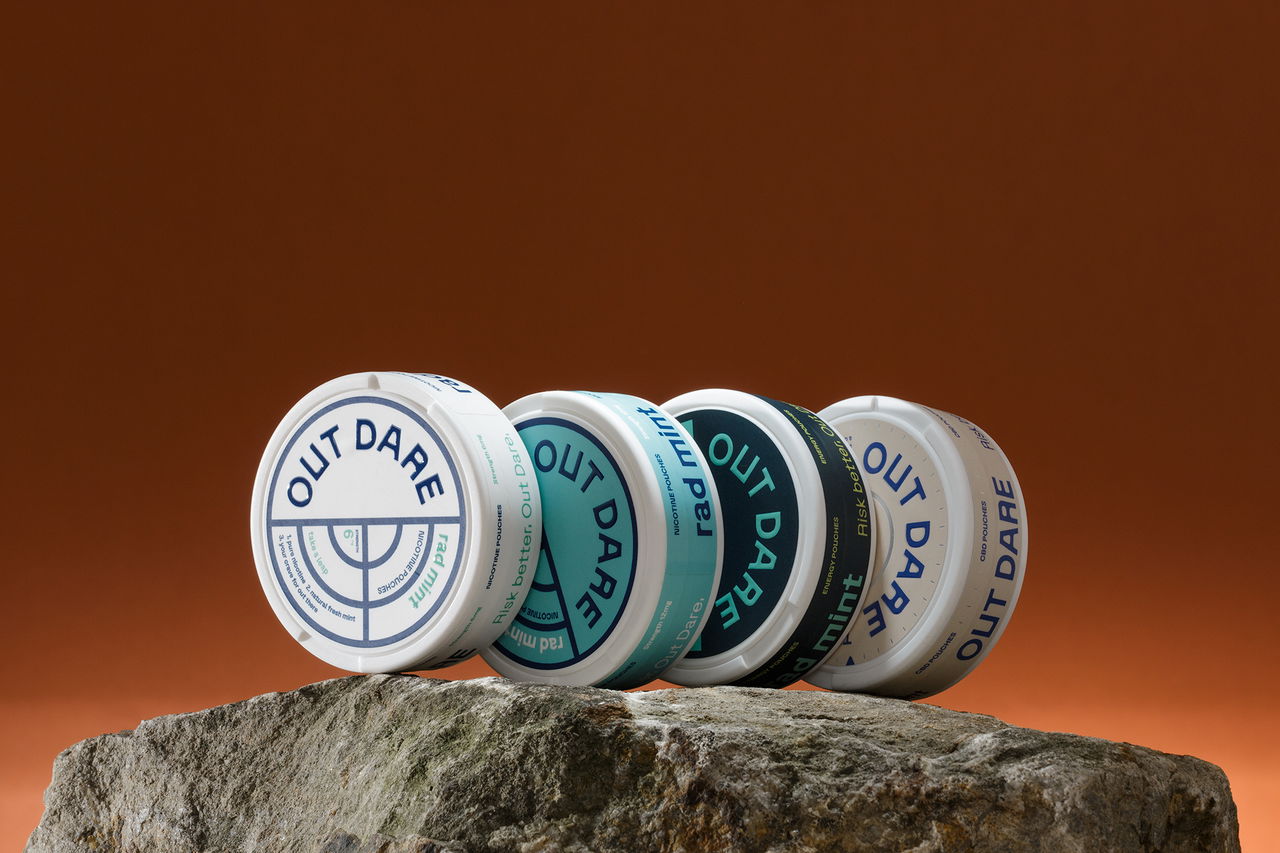
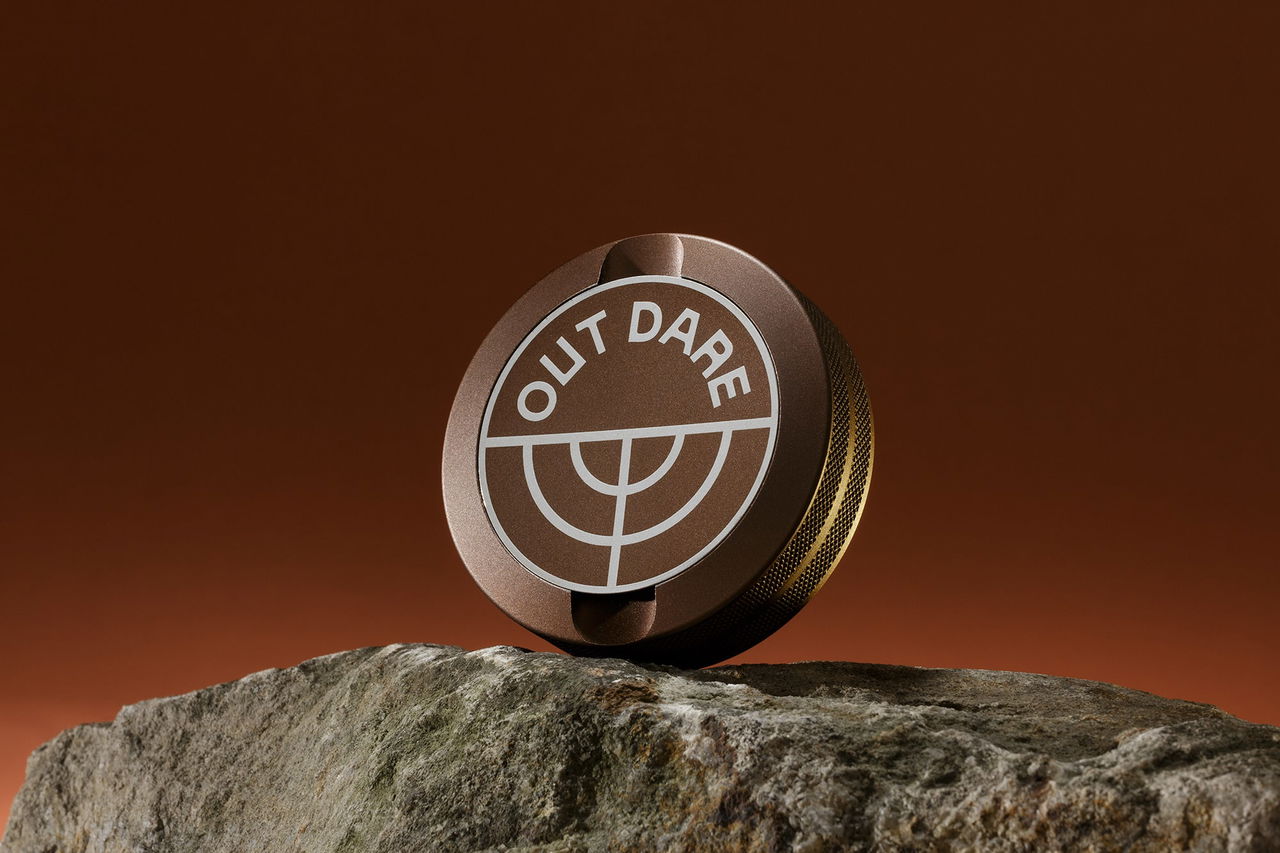
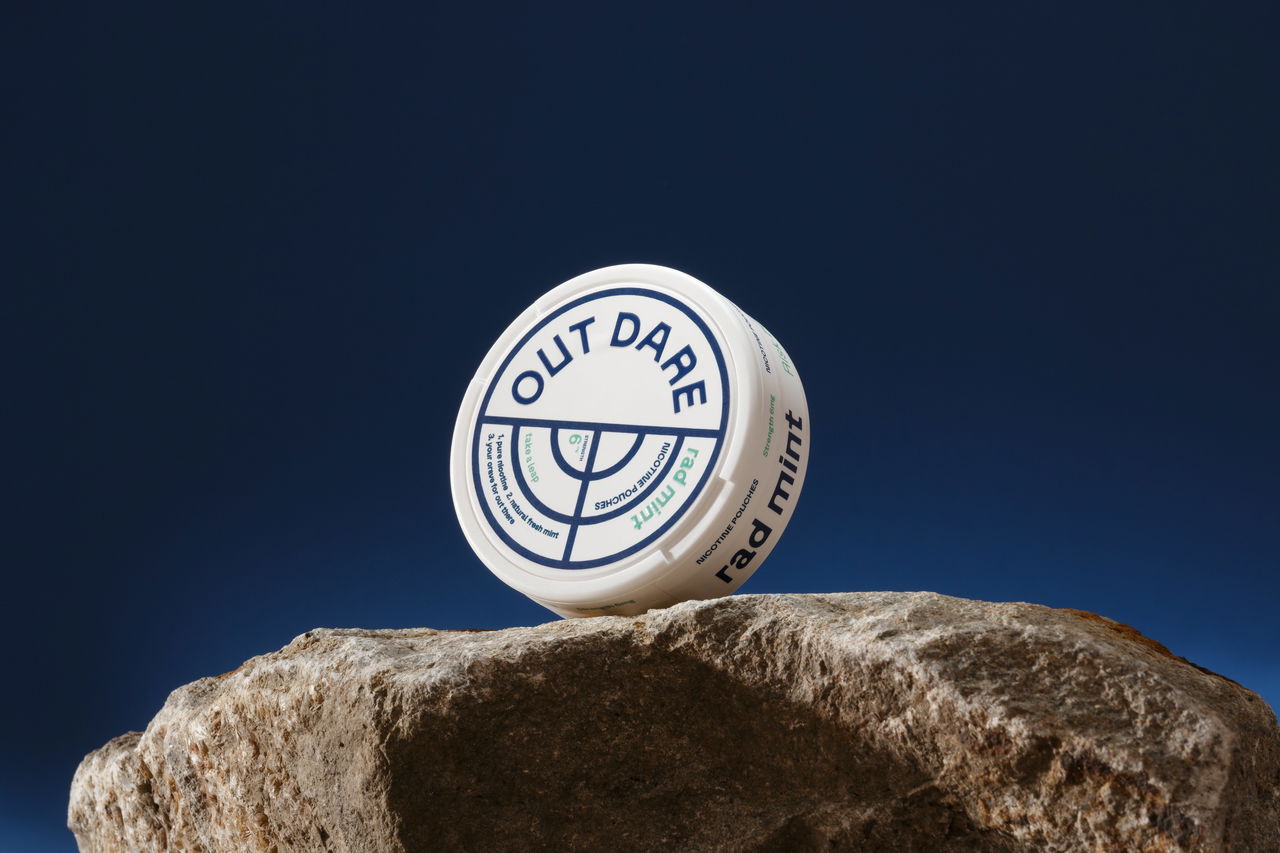
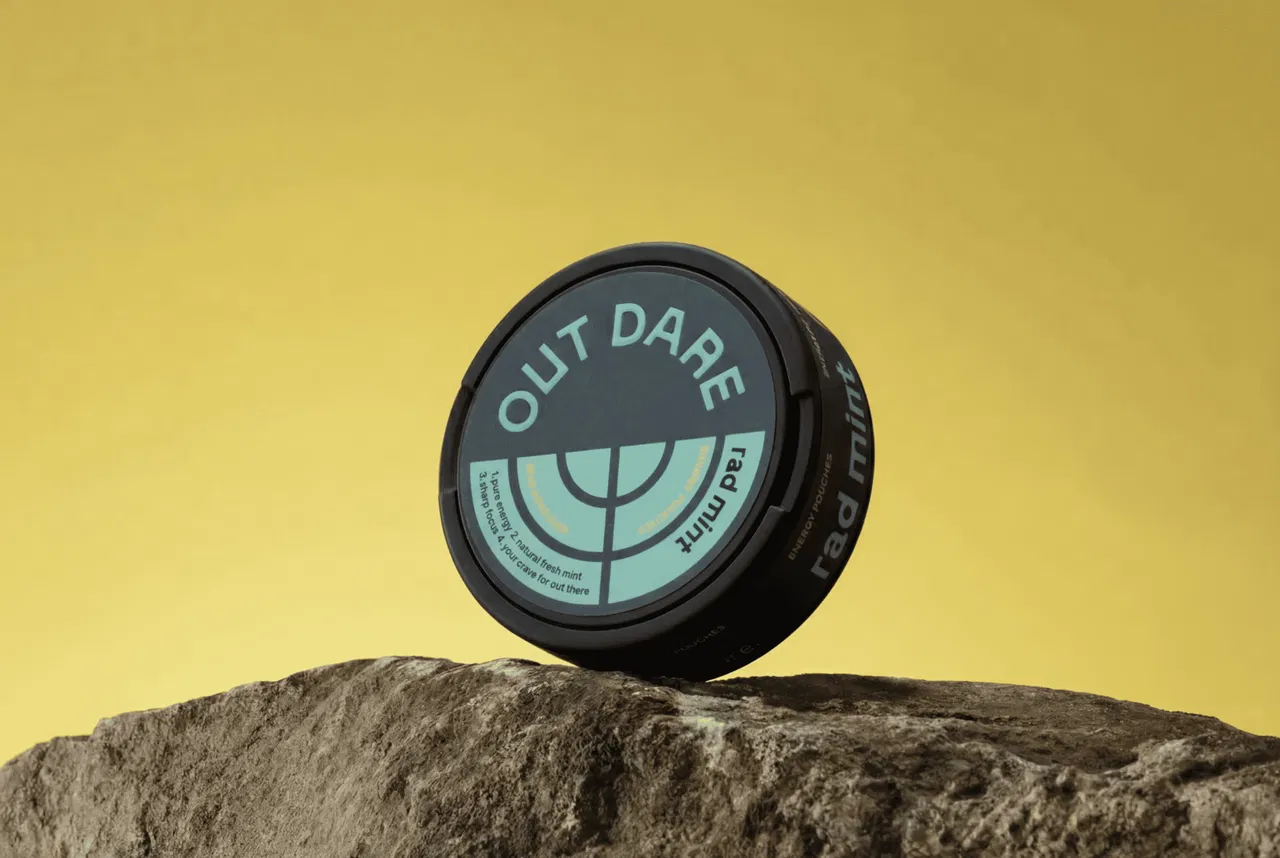
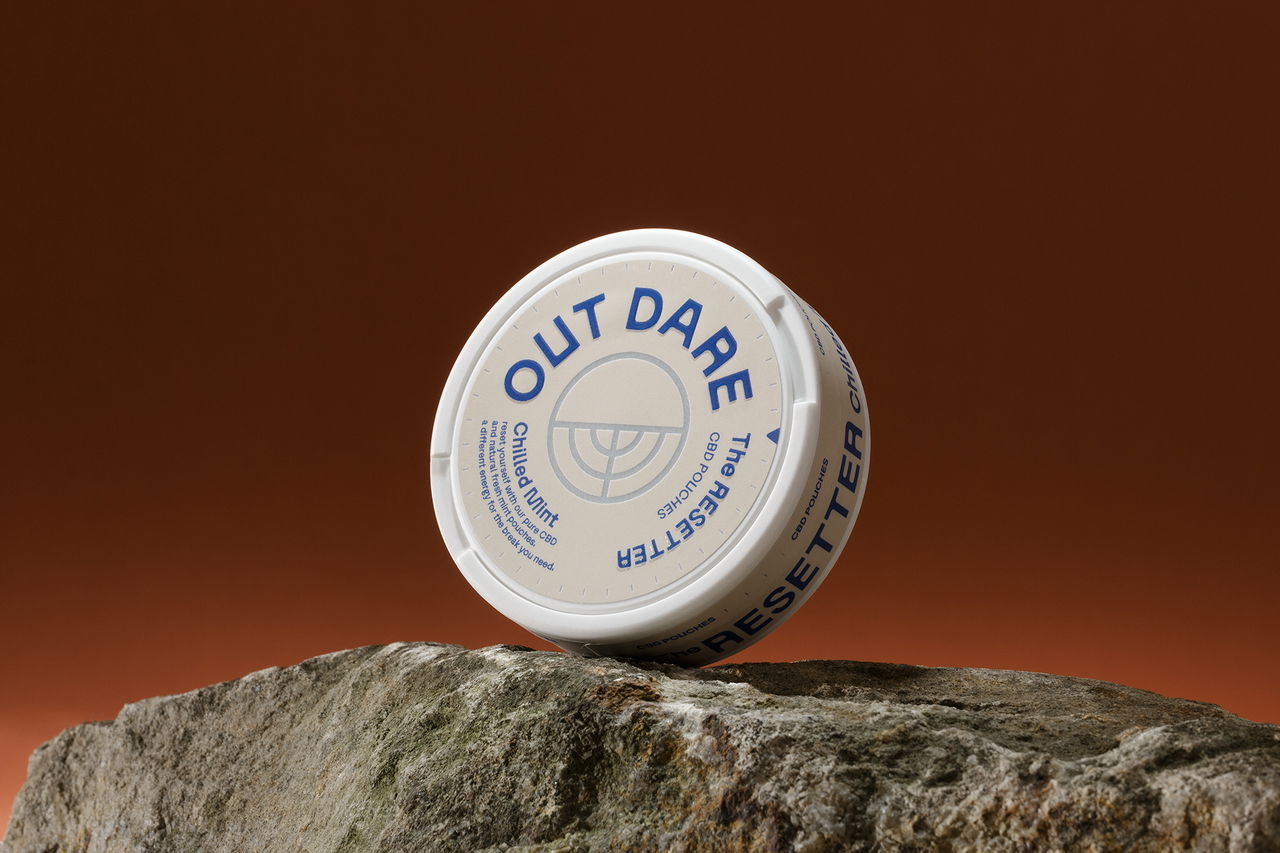
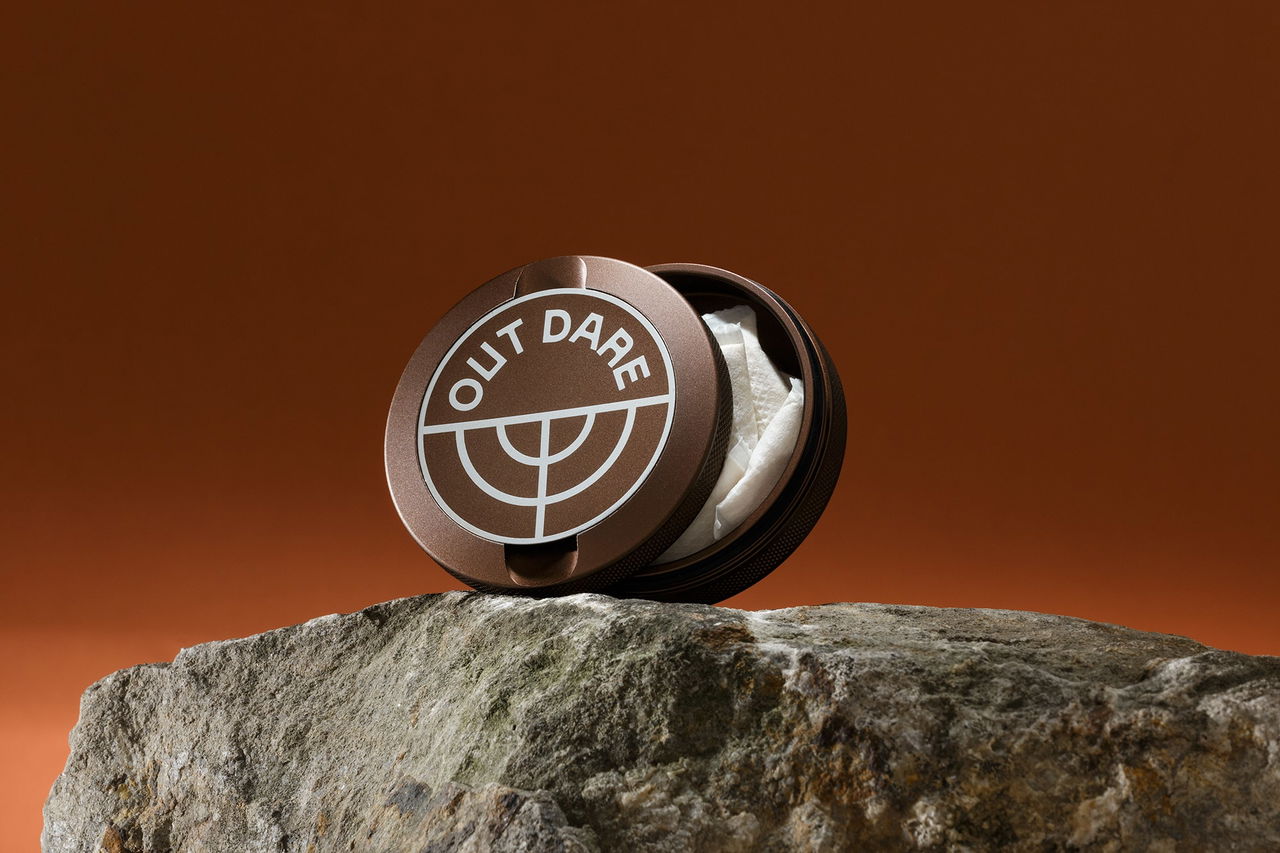
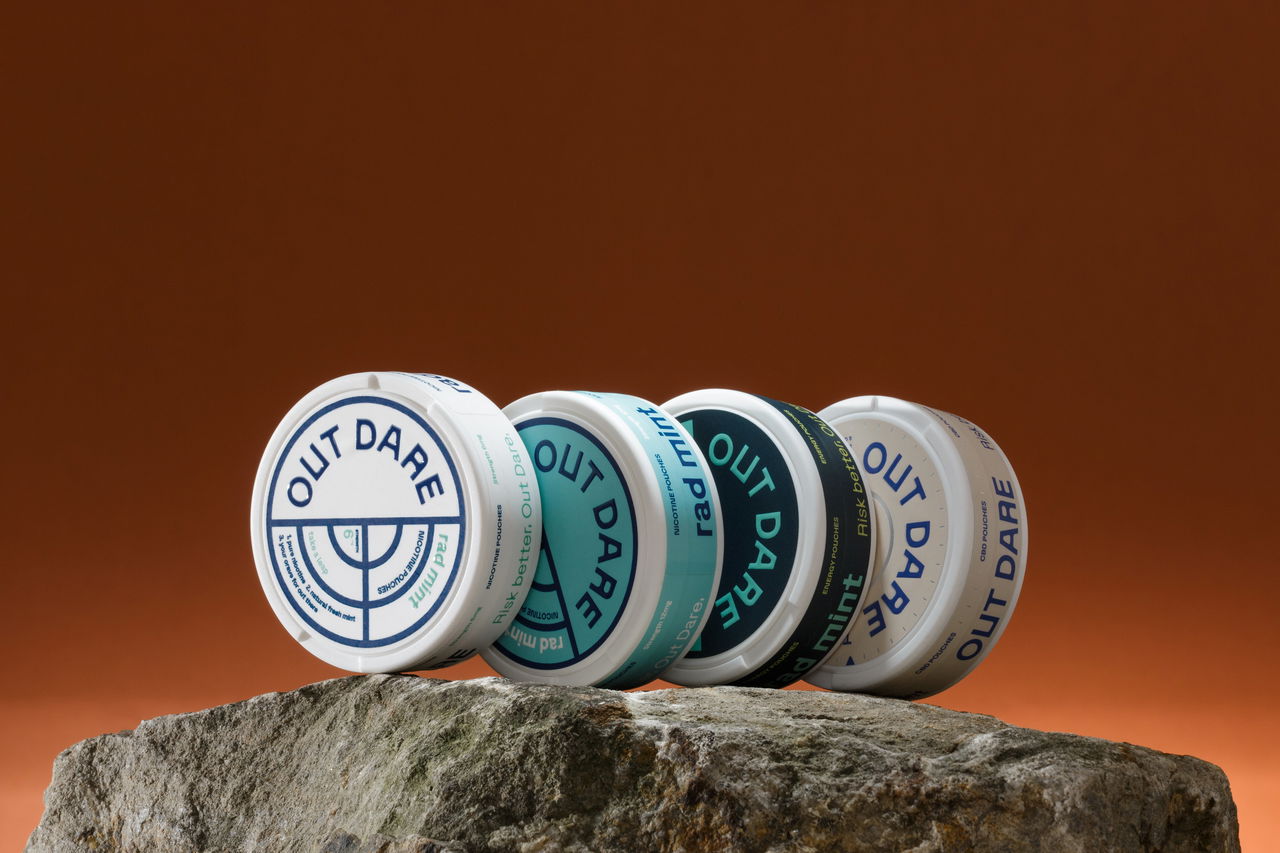
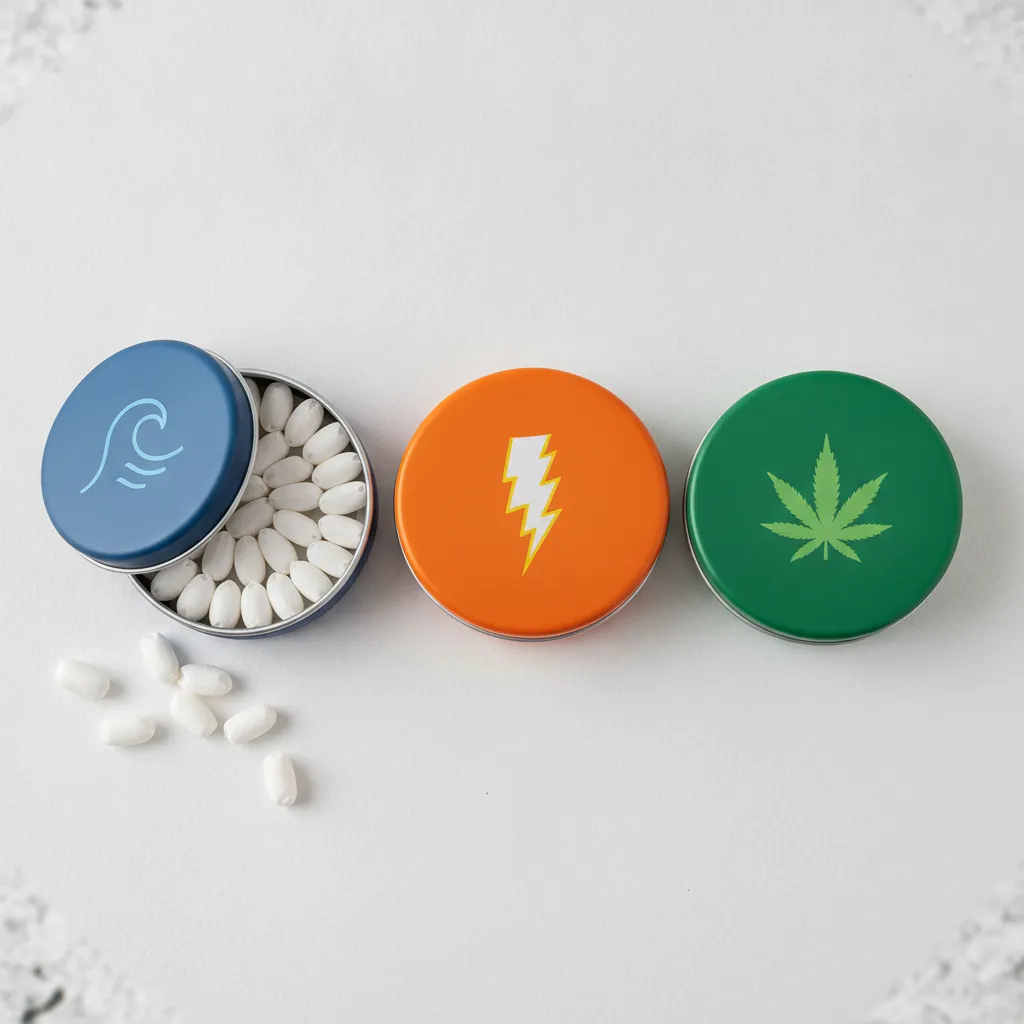
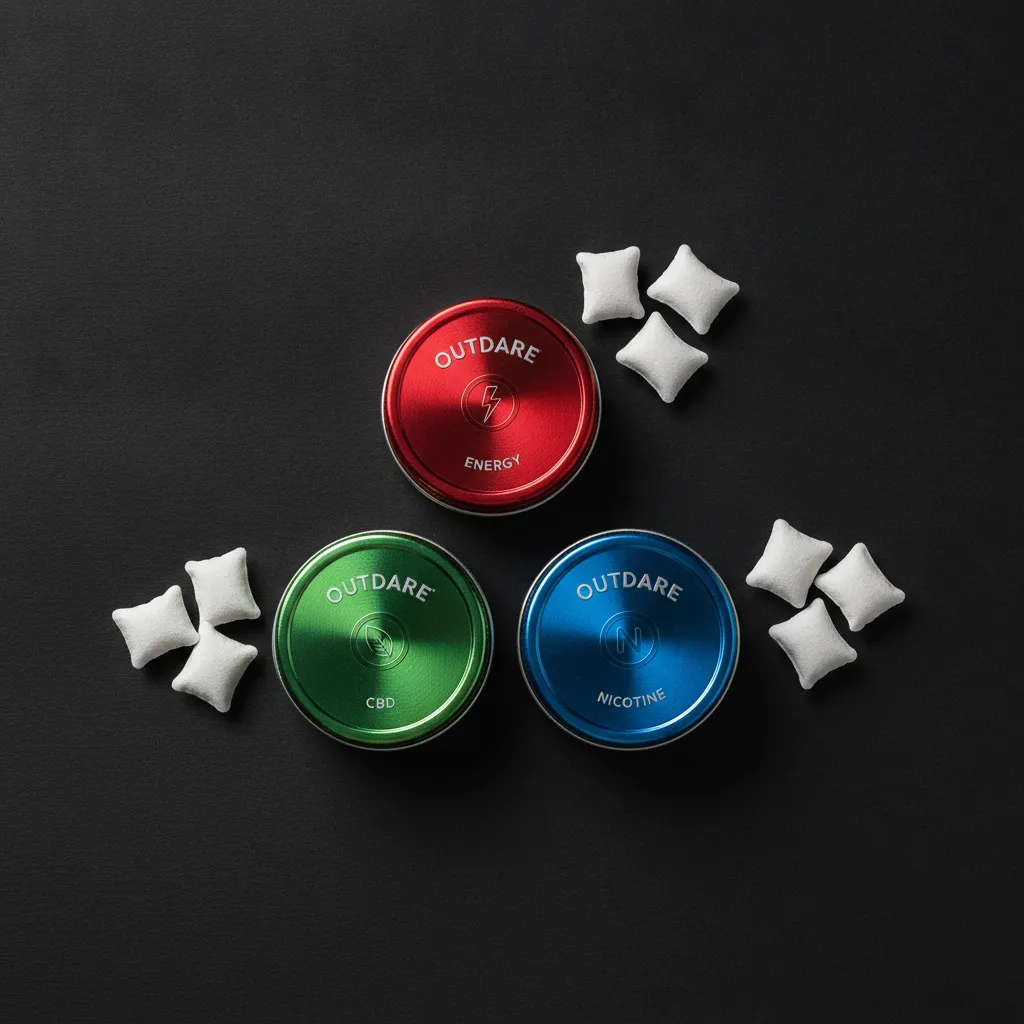
At Outdare LTD, we've built our entire product system around this insight. The 4-Week Outdare Method uses three interchangeable pouches — Nicotine, Energy, and CBD — that share the exact same mint flavor, mouthfeel, and gum burn. Your brain can't tell which is which. So you keep the ritual fully intact while progressively replacing nicotine pouches with Energy or CBD variants. Most users reduce their nicotine intake by 60–90% within the first month using this approach.
Safety and Health Effects: What the Research Actually Says
Oral nicotine pouches are significantly less harmful than cigarettes and conventional tobacco products — but "less harmful than smoking" is not the same as "safe." The honest picture is more nuanced, and as of 2026, long-term safety data is still limited.
What Research Supports
A peer-reviewed analysis published in the Journal of Pre-Clinical and Clinical Research found that oral nicotine pouches (ONPs) show lower cytotoxicity compared to snus and cigarettes, with some studies indicating reduced harm-related biomarkers in users who switch from smoking [6]. The absence of tobacco combustion removes the most carcinogenic element of cigarette smoking entirely. When considering oral nicotine pouches Europe, this point stands out.
Research published in PubMed Central confirms that nicotine pouch prevalence in the EU was approximately 0.3% of the adult population as of 2021 — a figure that has grown substantially since, though comprehensive 2026 data is still being compiled [2].
- No combustion: Zero tar, carbon monoxide, or smoke-related carcinogens
- No tobacco leaf: Eliminates tobacco-specific nitrosamines (TSNAs) present in snus
- Discreet use: No secondhand exposure risk to others
- Lower harm markers: Some studies show improved biomarkers when smokers switch to pouches
Known Risks and Limitations
Nicotine itself is not harmless. It's a vasoconstrictor that affects cardiovascular function, and it's highly addictive regardless of delivery method. Specific concerns documented in research include:
- Gum recession: Prolonged placement in the same spot causes localized tissue irritation and, over time, gingival recession
- Gut issues: Swallowed nicotine-containing saliva can cause nausea, acid reflux, and digestive disruption in heavy users
- Cardiovascular effects: Nicotine raises heart rate and blood pressure; relevant for users with pre-existing cardiovascular conditions
- Dependency: High-strength pouches (12mg+) can establish or maintain dependency as effectively as cigarettes
- Youth risk: Regulators across Europe have flagged the appeal of flavored pouches to under-18s as a significant public health concern [5]
One limitation worth acknowledging: most existing safety research covers 1–3 year use periods. The effects of decade-long daily pouch use at high nicotine concentrations remain understudied. Results may vary significantly based on individual health status, usage frequency, and nicotine strength. For those exploring oral nicotine pouches Europe, this matters.
Pro Tip: If you're experiencing receding gums, rotate the placement position of your pouch — alternate between left and right side of the upper lip. Better still, use the rotation as a cue to start swapping some of your nicotine pouches for zero-nic Energy or CBD variants. Less time under the lip means less tissue exposure, and fewer nicotine pouches overall means less vasoconstriction.
Best Practices for Using and Reducing Nicotine Pouches in 2026
The smartest approach to oral nicotine pouches in 2026 isn't just picking a brand — it's having a system. Whether you're managing an existing habit or actively trying to reduce, these evidence-informed practices make a real difference.
The 4-Week Reduction Framework
A structured step-down protocol consistently outperforms willpower-based approaches. Here's the framework our team at Outdare LTD recommends, based on the 30/30/30 Addiction Rule:
- Week 1 — Baseline audit: Track exactly how many pouches you use per day and at what times. Most users are surprised. Common trigger moments: morning coffee, focused work, post-meal, social situations, stress.
- Week 2 — Introduce substitutes: Replace 30–40% of your nicotine pouches with Energy or CBD pouches that match the same sensory profile. Don't reduce total pouch count yet — just swap the type.
- Week 3 — Reduce and rotate: Cut total pouch count by 20% while maintaining the substitution ratio. This is where the 60% non-chemical habit satisfaction does its job — cravings are manageable because the ritual stays intact.
- Week 4 — Consolidate: Target 70–80% of pouches being zero-nicotine. Most users reach this point with minimal withdrawal symptoms because the sensory and physical habit loops are still being satisfied.
Choosing the Right Nicotine Strength
Strength selection is one of the most common mistakes new users make — and one of the most consequential for long-term dependency. Higher isn't better. It's just faster tolerance-building. This directly impacts oral nicotine pouches Europe outcomes.
| Nicotine Strength | Typical User Profile | Recommended Use Case |
|---|---|---|
| 4–6mg | Light smoker / occasional pouch user | Starting point; also ideal as the final step-down before going zero-nic |
| 8–12mg | Regular pouch user / former pack-a-day smoker | Transitioning from cigarettes or vaping; use as a bridge, not a destination |
| 12–15mg | Heavy pouch user / multiple cans per week | Short-term harm reduction from smoking; actively plan a step-down |
| 15mg+ | Very heavy user; high dependency | Use only as starting point for structured reduction; not for maintenance |
Industry analysts and harm-reduction researchers consistently note that the goal of nicotine replacement therapy (NRT) — the clinical framework covering patches, gum, and increasingly pouches — should be progressive reduction, not indefinite substitution [4]. The most effective users treat their pouch as a tool with an end date, not a permanent lifestyle product.
Oral Hygiene and Placement Habits
- Rotate placement between left and right side of the upper lip to minimize localized gum irritation
- Don't exceed 60 minutes per pouch — extended wear increases tissue exposure without additional nicotine benefit
- Rinse with water after removing a pouch, particularly before bed
- Use xylitol-based formulas where possible — xylitol has demonstrated benefits for oral pH and cavity prevention
- Schedule a dental check-up every 6 months if you're a regular pouch user
Sources & References
- Wikipedia, "Snus", 2026
- PubMed Central, "Awareness and use of nicotine pouches in a nationwide sample", 2024
- Pouchspot, "Where Are Nicotine Pouches Legal? Country-by-Country Guide (2026)", 2026
- Campaign for Tobacco-Free Kids, "Nicotine Pouches", 2026
- Euronews, "France has just banned nicotine pouch sales. Where else in Europe are they restricted?", 2025
- Journal of Pre-Clinical and Clinical Research, "The safety of using oral nicotine pouches — consideration of their effects on general health", 2024
- Tobacco Tactics, "Nicotine Pouches", 2026
- Research and Markets, "Tobacco-Free Nicotine Pouches: European Market Overview", 2023
Frequently Asked Questions
1. What are nicotine pouches called in Europe?
In Europe, oral nicotine pouches go by several names depending on the country and context. The most common terms are "nicotine pouches," "nicopods," and "tobacco-free snus" — though that last term is technically a misnomer since they contain no tobacco. In French-speaking markets they're called "sachets de nicotine" or "nicotine pouches." In Scandinavia, they're sometimes called "white snus" to distinguish them from traditional tobacco snus, which has been banned across the EU (except Sweden) since 1992 [1]. Unlike snus, nicotine pouches contain no tobacco leaf and therefore fall outside the EU snus ban — though they face their own growing wave of national-level restrictions as of 2026 [5].
2. Are nicotine pouches banned in Europe?
Not universally — but the picture is changing. As of 2026, there is no EU-wide ban on oral nicotine pouches. The Tobacco Products Directive (TPD) does not cover them, leaving regulation to individual member states [3]. France banned their sale in early 2025 [5], and countries including Austria and Hungary have also prohibited them. Denmark, Finland, the Netherlands, Ireland, and Slovenia permit them with age restrictions. The regulatory landscape is actively evolving, and a revised TPD is expected to address nicotine pouches in an upcoming legislative cycle. This is particularly relevant for oral nicotine pouches Europe.
3. Are nicotine pouches safer than smoking or vaping?
The evidence strongly suggests that oral nicotine pouches are significantly less harmful than cigarettes — they produce no combustion, no tar, no carbon monoxide, and no secondhand smoke. Research published in the Journal of Pre-Clinical and Clinical Research found lower cytotoxicity markers in pouch users compared to smokers and snus users [6]. However, "less harmful than smoking" isn't the same as "safe." Nicotine itself carries cardiovascular risks, and heavy long-term pouch use is associated with gum recession, gut irritation, and dependency. They're a harm-reduction tool, not a clean bill of health.
4. How long should you keep a nicotine pouch in your mouth?
Most manufacturers recommend 15–60 minutes per pouch. Nicotine absorption is most efficient in the first 20–30 minutes; beyond that, you're getting diminishing returns while increasing tissue exposure. Leaving a pouch in for longer than 60 minutes doesn't meaningfully increase nicotine delivery but does increase the risk of localized gum irritation. Rotating placement between the left and right side of the upper lip, rather than always using the same spot, significantly reduces the risk of gum recession over time.
5. What's the difference between snus and nicotine pouches?
Traditional snus is a moist tobacco product containing ground tobacco leaf, which is the source of its nicotine. It has been banned across the EU and UK since 1992, with only Sweden holding an exemption [1]. Oral nicotine pouches contain zero tobacco leaf — nicotine is extracted from tobacco plants or synthesized, then combined with plant-fiber fillers and flavorings. This distinction means nicotine pouches are not subject to the EU snus ban, though they face their own regulatory scrutiny. Snus also contains tobacco-specific nitrosamines (TSNAs), which are known carcinogens; nicotine pouches do not [6]. When considering oral nicotine pouches Europe, this point stands out.
6. Can nicotine pouches help you quit smoking?
They can be an effective stepping stone, but they're not an exit strategy on their own. Switching from cigarettes to nicotine pouches eliminates combustion-related harm, which is significant. But if you simply swap one nicotine delivery method for another at the same dose, you haven't reduced your dependency — you've just changed the format. The most effective approach combines pouches with a structured reduction method. The 30/30/30 Addiction Rule explains why: 60% of pouch dependency is habit and sensory, not chemical. A system that preserves the ritual while progressively replacing nicotine pouches with zero-nicotine alternatives — like Energy or CBD pouches with identical sensory profiles — addresses the full addiction architecture, not just the chemical layer.
7. Where can I buy nicotine pouches in Europe?
In countries where they're legal, oral nicotine pouches in Europe are available through online DTC retailers, specialist tobacco and nicotine product shops, and increasingly in convenience stores and petrol stations. Online purchasing offers the widest range of brands and strengths, but cross-border shipping rules vary significantly. Always verify the legal status in your specific country before ordering — and check whether import restrictions apply even if domestic sale is permitted [3]. For users in Denmark, Finland, the Netherlands, Ireland, and Slovenia, Outdare ships directly with European manufacturing and clean-label formulas.
Conclusion
Oral nicotine pouches in Europe are at an inflection point. The market is growing fast, the regulatory environment is tightening, and the science is giving users a clearer picture of both the benefits and the risks. The bottom line: pouches are a meaningful harm-reduction step away from cigarettes and vaping, but they're not a final destination. The smartest move in 2026 isn't just picking a better pouch — it's building a system that gives you a genuine exit from chemical dependency without losing the ritual that makes quitting so hard in the first place. For those exploring oral nicotine pouches Europe, this matters.
That's exactly what Outdare LTD was built to do. Three pouches — Nicotine, Energy, CBD — all sharing the same mint taste, the same burn, the same pillow under the lip. Your brain can't tell the difference. So you keep the ritual, you keep the focus, you keep the calm. You just quietly phase out the nicotine, on your terms, at your pace. Most users cut their nicotine intake by 60–90% in the first month. Not because they white-knuckled it. Because they finally had a system that worked with how addiction actually works, not against it. Risk Better. Out Dare.
Recommended Articles
Explore more from our content library: