












Nicotine Withdrawal Symptoms: Complete Guide to Recovery
| Key Insight | Explanation |
|---|---|
| Peak Intensity | Most withdrawal symptoms peak within 72 hours and begin improving by day 4-5 |
| Dual Nature | Symptoms include both physical discomfort and psychological cravings |
| Individual Variation | Severity depends on usage duration, frequency, and individual metabolism |
| Management Success | Structured approaches increase quit success rates by 60-70% |
| Modern Solutions | 2026 alternatives focus on maintaining rituals while reducing chemical dependency |
What Are Nicotine Withdrawal Symptoms?
Nicotine withdrawal symptoms are a collection of physical, psychological, and behavioral changes that occur when someone stops using nicotine after developing chemical dependence. These symptoms represent the body's attempt to restore normal function after adapting to regular nicotine intake over weeks, months, or years.The Neurochemical Foundation
When nicotine enters the brain, it binds to acetylcholine receptors and triggers dopamine release in the reward pathway. Over time, the brain reduces natural dopamine production and increases the number of nicotine receptors to maintain balance. This adaptation creates physical dependence [1]. Research from the National Institutes of Health shows that chronic nicotine use fundamentally alters brain chemistry, particularly in areas controlling mood, attention, and reward processing [2]. When nicotine is suddenly removed, these adapted systems struggle to function normally, creating the constellation of symptoms known as withdrawal.Categories of Withdrawal Symptoms
Medical professionals classify nicotine withdrawal symptoms into three main categories:- Physical symptoms: Headaches, nausea, fatigue, increased appetite, sleep disturbances
- Psychological symptoms: Anxiety, depression, irritability, mood swings, difficulty concentrating
- Behavioral symptoms: Restlessness, cravings, changes in eating patterns, disrupted routines
Pro Tip: Keep a symptom diary during your first week. Tracking patterns helps identify your peak challenge times and most effective coping strategies.
Individual Variation in Symptoms
Not everyone experiences withdrawal the same way. Factors influencing symptom severity include:- Duration of nicotine use (longer use typically means more intense symptoms)
- Daily nicotine intake (higher doses create stronger physical dependence)
- Delivery method (cigarettes vs. pouches vs. vapes affect brain chemistry differently)
- Individual metabolism and genetic factors
- Concurrent substance use or mental health conditions
How Nicotine Withdrawal Works
Nicotine withdrawal follows predictable biological processes as the brain and body readjust to functioning without regular nicotine stimulation. The withdrawal timeline reflects the restoration of normal neurotransmitter production and receptor sensitivity.The Biochemical Process
Nicotine has a half-life of 1-2 hours, meaning blood levels drop rapidly after the last dose. However, the metabolite cotinine persists for 16-20 hours, extending the detection window. As nicotine levels decline, the adapted brain systems begin experiencing deficits in dopamine, norepinephrine, and GABA function. The Cleveland Clinic explains that withdrawal symptoms emerge because the brain's reward system has become dependent on external nicotine stimulation to maintain normal dopamine levels [4]. Without this stimulation, users experience the opposite effects of nicotine: instead of alertness, they feel fatigue; instead of calm focus, they experience anxiety and restlessness.Neuroplasticity and Recovery
The brain's ability to adapt (neuroplasticity) works in both directions. Just as it adapted to chronic nicotine use, it can readjust to function without nicotine. This process involves:- Downregulating excess nicotine receptors
- Restoring natural dopamine production
- Rebalancing neurotransmitter systems
- Rebuilding normal reward pathway sensitivity
The Role of Conditioned Responses
Beyond chemical dependence, nicotine withdrawal involves breaking conditioned behavioral responses. Environmental cues, emotional states, and daily routines become associated with nicotine use through classical conditioning. These psychological triggers can activate cravings even after physical withdrawal has resolved.Pro Tip: Identify your strongest trigger situations before quitting. Having alternative responses ready prevents impulsive relapse during vulnerable moments.
Physical Symptoms and Timeline
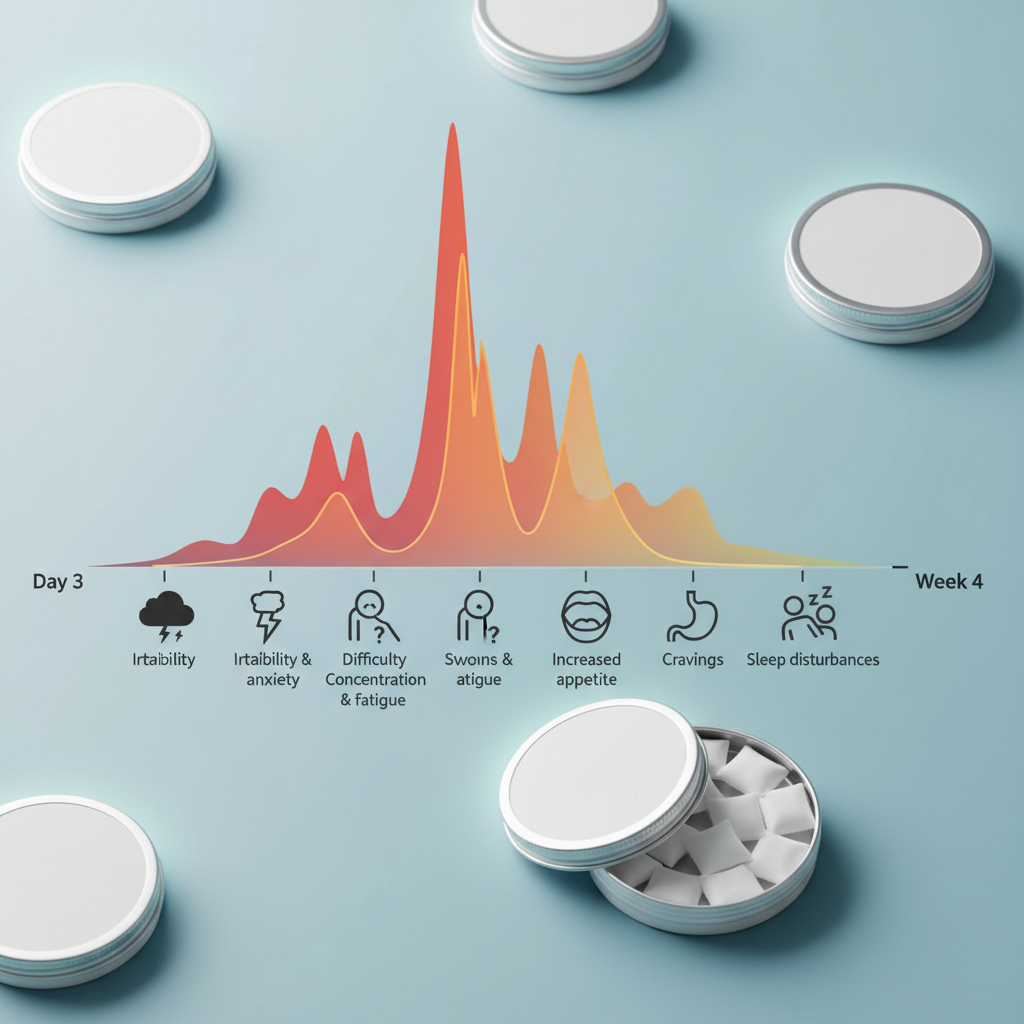
Physical nicotine withdrawal symptoms follow a predictable timeline, with most symptoms peaking within the first 72 hours and gradually improving over 2-4 weeks. Understanding this timeline helps manage expectations and maintain motivation during the most challenging period.Hour-by-Hour Breakdown: First 72 Hours
| Timeframe | Physical Symptoms | Intensity Level |
|---|---|---|
| 0-4 hours | Initial cravings, mild restlessness | Low |
| 4-24 hours | Headaches, fatigue, increased appetite | Moderate |
| 24-72 hours | Peak symptoms: nausea, sweating, tremors | High |
| 3-7 days | Gradual improvement, lingering fatigue | Moderate-Low |
Common Physical Manifestations
The most frequently reported physical symptoms include:- Headaches: Often tension-type, caused by changes in blood flow and neurotransmitter levels
- Nausea and digestive issues: Nicotine affects gut motility; withdrawal can cause stomach upset
- Fatigue and drowsiness: Without nicotine's stimulant effects, energy levels drop significantly
- Sleep disturbances: Difficulty falling asleep, frequent waking, vivid dreams
- Increased appetite: Nicotine suppresses appetite; withdrawal often triggers weight gain
- Tremors and sweating: Autonomic nervous system readjustment
Managing Physical Discomfort
Effective management of physical symptoms involves both pharmacological and non-pharmacological approaches:- Hydration: Increase water intake to help flush toxins and reduce headaches
- Nutrition: Eat regular, balanced meals to stabilize blood sugar and energy
- Exercise: Light physical activity helps manage restlessness and improves mood
- Sleep hygiene: Maintain consistent sleep schedules despite initial disruption
- Stress reduction: Deep breathing, meditation, or other relaxation techniques
Psychological Symptoms and Management
Psychological nicotine withdrawal symptoms often prove more challenging than physical discomfort because they involve complex emotional and cognitive changes that can persist longer than physical symptoms. These mental health aspects require targeted strategies and often determine long-term quit success.Core Psychological Symptoms
The psychological dimension of withdrawal encompasses several interconnected symptoms:- Anxiety and panic: Heightened stress response without nicotine's calming effects
- Depression and mood swings: Dopamine deficits affect emotional regulation
- Irritability and anger: Reduced tolerance for stress and frustration
- Concentration difficulties: Impaired focus and cognitive performance
- Anhedonia: Reduced ability to experience pleasure from normal activities
- Restlessness: Mental agitation and inability to feel settled
The Craving Phenomenon
Cravings represent the most persistent psychological challenge. Unlike physical symptoms, cravings can return unexpectedly months or years after quitting, triggered by environmental cues, stress, or emotional states. Understanding craving patterns helps develop effective coping strategies. Cravings typically follow a wave-like pattern:- Trigger exposure: Environmental or emotional cue activates craving
- Intensity buildup: Craving strength increases over 3-5 minutes
- Peak and plateau: Maximum intensity lasts 5-10 minutes
- Natural decline: Craving subsides without action required
Pro Tip: Use the "surf the urge" technique. Visualize cravings as waves that naturally rise and fall. Riding them out without acting builds confidence and weakens future cravings.
Cognitive Behavioral Strategies
Effective psychological management combines multiple evidence-based approaches:- Cognitive restructuring: Identifying and challenging thoughts that promote relapse
- Behavioral substitution: Replacing nicotine rituals with healthier alternatives
- Mindfulness practices: Observing cravings without judgment or immediate reaction
- Stress management: Developing nicotine-free coping mechanisms
- Social support: Engaging family, friends, or support groups
Best Practices for Managing Withdrawal in 2026
Modern approaches to nicotine withdrawal management in 2026 emphasize personalized strategies that address both the chemical and behavioral components of addiction. Current best practices integrate traditional methods with innovative technologies and harm reduction principles.The Gradual Transition Approach
Rather than abrupt cessation, many experts now recommend structured reduction programs that maintain familiar rituals while gradually decreasing nicotine dependence. This approach recognizes that addiction involves three components: chemical dependence (30%), physical habit (30%), and sensory cues (40%). Effective transition strategies include:- Nicotine replacement systems: Using clean alternatives that maintain oral habits
- Behavioral pattern preservation: Keeping timing and ritual elements intact
- Gradual dose reduction: Stepping down nicotine levels over 4-6 weeks
- Alternative substance integration: Incorporating caffeine, CBD, or other compounds
Technology-Enhanced Support
2026 withdrawal management leverages digital tools for personalized support:- Craving tracking apps: Real-time monitoring and intervention suggestions
- Biometric monitoring: Heart rate variability and stress level tracking
- AI-powered coaching: Personalized advice based on individual patterns
- Virtual reality therapy: Exposure therapy for trigger situations
- Online community support: 24/7 peer support networks
Nutritional and Lifestyle Interventions
Modern withdrawal management recognizes the importance of comprehensive lifestyle support:| Intervention Type | Specific Strategies | Expected Benefits |
|---|---|---|
| Nutritional Support | B-vitamins, magnesium, omega-3s | Neurotransmitter support, mood stability |
| Exercise Programs | Cardio, strength training, yoga | Endorphin release, stress reduction |
| Sleep Optimization | Sleep hygiene, melatonin, blue light filters | Improved recovery, mood regulation |
| Stress Management | Meditation, breathing exercises, therapy | Reduced trigger sensitivity, coping skills |
Pro Tip: Start implementing lifestyle changes 1-2 weeks before your quit date. Having these systems in place provides stability during the acute withdrawal phase.
Professional Support Integration
Current best practices emphasize professional guidance when appropriate:- Medical consultation: Screening for underlying conditions that complicate withdrawal
- Psychological counseling: Addressing co-occurring mental health issues
- Addiction specialists: Expertise in complex or repeated quit attempts
- Pharmacological support: Prescription medications when indicated

Sources & References
- National Institutes of Health, "Nicotine Withdrawal", 2015
- PMC - NIH, "Nicotine Withdrawal Research", 2015
- Centers for Disease Control and Prevention, "7 Common Withdrawal Symptoms", 2024
- Cleveland Clinic, "Nicotine Withdrawal: Symptoms, Treatment & Side Effects", 2024
- Smokefree.gov, "Nicotine Withdrawal and Vaping", 2024
- Massey Cancer Center, "Managing withdrawal symptoms from tobacco", 2024
- National Center for Biotechnology Information, "Nicotine Withdrawal Studies", 2015
- MD Anderson Cancer Center, "Addiction specialist: How to manage nicotine withdrawal", 2024
Frequently Asked Questions
1. What are the five most common nicotine withdrawal symptoms?
The five most common nicotine withdrawal symptoms are intense cravings, irritability and mood swings, difficulty concentrating, sleep disturbances, and increased appetite. These symptoms typically peak within 72 hours and gradually improve over 2-4 weeks as the brain readjusts to functioning without nicotine stimulation.
2. How long do nicotine withdrawal symptoms typically last?
Physical nicotine withdrawal symptoms usually peak within 72 hours and significantly improve within 2-4 weeks. However, psychological symptoms like cravings and mood changes can persist for several months. The timeline varies based on usage duration, daily nicotine intake, and individual factors like metabolism and overall health.
3. Can nicotine withdrawal cause physical pain and headaches?
Yes, physical pain and headaches are common during nicotine withdrawal. Tension headaches occur due to changes in blood flow and neurotransmitter levels. Some people also experience muscle aches, joint pain, and general physical discomfort as the body adjusts to functioning without nicotine's effects on the nervous system.
4. Is it dangerous to quit nicotine cold turkey?
Quitting nicotine cold turkey is generally not medically dangerous for most people, unlike withdrawal from alcohol or benzodiazepines. However, it can be extremely uncomfortable and increases the risk of relapse. Gradual reduction or nicotine replacement therapy often provides better success rates and more manageable symptoms.
5. What helps reduce nicotine withdrawal symptoms naturally?
Natural methods to reduce withdrawal symptoms include staying hydrated, eating regular balanced meals, engaging in regular exercise, practicing deep breathing or meditation, getting adequate sleep, and avoiding caffeine and alcohol. B-vitamins, magnesium supplements, and omega-3 fatty acids may also support neurotransmitter function during recovery.
6. Do nicotine pouches cause withdrawal symptoms when stopped?
Yes, stopping nicotine pouches can cause withdrawal symptoms similar to other nicotine products, though the intensity may vary based on the nicotine strength and usage frequency. Heavy pouch users often experience cravings, irritability, and concentration difficulties when quitting. The oral habit component can make psychological withdrawal particularly challenging.
7. When should someone seek medical help for withdrawal symptoms?
Seek medical help if withdrawal symptoms include severe depression, thoughts of self-harm, persistent anxiety or panic attacks, or if symptoms significantly interfere with daily functioning. People with underlying mental health conditions, previous failed quit attempts, or concurrent substance use should consider professional support before attempting to quit.

Recommended Articles
Explore more from our content library: