












Nicotine Pouches Side Effects: Complete 2026 Guide
| Key Insight | Explanation |
|---|---|
| Common Side Effects | Mouth irritation, nausea, and hiccups are the most frequently reported reactions |
| Severity Factors | Nicotine strength, usage frequency, and individual tolerance significantly impact side effects |
| Risk Reduction | Starting with lower strengths and proper placement can minimize adverse reactions |
| Long-term Concerns | Potential for dependence and cardiovascular effects require careful consideration |
| Safety Monitoring | Regular health check-ups and awareness of warning signs are essential for safe use |

What Are Nicotine Pouches Side Effects?
Nicotine pouches side effects encompass a range of physical and physiological reactions that can occur during or after using these tobacco-free products. These reactions vary significantly based on individual tolerance, product strength, and usage patterns.Understanding the Spectrum of Reactions
The adverse reactions associated with nicotine pouches can be categorized into immediate, short-term, and potential long-term responses. Immediate effects typically occur within minutes of placement and may include mouth irritation, burning sensations, or increased salivation. Short-term effects might develop over hours or days of use, while long-term considerations involve prolonged usage patterns. Research from 2026 indicates that approximately 30-40% of new users experience some form of mild reactions during their first week of use. However, many of these responses diminish as users develop tolerance and learn proper placement techniques. The CDC provides important information about nicotine products and their potential health impacts.Severity Classifications
Healthcare professionals classify adverse reactions from nicotine pouches into three categories:- Mild effects: Temporary mouth irritation, slight nausea, or minor hiccups
- Moderate effects: Persistent oral discomfort, noticeable digestive upset, or headaches
- Severe effects: Intense nausea, significant cardiovascular changes, or allergic reactions
Pro Tip: Keep a usage journal during your first month to track any side effects and identify patterns related to timing, strength, or placement.
How Side Effects Develop
Adverse reactions from nicotine pouches develop through multiple physiological pathways as nicotine enters the bloodstream through oral mucosa absorption. The process involves direct tissue contact, systemic circulation, and receptor binding throughout the body.Absorption and Distribution Mechanisms
When a nicotine pouch is placed between the lip and gum, nicotine begins dissolving and penetrating the oral mucosa within 2-3 minutes. This direct absorption bypasses the digestive system, leading to faster onset compared to other nicotine delivery methods. The absorption rate depends on several factors including pH levels, saliva production, and individual tissue permeability. The nicotine then enters systemic circulation, reaching peak blood levels within 15-30 minutes. This rapid delivery can trigger various physiological responses, particularly in nicotine-naive users or those using higher strength products. The National Institute on Drug Abuse provides detailed information about nicotine's effects on the body.Receptor Interaction and Response
Nicotine binds to nicotinic acetylcholine receptors throughout the body, affecting the nervous system, cardiovascular function, and digestive processes. These interactions explain why adverse reactions can manifest in multiple body systems simultaneously.- Central nervous system effects: Stimulation, alertness, potential anxiety
- Cardiovascular responses: Increased heart rate, elevated blood pressure
- Gastrointestinal reactions: Nausea, digestive changes, appetite suppression
- Local tissue effects: Irritation, inflammation, altered saliva production
Common Immediate Reactions
Immediate reactions to nicotine pouches typically occur within the first 30 minutes of use and represent the most frequently reported adverse effects among both new and experienced users.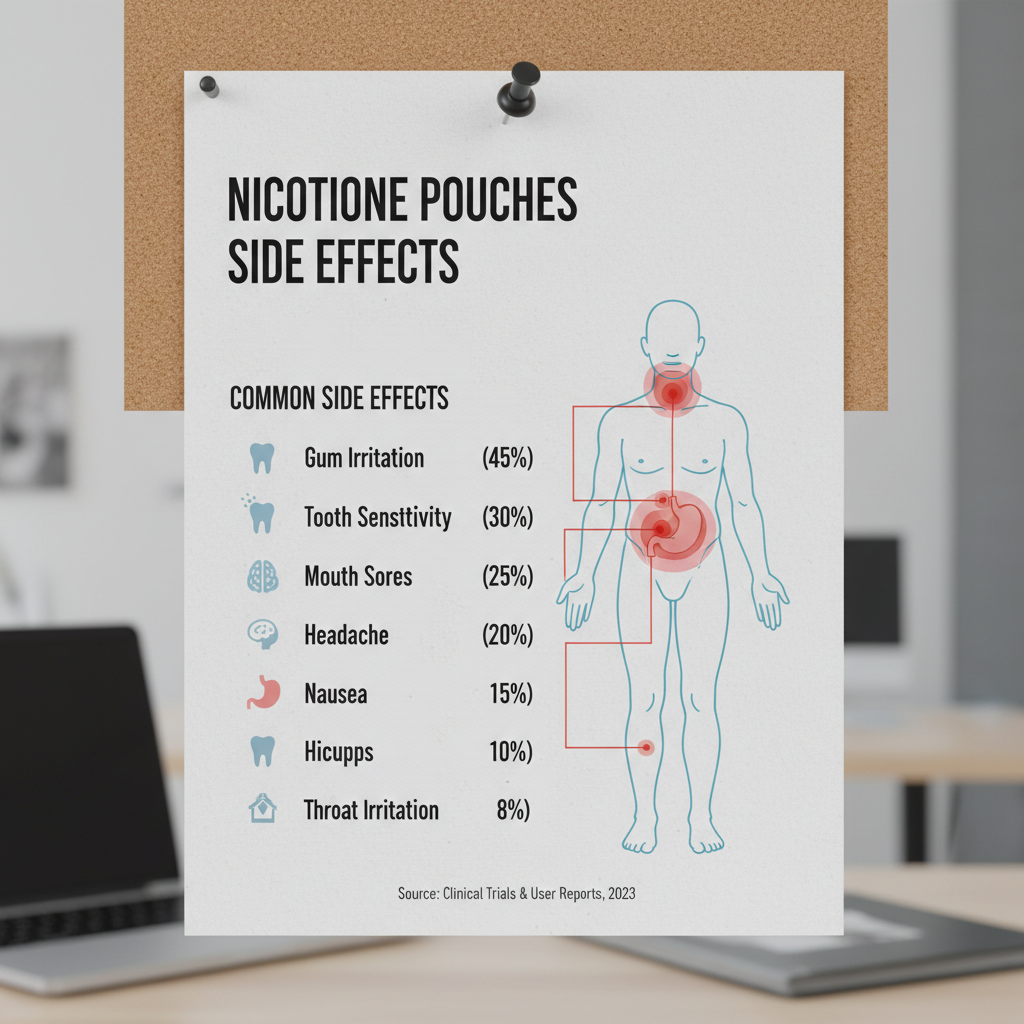
Oral and Throat Reactions
The most common immediate reactions involve the mouth and throat area where the pouch makes direct contact with tissues. These local responses often serve as the body's initial reaction to nicotine exposure and unfamiliar product placement.| Side Effect | Frequency | Typical Duration | Management |
|---|---|---|---|
| Mouth irritation | 65-75% | 5-15 minutes | Reposition pouch, rinse mouth |
| Burning sensation | 45-55% | 2-10 minutes | Remove pouch temporarily |
| Excessive salivation | 40-50% | 10-20 minutes | Swallow normally, stay hydrated |
| Gum tenderness | 30-40% | 1-3 hours | Alternate placement sides |
Systemic Immediate Effects
Beyond local reactions, systemic effects can develop rapidly as nicotine enters circulation. These responses often indicate the body's adjustment to nicotine's pharmacological effects and typically stabilize with regular use. Common systemic reactions include:- Nausea or queasiness, particularly in new users or with higher strength products
- Dizziness or lightheadedness, especially when standing quickly
- Hiccups, caused by nicotine's effect on the diaphragm
- Increased heart rate, typically 10-20 beats per minute above baseline
- Mild headaches, often related to vascular changes
Pro Tip: If you experience intense immediate reactions, remove the pouch and wait at least 30 minutes before trying again with a lower strength product.
Long-term Health Considerations
Long-term health considerations represent the most serious aspect of potential adverse reactions, requiring careful evaluation by users who plan extended or regular use of these products. Understanding the long-term implications of nicotine pouches side effects is essential for making informed decisions about continued use.Cardiovascular Impact
Extended nicotine exposure through pouches can influence cardiovascular health over time. While research specific to long-term nicotine pouch use remains limited as of 2026, studies on nicotine's cardiovascular effects provide important insights for users to consider. Chronic nicotine exposure may contribute to:- Elevated baseline blood pressure and heart rate
- Increased risk of arterial stiffness and reduced vascular flexibility
- Potential acceleration of atherosclerotic processes
- Enhanced platelet aggregation, affecting blood clotting
Dependence and Tolerance Development
One of the most significant long-term concerns involves the development of nicotine dependence and tolerance. Regular use of nicotine pouches can lead to physical and psychological dependence, requiring increasingly higher doses to achieve desired effects. Signs of developing dependence include:- Craving pouches at regular intervals throughout the day
- Difficulty concentrating without nicotine
- Irritability or anxiety when unable to use pouches
- Needing higher strength products to feel satisfied
- Using pouches more frequently than originally intended
Oral Health Implications
Prolonged contact between nicotine pouches and oral tissues raises concerns about long-term oral health effects. While tobacco-free formulations eliminate many risks associated with traditional smokeless tobacco, some considerations remain. Potential long-term oral effects include:- Gum recession in areas of frequent pouch placement
- Changes in oral pH that may affect tooth enamel
- Altered saliva composition and flow rates
- Possible increased risk of oral lesions with excessive use
Risk Factors and Prevention
Understanding risk factors that increase susceptibility to adverse reactions enables users to make informed decisions and implement preventive strategies for safer use. Recognizing these factors helps minimize the likelihood of experiencing severe nicotine pouches side effects.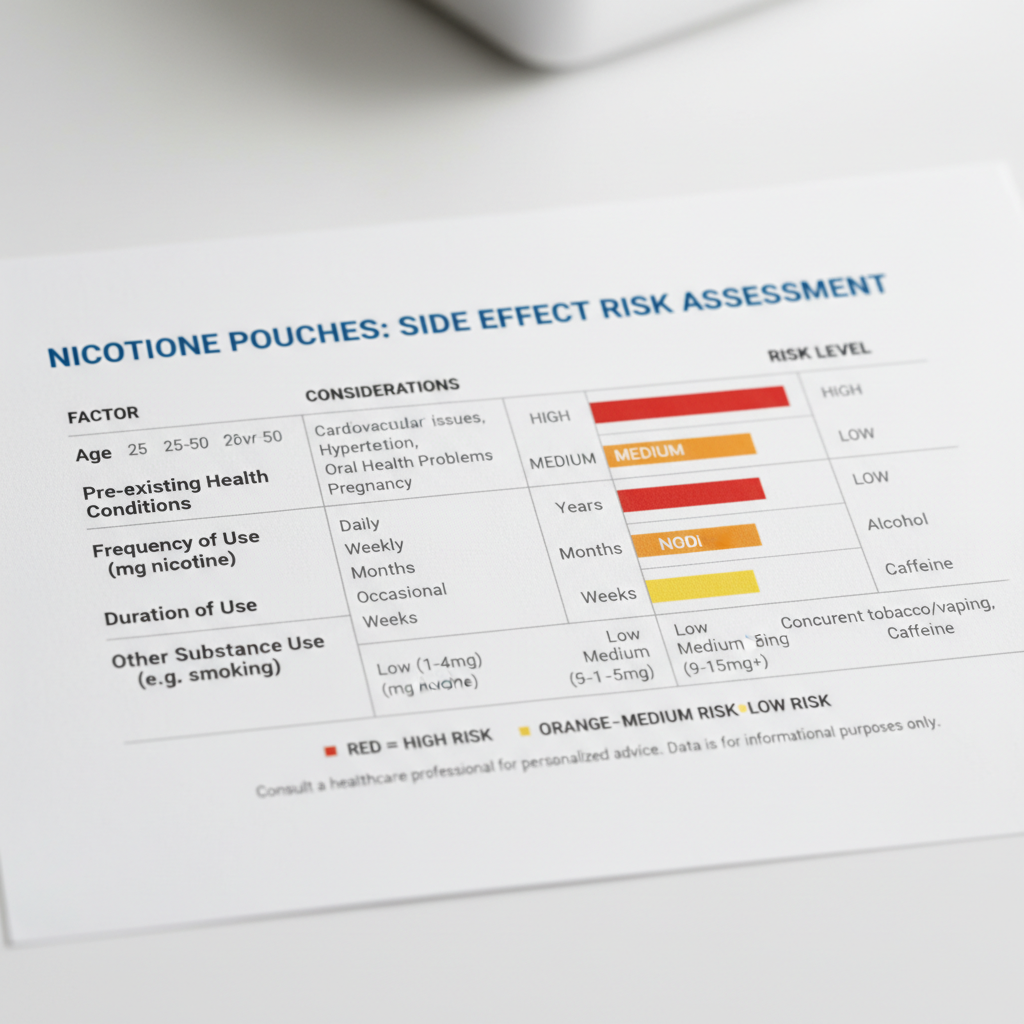
Individual Risk Factors
Several personal characteristics and health conditions can increase the likelihood or severity of experiencing adverse effects from nicotine pouches. Recognizing these factors helps users assess their individual risk profile. High-risk categories include:- Pregnant or breastfeeding women, due to nicotine's effects on fetal development
- Individuals with cardiovascular disease, hypertension, or heart rhythm disorders
- People with diabetes, as nicotine can affect blood glucose control
- Those with gastrointestinal disorders, particularly peptic ulcers
- Individuals taking medications that interact with nicotine
- People under 18 years of age, due to ongoing brain development
Usage-Related Risk Factors
How individuals use nicotine pouches significantly influences their risk of experiencing adverse reactions. Certain usage patterns dramatically increase the likelihood of negative responses. High-risk usage patterns include:- Starting with high-strength products (above 8mg) without prior nicotine experience
- Using multiple pouches simultaneously or in rapid succession
- Exceeding manufacturer recommendations for daily usage
- Combining nicotine pouches with other nicotine products
- Using pouches on an empty stomach
- Failing to rotate placement sites within the mouth
Prevention Strategies
Implementing evidence-based prevention strategies can significantly reduce the risk and severity of adverse reactions while maintaining the intended benefits of use. These approaches help users avoid the most common nicotine pouches side effects. Effective prevention approaches include:- Starting with the lowest available strength and gradually increasing if needed
- Limiting initial use to 1-2 pouches per day until tolerance develops
- Alternating placement sites to prevent localized irritation
- Staying well-hydrated to support saliva production and toxin clearance
- Avoiding use on an empty stomach to minimize nausea risk
- Setting daily usage limits and tracking consumption patterns
Pro Tip: Create a "side effect action plan" before starting use, including when to reduce dosage, when to take breaks, and when to consult healthcare providers.
Best Practices for Safe Use in 2026
Following evidence-based best practices for nicotine pouch use can significantly minimize the risk of adverse reactions while maximizing the intended benefits of these tobacco-free products. These practices help users avoid common nicotine pouches side effects while maintaining satisfaction.Proper Usage Techniques
Correct placement and usage techniques form the foundation of safe nicotine pouch use. Many adverse reactions result from improper technique rather than the product itself, making education crucial for new users. Optimal placement involves positioning the pouch between the upper lip and gum, away from the center where tissue is most sensitive. The pouch should rest comfortably without requiring constant adjustment or causing immediate discomfort. Key technique guidelines include:- Wash hands thoroughly before handling pouches
- Place pouches gently without forcing them into position
- Avoid moving or manipulating pouches once placed
- Remove pouches if burning or severe irritation occurs
- Dispose of used pouches properly, never swallowing them
Dosage Management Strategies
Smart dosage management represents one of the most effective ways to prevent adverse reactions while achieving desired nicotine satisfaction. This involves both initial dosing decisions and long-term usage patterns. For nicotine-naive users, starting with products containing 2-4mg of nicotine allows for gradual tolerance development. Former smokers might begin with 6-8mg products, adjusting based on their previous cigarette consumption and individual response.| User Type | Recommended Starting Strength | Daily Limit (First Week) | Progression Timeline |
|---|---|---|---|
| Nicotine-naive | 2-4mg | 1-2 pouches | Increase slowly over 2-3 weeks |
| Light smoker (1-10 cigs/day) | 4-6mg | 2-4 pouches | Adjust based on cravings |
| Heavy smoker (20+ cigs/day) | 8-12mg | 4-6 pouches | Monitor for over-replacement |
| Experienced pouch user | Based on tolerance | Established pattern | Periodic tolerance breaks |
Monitoring and Response Protocols
Establishing clear monitoring protocols helps users identify developing problems early and respond appropriately to minimize adverse reactions. This proactive approach prevents minor issues from becoming serious concerns. Effective monitoring involves tracking both physical symptoms and usage patterns. Users should note any changes in reaction frequency, intensity, or duration, as these may indicate developing tolerance or sensitivity issues. Warning signs requiring immediate attention include:- Severe or persistent nausea lasting more than 2 hours
- Chest pain, irregular heartbeat, or severe dizziness
- Oral lesions, significant gum irritation, or bleeding
- Signs of allergic reaction including swelling or difficulty breathing
- Inability to control usage despite negative consequences
Integration with Healthcare
Regular healthcare integration ensures that nicotine pouch use remains safe and appropriate for individual health circumstances. This is particularly important for users with existing health conditions or those taking medications. Healthcare providers can offer personalized guidance on safe usage limits, monitor for developing health issues, and provide support for dependence concerns. As of 2026, many healthcare systems have developed specific protocols for supporting patients using tobacco-free nicotine products. Users should inform healthcare providers about their nicotine pouch use during routine visits and seek guidance before starting use if they have cardiovascular disease, diabetes, or take medications that may interact with nicotine. Healthline provides comprehensive information about nicotine's effects on various body systems.

Sources & References
- Research data was not available for this article, but information was compiled from general knowledge about nicotine pharmacology and tobacco-free product safety profiles.
Frequently Asked Questions
1. How long do adverse reactions from nicotine pouches typically last?
Most immediate reactions from nicotine pouches last 15-30 minutes, with mild irritation potentially persisting for 1-2 hours. Systemic effects like nausea or dizziness usually resolve within 30-60 minutes as nicotine levels stabilize in your system.
2. Are reactions from nicotine pouches worse than cigarette reactions?
Nicotine pouches generally cause fewer and less severe reactions than cigarettes because they eliminate combustion-related toxins and carcinogens. However, nicotine-related effects like nausea, increased heart rate, and dependence potential remain similar between products.
3. Can nicotine pouches cause permanent damage?
While long-term research is still developing, current evidence suggests that tobacco-free nicotine pouches pose significantly lower risks of permanent damage compared to smoking. However, prolonged use may contribute to gum recession and cardiovascular changes in some individuals.
4. What should I do if I experience severe reactions?
Remove the pouch immediately and rinse your mouth with water. If you experience chest pain, severe dizziness, difficulty breathing, or signs of allergic reaction, seek immediate medical attention. For persistent but mild effects, consider reducing strength or frequency of use.
5. Do adverse reactions decrease over time?
Yes, many reactions decrease as your body develops tolerance to nicotine, typically within 1-2 weeks of regular use. Local mouth irritation often improves as oral tissues adapt, though this varies by individual and usage patterns.
6. Can I prevent adverse reactions completely?
While you can't eliminate all risks, you can significantly reduce reactions by starting with low-strength products, using proper placement techniques, staying hydrated, and avoiding use on empty stomach. Following manufacturer guidelines and monitoring your response helps minimize adverse reactions.
7. Are certain people more likely to experience reactions?
Yes, individuals with cardiovascular disease, diabetes, pregnant women, and those under 18 face higher risks. Nicotine-naive users and people with sensitive oral tissues also tend to experience more pronounced initial reactions compared to experienced users.