












Nicotine Pouch Side Effects: What You Need to Know
| Key Insight | Explanation |
|---|---|
| Nicotine is only 30% of the addiction | The 30/30/30 Addiction Rule shows that habit and sensory cues account for 60% of pouch dependency — not the chemical itself. |
| Gut issues are the most underreported side effect | Research shows bloating (66.7%) and nausea (47.9%) are the most common gastrointestinal symptoms reported by regular pouch users. |
| Oral health damage is dose-dependent | Gum recession, irritation, and potential lesions increase with frequency of use and pouch strength — especially at 12mg and above. |
| Cardiovascular effects are real and measurable | High-dose pouches can acutely raise heart rate and blood pressure, according to peer-reviewed research published in PMC. |
| Cold turkey rarely works | Removing nicotine without replacing the ritual almost always leads to relapse because the physical habit loop remains fully intact. |
| A structured system outperforms willpower alone | The Outdare 4-Week Method targets a 60–90% nicotine reduction in 30 days by replacing pouches gradually, not eliminating them overnight. |
Nicotine pouch side effects are more varied and more serious than most brands will tell you. You already know something is off. The receding gums. The gut cramps after your third pouch before noon. The afternoon brain fog that hits like a wall even though you've had nicotine all day. If you're a regular user — burning through a can a day, spending €150–400 a month, hiding the habit from people around you — these aren't random complaints. They're patterns, and they're telling you something. This guide breaks down exactly what nicotine pouches do to your body, which side effects are most common, which are most serious, and — critically — what a realistic exit strategy actually looks like. No cold turkey. No white-knuckling. A system.

What Are Nicotine Pouch Side Effects?
Nicotine pouch side effects are the physical and psychological consequences of regularly placing tobacco-free nicotine pouches under the lip, where nicotine is absorbed directly through the oral mucosa. They range from mild and acute — hiccups, dizziness, nausea after a strong pouch — to chronic and cumulative, including gum recession, gut disruption, cardiovascular stress, and dependency escalation.
The Difference Between Acute and Chronic Effects
Acute effects show up fast, usually within minutes of placing a high-strength pouch. Chronic effects build quietly over months of daily use. Most users notice the acute ones and dismiss them. The chronic ones are what actually cause the damage.
-
Acute side effects (appear within minutes to hours):
- Nausea and hiccups, especially with 12mg+ pouches
- Dizziness and lightheadedness
- Headaches from nicotine spikes
- Elevated heart rate and blood pressure
- Stomach upset and acid reflux
-
Chronic side effects (develop over weeks to months of regular use):
- Gum recession and oral tissue irritation
- Persistent gut issues including bloating and nausea
- Cognitive fog and energy crashes between doses
- Sleep disruption from late-day nicotine use
- Deepening chemical dependency and dose escalation
According to the CDC, nicotine is highly addictive and can harm brain development in young adults, disrupt cardiovascular function, and create dependency that is genuinely difficult to break [1]. That's not marketing language. That's the baseline.
Pro Tip: Track which side effects appear at which time of day. If brain fog hits hardest in the late afternoon, that's your body crashing between nicotine doses — a sign your intake has climbed above what your baseline actually needs.
Who Is Most at Risk?
Heavy users — those using 15+ pouches per day or regularly using 12mg–15mg strengths — face the highest risk of chronic side effects. Research published in PMC in 2026 confirms that high-dose pouches produce measurable acute cardiovascular responses including increased heart rate and elevated blood pressure [2]. Users under 25 face additional risk because nicotine disrupts ongoing brain development, affecting attention, memory, and impulse regulation [3].
Oral Health Side Effects: What's Actually Happening in Your Mouth
Oral health damage is among the most documented nicotine pouch side effects, with gum recession, tissue irritation, and potential lesion formation all linked to regular use. The pouch sits in direct contact with gum tissue for 20–60 minutes at a time, and that repeated mechanical and chemical pressure adds up.
Gum Recession and Tissue Damage
Nicotine constricts blood vessels. When those vessels are in your gum tissue, reduced circulation slows healing and accelerates recession. The American Dental Association has flagged this concern directly, noting that regular exposure can lead to gum disease, tooth loss, and oral lesions [4].
- Gum recession typically appears first on the side of the mouth where the pouch is habitually placed
- Tissue irritation and redness are early warning signs that most users ignore
- Oral lesions — while not confirmed as cancerous — have been observed in regular users and warrant clinical monitoring
- Dry mouth, a common nicotine effect, reduces saliva's natural antibacterial function and increases cavity risk
The MD Anderson Cancer Center notes that while nicotine pouches don't contain tobacco, nicotine itself can cause oral health issues including gum disease and disrupted healing after dental procedures [3].
The Cancer Question
This is the one everyone wants a straight answer on. The honest answer is: the long-term data is still incomplete. The American Cancer Society notes that while nicotine pouches don't contain tobacco leaf, they do contain nicotine and other chemicals, and their long-term cancer risk profile remains under investigation [5]. What's clear is that tobacco-free does not mean risk-free.
| Oral Health Risk | Likelihood with Daily Use | Primary Driver |
|---|---|---|
| Gum recession | High (especially 12mg+) | Vasoconstriction + mechanical pressure |
| Oral tissue irritation | Very high | Direct chemical contact |
| Dry mouth / cavities | Moderate to high | Reduced saliva production |
| Oral lesions | Moderate (dose-dependent) | Chronic nicotine exposure |
| Long-term cancer risk | Under investigation | Insufficient long-term data as of 2026 |
VCU Health experts reinforce this point clearly: "Tobacco-free does not mean risk-free," and cardiovascular and oral health risks remain real concerns even without tobacco leaf in the formula [6].
Gut, Brain, and Energy: The Side Effects Nobody Talks About
Gut disruption and cognitive fog are the two most underreported nicotine pouch side effects, yet they're the ones most likely to affect your daily quality of life. Most users blame stress, diet, or poor sleep — rarely connecting the dots back to the pouches they're using every 45 minutes.

What Nicotine Does to Your Gut
Nicotine activates receptors throughout the gastrointestinal tract, not just in the brain. Research published in Tobacco Prevention and Cessation found that the most commonly reported gastrointestinal symptoms among pouch users were bloating (66.7%), followed by nausea (47.9%) [7]. That's not a minority experience. That's two-thirds of regular users reporting gut disruption.
- Nicotine stimulates gut motility, which can cause cramping, loose stools, or urgency
- Swallowed nicotine juice from pouches irritates the stomach lining directly
- Chronic gut inflammation may develop with sustained heavy use
- The gut-brain axis means ongoing gut disruption feeds back into mood, focus, and fatigue
Pro Tip: If you're experiencing gut issues, try switching your afternoon and evening pouches to a zero-nicotine alternative with the same mouthfeel. Many users see significant gut improvement within 7–10 days just by reducing total daily nicotine volume, without stopping entirely.
Brain Fog, Energy Crashes, and the Dependency Trap
Here's the part that traps most users. Nicotine feels like energy. It sharpens focus for 20–40 minutes, then drops off. So you reach for another one. Over time, you're not getting a boost — you're just managing withdrawal. The "energy" you feel is your brain returning to baseline after a nicotine dip, not a genuine cognitive lift.
- Brain fog between doses is a withdrawal symptom, not a focus problem you need more nicotine to fix
- Energy crashes in the late afternoon are dose-timing issues — your blood nicotine level is falling
- Poor sleep is a direct consequence of nicotine's stimulant effect on the nervous system, especially when pouches are used within 3 hours of bedtime
- Mood instability — irritability and anxiety between doses — is a documented withdrawal pattern that intensifies as dependency deepens
The VA's clinical fact sheet on oral nicotine pouches confirms that the long-term psychological and neurological effects of sustained use remain incompletely understood, and that dependency formation follows established nicotine addiction pathways [8].
Cardiovascular and Long-Term Risks in 2026
Cardiovascular effects are among the most clinically significant nicotine pouch side effects, with peer-reviewed research confirming measurable acute impacts on heart rate and blood pressure even in otherwise healthy adults. The long-term picture is still forming, but the short-term data is clear enough to take seriously.
Heart Rate and Blood Pressure
Nicotine is a stimulant that triggers the release of adrenaline, causing the heart to beat faster and blood vessels to constrict. Research published in PMC confirms that high-dose nicotine pouches elicit acute cardiovascular responses including increased heart rate and elevated blood pressure [2]. For users with pre-existing cardiovascular risk factors, this isn't trivial.
- Each pouch delivers a nicotine spike that temporarily raises heart rate by 10–20 BPM in some users
- Repeated vasoconstriction across multiple daily doses creates cumulative cardiovascular stress
- Users with hypertension, arrhythmia, or a family history of heart disease face elevated risk
What the Long-Term Data Says (and Doesn't)
Nicotine pouches are a relatively new product category. The first generation of heavy, long-term users is only now reaching the point where meaningful longitudinal data can be collected. A risk assessment published in Science Direct notes that while acute toxicity from standard pouch use is lower than from smoking, the chronic effects of sustained nicotine absorption through oral mucosa remain an open research question [9].
- No large-scale, long-term cohort studies have yet followed pouch users for 10+ years
- The VA's healthcare provider guidance explicitly flags "unknown long-term health effects" as a key concern [8]
- Nicotine's role in promoting tumor growth (independent of tobacco) is an active area of oncology research
- Pregnancy risk is well-established: the CDC confirms nicotine is toxic to developing fetuses [1]
Pro Tip: If you're using 12mg or 15mg pouches and experiencing heart palpitations or persistent elevated resting heart rate, step down to a lower strength immediately. Dose reduction alone — without quitting entirely — can meaningfully reduce cardiovascular stress within days.
Common Mistakes to Avoid When Managing Side Effects
Most users make the same errors when they start noticing nicotine pouch side effects — and those errors either make the symptoms worse or guarantee a relapse. Here's what to watch for.
Mistake 1: Treating Side Effects With More Nicotine
Brain fog hits at 2pm, so you reach for a stronger pouch. Gut cramps in the morning, but you still pop one with your coffee. This is the dependency trap in action. The side effects you're experiencing are often caused by nicotine volume, not by insufficient nicotine. Adding more doesn't fix the problem — it deepens it.
- A common mistake is interpreting withdrawal symptoms as a signal to increase intake rather than reduce it
- One pitfall to watch for: confusing the temporary relief of withdrawal (when you use a pouch) with genuine energy or focus improvement
Mistake 2: Trying to Quit Cold Turkey
From experience, cold turkey fails for most pouch users not because of weak willpower, but because it removes the chemical dependency and the ritual simultaneously. Your brain is managing two losses at once. Research consistently shows that quit attempts which preserve some form of the oral habit have higher success rates than complete abrupt cessation.
- The physical sensation of a pouch under the lip is a learned conditioned response — removing it abruptly triggers anxiety independent of nicotine withdrawal
- The gum burn and mint flavor are sensory triggers that, if unaddressed, create persistent cravings even after nicotine clears your system
Mistake 3: Ignoring Oral Symptoms
Gum sensitivity and minor recession are easy to dismiss. Don't. In practice, users who catch gum recession early and reduce their pouch placement frequency can halt progression. Users who ignore it for 12–18 months often face irreversible tissue loss.
- Rotate pouch placement — don't always use the same side of the mouth
- Limit each pouch to 20–30 minutes maximum to reduce sustained tissue exposure
- Schedule a dental check-up if you've been using pouches daily for more than 6 months
How to Reduce Nicotine Pouch Side Effects: A Step-by-Step System
Reducing nicotine pouch side effects is achievable through a structured, gradual substitution approach — not willpower alone. The following steps are based on the 30/30/30 Addiction Rule, which identifies that only 30% of pouch dependency is chemical (nicotine), while 60% is the physical habit and sensory cue. Address the 60% first, and the 30% becomes manageable.
The 4-Week Reduction Method
- Audit your current intake. Count every pouch you use in a single day for three days. Note the time, the strength, and the trigger (stress, boredom, focus, routine). This gives you a real baseline — most users are surprised by the actual number.
- Identify your highest-risk sessions. Morning coffee, afternoon slump, and post-dinner are the three most common high-dependency windows. These are where substitution will have the biggest impact on side effects.
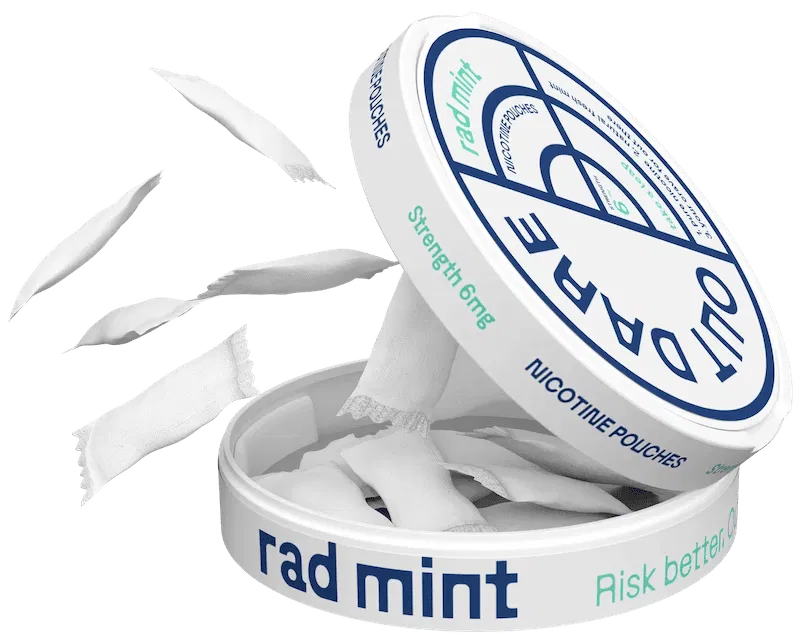
- Introduce a zero-nicotine alternative with identical sensory properties. This is where the ritual substitution principle matters. A pouch that delivers the same mint burn, the same pillow feel, and the same mouthfeel as your nicotine pouch allows your brain to maintain the habit loop while you reduce chemical exposure. At Outdare LTD, we've found that sensory parity is the single most important factor in successful substitution — if the replacement doesn't feel identical, users reject it within 48 hours.
- Replace one nicotine pouch per day with a zero-nicotine alternative during Week 1. Start with your lowest-dependency session — typically mid-afternoon or post-dinner. Don't start with the morning coffee pouch. That's your hardest one. Save it for later.
- Scale substitution progressively through Weeks 2 and 3. Add one more replacement pouch per day each week. By the end of Week 2, you should have 3–4 nicotine pouches replaced with zero-nicotine alternatives. By Week 3, aim for a 50% reduction in daily nicotine pouch count.
- Step down nicotine strength in Week 3. If you're using 12mg or 15mg pouches, switch the remaining nicotine pouches to 6mg. This reduces total daily nicotine volume significantly without removing the ritual entirely.
- Consolidate and maintain in Week 4. Most users reach 60–90% nicotine reduction by the end of Week 4 using this method. The goal isn't perfection — it's sustainable reduction that doesn't trigger relapse.
- Use a focus alternative for your morning pouch if cognitive performance is your concern. An energy pouch with 50mg caffeine and nootropics (compounds that support cognitive function, like L-Theanine and Alpha-GPC) can replace the "edge" you associate with your morning nicotine hit without feeding the chemical dependency.
| Week | Target Action | Expected Outcome |
|---|---|---|
| Week 1 | Replace 1 nicotine pouch/day with zero-nic alternative | Reduced gut irritation; habit loop preserved |
| Week 2 | Replace 3–4 pouches/day; scale progressively | Improved sleep; reduced afternoon crash |
| Week 3 | Step down to 6mg for remaining nicotine pouches | Lower cardiovascular stress; less brain fog |
| Week 4 | Consolidate at 60–90% nicotine reduction | Sustained reduction without relapse pressure |


Sources & References
- CDC, "Nicotine Pouches," 2026
- PMC, "Nicotine pouches and youth: emerging patterns and potential health risks," 2026
- MD Anderson Cancer Center, "What to know about nicotine pouches," 2026
- ADA News, "Zyn nicotine pouches can have adverse health effects," 2026
- American Cancer Society, "What to Know About Nicotine Pouches and Cancer Risk," 2026
- VCU Health, "How safe are nicotine pouches? Tobacco-free does not mean risk-free," 2026
- Tobacco Prevention and Cessation, "Assessing the gastrointestinal and psychological impacts of nicotine pouch use," 2026
- VA Mental Health, "Oral Nicotine Pouches: A Fact Sheet for Healthcare Providers," 2026
- ScienceDirect, "Beyond smoking: Risk assessment of nicotine in pouches," 2024
Frequently Asked Questions
1. What are the most common nicotine pouch side effects?
The most commonly reported nicotine pouch side effects include gum recession, oral tissue irritation, nausea, bloating, hiccups, dizziness, elevated heart rate, brain fog between doses, poor sleep, and deepening chemical dependency. Research shows bloating affects around 66.7% of regular users and nausea affects nearly half. Severity increases with pouch strength and daily frequency of use.
2. Can nicotine pouches cause gum recession?
Yes. Nicotine constricts blood vessels in gum tissue, reducing circulation and slowing healing. Repeated mechanical pressure from a pouch sitting in the same spot for 30–60 minutes accelerates this process. The ADA has flagged gum recession, gum disease, and oral lesions as documented risks of regular pouch use. Rotating placement and limiting pouch duration can slow progression.
3. Do nicotine pouches cause cancer?
The long-term cancer risk of nicotine pouches is still under investigation as of 2026. The American Cancer Society notes that while pouches don't contain tobacco leaf, they do contain nicotine and other chemicals whose long-term effects on oral and other tissues aren't fully established. Tobacco-free does not mean risk-free. Users should not assume safety simply because the product lacks tobacco.
4. Why do I feel brain fog even though I'm using nicotine pouches regularly?
Counterintuitively, brain fog in regular pouch users is usually a withdrawal symptom, not a focus deficit. Your brain has adjusted its baseline dopamine and acetylcholine activity to expect nicotine. Between doses, cognitive function dips below your pre-addiction baseline. The "clarity" you feel after a pouch is your brain returning to normal — not a genuine enhancement. Reducing total daily nicotine intake progressively is the only way to restore your natural baseline.
5. Are nicotine pouches safer than smoking or vaping?
On a relative harm basis, nicotine pouches are considered lower-risk than cigarettes or vaping because they eliminate combustion and don't deliver tar, carbon monoxide, or the thousands of chemicals produced by burning tobacco. However, they still deliver nicotine — a cardiovascular stimulant with addictive properties — and their long-term health profile is not fully established. Lower risk is not the same as no risk.
6. Can I reduce nicotine pouch side effects without quitting entirely?
Yes. Reducing total daily nicotine volume — through step-down dosing and replacing some pouches with zero-nicotine alternatives that preserve the same oral ritual — can meaningfully reduce gut issues, improve sleep, and lower cardiovascular stress without requiring full cessation. Most users who follow a structured 4-week reduction method report 60–90% nicotine reduction within the first month, with significant improvement in side effects well before that point.
7. What are the side effects of high-strength nicotine pouches (12mg–15mg)?
High-strength pouches (12mg–15mg) produce more pronounced acute side effects: stronger cardiovascular responses including elevated heart rate and blood pressure, more intense nausea and dizziness in less-tolerant users, and faster dependency escalation. Peer-reviewed research published in PMC confirms measurable acute cardiovascular responses at high doses. If you're regularly using 15mg pouches, stepping down to 6mg as part of a structured reduction plan is strongly advisable.
8. Which nicotine pouches are the safest?
No nicotine pouch is entirely without risk, but lower-strength pouches (6mg) used less frequently represent the lower end of the risk spectrum. Pouches with clean ingredient profiles — plant-fiber fillers, xylitol-based formulas, no tobacco content, and natural flavoring — minimize exposure to additional potentially harmful compounds. European manufacturing standards also tend to apply stricter quality controls than some other markets. Results depend on individual usage patterns, and reducing total daily intake matters more than brand selection alone.
Conclusion
Nicotine pouch side effects are real, they're cumulative, and they get worse the longer you ignore them. Receding gums, gut disruption, brain fog, poor sleep, cardiovascular stress — these aren't random inconveniences. They're your body's response to sustained nicotine exposure, and they compound over months and years of daily use.
The good news is that you don't have to choose between suffering through withdrawal or staying trapped. The 30/30/30 Addiction Rule makes one thing clear: only 30% of what keeps you reaching for a pouch is the nicotine itself. The other 60% is the ritual and the burn — and those can be satisfied without the chemical dependency.
Our team at Outdare LTD recommends a structured substitution approach over cold turkey every time. Keep the ritual. Replace the nicotine gradually. Use the 4-week method. Most users see meaningful reduction in side effects within the first two weeks — not because they've suffered through it, but because they've worked with how addiction actually functions.
The pouches you use every day don't have to be the ones that are damaging your health. Same taste. Same burn. Same ritual. You just get to control what's inside. Risk Better. Out Dare.
Recommended Articles
Explore more from our content library: