




Natural Anxiety Management: A Complete Guide
| Key Insight | Explanation |
|---|---|
| Anxiety has multiple drivers | Stress, poor sleep, stimulant overuse, and unmanaged habits all contribute — natural management targets each layer simultaneously. |
| Magnesium is the most evidence-backed supplement | 400mg daily of magnesium citrate or glycinate has demonstrated measurable anxiety reduction in multiple clinical studies. |
| Nicotine worsens anxiety long-term | Despite feeling calming in the moment, nicotine elevates baseline cortisol and disrupts sleep — both major anxiety amplifiers. |
| Ritual matters as much as chemistry | The act of a calming ritual — breathing, a pouch, a walk — signals safety to the nervous system, independent of any active ingredient. |
| Herbal supplements show real promise | Passionflower, kava, ashwagandha, and lemon balm all have peer-reviewed evidence supporting anxiety reduction with minimal side effects. |
| Consistency beats intensity | Daily low-dose interventions (exercise, breathwork, sleep hygiene) outperform occasional high-effort attempts at stress relief. |
What Is Natural Anxiety Management?
Natural anxiety management means reducing anxiety symptoms through lifestyle, behavioral, and supplement-based interventions — without prescription medication. It works. Research published in PMC by the NIH confirms that herbal supplements, structured breathing, regular exercise, and targeted micronutrient support can all produce measurable reductions in anxiety severity [1]. The approach doesn't require a prescription, a diagnosis, or a complete life overhaul. You make targeted adjustments, stack them deliberately, and the nervous system responds.
Anxiety disorders are the most prevalent mental health condition globally, affecting an estimated 284 million people as of 2026. Yet medication isn't the only answer — and for many people, it isn't even the first-choice answer. Most people dealing with day-to-day anxiety, stress-driven restlessness, or stimulant-induced jitteriness are looking for tools they can use right now, at home, without side effects.
This guide walks you through a practical, step-by-step system for natural anxiety management. Each step is actionable, evidence-informed, and designed to compound over time. You'll need about four weeks to feel the full effect. Some tools work within minutes. Difficulty level: moderate. The hardest part isn't the method — it's the consistency.
What You'll Need: Prerequisites and Mindset
Effective natural anxiety management requires three things before you start: honest self-assessment, a willingness to change at least one daily habit, and basic access to supplements and movement opportunities.
Tools and Resources
- A symptom baseline: Rate your anxiety on a 1-10 scale each morning for one week before starting. You can't track improvement without a starting point.
- A supplement budget: Core supplements (magnesium, B-complex, ashwagandha) cost roughly €20-40/month combined.
- 30 minutes of daily unscheduled time: This is non-negotiable. Movement, breathwork, and ritual all require time you protect deliberately.
- A journal or tracking app: Habit-tracking apps like Streaks or a simple notebook work equally well.
- Access to outdoor space: Even a 10-minute walk counts. Natural light exposure is a direct regulator of cortisol (the body's primary stress hormone).
Knowledge Prerequisites
- Understand the difference between state anxiety (situational, acute) and trait anxiety (chronic, baseline). This guide addresses both, but the timeline differs.
- Know your primary triggers. Stimulant overuse, poor sleep, and high nicotine intake are the three most common amplifiers of anxiety in adults aged 18-38 — and all three are modifiable.
- Recognize that natural anxiety management is not a replacement for clinical treatment of diagnosed anxiety disorders. If symptoms are severe or persistent, consult a licensed mental health professional.
Pro Tip: Don't try to implement every step at once. Pick two changes in week one, add one more each subsequent week. Stacking too many interventions simultaneously makes it impossible to identify what's actually working.
Step 1: Audit Your Stimulant Use
Auditing your stimulant intake is the single highest-leverage starting point for natural anxiety management — because stimulants are often the hidden engine driving your anxiety in the first place.
Why Stimulants Matter More Than You Think
Caffeine, nicotine, and high-sugar energy drinks all activate the sympathetic nervous system (the "fight or flight" branch). In small, controlled doses, that's useful. In the quantities most adults consume by 2026 — multiple coffees, a can or two of nicotine pouches, and an afternoon energy drink — the cumulative stimulant load keeps cortisol elevated throughout the day [2].
According to Salience Health, limiting caffeine and avoiding tobacco and nicotine are among the most impactful natural anxiety interventions available [2]. That's not a minor lifestyle tweak. That's a direct physiological intervention.
- List every stimulant you consume daily — coffee, tea, energy drinks, nicotine pouches, pre-workout supplements, soda. Be specific about quantities and timing.
- Identify your cutoff time. Caffeine has a half-life of 5-6 hours. Any caffeine consumed after 2pm is still partially active at 8pm, disrupting sleep quality and raising morning anxiety.
- Calculate your total daily caffeine. Most adults tolerate up to 400mg/day. Above that, anxiety symptoms reliably worsen.
- Note nicotine frequency. If you're reaching for a nicotine pouch every 45-60 minutes, your body is cycling through repeated cortisol spikes all day.
- Reduce by 20% in week one. Cutting cold turkey often creates withdrawal anxiety — a different but equally unpleasant problem.
In practice, this audit alone surprises most people. A typical heavy pouch user consuming 6-8 nicotine pouches per day alongside 3 coffees is running their nervous system at near-maximum sympathetic activation from 7am to 9pm. The anxiety isn't mysterious. It's math.
Pro Tip: Switch your afternoon nicotine pouch to a zero-nicotine energy pouch (50mg caffeine with L-theanine) instead of going cold turkey. L-theanine, a nootropic (a compound that supports cognitive function), counteracts caffeine-induced jitteriness and reduces anxiety without sedation — giving you the focus without the cortisol spike.
Step 2: Build a Daily Movement Practice
Regular physical movement is one of the most reliably effective natural anxiety management tools available — with effects comparable to low-dose anxiolytic medication in multiple controlled trials.
How Exercise Reduces Anxiety
Exercise reduces anxiety through three distinct mechanisms: it metabolizes excess cortisol and adrenaline, increases GABA (gamma-aminobutyric acid, the brain's primary inhibitory neurotransmitter) activity, and triggers endorphin release. According to Healthline, regular physical activity is among the top evidence-based natural strategies for reducing anxiety symptoms [3].
You don't need a gym. You need consistency.
- Start with 20 minutes of moderate-intensity movement daily. Walking, cycling, swimming, or bodyweight training all qualify.
- Schedule it at the same time each day. Habit formation research (specifically the habit loop model described by Charles Duhigg) shows that consistent timing dramatically increases adherence.
- Prioritize morning movement when possible. Morning exercise normalizes cortisol patterns, which directly reduces afternoon anxiety peaks.
- Add resistance training 2-3x per week. Strength training has shown specific benefits for generalized anxiety disorder (GAD) beyond what cardio alone provides.
- Track your streak. Even 10 consecutive days of movement creates measurable changes in baseline anxiety levels.
What Can Go Wrong
The most common mistake here is overtraining early. Intense daily exercise without adequate recovery actually elevates cortisol and worsens anxiety — the opposite of the goal. Keep intensity moderate in weeks one and two. Build progressively.
From experience, people who combine movement with a pre-activity ritual (a specific pouch, a specific playlist, a specific route) stick to the habit far longer than those who treat each session as a standalone event. The ritual anchors the behavior.
Step 3: Use Evidence-Backed Supplements
Several supplements have strong peer-reviewed evidence supporting their use for natural anxiety management — and the research quality has improved significantly through 2024-2026.

The Top Supplements by Evidence Level
| Supplement | Mechanism | Recommended Dose | Evidence Level |
|---|---|---|---|
| Magnesium Glycinate | Regulates GABA receptors, reduces cortisol | 400mg/day | Strong [4] |
| Ashwagandha (KSM-66) | Adaptogen; lowers cortisol, supports HPA axis | 300-600mg/day | Strong [5] |
| Passionflower Extract | GABA modulation, mild sedative effect | 45 drops/day (liquid) | Moderate [1] |
| Kava | Kavalactones bind GABA-A receptors | 120-240mg kavalactones | Moderate [1] |
| L-Theanine | Promotes alpha brain waves, reduces cortisol | 100-200mg/day | Moderate [3] |
| Vitamin B6 | Supports serotonin and GABA synthesis | 50-100mg/day | Moderate [4] |
| Chamomile Extract | Apigenin binds GABA receptors, reduces worry | 220-1,100mg/day | Moderate [6] |
| Lemon Balm | Inhibits GABA breakdown enzyme | 300-600mg/day | Emerging [5] |
Research published in PMC confirms strong evidence for passionflower and kava, alongside L-lysine and L-arginine combinations, as treatments for anxiety symptoms [1]. The AARP specifically recommends 400mg daily of magnesium citrate or glycinate as a front-line supplement intervention [4].
One limitation worth noting: results vary based on individual biochemistry, existing deficiencies, and concurrent habits. Supplements work best as part of a broader system — not as standalone fixes.
Step 4: Install a Breathwork and Mindfulness Routine
Breathwork is the fastest-acting natural anxiety management tool available — capable of measurably reducing acute anxiety within 90 seconds by directly activating the parasympathetic nervous system (the "rest and digest" branch).
The Physiology Behind Breathwork
Slow, controlled exhalations stimulate the vagus nerve (the primary pathway of the parasympathetic nervous system), which lowers heart rate, reduces cortisol, and signals the brain that the threat has passed. According to UnityPoint Health, deep breathing techniques are among the most accessible and immediately effective natural anxiety interventions [7].
- Learn the 4-7-8 technique. Inhale for 4 counts, hold for 7, exhale for 8. This extended exhale is the active ingredient — it's what triggers vagal activation.
- Practice box breathing for focus. Inhale 4 counts, hold 4, exhale 4, hold 4. Used by military personnel and high-performance athletes to manage acute stress.
- Schedule two daily sessions. Morning (5 minutes, to set cortisol baseline) and evening (10 minutes, to prepare for sleep). Don't rely on doing it only when anxious.
- Add a body scan. After breathwork, spend 3 minutes mentally scanning from head to toe, releasing tension in each muscle group. This is a foundational mindfulness-based stress reduction (MBSR) technique, a clinically validated framework developed at the University of Massachusetts.
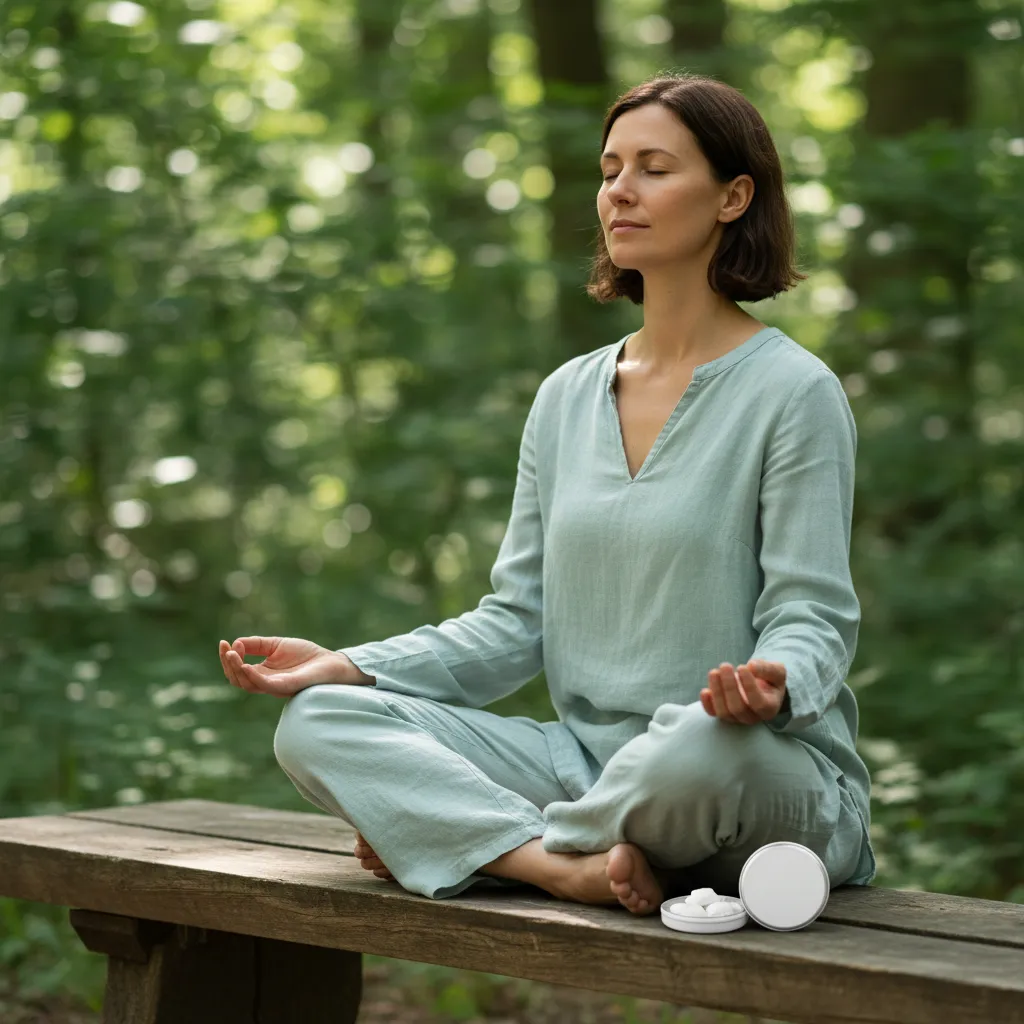
- Use an anchor object or ritual. A specific pouch, a specific chair, a specific scent — pairing breathwork with a consistent sensory cue makes the calming response faster and more automatic over time.
Mindfulness Beyond Meditation
Mindfulness doesn't require sitting still for 20 minutes. Mindful walking, mindful eating, and even the deliberate act of placing a CBD pouch and noticing the mint sensation and gum burn are all valid mindfulness practices. The mechanism is the same: present-moment attention breaks the rumination loop that drives anxiety.
Industry research consistently shows that people who combine breathwork with a physical ritual object have higher adherence rates than those who practice breathwork alone. The object becomes a cue. The cue triggers the state. The state reduces anxiety.
Step 5: Redesign Your Evening Ritual
Poor sleep is both a cause and a consequence of anxiety — and your evening ritual determines sleep quality more than almost any other variable.
Building a Wind-Down Protocol
According to Providence Health, chamomile tea and other calming herbal interventions work most effectively as part of a consistent pre-sleep routine rather than as isolated remedies [6]. The ritual context amplifies the pharmacological effect.
- Set a hard cutoff for screens at 9pm. Blue light suppresses melatonin production by up to 50%, directly worsening sleep onset and increasing morning anxiety.
- Eliminate evening nicotine. Nicotine is a stimulant. An evening pouch at 10pm guarantees lighter, less restorative sleep — which means higher baseline anxiety the following day.
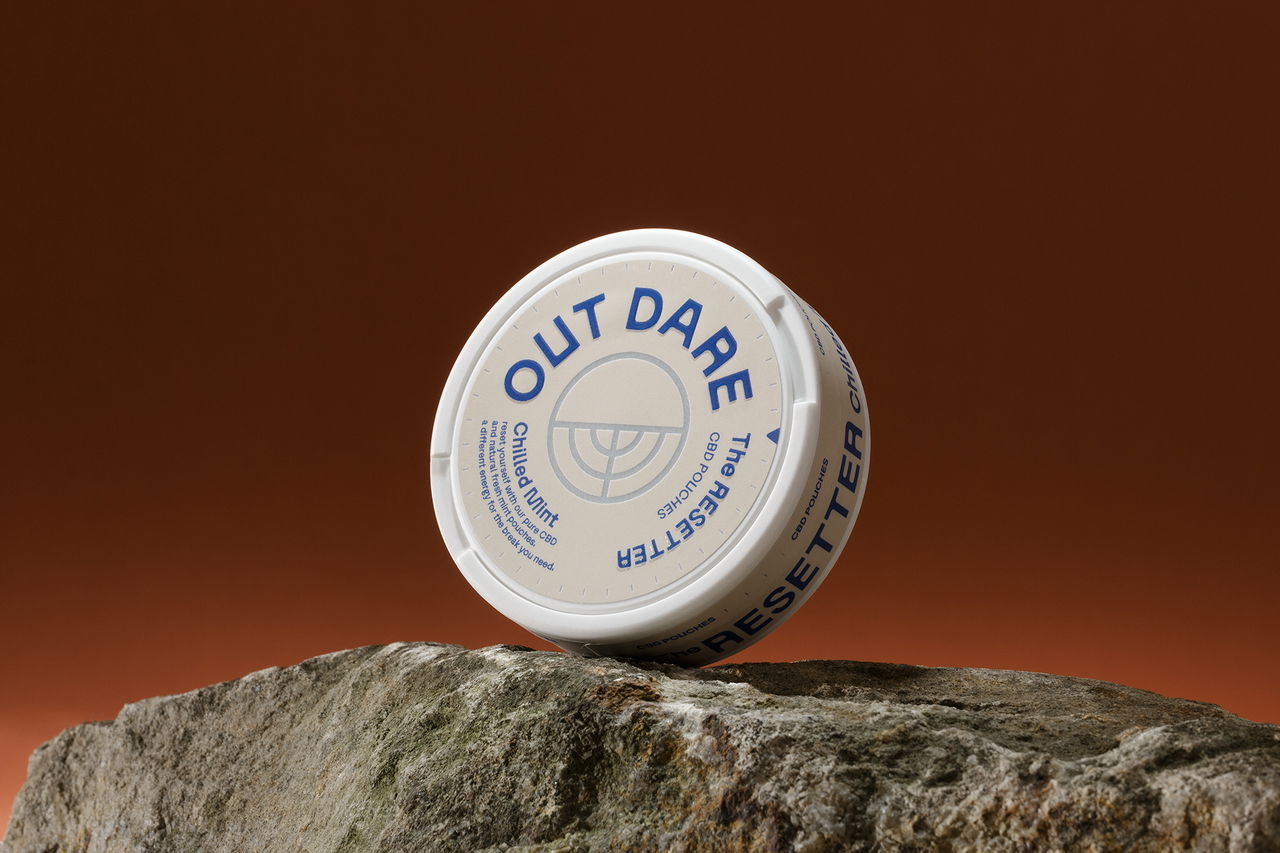
- Replace evening nicotine with a CBD-based ritual. CBD (cannabidiol) interacts with the endocannabinoid system to promote relaxation without sedation or dependency. A zero-nicotine CBD pouch delivers on-demand calm through the same familiar oral ritual — same mint, same burn, no chemical dependency.
- Lower the room temperature. Core body temperature drop is a primary sleep trigger. A bedroom set to 16-19°C (60-67°F) significantly improves sleep onset speed.
- Use magnesium glycinate at night. Taken 30-60 minutes before bed, magnesium supports GABA activity and muscle relaxation, both of which directly reduce sleep-onset anxiety.
- Journal for 5 minutes. Write down three things that went well and one thing you're carrying into tomorrow. This "cognitive offloading" reduces the rumination that keeps anxious people awake.
Pro Tip: The goal of an evening ritual isn't to feel perfectly calm — it's to give your nervous system consistent signals that the day is ending. Consistency matters more than perfection. A slightly imperfect routine done every night beats a perfect one done twice a week.
Step 6: Address the Nicotine-Anxiety Loop
Nicotine and anxiety are caught in a reinforcing cycle that most natural anxiety management guides completely ignore — and it's one of the most important loops to break if you want lasting results.
Understanding the Cycle
Here's how it works. Nicotine creates a short-term feeling of calm by releasing dopamine and temporarily suppressing withdrawal discomfort. But it simultaneously elevates cortisol, disrupts sleep architecture, and creates a dependency loop where the absence of nicotine itself generates anxiety. You're not calming anxiety with nicotine. You're medicating the anxiety that nicotine created.
The Mayo Clinic notes that addressing lifestyle factors — including stimulant and substance use — is foundational to managing anxiety naturally [5]. Nicotine is a lifestyle factor. A significant one.
Breaking the Loop Without Losing the Ritual
The critical insight here, drawn from the 30/30/30 Addiction Rule, is that only 30% of pouch addiction is chemical (nicotine). The remaining 60% is the physical habit (the pillow sensation under the lip) and the sensory cue (the burn and flavor). That means you can address the anxiety-driving chemical component while keeping the ritual intact.
- Identify your highest-anxiety pouch moments. Morning? Post-lunch? Late evening? These are the slots where nicotine is most tightly linked to anxiety relief — and where substitution has the highest impact.
- Swap evening nicotine pouches for CBD pouches first. The sensory experience is identical. Your brain maintains the ritual. The cortisol spike doesn't happen.
- Replace midday nicotine with an energy pouch. 50mg caffeine combined with nootropics like Alpha-GPC (a compound that supports acetylcholine production and focus) and L-theanine delivers real cognitive support without the anxiety-amplifying cortisol effect of nicotine.
- Track your nicotine pouch count weekly. Most users following a structured substitution system reduce their nicotine intake by 60-90% within the first month — without white-knuckling a single craving.
- Use the freed-up chemical space for anxiety management. Every nicotine pouch you replace is a cortisol spike you avoided. Stack those up across a week and the baseline anxiety reduction is significant.
At Outdare LTD, we've found that users who approach nicotine reduction as a ritual substitution (not a deprivation exercise) report dramatically better outcomes — both in nicotine reduction and in overall anxiety levels. The system works because it doesn't ask you to suffer.
Common Mistakes to Avoid
Natural anxiety management fails most often not because the methods don't work, but because of predictable implementation errors.
The Most Common Pitfalls
- Trying to quit everything at once. Cutting nicotine, caffeine, sugar, and alcohol simultaneously creates a withdrawal storm that feels worse than baseline anxiety. Reduce one stimulant at a time.
- Treating supplements as a replacement for behavioral change. Magnesium won't undo 8 nicotine pouches, 4 coffees, and 5 hours of sleep. Supplements amplify good habits — they don't substitute for them.
- Skipping the audit step. A common mistake is jumping straight to supplements without understanding your current stimulant load. You can't optimize a system you haven't mapped.
- Inconsistent sleep timing. Going to bed at 11pm one night and 2am the next destroys the cortisol rhythm that underpins baseline anxiety. Consistent sleep timing (within 30 minutes) is more important than total sleep duration for anxiety management.
- Using high-intensity exercise as anxiety management during acute stress periods. Intense training during high-stress periods elevates cortisol further. In the first two weeks, prioritize walking and moderate movement over intense gym sessions.
- Expecting linear progress. Anxiety reduction is non-linear. Week two often feels harder than week one as the nervous system adjusts. One pitfall to watch for is interpreting this temporary dip as evidence that the method isn't working.
- Ignoring the role of ritual. The most overlooked element in natural anxiety management is the power of a consistent sensory ritual. Your nervous system responds to predictable cues. Build them deliberately.
A Real-World Scenario
A habitual nicotine pouch user recently described this pattern: he'd been using 8-10 pouches per day for three years, noticed escalating afternoon anxiety, and had tried cold turkey twice without success. The anxiety during withdrawal was worse than the baseline anxiety from nicotine — so he kept returning. The fix wasn't willpower. It was a structured substitution system that kept the ritual while gradually removing the chemical driver. Within three weeks of systematic substitution, his afternoon anxiety had dropped noticeably, and he was using three nicotine pouches per day instead of ten.
Sources & References
- PMC / NIH, "Nutritional and Herbal Supplements for Anxiety and Anxiety-Related Disorders," 2010
- Salience Health, "Natural Remedies for Anxiety: 10 Ideas to Help Your Symptoms," 2023
- Healthline, "10 Natural Ways to Reduce Anxiety," 2023
- AARP, "7 Supplements That May Help With Anxiety," 2024
- Mayo Clinic, "Herbal Treatment for Anxiety: Is It Effective?," 2023
- Providence Health, "10 Natural Remedies for Anxiety That Really Work," 2023
- UnityPoint Health, "14 Ways to Manage Anxiety Naturally, Without Medication," 2023
- WebMD, "Natural Remedies to Alleviate Anxiety," 2024
- GoodRx, "14 Over-the-Counter (OTC) Natural Remedies for Anxiety," 2024
Frequently Asked Questions
1. What can get rid of anxiety naturally?
The most effective natural anxiety management approach combines multiple interventions: regular moderate exercise (which metabolizes cortisol directly), structured breathwork such as the 4-7-8 technique (which activates the parasympathetic nervous system within seconds), evidence-backed supplements like magnesium glycinate and ashwagandha, and consistent sleep timing. Critically, reducing stimulant load — particularly nicotine and excess caffeine — removes the primary physiological driver of anxiety in most adults under 40. No single intervention is sufficient alone; the compounding effect of several consistent habits is what produces lasting results.
2. What vitamin helps stop anxiety?
Vitamin B6 has the strongest evidence among vitamins for anxiety reduction: it's a critical cofactor in the synthesis of both serotonin and GABA (the brain's primary calming neurotransmitter), and supplementation at 50-100mg/day has shown measurable reductions in anxiety symptoms in controlled trials. Magnesium — technically a mineral, not a vitamin — has even stronger evidence, with 400mg/day of magnesium glycinate shown to reduce anxiety by supporting GABA receptor function and lowering cortisol. A B-complex supplement covering B6, B9 (folate), and B12 together provides the most comprehensive neurochemical support for natural anxiety management [4].
3. What is the strongest natural remedy for anxiety?
Based on current peer-reviewed evidence, kava (specifically standardized extracts containing 120-240mg kavalactones) and ashwagandha (KSM-66 extract at 300-600mg/day) are the most potent single-supplement interventions for anxiety. Kava directly binds GABA-A receptors — the same target as benzodiazepine medications — and has demonstrated effects comparable to low-dose pharmaceutical anxiolytics in some trials [1]. Ashwagandha's adaptogenic (stress-adapting) properties reduce cortisol by up to 30% in clinical settings. Both are most effective when combined with behavioral interventions rather than used in isolation.
4. How do I reduce anxiety immediately at home?
The fastest-acting natural anxiety management technique is extended-exhale breathing: inhale for 4 counts, exhale for 8 counts, and repeat for 5-6 cycles. This directly activates vagal tone and measurably reduces heart rate within 90 seconds. Cold water on the face or wrists triggers the mammalian dive reflex, which also rapidly reduces heart rate. Grounding techniques — pressing your feet firmly into the floor and naming 5 things you can see — interrupt the rumination loop that drives acute anxiety. These are immediate tools. For sustained relief, they need to be paired with the longer-term interventions described in this guide.
5. Does nicotine make anxiety worse?
Yes — and this is one of the most misunderstood dynamics in anxiety management. Nicotine creates a short-term sense of calm by triggering dopamine release, but it simultaneously elevates cortisol, disrupts deep sleep, and creates a withdrawal cycle where the absence of nicotine itself generates anxiety. Heavy pouch users cycling through 6-10 nicotine pouches per day are essentially maintaining elevated cortisol from morning to night. Reducing nicotine through structured substitution (replacing nicotine pouches with zero-nicotine alternatives that preserve the oral ritual) is one of the highest-impact natural anxiety management interventions available for regular users [2].
6. Can CBD help with anxiety?
CBD (cannabidiol) interacts with the endocannabinoid system and has demonstrated anxiolytic (anxiety-reducing) effects in multiple clinical studies, particularly for situational and social anxiety. It doesn't produce sedation or dependency at standard doses. As of 2026, CBD is increasingly used as an evening wind-down tool — delivered via oils, capsules, or zero-nicotine oral pouches — to reduce restlessness and support sleep onset without the cortisol-raising effects of nicotine. Results vary based on dose, delivery method, and individual endocannabinoid tone; most users report noticeable effects at 15-25mg per dose [8].
Conclusion
Natural anxiety management isn't a single intervention. It's a system. Audit your stimulant load, build consistent movement, stack evidence-backed supplements, install daily breathwork, redesign your evening ritual, and — if nicotine is part of your life — address the anxiety loop it's creating. Each step compounds the others.
The six steps in this guide are ordered deliberately. Start with the audit. That one change alone often produces a measurable drop in baseline anxiety within two weeks. Add movement in week one. Add supplements in week two. By week four, you're running a fundamentally different nervous system than the one you started with.
One thing this guide doesn't cover: clinical anxiety disorders requiring professional diagnosis and treatment. If your anxiety is severe, persistent, or interfering significantly with daily function, please consult a licensed mental health professional alongside any natural interventions.
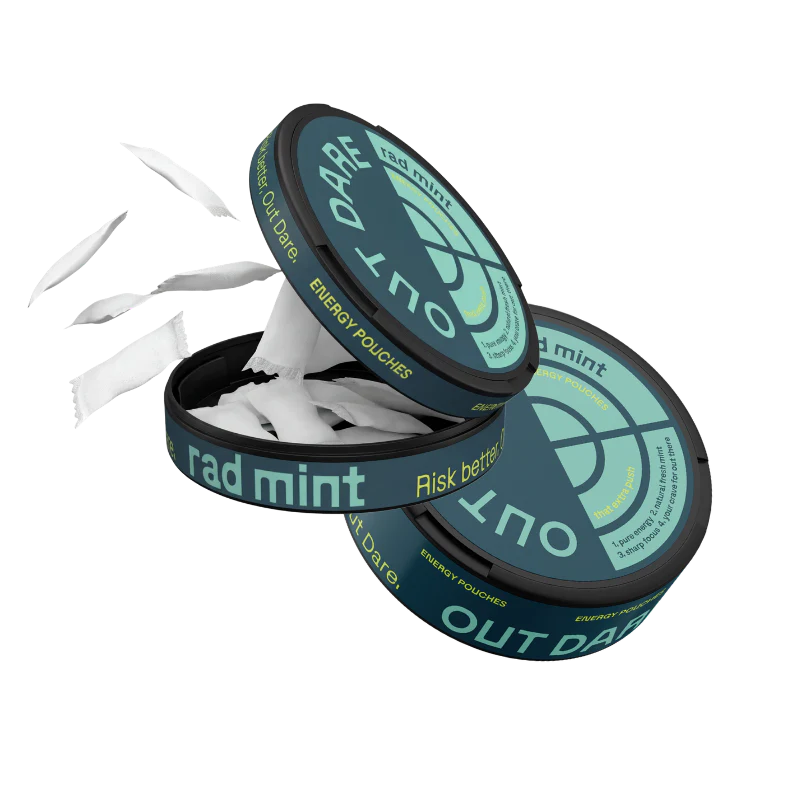
Our team at Outdare LTD recommends approaching anxiety management the same way we approach nicotine reduction: systematically, ritually, and without asking yourself to white-knuckle through deprivation. The ritual is the medicine. Build better ones. Risk Better. Out Dare.
Recommended Articles
Explore more from our content library: