







How to Stop Nicotine Relapse: Proven Strategies
| Key Insight | Explanation |
|---|---|
| Nicotine is only 30% of the addiction | The 30/30/30 Addiction Rule shows that habit and sensory cues account for 60% of pouch dependency — meaning cold turkey attacks only a fraction of the problem. |
| Ritual preservation reduces relapse risk | Keeping the physical habit intact while swapping the chemical content is more effective than abrupt cessation for most users. |
| Triggers are predictable and manageable | Stress, boredom, social settings, and specific times of day account for the majority of relapse events — and each can be planned for in advance. |
| Gradual reduction outperforms cold turkey | Research from NIH confirms that structured step-down protocols significantly improve long-term abstinence rates compared to abrupt cessation. |
| Relapse is a process, not an event | Emotional and mental relapse often precede physical relapse by days or weeks — catching early warning signs is the most underused prevention tool. |
| Functional substitutes close the gap | Zero-nicotine pouches that match the burn, mouthfeel, and taste of nicotine pouches give the brain what it expects — without feeding the chemical dependency. |
Relapse prevention strategies are structured, evidence-based methods designed to help people reduce or eliminate substance use by addressing the behavioral, sensory, and chemical components of dependency — not just the chemical craving. Most people who try to quit nicotine pouches fail within the first two weeks. Not because they lack willpower. Because they're using the wrong framework. The standard advice — eat well, sleep more, exercise — treats addiction like a lifestyle problem. It isn't. It's a layered system of chemical dependency, physical habit, and sensory conditioning. You need to address all three layers, or the ritual drags you back every time.
This guide covers the most effective relapse prevention strategies available in 2026, grounded in current addiction science and designed specifically for nicotine pouch and snus users who've already tried quitting cold turkey and know it doesn't work for them.

Why Relapse Happens (And Why It's Not a Failure)
Relapse is a return to substance use after a period of reduction or abstinence, and according to the NIH, it's considered a near-universal part of the addiction recovery process — not an exception to it [1]. Understanding why it happens is the first step toward preventing it.
The Alcohol and Drug Foundation defines relapse not as a single moment but as a process that unfolds in stages: emotional relapse, mental relapse, and finally physical relapse [2]. Most people only notice the third stage — the moment they put a pouch under their lip again. But the warning signs were there days earlier.
The Three Stages of Relapse
- Emotional relapse: You're not thinking about using yet, but your mood and behavior are setting the stage — isolation, poor sleep, skipping meals, irritability.
- Mental relapse: You start bargaining. "Just one pouch." "I'll quit again on Monday." Cravings become intrusive thoughts.
- Physical relapse: You use. This is the stage most people identify as "the relapse" — but it's actually the last stage of a process that started much earlier.
Research published on the NCBI Bookshelf confirms that relapse rates for nicotine and other substance dependencies range from 40% to 60% within the first year of a quit attempt [1]. That's not a moral failing. That's biology meeting an inadequate strategy.
Why Cold Turkey Fails Most Users
Cold turkey removes the chemical but leaves the ritual completely intact — and the ritual is powerful. You still reach for something at 10am. You still want that pillow under your lip during a stressful call. The habit loop fires whether or not there's nicotine in the equation.
According to the Center for Practice Transformation at the University of Minnesota, individuals with co-occurring behavioral habits and substance use disorders benefit most from interventions that address both the behavioral and chemical components simultaneously [3]. Stripping one without addressing the other creates a gap the brain will work hard to fill.
Pro Tip: If you've relapsed after cold turkey more than once, that's data — not weakness. It means your strategy needs to change, not your character. Structured step-down methods with sensory substitution have significantly higher success rates than abrupt cessation for habitual pouch users.
The 10 Best Relapse Prevention Strategies for 2026
The most effective relapse prevention strategies combine behavioral tools, sensory substitution, and structured reduction — not just willpower or generic wellness advice.
These aren't ranked by difficulty. They're ranked by impact. Start with the ones that address your biggest vulnerability first.
Strategies 1–5: Behavioral and Cognitive Tools
- Trigger mapping (know your cues before they hit). Write down every situation, time of day, emotion, or environment that makes you reach for a pouch. Stress at 3pm. The drive home. After meals. Once you see the pattern, you can plan a response before the craving fires. The Addiction Center recommends this as one of the highest-leverage prevention skills available [4].
- The HALT check (Hungry, Angry, Lonely, Tired). Before you reach for a pouch, run the HALT diagnostic. Most cravings aren't about nicotine — they're about an unmet basic need. Address the underlying state first. The craving often passes within 10 minutes.
- Cognitive restructuring via CBT frameworks. Cognitive Behavioral Therapy (CBT) — a structured psychotherapy approach that targets the link between thoughts, feelings, and behaviors — is one of the most evidence-backed relapse prevention tools available [1]. You don't need a therapist to apply the basics: catch the automatic thought ("I need a pouch right now"), challenge it ("do I need it, or is this a conditioned response?"), and replace it with a planned action.
- Urge surfing. Urge surfing is a mindfulness-based technique (drawn from Mindfulness-Based Relapse Prevention, or MBRP) where you observe a craving without acting on it, watching it rise and fall like a wave. Research shows most cravings peak within 15–20 minutes and then subside naturally if not reinforced [3].
- Emergency contact protocol. Build a short list of 2–3 people you can text or call when a craving spikes. This isn't about accountability theater — it's about breaking the isolation loop that feeds emotional relapse. SAMHSA's National Helpline (1-800-662-4357) is also a free, confidential resource available 24/7 [5].
Strategies 6–10: Physical and Sensory Substitution
- Sensory substitution (keep the ritual, change the content). This is the most underutilized relapse prevention strategy for pouch users. The physical act of placing a pouch under the lip, the mint burn, the pillow sensation — these are conditioned cues that trigger dopamine release independently of nicotine. Replacing a nicotine pouch with a zero-nicotine alternative that delivers the identical sensory experience satisfies the habit loop without feeding the chemical dependency.
- Structured step-down dosing. Rather than quitting at full strength, use a step-down protocol: move from high-strength pouches (15mg) to mid-strength (12mg) to low-strength (6mg) over 2–4 weeks, while gradually introducing zero-nicotine alternatives. Alliance Health Center notes that gradual reduction significantly outperforms abrupt cessation for long-term abstinence [6].
- Sleep hygiene as a relapse buffer. Poor sleep is one of the most reliable predictors of next-day relapse. Nicotine disrupts REM sleep architecture, creating a fatigue-craving cycle. Prioritizing 7–9 hours of sleep — and using a calming evening ritual like a CBD pouch to wind down — breaks that cycle at the source.
- Exercise as a dopamine reset. Physical activity increases dopamine and serotonin availability through natural pathways, reducing the brain's demand for chemical stimulation [4]. Even 20 minutes of moderate exercise has been shown to reduce craving intensity in nicotine-dependent individuals. This isn't generic wellness advice — it's neurochemistry.
- Environmental restructuring. Remove pouches from habitual locations: your car, your desk drawer, your jacket pocket. Friction is a powerful behavioral tool. If you have to actively seek out a pouch rather than automatically reaching for one, you create a decision window — and that window is where relapse prevention actually happens.
| Strategy | Type | Best For | Difficulty |
|---|---|---|---|
| Trigger Mapping | Behavioral | All users | Low |
| HALT Check | Cognitive | Stress-driven users | Low |
| CBT Restructuring | Cognitive | Habitual thinkers | Medium |
| Urge Surfing (MBRP) | Mindfulness | High-frequency users | Medium |
| Sensory Substitution | Sensory/Physical | Ritual-driven users | Low |
| Step-Down Dosing | Chemical | Heavy users (15mg+) | Low-Medium |
| Exercise Protocol | Neurochemical | All users | Medium |
| Environmental Restructuring | Environmental | Automatic users | Low |
The 30/30/30 Method: A System Built for Nicotine Users
The 30/30/30 Addiction Rule breaks nicotine pouch dependency into three equal components — chemical (nicotine), physical habit (the oral ritual), and sensory cue (the burn and mouthfeel) — giving users a precise framework for targeted relapse prevention.
Most relapse prevention strategies focus almost entirely on the chemical 30%. That's why they fail. You address the nicotine craving with a patch or gum, but your brain still fires the habit loop at 10am, still expects the burn, still reaches for something to put under your lip. The ritual is intact. The chemical is gone. The gap between those two things is where relapse lives.
How the 30/30/30 Framework Changes the Equation
At Outdare LTD, we've found that the most durable relapse prevention outcomes come from addressing all three components simultaneously rather than sequentially. Here's how the math works in practice:
- Chemical dependency (30%): Managed through step-down nicotine dosing — moving from 15mg to 12mg to 6mg over 2–4 weeks.
- Physical habit (30%): Preserved through identical mouthfeel and pouch format — the brain keeps its ritual anchor while the chemical content changes.
- Sensory cue (30%): Maintained through matched mint flavor and gum burn — the same sensory signature across nicotine, energy, and CBD variants.
The result: you're managing 30% of the addiction (chemical) while the other 60% stays satisfied. That's a fundamentally different challenge than cold turkey, which forces you to manage 100% at once.
In practice, a user transitioning from a can-a-day habit might start with a 70/30 split (70% nicotine pouches, 30% energy or CBD pouches) in week one, shift to 50/50 in week two, and reach 20/80 by week four. Most users following this protocol reduce their nicotine intake by 60–90% within the first month.
Pro Tip: Use your Energy pouch for the morning focus window (when nicotine cravings are often chemical) and your CBD pouch for the evening wind-down (when cravings are often ritualistic and stress-driven). This naturally targets the two highest-risk relapse windows of the day.
Why Sensory Matching Is the Missing Link
The science behind sensory substitution is well-established. Conditioned cues — the physical sensation of a pouch under the lip, the mint burn, the slight gum tingle — trigger dopamine release through learned association, independent of the nicotine content [1]. This is the same mechanism that makes the smell of coffee feel energizing before you've taken a sip.
A zero-nicotine pouch that delivers an identical sensory profile to a nicotine pouch exploits this mechanism in your favor. The brain receives its expected cue. The habit loop closes. No relapse. No white-knuckling. You didn't quit — you swapped.

Trigger Mapping: Know Your Enemy Before It Knows You
Trigger mapping is the process of identifying the specific situations, emotions, times, and environments that reliably precede a craving — and building a planned response for each one before it occurs.
This is one of the most evidence-backed relapse prevention strategies available, and it's also one of the most skipped. People know their triggers in theory but rarely write them down, categorize them, or assign a specific counter-response to each one. That gap is where relapse happens.
The Four Trigger Categories
- Situational triggers: Specific places or activities — the car, a work break, after a meal, at a bar. These are the easiest to plan for because they're predictable.
- Emotional triggers: Stress, boredom, anxiety, frustration, or even positive excitement. Emotional states don't just accompany cravings — they often cause them.
- Social triggers: Being around other pouch or cigarette users, social pressure, or environments where use is normalized.
- Temporal triggers: Specific times of day — the 10am focus window, the 3pm energy crash, the post-dinner ritual. These are often the most automatic and therefore the most dangerous.
According to Valle Vista Hospital's clinical guidance on relapse prevention, identifying and pre-planning responses to personal triggers is consistently associated with better long-term outcomes than general coping skill training alone [7].
How to Build Your Trigger Response Map
- For one week, log every time you reach for a pouch. Note the time, location, emotional state, and what you were doing immediately before.
- After seven days, identify the top 3–5 recurring patterns. These are your primary triggers.
- For each trigger, assign a specific, pre-committed response — not a vague intention. "When I finish lunch, I'll use an Energy pouch instead of a nicotine one" is a plan. "I'll try to resist" is not.
- Review and adjust weekly. Triggers shift as your reduction progresses.
The CSG Justice Center notes that structured relapse prevention plans — including documented trigger responses — are particularly effective for individuals managing habitual substance use patterns, because they convert reactive behavior into proactive decision-making [8].
Pro Tip: The 3pm energy crash is the single most common relapse trigger for nicotine pouch users. It's not a nicotine craving — it's a blood sugar and cortisol dip your brain has learned to solve with a pouch. Replacing that specific slot with an Energy pouch (50mg caffeine + nootropics like Alpha-GPC and L-Theanine) addresses the actual underlying need without feeding the chemical dependency.
How to Build a Personal Relapse Prevention Plan
A personal relapse prevention plan is a written, actionable document that outlines your reduction goals, trigger responses, support contacts, and contingency steps for high-risk moments — reducing reliance on in-the-moment willpower.
Willpower is a finite resource. It depletes under stress, sleep deprivation, and social pressure — which are exactly the conditions that drive relapse. A written plan converts willpower decisions into pre-committed rules, which are far more durable under pressure.
The Five Components of an Effective Plan
- Reduction goal with timeline: Be specific. "Reduce from 15mg to 6mg over 4 weeks" is a plan. "Use less nicotine" is a wish.
- Trigger response map: Document your top 5 triggers and the specific action you'll take for each one (see trigger mapping section above).
- Substitution protocol: Decide in advance which zero-nicotine alternative you'll reach for in each high-risk window. Energy pouch for focus cravings. CBD pouch for stress or evening cravings.
- Support contacts: List 2–3 people you'll contact if a craving spikes beyond your plan's scope. SAMHSA's free helpline (1-800-662-4357) is available 24/7 as a backup [5].
- Relapse response protocol: Decide in advance how you'll respond if you do use a nicotine pouch outside your plan. The goal isn't perfection — it's not letting a single slip become a full return to baseline. One pouch isn't a relapse. Abandoning the plan is.
Common Mistakes to Avoid
A common mistake is treating the plan as a one-time document rather than a living tool. Your triggers, cravings, and substitution needs will change week by week as your nicotine intake drops. Review and update the plan every 7 days.
One pitfall to watch for: setting the reduction pace too aggressively. Dropping from 15mg to 0mg in week one creates a chemical gap large enough to overwhelm any behavioral strategy. The 30/30/30 framework works because it closes the gap gradually — your brain adapts to lower nicotine levels while the ritual stays intact.
Research published via the NCBI confirms that gradual, structured reduction protocols produce significantly higher long-term abstinence rates than abrupt cessation, particularly for individuals with established oral nicotine habits [1]. The evidence is clear: slow and systematic beats fast and total.
In one real-world scenario we've observed at Outdare, a 28-year-old professional using 2 cans of 12mg pouches per day tried cold turkey three times in 18 months. Each attempt failed within 10 days. Using the 4-week step-down method with sensory substitution, he reduced to 6mg within two weeks and was using primarily Energy pouches by day 30 — with zero relapse in the following three months. The system didn't require more willpower. It required less.


Sources & References
- NIH / NCBI StatPearls, "Addiction Relapse Prevention," 2024
- Alcohol and Drug Foundation, "Relapse," 2024
- University of Minnesota Center for Practice Transformation, "Relapse Prevention Training," 2024
- Addiction Center, "The Top 10 Relapse Prevention Skills," 2024
- SAMHSA, "National Helpline for Mental Health, Drug, Alcohol Issues," 2026
- Alliance Health Center, "Relapse Prevention Strategies for Recovery," 2024
- Valle Vista Hospital, "Strategies to Avoid Relapse and Maintain Sobriety," 2024
- CSG Justice Center, "Relapse Prevention Plans," 2024
Frequently Asked Questions
1. What are the three relapse prevention strategies?
The three core relapse prevention strategies are therapy and skill development (including CBT and MBRP), pharmacological support (such as nicotine replacement therapy or step-down dosing), and behavioral monitoring (trigger mapping, habit tracking, and structured plans). The most effective relapse prevention strategies combine all three simultaneously rather than relying on any single approach — because addiction operates on chemical, behavioral, and sensory levels at the same time.
2. What are the 5 D's of relapse prevention?
The 5 D's of relapse prevention are Delay (wait out the craving — most peak within 15–20 minutes), Drink water (hydration reduces craving intensity and gives the hands and mouth something to do), Distract (redirect attention to a task or activity), Deep Breathing (activate the parasympathetic nervous system to reduce stress-driven cravings), and Decatastrophize (challenge the thought that you absolutely must use right now). These five tools are most effective when used as part of a broader written relapse prevention plan rather than as standalone in-the-moment tactics.
3. What are five tools for relapse prevention?
Five high-impact tools for relapse prevention are: (1) trigger mapping — identifying and pre-planning responses to your specific craving cues; (2) sensory substitution — replacing a nicotine pouch with a zero-nicotine alternative that matches the burn, mouthfeel, and taste; (3) the HALT diagnostic — checking for Hunger, Anger, Loneliness, or Tiredness before acting on a craving; (4) urge surfing using Mindfulness-Based Relapse Prevention (MBRP) techniques; and (5) a written emergency contact protocol for high-intensity craving moments. These relapse prevention strategies address the behavioral, sensory, and emotional dimensions of addiction — not just the chemical component.
4. What are the 4 D's of relapse prevention?
The 4 D's of relapse prevention are Distraction (shift your attention to another activity to break the craving loop), Distancing (physically remove yourself from the trigger environment), Disputing (challenge the automatic thought driving the craving using CBT techniques), and Delay (commit to waiting 15–20 minutes before acting, since most cravings subside on their own). These four tools are most powerful when combined with sensory substitution — having a zero-nicotine pouch available means you have a physical action to take during the delay window, rather than white-knuckling through it.
5. How long does a nicotine craving last?
Most acute nicotine cravings peak within 3–5 minutes and fully subside within 15–20 minutes if not acted upon, according to clinical guidance from the NIH. The craving feels permanent in the moment — but it isn't. This is why the Delay strategy is so effective: you don't have to resist forever, just for 15 minutes. Having a sensory substitute (like a zero-nicotine energy or CBD pouch) available during that window dramatically increases the likelihood of successfully riding out the craving without relapse.
6. Is relapsing on nicotine pouches normal?
Yes. Relapse rates for nicotine dependency range from 40–60% within the first year of a quit attempt, and the NIH classifies relapse as a near-universal part of the recovery process rather than a treatment failure [1]. A single relapse doesn't erase progress — it's data about which relapse prevention strategies need strengthening. The critical variable isn't whether you relapse; it's how quickly you return to your reduction plan afterward.
Conclusion
Effective relapse prevention strategies for nicotine pouch users aren't about willpower. They're about systems. The 30/30/30 framework makes this concrete: nicotine is only 30% of your addiction. The other 60% — the ritual, the burn, the habit loop — can be satisfied without feeding the chemical dependency. That's the gap most quit attempts miss entirely.
The strategies in this guide work because they address all three layers simultaneously. Trigger mapping gives you foresight. Sensory substitution keeps the ritual intact. Step-down dosing manages the chemical component gradually. And a written plan converts willpower decisions into pre-committed rules that hold under pressure.
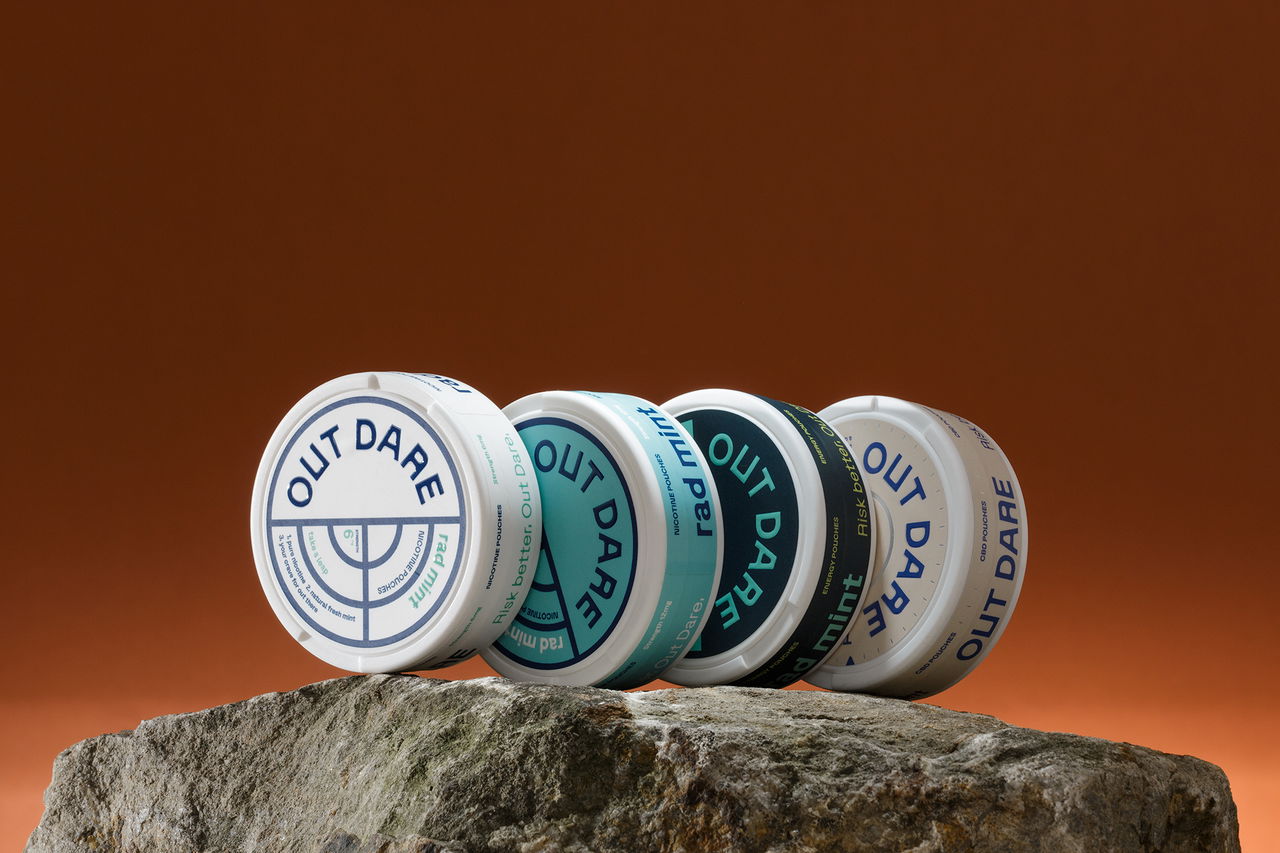
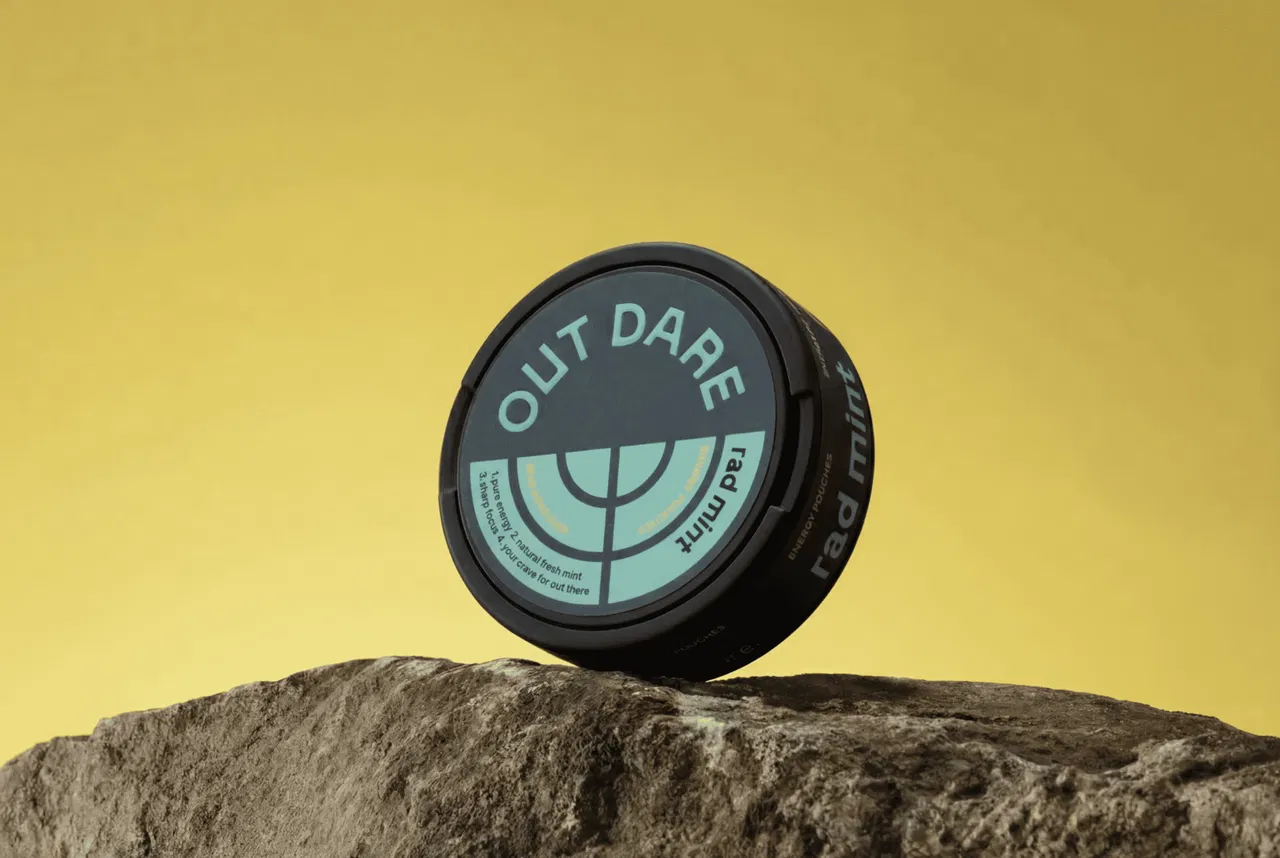
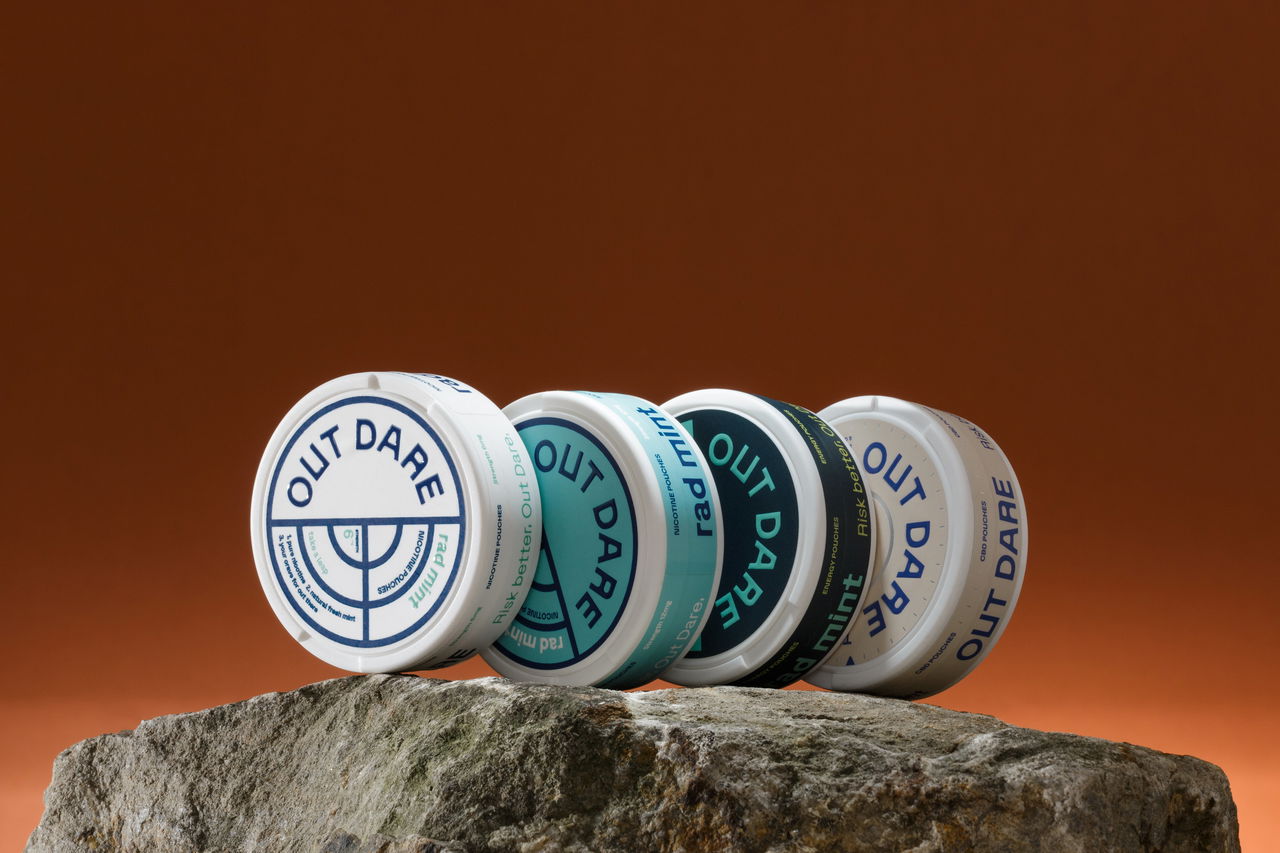
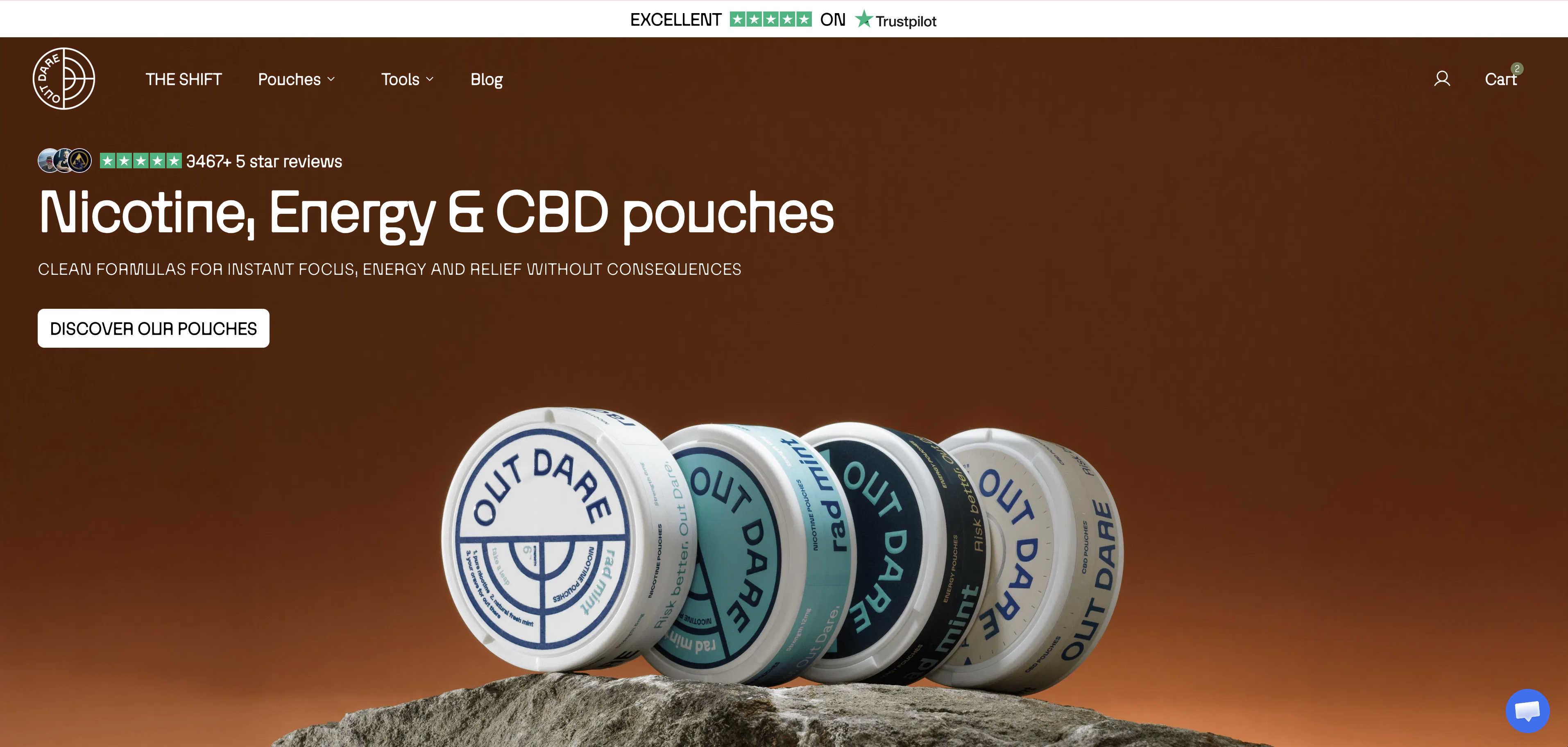
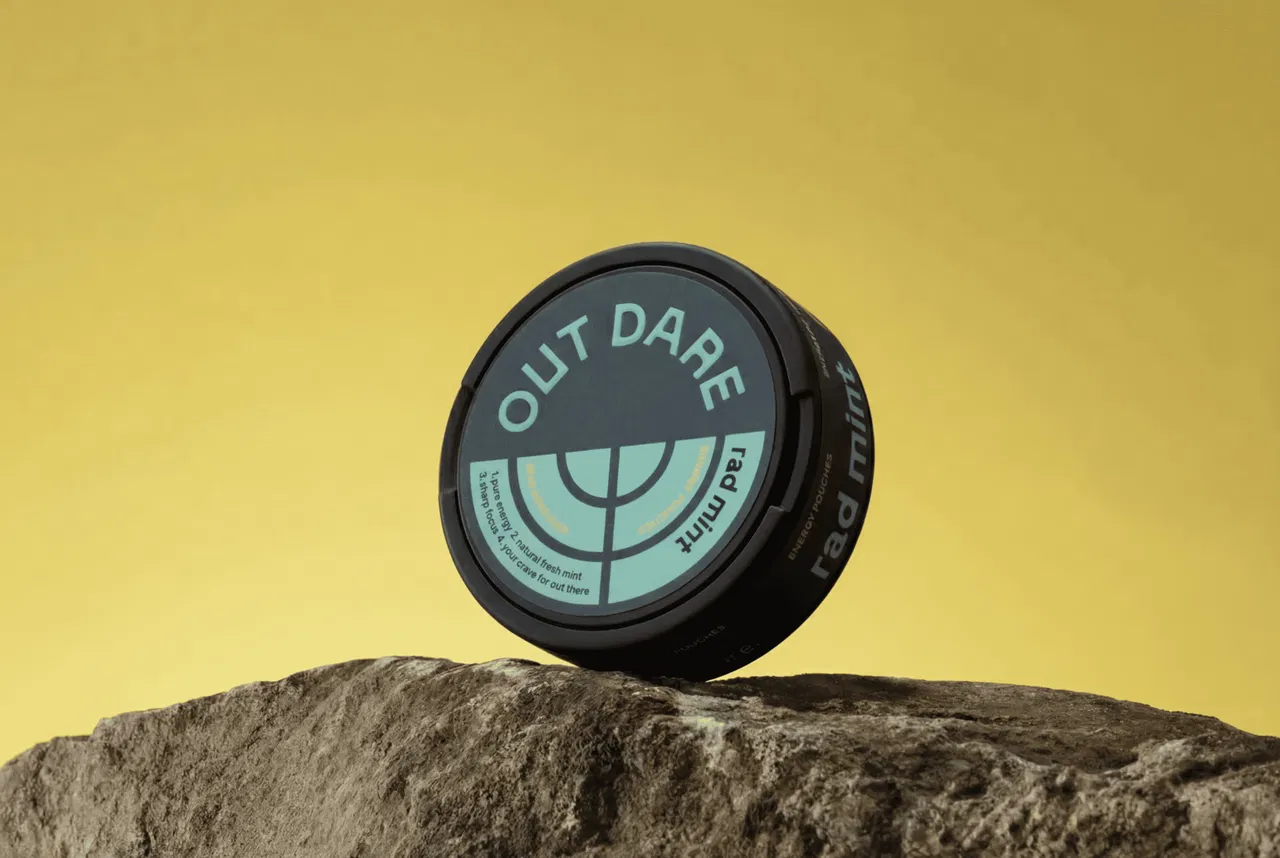
Outdare LTD built its three-pouch system specifically around this framework — Nicotine, Energy, and CBD pouches that share the same mint taste, burn, and mouthfeel, so your brain stays satisfied while you quietly reduce your dependency on your terms. Most users cut their nicotine intake by 60–90% in the first month. Not by suffering through it. By swapping smarter.
You don't need to quit cold turkey. You need a better system. Risk Better. Out Dare.
Recommended Articles
Explore more from our content library: