




How to Sleep Better Naturally: 12 Proven Science-Backed Tips
| Key Insight | Explanation |
|---|---|
| Consistency beats duration | Going to bed and waking at the same time every day anchors your circadian rhythm more effectively than sleeping in on weekends. |
| Nicotine disrupts sleep architecture | Nicotine is a stimulant. Evening pouch use raises heart rate and suppresses deep REM sleep, leaving users tired the next morning even after 8 hours in bed. |
| Light is the master clock signal | Bright morning light and dimmed evening light are the two most powerful environmental levers for resetting your sleep-wake cycle naturally. |
| CBD can support wind-down without sedation | Non-intoxicating CBD interacts with the endocannabinoid system to reduce pre-sleep anxiety and cortisol, making it easier to fall asleep without grogginess the next day. |
| Temperature matters more than most people think | Core body temperature must drop 1-2°F to initiate sleep. A cool bedroom (65-68°F / 18-20°C) accelerates this process significantly. |
| Ritual signals safety to the brain | A consistent 20-30 minute pre-sleep routine trains the nervous system to downshift on cue — reducing the time it takes to fall asleep over days, not weeks. |
You can sleep better naturally by anchoring your circadian rhythm, cooling your bedroom, cutting stimulants in the evening, and building a consistent pre-sleep ritual. Most people who struggle to fall asleep or stay asleep are fighting their own biology — not because something is broken, but because modern habits keep the nervous system locked in high-alert mode. Learning how to sleep better naturally doesn't require medication. It requires understanding the signals your brain responds to, then engineering your evening around them.
Why Natural Sleep Matters in 2026
Poor sleep is one of the most common — and most underestimated — health problems facing adults in Europe today. As of 2026, the European Sleep Research Society estimates that between 30-45% of the adult population reports some form of chronic sleep difficulty, and the problem is getting worse among adults under 40. This is particularly relevant for how to sleep better naturally.
The Cost of Chronic Poor Sleep
Sleep isn't passive recovery. During deep and REM sleep stages, the brain clears metabolic waste, consolidates memory, and resets emotional regulation. Cut that short and you don't just feel tired — you accumulate cognitive debt that compounds daily.
- Cognitive performance: Even one night of sub-6-hour sleep reduces reaction time, working memory, and decision-making to a level comparable to mild intoxication [1]
- Metabolic health: Chronic sleep restriction raises cortisol and disrupts insulin sensitivity, contributing to weight gain and energy crashes
- Mental health: Sleep deprivation is both a symptom and a driver of anxiety — a cycle that's hard to break without addressing the root causes
- Physical recovery: Growth hormone is predominantly secreted during slow-wave sleep; poor sleep directly limits muscle repair and immune function
According to the Mayo Clinic, most adults need between 7 and 9 hours of quality sleep per night — not just time in bed, but actual restorative sleep [1].
Why Sleeping Pills Aren't the Answer
Prescription and over-the-counter sleep aids can induce sedation, but they don't replicate natural sleep architecture. Many suppress REM sleep, leading to grogginess, dependency, and rebound insomnia when stopped. The natural approach — fixing the inputs rather than forcing the output — produces durable results without side effects.
1. Fix Your Circadian Rhythm First
Your circadian rhythm is your body's internal 24-hour clock, governed primarily by light exposure and meal timing — and it's the single most important lever for better sleep. When considering how to sleep better naturally, this point stands out.
Morning Light: The Master Reset
Get bright light — ideally sunlight — within 30 minutes of waking. This suppresses residual melatonin and sets the clock for when your body will want to sleep that night. Even 10 minutes outside on a cloudy morning delivers significantly more light than indoor lighting. Research from Harvard Health confirms that light exposure timing is one of the most powerful non-pharmacological tools for regulating sleep onset [2].
- Aim for 10-20 minutes of outdoor light before 9am
- On cloudy days, a 10,000-lux light therapy lamp is a reliable substitute
- Avoid sunglasses during your morning light window — the signal needs to reach your retina
Evening Darkness: The Signal to Wind Down
Dim your lights after 8pm. Blue-wavelength light from screens mimics midday sun and delays melatonin release by 1-3 hours. According to Healthline, reducing blue light exposure in the 2 hours before bed is one of the most evidence-backed interventions for falling asleep faster [3].
- Use warm-toned bulbs (2700K or lower) in your bedroom and living areas after sunset
- Enable night mode or blue-light filters on all devices after 8pm
- Blue-light blocking glasses are a practical fallback if you can't avoid screens
Pro Tip: Set your phone to automatically enable night mode and do-not-disturb at 9pm. The fewer decisions you have to make about screens in the evening, the more likely you are to actually follow through.
Consistency matters as much as the light itself. Going to bed and waking at the same time every day — including weekends — anchors the rhythm. The American Academy of Sleep Medicine recommends setting a fixed bedtime that allows for at least 7-8 hours before your required wake time [4].
2. Optimize Your Sleep Environment
Your bedroom environment directly controls the physiological conditions your body needs to initiate and maintain deep sleep — temperature, darkness, and sound are the three non-negotiables. For those exploring how to sleep better naturally, this matters.
Temperature: The Most Overlooked Factor
Core body temperature must drop 1-2°F (about 1°C) to trigger sleep onset. A bedroom that's too warm keeps the body in a wakeful state. The optimal sleep temperature for most adults is 65-68°F (18-20°C). Hopkins Medicine notes that keeping cool is one of the most effective home remedies for better sleep, and a warm bath 1-2 hours before bed can paradoxically help — it raises surface temperature, which then drops sharply when you get out, mimicking the natural pre-sleep cooling process [5].
- Set your thermostat to 65-68°F before bed
- Use breathable, moisture-wicking bedding materials
- A warm shower or bath 60-90 minutes before bed accelerates the cooling effect
- Cooling mattress pads are worth the investment if you run hot
Darkness and Sound Control
Even small amounts of ambient light during sleep can suppress melatonin. Blackout curtains or a sleep mask are effective and inexpensive fixes. For sound, white noise or pink noise machines mask disruptive environmental sounds without the cognitive stimulation of music or podcasts.
- Blackout curtains block streetlight and early morning sun
- Cover or remove any LED indicator lights in your bedroom (routers, chargers, TVs)
- Earplugs or a white noise app reduce nighttime waking from environmental noise

3. What You Eat and Drink After 6pm
What you consume in the 4-6 hours before bed has a direct and measurable impact on how quickly you fall asleep and how deeply you sleep through the night.
Caffeine: Cut the Obvious, Watch the Hidden Sources
Caffeine has a half-life of 5-7 hours in most adults. A coffee at 3pm still has half its stimulant effect at 9pm. But caffeine isn't just in coffee — it's in tea, energy drinks, pre-workouts, certain medications, and yes, nicotine pouches that contain caffeine blends. One Medical recommends cutting caffeine consumption by 2pm at the latest for most people [6]. This directly impacts how to sleep better naturally outcomes.
- Stop all caffeine by 2pm (or noon if you're caffeine-sensitive)
- Watch hidden caffeine in chocolate, some herbal teas, and pre-workout supplements
- Decaf coffee still contains 15-30mg of caffeine — not zero
Alcohol: The Sleep Saboteur
Alcohol is sedating at first but fragments sleep architecture in the second half of the night. It suppresses REM sleep and causes early-morning waking. Many people think a glass of wine helps them sleep. It makes you fall asleep faster and sleep worse. If better sleep is the goal, alcohol after 7pm is counterproductive.
Foods that support sleep include those rich in tryptophan (turkey, eggs, dairy), magnesium (dark leafy greens, pumpkin seeds, dark chocolate), and complex carbohydrates that stabilize blood sugar overnight. A light snack 1-2 hours before bed — not a heavy meal — can prevent the blood sugar dips that cause 3am waking.
Pro Tip: Magnesium glycinate (200-400mg) taken 30-60 minutes before bed is one of the most evidence-supported natural sleep supplements and is generally safe for long-term use. Unlike magnesium oxide, the glycinate form doesn't cause digestive issues at standard doses.
4. Nicotine and Sleep: The Hidden Disruptor
Nicotine is a stimulant, and evening use — whether through pouches, vaping, or cigarettes — directly disrupts sleep architecture in ways most users don't connect to their morning fatigue.
How Nicotine Wrecks Your Sleep Cycle
Nicotine raises heart rate, elevates cortisol, and suppresses melatonin. Research consistently shows that nicotine users take longer to fall asleep, spend less time in slow-wave (deep) sleep, and wake more frequently during the night than non-users. A common experience among heavy pouch users: reaching for a pouch at 11pm to "wind down" and then lying awake for 45 minutes wondering why they can't switch off. The pouch is the reason. This is particularly relevant for how to sleep better naturally.
- Nicotine's stimulant effect peaks within 10 minutes and can last 1-2 hours
- Evening use delays sleep onset and reduces total deep sleep time
- Nicotine withdrawal during sleep (after the last pouch wears off) causes micro-arousals and early waking
- The fatigue and brain fog the next morning are partly nicotine-induced sleep debt — not just the dependency itself
If you're a regular nicotine pouch user and you're reading this because your sleep is suffering, the connection is real. For more on this specific mechanism, our guide on how nicotine affects energy and cognition goes deeper into the biochemistry [3].
The Evening Ritual Problem — and a Smarter Fix
Here's what makes this hard. The pouch ritual itself — the physical act of placing something under the lip, the burn, the mint — is genuinely calming. That's 60% of the addiction: the habit and the sensory cue, not the nicotine. Removing the ritual cold turkey feels like losing a coping mechanism, not just a substance.
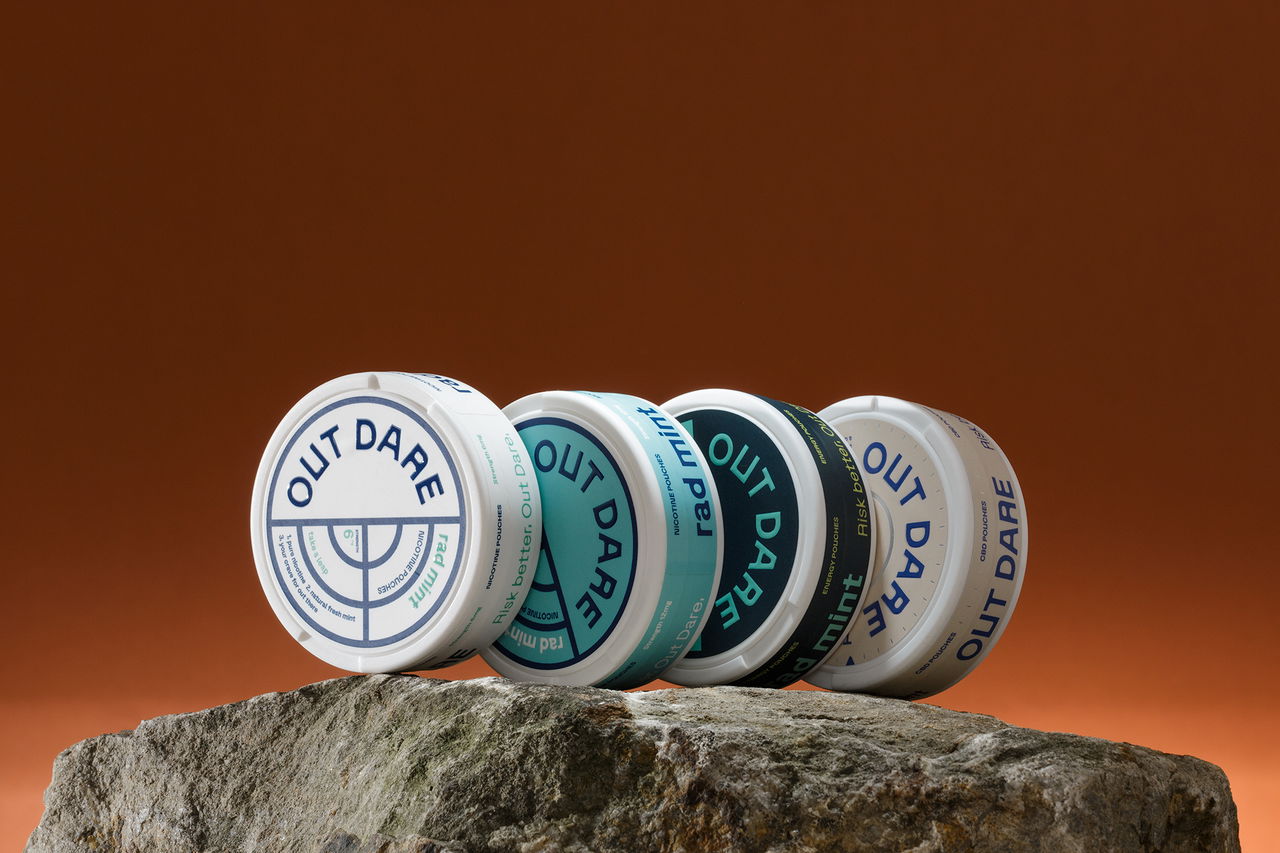
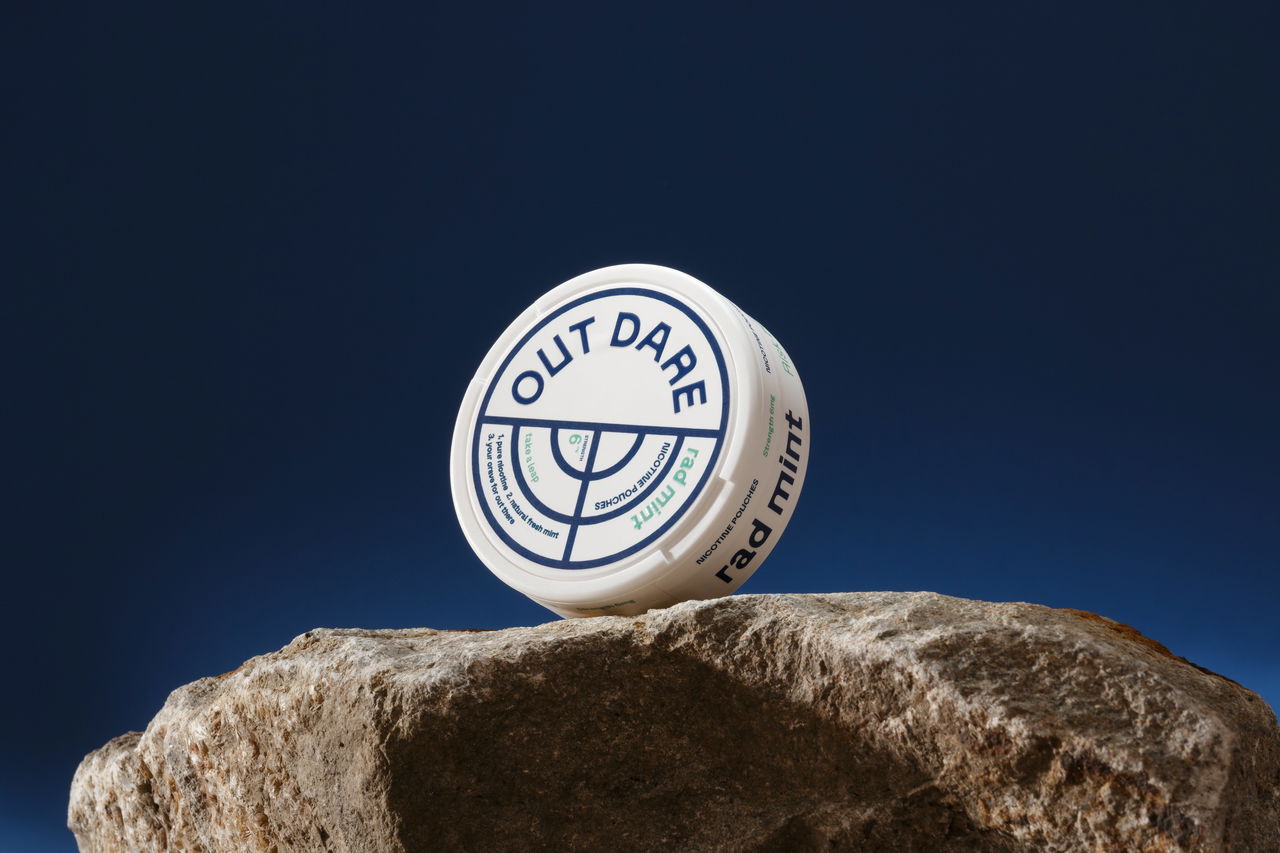
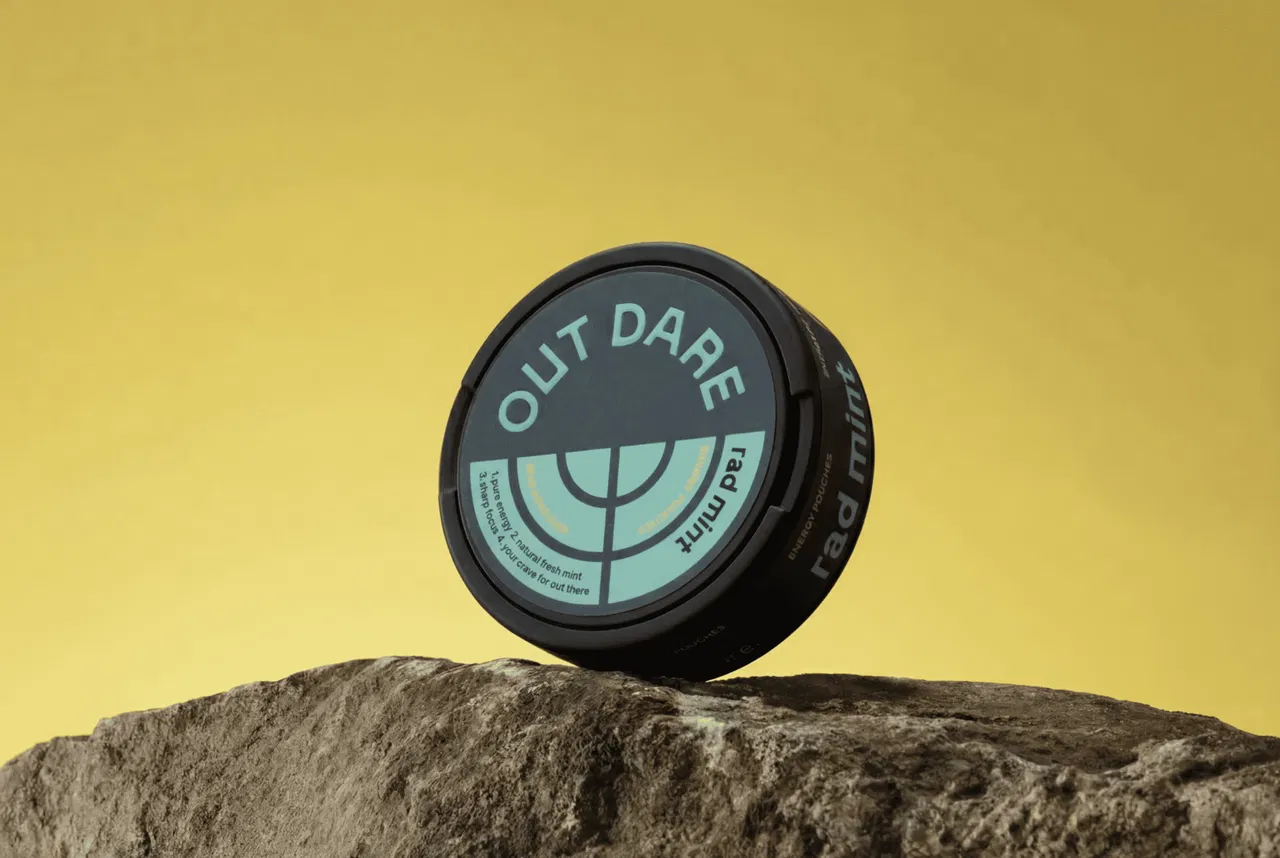
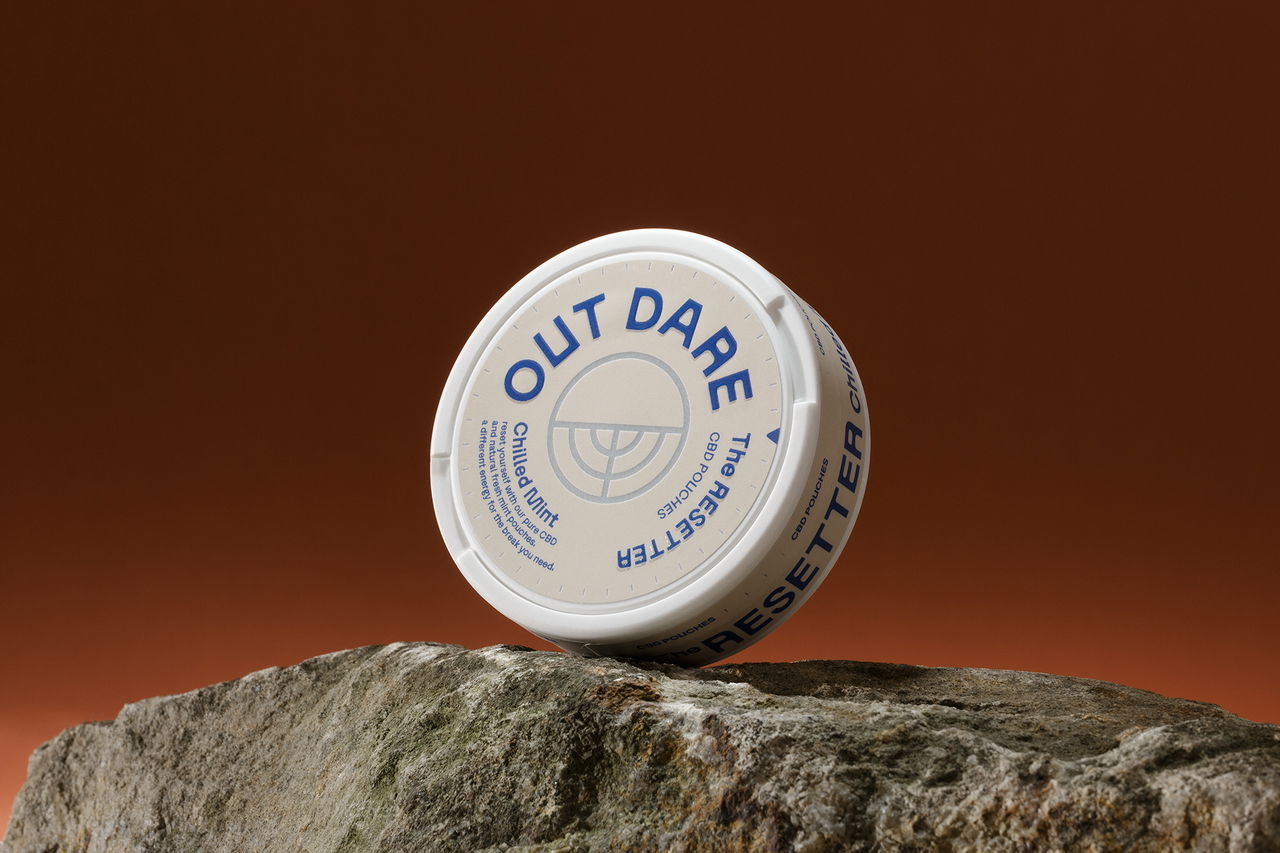
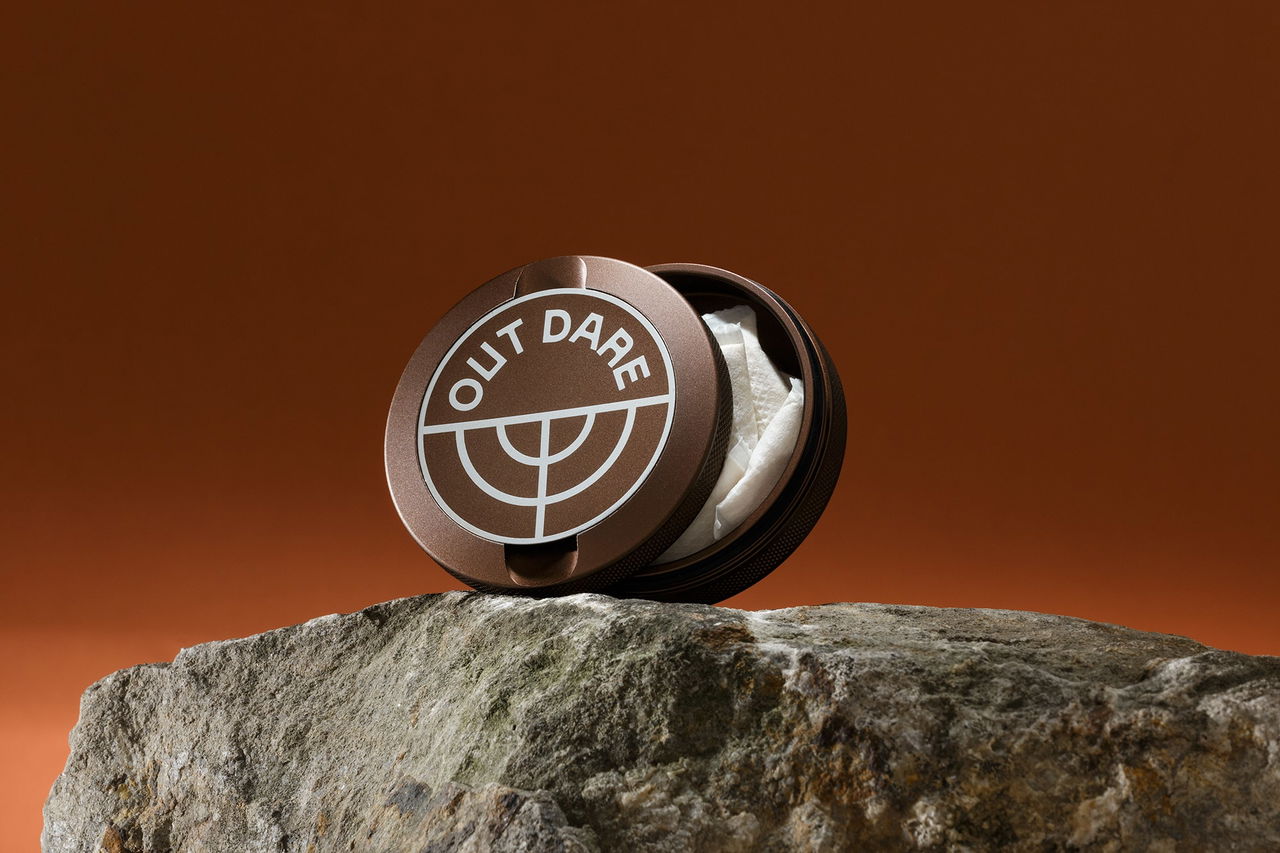
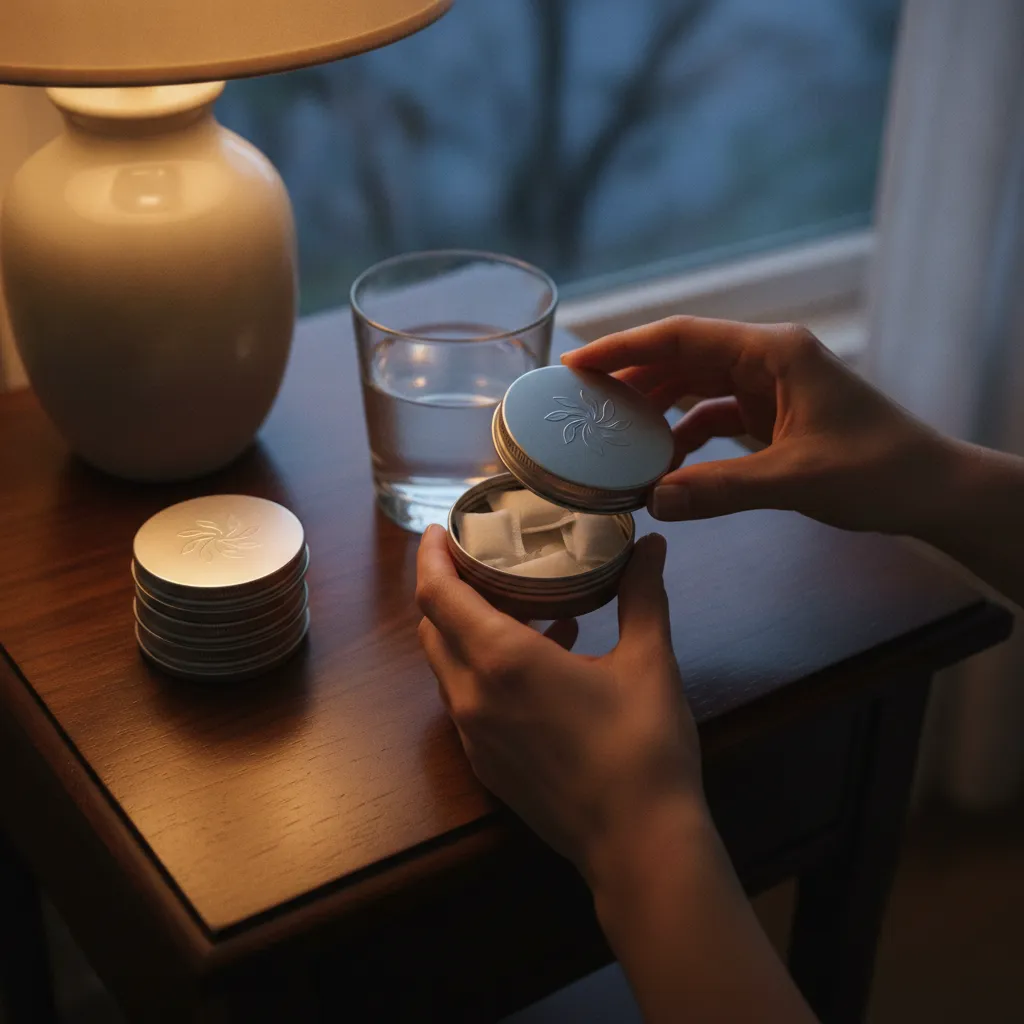
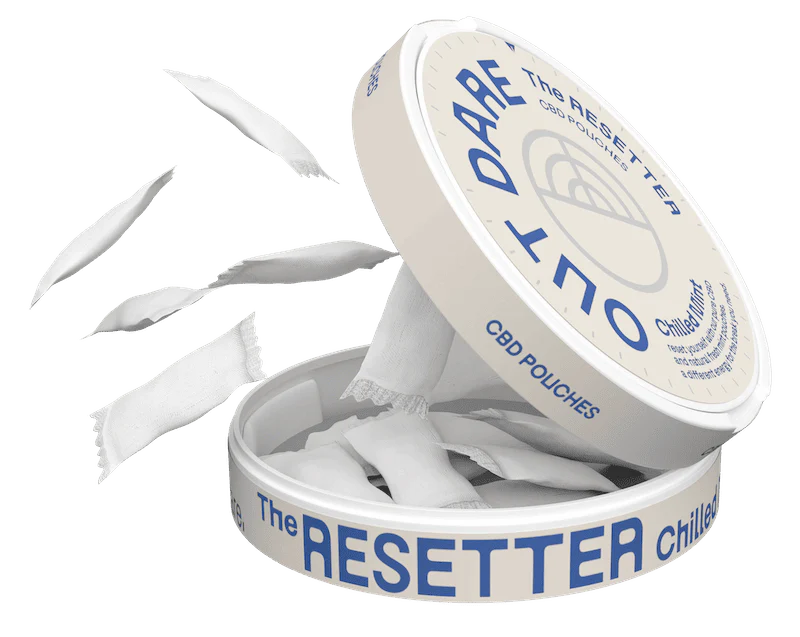
At Outdare LTD, we've found that the most effective evening wind-down strategy for pouch users isn't "stop using pouches at night" — it's replacing the evening nicotine pouch with a CBD pouch that delivers the same burn, the same mint, the same pillow feeling under the lip, but without the stimulant that's keeping your cortisol elevated. The ritual stays intact. The sleep disruptor is removed. Your brain gets the cue it's been trained to associate with winding down, without the chemical that prevents you from actually doing so.
This is the core logic behind our 30/30/30 Addiction Rule: 30% of pouch dependency is chemical (nicotine), 30% is physical habit, and 30% is sensory. The CBD pouch satisfies the 60% that isn't chemical — so you're not white-knuckling an empty evening, you're just swapping the stimulant for something that actually helps you sleep. Users interested in reducing nicotine while managing the oral habit can explore our complete guide to natural sleep solutions for the broader framework [7]. When considering how to sleep better naturally, this point stands out.
5. Natural Supplements and Evening Rituals
Natural sleep supplements work best as support for good sleep hygiene — not as replacements for it. The most studied options have genuine evidence behind them, though results vary by individual.
Evidence-Backed Natural Sleep Supplements
A 2024 review published in PMC/NIH found that valerian root, hops, and melatonin showed the strongest evidence for improving sleep quality and reducing insomnia symptoms among natural supplements [8].
| Supplement | Typical Dose | Evidence Level | Best For |
|---|---|---|---|
| Melatonin | 0.5-3mg, 30 min before bed | Strong | Jet lag, shift work, delayed sleep phase |
| Magnesium Glycinate | 200-400mg, 60 min before bed | Moderate-Strong | Muscle tension, anxiety-related insomnia |
| Valerian Root | 300-600mg, 30-60 min before bed | Moderate | Sleep latency (time to fall asleep) |
| CBD | 15-50mg, 30-60 min before bed | Emerging-Moderate | Pre-sleep anxiety, restlessness, cortisol reduction |
| L-Theanine | 100-200mg, 30 min before bed | Moderate | Overstimulated mind, racing thoughts |
Building a Wind-Down Ritual That Actually Works
A wind-down ritual is a sequence of low-stimulation behaviors that signal to your nervous system that sleep is approaching. The key is consistency — doing the same things in the same order every night trains the brain to associate those cues with sleep, reducing the time it takes to fall asleep over days.
- Dim all lights in your home at least 60 minutes before bed
- Stop all work-related tasks and close work apps or tabs
- Take a warm shower or bath (optional but effective)
- Use your evening ritual pouch, supplement, or herbal tea — whatever signals "wind-down" for you
- Do 10-15 minutes of light stretching, reading (physical book), or breathwork
- Get into bed only when you're genuinely sleepy — not just tired
Pro Tip: The bed should be associated only with sleep (and sex). Working, scrolling, or watching TV in bed trains your brain to stay alert there. If you can't sleep after 20 minutes, get up and do something calm in dim light until you feel genuinely sleepy — then return to bed.
How to Sleep Better Naturally: The Full 12-Tip List
Here is a consolidated reference list of the 12 most evidence-backed natural strategies to improve sleep quality — covering everything from circadian rhythm management to substance use and evening rituals. For those exploring how to sleep better naturally, this matters.
- Get morning sunlight within 30 minutes of waking — sets your circadian clock for the day and makes evening melatonin release more reliable
- Keep a fixed sleep and wake time, 7 days a week — consistency anchors your rhythm faster than any supplement
- Dim lights and reduce blue light after 8pm — prevents the light-driven suppression of melatonin that delays sleep onset
- Keep your bedroom at 65-68°F (18-20°C) — core body temperature drop is a biological prerequisite for deep sleep
- Use blackout curtains or a sleep mask — even small light leaks suppress melatonin during sleep
- Cut caffeine by 2pm — caffeine's half-life means afternoon consumption still affects sleep onset hours later
- Avoid alcohol after 7pm — it fragments sleep architecture and suppresses restorative REM sleep
- Stop nicotine use at least 2 hours before bed — or switch to a non-stimulant alternative for your evening ritual
- Exercise regularly — but not within 3 hours of bedtime — physical activity improves sleep quality, but late-evening intense exercise raises core temperature and cortisol
- Build a consistent 20-30 minute wind-down routine — repeated nightly cues train the nervous system to downshift on schedule
- Consider magnesium glycinate or L-Theanine for pre-sleep anxiety — both have solid safety profiles and moderate evidence for reducing sleep latency
- Reserve the bed for sleep only — eliminate the cognitive association between your bed and wakefulness
How to Choose the Right Approach for You
Not every sleep problem has the same root cause, and the most effective strategy depends on identifying which factor is most disruptive in your specific situation.
Diagnosing Your Sleep Problem Type
- Can't fall asleep (sleep onset insomnia): Focus on circadian rhythm (morning light, fixed wake time), blue light reduction, and pre-sleep anxiety management (L-Theanine, breathwork, wind-down ritual)
- Wake up in the middle of the night: Look at blood sugar stability (late-night snacks), alcohol use, nicotine withdrawal timing, and room temperature
- Wake up too early: Often a circadian phase issue — morning light and consistent wake times help; also check for anxiety or depression as contributing factors
- Sleep feels unrefreshing even after 8 hours: Consider whether nicotine, alcohol, or sleep apnea is suppressing deep sleep stages; this is the most common pattern among heavy pouch users
When to See a Doctor
Natural interventions work well for the majority of sleep problems. But some situations warrant professional evaluation. Seek medical advice if:
- Sleep problems persist for more than 3 months despite consistent sleep hygiene improvements
- You snore loudly or have been told you stop breathing during sleep (possible sleep apnea)
- Daytime sleepiness is severe enough to affect work or driving safety
- You experience restless legs, frequent nightmares, or sleepwalking
Cognitive Behavioral Therapy for Insomnia (CBT-I) is considered the gold-standard first-line treatment for chronic insomnia by sleep medicine specialists — more effective than sleep medication in the long term, and without dependency risk.
Sources & References
- Mayo Clinic, "Sleep tips: 6 steps to better sleep," 2024
- Harvard Health Publishing, "Better sleep, naturally," 2023
- Healthline, "Top 15 Proven Tips to Sleep Better at Night," 2024
- American Academy of Sleep Medicine / SleepEducation.org, "Best ways to improve sleep without medication," 2024
- Johns Hopkins Medicine, "Natural Sleep Aids: Home Remedies to Help You Sleep," 2024
- One Medical, "7 ways to get more sleep naturally," 2023
- Center for Research on Women & Gender, "Sleep Better Tonight: A Complete Guide to Natural Sleep Solutions," 2023
- PMC/NIH, "Herbal and Natural Supplements for Improving Sleep," 2024
Frequently Asked Questions
1. Why is my body not letting me sleep?
Your body may be resisting sleep because your nervous system is still in an activated, high-alert state — driven by cortisol, caffeine, blue light exposure, or nicotine. Short-term insomnia is typically triggered by stress or a specific event. Chronic insomnia (lasting 3+ months) is more often a combination of behavioral patterns — irregular sleep times, stimulant use, screen exposure at night — and an underlying anxiety loop that keeps the brain scanning for threats when it should be downshifting. Addressing the behavioral drivers first, before reaching for supplements or medication, resolves the majority of cases. This directly impacts how to sleep better naturally outcomes.
2. How can I fall asleep fast — in 5 minutes or less?
The fastest evidence-backed technique is physiological sighing: a double inhale through the nose followed by a long, slow exhale through the mouth. Repeat 3-5 times. This activates the parasympathetic nervous system and drops heart rate quickly. Pair it with a cool, dark room and no screens, and most people can fall asleep within 10-15 minutes. The 4-7-8 breathing method (inhale 4 counts, hold 7, exhale 8) is another clinically supported option for rapid sleep onset.
3. What is the strongest natural sleep aid?
Among natural supplements, magnesium glycinate combined with low-dose melatonin (0.5-1mg) has the strongest combined evidence base for improving both sleep onset and sleep quality without dependency. Valerian root also has consistent evidence for reducing time to fall asleep. That said, no supplement works as reliably as fixing the behavioral drivers — consistent sleep timing, morning light, and evening stimulant reduction. Supplements support good habits; they don't replace them.
4. Does nicotine affect sleep quality?
Yes, significantly. Nicotine is a stimulant that raises heart rate, elevates cortisol, and delays melatonin release. Evening nicotine use — through pouches, vaping, or cigarettes — increases sleep latency (time to fall asleep), reduces total deep (slow-wave) sleep, and causes nicotine withdrawal micro-arousals during the second half of the night. Many heavy pouch users report feeling exhausted despite 7-8 hours in bed — this is a direct consequence of nicotine-disrupted sleep architecture, not just general fatigue. Switching your evening pouch to a non-stimulant alternative is one of the fastest ways to improve sleep quality if you're a regular user.
5. Can CBD help me sleep better naturally?
CBD (cannabidiol) is a non-intoxicating compound that interacts with the endocannabinoid system to modulate anxiety and cortisol levels. Emerging research, including the 2024 NIH review, suggests it can reduce pre-sleep anxiety and improve subjective sleep quality, particularly in people whose insomnia is driven by anxiety or overstimulation rather than a circadian disorder. It doesn't sedate in the way that sleep medication does — it lowers the activation threshold so your body can do what it's already trying to do. For pouch users, a CBD pouch taken as an evening ritual delivers this benefit while keeping the oral habit intact.
6. How long does it take to improve sleep naturally?
Most people notice meaningful improvement within 7-14 days of consistently applying the core behavioral changes: fixed sleep and wake times, morning light, and evening stimulant reduction. The circadian rhythm adapts relatively quickly to new timing cues. Deeper improvements — more consistent deep sleep, fewer nighttime awakenings, better morning energy — typically consolidate over 3-4 weeks. Results vary depending on how entrenched the disruptive habits are and whether there are underlying medical factors like sleep apnea or anxiety disorders.
7. What foods help you sleep better at night?
Foods high in tryptophan (turkey, eggs, dairy, pumpkin seeds) support serotonin and melatonin production. Magnesium-rich foods (dark leafy greens, almonds, dark chocolate) relax the nervous system. Complex carbohydrates eaten 1-2 hours before bed help stabilize blood sugar overnight, preventing the glucose dips that trigger 3am waking. Tart cherry juice is one of the few foods with direct melatonin content and has shown modest benefits in sleep studies. Avoid heavy meals within 3 hours of bed — digestion competes with sleep and raises core body temperature.
Conclusion
Learning how to sleep better naturally comes down to a few non-negotiable fundamentals: anchor your circadian rhythm with consistent light exposure and fixed sleep timing, cool your environment, remove stimulants from your evening, and build a ritual that signals wind-down to your nervous system. None of these require medication. All of them compound over time.
If you're a regular nicotine pouch user and your sleep is suffering, the connection is direct and fixable. The evening ritual doesn't have to disappear — it just needs to stop delivering a stimulant at the exact moment your body is trying to downshift. That's the insight behind Outdare LTD's CBD pouch: same burn, same mint, same pillow under the lip, zero nicotine. The ritual stays. The sleep disruptor goes.
Start with the two highest-leverage changes: a fixed wake time every morning (including weekends) and no nicotine or caffeine after 8pm. Most people notice a difference within a week. Build from there. Better sleep is not complicated. It's just consistent.
Recommended Articles
Explore more from our content library: