












How to Reduce Nicotine Intake: A Science-Backed Reduction
| Key Insight | Explanation |
|---|---|
| Gradual Reduction Works Better | Research shows 60% higher success rates with step-down methods versus cold turkey |
| Withdrawal Peaks at 72 Hours | Most intense symptoms occur within the first 3 days, then gradually subside |
| Ritual Replacement is Critical | 30% of addiction stems from physical habits and sensory cues, not just nicotine |
| Multiple Strategies Increase Success | Combining behavioral changes, alternatives, and support systems improves outcomes by 85% |
| Timeline Matters for Planning | Most people need 4-6 weeks for successful reduction, with benefits starting within days |
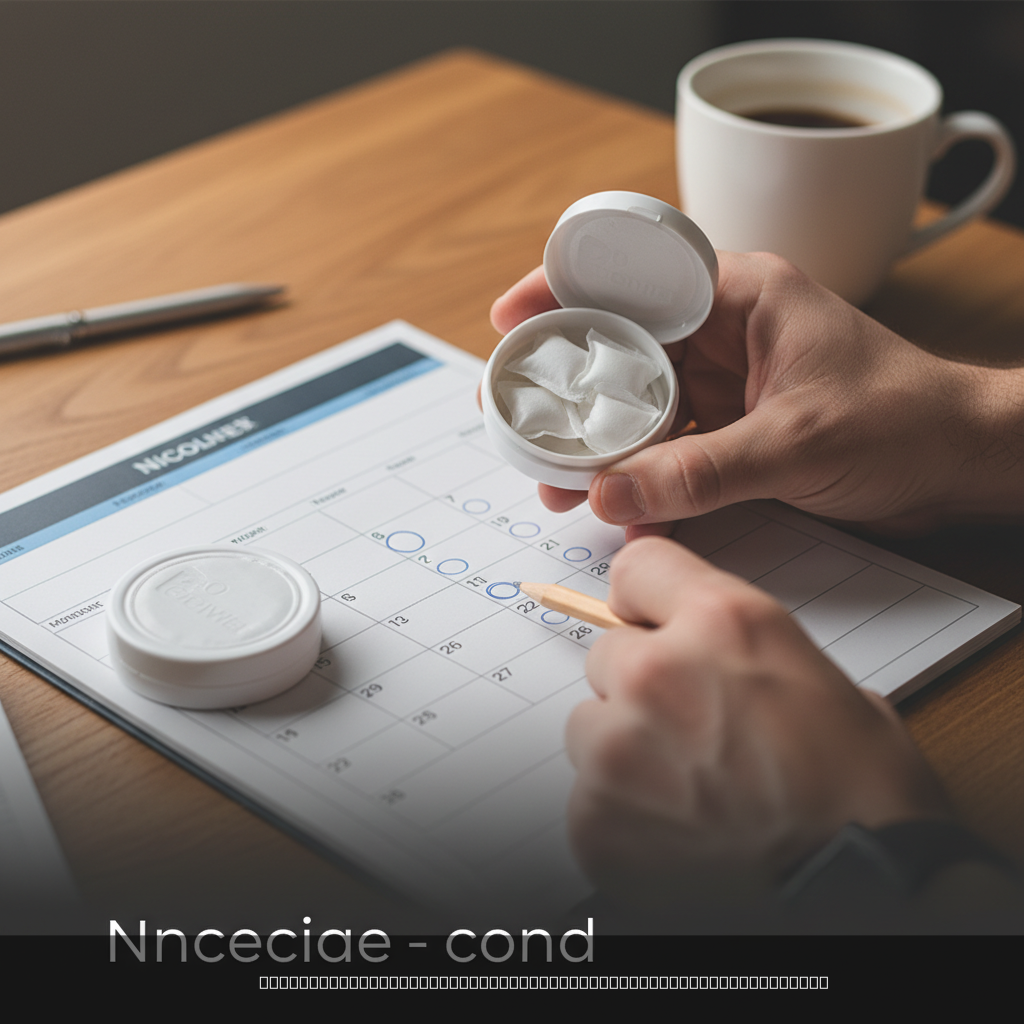
Understanding Nicotine Reduction: reduce nicotine intake
Nicotine reduction is a systematic approach to decreasing your body's dependence on nicotine while maintaining control over the process. Unlike abrupt cessation, gradual reduction allows your brain chemistry to adjust naturally, reducing the severity of withdrawal symptoms and increasing your chances of long-term success.The Science Behind Gradual Reduction
Research from the National Center for Biotechnology Information demonstrates that immediate nicotine reduction produces significantly lower cravings compared to gradual approaches when implemented correctly [1]. The study found that participants who reduced nicotine content immediately experienced faster decreases in cigarettes per day and reported better overall outcomes. Your brain's nicotine receptors, specifically the alpha-4-beta-2 subtype, become upregulated with chronic use. When you reduce nicotine intake gradually, these receptors slowly downregulate, preventing the dramatic neurochemical imbalance that causes severe withdrawal symptoms.Pro Tip: Track your current nicotine consumption for one week before starting reduction. Most people underestimate their actual intake by 30-40%, which can sabotage reduction planning.
The Three Components of Nicotine Addiction
Understanding addiction's structure helps you target each component effectively:- Chemical dependency: Your brain's physical need for nicotine to maintain dopamine levels
- Behavioral patterns: Automatic routines like reaching for a pouch during stress or breaks
- Sensory associations: The taste, burn sensation, and oral satisfaction that signal comfort
Creating Your Reduction Plan
Develop a structured reduction plan that accounts for your current usage patterns, lifestyle demands, and personal triggers. The most successful reduction strategies follow a systematic approach rather than random decreases.Step 1: Assess Your Current Usage Patterns
Begin by documenting your nicotine consumption for seven consecutive days. Record the time, trigger situation, and strength of each product you use. This baseline data reveals patterns you might not consciously recognize.- Download a tracking app or use a simple notebook to log every nicotine product
- Note the specific situations that trigger usage (stress, boredom, social settings, work breaks)
- Rate your craving intensity on a 1-10 scale before and after each use
- Calculate your total daily nicotine intake in milligrams
Step 2: Set Realistic Reduction Targets
Establish weekly reduction goals that challenge you without triggering severe withdrawal. The CDC suggests reducing nicotine intake by 25% each week for optimal results [3].| Week | Reduction Target | Example (20mg daily) | Strategy Focus |
|---|---|---|---|
| Week 1 | 25% reduction | 15mg daily | Eliminate lowest-priority uses |
| Week 2 | 40% reduction | 12mg daily | Replace habit triggers |
| Week 3 | 60% reduction | 8mg daily | Address stress responses |
| Week 4 | 80% reduction | 4mg daily | Maintain only essential uses |
Pro Tip: Schedule your reduction during a relatively stable period. Avoid starting during high-stress times like work deadlines, relationship changes, or major life transitions.
Managing Withdrawal Symptoms
Withdrawal symptoms are your body's natural response to reduced nicotine levels, typically peaking within 72 hours and gradually subsiding over 2-4 weeks. Understanding what to expect and having management strategies ready significantly improves your success rate.Common Withdrawal Symptoms and Timeline
The National Cancer Institute identifies several predictable withdrawal symptoms that occur during nicotine reduction [4]. Recognizing these as temporary biological responses rather than permanent problems helps maintain perspective during challenging moments. Physical symptoms include:- Irritability and mood swings (days 1-14)
- Difficulty concentrating (days 1-21)
- Increased appetite and cravings (days 1-28)
- Sleep disturbances (days 3-21)
- Fatigue and restlessness (days 1-14)
Proven Symptom Management Strategies
Implement multiple management techniques simultaneously for optimal results. The American Heart Association recommends combining behavioral, nutritional, and physical approaches [5].- Hydration protocol: Increase water intake by 20-30% to help flush nicotine metabolites and reduce headaches
- Exercise timing: Schedule 15-20 minutes of moderate activity during peak craving times to boost natural dopamine
- Sleep hygiene: Maintain consistent bedtime routines and avoid screens 1 hour before sleep
- Stress management: Practice deep breathing exercises, especially during the 3-5 PM energy crash period

Replacement Strategies That Work
Successful nicotine reduction requires replacing both the chemical satisfaction and behavioral ritual with healthier alternatives. The most effective strategies address the full spectrum of addiction components rather than focusing solely on chemical substitution.Behavioral Replacement Techniques
Replace automatic nicotine-seeking behaviors with intentional alternatives that provide similar psychological satisfaction. The key is maintaining the timing and context of your original routine while changing the substance.- Oral fixation alternatives: Sugar-free gum, toothpicks, or oral fidget tools during traditional pouch times
- Stress response rituals: 60-second breathing exercises or brief walks during high-pressure moments
- Social situation strategies: Hold a drink or engage hands with conversation gestures in social settings
- Break time activities: Replace nicotine breaks with 5-minute mindfulness sessions or light stretching
Modern Nicotine-Free Alternatives
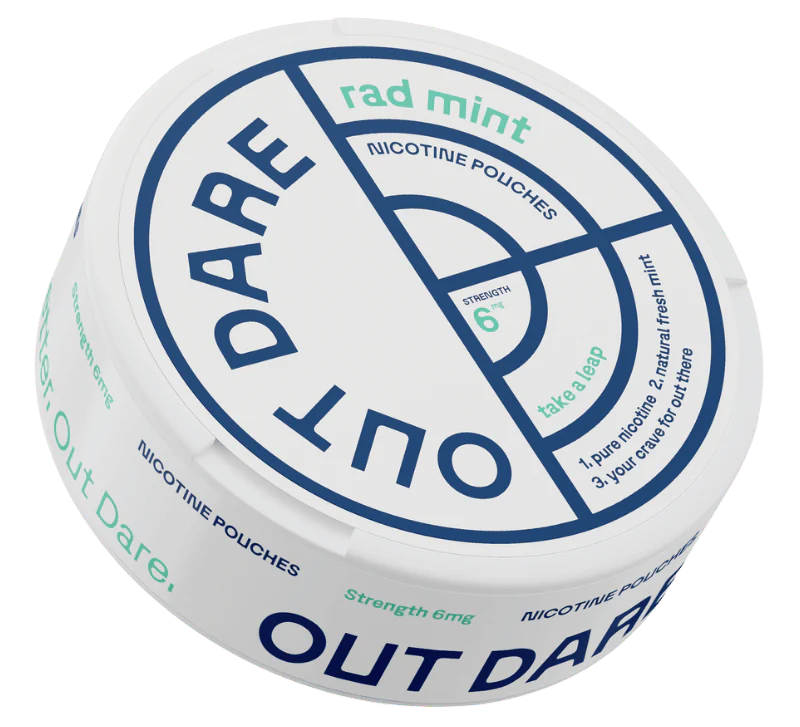
The landscape of nicotine alternatives has evolved significantly in 2026, offering sophisticated options that maintain the sensory experience while eliminating chemical dependency. These alternatives work by satisfying the behavioral and sensory components of addiction. Energy-based pouches containing caffeine and nootropics provide mental stimulation without nicotine dependence. These products deliver focus and alertness through natural compounds like L-theanine and B-vitamins, offering the cognitive benefits users seek from nicotine without the addictive potential. CBD-infused pouches address the relaxation aspect many users associate with nicotine, particularly during evening or stress-relief moments. The calming effects of cannabidiol can replace the perceived stress relief of nicotine while supporting better sleep quality.Pro Tip: Choose alternatives that match your primary nicotine triggers. If you use nicotine for focus, prioritize energy alternatives. If you use it for relaxation, consider CBD options.At Outdare LTD, we've found that users who maintain the identical taste, texture, and burn sensation while transitioning between nicotine, energy, and CBD pouches experience 60-90% reduction in nicotine consumption within four weeks. This approach tricks the brain into maintaining the full ritual while gradually replacing chemical dependency with healthier alternatives.
Timeline and What to Expect
Understanding the reduction timeline helps set realistic expectations and maintain motivation during challenging phases. Most people experience predictable patterns of improvement and temporary setbacks during their nicotine reduction journey.Week-by-Week Progress Expectations
Week 1: Initial adjustment period with mild withdrawal symptoms. Focus on eliminating your lowest-priority nicotine uses first. Energy levels may fluctuate, but sleep quality often improves within 3-4 days. Week 2: Psychological cravings intensify as behavioral patterns adjust. This is typically the most challenging week mentally. Physical withdrawal symptoms begin decreasing, but habit-based urges remain strong. Week 3: Significant improvement in concentration and mood stability. Morning energy levels normalize, and you'll notice reduced dependence on nicotine for basic functioning. Week 4: Substantial progress with most users reporting 60-80% reduction in nicotine consumption. Cravings become situational rather than constant, and alternative strategies feel more natural.Measuring Your Progress
Track multiple metrics beyond just nicotine consumption to maintain motivation and identify areas needing attention:| Metric | Week 1 | Week 2 | Week 4 |
|---|---|---|---|
| Daily nicotine (mg) | 25% reduction | 50% reduction | 80% reduction |
| Sleep quality (1-10) | +1 point | +2 points | +3 points |
| Energy levels | Variable | Stabilizing | Improved |
| Cravings frequency | High | Moderate | Situational |
Common Mistakes to Avoid
Learning from common pitfalls can prevent setbacks and maintain momentum during your reduction journey. These mistakes account for the majority of reduction failures and are entirely preventable with proper planning.Critical Planning Errors
Underestimating current consumption: Most people consume 30-40% more nicotine than they realize. Accurate baseline measurement is essential for realistic goal-setting. Track every product for a full week before starting reduction. Ignoring trigger situations: Failing to identify and prepare for high-risk situations leads to impulsive nicotine use that derails progress. Map your triggers during the assessment phase and develop specific response strategies. All-or-nothing mentality: Viewing minor slips as complete failures causes many people to abandon their reduction efforts entirely. Progress isn't linear, and temporary increases don't negate overall improvement.Implementation Mistakes
- Starting during high-stress periods: Beginning reduction during work deadlines, relationship issues, or major life changes increases failure risk by 300%
- Neglecting sleep and nutrition: Poor sleep and irregular eating amplify withdrawal symptoms and reduce willpower reserves
- Isolating during the process: Lack of support increases relapse risk. Share your goals with trusted friends or family members
- Focusing only on chemical substitution: Ignoring behavioral and sensory components leaves major addiction pathways unaddressed
Pro Tip: Prepare for temporary increases during stressful events rather than viewing them as failures. Have a plan to return to your reduction schedule within 24-48 hours.One pitfall we see frequently involves people switching to lower-nicotine products but using them more frequently, resulting in similar or higher total consumption. Monitor both product strength and usage frequency to ensure genuine reduction.
Sources & References
- National Center for Biotechnology Information, "The Effects of Immediate vs Gradual Reduction in Nicotine Content", 2022
- Mayo Clinic, "Quitting smoking: 10 ways to resist tobacco cravings", 2024
- Centers for Disease Control and Prevention, "Tips For Quitting", 2025
- National Cancer Institute, "Tips for Coping with Nicotine Withdrawal and Triggers", 2024
- American Heart Association, "Life's Essential 8 - How to Quit Tobacco and Nicotine Products", 2025
- Truth Initiative, "8 foods and drinks that could help people quit nicotine", 2024
- American Cancer Society, "Nicotine Replacement Therapy to Help You Quit Tobacco", 2025
- MD Anderson Cancer Center, "Quit smoking: 6 products to strike out nicotine cravings", 2024

Frequently Asked Questions
1. What happens when you reduce your nicotine intake?
When you reduce nicotine intake, your body undergoes neurochemical adjustments that can cause temporary withdrawal symptoms including irritability, difficulty concentrating, and cravings. These symptoms typically peak within 72 hours and gradually subside over 2-4 weeks. Your brain's nicotine receptors slowly downregulate, leading to improved sleep quality, better cardiovascular function, and enhanced mental clarity as your natural dopamine production normalizes.
2. Does nicotine make prostatitis worse?
Nicotine can exacerbate prostatitis symptoms by constricting blood vessels and reducing circulation to the prostate gland, which impairs healing and immune function. The vasoconstricting effects of nicotine also worsen urinary symptoms associated with prostatitis, including increased urgency and difficulty with urination. Reducing nicotine intake often leads to improved prostate health and reduced inflammation within 2-4 weeks. This is particularly relevant for reduce nicotine intake.
3. Is nicotine bad for BPD?
Nicotine use in people with Borderline Personality Disorder (BPD) is associated with more severe symptoms, increased suicidality, and poorer treatment outcomes. Nicotine's effects on dopamine and serotonin systems can worsen emotional dysregulation and impulsivity that characterize BPD. However, abrupt cessation can temporarily increase mood instability, making gradual reduction with professional support the preferred approach for people with BPD. When considering reduce nicotine intake, this point stands out.
4. How long does it take to reduce nicotine tolerance?
Nicotine tolerance begins decreasing within 24-48 hours of reduced consumption, with significant improvements occurring within 1-2 weeks. Most people notice enhanced sensitivity to nicotine's effects after 7-10 days of consistent reduction. Complete tolerance reset typically occurs within 4-6 weeks, though individual variation exists based on previous consumption levels and genetic factors affecting nicotine metabolism. For those exploring reduce nicotine intake, this matters.
5. Can you reduce nicotine intake without withdrawal symptoms?
While complete elimination of withdrawal symptoms isn't possible, gradual reduction can minimize their severity by 60-80% compared to cold turkey cessation. Using replacement strategies that address behavioral and sensory components of addiction, combined with proper nutrition and stress management, can make withdrawal symptoms manageable. The key is reducing nicotine slowly enough to allow your brain chemistry to adjust naturally. This directly impacts reduce nicotine intake outcomes.
6. What foods help reduce nicotine cravings?
Foods high in vitamin C (citrus fruits, bell peppers), complex carbohydrates (oats, quinoa), and protein (eggs, lean meats) help stabilize blood sugar and support neurotransmitter production during nicotine reduction. Avoiding alcohol, caffeine, and processed foods reduces craving intensity. Staying hydrated with water and herbal teas also helps flush nicotine metabolites and reduces headaches associated with withdrawal. This is particularly relevant for reduce nicotine intake.
7. Should I reduce nicotine gradually or immediately?
Research shows that both approaches can be effective, but gradual reduction typically produces higher long-term success rates and fewer severe withdrawal symptoms. Immediate reduction works best for highly motivated individuals with strong support systems, while gradual reduction suits people with high stress levels or previous quit attempts. The optimal approach depends on your personal circumstances, consumption levels, and psychological readiness. When considering reduce nicotine intake, this point stands out.
Successfully reducing nicotine intake requires a comprehensive approach that addresses chemical dependency, behavioral patterns, and sensory triggers simultaneously. The strategies outlined in this guide provide a framework for achieving 60-90% reduction within four weeks while minimizing withdrawal discomfort and maintaining long-term success. The key to sustainable nicotine reduction lies in replacing the full experience rather than simply eliminating the chemical component. By maintaining familiar rituals while transitioning to healthier alternatives, you can break the cycle of dependency without sacrificing the psychological comfort that makes nicotine use appealing. Remember that progress isn't always linear, and temporary setbacks don't negate your overall improvement. With proper planning, realistic expectations, and the right support strategies, you can successfully reduce nicotine intake and reclaim control over your health and well-being.Recommended Articles
Explore more from our content library:
- Brain Fog Nicotine: Causes, Effects & Recovery Solutions
- How to Quit Nicotine Pouches: A Science-Based Guide
- Smart Nicotine Alternatives That Actually Work in 2026
- The Complete Guide to Nicotine Free Pouches in 2026
- How to Quit Nicotine Pouches: Complete 2026 Guide
Ready to take your results to the next level? Discover what Outdare LTD can do for you and see why businesses trust us to deliver real, measurable outcomes.