






How to Reduce Caffeine Dependence Safely in 2026
| Key Insight | Explanation |
|---|---|
| Gradual tapering beats cold turkey | Reducing intake by 10–25% every 7–14 days prevents severe withdrawal symptoms like debilitating headaches and fatigue. |
| Withdrawal peaks at 20–51 hours | Most withdrawal symptoms begin within 12–24 hours of stopping and peak between 20 and 51 hours, resolving within 2–9 days. |
| Ritual substitution reduces cravings | Replacing the coffee-drinking or pouch ritual with an identical sensory substitute addresses the behavioral component of dependence. |
| Hydration accelerates recovery | Caffeine is a diuretic; maintaining fluid intake reduces headache severity and supports the detox process. |
| 60% of users want reduction, not abstinence | Research shows most people seeking caffeine treatment aim to cut back, not quit entirely — a sustainable approach for long-term success. |
| Nootropic alternatives fill the gap | Functional substitutes combining lower-dose caffeine with nootropics like L-Theanine can maintain cognitive performance while reducing chemical dependency. |
Knowing how to reduce caffeine dependence starts with one fact: gradual tapering, not cold turkey, is the medically supported approach. Caffeine dependence (a physical reliance on caffeine in which stopping causes measurable withdrawal symptoms) affects an estimated 50% of regular users who try to quit, according to NIH data [1]. You can cut your intake by 60–90% within four to six weeks without the skull-splitting headaches — if you follow a structured method. This guide walks you through every step, from auditing your current intake to managing withdrawal and finding cleaner energy alternatives that don't feed the cycle.

What Is Caffeine Dependence?: how to reduce caffeine dependence
Caffeine dependence is a recognized clinical condition in which the brain adapts to regular caffeine exposure by downregulating adenosine receptors, making normal alertness impossible without the substance. When intake stops, adenosine floods those receptors, triggering headaches, fatigue, irritability, and difficulty concentrating [1]. This is particularly relevant for how to reduce caffeine dependence.
How Dependence Differs From Habit
This distinction matters. A habit is behavioral — you reach for coffee because you always do at 8am. Dependence is physiological — your brain chemistry has actually changed. Most heavy caffeine users are dealing with both, which is why willpower alone rarely works.
According to research published in PMC, approximately 60% of individuals seeking treatment for caffeine issues want to reduce intake rather than quit entirely, while 40% aim for full abstinence [2]. That's an important signal: sustainable reduction is a legitimate goal, and it's the one most people can actually stick to.
Who Is Most at Risk?
Caffeine dependence is most pronounced in people consuming more than 400mg per day — roughly four standard cups of brewed coffee [3]. But heavy nicotine pouch users are a specific subgroup worth noting. Many report using nicotine as an "energy" supplement alongside multiple coffees per day, compounding both dependencies simultaneously. Brain fog, gut discomfort, and afternoon energy crashes are common complaints across both groups.
- Caffeine dependence (clinical definition): physical adaptation requiring caffeine to maintain baseline function
- Caffeine use disorder: a proposed diagnostic category in DSM-5 research appendix, involving inability to reduce despite harm
- Adenosine receptor downregulation: the neurological mechanism that makes withdrawal feel so rough
- Withdrawal symptoms: headache, fatigue, depressed mood, difficulty concentrating — onset within 12–24 hours of stopping
What You'll Need Before You Start
Before reducing caffeine dependence, you need three things: an accurate baseline, a realistic timeline, and substitutes ready to deploy. Going in without these is how most attempts fail on day two. When considering how to reduce caffeine dependence, this point stands out.
Tools and Preparation
- A caffeine tracking app or notebook — log every source: coffee, tea, energy drinks, pre-workout, soda, and yes, caffeinated pouches
- A tapering schedule — written out in advance, with specific milestones (see Step 2)
- Low-caffeine substitutes — green tea, half-caff coffee, or functional alternatives ready to swap in
- Electrolyte support — caffeine is a diuretic; headaches are often partly dehydration
- A symptom log — tracking how you feel each day helps you adjust the pace without guessing
Setting Realistic Expectations
This isn't a three-day reset. Henry Ford Health recommends a 4–6 week reduction window for most regular users [4]. If you're consuming 400mg+ daily, expect the process to take closer to six weeks. That's not failure — that's physiology.
Pro Tip: Set your target end-state before you start. Do you want zero caffeine, or a sustainable 100–150mg daily (roughly one cup of coffee)? Knowing your destination prevents you from drifting back to old habits once the worst symptoms pass.
Step 1: Audit Your Current Caffeine Intake
Start by calculating your total daily caffeine intake across every source — most people underestimate by 30–50% because they forget hidden sources like pre-workout, tea, or chocolate.
How to Run a Caffeine Audit
- List every caffeinated product you consume on a typical day, including weekends (which often differ significantly from weekdays).
- Look up the caffeine content of each item using a standard reference. Use the table below as a starting point.
- Add up your total daily milligrams — this is your baseline number, the figure your tapering schedule will work from.
- Note the timing of each dose: morning, afternoon, pre-workout, evening. Timing patterns reveal which doses are habit-driven vs. physically necessary.
- Track for three days before changing anything. One day isn't representative — variation matters.
| Source | Typical Serving | Caffeine (mg) |
|---|---|---|
| Brewed coffee | 240ml (8oz) | 95–165mg |
| Espresso | 30ml (1 shot) | 63mg |
| Energy drink (standard) | 250ml can | 80–160mg |
| Black tea | 240ml | 40–70mg |
| Green tea | 240ml | 20–45mg |
| Pre-workout supplement | 1 scoop | 150–300mg |
| Caffeinated energy pouch | 1 pouch | 50mg |
| Cola (standard) | 355ml can | 34–46mg |
The AMA recommends that healthy adults stay below 400mg of caffeine per day [3]. If your audit puts you significantly above that, your tapering schedule needs to be conservative — rapid drops trigger the worst withdrawal responses.
Step 2: Build a Gradual Tapering Schedule
A gradual tapering schedule — reducing total daily caffeine by 10–25% every 7–14 days — is the most evidence-supported method to reduce caffeine dependence without triggering severe withdrawal [1]. For those exploring how to reduce caffeine dependence, this matters.
The 25% Weekly Reduction Framework
Recovery Centers of America recommend a practical approach: decrease intake by 25% weekly [5]. For someone at 400mg daily, that looks like this:
- Week 1: Reduce to 300mg (cut one standard cup of coffee or equivalent).
- Week 2: Reduce to 225mg (swap a second coffee for green tea or a half-caff alternative).
- Week 3: Reduce to 170mg (consolidate intake to morning only if possible).
- Week 4: Reduce to 125mg (one cup of coffee or two cups of green tea).
- Weeks 5–6: Drop to target level — either zero, or a sustainable 50–100mg maintenance dose.
The NIH's StatPearls database confirms that gradual tapering is the most effective method to prevent withdrawal symptoms, particularly for heavy users [1]. Don't rush the schedule. If a week feels rough, hold at that level for an extra seven days before dropping again.
Adjusting for Your Lifestyle
A few practical adjustments make the schedule stick:
- Cut afternoon doses first. Evening caffeine disrupts sleep, and poor sleep worsens withdrawal symptoms — it's a vicious cycle. Eliminating post-2pm caffeine is often the single highest-leverage change.
- Reduce volume before switching products. If you drink four cups of coffee, drop to three before switching to half-caff. Changing too many variables at once makes it hard to know what's working.
- Plan around your calendar. Don't start a significant reduction the week before a major work deadline. Mild cognitive dullness is real during the first week of any drop.
Pro Tip: Use a half-caff coffee blend during the middle weeks of your taper. Mixing 50% regular with 50% decaf gives you the exact same volume and ritual while cutting the chemical dose in half — your brain doesn't notice the difference in the cup, only in the withdrawal.
Step 3: Substitute the Ritual, Not Just the Dose
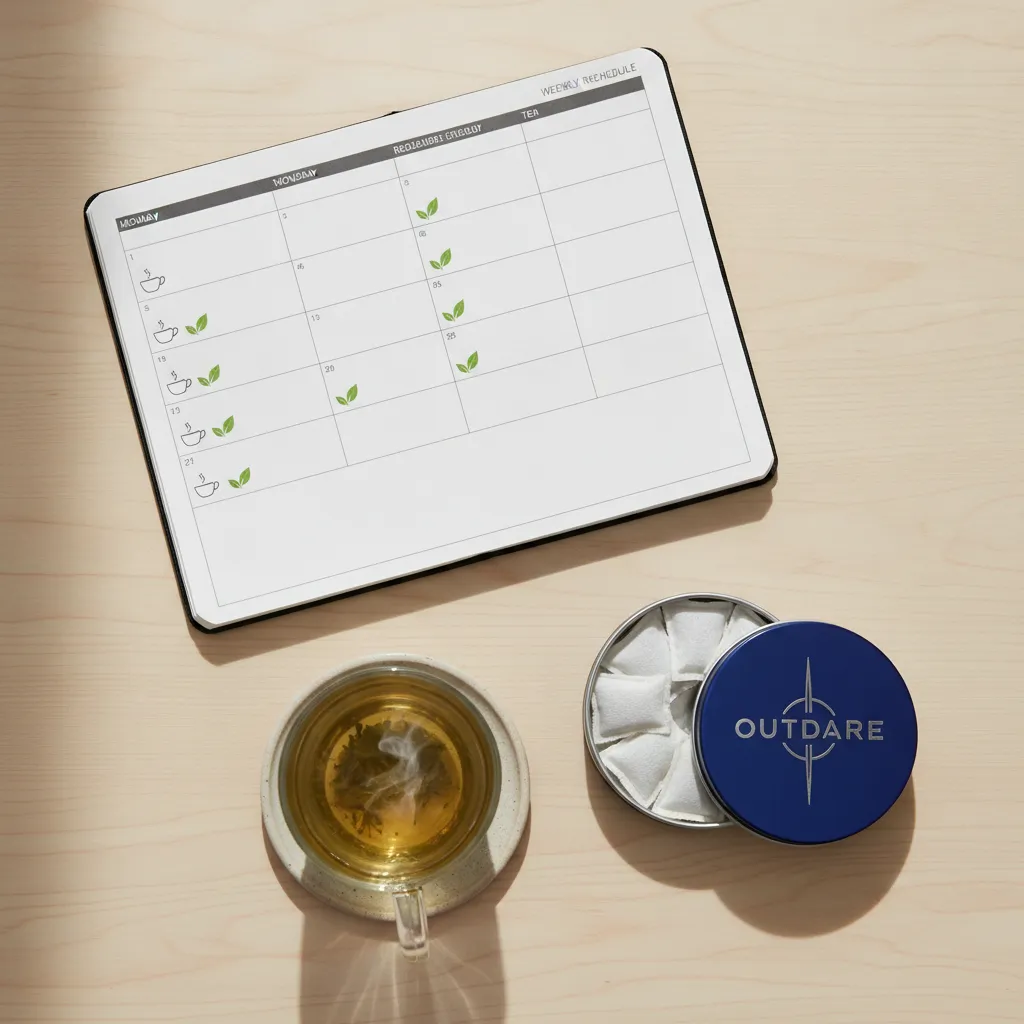
Substituting the ritual — the physical act, the sensory cue, the behavioral pattern — is as important as reducing the chemical dose. This is where most caffeine reduction plans fail. This directly impacts how to reduce caffeine dependence outcomes.
Why the Ritual Matters as Much as the Molecule
Research published in ScienceDirect identified that the most common successful caffeine reduction technique is substance substitution, alongside identifying behavioral triggers and avoiding environmental cues [6]. That's not just about swapping coffee for tea. It's about recognizing that you reach for caffeine at specific moments — stress, boredom, habit, social cues — and having a ready replacement for those moments.
At Outdare LTD, we've found that this principle extends directly to how people use nicotine pouches. The 30/30/30 Addiction Rule — which maps addiction as 30% chemical, 30% physical habit, and 30% sensory cue — applies almost identically to caffeine. The burn of a strong espresso, the warmth of the cup in your hands, the ritual of making it: these are the 60% that drive you back even when you're trying to cut down.
Practical Substitution Strategies
- Replace the morning cup with a lower-caffeine ritual. Green tea (20–45mg) or matcha (30–70mg) delivers a gentler stimulation curve with L-Theanine (an amino acid that smooths out caffeine's jittery edge) already built in.
- Use a functional energy alternative for the 3pm slot. This is the highest-risk moment — energy crashes trigger automatic caffeine reaches. A 50mg caffeine option paired with nootropics like Alpha-GPC and L-Theanine delivers clean focus without the spike-and-crash cycle of a second or third coffee.
- Mimic the physical ritual. If you drink coffee from a specific mug at a specific time, keep the mug and the time — just change what's in it. The behavioral anchor is part of what makes the substitution feel satisfying rather than depriving.
- Address stress triggers separately. Many caffeine reaches are anxiety-driven rather than energy-driven. A CBD-based alternative (zero caffeine, zero nicotine) used during high-stress moments can interrupt the automatic reach without adding more stimulants to an already overloaded system.
Cleveland Clinic recommends setting a specific time limit for caffeine consumption each day — for example, nothing after noon — as a structural way to reduce total intake without requiring constant willpower decisions [7].
Step 4: Manage Withdrawal Symptoms Proactively
Managing withdrawal symptoms proactively — rather than reacting to them after they hit — is what separates a successful reduction from a relapse back to full intake. Symptoms are predictable, and most are manageable. This is particularly relevant for how to reduce caffeine dependence.
The Caffeine Withdrawal Timeline
According to NIH StatPearls, caffeine withdrawal symptoms typically begin within 12–24 hours of stopping or significantly reducing intake [1]. The timeline runs roughly as follows:
- Hours 12–24: Onset of headache, mild fatigue, reduced motivation
- Hours 20–51: Peak intensity — headaches most severe, possible nausea, difficulty concentrating
- Days 4–7: Symptoms begin to ease; intermittent fatigue and mild cravings may persist
- Days 7–9: Most symptoms resolve; baseline energy returns for the majority of users
If you're tapering gradually (rather than stopping cold turkey), you'll experience a much attenuated version of this timeline at each step down — manageable discomfort rather than a full withdrawal episode.
Evidence-Based Symptom Management
Sutter Health's Dr. Cotterel recommends taking a vitamin B complex supplement during the transition period, which can ease the physiological stress of caffeine reduction [8]. Additional practical interventions include:
- Hydration: Drink at least 2–3 liters of water daily. Caffeine's diuretic effect means withdrawal is partly a dehydration problem. Electrolyte drinks help on peak symptom days.
- Ibuprofen or aspirin: For acute withdrawal headaches, standard OTC pain relief is effective. Use sparingly and not as a daily crutch.
- Sleep prioritization: Withdrawal disrupts sleep quality temporarily. Keeping a consistent sleep schedule — same bedtime and wake time — stabilizes circadian rhythm faster.
- Light exercise: A 20–30 minute walk increases adenosine clearance and releases endorphins that offset the mood dip. Don't skip it because you feel sluggish — that's exactly when it helps most.
- Magnesium: Some practitioners recommend magnesium glycinate (200–400mg before bed) to reduce headache frequency and improve sleep quality during the reduction period.
Pro Tip: Schedule your biggest weekly dose reductions for Thursday or Friday if you work a standard week. Symptoms peak 20–51 hours later, which means the worst of it lands on the weekend when cognitive demands are lower. This is a small logistics win that makes a real difference.
Step 5: Stabilize Your Energy With Cleaner Alternatives
Stabilizing your energy without rebuilding caffeine dependence requires replacing the function caffeine served — focus, alertness, motivation — with alternatives that don't create the same dependency cycle. When considering how to reduce caffeine dependence, this point stands out.
What Caffeine Was Actually Doing for You
Caffeine doesn't create energy. It blocks adenosine receptors, temporarily masking the fatigue signal your brain is sending. When the block wears off, the accumulated adenosine floods in — that's the crash. Over time, your brain compensates by producing more adenosine receptors, meaning you need more caffeine just to feel normal [1].
Breaking this cycle means addressing the underlying energy deficits: sleep quality, stress load, nutrition, and movement. These aren't optional lifestyle suggestions — they're the actual levers that determine whether you need 400mg of caffeine daily or 100mg.
Functional Alternatives That Don't Rebuild Dependency
- L-Theanine + low-dose caffeine: The combination of L-Theanine (an amino acid found in green tea) with 50–100mg caffeine produces sharper focus and calmer alertness than caffeine alone, without the spike-and-crash pattern. This is the stack behind Outdare's Energy pouch — 50mg caffeine paired with nootropics for clean, portable focus.
- Alpha-GPC: A choline precursor that supports acetylcholine production (the neurotransmitter of focus and learning). Used by productivity-focused users as a caffeine complement or partial replacement.
- Adaptogens: Ashwagandha and Rhodiola Rosea have evidence for reducing cortisol and improving stress resilience — addressing one of the main triggers for caffeine overconsumption.
- Strategic caffeine timing: Delaying your first caffeine dose until 90 minutes after waking (after cortisol levels peak naturally) makes the same dose more effective, meaning you need less of it.
Our team at Outdare LTD recommends treating the stabilization phase as a permanent upgrade, not a temporary bridge. The goal isn't to white-knuckle through zero caffeine — it's to reach a level where caffeine is a tool you choose, not a chemical you depend on.
Common Mistakes to Avoid
The most common mistakes in caffeine reduction are predictable — and avoidable if you know what to watch for. For those exploring how to reduce caffeine dependence, this matters.
Tactical Errors That Derail Progress
- Going cold turkey from a high baseline. Stopping 400mg+ overnight produces severe withdrawal that most people can't sustain. This is the number one reason caffeine reduction attempts fail. Taper, always.
- Forgetting hidden sources. Pre-workout, certain teas, chocolate, headache medications (some contain caffeine), and energy-flavored products all add to your total. Missing these makes your tapering math wrong.
- Replacing coffee with energy drinks. Many standard energy drinks contain 150–200mg of caffeine plus sugar and synthetic additives. This isn't a reduction — it's a sideways move with worse ingredients.
- Reducing too fast after an easy start. The first week of a modest reduction often feels fine. People then cut aggressively in week two and hit a wall. Stick to the 10–25% weekly schedule regardless of how good you feel.
- Ignoring sleep as a variable. Poor sleep increases adenosine buildup, which increases caffeine cravings. Treating sleep as a secondary concern while trying to reduce caffeine is working against yourself.
- Treating it as a willpower problem. Caffeine dependence is a neurochemical adaptation. Framing it as a character issue ("I just need more discipline") leads to shame-based attempts that collapse under stress. It's a system problem. Fix the system.
What Can Go Wrong: Real-World Scenarios
In practice, we've seen one pattern repeat consistently: a user reduces caffeine successfully for two weeks, feels great, then hits a high-stress period at work and reverts to full intake within 48 hours. The stress trigger wasn't addressed — only the dose was. Having a non-caffeine stress response tool ready (a CBD-based alternative, a breathing protocol, a short walk) is the difference between a temporary dip and a full relapse to dependency.
A second common pattern: users switch from coffee to caffeinated energy pouches or pre-workout without tracking the milligrams, assuming "it's different." It isn't. Caffeine is caffeine. The delivery mechanism changes; the receptor mechanism doesn't.
Sources & References
- NIH / StatPearls, "Caffeine Withdrawal," NCBI Bookshelf, 2024
- PMC / NCBI, "Characterization of Individuals Seeking Treatment for Caffeine Dependence," 2013
- American Medical Association, "What Doctors Want Patients to Know About the Impact of Caffeine," 2023
- Henry Ford Health, "How to Quit Caffeine Without the Headache," 2024
- Recovery Centers of America, "Caffeine Withdrawal," 2024
- ScienceDirect, "Mechanisms for the Reduction of Caffeine Consumption," 2020
- Cleveland Clinic, "How to Quit Caffeine Without a Headache," 2024
- Sutter Health, "Breaking Your Caffeine Habit," 2024
Frequently Asked Questions
1. How long does it take to reduce caffeine dependence?
With a gradual tapering approach, most people reduce caffeine dependence significantly within 4–6 weeks. Acute withdrawal symptoms — headaches, fatigue, mood changes — typically begin within 12–24 hours of a dose reduction, peak between 20 and 51 hours, and resolve within 7–9 days per reduction step. Full neurological adaptation (restored adenosine receptor sensitivity) takes several weeks of sustained lower intake, which is why the 4–6 week framework is more realistic than the "one-week detox" you'll see in popular media [1].
2. How can I taper off caffeine safely?
Taper safely by reducing your total daily caffeine intake by no more than 10–25% every 7–14 days, starting from your audited baseline. The NIH confirms this is the most effective method to prevent severe withdrawal symptoms, particularly for heavy users consuming 400mg+ daily [1]. Practical tools include switching to half-caff coffee blends, replacing one daily coffee with green tea, and eliminating all afternoon and evening caffeine before cutting morning intake. Never cut more than one major source at a time. This directly impacts how to reduce caffeine dependence outcomes.
3. What are the symptoms of caffeine withdrawal?
Caffeine withdrawal symptoms include headache (the most common, affecting up to 50% of withdrawal cases), fatigue, difficulty concentrating, depressed mood, irritability, and occasional nausea or flu-like feelings. These symptoms are dose-dependent — the higher your baseline intake and the faster the reduction, the more severe the response. Gradual tapering reduces symptom intensity significantly without eliminating it entirely [1].
4. Is caffeine withdrawal dangerous?
For most healthy adults, caffeine withdrawal is uncomfortable but not medically dangerous. Symptoms are self-limiting and resolve within 2–9 days. One exception: people with certain cardiovascular conditions should consult a physician before making significant changes to caffeine intake, as both abrupt cessation and high intake can affect heart rate and blood pressure [3]. If you experience severe or prolonged symptoms, seek medical advice.
5. What are the benefits of quitting or reducing caffeine?
Reducing caffeine dependence typically produces improved sleep quality (caffeine has a half-life of 5–7 hours, meaning an afternoon coffee still affects sleep at midnight), more stable energy levels without the spike-and-crash cycle, reduced anxiety and heart rate variability, better gut health (caffeine stimulates gastric acid production), and improved baseline mood. Most users report that after the initial 1–2 week adjustment period, their natural energy levels are higher than when they were dependent on caffeine to feel normal.
6. Can I still use caffeine while reducing dependence?
Yes — and for most people, that's exactly the right approach. The goal of reducing caffeine dependence isn't necessarily zero caffeine; it's breaking the neurological adaptation that makes you need it to function normally. Settling at 50–150mg daily (one cup of coffee, or a low-dose functional alternative) is a perfectly valid end-state. Research shows 60% of people seeking caffeine treatment aim for reduction rather than complete abstinence [2], and sustainable reduction is more achievable for most lifestyles than full elimination.

Conclusion
Knowing how to reduce caffeine dependence is mostly a logistics problem, not a willpower problem. Audit your baseline. Taper by 10–25% per week. Substitute the ritual alongside the dose. Manage withdrawal proactively. Stabilize with cleaner alternatives. That's the system — and it works when cold turkey doesn't.
The steps in this guide follow the same harm-reduction logic that underpins Outdare LTD's approach to nicotine dependency: you don't fix a chemical habit by removing the ritual entirely. You replace what the substance was doing — the focus, the sensory cue, the behavioral anchor — with something cleaner, and you reduce the chemical load gradually until the dependency is gone and the choice is yours again.
Results will vary depending on your baseline intake, stress levels, and sleep quality. One limitation of any self-directed approach is that severe dependence (600mg+ daily) may benefit from structured medical support. But for the vast majority of people, a 4–6 week taper with smart substitution is entirely manageable. Risk better. Start this week, not next.
Recommended Articles
Explore more from our content library: