






quit smoking nicotine pouches: How to Quit Smoking with
| Key Insight | Explanation |
|---|---|
| Gradual Reduction Works Better | Tapering nicotine strength over 4-6 weeks has higher success rates than cold turkey methods |
| Ritual Replacement is Critical | The physical habit accounts for 30% of addiction - replacing the oral fixation prevents relapse |
| Withdrawal Peaks at 72 Hours | Most intense symptoms occur within first 3 days, then gradually decrease over 2-4 weeks |
| Alternative Pouches Help | Energy or CBD pouches maintain the ritual while eliminating nicotine dependency |
| Support Systems Double Success | Professional guidance and peer support increase quit rates from 15% to 30% |
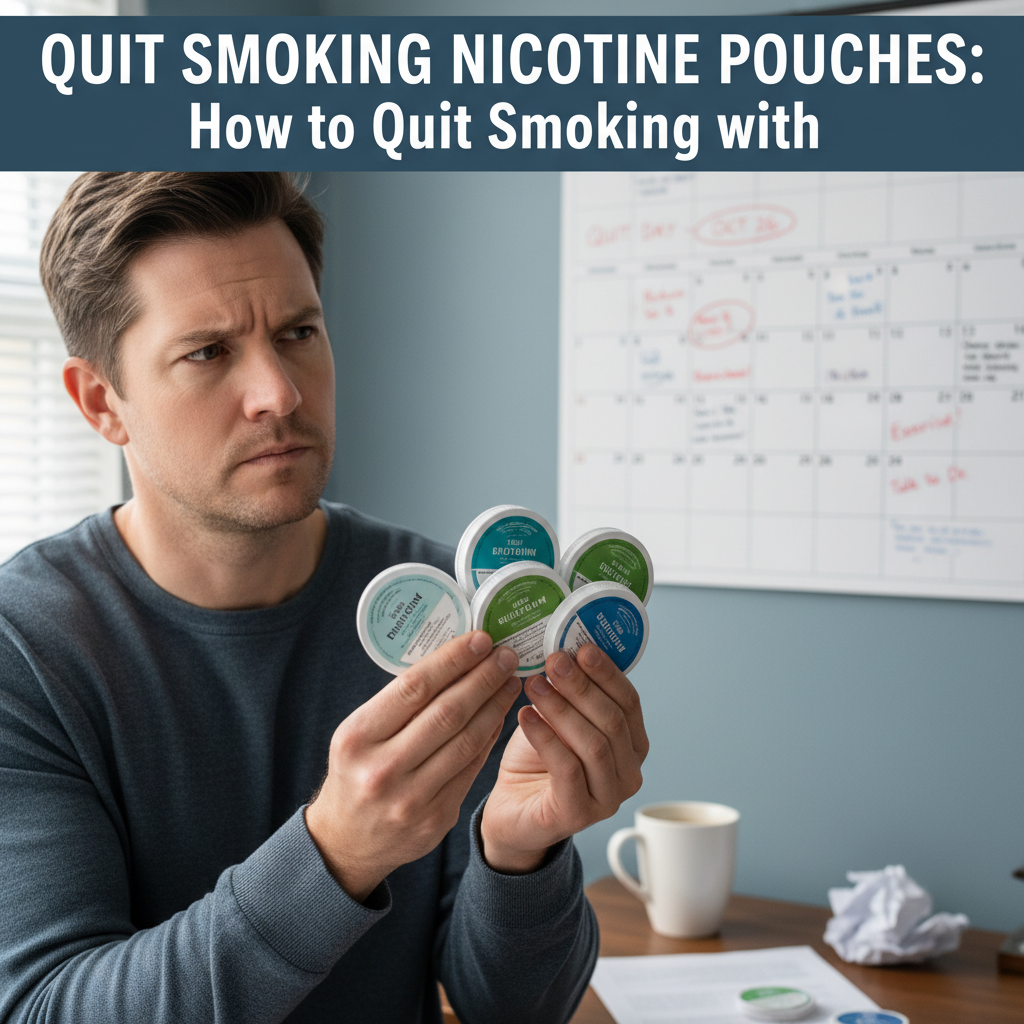
What You'll Need: quit smoking nicotine pouches
Successfully quitting nicotine pouches requires proper preparation and the right tools. Having these resources ready before you start significantly increases your chances of success and helps you navigate challenges more effectively.Essential Supplies
Your quit kit should include several key components. First, gather alternative oral products to replace the physical habit - sugar-free gum, toothpicks, or nicotine-free pouches work well. You'll also need a journal or smartphone app to track your progress, cravings, and triggers. Keep healthy snacks on hand, as many people experience increased appetite during nicotine withdrawal.- Nicotine-free alternative pouches or gum
- Progress tracking journal or mobile app
- Healthy snacks (carrots, celery, nuts)
- Water bottle for increased hydration
- Stress relief tools (stress ball, fidget spinner)
Support System Setup
Building a strong support network doubles your success rate according to recent studies [1]. Inform family members and close friends about your quit date and ask for their encouragement. Consider joining online communities or local support groups specifically for tobacco cessation. Some people benefit from working with a healthcare provider or counselor who specializes in addiction.Pro Tip: Schedule regular check-ins with your support person during the first month. Having someone to text when cravings hit can prevent impulsive relapses.The VA Mental Health division recommends preparing your environment by removing all nicotine pouches from easily accessible locations [2]. This includes your car, desk, bedroom, and anywhere else you typically keep supplies. Replace these spaces with your alternative products and visual reminders of why you're quitting.
Step 1: Assess Your Current Nicotine Usage
Understanding your current consumption patterns is the foundation of any successful quit plan. Most people underestimate how much they actually use, which leads to unrealistic expectations and failed attempts.Track Your Daily Consumption
For one week before attempting to quit, meticulously record every pouch you use. Note the time, location, what triggered the craving, and your mood. This data reveals patterns that aren't immediately obvious - many users discover they consume 50-100% more than they initially thought.- Download a tracking app or use a simple notebook
- Record each pouch immediately after use
- Note triggers: stress, boredom, social situations, specific times
- Rate craving intensity on a 1-10 scale
- Track your mood before and after each use
Identify Your Trigger Patterns
Your tracking data will reveal specific situations that prompt nicotine use. Common triggers include morning coffee, work stress, driving, social drinking, and post-meal habits. Understanding these patterns allows you to prepare alternative responses before encountering each trigger. The CDC notes that environmental cues play a major role in nicotine addiction [4]. Breaking the association between specific locations or activities and pouch use is crucial for long-term success. This preparation phase typically takes 7-10 days but provides invaluable insights for your quit strategy.| Usage Level | Pouches Per Day | Recommended Quit Timeline |
|---|---|---|
| Light User | 1-4 pouches | 2-3 weeks |
| Moderate User | 5-10 pouches | 4-6 weeks |
| Heavy User | 11+ pouches | 6-8 weeks |
Step 2: Create Your Gradual Reduction Plan
Cold turkey approaches have notoriously low success rates for nicotine pouches. A structured reduction plan that gradually decreases both frequency and strength over several weeks provides a more sustainable path to freedom.Design Your Tapering Schedule
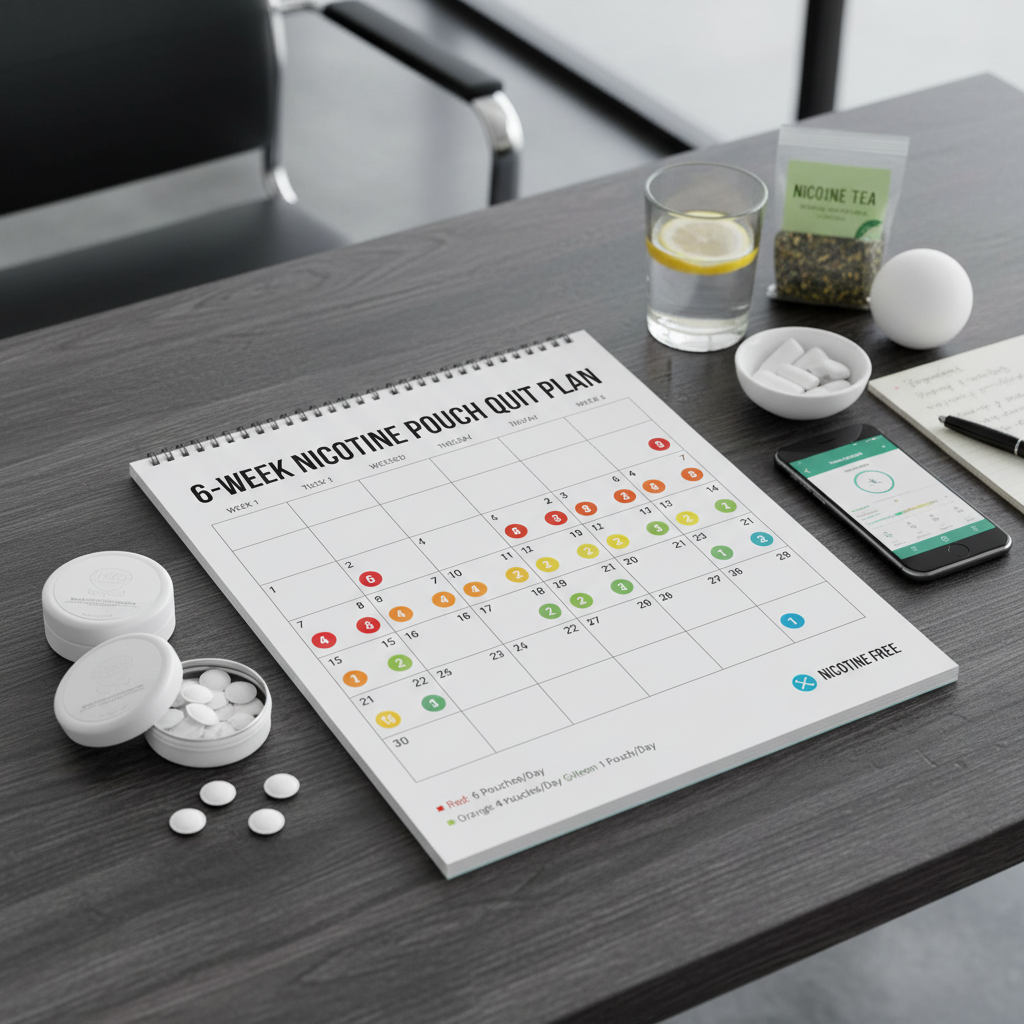
Start by reducing your daily consumption by 25% each week while maintaining your current nicotine strength. For example, if you use 12 pouches daily, reduce to 9 in week one, 6-7 in week two, and 4-5 in week three. This gradual approach minimizes withdrawal symptoms while building confidence.- Calculate your baseline daily usage from tracking data
- Reduce consumption by 25% each week for 3-4 weeks
- After reaching 2-3 pouches daily, switch to lower strength
- Repeat the reduction process with the lower strength
- Continue until reaching zero nicotine alternatives
Strength Stepping Strategy
Once you've reduced frequency, begin stepping down nicotine strength. If you typically use 6mg pouches, transition to 3mg, then to nicotine-free alternatives. This dual approach addresses both the habitual frequency and the chemical dependency simultaneously.Pro Tip: Mix strengths during transition periods. Use your target strength 70% of the time and your previous strength 30% of the time to ease the adjustment.The Truth Initiative emphasizes that successful cessation often requires multiple attempts [6]. Don't view setbacks as failures - they're learning opportunities that inform your next attempt. Most successful quitters make 3-7 attempts before achieving long-term success.
Step 3: Replace the Physical and Sensory Ritual
The ritual of using nicotine pouches involves multiple sensory experiences that create powerful psychological associations. Successfully quitting requires replacing these rituals with healthier alternatives that satisfy the same behavioral patterns.Address the Oral Fixation Component
The physical act of placing something under your lip becomes deeply ingrained after regular use. This oral fixation accounts for approximately 30% of the total addiction according to recent behavioral studies. Finding suitable replacements is crucial for preventing relapse during stressful moments. Effective alternatives include sugar-free gum, toothpicks, sunflower seeds, or nicotine-free pouches that provide the same mouthfeel and positioning. Some people find success with cinnamon sticks, which provide both oral stimulation and a strong flavor sensation that mimics the burn of nicotine pouches.- Nicotine-free pouches with similar texture and taste
- Sugar-free gum (especially mint flavors)
- Wooden toothpicks or flavored picks
- Sunflower seeds or pumpkin seeds
- Cinnamon sticks for strong flavor sensation
Sensory Replacement Strategies
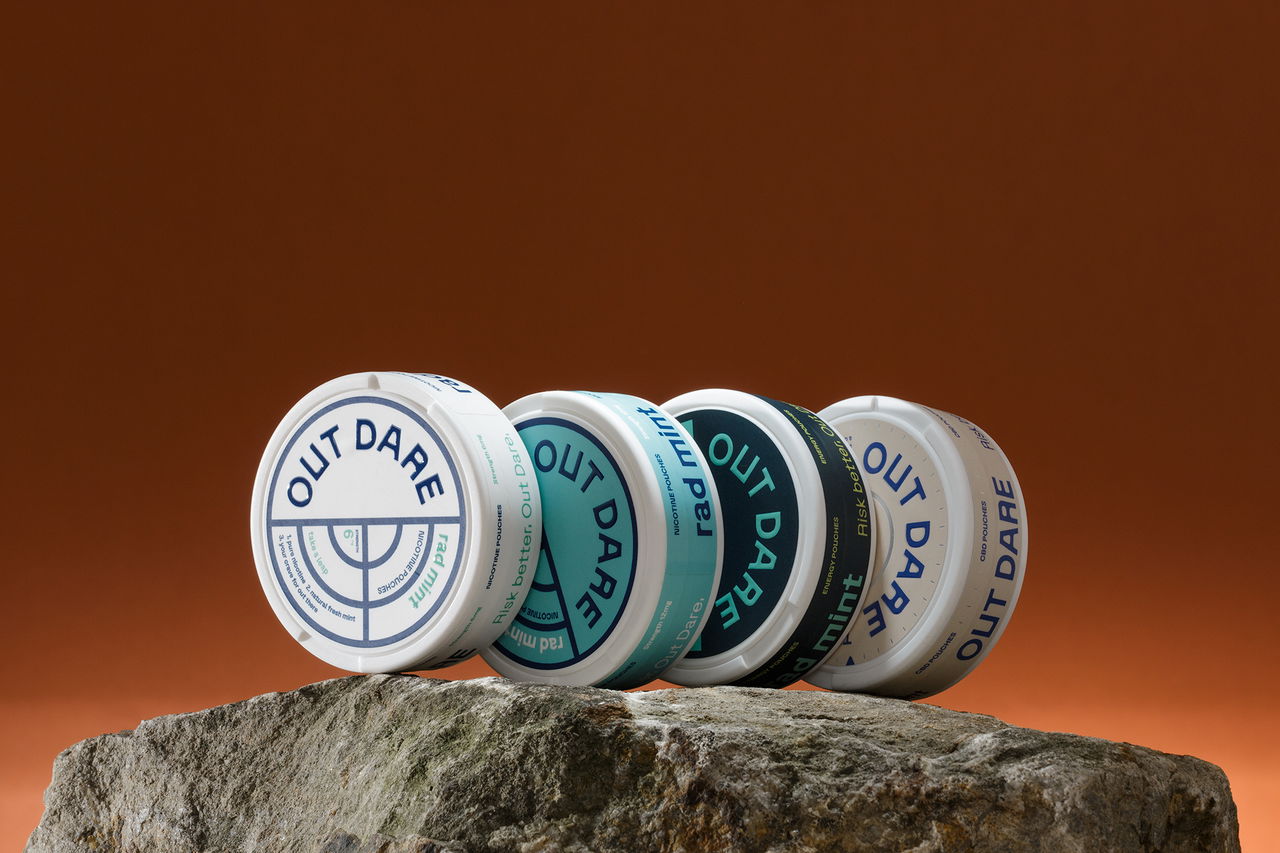
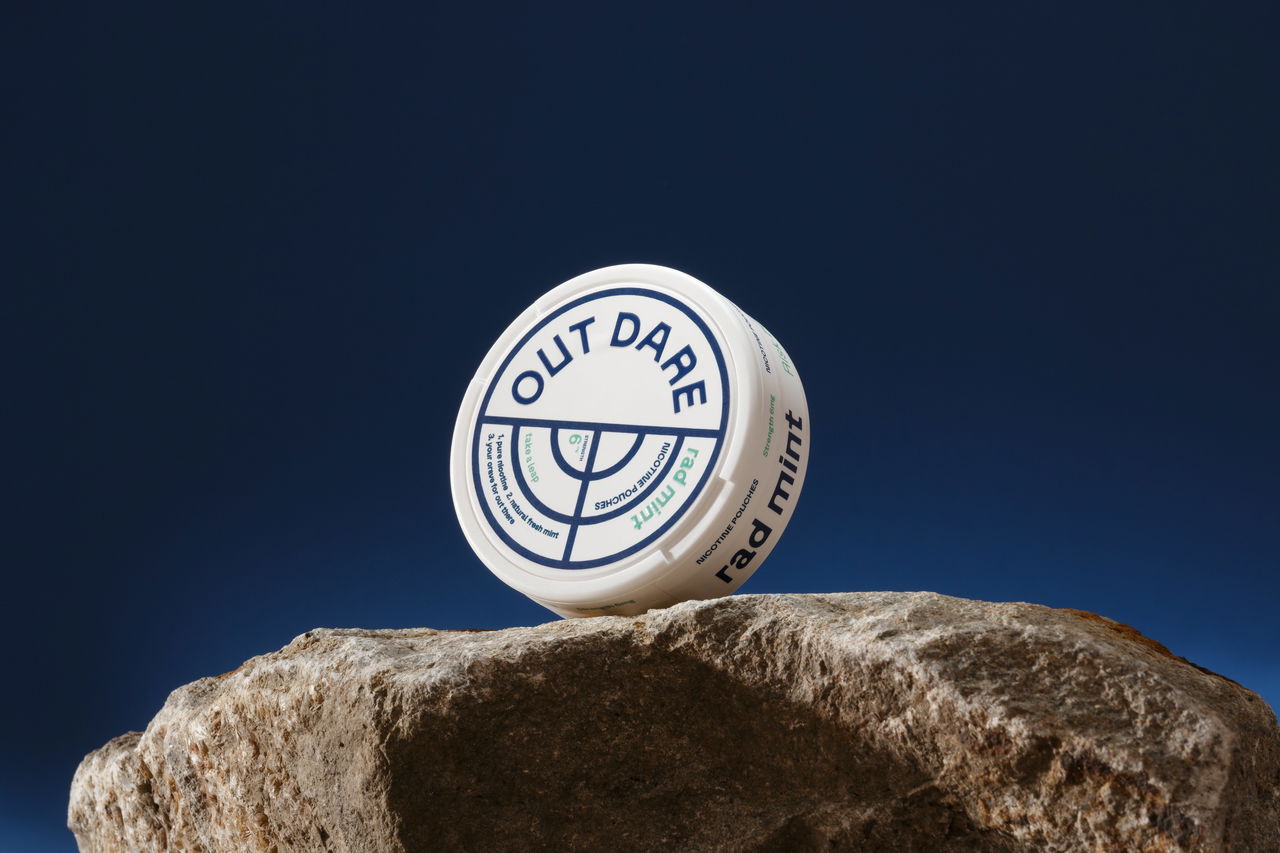
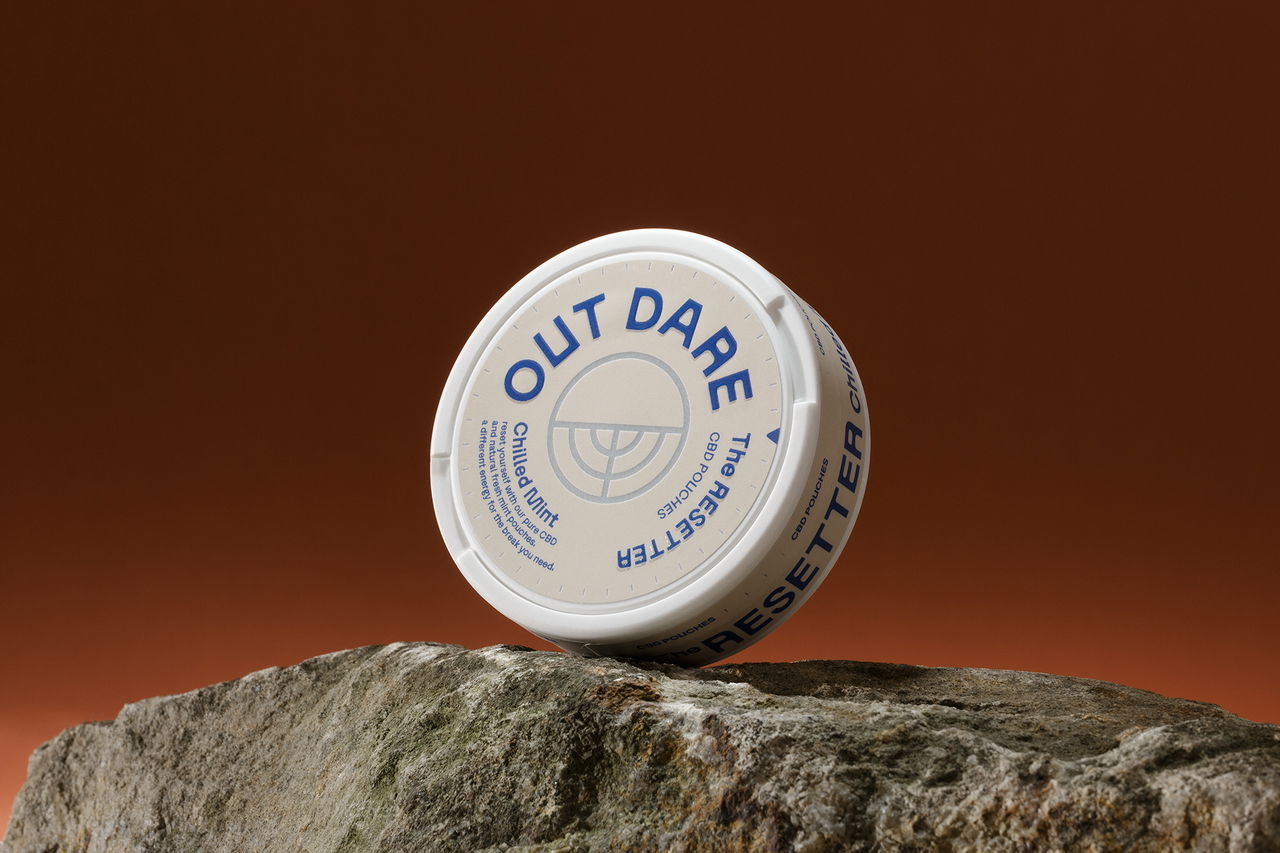
The mint flavor and slight burning sensation of nicotine pouches create strong sensory memories. Replacing these specific sensations helps trick your brain into maintaining satisfaction without the nicotine. Energy pouches with caffeine and nootropics can provide similar oral stimulation while offering functional benefits like improved focus and alertness. CBD pouches represent another effective transition tool, providing the familiar ritual while promoting relaxation instead of stimulation. The key is finding alternatives that match the original sensory experience as closely as possible while delivering different chemical effects. At Outdare LTD, we've found that users who maintain the exact same ritual - same taste, same mouthfeel, same burn - while changing only the active ingredient have the highest success rates. This approach satisfies 60% of the addiction (habit + sensory) while users manage only the 30% chemical dependency.Step 4: Manage Withdrawal Symptoms Effectively
Nicotine withdrawal symptoms typically peak within 72 hours and gradually subside over 2-4 weeks. Understanding what to expect and having management strategies ready prevents many people from giving up during the most challenging phase.Physical Symptoms and Timeline
Common withdrawal symptoms include irritability, anxiety, difficulty concentrating, increased appetite, and sleep disturbances. These symptoms follow a predictable pattern, with intensity peaking around day 3 and gradually decreasing thereafter.- Days 1-3: Peak symptoms including irritability and cravings
- Days 4-7: Symptoms begin to moderate but remain noticeable
- Weeks 2-3: Occasional cravings triggered by environmental cues
- Week 4+: Rare cravings, mostly in high-stress situations
Evidence-Based Coping Strategies
When cravings hit, having a prepared response prevents impulsive decisions. The "4 D's" strategy - Delay, Deep breathe, Drink water, Do something else - provides a simple framework for managing acute cravings. Most intense cravings last only 3-5 minutes if you don't act on them.Pro Tip: Keep a "craving kit" in your pocket: sugar-free gum, a stress ball, and a list of your quit reasons. Having immediate alternatives prevents reaching for nicotine pouches during weak moments.Sleep quality often deteriorates during the first week of cessation. Establishing a consistent bedtime routine, avoiding caffeine after 2 PM, and using relaxation techniques like progressive muscle relaxation can significantly improve rest quality during withdrawal.
Step 5: Maintain Long-term Motivation and Prevent Relapse
The first month after quitting is critical, but long-term success requires ongoing strategies to maintain motivation and handle occasional cravings that may arise months later.Track Your Benefits and Progress
Documenting the positive changes reinforces your decision to quit when motivation wavers. Within 48 hours, your sense of taste and smell begin to improve. Within a week, many people report better sleep quality and reduced morning mouth dryness. Financial savings become apparent quickly - heavy users often save $200-400 monthly. Keep a "benefits journal" noting improvements in energy levels, oral health, sleep quality, and financial savings. Take photos of your gums healing and track money saved in a visible location. These tangible reminders provide powerful motivation during challenging moments.- Improved oral health and gum appearance
- Better sleep quality and morning energy
- Enhanced taste and smell sensitivity
- Significant monthly financial savings
- Reduced anxiety about running out of pouches
Relapse Prevention Planning
Identify your highest-risk situations and develop specific action plans for each. Common relapse triggers include alcohol consumption, high stress periods, social situations where others are using, and major life changes. Having predetermined responses prevents impulsive decisions during vulnerable moments. The Lung Association emphasizes that relapse doesn't mean failure - it's often part of the learning process [8]. If you do relapse, analyze what triggered it, adjust your strategy, and restart your quit attempt with new knowledge about your personal challenges. Create accountability systems by sharing your quit date with friends and family. Some people find success with quit-smoking apps that connect them with others going through similar experiences. Regular check-ins with supportive people during the first three months significantly improve long-term success rates.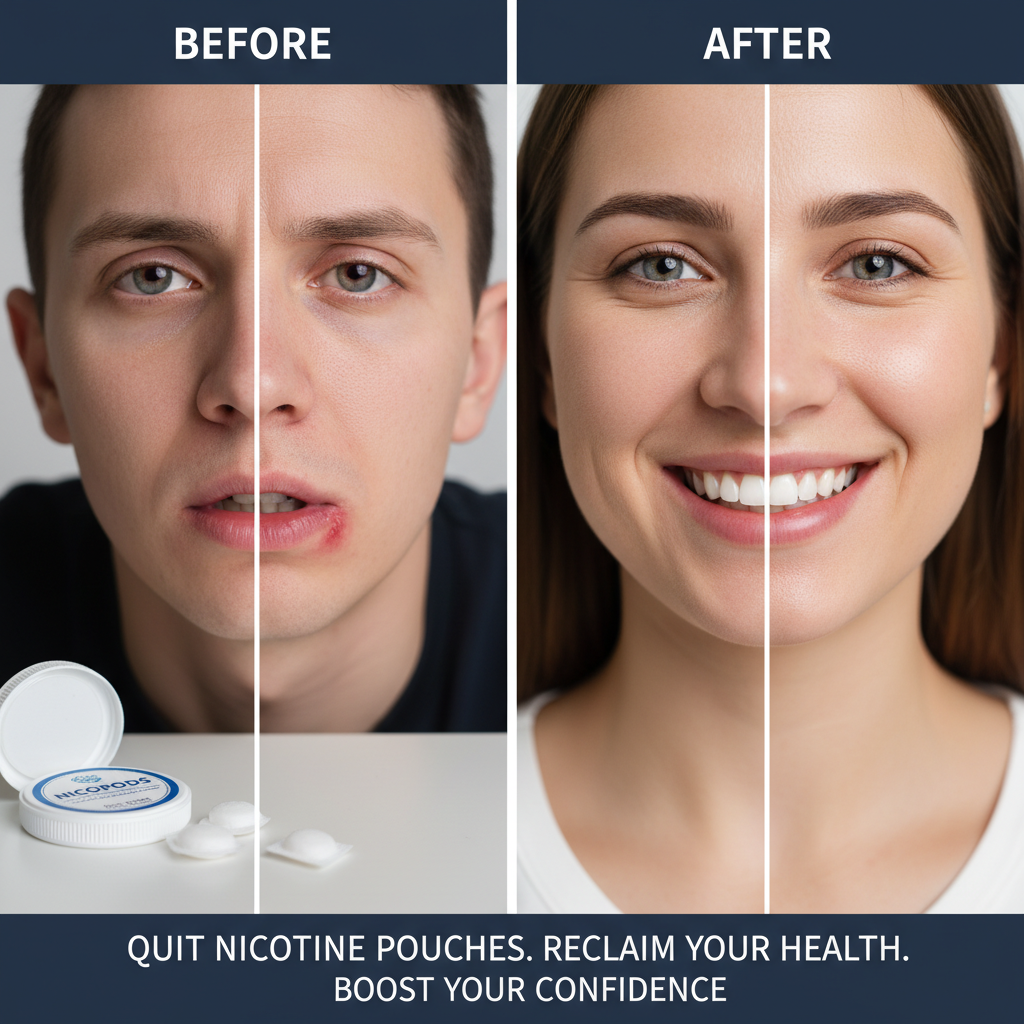
Common Mistakes to Avoid When Quitting Nicotine Pouches
Learning from others' mistakes can save you from common pitfalls that derail quit attempts. These errors are particularly prevalent among first-time quitters who underestimate the complexity of nicotine addiction.Underestimating the Habit Component
Many people focus solely on the chemical addiction while ignoring the behavioral and sensory aspects. This leads to successful nicotine elimination but continued cravings for the oral fixation and ritual. Without addressing these components, relapse rates remain high even after physical withdrawal subsides. The most successful quitters prepare alternatives for every aspect of their habit. This includes finding replacements for the morning routine, work break ritual, and evening relaxation pattern. Failing to address these behavioral triggers often leads to relapse weeks or months after initial success.Attempting Cold Turkey Without Preparation
While some people successfully quit cold turkey, this approach has lower success rates for heavy nicotine pouch users. The sudden elimination of both nicotine and the behavioral ritual creates intense withdrawal symptoms that many people can't sustain.- Skipping the assessment phase and jumping straight to cessation
- Not preparing alternative products for oral fixation needs
- Underestimating the timeline for complete withdrawal
- Failing to build a support system before starting
- Setting unrealistic expectations about withdrawal severity
Isolating During the Quit Process
Some people try to quit secretly, believing they can handle the process alone. This isolation removes crucial support systems and accountability measures that significantly improve success rates. Withdrawal symptoms often include irritability and mood changes that affect relationships, making communication with loved ones even more important.Pro Tip: Tell at least three people about your quit date and ask them to check in with you weekly during the first month. Having people who expect updates creates positive pressure to maintain your commitment.
Sources & References
- CDC, "Nicotine Pouches | Smoking and Tobacco Use", 2026
- VA Mental Health, "Nicotine Pouches Patient Fact Sheet", 2026
- PMC, "The Effects of Oral Nicotine Pouches on Cigarette Smoking Behavior", 2026
- CDC, "Nicotine Pouches | Smoking and Tobacco Use", 2026
- JAMA Network, "Can Nicotine Pouches Help People Quit Smoking?", 2026
- Truth Initiative, "What is Zyn and what are oral nicotine pouches?", 2026
- MD Anderson, "What to know about nicotine pouches", 2026
- American Lung Association, "ZYN 101: What to Know About Big Tobacco's Latest Addiction", 2026
Frequently Asked Questions
1. Does nicotine interact with ivermectin?
Understanding quit smoking nicotine pouches is essential. While ivermectin can modulate nicotinic acetylcholine receptors, there's no evidence of dangerous interactions between nicotine pouches and ivermectin. However, both substances affect the nervous system, so consult your healthcare provider before combining any medications with nicotine products during your quit attempt.
2. How long does nicotine withdrawal last from pouches?
Physical withdrawal symptoms typically peak within 72 hours and subside over 2-4 weeks. However, psychological cravings and habit-related urges can persist for several months. The intensity and duration depend on your usage level, with heavy users experiencing longer withdrawal periods. This is particularly relevant for quit smoking nicotine pouches.
3. Can I use nicotine patches while quitting pouches?
Nicotine replacement therapy like patches can help manage withdrawal symptoms, but using multiple nicotine products simultaneously may increase your total nicotine intake. Consult a healthcare provider to develop a safe transition plan that gradually reduces your overall nicotine consumption. When considering quit smoking nicotine pouches, this point stands out.
4. What are the best nicotine-free alternatives to pouches?
Effective alternatives include energy pouches with caffeine and nootropics, CBD pouches for relaxation, sugar-free gum, toothpicks, and herbal pouches. The key is finding products that provide similar oral stimulation and ritual satisfaction without the nicotine dependency. For those exploring quit smoking nicotine pouches, this matters.
5. Will I gain weight after quitting nicotine pouches?
Some people experience increased appetite during nicotine withdrawal, but weight gain isn't inevitable. Nicotine pouches have less impact on metabolism than cigarettes, so weight changes are typically minimal. Focus on healthy snacks and regular exercise to maintain your weight during the quit process. This directly impacts quit smoking nicotine pouches outcomes.
6. How do I handle cravings at work or social events?
Prepare a "craving kit" with alternatives like sugar-free gum, mints, or nicotine-free pouches. Practice the "4 D's" strategy: Delay, Deep breathe, Drink water, Do something else. Most intense cravings last only 3-5 minutes if you don't act on them. This is particularly relevant for quit smoking nicotine pouches.
7. Should I quit gradually or cold turkey?
Research shows gradual reduction has higher success rates than cold turkey for nicotine pouches. A structured tapering plan over 4-6 weeks minimizes withdrawal symptoms while building confidence through achievable milestones. Cold turkey works for some people but has higher relapse rates. When considering quit smoking nicotine pouches, this point stands out.
Recommended Articles
Explore more from our content library: