







How to Quit Nicotine Pouches: The Method That Works
| Key Insight | Explanation |
|---|---|
| Nicotine is only 30% of the addiction | The 30/30/30 Addiction Rule shows that habit (physical ritual) and sensory cues (burn, mouthfeel) drive 60% of pouch dependency — not the chemical itself. |
| Cold turkey fails most users | Abrupt cessation removes both the chemical and the ritual simultaneously, triggering intense withdrawal and high relapse rates within the first week. |
| Ritual substitution outperforms willpower | Replacing nicotine pouches with sensorially identical non-nicotine alternatives keeps the habit loop intact while reducing chemical dependency progressively. |
| Step-down dosing accelerates results | Moving from high-strength (15mg) to mid (12mg) to low (6mg) over four weeks allows the body to adjust without acute withdrawal spikes. |
| Withdrawal peaks at days 3-5 | Irritability, cravings, and concentration difficulty are most intense in the first week. Most physical symptoms resolve within 2-4 weeks. |
| A structured 4-week method cuts nicotine intake by 60-90% | Users who follow a planned substitution protocol report dramatically higher success rates than those relying on willpower or patches alone. |
The most effective quit nicotine pouches method isn't cold turkey — it's a structured substitution system that removes the chemical dependency while keeping the physical ritual intact. Most users who try to quit abruptly relapse within 72 hours, not because they lack willpower, but because they're fighting two separate addictions at once: the nicotine itself and the deeply ingrained oral habit. According to the Truth Initiative, nicotine pouch users face unique challenges during cessation because the product's discreet, anywhere-use format makes it far easier to maintain compulsive use patterns than cigarettes or vaping [1].
Here's the core problem nobody talks about. You're not just addicted to nicotine. You're addicted to the pillow under your lip, the mint burn, the ritual of reaching for that can at 10am, at lunch, after a meeting. Remove the nicotine and all of that goes with it. That's why patches and gum fail so many pouch users — they address the chemistry but leave the ritual completely unsatisfied.
Why Quitting Nicotine Pouches Is Harder Than You Think
Quitting nicotine pouches is difficult because users are simultaneously breaking a chemical dependency and a physical ritual habit that has been reinforced dozens of times per day. The combination makes standard NRT (nicotine replacement therapy) products feel inadequate for most pouch users.
The Compulsive Use Pattern
Most heavy pouch users go through one can per day, sometimes more. That's 15-20 individual instances of reinforcing the same ritual: reach, open, place, feel the burn, feel the release. Do that 20 times a day for two years and you've conditioned a behavioral loop that runs almost on autopilot.
Research from MD Anderson Cancer Center confirms that nicotine withdrawal symptoms — including irritability, anxiety, difficulty concentrating, and intense cravings — are most severe in the first week and can persist for several weeks depending on usage level and duration [2]. The higher your daily nicotine intake, the more pronounced those symptoms will be.
Why Cold Turkey Has Such a Low Success Rate
Cold turkey (stopping all nicotine use abruptly) is the most commonly attempted quit method. It's also the one with the highest relapse rate. According to Kick It California, nicotine replacement products like gum or patches may help manage cravings, but they're not FDA-approved specifically for nicotine pouch cessation — and they don't replicate the oral ritual that pouch users depend on [3].
- Cold turkey removes both the chemical and the ritual simultaneously
- The first 72 hours produce peak withdrawal intensity with no coping mechanism in place
- Without a replacement ritual, users report feeling "empty" and anxious, not just physically craving nicotine
- Most relapse happens not during cravings but during the specific situational triggers: morning coffee, after lunch, during stress
The fix isn't more willpower. It's a smarter system.
The 30/30/30 Addiction Rule: What's Really Driving Your Cravings
The 30/30/30 Addiction Rule breaks pouch dependency into three equal components: 30% chemical (nicotine), 30% physical habit (the oral sensation and ritual), and 30% sensory cue (the burn, the mint, the mouthfeel). Together, the habit and sensory components account for 60% of the addiction — meaning nicotine itself is only one-third of what you're fighting.
Why This Changes Everything About Quitting
If you can satisfy the 60% (habit plus burn) with a non-nicotine alternative that feels identical, you only need to manage the 30% chemical withdrawal. That's a fundamentally different challenge — and a much more achievable one.
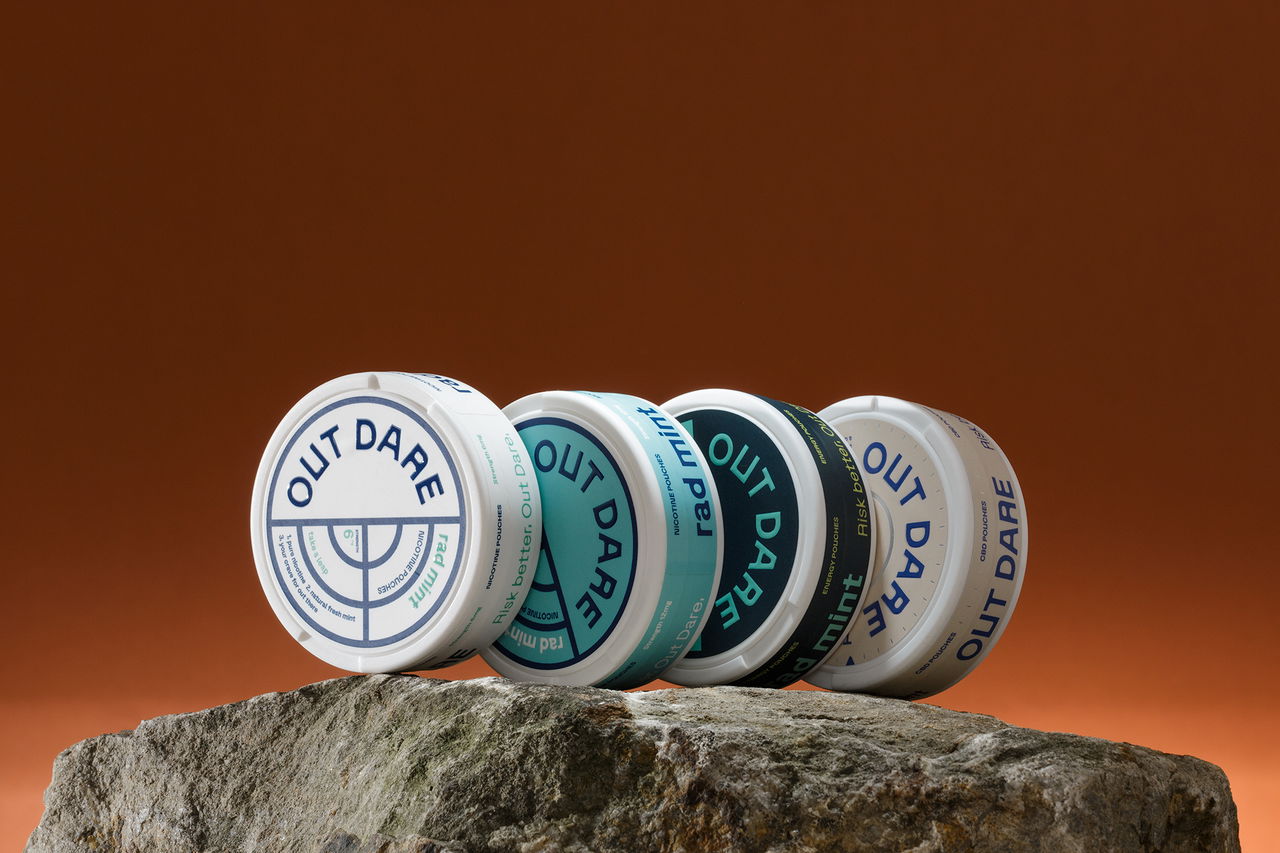
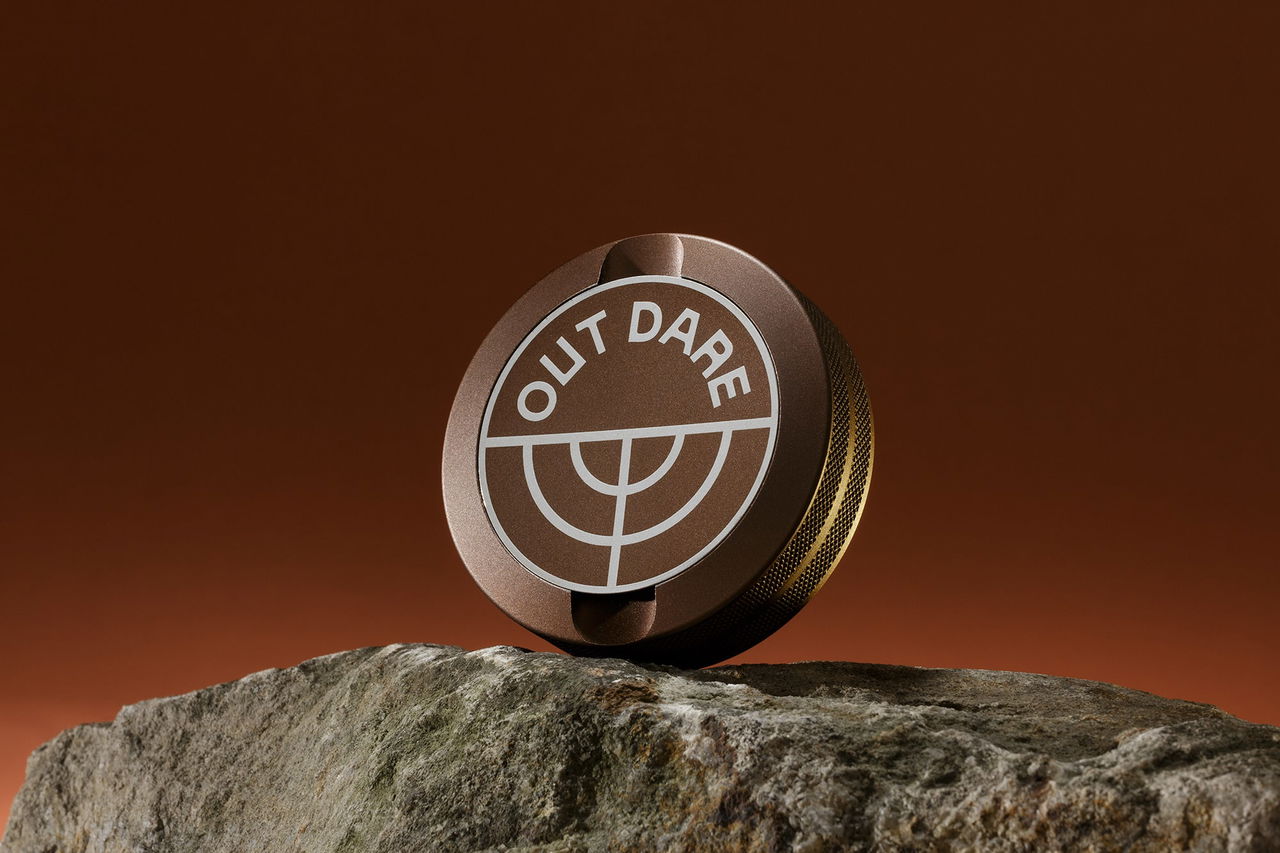
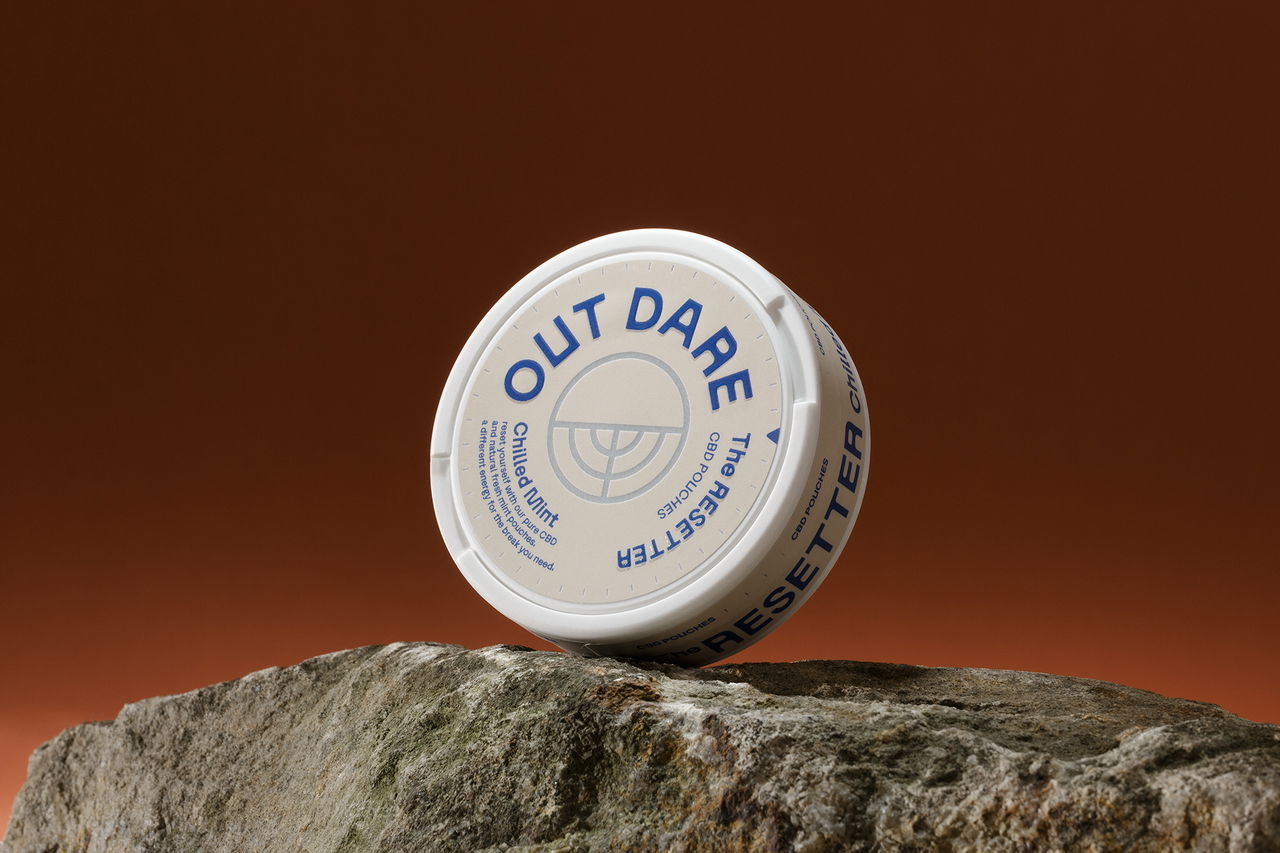
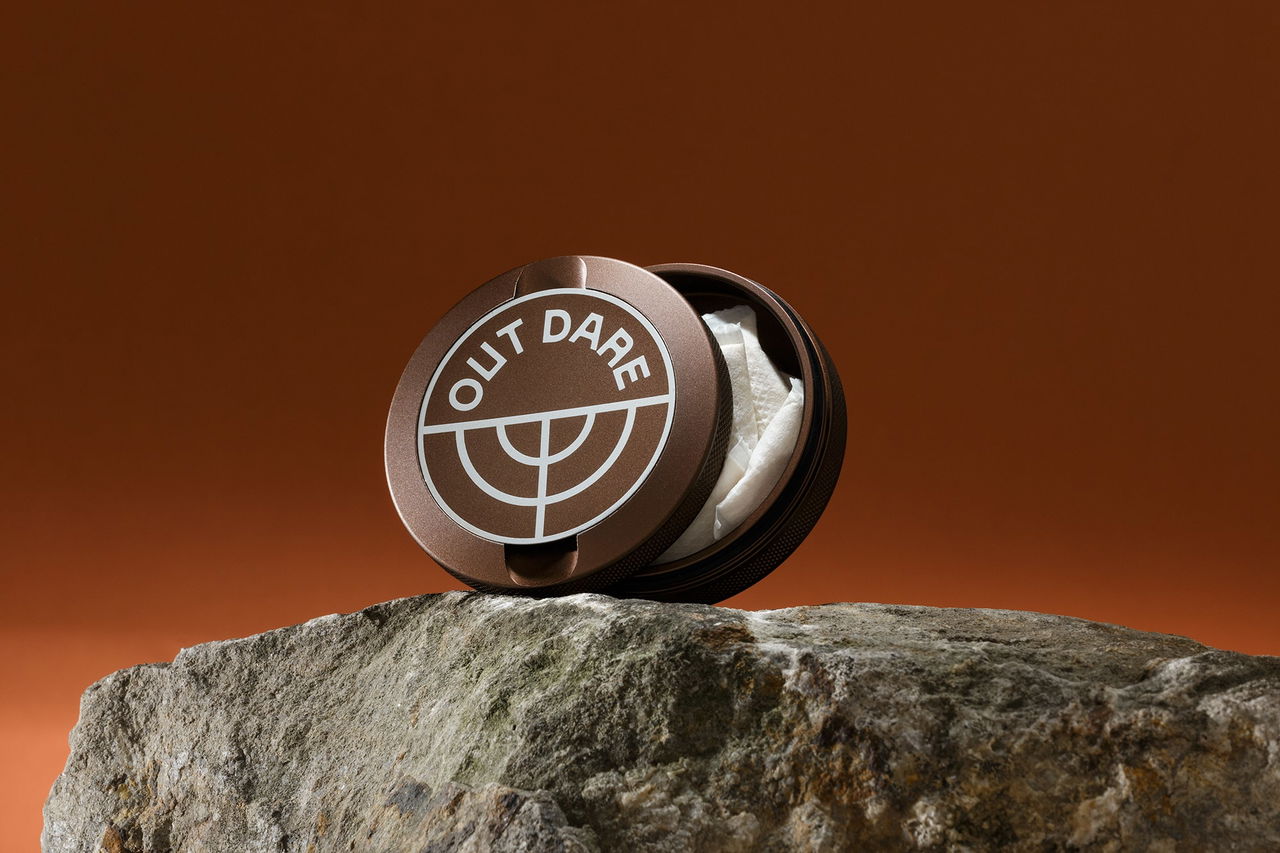
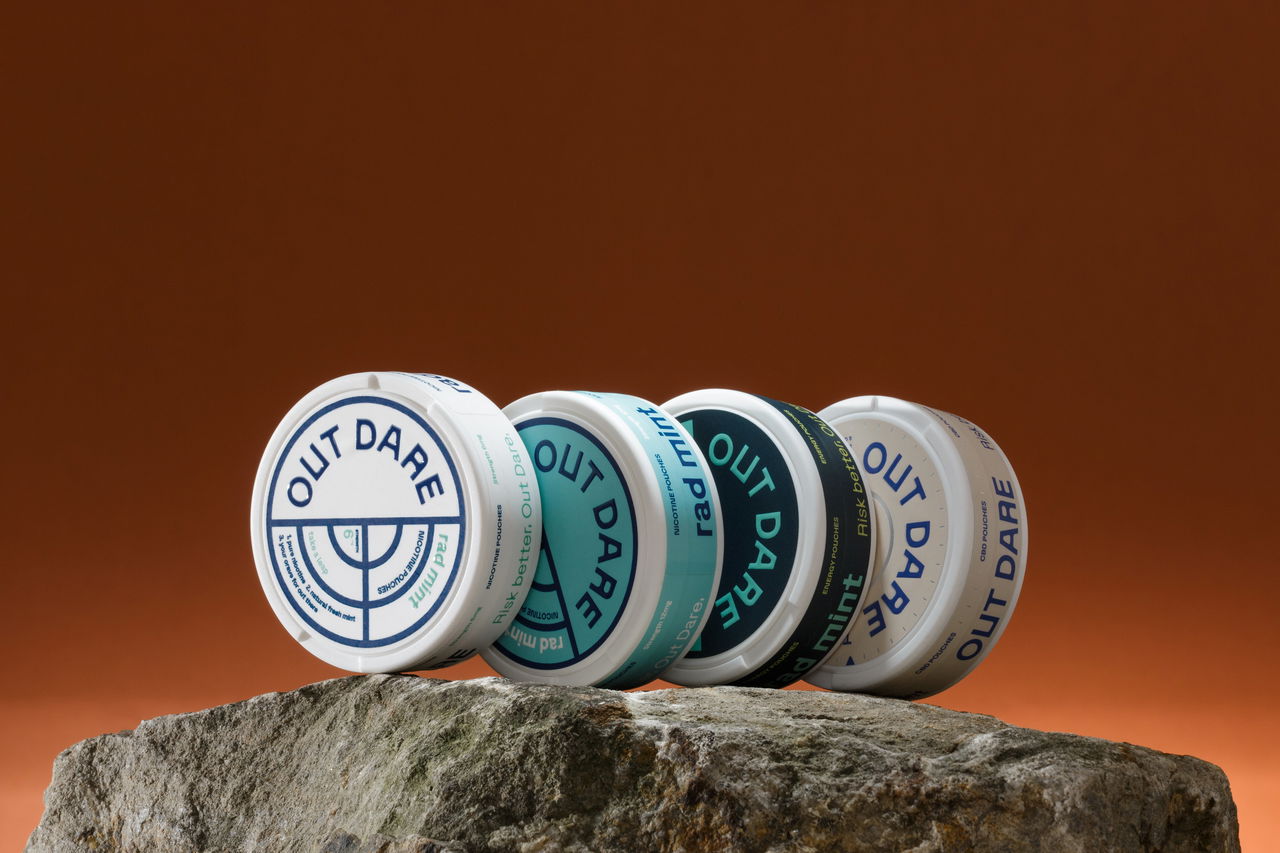
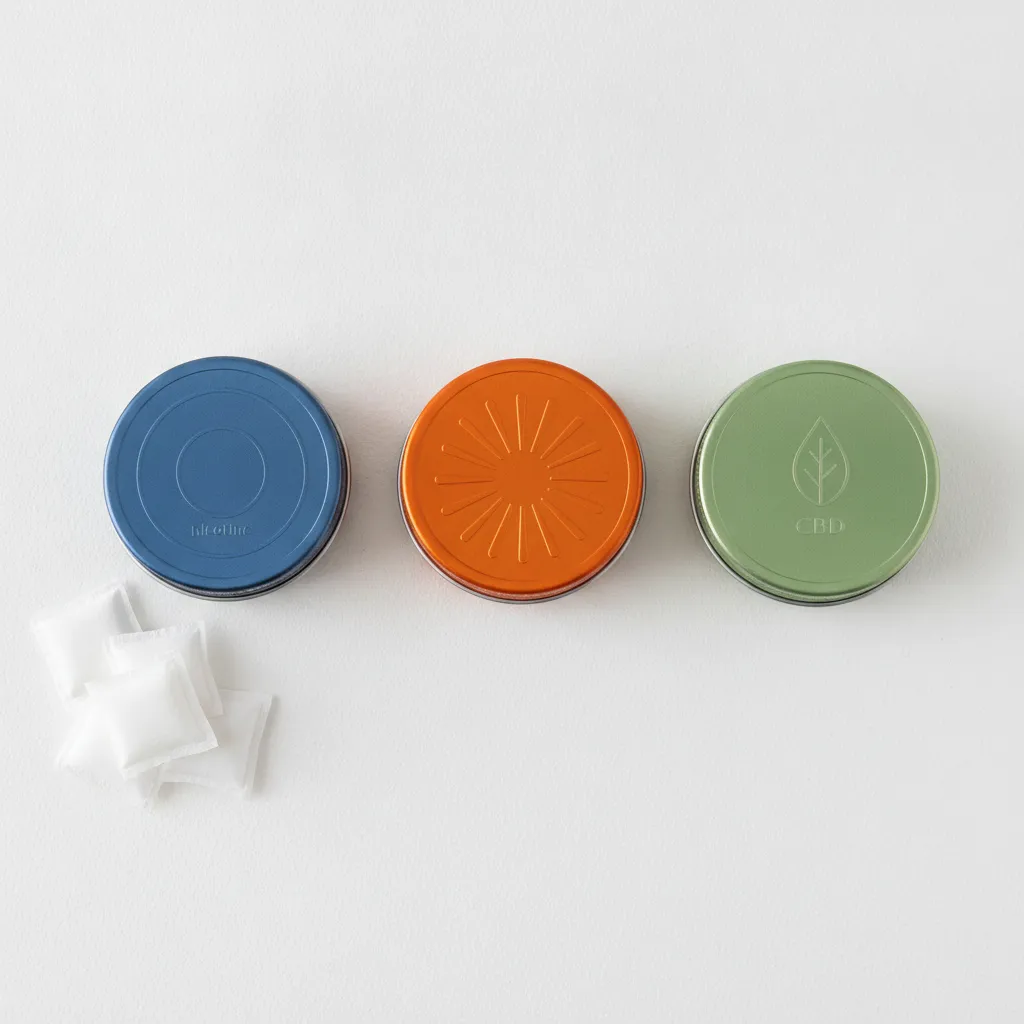
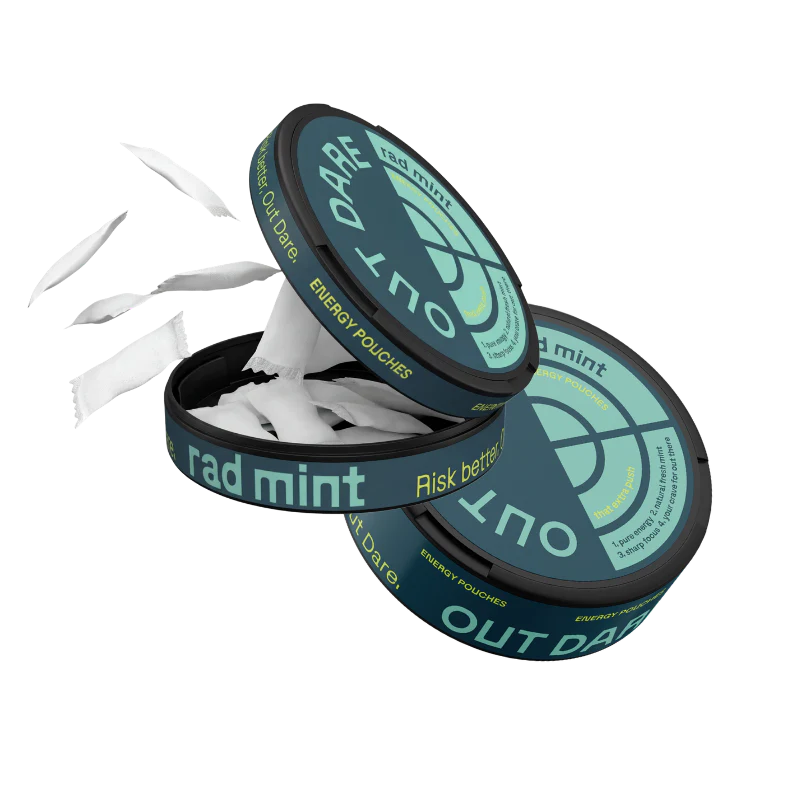
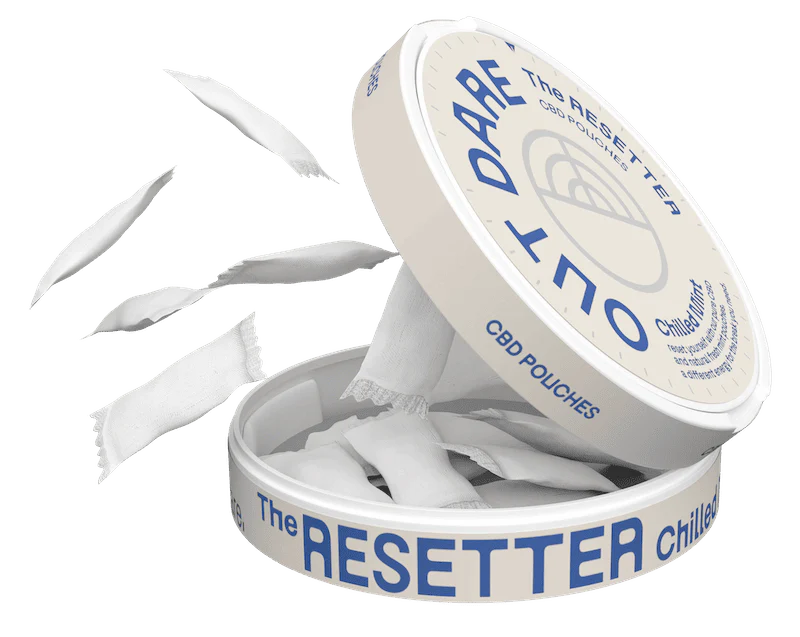
This is the framework behind the Outdare system. Three pouches — Clean Nicotine (6mg, 12mg, or 15mg), Energy (50mg caffeine with nootropics, zero nicotine), and CBD (zero nicotine) — all formulated to deliver the exact same mint flavor, physical pillow sensation, and gum burn. Your brain can't distinguish between them by feel. So you keep the ritual intact while you quietly reduce the nicotine.
Pro Tip: Track which situations trigger your pouch use — morning coffee, post-lunch, work stress, evening wind-down. These situational triggers are behavioral, not chemical. Replacing nicotine pouches with an identical-feeling alternative during these specific moments is far more effective than trying to resist the urge entirely.
The EX Program, a research-backed smoking cessation resource, recommends practicing "mini quits" — extending the time between pouches — as a core strategy for reducing nicotine pouch dependency [4]. This aligns directly with the 30/30/30 approach: you're training your brain to tolerate the gap, not white-knuckling through it.
The Sensory Substitution Principle
Sensory substitution (using a product with identical sensory properties to replace a dependency-driving substance) is a well-established behavioral principle in habit change research. The key requirement is sensory parity — the replacement must feel, taste, and behave like the original. Generic nicotine gum or patches fail this test entirely for pouch users. A sensorially matched non-nicotine pouch doesn't.
The Best Quit Nicotine Pouches Method for 2026: 7 Proven Approaches
There are seven distinct quit nicotine pouches methods, ranging from abrupt cessation to structured substitution systems. The right approach depends on your current daily nicotine intake, how long you've been using, and whether you're quitting entirely or reducing to a sustainable level.
The 7 Methods Ranked by Effectiveness
- Ritual substitution with sensory-matched alternatives — Replace nicotine pouches with identical-feeling non-nicotine pouches (Energy or CBD variants) to satisfy the 60% habit and sensory addiction while eliminating the chemical component. Highest long-term success rate for heavy users.
- Structured step-down dosing — Progressively reduce nicotine strength (e.g., 15mg to 12mg to 6mg) over 4-6 weeks before transitioning to zero-nicotine alternatives. Minimizes acute withdrawal symptoms.
- Taper by frequency — Keep the same strength but reduce daily pouch count by 1-2 per week. Slower than strength tapering but easier for users who rely on specific situational triggers.
- Hybrid substitution — Combine strength tapering with ritual substitution: use lower-strength nicotine pouches for high-craving moments and non-nicotine alternatives for routine situational triggers. The most flexible approach for variable-use patterns.
- NRT (nicotine replacement therapy) transition — Switch from pouches to patches, gum, or lozenges to reduce oral ritual dependency before full cessation. Healthline notes that NRTs provide controlled nicotine doses to reduce craving intensity, though they don't replicate the oral pouch experience [5].
- Behavioral therapy + cessation support — Use structured programs like the EX Program alongside physical reduction methods. Adds accountability and coping strategies for withdrawal triggers [4].
- Cold turkey — Stopping all nicotine use abruptly. Fastest path to zero nicotine but carries the highest relapse risk, particularly for users consuming more than 10 pouches per day.
| Method | Best For | Withdrawal Intensity | Typical Timeline | Ritual Preserved? |
|---|---|---|---|---|
| Ritual substitution | Heavy users (1+ can/day) | Low | 4-6 weeks | Yes |
| Step-down dosing | High-strength users (12-15mg) | Low-Moderate | 4-8 weeks | Yes |
| Taper by frequency | Moderate users (8-12/day) | Moderate | 6-10 weeks | Partial |
| Hybrid substitution | Variable-use patterns | Low-Moderate | 4-6 weeks | Yes |
| NRT transition | Users open to non-pouch formats | Moderate | 8-12 weeks | No |
| Behavioral therapy | Users with high psychological dependency | Variable | 8-16 weeks | No |
| Cold turkey | Light users (<5/day) | High | 1-3 weeks | No |
According to community discussions on Reddit's r/QuittingJUUL, many users find that replacing the pouch with gum placed under the lip helps bridge the oral habit gap — a grassroots version of the sensory substitution principle [6]. A sensorially matched non-nicotine pouch takes this further by replicating the burn and mouthfeel that gum can't deliver.
The 4-Week Step-Down Plan: How to Execute It
The 4-week step-down plan is a structured quit nicotine pouches method that combines strength reduction with ritual substitution, targeting a 60-90% reduction in nicotine intake within the first month. It works by addressing the chemical and behavioral components of addiction on separate tracks.
Week-by-Week Breakdown
- Week 1 — Audit and baseline: Track every pouch you use for seven days. Note the time, situation, and what you were feeling. This reveals your trigger map — the specific moments where the habit is most automatic. If you're on 15mg pouches, continue at your current strength but start substituting one or two daily pouches with a zero-nicotine alternative during low-craving moments (mid-afternoon, evening).
- Week 2 — Strength reduction: Drop one nicotine level (e.g., 15mg to 12mg). Simultaneously increase the proportion of non-nicotine pouches to roughly 30-40% of your daily total. Use the nicotine pouch only for your highest-craving triggers — morning, post-meal, high-stress moments. Everything else gets a substitute.
- Week 3 — Invert the ratio: Drop to 6mg nicotine pouches. Now the majority of your daily pouches (60-70%) should be non-nicotine alternatives. Reserve nicotine for two or three specific daily moments where the craving is still strong. Notice that the ritual itself feels satisfying even without the nicotine hit — that's the 30/30/30 rule working in your favor.
- Week 4 — Near-zero nicotine: Use nicotine pouches only once or twice per day, at your strongest remaining trigger moments. All other situations get a non-nicotine alternative. By the end of week 4, most users are at 1-2 nicotine pouches daily versus their original 15-20.
The Truth Initiative recommends that users on 6mg or 9mg pouches transition to 3mg to ease into quitting and minimize withdrawal symptoms — the same step-down logic applies across all strength levels [1].
Pro Tip: Don't try to reduce strength and frequency at the same time in the same week. Change one variable at a time. Reducing strength in week 2 and frequency in week 3 keeps withdrawal symptoms manageable and gives your body time to recalibrate before the next reduction.
What to Do When Cravings Hit
Cravings during a structured quit plan are almost always situational, not purely chemical. When one hits, run through this sequence:
- Identify the trigger: Is this a time-of-day trigger, a stress trigger, or a social trigger?
- Reach for your non-nicotine alternative first. Place it, let the burn and mouthfeel do their job.
- Wait four minutes. Most acute cravings peak and begin to fade within that window.
- If the craving is still overwhelming after four minutes, use a low-strength nicotine pouch. Don't white-knuckle it — that's how relapse happens.
- Log what triggered it. Patterns in your trigger map will reveal which situations need the most attention in the following week.
At Outdare LTD, we've found that users who keep a simple daily log during their first two weeks reduce their relapse rate significantly compared to those who quit "by feel." The data gives you leverage over the habit.
Nicotine Pouch Withdrawal Timeline: What to Expect Week by Week
Nicotine pouch withdrawal follows a predictable timeline: symptoms are most intense in the first 3-5 days, begin to ease by day 10-14, and largely resolve within 3-4 weeks for most users. Understanding this timeline prevents the most common mistake — quitting during the peak and interpreting the discomfort as a sign the method isn't working.
Day-by-Day Symptom Progression
| Phase | Timeframe | Common Symptoms | What Helps |
|---|---|---|---|
| Acute onset | Hours 1-24 | Restlessness, mild anxiety, urge to reach for a pouch | Sensory substitute, hydration, short walks |
| Peak withdrawal | Days 2-5 | Irritability, difficulty concentrating, headaches, strong cravings, disrupted sleep | Non-nicotine pouches, exercise, structured routine |
| Stabilization | Days 6-14 | Cravings less frequent, mood improves, energy begins returning | Trigger map review, continued substitution |
| Recovery | Weeks 3-4 | Occasional cravings, improved sleep, clearer thinking, gum sensitivity reducing | Maintain ritual with zero-nicotine alternatives |
| Post-acute | Weeks 5-12 | Situational cravings in high-stress periods, otherwise minimal symptoms | CBD pouch for stress moments, behavioral awareness |
MD Anderson Cancer Center addiction specialists note that the best strategy for managing nicotine withdrawal is to have a plan in place before you try to quit — not to start managing symptoms reactively after they hit [2]. This is why the trigger audit in week one of the 4-week plan is non-negotiable.
The Benefits You'll Notice as Withdrawal Resolves
- Brain fog clears within 1-2 weeks of significant nicotine reduction
- Gut discomfort (a common side effect of high-frequency pouch use) typically resolves within 2-3 weeks
- Sleep quality improves noticeably, often within the first 10 days
- Gum sensitivity and recession slow down as oral tissue recovers
- Energy levels stabilize without the crash-and-crave cycle that high nicotine intake creates
- Anxiety reduces — counterintuitively, nicotine dependency creates more anxiety than it relieves, as each craving produces a stress response
Community reports on Reddit consistently describe the first two weeks as the hardest and weeks three through four as a turning point where quitting starts to feel achievable rather than miserable [6]. That matches the physiological timeline.
How to Choose the Right Quit Method for You
Choosing the right quit nicotine pouches method depends on three variables: your current daily nicotine intake, how long you've been using, and whether preserving the oral ritual matters to you. Get these three factors right and you can match yourself to the method with the highest probability of success.
Decision Framework
- If you use 15+ pouches per day at 12-15mg: Ritual substitution combined with step-down dosing is your best starting point. The chemical load is too high for cold turkey to be realistic, and the ritual is too deeply ingrained to ignore. Start with the hybrid approach and move to full substitution by week three.
- If you use 8-14 pouches per day at 6-12mg: Step-down dosing with increasing substitution ratios is the most practical path. You have enough flexibility to reduce strength and frequency simultaneously if you're motivated, but the single-variable approach is safer.
- If you use fewer than 8 pouches per day at 6mg: Frequency tapering or a direct transition to zero-nicotine alternatives is achievable within 2-3 weeks. Cold turkey is more viable at this level, though substitution still outperforms it for long-term abstinence.
- If you've failed cold turkey before: Stop trying cold turkey. The data is clear — it has the lowest long-term success rate for established pouch users. Switch to a substitution-based method. The goal is to make quitting feel boring, not heroic.
- If the ritual is as important as the nicotine: You need a sensorially matched replacement, not a patch or gum. The oral habit is a genuine component of the dependency, and ignoring it is the single most common reason structured quit attempts fail.
Pro Tip: If you're also exploring nicotine-free pouches or caffeine pouches as substitutes, prioritize finding options that match your current pouch's burn intensity and mouthfeel — not just the flavor. Sensory parity is what makes substitution work. Flavor alone isn't enough.
One limitation worth acknowledging: results vary significantly based on individual nicotine metabolism, stress levels, and social environment. Some users reduce by 90% in four weeks; others take eight. The method is the same — the timeline isn't. What matters is that you're moving in the right direction, not how fast you get there.
For users who've been exploring tobacco-free alternatives more broadly, the substitution framework applies across formats — the principle is the same whether you're transitioning from cigarettes, vaping, or pouches. The ritual is always the anchor.

Sources & References
- Truth Initiative, "What to know about quitting Zyn," 2024
- MD Anderson Cancer Center, "Addiction specialist: How to manage nicotine withdrawal," 2023
- Kick It California, "Pouches," 2024
- EX Program, "How to Quit Zyn and Other Nicotine Pouches," 2024
- Healthline, "Nicotine Withdrawal Tips: Patches, Cold Turkey and More," 2023
- Reddit r/QuittingJUUL, "Quitting Zyns: Any Advice Or Insight?," 2022
- NicPouch, "Quitting Nicotine Pouches," 2024
Frequently Asked Questions
1. What is the most effective quit nicotine pouches method for heavy users?
The most effective quit nicotine pouches method for heavy users (one can or more per day) is ritual substitution combined with step-down dosing. This means progressively reducing nicotine strength from 15mg to 12mg to 6mg over four weeks while simultaneously replacing an increasing proportion of daily pouches with sensorially identical non-nicotine alternatives. This approach addresses both the chemical and behavioral components of dependency, which is why it outperforms cold turkey for established users.
2. How long does nicotine pouch withdrawal last?
Physical withdrawal symptoms from nicotine pouches typically peak between days 3 and 5 and begin to ease significantly by day 10-14. Most users report that the acute phase — irritability, headaches, strong cravings, and sleep disruption — resolves within 2-4 weeks. Situational cravings (triggered by specific habits or stress) can persist for several weeks beyond that but become progressively less intense with each week of maintained reduction.
3. Is cold turkey a realistic option for quitting nicotine pouches?
Cold turkey is realistic for light users (fewer than 5-8 pouches per day at 6mg or below), but it carries a high relapse rate for heavy users. The primary reason is that abrupt cessation removes both the chemical and the ritual simultaneously, creating an intense, unsupported withdrawal experience. If you've already tried cold turkey and relapsed, a structured substitution method is a more evidence-aligned path forward. According to NicPouch, there's no single correct method — the best one is the one you can actually stick to [7].
4. Can caffeine or energy pouches help when quitting nicotine pouches?
Yes — caffeine pouches (particularly those containing nootropics like L-Theanine and Alpha-GPC alongside caffeine) are an effective sensory substitute during nicotine reduction. They replicate the oral ritual and, if formulated to match the burn and mouthfeel of nicotine pouches, satisfy the 60% habit-and-sensory component of the addiction. Many users report that energy pouches are most useful during the morning and midday triggers, where nicotine was previously used for focus rather than pure craving relief.
5. What are the benefits of quitting nicotine pouches?
Users who successfully reduce or eliminate nicotine pouch use consistently report: clearer thinking and reduced brain fog within 1-2 weeks, improved sleep quality within 10 days, reduced gut discomfort and nausea, slower gum recession and improved oral health, more stable daily energy (without the crash-and-crave cycle), and lower anxiety levels. The anxiety reduction surprises many users — nicotine dependency creates a stress response with every craving, so eliminating the dependency removes a significant source of daily stress.
6. Do nicotine patches or gum work for quitting pouches?
Nicotine patches and gum can help manage the chemical component of withdrawal, but they don't address the oral ritual that pouch users depend on. Kick It California notes that NRT products are not FDA-approved specifically for nicotine pouch cessation, and many pouch users find them unsatisfying because they don't replicate the under-lip sensation or the burn [3]. They work better as a supplementary tool alongside a ritual substitution approach than as a standalone quit method for established pouch users.
7. How do I handle the situational triggers that make me reach for a pouch?
Situational triggers — morning coffee, post-meal, work stress, driving — are behavioral, not chemical. The most effective approach is to map your triggers during the first week of your quit plan, then deliberately introduce a non-nicotine substitute during each trigger moment. Over time, the brain reassociates the trigger with the substitute rather than the nicotine pouch. This is the core mechanism behind habit substitution and why a sensorially matched alternative is so much more effective than willpower alone during these moments.
Conclusion
The right quit nicotine pouches method isn't about suffering through withdrawal or relying on willpower. It's about understanding what you're actually addicted to — and addressing all three components, not just the nicotine. The 30/30/30 rule makes this concrete: 60% of your dependency is the ritual and the burn, and you can satisfy that 60% with a non-nicotine alternative that feels identical. That leaves only the chemical 30% to manage, which is a far more achievable challenge.
The 4-week step-down plan gives you a structured path: audit your triggers, reduce strength progressively, and increase your substitution ratio week by week. Most users who follow this method reduce their nicotine intake by 60-90% within the first month — not by white-knuckling it, but by working with how habit change actually works.
Outdare LTD was built specifically for this problem. Three pouches — Clean Nicotine, Energy, and CBD — all sharing the same mint taste, burn, and mouthfeel, so your brain stays in the ritual while you quietly phase out the chemical dependency. If you've tried quitting before and relapsed, you don't need more willpower. You need a better system. Risk Better. Out Dare.
Recommended Articles
Explore more from our content library: