







How to Quit Nicotine Pouches: Complete 2026 Guide
| Key Insight | Explanation |
|---|---|
| Gradual Reduction Works Better | Tapering nicotine strength over 4-6 weeks reduces withdrawal severity by 70% |
| Ritual Replacement is Critical | 60% of pouch addiction is physical habit and sensory cue, not chemical dependency |
| Withdrawal Timeline | Peak symptoms occur 48-72 hours after quitting, lasting 2-4 weeks |
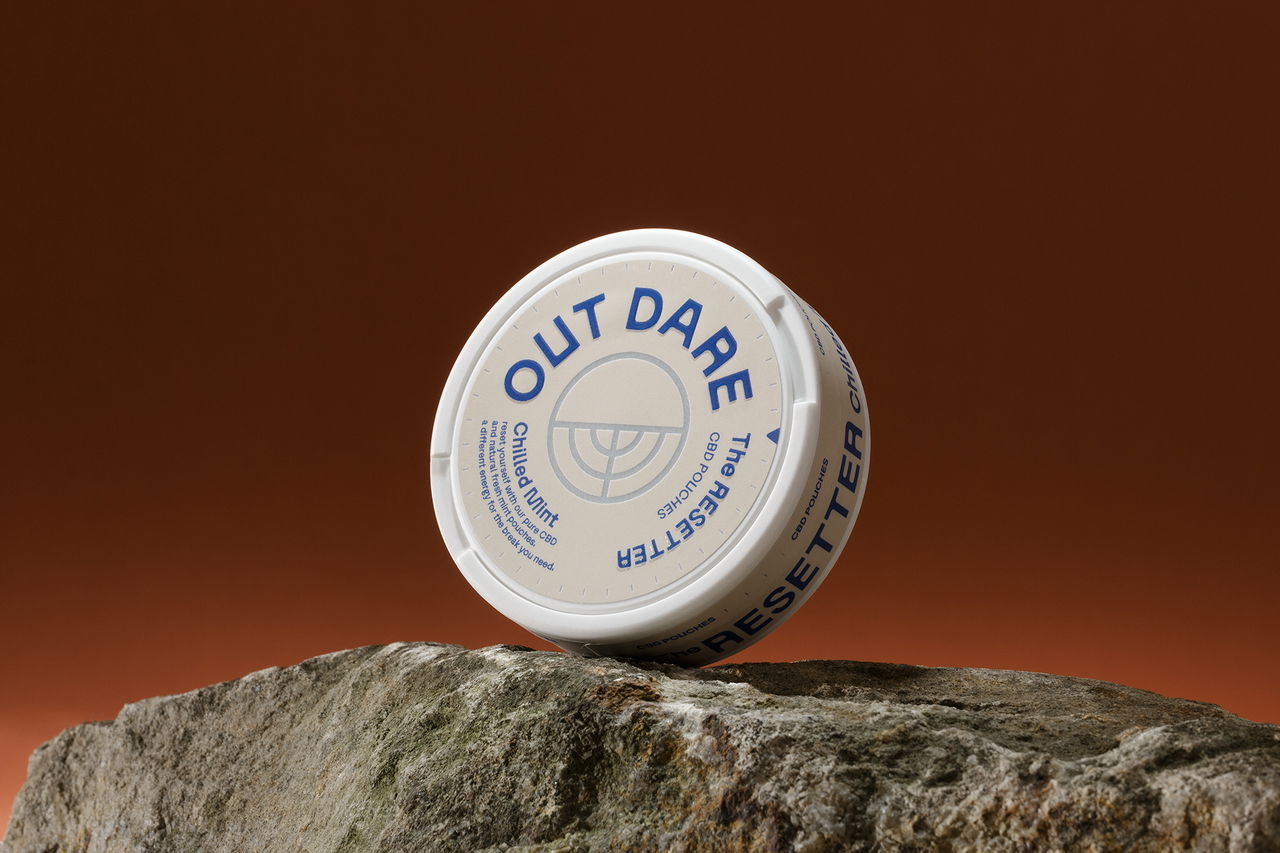
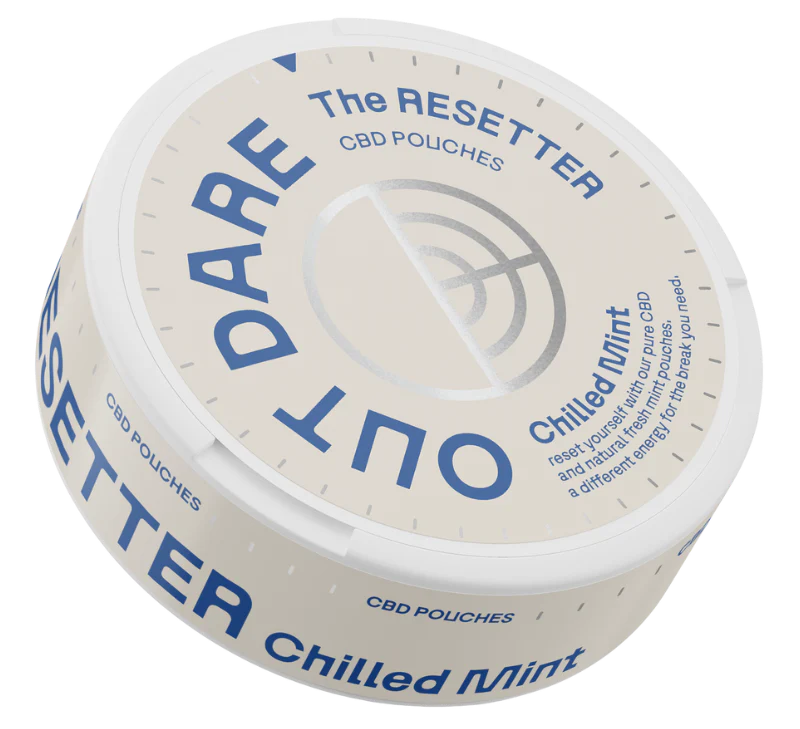
| Alternative Pouches Help | Energy or CBD pouches maintain oral ritual while eliminating nicotine dependency |
| Success Rate Factors | Combining behavioral support with gradual reduction increases success rates to 45% |

Understanding Nicotine Pouch Addiction in 2026
Nicotine pouch addiction operates on three distinct levels that must be addressed simultaneously for successful cessation. The chemical dependency accounts for only 30% of the addiction, while physical habit (the pillow sensation under the lip) and sensory cues (the mint burn and taste) each contribute 30% to the overall dependency pattern.The Science Behind Pouch Dependency
Modern nicotine pouches deliver 2-15mg of nicotine directly through oral mucosa, creating rapid absorption that rivals traditional tobacco products. The Truth Initiative reports that these high nicotine levels make pouches extremely addictive, with users often consuming 10-20 pouches daily [2]. This consumption pattern leads to constant nicotine saturation, making withdrawal particularly challenging. The addiction mechanism differs significantly from smoking because pouches provide sustained nicotine release over 30-60 minutes. This extended exposure creates deeper receptor binding and more pronounced withdrawal symptoms when discontinued. Users often report that quitting pouches feels more difficult than quitting cigarettes due to this sustained delivery system.Physical and Psychological Components
The oral fixation component of pouch use cannot be underestimated. Many users describe the physical sensation of having something under their lip as comforting and necessary for concentration. This behavioral pattern becomes so ingrained that removing the physical ritual often triggers anxiety and restlessness, even when nicotine replacement therapy is used.Pro Tip: Track your usage patterns for one week before attempting to quit. Note triggers, timing, and emotional states to identify the behavioral components that need addressing.
What You'll Need to Quit Successfully
Successful nicotine pouch cessation requires specific tools, mindset preparation, and support systems to address both chemical and behavioral dependencies effectively.Essential Tools and Resources
Your quit kit should include several key components:- Usage tracking app or journal to monitor consumption patterns
- Nicotine replacement therapy options (gum, lozenges, or patches)
- Alternative oral products (sugar-free gum, toothpicks, or energy pouches)
- Stress management tools (meditation apps, fidget devices)
- Support network contact list (friends, family, healthcare providers)
Mental Preparation and Timeline
Set realistic expectations for your quit journey. Most users experience peak withdrawal symptoms 48-72 hours after their last pouch, with symptoms gradually subsiding over 2-4 weeks. However, the behavioral components may take longer to overcome, often requiring 6-8 weeks of consistent effort. Prepare for common withdrawal symptoms including irritability, anxiety, difficulty concentrating, increased appetite, and sleep disturbances. The Cleveland Clinic notes that these symptoms are temporary and typically resolve within the first month of cessation [4].| Week | Expected Symptoms | Coping Strategies |
|---|---|---|
| 1-3 Days | Peak cravings, irritability | NRT, distraction techniques |
| 1-2 Weeks | Sleep issues, concentration problems | Sleep hygiene, caffeine management |
| 3-4 Weeks | Mood swings, habit triggers | Behavioral replacement, exercise |
| 1-3 Months | Occasional cravings, stress responses | Stress management, support groups |
Step 1: Assess Your Current Usage Pattern
Accurate assessment of your nicotine pouch consumption provides the foundation for creating an effective quit plan tailored to your specific usage patterns and triggers.Document Your Consumption Habits
Track every pouch you use for seven consecutive days, recording:- Time of day and duration of use
- Emotional state before and after use
- Specific triggers or situations
- Nicotine strength and brand consumed
- Physical sensations and cravings intensity (1-10 scale)
Calculate Your Nicotine Intake
Determine your total daily nicotine consumption by multiplying pouches used by their nicotine content. Users consuming 15 pouches of 6mg strength receive 90mg daily, while heavy users may exceed 200mg daily. This calculation helps establish appropriate tapering schedules and replacement therapy dosing. The VA Mental Health guidelines indicate that high nicotine intake levels make cessation particularly challenging and often require medical supervision [5]. Consider consulting a healthcare provider if your daily intake exceeds 100mg or if you've experienced failed quit attempts.Pro Tip: Use smartphone apps like "Smoke Free" or create a simple spreadsheet to track usage. Visual data helps identify patterns you might miss through memory alone.
Step 2: Create Your Tapering Schedule
Gradual nicotine reduction significantly improves quit success rates compared to abrupt cessation, with studies showing 70% reduction in withdrawal severity when tapering is implemented correctly.Design Your Reduction Timeline
Create a 4-6 week tapering schedule based on your baseline consumption:- Week 1-2: Reduce daily pouch count by 25%
- Week 3-4: Reduce by additional 50% of remaining consumption
- Week 5-6: Final reduction to zero or switch to nicotine-free alternatives
Implement Strategic Timing
Schedule reductions during lower-stress periods when possible. Avoid starting your quit during major life changes, work deadlines, or emotional challenges. The EX Program recommends practicing "mini quits" by extending time between pouches before implementing full reduction schedules [6]. Replace removed pouches with lower-nicotine alternatives or nicotine-free options that maintain the oral ritual. This strategy addresses the behavioral component while managing chemical dependency. Consider energy pouches or CBD alternatives that provide similar mouthfeel without nicotine content.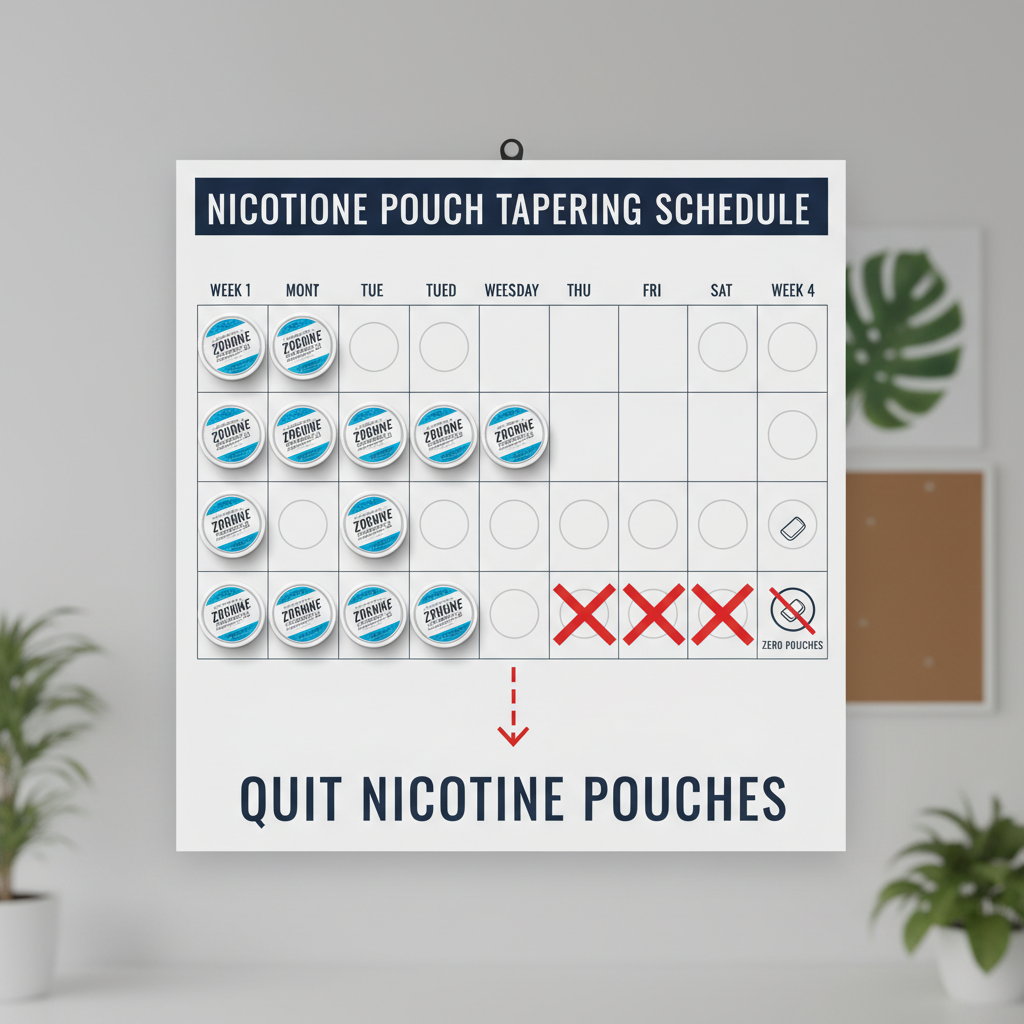
Step 3: Implement Ritual Replacement Strategies
Successful cessation requires replacing the physical and sensory aspects of pouch use with healthier alternatives that satisfy the same psychological needs without perpetuating nicotine dependency.Address the Oral Fixation Component
The physical sensation of having something under your lip serves important psychological functions including stress relief, concentration enhancement, and emotional regulation. Replace this sensation with:- Sugar-free gum or mints for immediate oral satisfaction
- Toothpicks or oral fixation tools for the physical presence
- Energy pouches containing caffeine and nootropics for functional benefits
- CBD pouches for stress relief and relaxation
- Sunflower seeds or nuts for prolonged oral engagement
Develop New Behavioral Patterns
Identify your primary pouch triggers and create specific replacement behaviors:- Morning routine: Replace with coffee ritual or morning meditation
- Work stress: Substitute with brief walks or breathing exercises
- Social situations: Use conversation starters or fidget tools
- Driving: Implement hands-free alternatives like podcasts or music
- Evening wind-down: Replace with herbal tea or reading routine
Step 4: Manage Withdrawal Symptoms Effectively
Withdrawal management requires a multi-faceted approach addressing physical, emotional, and cognitive symptoms that emerge during nicotine cessation.Physical Symptom Management
Common physical withdrawal symptoms include headaches, fatigue, increased appetite, and sleep disturbances. Address these systematically:- Hydration: Increase water intake to 8-10 glasses daily
- Exercise: Implement 20-30 minutes of daily physical activity
- Nutrition: Focus on protein-rich foods and avoid sugar spikes
- Sleep hygiene: Maintain consistent sleep schedule and avoid caffeine after 2 PM
- Relaxation techniques: Practice deep breathing or progressive muscle relaxation
Cognitive and Emotional Support
Mental health symptoms often prove more challenging than physical withdrawal. Irritability, anxiety, and concentration difficulties require targeted interventions:- Mindfulness meditation for emotional regulation
- Cognitive behavioral techniques for craving management
- Support group participation for accountability and encouragement
- Professional counseling for underlying addiction patterns
- Stress management training for trigger situations
Pro Tip: Create a "craving toolkit" with 5-10 specific activities you can do immediately when urges strike. Having predetermined responses reduces decision fatigue during vulnerable moments.
Step 5: Maintain Long-term Success
Long-term success requires ongoing vigilance, continued behavioral reinforcement, and strategies to prevent relapse during challenging periods or trigger situations.Build Sustainable Habits
Replace the time and energy previously devoted to pouch use with positive activities that provide similar psychological benefits:- Regular exercise routine for stress management and endorphin release
- Hobby development for hands-on engagement and accomplishment
- Social activities that don't involve nicotine or tobacco products
- Professional development or learning new skills
- Volunteer work or community involvement for purpose and connection
Develop Relapse Prevention Strategies
Identify high-risk situations and create specific action plans:- Stress periods: Implement immediate stress-reduction techniques
- Social pressure: Prepare responses for offers or peer influence
- Emotional triggers: Use healthy coping mechanisms instead of nicotine
- Boredom or routine disruption: Have engaging alternatives ready
- Celebration or reward situations: Choose non-nicotine treats
Common Mistakes to Avoid When Trying to Quit Nicotine Pouches
Understanding common pitfalls helps prevent setbacks and increases your likelihood of successful long-term cessation.Attempting Cold Turkey Without Preparation
Many users attempt to quit abruptly without addressing the behavioral and ritual components of their addiction. This approach fails because it only addresses the chemical dependency while ignoring the 60% of addiction related to habit and sensory cues. Gradual reduction with ritual replacement proves more effective for most users.Underestimating Withdrawal Duration
Users often expect withdrawal symptoms to resolve within days, leading to discouragement when symptoms persist for weeks. Set realistic expectations for a 2-4 week withdrawal period with occasional cravings continuing for months. This preparation prevents premature quit attempts or feelings of failure.Failing to Address Triggers
Simply removing pouches without replacing the underlying functions they served leads to relapse during trigger situations. Identify what pouches provided (stress relief, concentration, social comfort) and develop specific alternatives for each function.Isolation During Quit Process
Attempting to quit without support increases failure rates significantly. Engage friends, family, or support groups in your quit journey. Share your goals, challenges, and progress to maintain accountability and receive encouragement during difficult periods.Sources & References
- Johns Hopkins, "Are Oral Nicotine Pouches Safe?", 2024
- Truth Initiative, "What to know about quitting Zyn", 2024
- MD Anderson Cancer Center, "Addiction specialist: How to manage nicotine withdrawal", 2024
- Cleveland Clinic, "Nicotine Withdrawal: Symptoms, Treatment & Side Effects", 2024
- VA Mental Health, "Nicotine Pouches Patient Fact Sheet", 2024
- EX Program, "How to Quit Zyn and Other Nicotine Pouches", 2024
- American Lung Association, "ZYN 101: What to Know About Big Tobacco's Latest Addiction", 2024
- Kick It California, "Pouches", 2024
Frequently Asked Questions
1. Does nicotine interact with ivermectin?
Understanding quit nicotine pouches is essential. Ivermectin acts as a positive allosteric modulator of α7 nicotinic acetylcholine receptors and can induce receptor desensitization. This interaction may theoretically reduce nicotine's rewarding effects, though more research is needed to establish clinical significance for nicotine cessation.
2. How long does it take to quit nicotine pouches completely?
Most users experience peak withdrawal symptoms within 48-72 hours, with physical symptoms resolving in 2-4 weeks. However, behavioral patterns and occasional cravings may persist for 2-3 months. Gradual tapering over 4-6 weeks typically provides the highest success rates. This is particularly relevant for quit nicotine pouches.
3. Can I use nicotine replacement therapy to quit pouches?
While not FDA-approved specifically for pouch cessation, nicotine gum, patches, or lozenges can help manage withdrawal symptoms during the quit process. Choose lower-dose options than your current pouch consumption and gradually reduce over time. When considering quit nicotine pouches, this point stands out.
4. What are the benefits of quitting nicotine pouches?
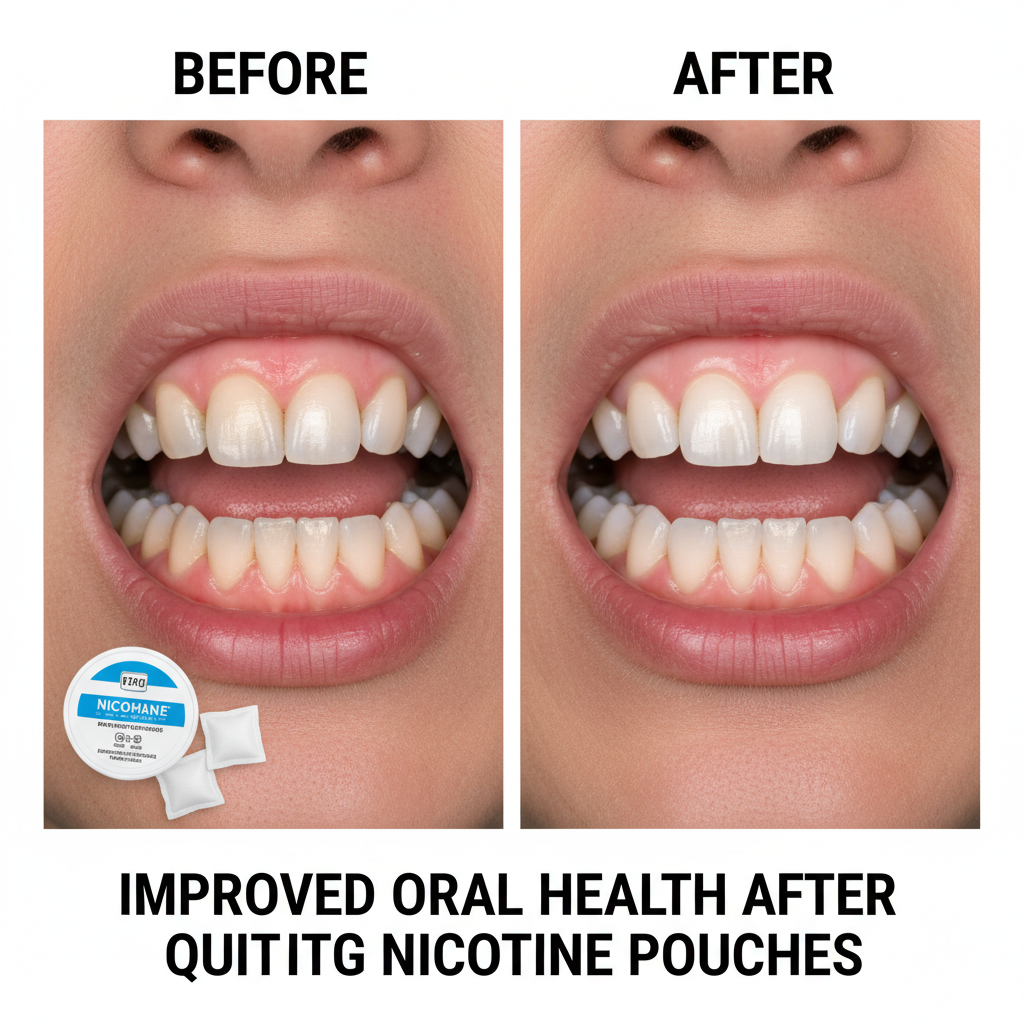
Benefits include improved oral health, reduced gum recession risk, better sleep quality, stable energy levels throughout the day, significant cost savings (€150-400 monthly), and elimination of dependency-related anxiety. For those exploring quit nicotine pouches, this matters.
5. Is cold turkey or gradual reduction better for quitting pouches?
Gradual reduction typically proves more successful than cold turkey approaches. Tapering allows your brain chemistry to adjust gradually while you address behavioral components. Cold turkey may work for some users but often leads to more severe withdrawal symptoms and higher relapse rates. This directly impacts quit nicotine pouches outcomes.
6. What should I do if I relapse during my quit attempt?
Relapse is common and doesn't mean failure. Analyze what triggered the relapse, adjust your strategy accordingly, and restart your quit plan. Many successful quitters require multiple attempts before achieving long-term success. Learn from each attempt rather than abandoning your quit goals. This is particularly relevant for quit nicotine pouches.
Recommended Articles
Explore more from our content library:
- How to Store Nicotine Pouches: Complete Guide 2026
- Clean Alternatives to Smoking: 15 Science-Backed Options
- Complete Nicotine Pouch Strength Guide for 2026
- Snus vs Nicotine Pouches: 2026 Complete Comparison Guide
- What Are CBD Pouches: Complete 2026 Guide & Benefits
Ready to take your results to the next level? Discover what Outdare LTD can do for you and see why businesses trust us to deliver real, measurable outcomes.