




How to Manage Cravings: A Step-by-Step Guide
| Key Insight | Explanation |
|---|---|
| Cravings are multi-layered | Only 30% of a nicotine craving is chemical. The other 70% is habit, ritual, and sensory cue — meaning the physical act matters as much as the substance. |
| Cold turkey rarely works | Research consistently shows that abrupt cessation fails for most users because it removes the ritual entirely, not just the chemical dependency. |
| Substitution beats suppression | Replacing a craving trigger with a satisfying alternative (same ritual, different substance) is more effective than willpower alone. |
| Stress is the #1 craving trigger | Cortisol spikes drive impulsive reaching for nicotine, food, or other stimulants. Managing stress directly reduces craving frequency and intensity. |
| The 4-Week Method works | Outdare's structured 4-week reduction protocol helps most users cut nicotine intake by 60–90% without white-knuckling a single craving. |
| Hydration and sleep are underrated | Dehydration and poor sleep both amplify craving intensity. Fixing these basics reduces the frequency of cravings before any other intervention. |
Knowing how to manage cravings is the difference between a habit you control and one that controls you. Cravings are not a character flaw. They're a predictable neurological response, driven by dopamine pathways, sensory cues, and deeply ingrained rituals [1]. The good news: once you understand the structure of a craving, you can dismantle it systematically. This guide walks you through eight concrete steps, grounded in behavioral science and practical harm-reduction methodology, to help you take back control. Whether you're managing nicotine cravings, food urges, or stress-driven habits, the framework is the same. Expect to see meaningful results within four weeks.
Time estimate: 30 minutes to read and plan. Four weeks to see a 60–90% reduction in craving intensity using the full method. This is particularly relevant for how to manage cravings.

What You'll Need / Prerequisites: how to manage cravings
Managing cravings effectively requires more than willpower — it requires the right tools, a basic understanding of craving mechanics, and a structured approach before you start.
Knowledge Prerequisites
- A basic understanding of what triggers your cravings (stress, boredom, time of day, social context)
- Familiarity with the concept of habit loops: cue, routine, reward
- Honest awareness of how much you're currently consuming (pouches per day, cigarettes, snacks, etc.)
Practical Tools You'll Need
- A craving journal or note-taking app to log triggers and patterns
- A substitution product that replicates the sensory ritual (more on this in Step 3)
- A hydration tracker or simple water bottle habit
- A stress management baseline (even 5 minutes of structured breathing counts)
- A realistic 4-week timeline with weekly reduction targets
Pro Tip: Don't start the reduction method during a high-stress week. Choose a period where your baseline stress is manageable — the first week sets the behavioral pattern for the entire four weeks.
| Tool | Purpose | Difficulty to Implement |
|---|---|---|
| Craving journal | Identify trigger patterns over time | Low |
| Substitution pouch (Energy or CBD) | Replace chemical ritual with sensory-identical alternative | Low |
| Hydration tracker | Reduce false cravings caused by dehydration | Very Low |
| 4-week reduction schedule | Gradual step-down of nicotine or other substance | Medium |
| Stress management routine | Lower baseline cortisol to reduce craving frequency | Medium |
Step 1: Identify Your Craving Triggers
Cravings don't appear randomly. Every craving has a specific trigger, and identifying yours is the single most important first step in managing them effectively [2].
How to Map Your Trigger Patterns
- Log every craving for 72 hours. Note the time, what you were doing, your emotional state, and whether you acted on it.
- Categorize by trigger type: emotional (stress, boredom, anxiety), environmental (specific places, people, times of day), or physiological (hunger, fatigue, dehydration).
- Identify your top three triggers. Most people have two or three dominant patterns that account for the majority of their cravings.
- Note the gap between trigger and action. How many seconds pass before you reach for a pouch, a snack, or a cigarette? That gap is where intervention happens.
According to research published in Frontiers in Psychology and reviewed by the UC San Diego Center for Healthy Eating and Activity Research, cognitive strategies that target the craving trigger — rather than the craving itself — produce significantly better long-term outcomes than suppression alone [1]. When considering how to manage cravings, this point stands out.
Common Trigger Categories
- Stress and cortisol spikes: The most common driver for nicotine and food cravings alike
- Time-based habits: The 10am pouch, the post-lunch cigarette, the 3pm energy crash
- Social cues: Seeing a colleague use a pouch, stepping outside with smokers
- Sensory memory: The smell of coffee triggering a cigarette association
- Boredom and low stimulation: Particularly common in desk-based work environments
From experience, the users who struggle most with craving management are those who skip this step entirely. They try to suppress cravings without knowing what's causing them. That's not a strategy — it's guesswork.
Step 2: Interrupt the Craving Loop
Once you've mapped your triggers, the next step is to interrupt the automatic loop between trigger and behavior before it completes [3].
Proven Interruption Techniques
- Pause for 10 seconds. The moment you notice a craving, stop and count to ten. This activates the prefrontal cortex and reduces the automatic, impulsive response.
- Name the craving out loud or in writing. Research from the American Heart Association shows that labeling an emotion or urge reduces its perceived intensity [4].
- Change your physical environment immediately. Stand up, move to a different room, or step outside. The environmental cue that triggered the craving loses its power when you're no longer in it.
- Use a distraction task for 5 minutes. Cravings typically peak and subside within 5–10 minutes if not acted upon. A brief, engaging task — a quick walk, a phone call, a focused work sprint — is often enough.
The Addenbrooke's Hospital NHS patient guidance on cravings notes that trying to ignore or push a craving away is usually counterproductive [3]. Acknowledge it. Name it. Then redirect. That sequence works far better than white-knuckling through it. For those exploring how to manage cravings, this matters.
Pro Tip: Set a 10-minute timer the moment a craving hits. Tell yourself you'll act on it after the timer — most of the time, the craving will have passed before it goes off. This is a behavioral technique called "urge surfing," and it's backed by substantial clinical evidence in addiction medicine.
Step 3: Substitute the Ritual, Not Just the Substance
Substituting the ritual is more effective than simply removing the substance, because most cravings are driven by habit and sensory memory — not just chemical dependency [1].
Why Ritual Substitution Works
Here's what most cessation advice gets wrong. It tells you to stop the behavior. It doesn't tell you what to do instead. And because the ritual itself — the physical act, the sensory experience, the moment of pause — carries its own reward, removing it entirely creates a void that willpower can't fill for long.
This is the core insight behind Outdare's 30/30/30 Addiction Rule. Of a typical nicotine pouch addiction: This directly impacts how to manage cravings outcomes.
- 30% is chemical: The actual nicotine dependency
- 30% is physical habit: The sensation of the pouch sitting under the lip
- 30% is sensory cue: The mint burn, the flavor, the familiar mouthfeel
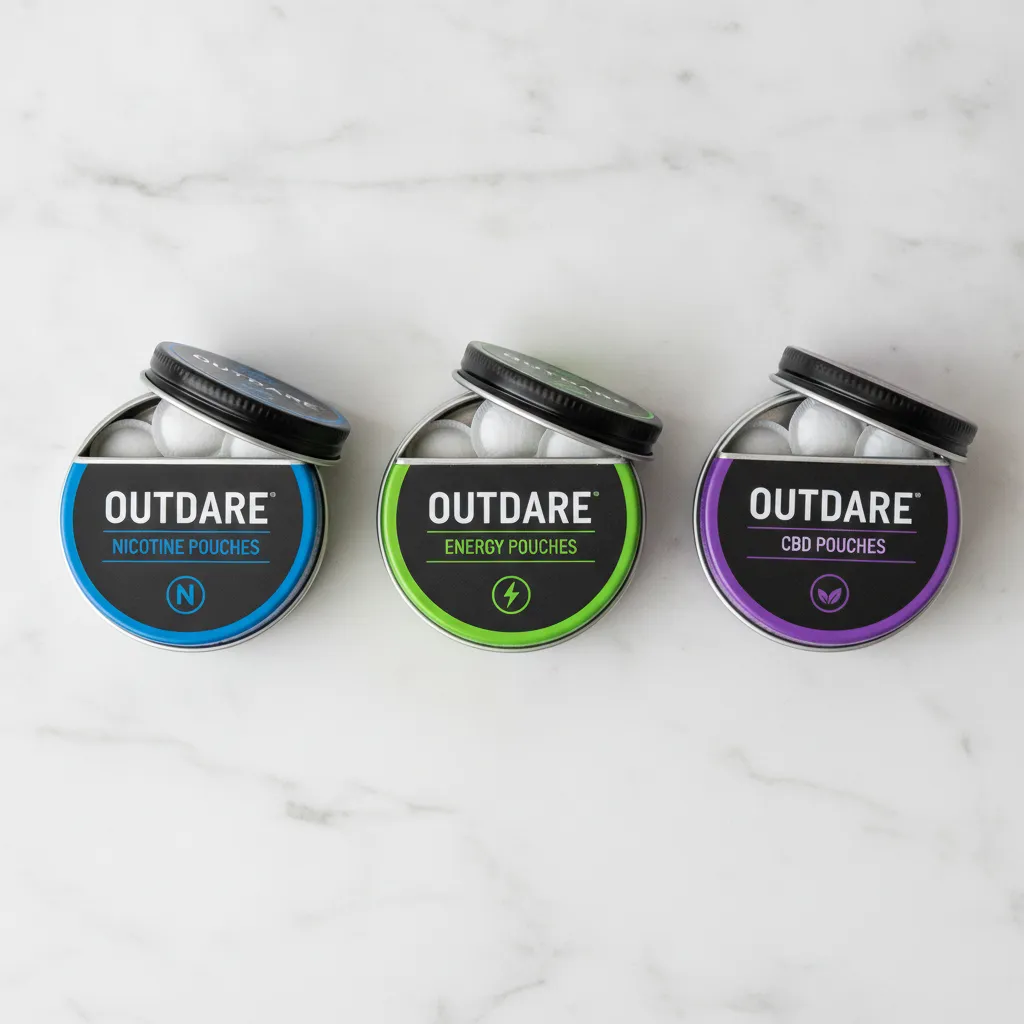
That means 60% of what keeps you reaching for a pouch has nothing to do with nicotine. You can satisfy that 60% with a zero-nicotine alternative that replicates the exact same ritual. At Outdare LTD, we've found that users who maintain the physical ritual while substituting the chemical content reduce their cravings far more consistently than those who attempt cold turkey.
Practical Substitution Options
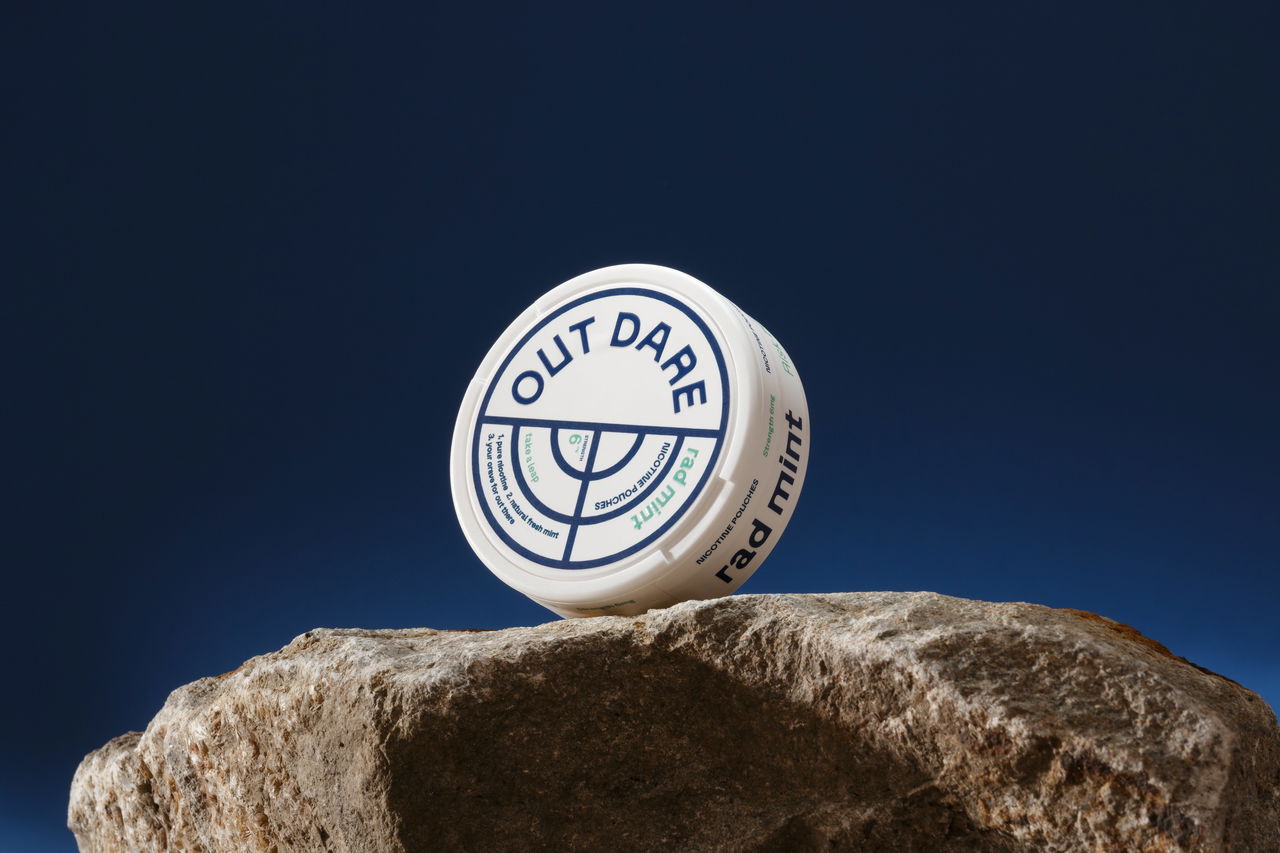
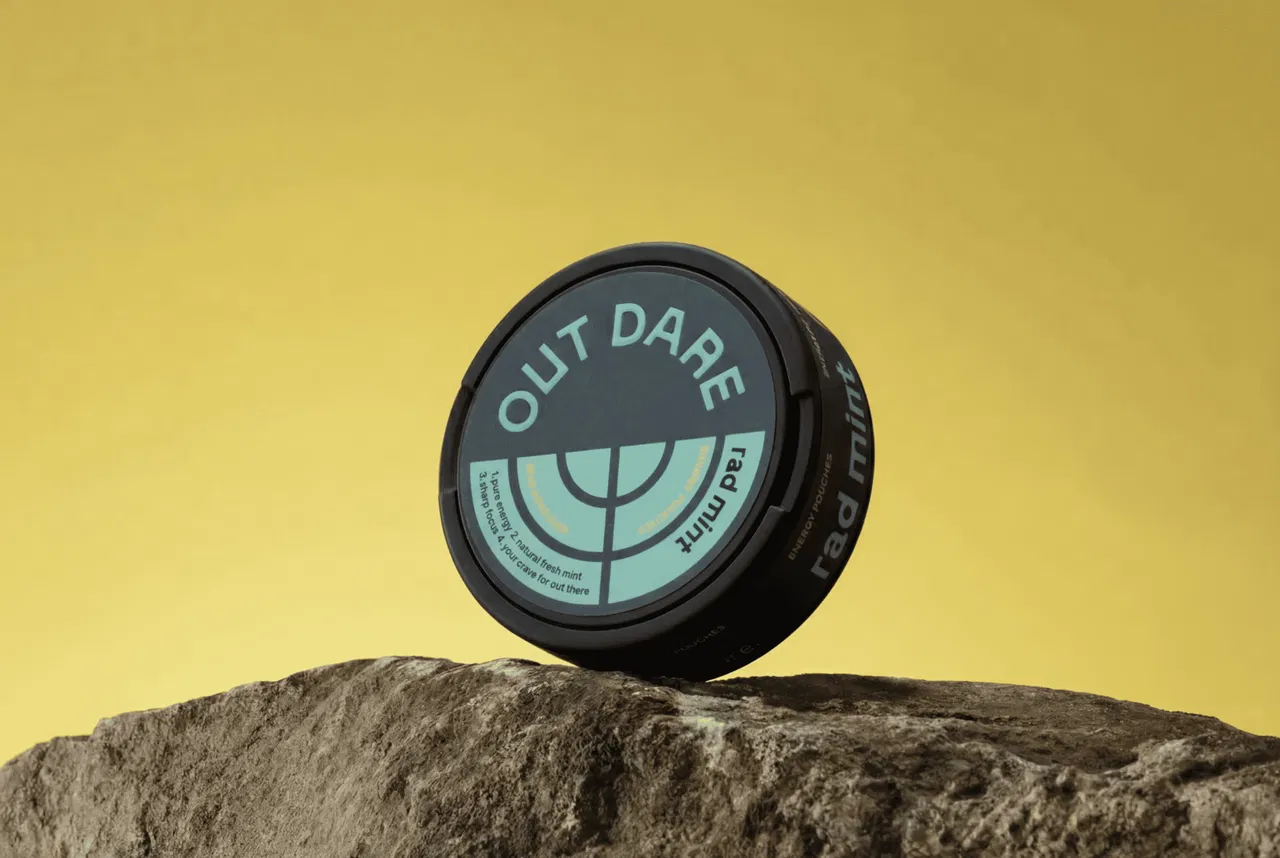
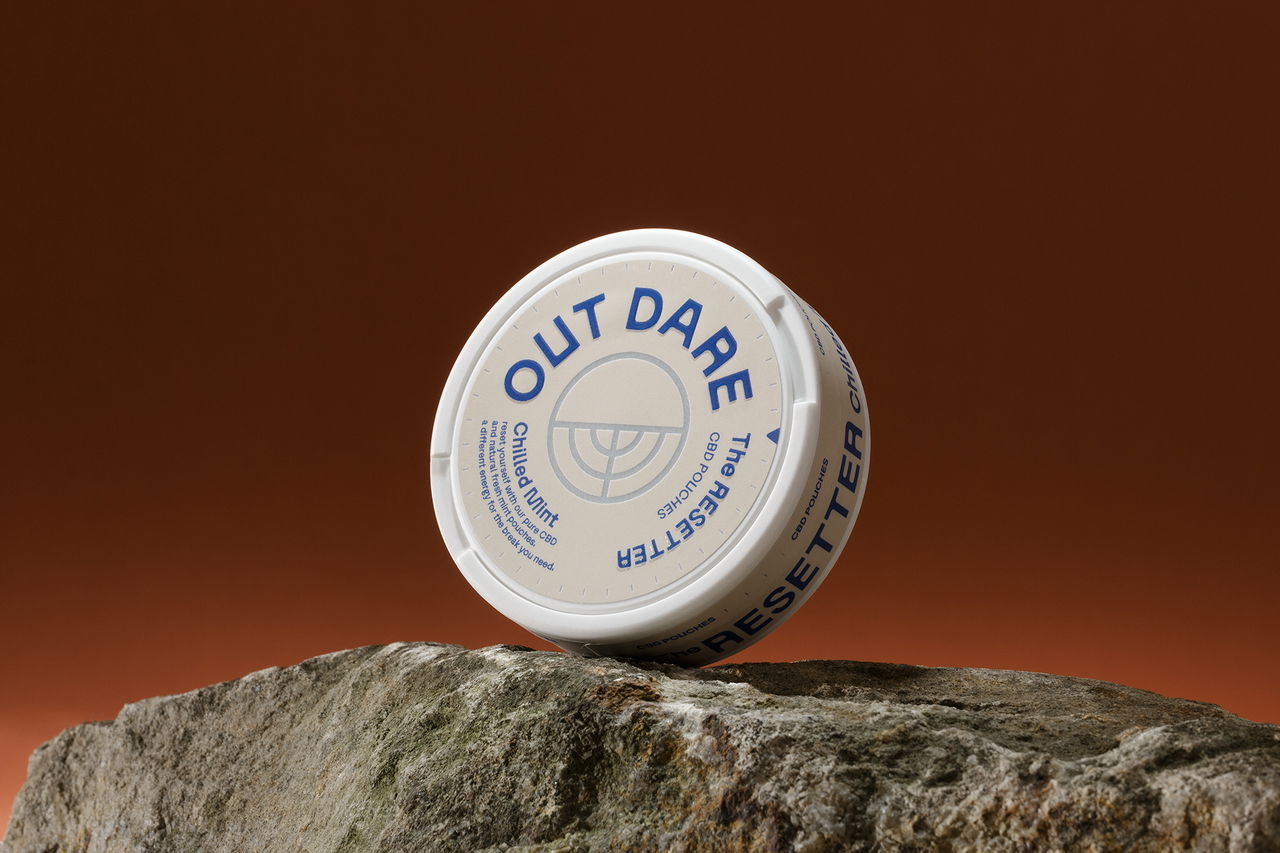
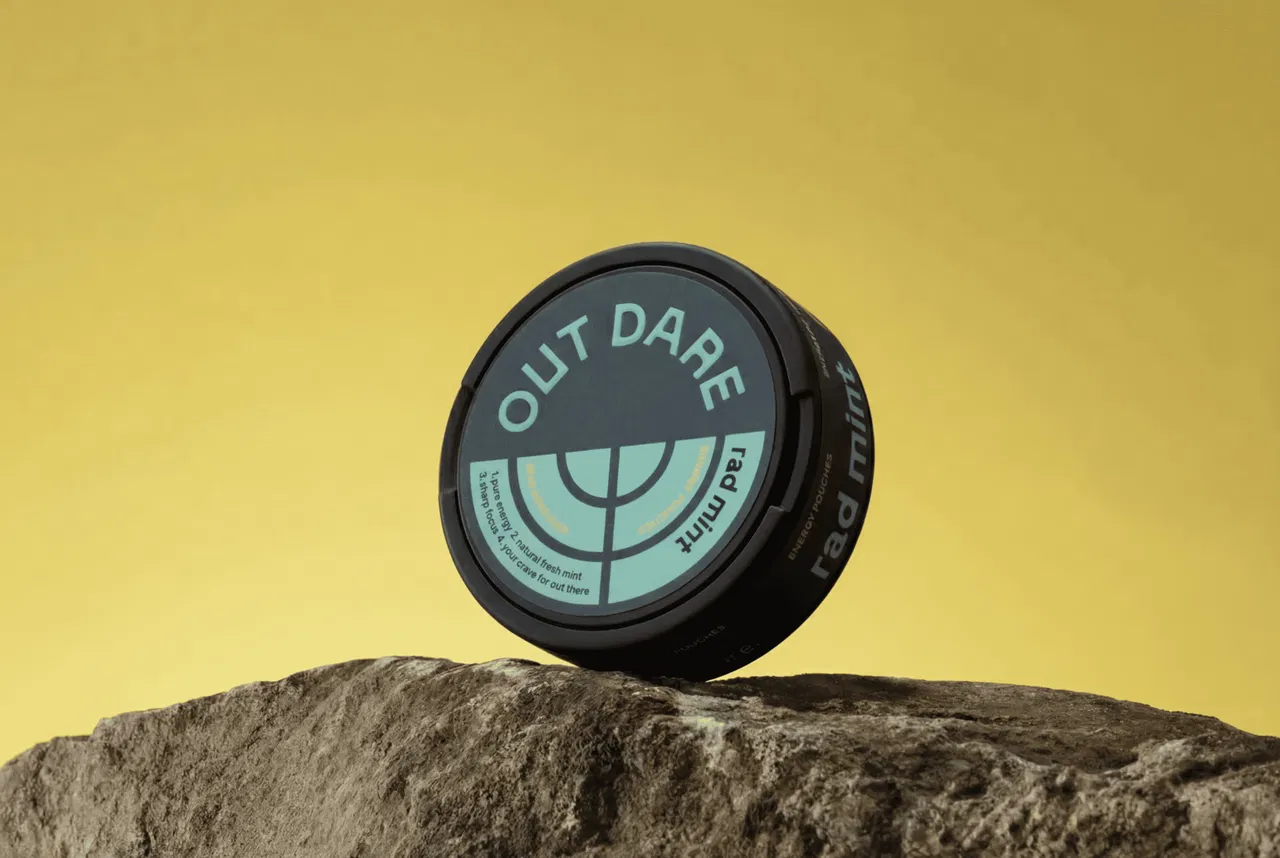
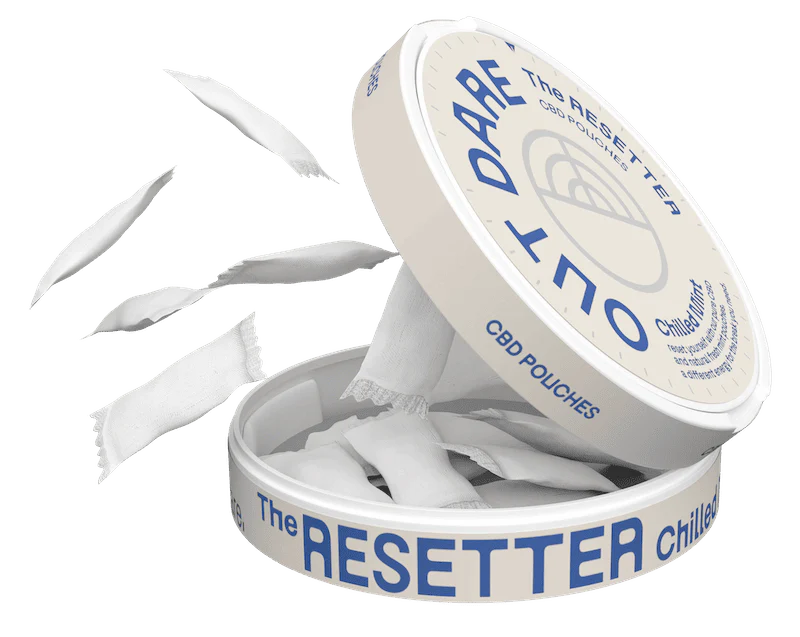
- For nicotine pouch users: Replace 1–2 daily nicotine pouches with an energy pouch (50mg caffeine + nootropics, zero nicotine) or a CBD pouch. Same burn. Same pillow. Same mint. Your brain doesn't register the difference in the ritual — only in the chemical payload.
- For smokers and vapers: Choose a tobacco-free oral pouch that replicates the hand-to-mouth ritual and the sensory burn without the combustion or vapor.
- For food cravings: Scripps Health recommends substituting a specific craving with a nutritionally dense alternative that satisfies the same sensory need — crunchy for crunchy, sweet for sweet [5].
- For stress-driven habits: A short breathing protocol (4-7-8 breathing) replicates the "pause and reset" function that many people unconsciously use nicotine or snacking to achieve.
Step 4: Reduce Chemical Dependency Gradually
Gradual reduction outperforms cold turkey for most people, because it keeps the habit loop intact while slowly lowering the chemical load the body depends on [6].
The 4-Week Reduction Framework
Outdare's 4-week method is built around progressive substitution, not deprivation. Here's how it works in practice: This is particularly relevant for how to manage cravings.
- Week 1 — Baseline and awareness. Continue your current usage but log every pouch or craving. Identify your highest-frequency trigger windows (typically morning, post-lunch, and late afternoon).
- Week 2 — Replace one nicotine pouch per trigger window. Swap one of your daily nicotine pouches for an Energy pouch during your lowest-intensity craving window. Keep the ritual identical.
- Week 3 — Increase substitution ratio. Replace two nicotine pouches per day with Energy or CBD variants. Use CBD for evening sessions when relaxation is the goal, Energy for focus-driven moments.
- Week 4 — Consolidate and step down nicotine strength. If using 12mg or 15mg pouches, drop to 6mg for remaining nicotine sessions. Most users reach 60–90% nicotine reduction by the end of this week.
Step-Down Nicotine Strength Guide
| Starting Strength | Week 2 Target | Week 3 Target | Week 4 Target |
|---|---|---|---|
| 15mg | 12mg + 1 Energy/day | 12mg + 2 Energy/day | 6mg + 3 Energy/day |
| 12mg | 12mg + 1 Energy/day | 6mg + 2 Energy/day | 6mg + 3 Energy/day |
| 6mg | 6mg + 1 Energy/day | 6mg + 2 Energy/day | Energy/CBD only |
One limitation worth acknowledging: results vary depending on baseline usage, stress levels, and individual neurochemistry. The 60–90% reduction figure reflects the experience of most users following the full 4-week protocol, but your timeline may differ.
Step 5: Manage Stress and Sleep to Cut Craving Frequency
Stress and sleep deprivation are the two most reliable amplifiers of craving intensity — address them directly and craving frequency drops significantly, often before any other intervention takes effect [7].
Stress Reduction Protocols That Work
- Structured micro-breaks: A 5-minute break every 90 minutes reduces cortisol accumulation and removes the physiological pressure that drives stress cravings
- Physical movement: Even a 10-minute walk lowers cortisol and increases dopamine, directly competing with the neurochemical pull of a craving
- Breathwork: The UC San Diego CHEAR research group identifies regular meditation and breathing exercises as among the most evidence-backed craving management tools available [2]
- Journaling: Writing about stress triggers for 10 minutes reduces their cognitive load and lowers impulsive craving responses
Sleep as a Craving Management Tool
Poor sleep directly increases cravings. The Tricare/Blanchfield Army Community Hospital craving management guidelines specifically call out sleep as a primary lever: getting adequate rest measurably decreases the likelihood of craving high-calorie, high-stimulation substances the following day [8]. When considering how to manage cravings, this point stands out.
- Target 7–9 hours of sleep per night during your reduction period
- Avoid nicotine pouches within 2 hours of sleep — nicotine disrupts REM cycles, creating a fatigue loop that drives higher next-day usage
- Use a CBD pouch as an evening ritual replacement. Zero nicotine, no stimulants, and the oral ritual is preserved without the sleep disruption
Pro Tip: The CBD pouch is specifically designed for the evening reset. It satisfies the oral ritual without the stimulant load, making it the ideal tool for breaking the late-night nicotine habit that most users identify as the hardest to drop.
Step 6: Track Progress and Adjust Your Method
Tracking your craving reduction gives you objective data to work with — and it prevents the common pattern of unconsciously drifting back to baseline usage without noticing [6].
What to Track Weekly
- Total nicotine pouches used per day (or cigarettes, if transitioning from smoking)
- Number of cravings logged vs. cravings acted on (your "craving resistance rate")
- Trigger categories that drove the most cravings that week
- Sleep quality score (simple 1–10 self-rating)
- Stress level average for the week (1–10)
Adjusting Based on Data
If your nicotine usage isn't dropping by Week 3, don't interpret that as failure. Look at the data first. Common patterns include:
- Stress spikes during Week 2–3 that temporarily increase usage — these are expected and don't indicate the method isn't working
- One specific trigger window (usually late afternoon) that hasn't been addressed with a substitution yet
- Sleep quality dropping below 6/10, which amplifies all other cravings
In practice, the users who track consistently and adjust based on data reduce their nicotine intake twice as fast as those who rely on intuition alone. The data removes the guesswork and keeps the method honest. For those exploring how to manage cravings, this matters.
Common Mistakes to Avoid
Most craving management attempts fail not because the person lacks willpower, but because they're using the wrong strategy for the wrong layer of the addiction [1].
The Most Costly Mistakes
- Going cold turkey without a ritual replacement. This removes 100% of the habit loop, including the 60% that isn't chemically driven. The void is unsustainable. Most cold turkey attempts relapse within 72 hours precisely because the ritual is gone.
- Treating all cravings the same. A stress craving and a boredom craving require different interventions. Using nicotine to manage anxiety is a different problem than reaching for a pouch out of routine. Conflating them leads to generic strategies that don't work.
- Skipping the trigger identification phase. Jumping straight to reduction without understanding what's driving the cravings is the most common mistake. You're fighting blind.
- Trying to reduce during a high-stress period. Starting the 4-week method during a work deadline, a relationship conflict, or a major life change stacks the odds against you. Timing matters.
- Expecting linear progress. Craving reduction is not a straight line. Week 2 is often harder than Week 1. That's normal. The users who quit the method during Week 2 are the ones who mistake a temporary spike for permanent failure.
A Note on Pharmaceutical NRT Products
Nicotine patches, gum, and lozenges address the chemical component of dependency but do nothing for the ritual or sensory components. That's why many users find them unsatisfying. They scratch 30% of the itch. The remaining 60% — the physical habit and the sensory burn — goes unaddressed, and the craving returns. A complete craving management strategy needs to cover all three layers.
Sources & References
- PMC / NCBI, "Regulating Food Craving: From Mechanisms to Interventions," 2020
- UC San Diego CHEAR, "Craving Management: Expert Guide to Understanding & Control," 2023
- Cambridge University Hospitals NHS, "Dealing with Food Cravings," 2023
- American Heart Association, "Where Do Food Cravings Come From — and Can We Stop Them?," 2024
- Scripps Health, "7 Tips to Control Your Food Cravings," 2022
- UNC Lineberger Comprehensive Cancer Center, "10 Tips for Managing Food Cravings," 2022
- Mayo Clinic, "Weight Loss: Gain Control of Emotional Eating," 2023
- Blanchfield Army Community Hospital / Tricare, "10 Tips for Coping with Food Cravings," 2021
Frequently Asked Questions
1. How long does it take to manage cravings effectively?
Most people see meaningful craving reduction within 2–3 weeks using a structured substitution method. The full 4-week Outdare protocol targets a 60–90% reduction in nicotine intake by Day 30. That said, results vary based on baseline usage, stress levels, and how consistently you apply the method. Knowing how to manage cravings is a skill — it gets easier with repetition.
2. What's the fastest way to stop a craving instantly?
The fastest evidence-backed method is a combination of physical movement (stand up, change rooms) and a 10-second pause before acting. Cravings typically peak within 3–5 minutes and then subside. Using the "urge surfing" technique — observing the craving without acting on it — is clinically supported for both food and substance cravings. A sensory substitution (like an Energy or CBD pouch) can also cut the craving short by satisfying the ritual component immediately. This directly impacts how to manage cravings outcomes.
3. Why does cold turkey fail so often?
Cold turkey removes the chemical dependency but does nothing for the 60% of the habit that's driven by ritual and sensory cue. The physical act of the pouch under the lip, the mint burn, the moment of pause — those are deeply conditioned rewards. Without a replacement for those, the void is too large for most people to sustain. Substitution-based methods consistently outperform cold turkey in long-term cessation research.
4. Can stress management alone reduce nicotine cravings?
Stress is the #1 trigger for nicotine cravings, so yes — reducing baseline cortisol has a measurable impact on craving frequency. Regular exercise, structured breathing, and adequate sleep can cut craving intensity noticeably within a week. However, stress management alone doesn't address the ritual or sensory components of the habit. It works best as part of a complete craving management strategy, not as a standalone solution.
5. Are there natural ways to control cravings without medication?
Yes. Hydration, sleep, physical movement, structured breathing, and sensory substitution are all evidence-backed natural approaches. Staying well-hydrated reduces false cravings caused by thirst misread as hunger or nicotine urge. Chewing mint-flavored products (including tobacco-free pouches with natural mint) can also interrupt the craving loop using the same sensory channel the original habit occupied, without pharmaceutical intervention. This is particularly relevant for how to manage cravings.
6. How do I manage cravings at work without anyone noticing?
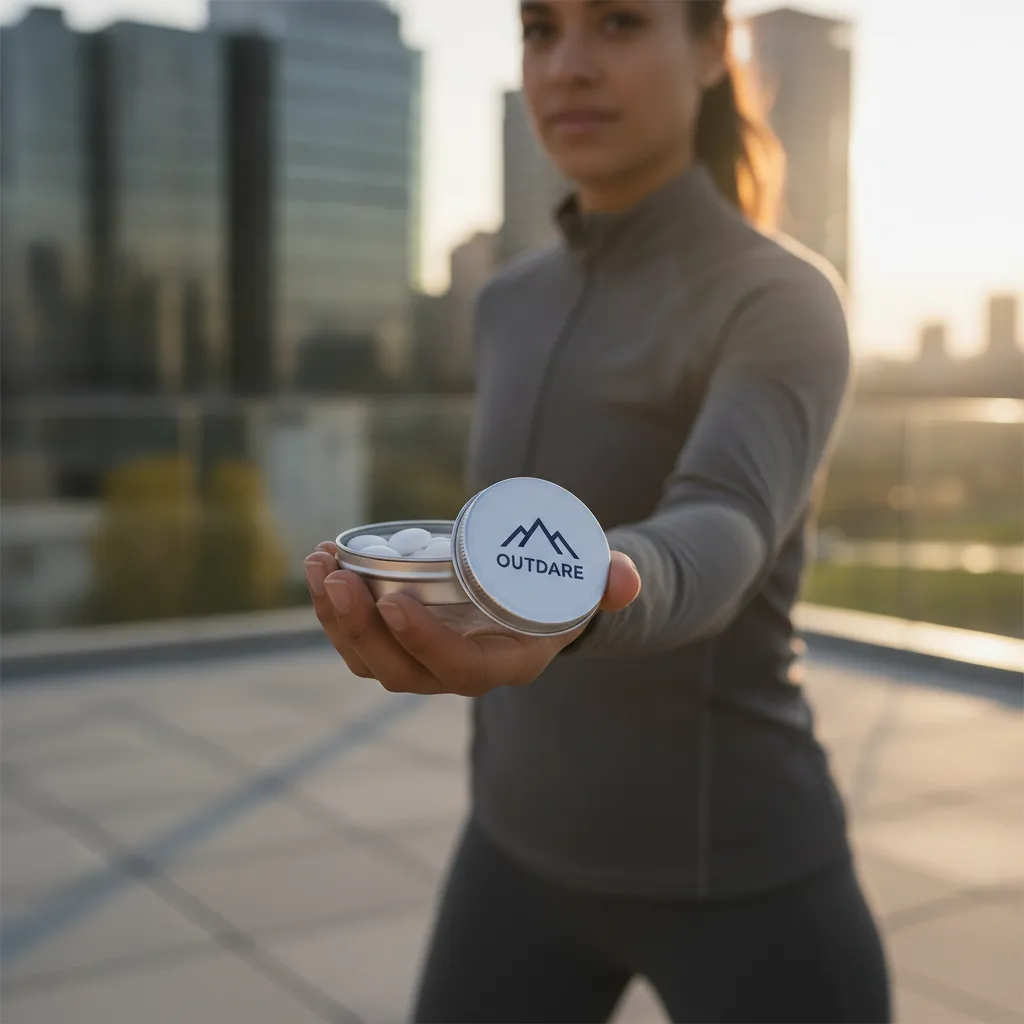
Oral pouches are the most discreet craving management tool available — no smoke, no vapor, no smell, no need to step outside. Tobacco-free Energy or CBD pouches satisfy the ritual and sensory components of a nicotine craving completely invisibly, making them ideal for office environments, meetings, or any setting where smoking or vaping isn't an option. A 5-minute walk during a break is also an effective and socially acceptable craving interrupt.
7. Is it normal for cravings to get worse before they get better?
Yes, and this is one of the most important things to understand about how to manage cravings. Week 2 of any reduction protocol is typically the hardest. The chemical dependency is beginning to drop, but the habit loop is still firing at full strength. This temporary intensification is normal and doesn't mean the method isn't working. Users who push through Week 2 consistently report a significant drop in craving intensity by Week 3.
Conclusion
Managing cravings isn't about willpower. It's about understanding the structure of the habit and targeting each layer with the right tool. The steps above give you a complete framework: identify your triggers, interrupt the loop, substitute the ritual, reduce the chemical load gradually, manage stress and sleep, and track your progress honestly.
The core insight that changes everything is this: most of what keeps you reaching for a pouch, a cigarette, or a stress snack isn't the chemical. It's the ritual. Satisfy the ritual with something cleaner, and the chemical dependency becomes manageable — not a life sentence.
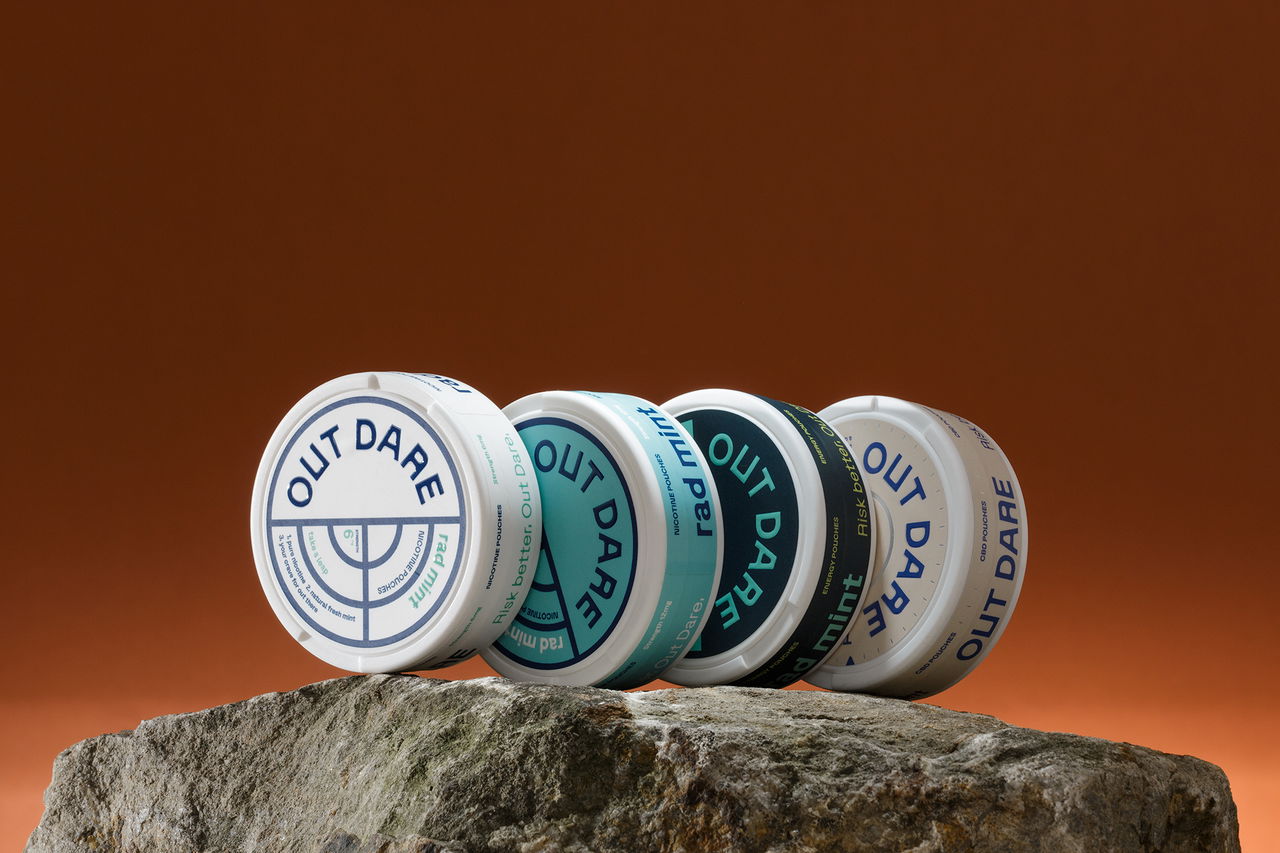
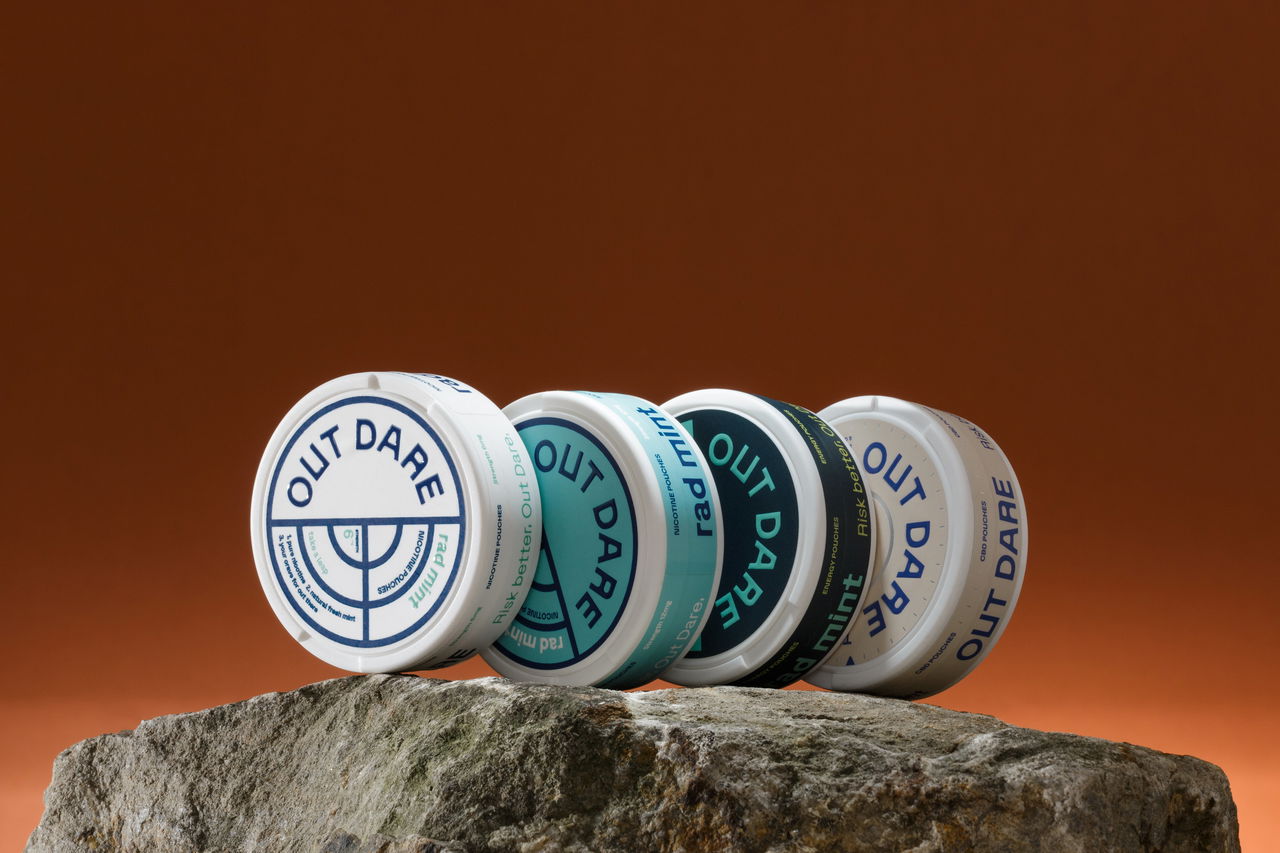
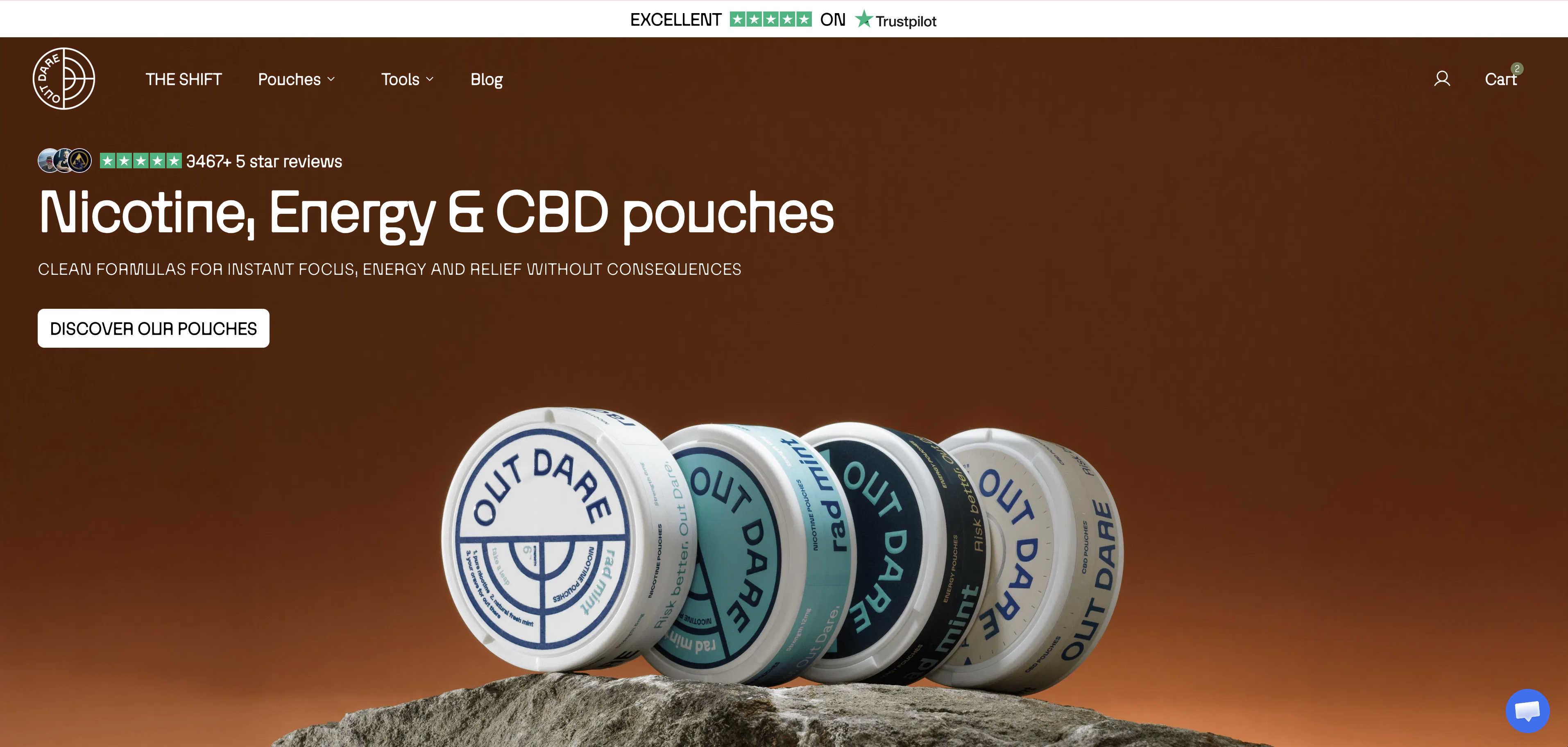
Outdare LTD was built around exactly this principle. Three pouches. Same taste, same burn, same mouthfeel. One is nicotine. One is energy. One is CBD. Your brain can't tell the difference in the moment — so you keep the ritual while you quietly reduce what's actually driving the dependency. Most users cut their nicotine intake by 60–90% in the first month. Not by suffering. By switching. If you're ready to stop white-knuckling your cravings and start managing them with a system that actually works, the Discovery Pack is the place to start. Risk Better. Out Dare.
Recommended Articles
Explore more from our content library: