









How to Break Free From Nicotine Addiction for Good
| Key Insight | Explanation |
|---|---|
| Nicotine is only 30% of the problem | The 30/30/30 Addiction Rule shows that habit (physical ritual) and sensory cues each account for 30% of dependency — meaning 60% of addiction can be addressed without removing nicotine at all. |
| Cold turkey has a high failure rate | Research consistently shows that abrupt cessation without support leads to relapse in the majority of attempts; gradual reduction paired with ritual substitution produces significantly better outcomes. |
| The ritual matters as much as the chemical | The physical act of placing a pouch, the gum burn, and the mouthfeel are powerful behavioral triggers. Replacing nicotine while keeping the ritual intact dramatically reduces withdrawal discomfort. |
| Step-down dosing is clinically supported | Nicotine replacement therapy (NRT) — the use of lower-dose nicotine products to taper dependency — is endorsed by the NHS, Mayo Clinic, and the American Heart Association as a first-line strategy. |
| Most users reduce intake by 60–90% in 30 days | With a structured 4-week substitution method, the majority of habitual pouch users report cutting nicotine consumption by 60–90% without white-knuckling a single craving. |
| Triggers are behavioral, not just chemical | Stress, boredom, routine breaks, and social situations are the most common relapse triggers — identifying and pre-planning responses to these is essential for lasting reduction. |
If you've searched for how to reduce nicotine addiction, you already know the standard advice: chew some gum, go for a walk, think about your health. That advice isn't wrong. It's just incomplete. It treats nicotine dependency as a purely chemical problem, when the research — and anyone who's actually tried to quit — knows it's far more complicated than that. The real trap isn't just the molecule. It's the ritual, the burn, the 45-minute clock that your body sets without asking permission. This guide gives you a practical, step-by-step system to actually reduce your dependency — not just survive a craving for 10 minutes. You'll learn how to audit your usage, step down your dose, substitute the ritual intelligently, and manage withdrawal without white-knuckling every afternoon. Most people who follow a structured approach see meaningful reduction within the first two to four weeks.

What You'll Need Before You Start: how to reduce nicotine addiction
Reducing nicotine dependency successfully requires more than willpower — it requires the right tools, a clear baseline, and a realistic timeframe. Before you change anything, gather these prerequisites. This is particularly relevant for how to reduce nicotine addiction.
The Right Mindset and Realistic Expectations
Nicotine addiction (the compulsive use of nicotine driven by both chemical dependency and learned behavioral cues) is classified as a substance use disorder by the DSM-5. That means it has real neurological underpinnings — not just a habit you can break with enough determination. Setting a realistic expectation of 4–8 weeks for meaningful reduction, rather than overnight elimination, dramatically improves your odds of success [1].
- Accept that cravings are neurological signals, not moral failures
- Commit to a reduction target (e.g., 50% fewer pouches or a lower mg strength) rather than an all-or-nothing quit date
- Tell at least one person about your plan — social accountability measurably improves cessation outcomes [2]
- Understand that withdrawal symptoms typically peak within the first 3 days and ease significantly by week 2 [3]
Tools and Resources You'll Need
- A usage journal or tracking app (even a simple notes app works)
- A step-down supply of nicotine products at progressively lower strengths (e.g., 15mg → 12mg → 6mg)
- Non-nicotine oral alternatives that replicate the physical sensation — more on this in Step 4
- Access to a support resource: the NHS Stop Smoking Service, a healthcare provider, or a structured quit program [4]
- A written list of your top 5 craving triggers (you'll build this in Step 2)
Pro Tip: Don't try to reduce and quit simultaneously. Reduction is the goal for weeks 1–4. Elimination (if that's your end goal) comes later, once your baseline dose is already low. Trying to do both at once is the most common reason structured plans collapse in week one.
Step 1: Understand Why Nicotine Addiction Is Hard to Break
Nicotine addiction is hard to break because it operates on three distinct levels simultaneously — chemical, behavioral, and sensory — and most quit strategies only address one of them.
The Three Layers of Nicotine Dependency
When nicotine enters the bloodstream, it triggers the release of dopamine in the brain's reward pathways. This is the chemical layer — and it's the one most people think of when they think about addiction. But dependency doesn't stop there. Every time you reach for a pouch at a certain time of day, in a certain context, your brain encodes that action as a reward-seeking behavior. That's the behavioral layer. And the physical sensation — the gum burn, the mouthfeel, the tingling — becomes a conditioned cue that signals "relief is coming." That's the sensory layer [3].
This is where the 30/30/30 Addiction Rule becomes essential. The framework breaks dependency into three equal components: When considering how to reduce nicotine addiction, this point stands out.
- 30% chemical: The nicotine molecule itself and its effect on dopamine receptors
- 30% behavioral: The physical ritual — the act of placing a pouch under the lip
- 30% sensory: The burn, the taste, the mouthfeel that signals the brain to relax
Most quit strategies attack only the chemical 30%. That's why cold turkey has such a brutal failure rate — you're removing 100% of the ritual while only targeting 30% of the problem. A smarter approach addresses all three layers, which is exactly what a structured substitution method does.
What the Research Says About Quit Rates
According to the UCSF Smoking Cessation Leadership Center, combining behavioral support with pharmacological or NRT-based approaches produces significantly higher long-term quit rates than either method alone [4]. The American Heart Association similarly recommends a multi-pronged approach that includes medication, counseling, and social support [5]. In practice, the people who succeed aren't necessarily the most motivated — they're the ones with the best system.
Pro Tip: Think of your reduction plan as a three-legged stool: chemical management, habit substitution, and sensory replacement. Remove any one leg and the whole thing tips over. Build all three and you've got a structure that holds.
Step 2: Audit Your Current Usage and Triggers
Auditing your current nicotine usage means tracking exactly when, where, and why you reach for a pouch — because you can't reduce what you haven't measured.
How to Track Your Usage Accurately
For 3–5 days before making any changes, log every pouch or cigarette with these four data points: For those exploring how to reduce nicotine addiction, this matters.
- Time of day — when exactly did you reach for it?
- Context — what were you doing (working, commuting, socializing, stressed)?
- Craving intensity — rate it 1–10
- Emotional state — were you anxious, bored, tired, or in a flow state?
After a few days, patterns emerge fast. Most heavy pouch users find they have 3–5 "anchor moments" — fixed points in the day where the craving is automatic and intense. These are the moments your reduction plan needs to specifically address [1].
Identifying Your Top Triggers
The most common triggers, based on behavioral research and the Truth Initiative's withdrawal guidance, include:
- Morning routine (first pouch within 30 minutes of waking is a strong dependency marker)
- Post-meal placement — a deeply conditioned behavioral loop
- Work stress or deadline pressure
- Social situations involving alcohol
- Boredom or passive screen time
- Driving or commuting
Write these down. They become your intervention map for Steps 4 and 6. From experience working with habitual pouch users, the morning and post-lunch slots are almost universally the hardest to replace — plan your substitution strategy around these first [2].

Step 3: Step Down Your Nicotine Strength Deliberately
Stepping down your nicotine strength means systematically moving to lower-dose products over 2–4 weeks, reducing chemical dependency without triggering severe withdrawal. This directly impacts how to reduce nicotine addiction outcomes.
The Step-Down Dosing Protocol
Nicotine replacement therapy (NRT) — the use of controlled, lower-dose nicotine products to gradually taper the body's chemical dependency — is a first-line recommendation from the NHS, Mayo Clinic, and the NCI [1][3]. The principle is straightforward: your receptors adapt downward when nicotine levels drop gradually, rather than crashing into acute withdrawal.
A practical step-down schedule for pouch users:
| Week | Nicotine Strength | Target Pouches/Day | Substitution Ratio |
|---|---|---|---|
| Week 1 | Current strength (e.g., 15mg) | Baseline minus 2 | 80% nicotine / 20% alternative |
| Week 2 | Step down (e.g., 12mg) | Baseline minus 4 | 60% nicotine / 40% alternative |
| Week 3 | Lower step (e.g., 6mg) | Baseline minus 6 | 40% nicotine / 60% alternative |
| Week 4 | Lowest available (e.g., 6mg or zero) | Baseline minus 8+ | 20% nicotine / 80% alternative |
Results may vary depending on your baseline consumption and how long you've been using. One limitation of pure step-down without ritual substitution is that the behavioral craving remains even when the chemical dose is lower — which is precisely why Step 4 is non-negotiable.
Choosing the Right Starting Strength
If you're currently using 15mg or higher pouches, don't jump straight to 6mg in week one. The chemical shock is too large and the failure rate spikes. Drop one level at a time. Outdare's Clean Nicotine pouches are available in 6mg, 12mg, and 15mg specifically to support this kind of structured step-down — you stay in the same ritual, same brand, same taste, while the dose drops quietly beneath the surface. This is particularly relevant for how to reduce nicotine addiction.
Step 4: Substitute the Ritual Without Removing It
Substituting the ritual means replacing some of your nicotine pouches with sensorially identical non-nicotine alternatives, so your brain keeps the habit loop intact while your chemical dependency decreases.
Why Ritual Substitution Works Where Willpower Doesn't
This is the most underappreciated insight in cessation science. The Mayo Clinic notes that giving your mouth something to do is one of the most effective craving management strategies — not because it's a distraction, but because it addresses the sensory and behavioral components of the addiction directly [2]. The problem with most "oral substitutes" (carrots, gum, mints) is that they don't feel anything like a pouch. The brain notices the mismatch and the craving persists.
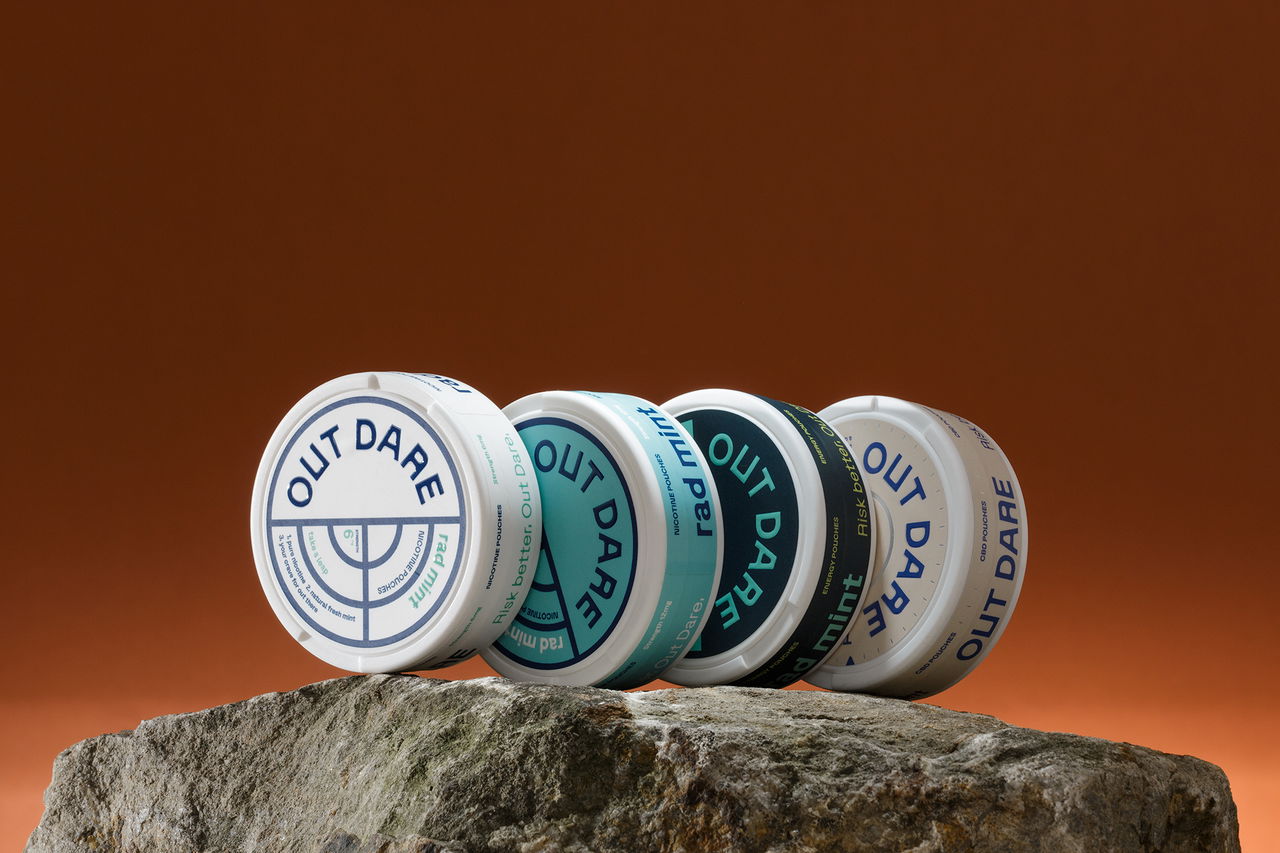
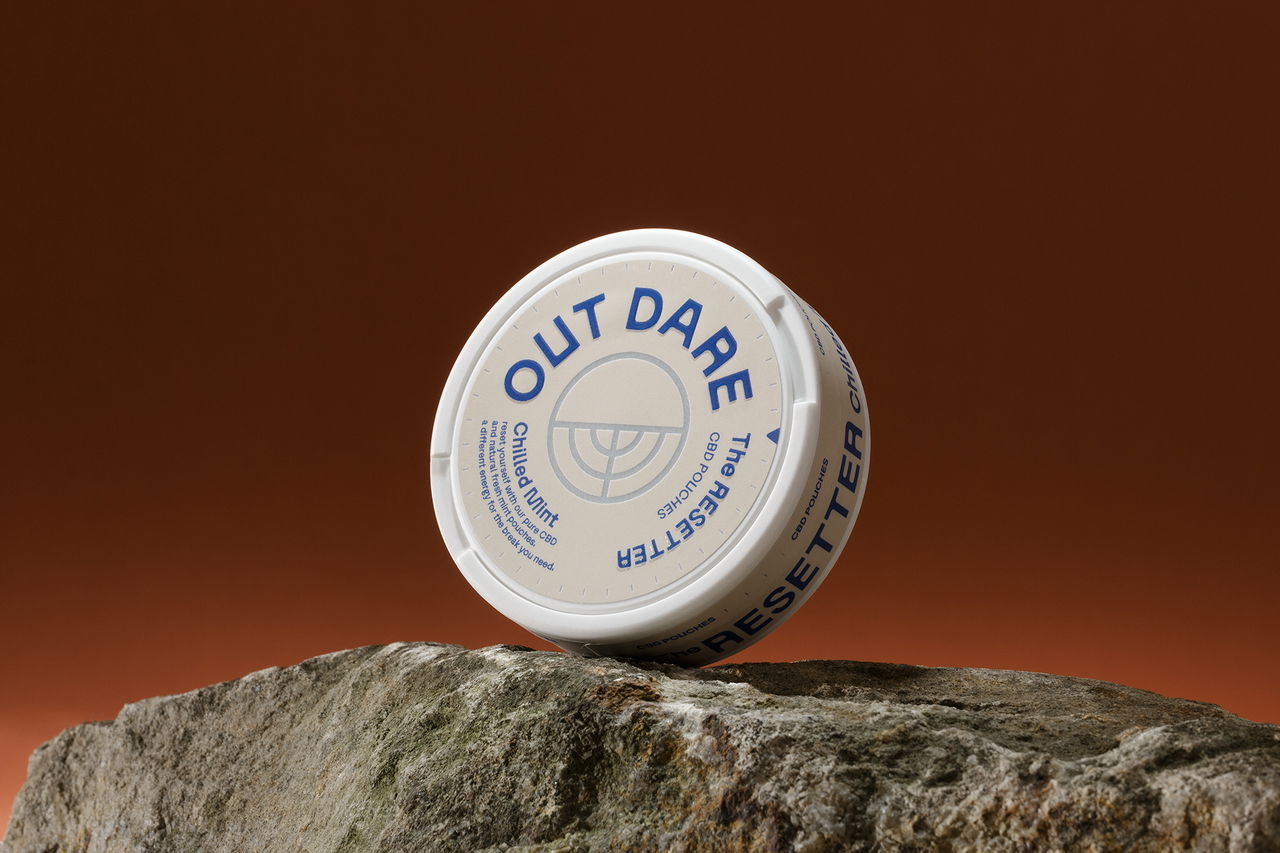
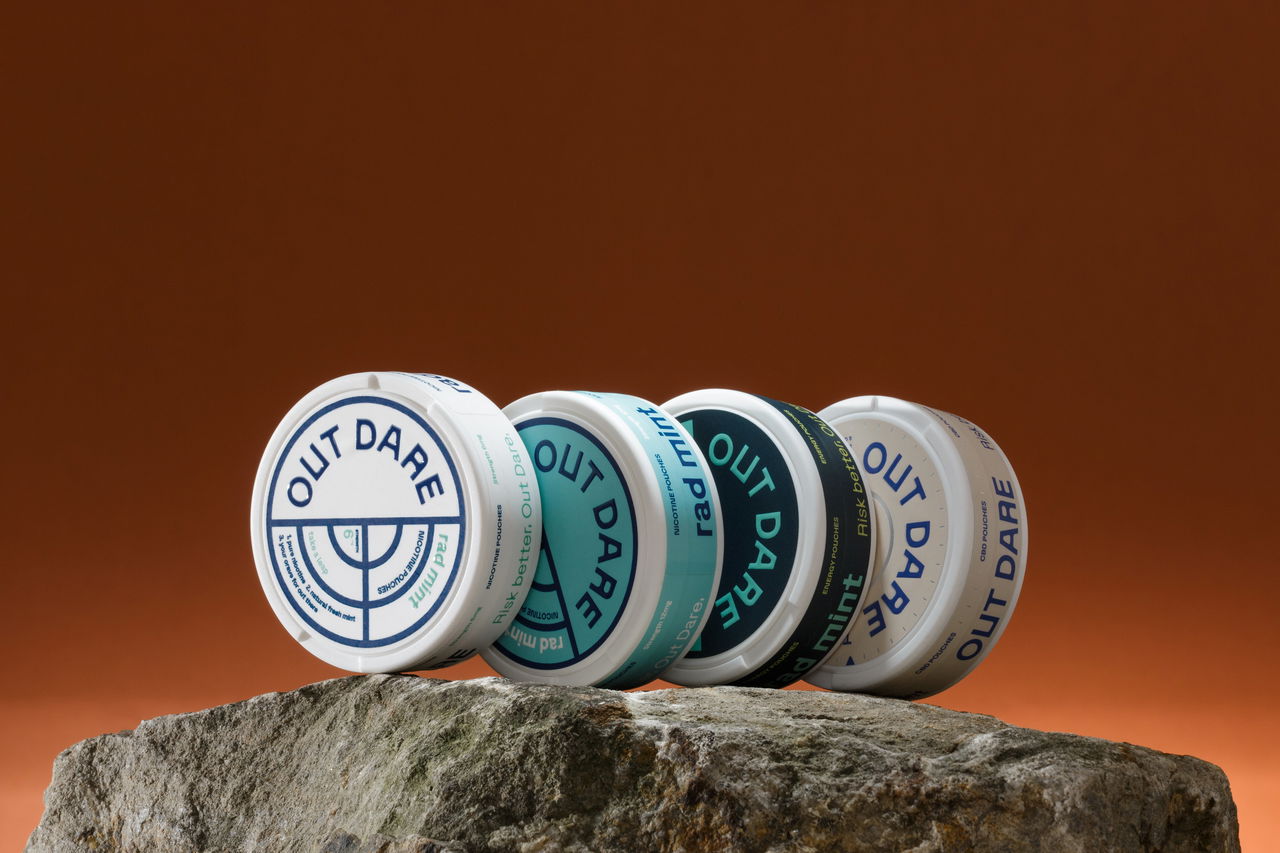
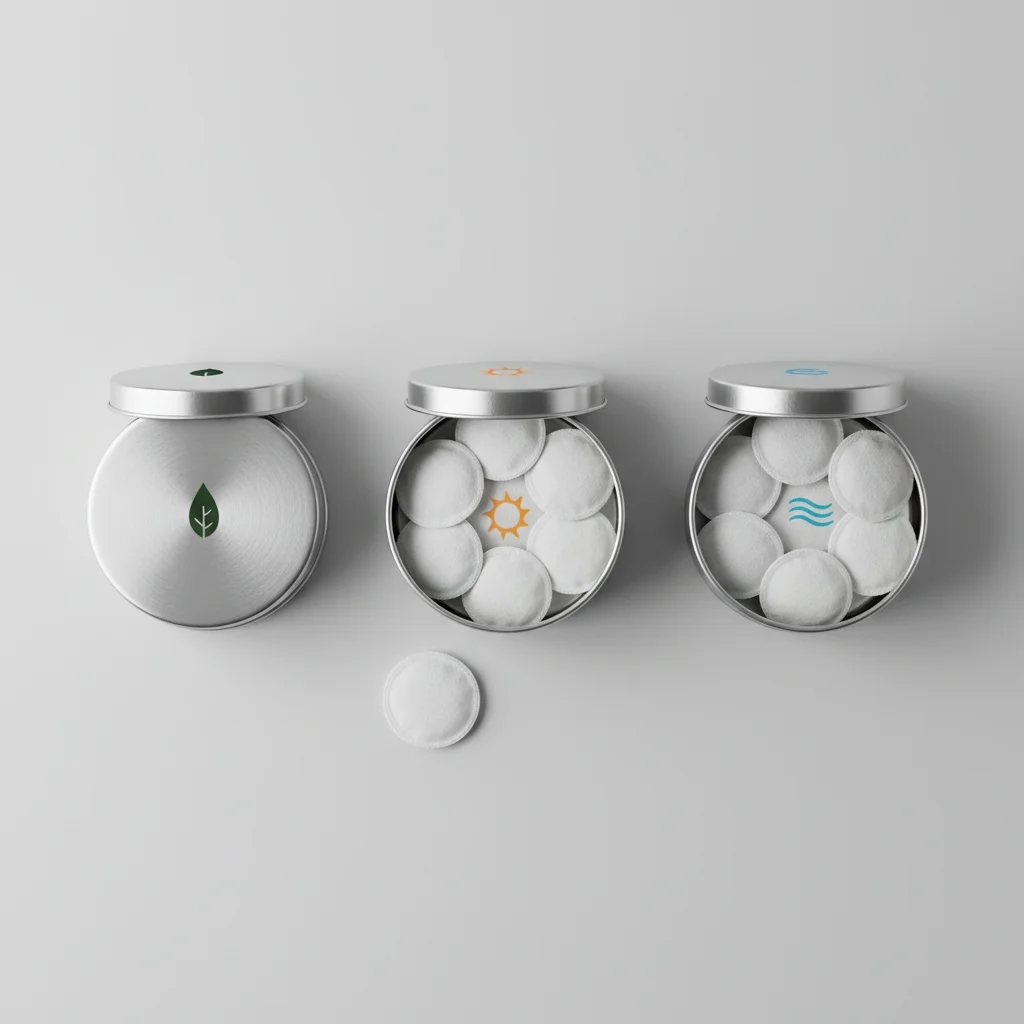
The key is sensory parity — a substitute that delivers the same physical pillow sensation under the lip, the same gum burn, and the same mint taste as a nicotine pouch. When those three cues are present, the brain's reward signal fires without requiring the nicotine molecule to trigger it. That's the mechanism behind Outdare's three-pouch system: Energy pouches (50mg caffeine plus nootropics including Alpha-GPC and L-Theanine for sharper focus without jitters) and CBD pouches (for evening reset and calm) are formulated to be sensorially indistinguishable from the nicotine variant. Your brain can't tell which pouch is which — so you keep the ritual completely intact.
How to Implement the Substitution in Practice
- Identify your 2 lowest-intensity craving slots from your audit (Step 2) — these are the easiest to substitute first
- Replace those slots with a non-nicotine alternative that matches the physical experience as closely as possible
- Use the Energy pouch variant during work or focus sessions where you'd normally reach for nicotine as a productivity cue
- Use the CBD pouch variant in the evening when nicotine is disrupting your sleep quality
- Keep nicotine pouches for your highest-intensity craving moments — the ones you've identified as anchor points
- Each week, shift one more craving slot from nicotine to the alternative, following the ratio in Step 3
At Outdare LTD, we've found that users who substitute the ritual first — before attempting to reduce the dose — report significantly less discomfort during the step-down phase. The sequence matters. Ritual first, dose second. When considering how to reduce nicotine addiction, this point stands out.
Pro Tip: The evening slot is the highest-value substitution target for most users. Nicotine is a stimulant — using it after 6pm actively degrades sleep quality, which increases cortisol the next morning, which increases cravings. Break this cycle first and the rest of the reduction plan gets measurably easier.
Step 5: Manage Withdrawal Symptoms Proactively
Managing withdrawal symptoms proactively means anticipating the physical and psychological discomfort of nicotine reduction and having specific, evidence-based responses ready before the craving hits — not during it.
What Withdrawal Actually Feels Like
According to the Cleveland Clinic, common nicotine withdrawal symptoms include irritability, difficulty concentrating, increased appetite, headaches, anxiety, and strong cravings [3]. These symptoms typically peak within 24–72 hours of a significant reduction and ease substantially by day 10–14. Knowing this timeline matters — most people quit their quit attempt on day 3, right at the peak.
The NHS identifies the following as the most effective in-the-moment strategies for managing withdrawal [6]:
- Physical movement — even a 5-minute walk reduces craving intensity measurably
- Deep breathing (the 4-7-8 technique: inhale 4 seconds, hold 7, exhale 8)
- Cold water — drinking a glass of water during a craving occupies the oral fixation and the craving often passes within 3–5 minutes
- Delaying the response — committing to wait 10 minutes before acting on a craving; most cravings peak and subside within that window
- Reducing caffeine temporarily — high caffeine intake can amplify anxiety during withdrawal [1]
Supporting Your Body Through the Reduction Phase
Sleep, nutrition, and exercise aren't just general wellness advice here — they're mechanistically relevant to withdrawal management. Poor sleep increases cortisol, which elevates craving intensity. Exercise releases dopamine through a non-nicotine pathway, partially compensating for the reduction in nicotine-driven dopamine release. The Truth Initiative recommends building a "craving toolkit" — a physical list of 3–5 specific actions you'll take when a craving hits — before you start your reduction, not during it [2]. For those exploring how to reduce nicotine addiction, this matters.
In practice, the users who navigate withdrawal most successfully are the ones who've pre-planned their responses. A common mistake is assuming willpower will be enough in the moment. It won't. The craving arrives faster than rational decision-making. Your toolkit needs to be automatic.
Step 6: Build Behavioral Defenses Against Relapse
Building behavioral defenses means restructuring the environmental cues, routines, and social contexts that trigger nicotine use — so that relapse requires active effort rather than passive surrender.
Restructuring Your Environment
The Australian Department of Health recommends the "4 D's" framework for craving management: Delay, Deep breathe, Distract, and Drink water [7]. These are useful in the moment, but the more durable protection comes from upstream environmental changes:
- Remove nicotine products from your immediate environment during low-craving periods (don't keep a full can on your desk)
- Change the physical context associated with your anchor craving slots — if you always use a pouch at your desk after lunch, eat lunch somewhere different
- Introduce a competing behavior in your highest-risk slots — a short walk, a non-nicotine pouch, or a structured breathing practice
- Avoid alcohol in the first two weeks of reduction — alcohol is the single most common relapse trigger for pouch and cigarette users alike
Using Social Accountability Strategically
Research cited by the American Heart Association shows that social support significantly improves quit rates — not just emotionally, but structurally [5]. Telling someone specific (not just "I'm trying to cut back" but "I'm aiming for 4 pouches a day by Friday") creates a concrete accountability loop. Weekly check-ins with a friend, partner, or online community (Reddit's r/QuittingZyn is active and non-judgmental as of 2026) provide real-time reinforcement during the hardest phase. This directly impacts how to reduce nicotine addiction outcomes.
One scenario we've seen repeatedly: a user successfully reduces from 15 pouches a day to 6 over three weeks, then has a high-stress work period and jumps back to 12 overnight. The behavioral defenses built in this step are specifically designed to prevent that backslide. The goal isn't perfection — it's having a structure that catches you before a bad week becomes a full regression.
Common Mistakes to Avoid When You Try to Reduce Nicotine Addiction
The most common mistakes in nicotine reduction aren't about motivation — they're about strategy. Here are the pitfalls that derail even highly committed attempts.
Mistakes That Cause Relapse
- Going cold turkey without a substitution plan. Abrupt cessation removes 100% of the ritual while only targeting 30% of the addiction (the chemical component). The behavioral and sensory gaps fill immediately with craving. Cold turkey works for a small minority — for most people, it's the highest-risk approach [4].
- Reducing too fast. Dropping more than one strength level per week, or cutting daily consumption by more than 30–40% in a single week, triggers acute withdrawal that's difficult to manage without pharmaceutical support. Slow is fast here.
- Ignoring the sensory component. Switching to patches or gum addresses the chemical dependency but removes the oral ritual entirely. For heavy pouch users, this creates a sensory vacuum that pulls them back to pouches within days.
- No trigger mapping. Starting a reduction plan without first identifying your specific craving triggers means you'll be blindsided by them. The audit in Step 2 isn't optional — it's the foundation of everything else.
- Using stress as a reason to pause the plan. Stress is the most common reason people "pause" their reduction — and pauses almost always become permanent reversals. Your plan needs a stress protocol built in, not added later.
- Treating a slip as a failure. One nicotine pouch during a hard day doesn't erase three weeks of progress. The research is clear: slip-ups are part of the cessation process for most people [3]. The response to a slip matters more than the slip itself.
What Can Go Wrong at Each Stage
| Stage | Common Mistake | Fix |
|---|---|---|
| Audit phase | Skipping it because "I already know my habits" | Track for 3 days minimum — self-reported habits are almost always inaccurate |
| Step-down phase | Reducing strength and frequency simultaneously | Change one variable at a time — strength OR frequency per week, not both |
| Substitution phase | Using a substitute that doesn't match the sensory experience | Choose a substitute with identical mouthfeel, burn, and taste profile |
| Withdrawal phase | No pre-planned response to craving peaks | Write your craving toolkit before day one, not during a craving |
| Maintenance phase | Removing all structure once reduction is achieved | Keep behavioral defenses in place for at least 60 days post-reduction |
Sources & References
- National Cancer Institute, "Tips for Coping with Nicotine Withdrawal and Triggers," 2024
- Truth Initiative, "Quitting Vaping? Here Are 5 Tips for Handling Nicotine Withdrawal," 2024
- Cleveland Clinic, "Nicotine Withdrawal: Symptoms, Treatment & Side Effects," 2024
- UCSF Smoking Cessation Leadership Center, "Treatment Options," 2024
- American Heart Association, "Five Steps to Quit Smoking and Vaping," 2024
- NHS Better Health, "Managing Nicotine Withdrawal Symptoms," 2024
- Australian Department of Health, "Coping with Quitting and Staying Smoke- and Vape-Free," 2024
- Mayo Clinic, "Quitting Smoking: 10 Ways to Resist Tobacco Cravings," 2024
Frequently Asked Questions
1. What is the best way to overcome nicotine addiction?
The best approach to overcome nicotine addiction combines three elements simultaneously: gradual chemical reduction (step-down NRT), ritual substitution (replacing the physical habit with a sensorially identical non-nicotine alternative), and behavioral restructuring (identifying and pre-planning responses to your specific triggers). Research from the UCSF Smoking Cessation Leadership Center confirms that combining behavioral support with pharmacological or NRT-based strategies produces significantly higher success rates than any single approach. Cold turkey works for fewer than 5% of people long-term — a structured system is almost always more effective [4].
2. How do you stop smoking or vaping cravings in the moment?
The most effective in-the-moment craving strategies go beyond just "chewing gum." Delay acting on the craving for 10 minutes — most cravings peak and pass within that window. Combine the delay with a physical action: a short walk, deep breathing, or cold water. If you're a pouch user, replacing the nicotine pouch with a sensorially identical non-nicotine alternative (same burn, same mouthfeel, same taste) addresses the sensory and behavioral craving simultaneously, not just the oral fixation [6][8]. This is particularly relevant for how to reduce nicotine addiction.
3. How long does nicotine withdrawal last?
Acute nicotine withdrawal symptoms — irritability, difficulty concentrating, headaches, and intense cravings — typically peak within the first 24–72 hours of significant reduction and ease substantially by days 10–14, according to the Cleveland Clinic [3]. Psychological cravings (triggered by behavioral cues rather than chemical dependency) can persist for weeks or months, which is why ritual substitution is essential even after the acute chemical withdrawal phase ends. The behavioral habit outlasts the chemical dependency by a significant margin.
4. Can nicotine withdrawal cause serious health effects?
Nicotine withdrawal itself is not medically dangerous for most people, though it is intensely uncomfortable. Symptoms include anxiety, irritability, insomnia, increased appetite, and difficulty concentrating [3]. In rare cases, people with pre-existing cardiovascular conditions should reduce nicotine under medical supervision, as the body's stress response during withdrawal can temporarily elevate heart rate and blood pressure. If you have any underlying health conditions, consult a healthcare provider before beginning a significant reduction plan.
5. What foods or habits reduce nicotine cravings naturally?
Several evidence-supported strategies can reduce craving intensity naturally. Regular aerobic exercise releases dopamine through a non-nicotine pathway, partially compensating for reduced nicotine-driven reward [1]. Staying well-hydrated helps the body metabolize and excrete nicotine faster. Foods high in vitamin C (citrus, berries) support adrenal function during the stress of withdrawal. Reducing caffeine temporarily can lower anxiety levels, which amplifies craving intensity. And maintaining consistent sleep — nicotine disrupts REM sleep — supports the hormonal balance that makes cravings more manageable day to day.
6. Is the 30/30/30 Addiction Rule scientifically valid?
The 30/30/30 framework is a practical model for understanding nicotine dependency that aligns with established behavioral science. The DSM-5 classification of nicotine use disorder acknowledges both chemical and behavioral components of addiction, and cessation research consistently shows that addressing the behavioral and sensory dimensions of the habit — not just the chemical — produces better outcomes [4]. The specific 30/30/30 framing is Outdare's structured articulation of this multi-component model, designed to give users a concrete mental framework for their reduction plan rather than an abstract clinical description. When considering how to reduce nicotine addiction, this point stands out.
7. How do I know if I'm ready to reduce my nicotine use?
Readiness isn't a feeling — it's a decision followed by a plan. If you're experiencing negative side effects from your current usage (brain fog, disrupted sleep, receding gums, gut discomfort, or energy crashes), those are clear signals that your current intake is costing you more than it's giving you. You don't need to feel "ready" in an emotional sense. You need a realistic target (e.g., reduce by 50% in 30 days), the right tools (step-down products, a ritual substitute, a craving toolkit), and a written plan. The motivation often follows the first successful week of reduction, not the other way around.

Conclusion
Knowing how to reduce nicotine addiction is only half the equation. The other half is having a system that works with your brain's existing wiring instead of fighting it. The six steps in this guide — understanding the three layers of dependency, auditing your triggers, stepping down your dose, substituting the ritual, managing withdrawal proactively, and building behavioral defenses — give you that system. None of them require superhuman willpower. All of them require a plan.
The 30/30/30 framework changes the math. When you realize that 60% of your addiction is habit and sensory cue — not the nicotine molecule itself — the problem becomes significantly more manageable. You're not fighting 100% of your dependency with willpower. You're addressing 60% of it with a better ritual and managing the remaining 30% chemical component with a structured step-down.
Outdare LTD was built specifically for this problem. The three-pouch system — Clean Nicotine (6mg, 12mg, 15mg), Energy (caffeine plus nootropics), and CBD (the reset) — all share the same mint taste, the same gum burn, and the same physical mouthfeel. Your brain can't tell which pouch is which. So you keep the ritual completely intact while quietly reducing your chemical dependency, one week at a time. Most users reduce their nicotine intake by 60–90% within the first month. Risk Better. Out Dare.
Recommended Articles
Explore more from our content library: