


Caffeine Pouches for Productivity: Boost Work Output
Understanding caffeine pouches for productivity is essential. Caffeine pouches are small, tobacco-free oral pouches that deliver caffeine directly through the gum tissue, bypassing digestion for faster onset, typically 5–15 minutes versus 45 minutes for coffee. For productivity, they offer precise, portable dosing without the liquid volume, crash, or coffee breath. Most pouches deliver 40–80 mg of caffeine per dose, making them a controlled alternative to energy drinks for focus-dependent work. According to the National Institutes of Health, caffeine is the most widely consumed psychoactive substance in the world, with over 85% of U.S. adults consuming it daily in some form.
What Are Caffeine Pouches and How Do They Work for Productivity?: caffeine pouches for productivity
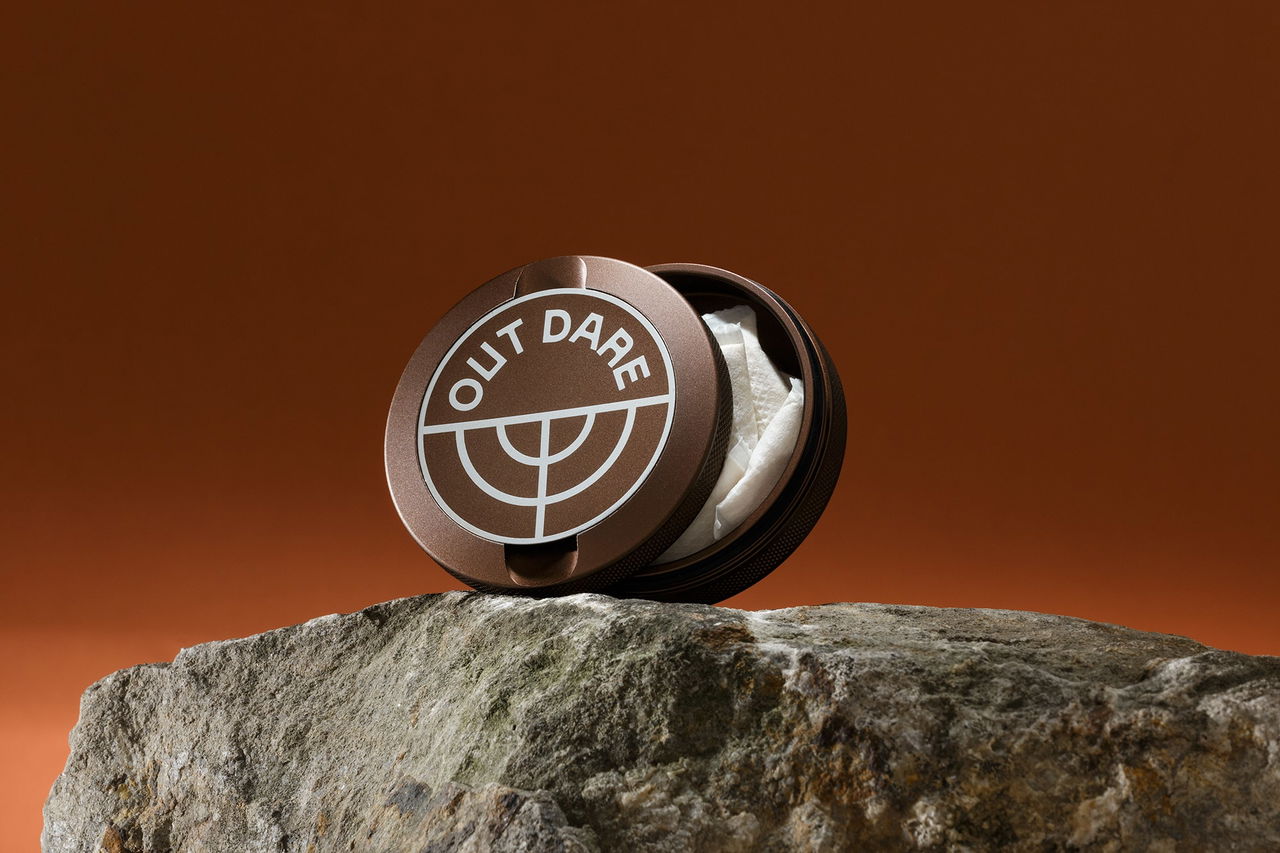
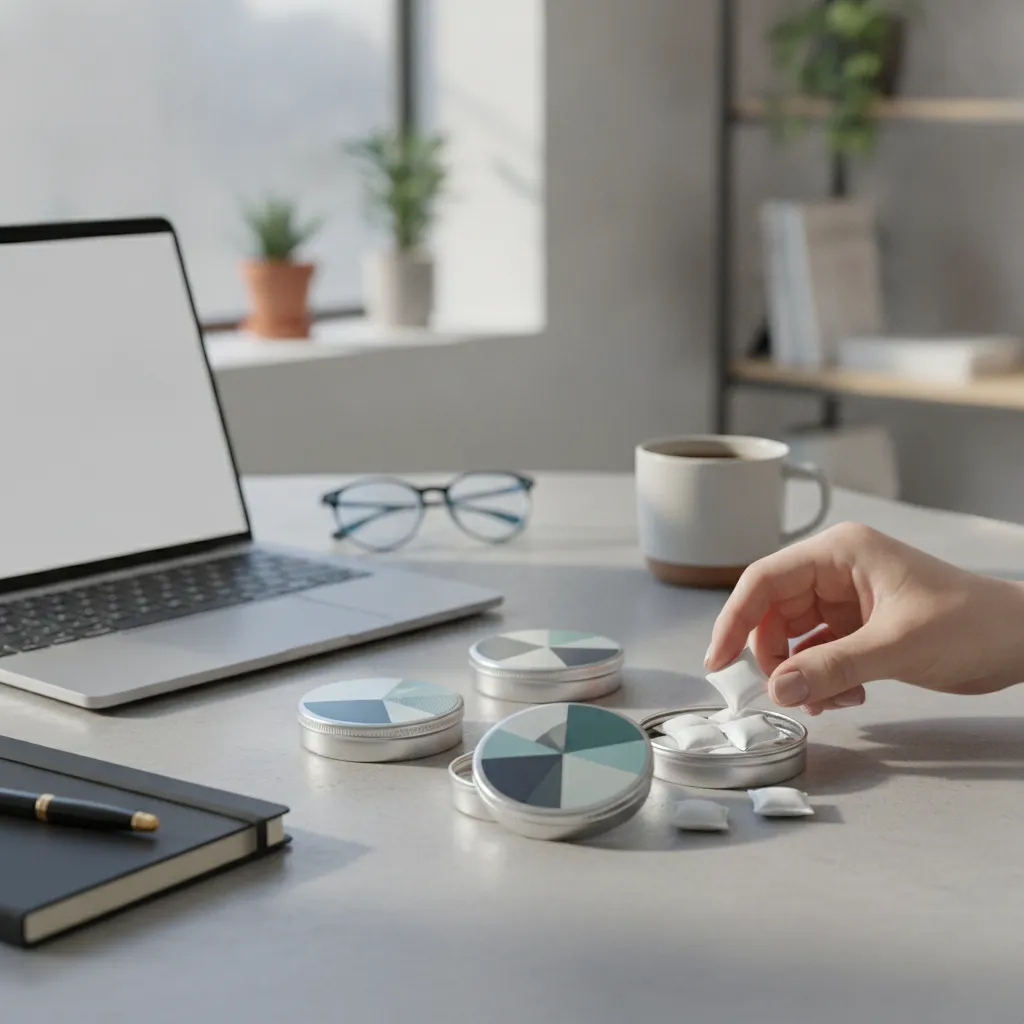
Caffeine pouches are small, tobacco-free fiber pouches placed under the lip that release caffeine through the gum tissue, no swallowing, no brewing, no waiting 45 minutes.
The pouch itself is built around a plant-fiber matrix. Caffeine is embedded in that fiber during manufacturing. When you place the pouch under your lip, saliva activates the matrix and the caffeine migrates out of the fiber and through the oral mucosa, the thin, highly vascularized tissue lining your gums, directly into the bloodstream [1]. Digestion is bypassed entirely, which is why onset is faster and more consistent than any liquid or pill format.
How Buccal Absorption Differs From Drinking Caffeine
When you drink coffee, caffeine travels to the stomach, gets absorbed through the gastrointestinal tract, and reaches peak blood concentration in roughly 45 minutes. Caffeine pills follow a similar path, typically peaking at 30 minutes. Buccal absorption cuts that window to 5–15 minutes [1], which makes caffeine pouches for productivity a genuinely different tool, you can time a dose to the start of a deep-work block and feel it before the first paragraph is written.
Dose control is also tighter. Brands like Neutonic (50 mg per pouch), Nectr (40 mg), and Cyclone Pods (80 mg) [3] give you a fixed, measurable amount per use, no guessing whether your flat white was a single or a double shot.
Many formulas pair caffeine with 100–200 mg of L-theanine, an amino acid that blunts the sharp stimulant curve without reducing alertness. If you want a full breakdown of how that combination works, the Caffeine & L-Theanine Pouches guide covers the ratio science in detail.
The format also removes friction that coffee creates in focused work environments. No liquid volume means no bathroom trips mid-session. No cup means no desk clutter, no staining, and no noise, relevant in open offices, back-to-back meetings, or any setting where pulling out a thermos signals a distraction [1].
"Caffeine's ability to block adenosine receptors is well established, and faster delivery to the bloodstream through buccal absorption means users can time cognitive benefits more precisely than with traditional beverages." — Dr. Andrew Scholey, Professor of Psychopharmacology, Swinburne University of Technology
Do Caffeine Pouches Actually Improve Productivity?
Caffeine pouches can improve focus, reaction time, and working memory, because caffeine itself does, at doses that match most pouch formats.
The honest distinction to draw here: the cognitive benefits are well-documented for caffeine as a compound. The productivity claims specific to the pouch delivery format are largely extrapolated from that broader research. No large-scale randomized controlled trials have tested caffeine pouches for productivity outcomes directly. That gap matters, but it doesn't make the case weak.
What the Clinical Research Actually Says About Caffeine and Focus
A 2021 meta-analysis published in Nutrients found that caffeine doses between 40 mg and 300 mg significantly improve sustained attention, reaction time, and working memory in healthy adults. Most caffeine pouches deliver between 50 mg and 80 mg per pouch, squarely inside that effective range. According to research published on PubMed Central, caffeine improves performance on tasks requiring sustained attention by an average of 11% compared to placebo conditions.
The mechanism is specific. Caffeine blocks adenosine receptors in the brain, which reduces perceived fatigue and keeps you alert longer than you'd otherwise manage. At the same time, it activates dopamine pathways, which matters for productivity because dopamine governs motivation and task initiation, not just mood. You don't just feel less tired; you're more likely to start the task in front of you.
Caffeine pouches for productivity sit in a different category than energy drinks or coffee for one practical reason: buccal absorption through the gum tissue delivers caffeine faster than digestion, which means onset can begin within minutes rather than the 30–45 minutes typical of a swallowed drink [1]. That speed-to-effect profile is what makes the format relevant to focused work sessions, not just general alertness.
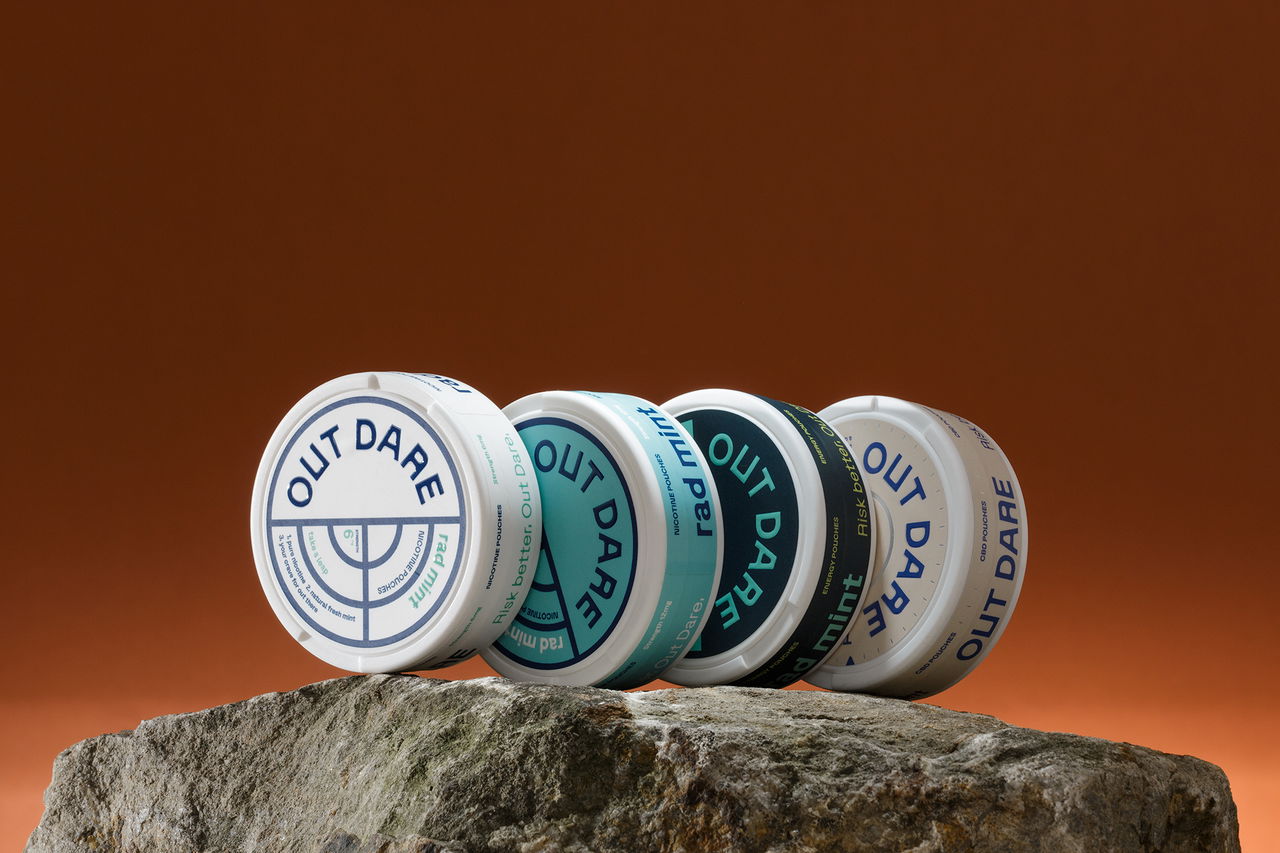
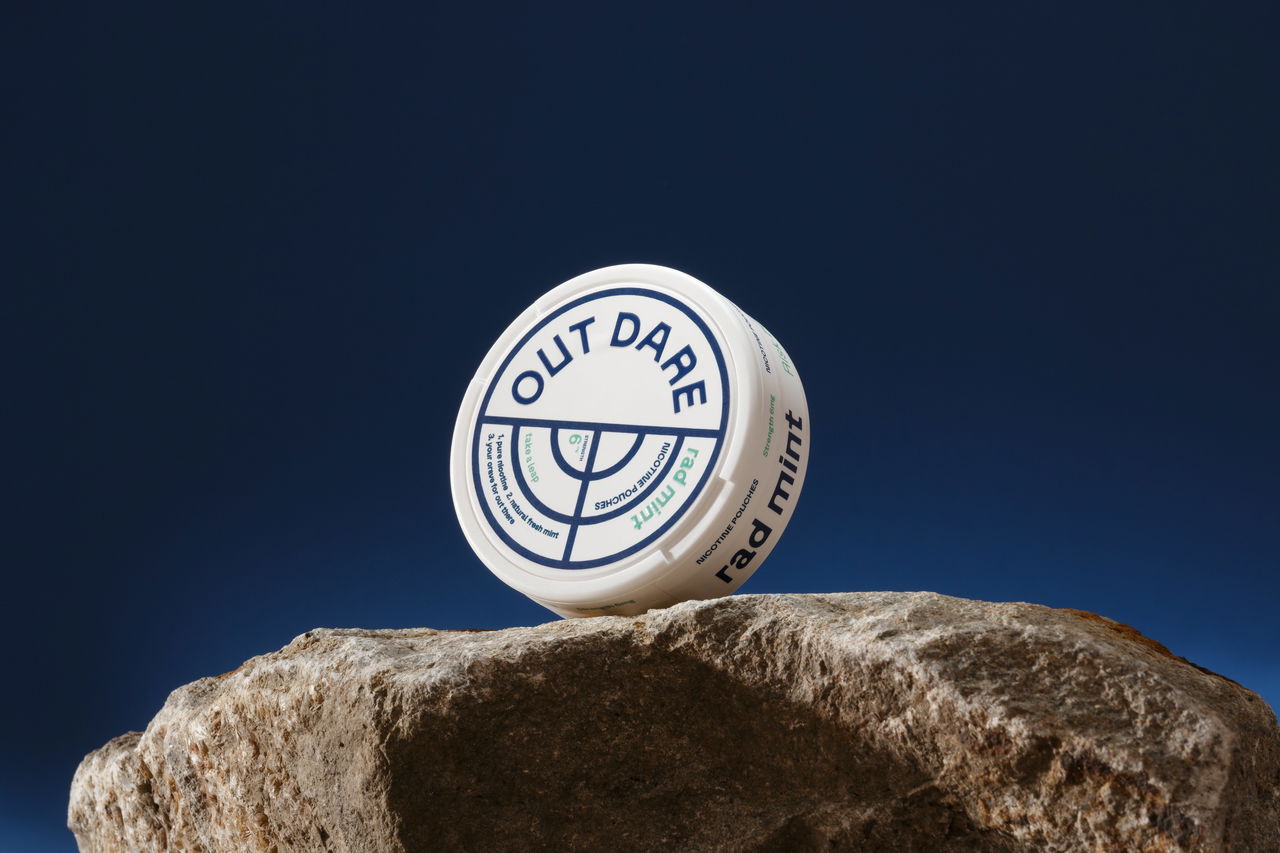
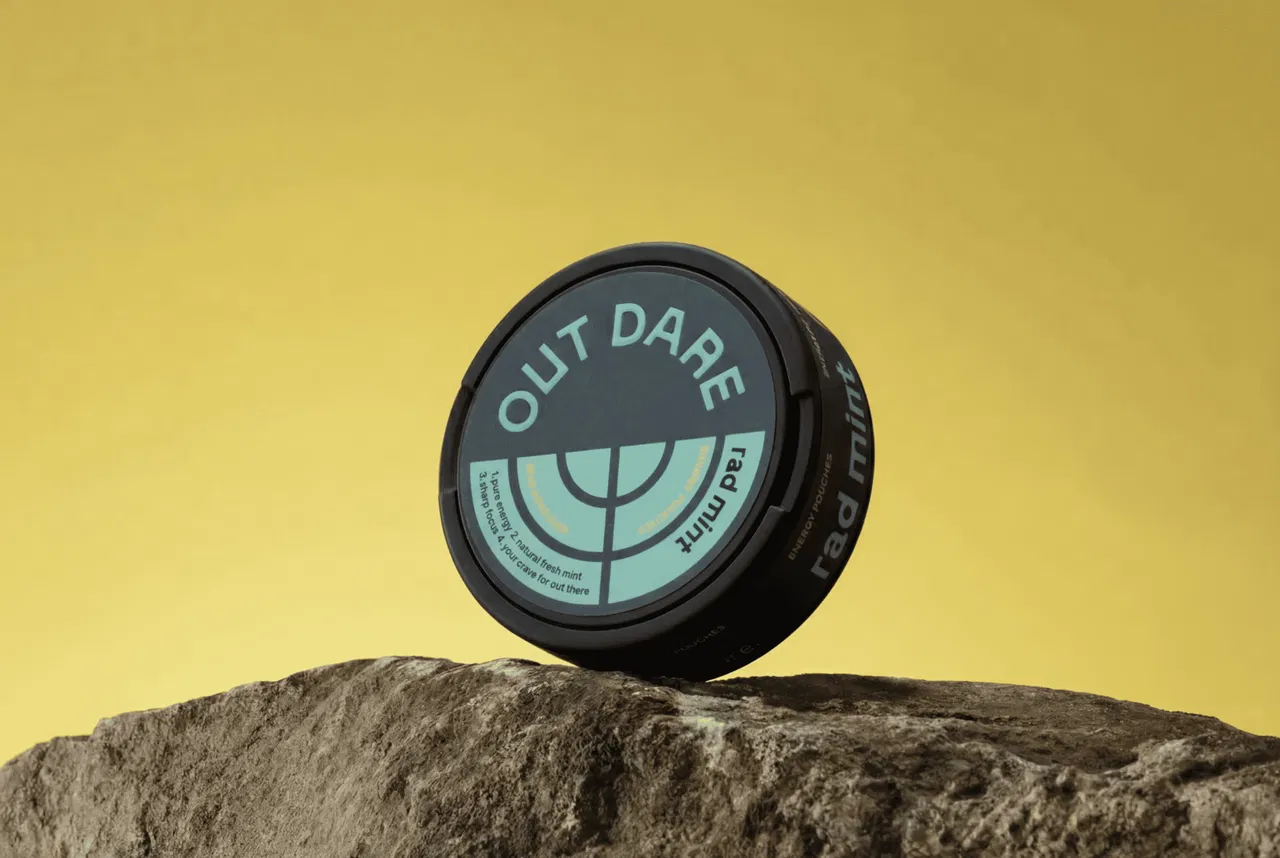
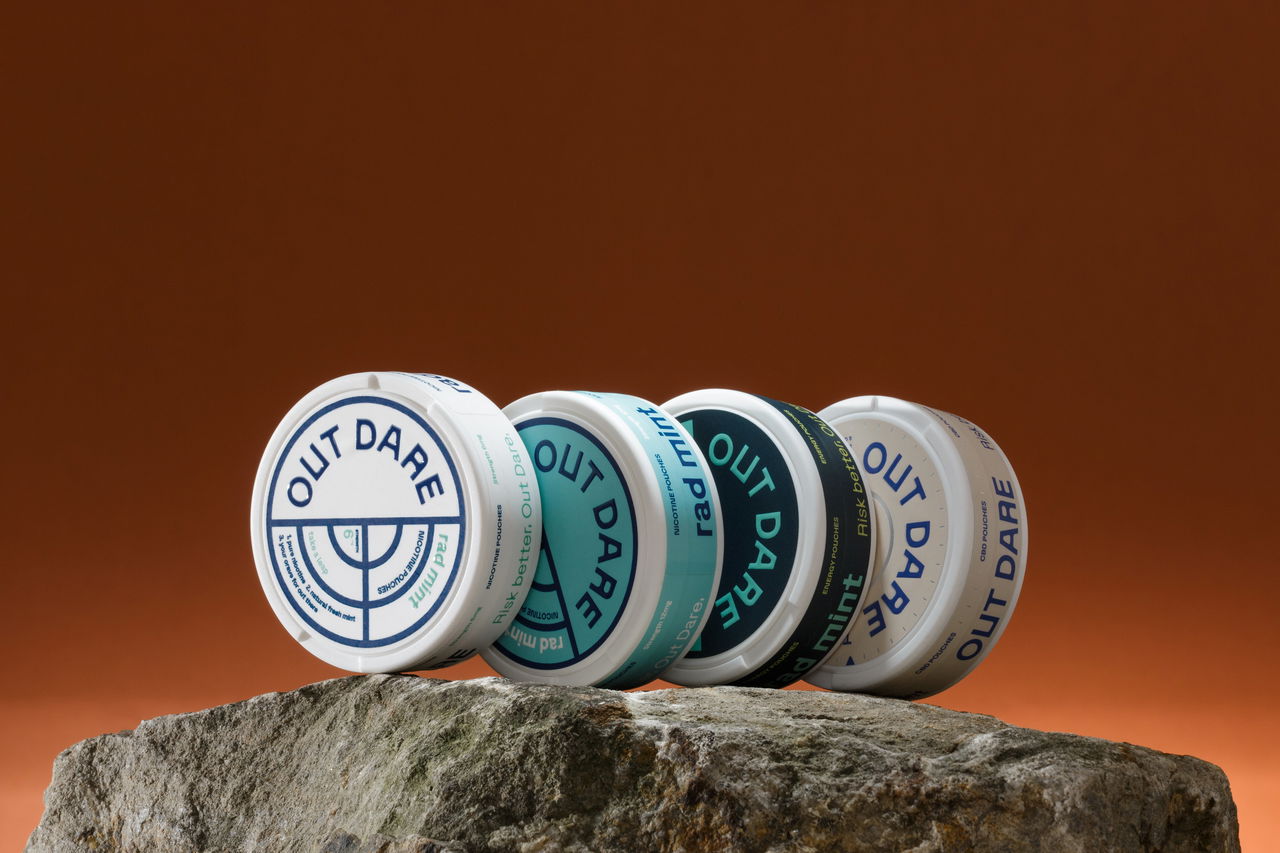
Outdare's Energy pouch pairs 50 mg of caffeine with nootropics, including compounds like L-Theanine, designed to sharpen focus without the jitter that often accompanies higher caffeine doses. The combination is intentional: L-Theanine blunts caffeine's anxiogenic edge while preserving the attention benefit, a pairing with its own body of supporting research.
"The combination of caffeine and L-theanine has repeatedly demonstrated synergistic effects on attention and cognitive performance, producing a state of calm alertness that neither compound achieves alone." — Dr. Crystal Haskell-Ramsay, Professor of Cognitive Neuroscience, Northumbria University
Can Caffeine Pouches Help With ADHD and Concentration?
Caffeine is not a substitute for ADHD medication, that needs to be said plainly before anything else.
That said, controlled studies have shown that low-dose caffeine, in the 40–80 mg range, produces modest but measurable attention improvements in non-medicated adults in clinical settings. For people who experience mild concentration difficulties without a formal ADHD diagnosis, that's a meaningful finding, even if it falls well short of the effect size seen with prescribed stimulants.
The attention benefit likely traces back to the same dopamine pathway activation described above. Dopamine dysregulation is central to attention difficulties, and caffeine's mild dopaminergic effect provides a small corrective signal. The key word is small, this is a productivity support tool, not a clinical intervention.
If you're managing diagnosed ADHD, speak to your prescriber before treating a caffeine pouch as anything more than a supplementary focus aid.
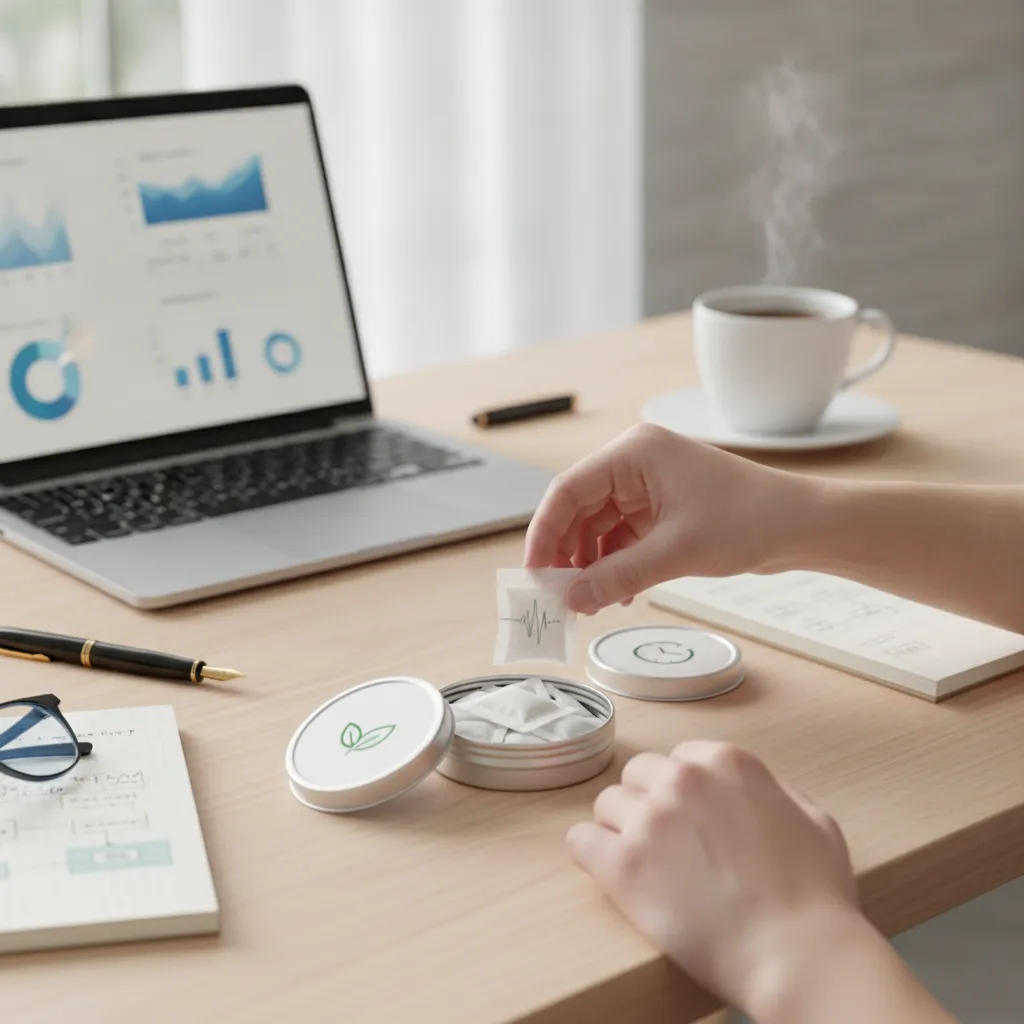
Caffeine Pouches vs. Coffee, Energy Drinks, and Other Alternatives
Caffeine pouches deliver a faster onset and cleaner taper than most common alternatives, but cost more per milligram than pills and cover a shorter window than coffee.
Cost-Per-Dose Breakdown Across Major Caffeine Pouch Brands and Traditional Options
| Source | Cost per dose | Caffeine (mg) | Onset | Duration |
|---|---|---|---|---|
| Specialty coffee | €3–5/cup | 80–120 mg | 30–45 min | 4–6 hr |
| Energy drink | €2–3/can | 80–160 mg | 15–30 min | 3–5 hr |
| Caffeine pill | €0.10–0.20/pill | 100–200 mg | 30–45 min | 4–6 hr |
| Caffeine pouch | €1.50–2.50/pouch | 40–80 mg | 5–15 min [1] | 2–4 hr |
The pouch's fast onset comes from buccal absorption, caffeine passes through the mucous membrane under the lip directly into the bloodstream, bypassing digestion entirely [1]. That 5–15 minute ramp makes pouches well-suited to targeted work blocks: a 90-minute deep-work session before a meeting, not all-day coverage.
The shorter duration is a real trade-off. If you need sustained focus across a full eight-hour day, a pill or a large coffee covers more ground per dose. Pouches work best when you know exactly when you need to be sharp.
Key Advantages of Caffeine Pouches Over Traditional Caffeine Sources
- Faster onset: 5–15 minutes via buccal absorption versus 30–45 minutes for coffee or pills
- Precise dosing: Fixed milligram amounts per pouch eliminate guesswork from variable brew strengths
- No liquid volume: Eliminates bathroom breaks during focused work sessions
- No preparation time: No machine, no brewing, no waiting — place and work immediately
- Cleaner crash profile: No glucose spike from sugar, especially in L-theanine-paired formulas
- Discreet use: No cup, no noise, no smell — suitable for open offices and meetings
- Portable: Fits in a pocket, no refrigeration or equipment required
Crash Profile: Why Afternoon Productivity Differs
Energy drinks stack two crash mechanisms on top of each other: a glucose spike from high sugar content followed by a caffeine drop. That double taper is what causes the 3 p.m. slump most office workers recognize. Caffeine pouches formulated with L-theanine, an amino acid that moderates stimulant response, produce a smoother decline without the glucose component, which matters when you're trying to stay functional through the afternoon.
Outdare's Energy pouches pair 50 mg of caffeine with nootropics designed for exactly this: sharper focus without the jitter or the hard stop.
Practical Workplace Advantages
Using caffeine pouches for productivity in an office or remote setup removes the friction that comes with coffee: no machine, no cup, no spillage risk, no staining, and no noise. You place the pouch under your lip and keep working. Coffee requires preparation time that compounds across a working week.
For context on where caffeine pouches sit alongside other tobacco-free and nicotine-free formats, the tobacco-free alternatives page covers the broader product landscape worth reviewing before choosing a format.
Are Caffeine Pouches Safe? Side Effects and Daily Limits
Caffeine pouches are safe for most healthy adults when kept within established daily limits, but format-specific side effects and tolerance buildup are real considerations.
Both the FDA and EFSA recognize 400 mg of caffeine per day as the safe upper limit for healthy adults. According to the U.S. Food and Drug Administration, consuming more than 400 mg of caffeine daily can lead to insomnia, nervousness, restlessness, and increased heart rate. At 40–80 mg per pouch, that's a ceiling of 5–10 pouches daily, but using caffeine pouches for productivity rarely demands more than 2–3. Most focused work sessions benefit from a single pouch timed to a specific task, not a constant drip throughout the day.
Pouch-format side effects differ from what you'd expect with coffee or energy drinks. Gum irritation at the placement site is the most common complaint, particularly with high-strength pouches used back-to-back. Swallowing excess saliva can cause nausea, rotating placement sites and keeping each pouch to 20–30 minutes reduces both risks significantly.
"Caffeine tolerance develops rapidly with consistent daily use — typically within one to two weeks — and strategic cycling off caffeine for one or two days per week is the most effective non-pharmacological method for maintaining its cognitive benefits over time." — Dr. Matthew Walker, Professor of Neuroscience and Psychology, University of California, Berkeley
Recommended Daily Limits and How Tolerance Builds Over Time
Daily caffeine use at a consistent dose causes adenosine receptor upregulation within 7–14 days, in plain terms, your brain grows more receptors for the chemical that makes you feel tired, so the same dose stops working as well. One or two caffeine-free days per week resets that sensitivity without requiring a full detox.
Certain groups should avoid caffeine pouches entirely: pregnant individuals, anyone with arrhythmia or hypertension, and people already consuming high caffeine from other sources. This isn't a footnote, it's a hard stop.
If you're already noticing tolerance creep or dependency concerns, the guide on How to Reduce Caffeine Dependence Safely in 2026 covers a structured reduction approach that doesn't require going cold turkey.
How to Use Caffeine Pouches for Maximum Productivity: Timing and Dosage by Work Scenario
Place a 40–80 mg caffeine pouch 10 minutes before your work block, match the dose to the task, and stop dosing after 2 pm, that single rule covers most use cases.
Optimal Timing for Meetings, Deep Work, and Night Shifts
Deep work sessions. Place a 40–80 mg pouch 10 minutes before a focused block starts. If you have L-theanine available, pair it, the amino acid smooths caffeine's stimulant curve and reduces the jitteriness that breaks flow state. Limit yourself to one pouch per 90-minute block; stacking doses mid-session pushes stimulation past the point where it helps concentration and into the range where it disrupts it.
Meetings and presentations. A 40 mg pouch placed 5–10 minutes before the room fills is enough. Because caffeine pouches bypass digestion and absorb sublingually [1], onset is faster than a pre-meeting coffee, you can dose closer to the start time without the 20-minute warm-up ritual or the risk of still feeling flat when the call begins.
Night shifts. Caffeine pouches outperform coffee here for one practical reason: you control the dose precisely without consuming liquid volume that triggers bathroom breaks every hour. Cap use at 80 mg after midnight so you preserve a viable sleep window when the shift ends.
The 2 pm cutoff. Caffeine's half-life runs 5–6 hours. A pouch taken at 3 pm still leaves roughly 40 mg active in your system at 9 pm, enough to delay sleep onset even if you don't feel wired. If you sleep on a normal schedule, treat 2 pm as a hard stop.
Stack for high-demand days. Morning coffee handles baseline arousal. One caffeine pouch for productivity, timed to your first 90-minute deep work block, handles precision stimulation. Nothing after 2 pm. That structure positions pouches as a targeted tool rather than a replacement for every caffeine source in your day. Outdare's Energy pouches, which combine 50 mg caffeine with nootropics for sharper focus without the jitter, fit cleanly into the mid-morning slot without pushing total daily intake into the range that degrades sleep.
Frequently Asked Questions
How long does a caffeine pouch take to kick in compared to coffee?
A caffeine pouch typically begins working within 5–15 minutes because caffeine absorbs directly through the oral mucosa, bypassing the digestive system [1]. Coffee, by contrast, takes 30–45 minutes to reach peak blood concentration after passing through the stomach. That faster onset makes pouches useful when you need focus quickly, before a meeting or a deadline, rather than planning a caffeine window 40 minutes in advance.
Can you use caffeine pouches every day without building a tolerance?
Daily use will build caffeine tolerance over time, just as daily coffee does, this is a property of caffeine itself, not the delivery format. Cycling off caffeine for 1–2 days per week helps reset sensitivity. Outdare's Energy pouches contain 50mg per pouch, a moderate dose that makes it easier to stay within a controlled daily intake and avoid the tolerance creep that comes with higher-dose energy drinks.
Are caffeine pouches legal and available in Europe?
Yes, caffeine pouches are legal across the EU and UK because they contain no tobacco and no nicotine, placing them outside the scope of tobacco product regulations. They are sold as food or supplement products and are available via direct-to-consumer e-commerce. Shipping times and import rules vary by country, so check the retailer's delivery coverage before ordering.
Do caffeine pouches contain nicotine?
No, caffeine pouches are nicotine-free and tobacco-free [1]. They deliver caffeine (and sometimes additional nootropics) through the oral mucosa without any nicotine content. Outdare's Energy pouch, for example, contains 50mg caffeine plus nootropics and zero nicotine, making it a clean option for productivity-focused users who want the pouch format without any chemical dependency risk.
How do caffeine pouches compare to caffeine gum for productivity?
Both caffeine pouches and caffeine gum use buccal absorption to deliver caffeine faster than swallowed formats, but they differ in duration and control. Caffeine gum releases its dose within 5–10 minutes of chewing and is typically consumed fully, while a pouch can be held under the lip for 20–30 minutes for a more gradual release. For sustained focus blocks, pouches generally offer a smoother, more controlled delivery profile. Caffeine gum typically contains 40–100 mg per piece, similar to most pouch formats.
Conclusion
Caffeine pouches work for productivity because they deliver a controlled, fast-acting dose without the preparation time, sugar load, or mid-afternoon crash that comes with most caffeine sources. The key is using them strategically: match the dose to the task, time them around your natural energy curve, and avoid stacking them with other stimulants.
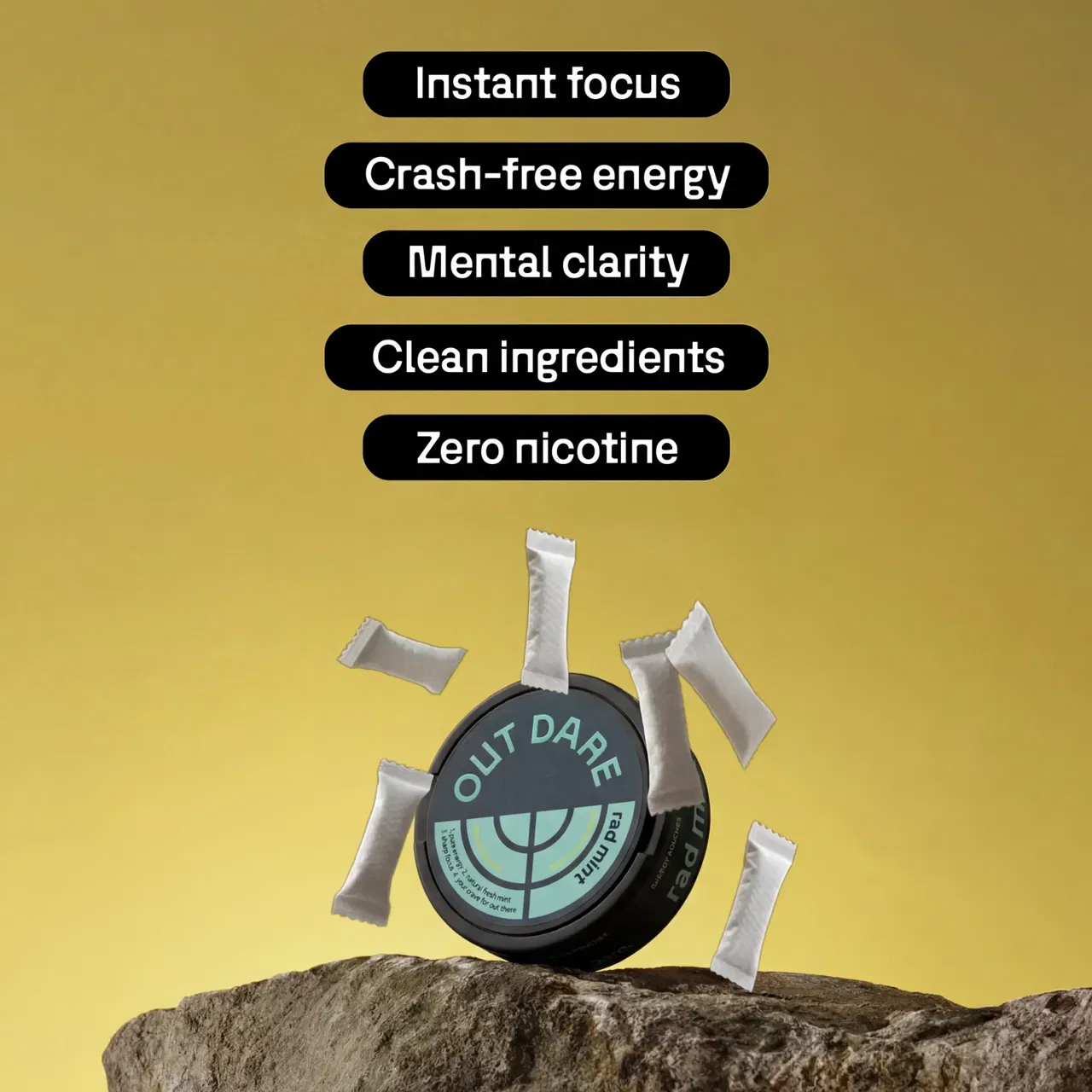
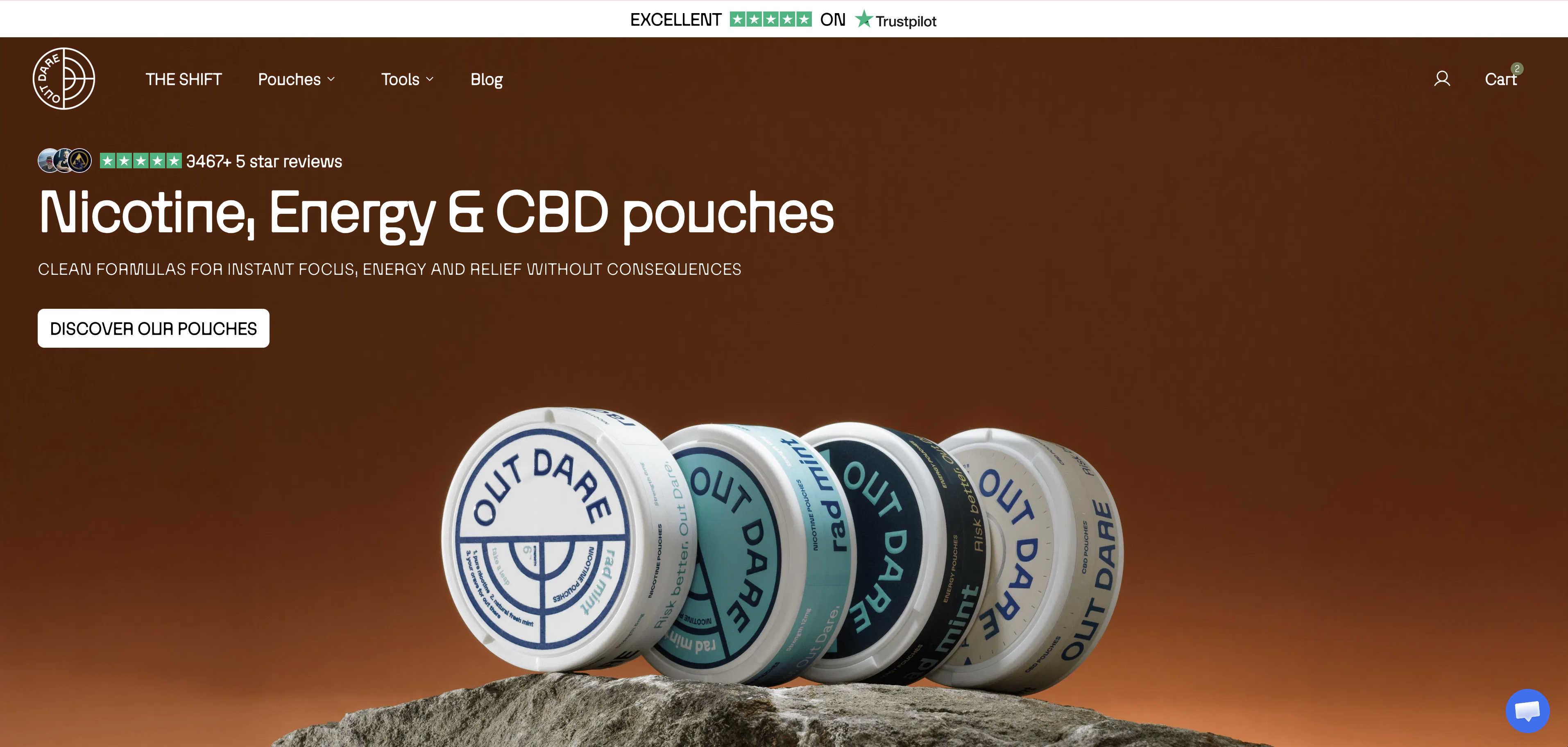
If you also use nicotine pouches for focus, it's worth asking whether the nicotine is doing the work, or whether the ritual is. Outdare's Energy pouch gives you the same mint burn and mouthfeel with 50mg caffeine and zero nicotine, so you can run that experiment yourself. Start with their Discovery Pack to compare all three pouch types back-to-back.
Sources & References
- How Caffeine Pouches Work: What Brands Need to Know
- Neutonic | Nootropic Supplements for Focus, Energy & Performance
Recommended Articles
Explore more from our content library: