





Healthy Alternatives to Smoking: 10 Best Options
| Key Insight | Explanation |
|---|---|
| Nicotine is only 30% of the addiction | The 30/30/30 Addiction Rule shows that habit and sensory cues account for 60% of pouch or cigarette dependency — meaning the ritual matters as much as the chemical. |
| Cold turkey has a high failure rate | Most quit attempts fail because they remove the ritual entirely. Gradual substitution methods consistently outperform abrupt cessation in real-world outcomes. |
| Tobacco-free pouches eliminate combustion risk | Unlike cigarettes or vapes, tobacco-free nicotine pouches (TNPs) deliver nicotine without burning tobacco, removing the carcinogenic byproducts of combustion. |
| Functional pouches can replace nicotine's role | Energy pouches with caffeine and nootropics (cognitive enhancers) can replicate the focus boost of nicotine without chemical dependency. |
| The oral ritual is the hardest part to replace | The physical sensation — the pillow under the lip, the mint burn — is what pulls most people back after quitting. Matching that sensation is key to lasting change. |
| A structured 4-week method beats willpower alone | Users who follow a phased reduction plan (like Outdare's 4-Week Method) report 60–90% nicotine reduction within the first month — without white-knuckling cravings. |
The best healthy alternatives to smoking include tobacco-free nicotine pouches, nicotine replacement therapies (NRT), functional energy pouches, CBD pouches, and behavioral substitutes like exercise and mindfulness. Each option addresses a different layer of dependency — chemical, physical, or sensory — and the most effective strategies target all three simultaneously. If you've tried quitting cold turkey and failed, that's not a willpower problem. It's a method problem.
Smoking kills roughly 8 million people per year globally, according to the World Health Organization, yet quit rates remain stubbornly low because most cessation tools ignore the ritual side of the habit [1]. This guide covers 10 proven healthy alternatives to smoking, ranked by evidence base, practicality, and how well they address the full addiction picture — not just the nicotine.

Why Healthy Alternatives to Smoking Matter in 2026
Healthy alternatives to smoking matter because cigarettes deliver nicotine through combustion — a process that produces over 7,000 chemicals, at least 70 of which are known carcinogens, according to MD Anderson Cancer Center [2]. Any alternative that removes combustion from the equation is a meaningful harm-reduction step, even before full nicotine cessation is achieved.
As of 2026, EU vaping regulations have tightened considerably, and consumer awareness of the long-term costs of nicotine dependency — brain fog, gut issues, receding gums, energy crashes — is higher than ever. The market has responded. The global nicotine pouch market was valued at approximately USD 2.4 billion in 2023 and is projected to grow at a compound annual growth rate (CAGR) of over 35% through 2030, driven largely by smokers and vapers seeking cleaner delivery formats.
The Three Layers of Smoking Addiction
Understanding why you smoke is the first step to choosing the right alternative. Addiction researchers and harm-reduction practitioners increasingly recognize three distinct components:
- Chemical dependency (30%): The nicotine itself — the dopamine hit, the physical craving between doses.
- Physical habit (30%): The oral fixation, the hand-to-mouth motion, the ritual of taking a break.
- Sensory cue (30%): The burn, the taste, the physical sensation that signals "this is working."
This is the 30/30/30 Addiction Rule — a framework that explains why patches and gum alone have such high relapse rates. They address the chemical layer but ignore the other 60%. The most effective alternatives tackle all three.
What the Research Says About Quitting Methods
The Australian Department of Health notes that combining behavioral support with pharmacological or NRT-based tools significantly outperforms going cold turkey [3]. The NHS similarly recommends using stop-smoking products alongside professional support, citing higher success rates than willpower alone [4]. In practice, the people who succeed long-term aren't the ones who suffer more — they're the ones who swap smarter.
10 Best Healthy Alternatives to Smoking
These ten options represent the most effective, evidence-backed, and practically accessible healthy alternatives to smoking available in Europe as of 2026. They're ordered from most direct substitution to most behavioral, so you can identify where you are on the readiness spectrum and choose accordingly.
1. Tobacco-Free Nicotine Pouches
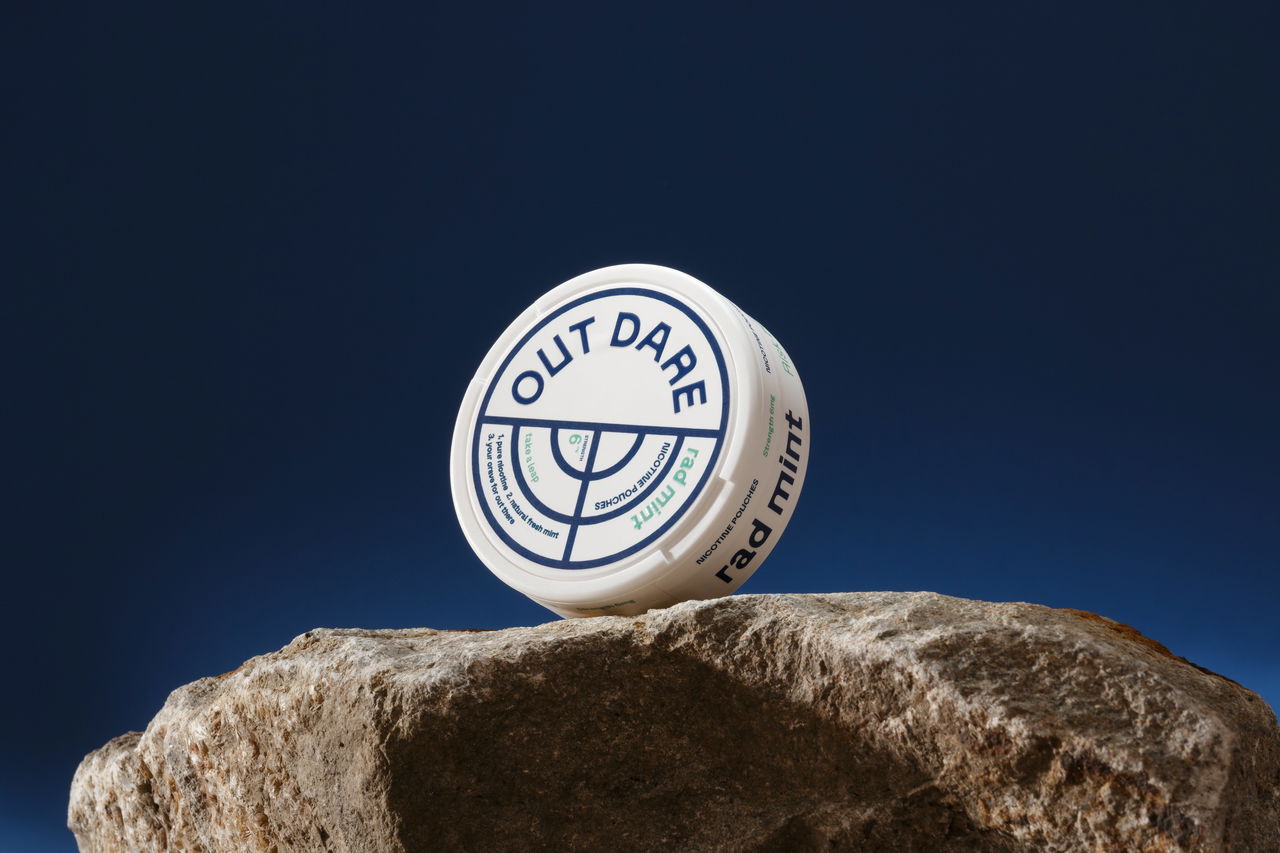
Tobacco-free nicotine pouches (TNPs) are small, white pouches placed under the upper lip that deliver nicotine without any tobacco leaf, combustion, or smoke. They're discreet, odorless, and increasingly popular across Scandinavia and Western Europe.
- Pros: No combustion, no tobacco, no smell, works anywhere, available in multiple strengths (6mg, 12mg, 15mg)
- Cons: Still delivers nicotine, so chemical dependency continues; some users report gum sensitivity with heavy use
- Best for: Smokers and vapers who want an immediate, ritual-preserving switch away from combustion
If you want to understand the full picture of what nicotine pouches are and how they compare to other formats, our guide on smoking alternatives covers the basics well [1].
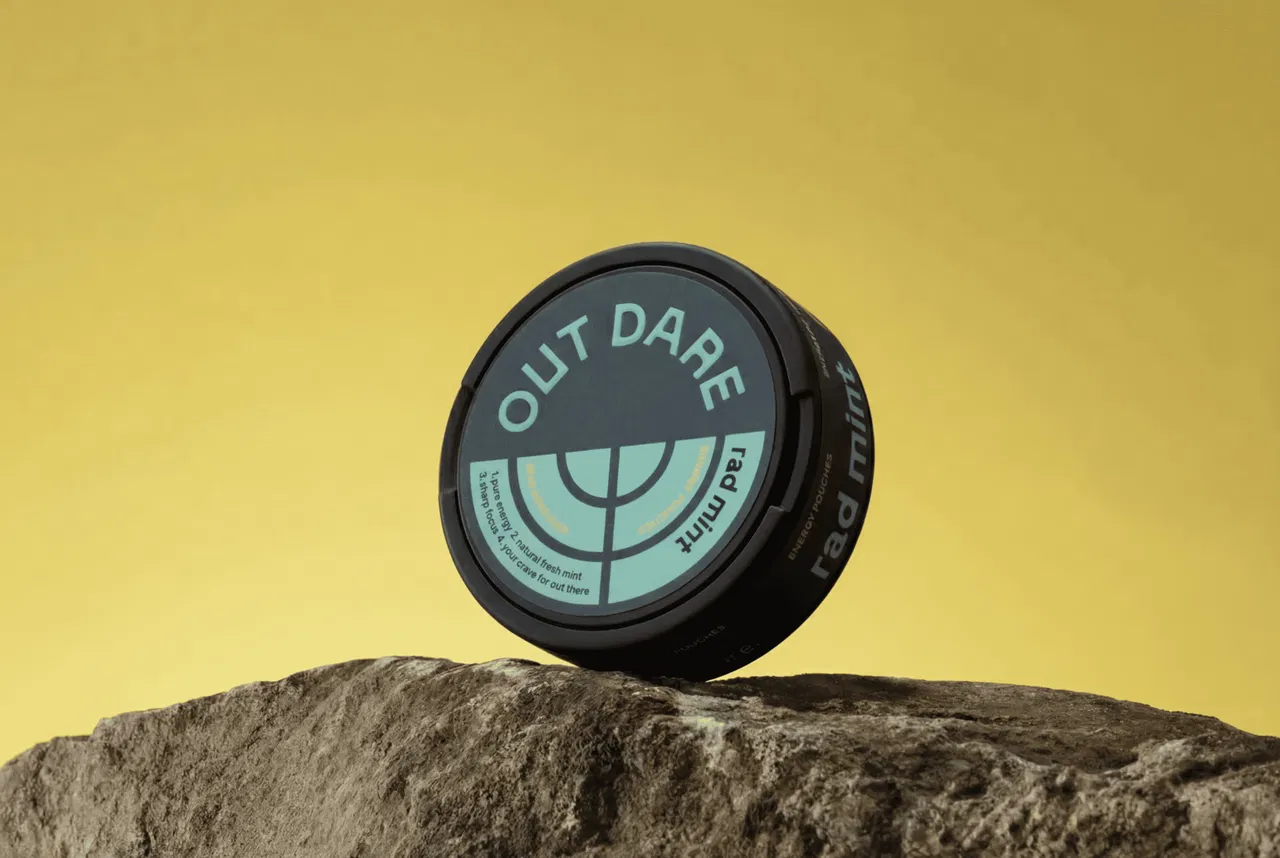
2. Functional Energy Pouches (Caffeine + Nootropics)
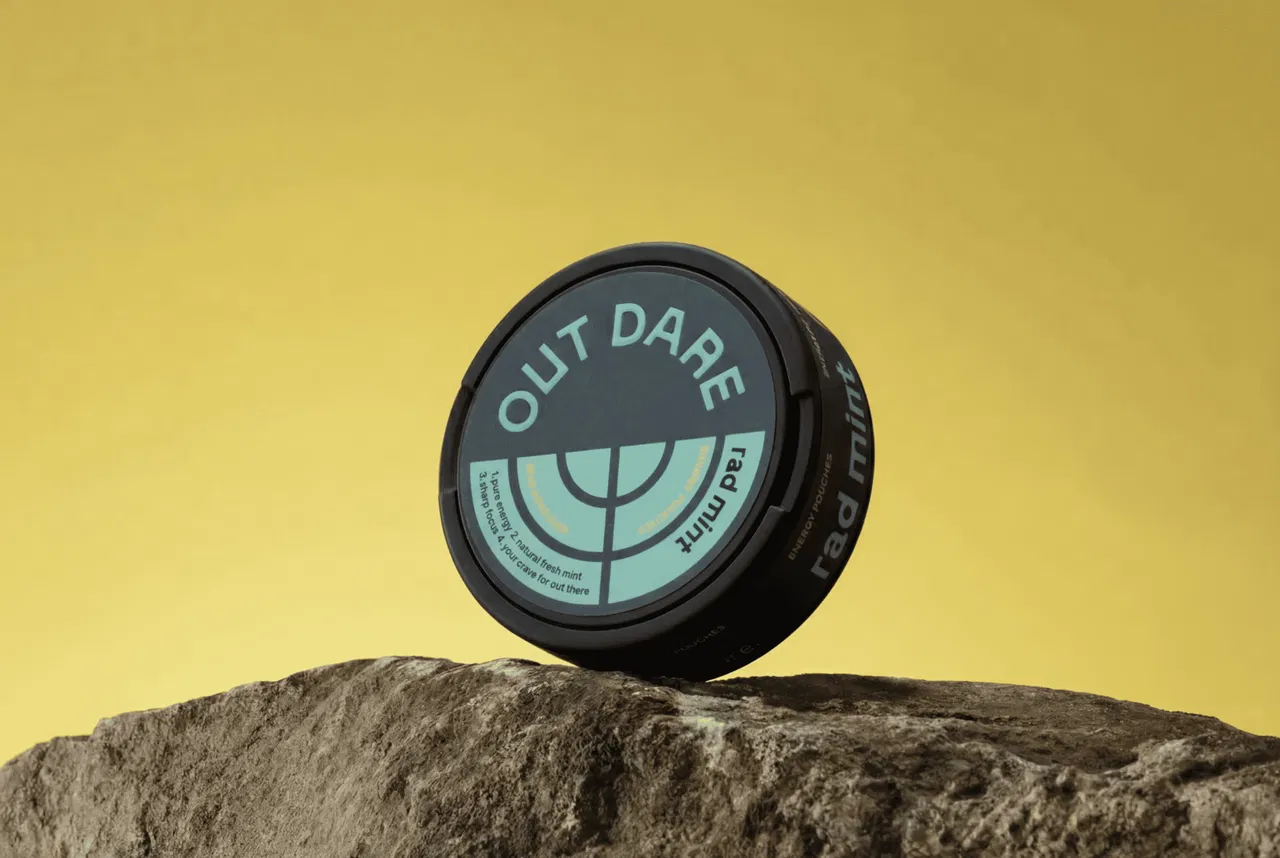
Energy pouches deliver caffeine (typically 50mg per pouch) combined with nootropics — cognitive enhancers like L-Theanine and Alpha-GPC — with zero nicotine. They replicate the focus boost that many smokers associate with nicotine, without the chemical dependency.
- Pros: Zero nicotine, clean energy without jitters, portable, discreet, no liquid or sugar
- Cons: Doesn't address nicotine withdrawal directly; caffeine dependency is possible with overuse
- Best for: Productivity-focused users who reach for a cigarette or pouch to sharpen focus, not just out of craving
At Outdare LTD, we've found that energy pouches are most effective when used as a direct swap during the hours when nicotine was previously used for concentration — typically mid-morning and early afternoon.
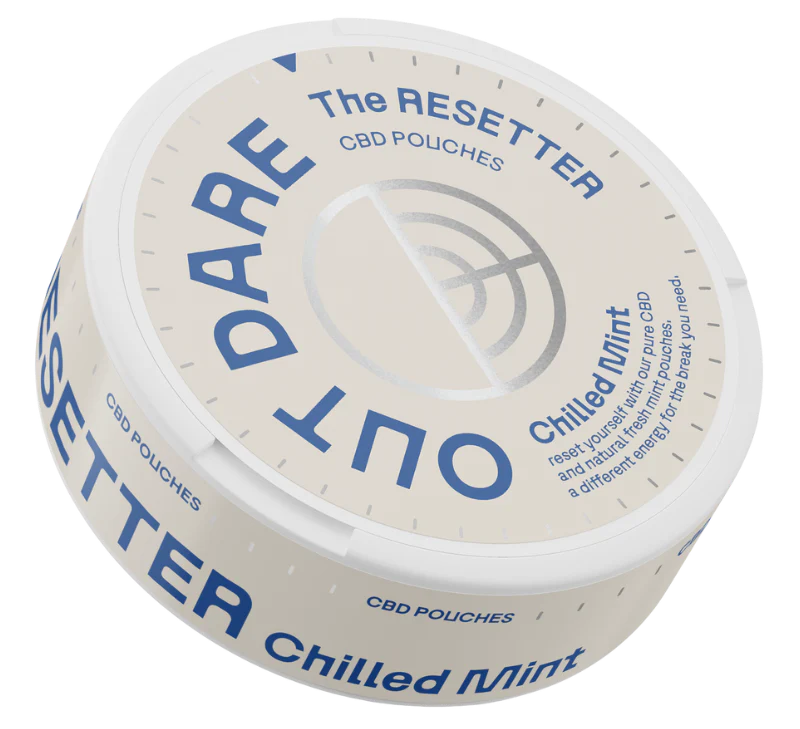
3. CBD Pouches
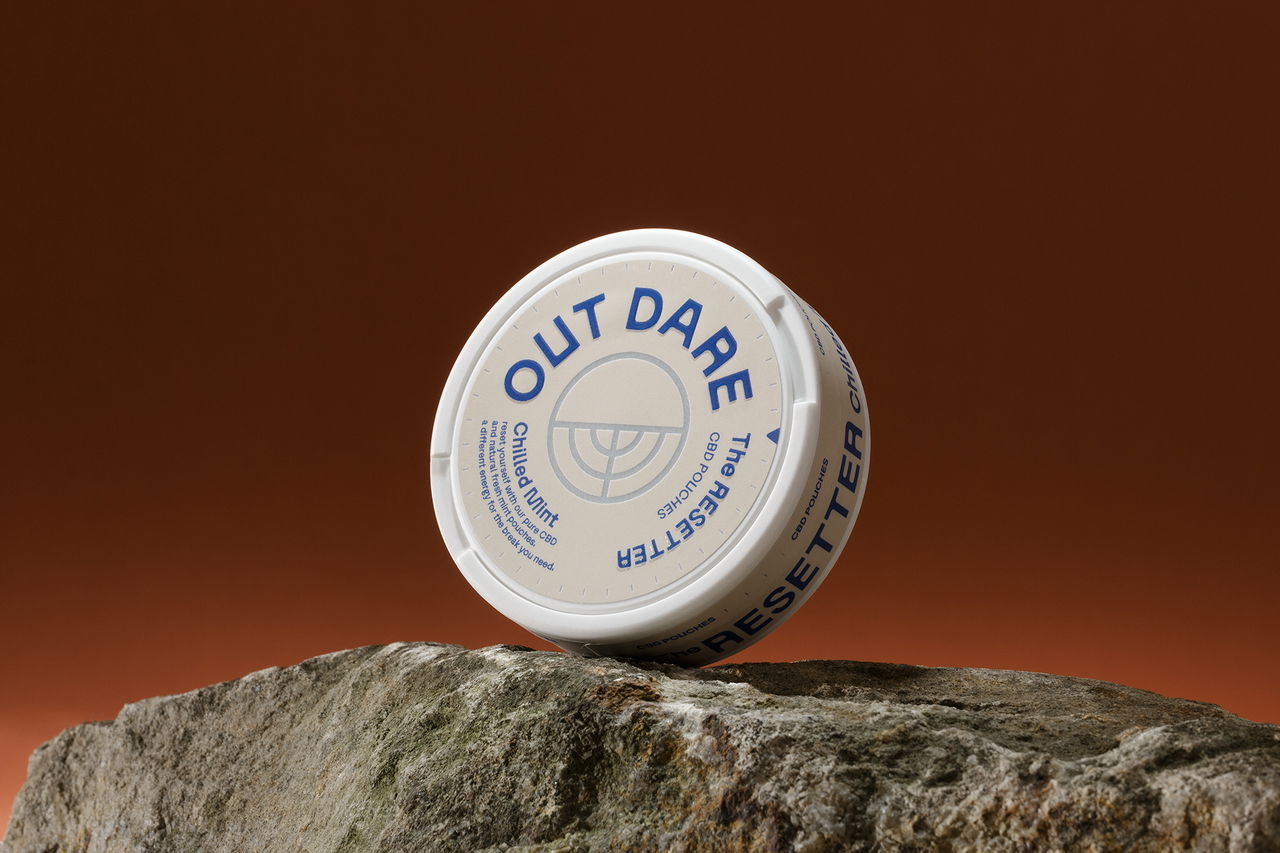
CBD (cannabidiol) pouches deliver a measured dose of non-psychoactive CBD through the oral mucosa, offering calm and stress relief without nicotine or THC. They're particularly useful as an evening ritual replacement.
- Pros: Zero nicotine, zero psychoactive effect, supports relaxation and sleep quality, maintains the oral ritual
- Cons: Effects are subtle and may not satisfy acute nicotine cravings in heavy users
- Best for: Users who smoke in the evening to decompress, or anyone managing anxiety-driven smoking
4. Nicotine Replacement Therapy (NRT) — Patches
Nicotine patches are transdermal (skin-absorbed) delivery systems that provide a slow, steady release of nicotine over 16–24 hours. They're one of the most studied NRT formats and are recommended by both the NHS and Mayo Clinic [5].
- Pros: Clinically proven, available over the counter, removes the oral habit (which can be a pro or con)
- Cons: Does nothing for the oral ritual or sensory cues; some users experience skin irritation or vivid dreams
- Best for: Smokers who want to address chemical dependency while using a separate behavioral strategy for the ritual
5. Nicotine Gum and Lozenges
Nicotine gum and lozenges are fast-acting oral NRT formats that deliver nicotine through the gum tissue or throat lining. MD Anderson Cancer Center lists them among the six most effective stop-smoking products available without a prescription [2].
- Pros: Addresses oral fixation partially, fast-acting, widely available
- Cons: Medicinal feel, awkward in social situations, doesn't replicate the pouch or cigarette sensory experience
- Best for: Smokers in early cessation who need on-demand nicotine control during cravings
6. Prescription Medications (Varenicline / Bupropion)
Varenicline (brand name Champix in Europe) and bupropion are prescription medications that work by blocking nicotine receptors or modulating dopamine pathways. They're among the most effective pharmacological tools for cessation.
- Pros: High clinical efficacy, addresses chemical dependency at the neurological level
- Cons: Requires prescription, potential side effects include nausea and mood changes, does not address ritual
- Best for: Heavy smokers (20+ cigarettes per day) with a strong motivation to quit and access to medical support
7. Mindfulness and Breathing Exercises
Structured breathing techniques — including diaphragmatic breathing and the 4-7-8 method — can interrupt the craving cycle by activating the parasympathetic nervous system. Verywell Mind lists deep breathing as one of the most accessible behavioral alternatives to reaching for a cigarette [6].
- Pros: Zero cost, zero side effects, works immediately, builds long-term stress resilience
- Cons: Doesn't address nicotine withdrawal or oral fixation; requires practice to become effective under stress
- Best for: Anyone using smoking as a stress management tool, particularly in combination with another cessation method
8. Exercise and Physical Activity
Aerobic exercise triggers dopamine and endorphin release — the same neurochemical pathways activated by nicotine. The Smokers' Helpline recommends incorporating exercise as a direct craving management tool, not just a general health booster [1].
- Pros: Improves mood, reduces withdrawal symptoms, builds a competing healthy habit loop
- Cons: Not always practical in the moment of a craving; doesn't address oral fixation
- Best for: Fitness-minded users who want to channel the energy and discipline of quitting into a positive physical outlet
9. Oral Substitutes (Crunchy Snacks, Herbal Toothpicks, Gum)
IU Health's behavioral cessation guide recommends crunchy vegetables, sugarless gum, and toothpicks as tactile oral substitutes that keep the mouth busy during cravings [7]. These aren't glamorous, but they work for mild-to-moderate habit cravings.
- Pros: Zero cost, zero nicotine, immediately accessible
- Cons: No chemical or sensory satisfaction; unlikely to hold against strong cravings alone
- Best for: Late-stage quitters who've already addressed chemical dependency and just need to manage residual oral habit
10. Behavioral Therapy and Support Groups
Cognitive Behavioral Therapy (CBT) for smoking cessation helps users identify triggers, reframe craving responses, and build sustainable coping strategies. The Australian Department of Health recommends combining behavioral support with any pharmacological approach for best results [3].
- Pros: Addresses the psychological root of the habit, builds lasting change, effective in combination with NRT
- Cons: Requires time and access to a therapist or structured program; results take weeks to months
- Best for: Anyone who has tried product-based quit methods multiple times and suspects the psychological trigger is the missing piece

The Ritual Problem: Why Most Quit Methods Fail
Most quit methods fail because they remove the chemical but ignore the ritual — and the ritual is what actually pulls you back. This is the core insight behind the 30/30/30 framework, and it's why someone can wear a nicotine patch and still light a cigarette twenty minutes later.
What the 30/30/30 Rule Reveals About Relapse
Here's the honest breakdown. When you smoke or use a nicotine pouch, you're getting three things simultaneously:
- A chemical hit (nicotine binding to acetylcholine receptors)
- A physical ritual (the hand-to-mouth or lip placement, the pause, the break)
- A sensory signal (the burn, the taste, the physical feedback that something is "working")
Patches address item one. They do nothing for items two and three. That's why so many people on patches still crave the act of smoking — not the nicotine itself, but the ritual around it [4].
A one-time client case illustrates this well. A 32-year-old heavy pouch user (two cans a day) switched to patches for three weeks. Chemical withdrawal eased. But he kept reaching for his pocket at 10am, 2pm, and after meals — not because he needed nicotine, but because those were his pouch moments. The ritual was still running. He relapsed within a month.
The Case for Sensory-Matched Substitution
The most effective approach to healthy alternatives to smoking isn't about removing everything at once. It's about maintaining the ritual while gradually changing what's inside it. This is the logic behind matched-sensory substitution — using alternatives that feel, taste, and behave like the original habit, so the brain doesn't register a loss.
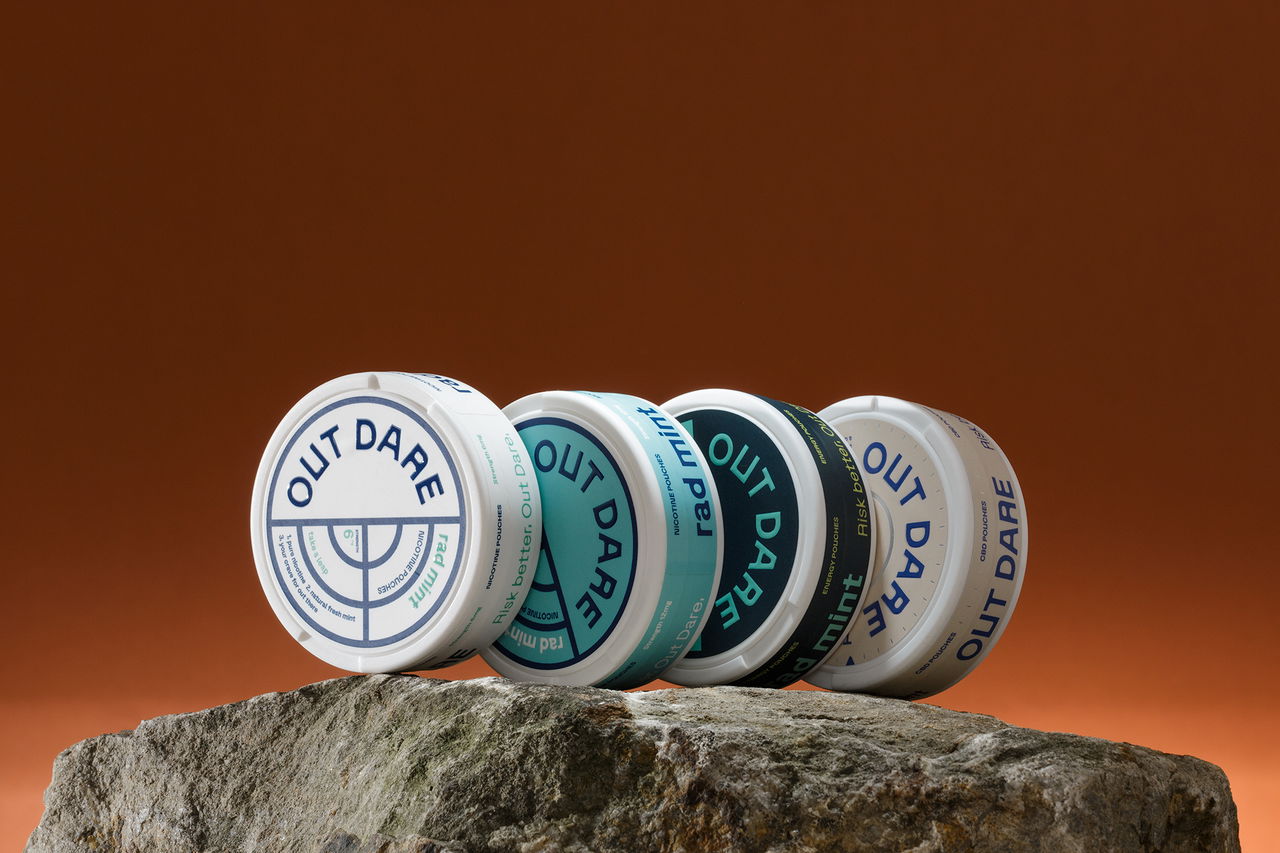
When all three pouch formats share the same mint flavor, the same gum burn, and the same physical mouthfeel, the brain can't distinguish between them during habit execution. That's not a trick — it's harm-reduction engineering. The ritual stays intact. The nicotine content drops. Most users following this approach reduce their nicotine intake by 60–90% within the first month, without the white-knuckling that defines most cold-turkey attempts.
Pro Tip: Map your smoking or pouch moments by time of day before choosing an alternative. Morning focus sessions, post-lunch dips, and evening wind-downs each call for a different substitute — energy, CBD, or a behavioral swap. One-size-fits-all rarely works.
How to Choose the Right Alternative for You
Choosing the right healthy alternative to smoking depends on three factors: your current dependency level, what role smoking plays in your day, and how much of the ritual you need to preserve to avoid relapse. There's no universal answer — but there is a logical decision framework.
Decision Framework: Match the Alternative to the Moment
- Identify your dependency level. How many cigarettes or pouches per day? Under 10 = mild; 10–20 = moderate; 20+ = heavy. Heavy users typically need a chemical bridge (NRT or nicotine pouches) before purely behavioral alternatives become viable.
- Map your smoking triggers. Stress? Focus? Boredom? Social situations? Each trigger maps to a different alternative. Stress → CBD or breathing. Focus → energy pouch or caffeine. Boredom → oral substitute or exercise.
- Assess how much the ritual matters to you. If you've tried patches and hated them, the ritual is central to your dependency. You need a sensory-matched alternative, not just a chemical one.
- Choose a structured method, not just a product. The Australian Department of Health's guidance is clear: combining behavioral support with a cessation product consistently outperforms using either alone [3].
- Plan for the first 72 hours. Nicotine withdrawal peaks between 24–72 hours after the last cigarette. Having your alternative ready and within reach before you start is non-negotiable.
Pro Tip: Don't try to replace smoking with one thing. Use a layered approach: a nicotine bridge (pouch or NRT) for the chemical need, an energy or CBD pouch for the ritual moments, and a behavioral tool (exercise, breathing) for the emotional triggers. Three tools beat one every time.
Who Should Avoid Which Options
- Pregnant individuals: Should avoid all nicotine-containing products and consult a healthcare provider before using any cessation aid. Behavioral and non-nicotine options are the starting point.
- Cardiovascular patients: The European Society of Cardiology notes that nicotine itself carries cardiovascular risk, so NRT and nicotine pouches should be used under medical guidance [5].
- Adolescents under 18: No nicotine-containing alternative is appropriate. Behavioral and non-nicotine substitutes only.
- Users with anxiety disorders: High-caffeine energy pouches may exacerbate anxiety. CBD pouches or behavioral tools are a better starting point.
Pro Tip: If you're also concerned about gum health from long-term pouch use, our guide on nicotine pouches and gum health covers what the research actually says — and what you can do about it.
Comparison: Smoking Alternatives at a Glance
Use this table to compare the ten alternatives side by side across the dimensions that matter most for your decision.
| Alternative | Nicotine-Free? | Preserves Ritual? | Evidence Base | Best Use Case |
|---|---|---|---|---|
| Tobacco-Free Nicotine Pouches | No | Yes (fully) | Strong (harm reduction) | Immediate switch from cigarettes/vaping |
| Energy Pouches (Caffeine + Nootropics) | Yes | Yes (fully) | Emerging | Focus-driven pouch moments |
| CBD Pouches | Yes | Yes (fully) | Emerging | Evening / stress-driven smoking |
| Nicotine Patches | No | No | Very strong (clinical) | Chemical dependency management |
| Nicotine Gum / Lozenges | No | Partial | Very strong (clinical) | On-demand craving management |
| Prescription Medications | Yes | No | Very strong (clinical) | Heavy smokers with medical support |
| Mindfulness / Breathing | Yes | No | Moderate | Stress-driven smoking triggers |
| Exercise | Yes | No | Strong | Building a competing habit loop |
| Oral Substitutes | Yes | Partial | Low-moderate | Late-stage residual oral habit |
| Behavioral Therapy (CBT) | Yes | No | Very strong | Psychological trigger management |
Sources & References
- Smokers' Helpline NL, "Alternatives to Smoking," 2024
- MD Anderson Cancer Center, "Quit smoking: 6 products to strike out nicotine cravings," 2023
- Australian Department of Health, Disability and Ageing, "Quitting methods," 2024
- NHS Better Health, "Find the best stop-smoking product for you," 2024
- European Society of Cardiology, "Cardiologists and smoking alternatives: what we should know," 2023
- Verywell Mind, "101 Things to Do Instead of Smoking," 2024
- IU Health, "85 Things to Do Besides Smoking," 2023
- Mayo Clinic, "Quitting smoking: 10 ways to resist tobacco cravings," 2024
Frequently Asked Questions
1. What are the healthiest alternatives to smoking cigarettes?
The healthiest alternatives to smoking are those that eliminate combustion entirely. Tobacco-free nicotine pouches, NRT patches, and prescription medications like varenicline remove the carcinogens produced by burning tobacco. For those wanting zero nicotine, functional energy pouches and CBD pouches maintain the oral ritual without any chemical dependency. The "healthiest" option depends on your current dependency level — most heavy smokers need a chemical bridge before purely nicotine-free options become realistic.
2. Are nicotine pouches a healthy alternative to smoking?
Nicotine pouches are a significantly less harmful alternative to smoking because they contain no tobacco and produce no combustion byproducts. They still deliver nicotine, so they're not risk-free — but the harm profile is dramatically lower than cigarettes. The European Society of Cardiology acknowledges that removing combustion is a meaningful harm-reduction step. For smokers who can't quit outright, switching to tobacco-free pouches is a credible intermediate step, especially when paired with a gradual reduction plan.
3. What can I use instead of smoking to relax?
CBD pouches are one of the most direct substitutes for relaxation-driven smoking. They deliver cannabidiol through the oral mucosa, producing calm without nicotine or psychoactive effects. Diaphragmatic breathing exercises are another evidence-backed option — they activate the parasympathetic nervous system and can interrupt the stress-craving cycle within minutes. For people who smoke in the evening to decompress, replacing that moment with a CBD pouch maintains the ritual while removing the chemical dependency.
4. What is the best cigarette alternative without nicotine?
The best nicotine-free cigarette alternatives are those that address the ritual and sensory dimensions of smoking without the chemical. Energy pouches (caffeine + nootropics) and CBD pouches both preserve the oral placement ritual and deliver a tangible functional effect — focus or calm — without nicotine. Herbal toothpicks and sugarless gum are lower-cost options that address oral fixation for mild cravings. For heavy smokers, purely nicotine-free options work best after a chemical step-down period using NRT or nicotine pouches.
5. I enjoy smoking — how do I find an alternative I'll actually stick with?
This is the most honest question, and it deserves a direct answer. If you enjoy smoking, what you're actually enjoying is the ritual, the sensory feedback, and the chemical effect — not the cigarette itself. The key is finding an alternative that replicates as many of those elements as possible. Sensory-matched substitutes (like pouches with the same burn and taste) have much higher adherence rates than clinical alternatives like patches, because they don't feel like deprivation. You don't need to stop enjoying the ritual — you just need to change what's inside it.
6. Are healthy alternatives to smoking safe during pregnancy?
No nicotine-containing product — including pouches, patches, gum, or lozenges — should be used during pregnancy without explicit medical guidance. Nicotine affects fetal development regardless of the delivery method. Non-nicotine behavioral alternatives (breathing exercises, mindfulness, exercise) are the safest starting point. Anyone who is pregnant and struggling to quit smoking should consult a healthcare provider immediately — combination behavioral support is available and effective without chemical aids.
7. How long does it take for healthy alternatives to smoking to reduce cravings?
The timeline varies by method and dependency level. Nicotine cravings peak in the first 24–72 hours and typically subside significantly within 2–4 weeks of consistent abstinence or substitution. Users following a structured reduction plan — gradually swapping nicotine pouches for energy or CBD pouches — typically report 60–90% nicotine reduction within the first month. Behavioral tools like exercise and mindfulness take 3–6 weeks of consistent practice to meaningfully reduce craving intensity on their own.

Conclusion
There's no single best healthy alternative to smoking — there's the best one for where you are right now. Heavy smokers need a chemical bridge. Ritual-driven users need sensory-matched substitutes. Stress smokers need a calm-inducing replacement. The mistake most people make is picking one tool and expecting it to do everything.
The most durable exits from smoking combine a chemical step-down (NRT or nicotine pouches), a ritual-preserving substitute (energy or CBD pouches), and a behavioral anchor (exercise, breathing, or therapy). That's not three things to manage simultaneously — it's three layers of the same system working together.
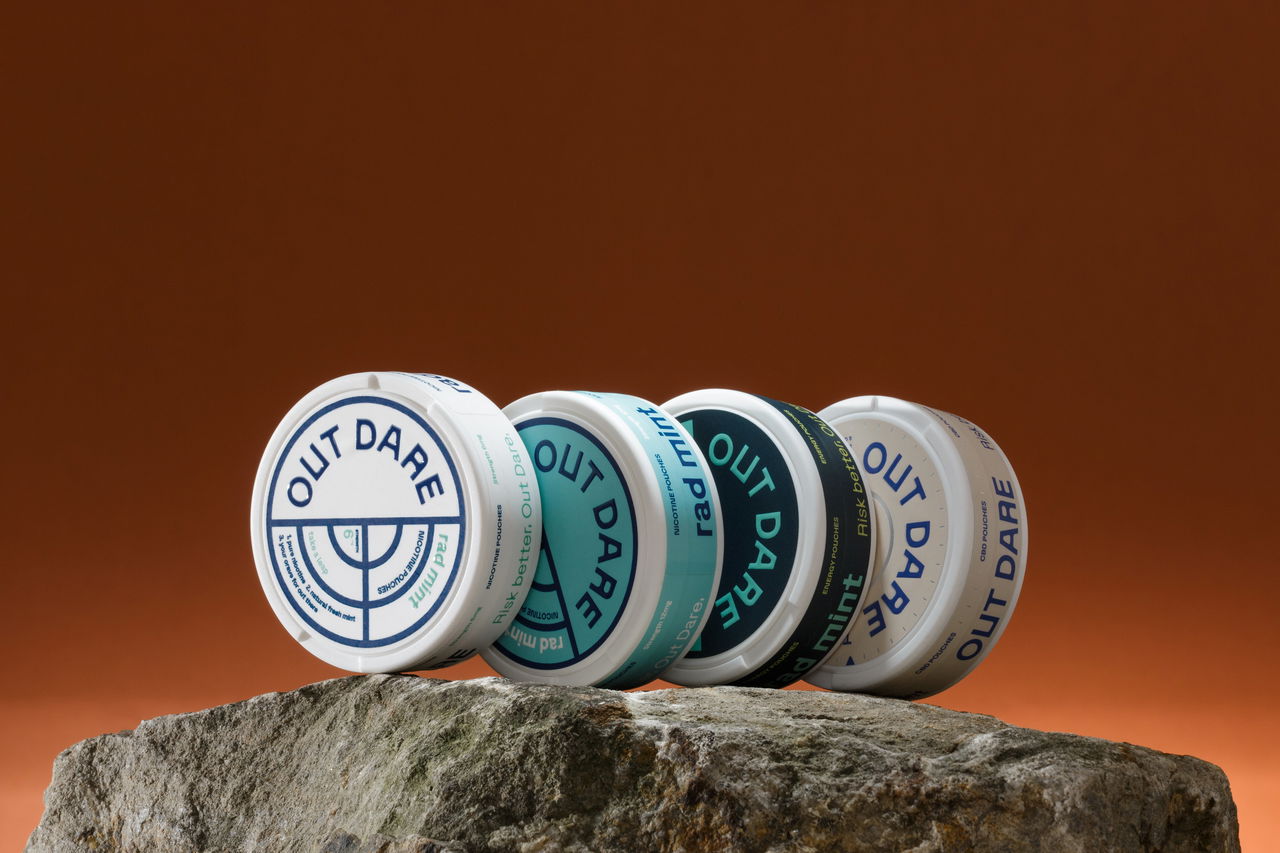
At Outdare LTD, we built exactly that system. Three pouches. Same taste. Same burn. Same ritual. You control what's inside. If you're done with the brain fog, the receding gums, and the feeling that nicotine is choosing for you — the Discovery Pack is where most people start. Risk Better. Out Dare.
Recommended Articles
Explore more from our content library: