



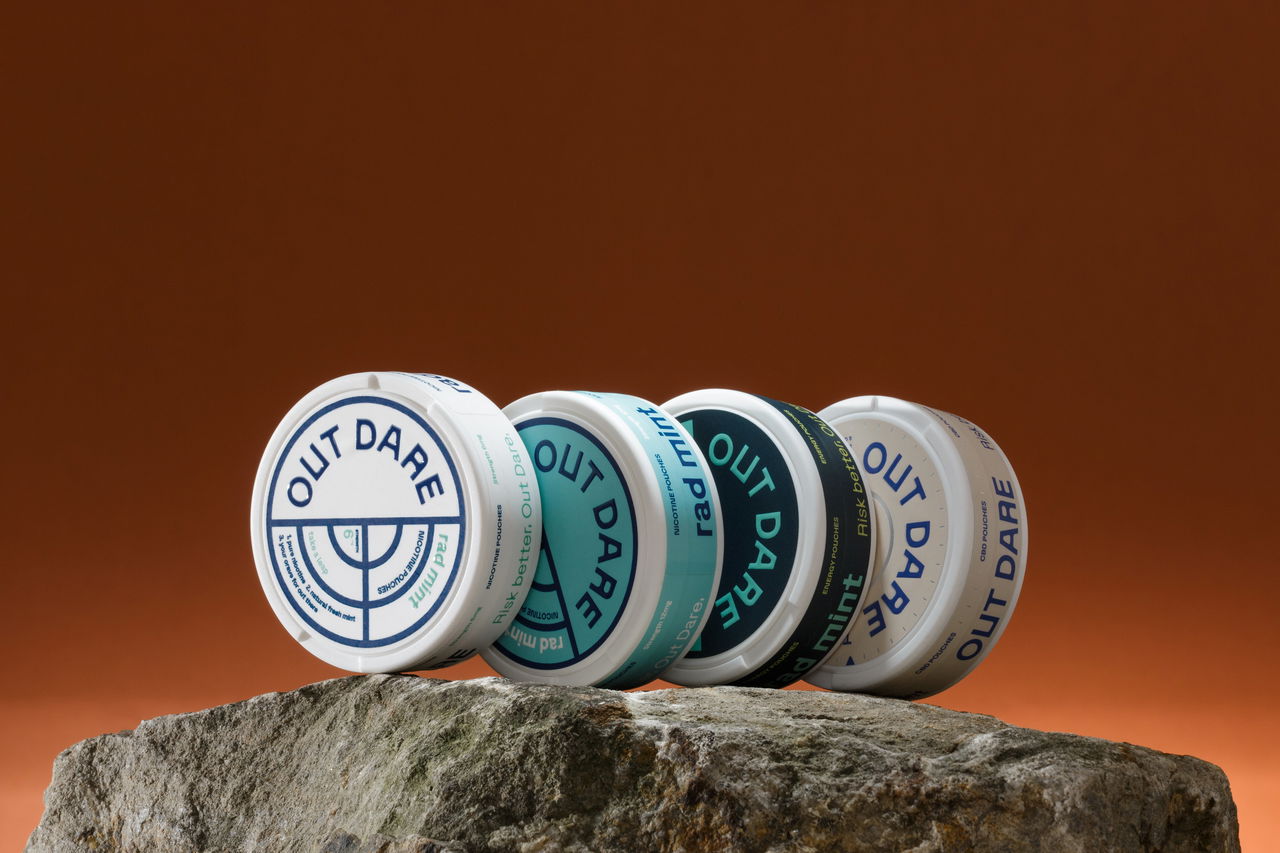

Flow State Supplements: Your Guide to Peak Focus
| Key Insight | Explanation |
|---|---|
| Flow state is neurochemically distinct | During flow, the brain releases dopamine, norepinephrine, and anandamide simultaneously — a combination that's difficult to replicate without the right conditions and support compounds. |
| Not all stimulants help | High-dose caffeine alone can spike anxiety and disrupt the calm-focus balance required for flow. Pairing caffeine with L-Theanine is the most evidence-supported combination. |
| Delivery format matters | Oral pouches deliver active compounds faster than capsules and without the digestive lag of drinks, making them an increasingly popular format for on-demand cognitive support. |
| The ritual is part of the effect | Behavioral cues (placing a pouch, the sensory burn) prime the brain for focus before any compound is absorbed — a phenomenon well-documented in habit and addiction research. |
| Nicotine dependency undermines flow | The withdrawal cycle from nicotine causes the exact brain fog and energy crashes that make deep work impossible. Reducing chemical dependency while keeping the ritual is the smarter strategy. |
| Clean formulas outperform junk-loaded alternatives | Plant-fiber fillers, xylitol bases, and natural mint flavor avoid the gut disruption and sugar crashes that derail sustained cognitive performance. |
Flow state supplements are compounds, formulations, and delivery systems designed to support the neurochemical conditions required for deep, distraction-free focus. The concept isn't new — athletes, coders, writers, and traders have experimented with cognitive enhancers for decades. But as of 2026, the science behind achieving flow on demand has matured considerably, and the tools available have gotten sharper. This guide walks you through exactly what flow state supplements are, which ones have the strongest evidence behind them, how to stack and time them correctly, and why your delivery format may matter more than the ingredient list. Whether you're trying to get four hours of deep work done before lunch or you're a nicotine pouch user whose afternoon brain fog is killing your output, this is the practical system you've been looking for. Estimated time to implement: one to two weeks for a full protocol. Difficulty: beginner to intermediate.

What Are Flow State Supplements?
Flow state supplements are nootropics (cognitive-enhancing compounds) and functional ingredients used to lower the neurological barriers to entering a flow state — the high-performance mental zone first described by psychologist Mihaly Csikszentmihalyi.
The Neuroscience Behind Flow
Flow is a measurable neurological event, not a metaphor. Research published in PMC confirms that the flow state involves a specific pattern of brain activity characterized by reduced prefrontal cortex activity (the "inner critic" going quiet), elevated dopamine and norepinephrine, and a shift toward alpha and theta brainwave frequencies [1]. These conditions produce the feeling of effortless concentration most high performers describe.
The challenge is that modern life actively works against this state. Constant notifications, poor sleep, excessive caffeine, and — critically — nicotine withdrawal cycles all fragment attention before you can reach the threshold where flow kicks in.
Why Supplements Enter the Picture
Flow state supplements don't manufacture focus out of nothing. They remove friction. The best ones work by:
- Raising baseline dopamine availability without creating a crash
- Reducing cortisol and anxiety that block the "transient hypofrontality" (the quieting of the inner critic) needed for flow
- Supporting acetylcholine production, which governs sustained attention and working memory
- Providing clean, stable energy without the spike-and-crash pattern of sugar or high-dose caffeine alone
According to research reviewed in a 2026 paper on flow state measurement in Frontiers in Psychology, the ability to enter flow is closely tied to perceived challenge-skill balance and attentional control — both of which can be modulated by nutritional and supplemental interventions [2].
Industry analysts note that the global nootropics market is projected to exceed USD 6.5 billion by 2027, driven largely by productivity-focused consumers who want clean cognitive tools rather than pharmaceutical stimulants. The demand for discreet, portable delivery formats has accelerated this growth significantly.
What You'll Need: Prerequisites for Entering Flow
Before any supplement can help, your baseline conditions need to meet a minimum threshold — without these in place, even the best nootropic stack won't get you into flow.
Foundational Requirements
- Sleep baseline: At least 6.5 hours of quality sleep. Flow state is neurologically impossible when you're running on a sleep deficit — no supplement fixes this.
- A defined task with clear difficulty: Flow requires a challenge that's slightly above your comfort zone. Without a specific, demanding task, there's nothing to enter flow on.
- A distraction-free window: Minimum 90 minutes of uninterrupted time. Csikszentmihalyi's original research established that flow typically requires 15-20 minutes of focused warm-up before it kicks in [1].
- Stable blood sugar: Energy crashes mid-session are one of the most common flow disruptors. Eat a balanced meal or snack 60-90 minutes before your session.
- Controlled stimulant intake: If you're a heavy nicotine pouch user, understand that nicotine withdrawal — which begins as early as 45-60 minutes after your last pouch — actively disrupts dopamine signaling and kills focus.
Tools and Knowledge You'll Need
- A basic understanding of your own stimulant tolerance (caffeine, nicotine, or both)
- A habit tracking method — even a simple spreadsheet works
- Access to quality flow state supplements (see Step 2 for specifics)
- A consistent pre-session ritual to prime your brain for focus (more on this in Step 5)
Pro Tip: Don't start a new supplement protocol the same week you're trying to quit nicotine cold turkey. The withdrawal symptoms will mask any nootropic benefit and make it impossible to isolate what's working. Reduce chemical dependency gradually while building your supplement stack — that's the smarter sequence.
Step 1: Identify Your Flow Blockers
The first step to using flow state supplements effectively is diagnosing what's actually preventing you from reaching flow — because the blocker determines the solution.
Common Flow Blockers and Their Causes
Most people assume their focus problem is a deficit of stimulation. In practice, it's usually the opposite: too much cortisol, too much neurological noise, or a disrupted dopamine system from dependency cycles. Here are the most common blockers:
- Brain fog from nicotine withdrawal: If you use nicotine pouches (ZYN, Velo, or similar), your brain's dopamine system has been conditioned to expect regular nicotine hits. Between doses, dopamine drops sharply — producing the exact foggy, unmotivated state that makes deep work impossible.
- Caffeine overconsumption: More than 300mg of caffeine daily raises cortisol and creates anxiety that actively blocks the calm-focus state flow requires.
- Anxiety and rumination: High cortisol keeps the prefrontal cortex hyperactive — the opposite of the transient hypofrontality needed for flow.
- Poor sleep quality: Even one night of disrupted sleep reduces working memory capacity by up to 40%, per research from the National Sleep Foundation.
- Fragmented attention habits: Checking your phone every 10 minutes trains your brain out of sustained attention. No supplement overcomes a deeply ingrained distraction habit.
- Keep a 3-day focus journal: note when you feel sharpest, when you crash, and what you consumed beforehand.
- Identify your primary blocker: is it energy, anxiety, withdrawal, or attention fragmentation?
- Map your nicotine or caffeine intake against your energy curve to spot the withdrawal dips.
- Use this diagnosis to select the right supplement category in Step 2.
A common mistake practitioners make here is jumping straight to a nootropic stack without identifying the root cause. One client example: a 29-year-old product manager was burning through 15mg nicotine pouches all day, convinced he needed "more focus." His actual problem was a withdrawal cycle every 45 minutes that was resetting his dopamine baseline. The fix wasn't more stimulation — it was breaking the cycle.
Step 2: Choose the Right Flow State Supplements
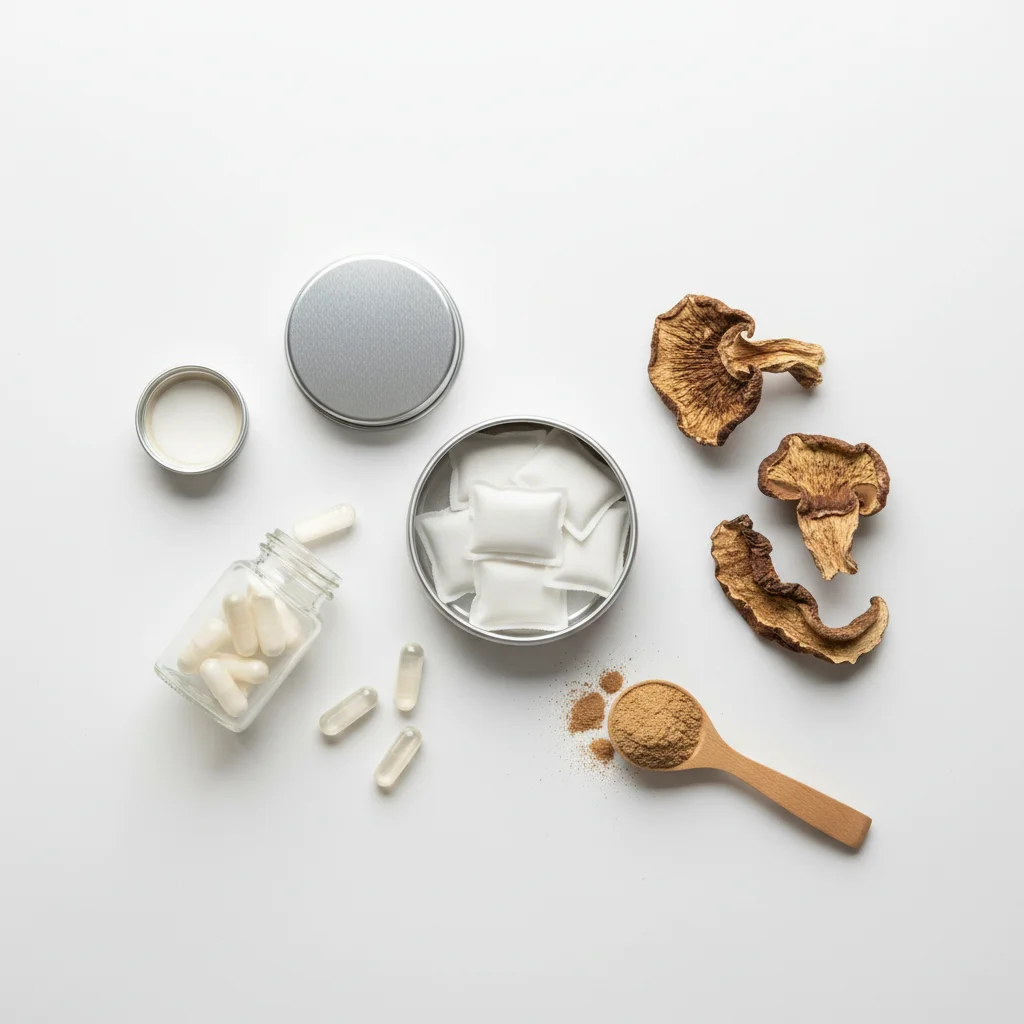
The best flow state supplements work by supporting specific neurotransmitter systems — not by flooding the brain with stimulants. Here's what the evidence actually supports as of 2026.
The Core Evidence-Backed Compounds
| Compound | Primary Mechanism | Typical Dose | Best For |
|---|---|---|---|
| L-Theanine | Promotes alpha brainwaves, reduces anxiety without sedation | 100-200mg | Calm focus, anxiety reduction |
| Caffeine (moderate dose) | Adenosine receptor antagonist; boosts alertness and dopamine | 50-100mg | Energy, motivation, alertness |
| Alpha-GPC | Choline precursor; supports acetylcholine for memory and attention | 300-600mg | Working memory, deep work |
| Lion's Mane Mushroom | Stimulates NGF (nerve growth factor); supports neuroplasticity | 500-1000mg | Long-term cognitive health |
| Rhodiola Rosea | Adaptogen; reduces cortisol and mental fatigue | 200-400mg | Stress resilience, sustained energy |
| CBD | Endocannabinoid modulation; reduces anxiety and promotes calm | 10-25mg | Evening recovery, anxiety management |
The caffeine-plus-L-Theanine combination is the most consistently supported pairing in the nootropics literature [3]. A 2:1 ratio of L-Theanine to caffeine (e.g., 100mg caffeine with 200mg L-Theanine) produces sharper focus with significantly less anxiety than caffeine alone. According to Mind Lab Pro's research on nootropics and flow state, natural supplements may help support the calm focus and low distraction associated with flow state [3].
A PDF review from the Society for Reproductive Flow Research notes that while individual responses vary, certain nootropics consistently lower the activation threshold for flow by reducing cognitive friction rather than forcing stimulation [4].
Step 3: Stack Your Compounds Strategically
A nootropic stack (a combination of compounds taken together for synergistic effect) works better than any single ingredient — but only when the compounds are chosen for compatibility, not just popularity.
How to Build a Beginner Flow Stack
- Start with the caffeine-L-Theanine base. This is your foundation. Use 50mg caffeine paired with 100mg L-Theanine to establish clean energy without anxiety.
- Add a choline source. Alpha-GPC (300mg) or CDP-Choline supports acetylcholine — the neurotransmitter that governs sustained attention and working memory. Don't skip this.
- Consider an adaptogen for cortisol management. Rhodiola Rosea (200mg) taken in the morning reduces stress-related cognitive interference, making it easier to reach the calm-focus threshold.
- Use CBD or magnesium glycinate in the evening. Recovery matters as much as performance. Poor sleep the night before is the most reliable flow killer.
Delivery Format: Why It Matters More Than You Think
Here's something most nootropic guides ignore. How you take your supplements affects both onset speed and the psychological priming effect. Capsules take 30-45 minutes to absorb through the digestive system. Oral pouches that sit under the lip deliver compounds through the buccal mucosa (the thin tissue lining of the cheek and gum) in as little as 5-10 minutes.
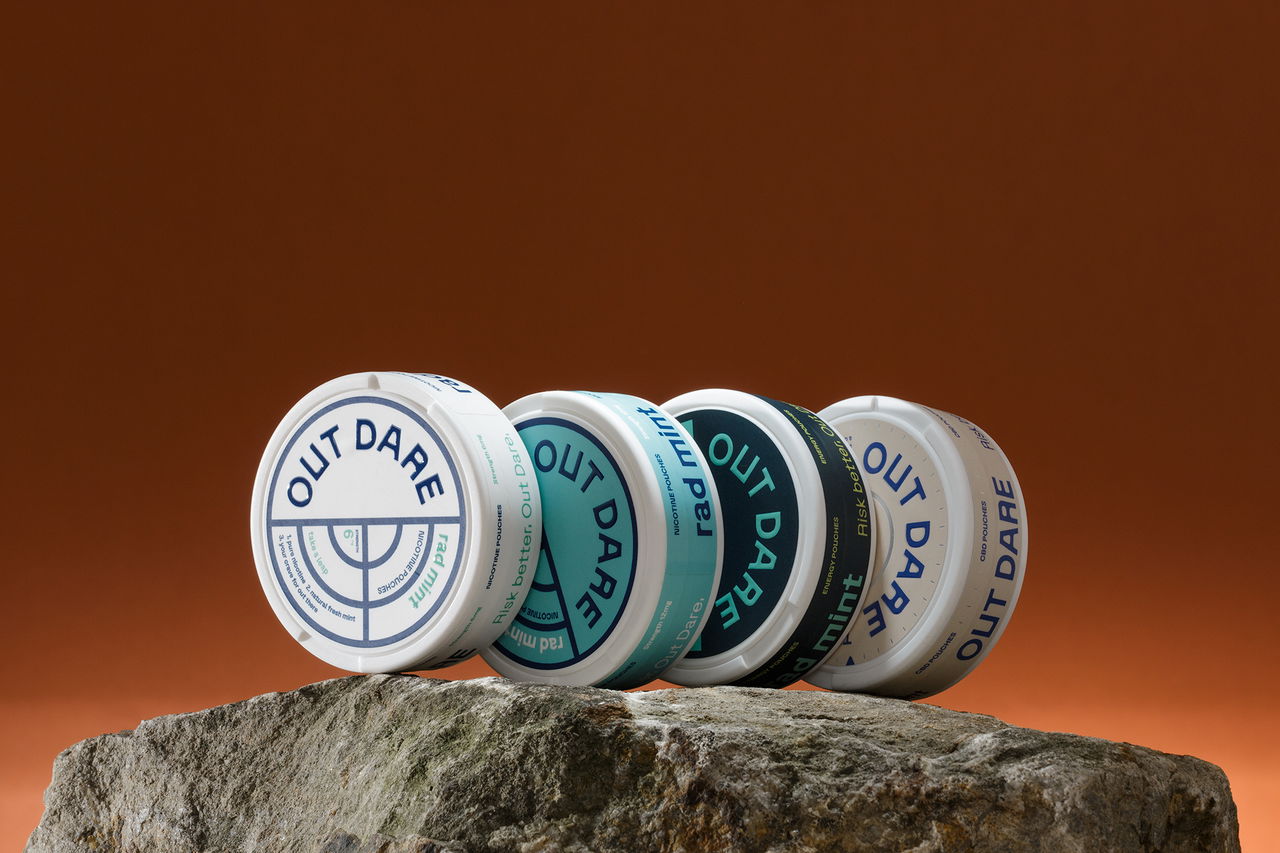
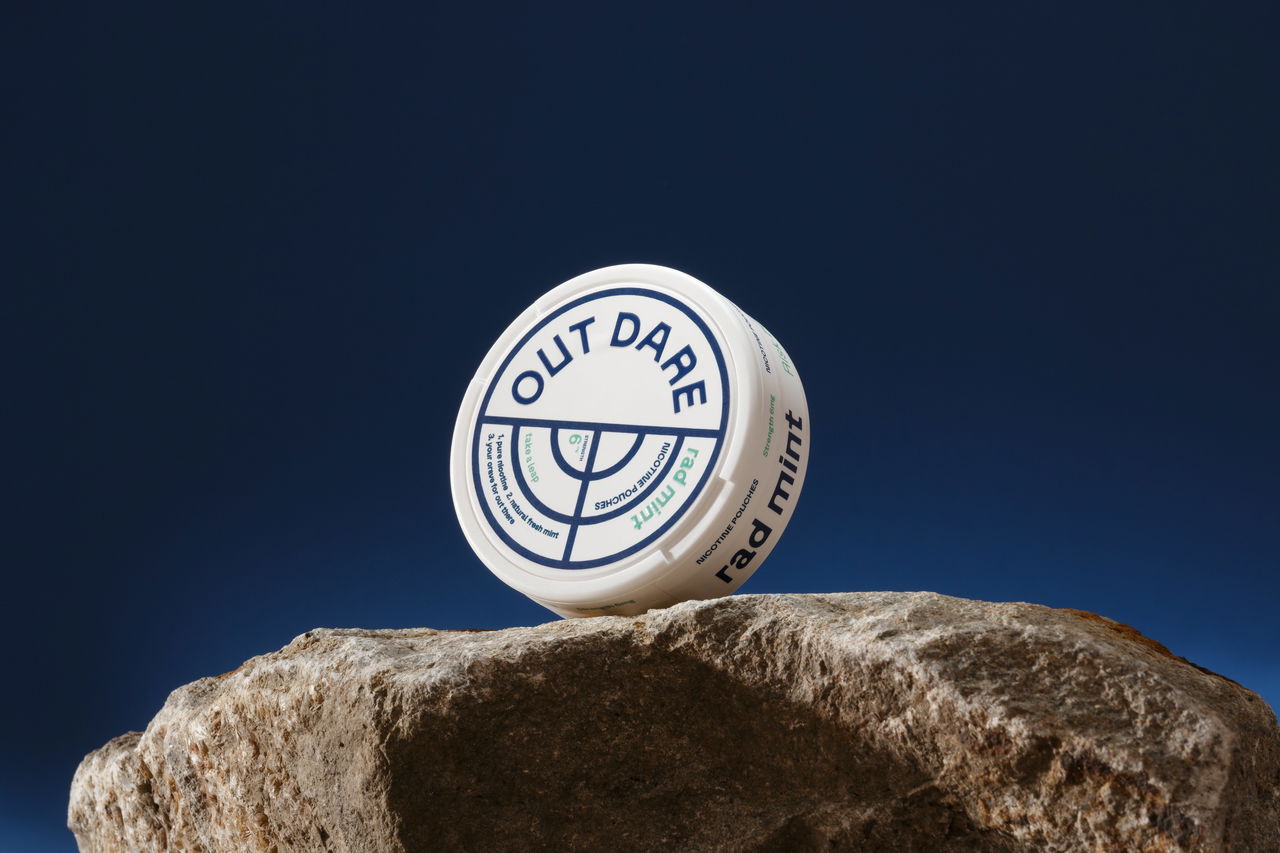
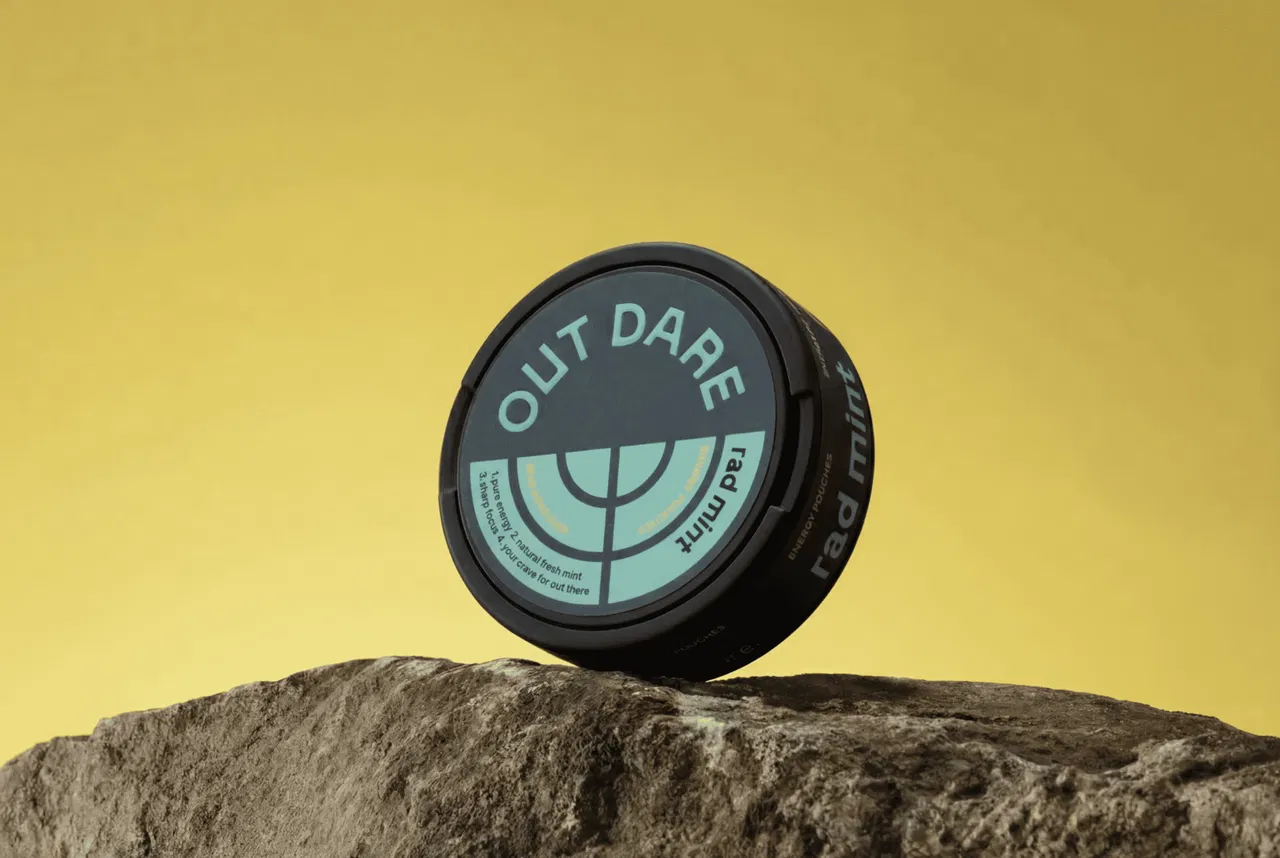
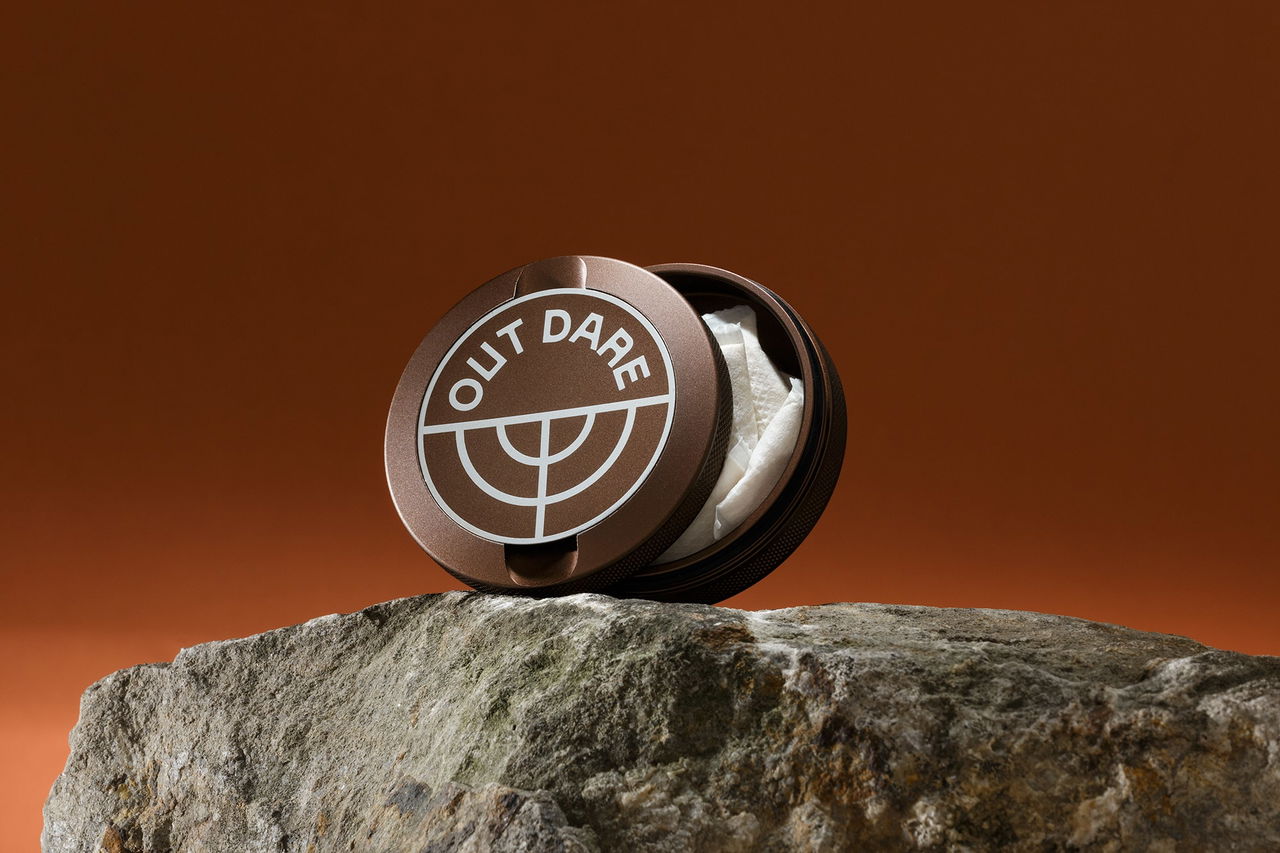
At Outdare LTD, we've found that the delivery format also carries a powerful behavioral signal. Placing a pouch under your lip is a ritual — and rituals prime the brain for what comes next. Our Energy Pouch delivers 50mg caffeine alongside nootropics in a discreet, portable format with no shaker bottle, no sugar, and no crash. The same mint taste and gum burn that nicotine pouch users already know — but with clean compounds and zero nicotine.
Pro Tip: If you're transitioning away from nicotine pouches, replacing your 10am and 2pm nicotine hits with Energy Pouches keeps the ritual completely intact while removing the withdrawal cycle that's been killing your afternoon focus. Your brain doesn't notice the difference in the pouch — but your dopamine system absolutely will.
Step 4: Time Your Supplement Intake Correctly
Timing your flow state supplements correctly can double their effectiveness — the same compounds taken at the wrong point in your day produce mediocre results.
The Optimal Timing Protocol
- Delay your first caffeine dose. Cortisol peaks naturally in the first 60-90 minutes after waking. Adding caffeine during this window blunts its effectiveness and builds tolerance faster. Wait until 90-120 minutes after waking before your first dose.
- Take your nootropic stack 20-30 minutes before your deep work session. This gives compounds time to reach peak plasma concentration as you sit down to work.
- Use adaptogens in the morning, CBD in the evening. Rhodiola Rosea is stimulating for some users — don't take it after 2pm. CBD and magnesium are best used 60-90 minutes before sleep to support recovery.
- Don't redose caffeine after 1pm if you want quality sleep. The half-life of caffeine is approximately 5-6 hours, meaning a 2pm dose still has meaningful activity in your system at 8pm.
- Plan your flow sessions around your chronotype. Most people have a natural 90-120 minute peak focus window in the late morning. Schedule your hardest cognitive work here and support it with your stack.
Research on flow state measurement published in Frontiers in Psychology in 2026 emphasizes that the conditions for flow are highly time-dependent and sensitive to physiological state [2]. Timing your interventions to align with your natural energy curve — rather than fighting against it — is the difference between a stack that works and one that doesn't.
Step 5: Build the Ritual That Triggers Flow
The ritual is the underrated variable in any flow state protocol. Supplements support neurochemistry, but behavioral cues prime your brain to enter focus mode before a single compound is absorbed.
Designing Your Pre-Flow Ritual
Behavioral science has established that consistent pre-task rituals reduce the cognitive overhead of starting. Think of it as a loading sequence for your brain. The ritual signals: "focus time is beginning." Over time, the cue alone begins to trigger the neurological shift.
- Define a consistent start signal. This could be putting on specific headphones, opening a particular app, or placing your Energy Pouch under your lip. The key is consistency — the same action, every session.
- Clear your environment. Phone on silent and face-down. Notifications off. A single task visible on screen. Clutter is a cortisol trigger.
- Set a session timer. Use the Pomodoro Technique (25-minute focused blocks with 5-minute breaks) or a 90-minute deep work block. Having a defined end point removes the mental overhead of "how long do I have to do this?"
- Use your supplement intake as the ritual anchor. The act of placing a pouch, opening a capsule, or mixing a drink can serve as the behavioral cue that tells your brain the session is starting.
Why the Pouch Ritual Works So Well
This is something the Outdare system was built around from day one. The 30/30/30 Addiction Rule identifies three components of pouch dependency: 30% chemical (nicotine), 30% physical habit (the pillow feeling under the lip), and 30% sensory cue (the burn and mint). That means 60% of the ritual's power has nothing to do with nicotine at all.
For productivity-focused users, this is actually excellent news. The ritual itself — the act of placing a pouch — is a powerful behavioral primer for focus. You don't need nicotine to activate it. An Energy Pouch with the same burn, same mouthfeel, and same mint flavor delivers the ritual signal while adding 50mg of clean caffeine and nootropics instead of feeding a chemical dependency.
Step 6: Track and Refine Your Protocol
The most effective flow state supplement protocol is one that you've tested and adjusted based on your own data — not one copied from a Reddit thread or a YouTube video.
What to Track and How
- Log your sessions daily for two weeks. Note: what you took, when you took it, how long it took to feel the effect, quality of focus (1-10), and any side effects.
- Isolate variables one at a time. Don't change three things simultaneously. If you add Alpha-GPC and switch delivery formats in the same week, you can't know which change drove the result.
- Track your nicotine or caffeine intake separately. If you're reducing nicotine, map your pouch count against your focus quality scores. Most users find a clear correlation between withdrawal frequency and focus degradation.
- Review weekly, not daily. Day-to-day variation is too noisy to be meaningful. Look for trends across 5-7 sessions.
- Adjust doses conservatively. Increase any compound by no more than 25% at a time. More is rarely better with nootropics — the dose-response curve often plateaus or inverts at high doses.
Pro Tip: Use a simple 3-column daily log: "What I took / When I took it / How the session felt." After two weeks, patterns become obvious. Most users discover they were either dosing too late in the day or skipping the choline component — both easy fixes that produce immediate results.
Common Mistakes to Avoid
Most people using flow state supplements make the same handful of errors. Avoiding these is often more impactful than optimizing your stack further.
The Most Costly Errors
- Chasing stimulation instead of removing friction. The goal of flow state supplements isn't to feel more wired — it's to lower the barriers to focus. If your stack leaves you anxious or jittery, you're going in the wrong direction.
- Ignoring the nicotine withdrawal cycle. This is the most common hidden saboteur. If you're using nicotine pouches every 45-60 minutes, your dopamine system is in a constant cycle of spike and crash. No nootropic stack overcomes active withdrawal. Address the dependency first.
- Using too many compounds at once. More ingredients don't mean better results. A well-timed caffeine-L-Theanine combination outperforms a poorly timed 10-ingredient stack every time.
- Neglecting sleep as part of the protocol. Flow state supplements support performance — they don't replace recovery. One night of poor sleep erases most of the benefit of even a well-designed stack.
- Inconsistent timing. Taking your stack at a different time each day prevents your brain from building the associative priming that makes rituals effective. Consistency is the multiplier.
- Skipping the behavioral ritual. Supplements without a consistent pre-session ritual work at maybe 60% effectiveness. The ritual is the trigger — the supplement is the fuel.
What This Article Doesn't Cover
This guide focuses on accessible, over-the-counter flow state supplements and behavioral protocols. It doesn't cover prescription cognitive enhancers (modafinil, Adderall), clinical interventions for ADHD, or medical approaches to nicotine dependency. If you're dealing with a clinical condition, consult a qualified healthcare provider before starting any supplement protocol.
Sources & References
- PMC / National Institutes of Health, "In The Zone: Flow State and Cognition in Older Adults," 2011
- Frontiers in Psychology, "Development and validation of a flow state scale for healthcare professionals," 2026
- Mind Lab Pro, "Flow State: How to Enter Flow and Nootropics People Use for Focus," 2024
- SRF, "Neuro Surge for Deep Work: Can Nootropics Increase Flow State Depth?" (PDF)
- Neuroptima, "Flowstate — Energy and Focus," 2025
- Reddit r/Supplements, "Supplements for getting into the flow state?" community discussion
- YouTube, "5 Supplements I Use To Increase My Clients Flow State," practitioner video
Frequently Asked Questions
1. What are the best flow state supplements for deep work?
The most evidence-supported flow state supplements for deep work are L-Theanine (100-200mg) combined with moderate caffeine (50-100mg), Alpha-GPC for working memory, and Rhodiola Rosea for cortisol management. This stack lowers anxiety, supports sustained attention, and delivers clean energy without the crash that disrupts long focus sessions. Delivery format matters too — oral pouches with nootropics offer faster absorption and a powerful behavioral priming effect.
2. Can flow state supplements replace nicotine for focus?
For many users, yes — especially when the delivery ritual is preserved. Nicotine's perceived focus benefit is partly chemical and partly the ritual of placing a pouch. Flow state supplements that deliver caffeine and nootropics through the same oral pouch format replicate both the sensory cue and the functional effect, without feeding a chemical dependency. Most users who switch report equivalent or better focus within 1-2 weeks, once the withdrawal cycle clears.
3. How long does it take for flow state supplements to work?
Fast-acting compounds like caffeine and L-Theanine reach peak effect within 30-60 minutes when taken orally in capsule or drink form. Oral pouch delivery through the buccal mucosa can reduce onset to 10-20 minutes. Adaptogens like Rhodiola and Lion's Mane build effect over days to weeks of consistent use — they're not session-by-session tools. Plan for a 2-week protocol before evaluating whether a stack is working.
4. Are there any side effects from flow state supplements?
Most evidence-backed flow state supplements are well-tolerated at recommended doses. High-dose caffeine can cause anxiety, elevated heart rate, and disrupted sleep — which is why moderate dosing (50-100mg) paired with L-Theanine is the preferred approach. Alpha-GPC can cause headaches in some users if choline levels are already high. Results may vary based on individual biochemistry, tolerance, and baseline health. Consult a healthcare provider if you have a pre-existing condition.
5. What's the difference between nootropics and flow state supplements?
Nootropics is the broader category — any compound that supports cognitive function, from caffeine to racetams. Flow state supplements are a subset specifically aimed at creating the neurological conditions for deep, distraction-free focus: reduced anxiety, elevated dopamine, and sustained attention. Not all nootropics support flow. Stimulants that increase anxiety (like high-dose caffeine alone) can actually work against it by keeping the prefrontal cortex too active.
6. Can I use CBD as a flow state supplement?
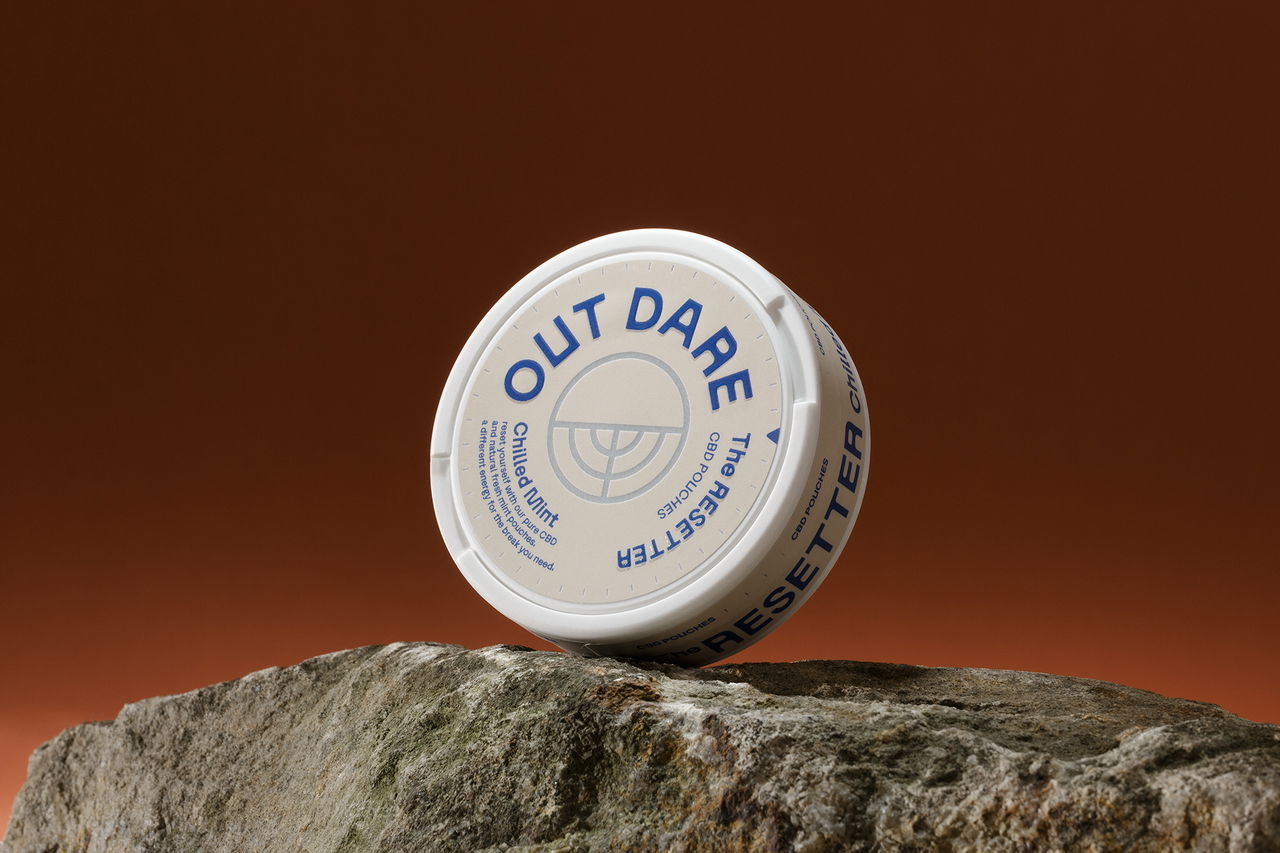
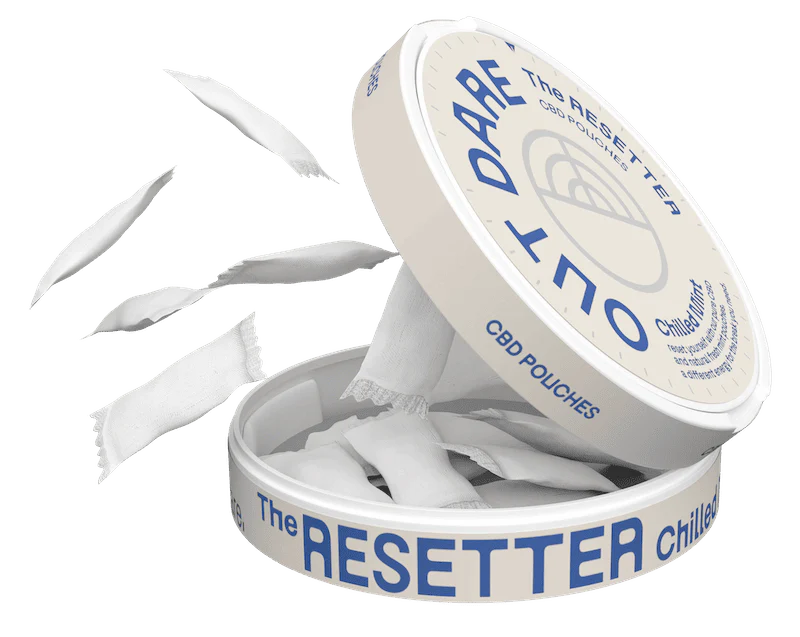
CBD isn't a direct flow enhancer — it's better positioned as a recovery and anxiety-management tool that supports the conditions for flow. Used in the evening, CBD can improve sleep quality and reduce the cortisol carry-over that disrupts next-day focus. Some users also find low-dose CBD helpful for managing anxiety during high-stakes work sessions. The Outdare CBD Pouch is designed for exactly this role: an on-demand reset that brings calm without sedation.
7. Do oral pouches work better than capsules for cognitive supplements?
For speed of onset, yes. Buccal absorption (through the lining of the cheek and gum) bypasses the digestive system and delivers compounds into the bloodstream faster than capsules or drinks. Beyond pharmacokinetics, the ritual of placing a pouch carries a strong behavioral priming effect — the sensory cue (burn, mint, mouthfeel) signals to the brain that a focus session is beginning, which compounds the cognitive effect before any ingredient is absorbed.
8. Is the flow state supplement market regulated in Europe?
As of 2026, functional supplements in the EU are regulated under the European Food Safety Authority (EFSA) framework, which governs permitted health claims, ingredient safety, and labeling standards. Nicotine pouches are subject to additional national regulations across EU member states. Brands manufacturing in Europe under clean-label standards — plant-fiber fillers, xylitol bases, no tobacco — are generally well-positioned under current regulatory guidance, though rules continue to evolve.
Conclusion
Flow state supplements aren't a shortcut. They're a system — and like any system, they only work when the components are chosen correctly, timed well, and supported by the right behavioral habits. The core steps are straightforward: identify your flow blockers, choose evidence-backed compounds (starting with caffeine-L-Theanine and Alpha-GPC), stack them strategically, time them to your natural energy curve, build a consistent pre-session ritual, and track your results over two weeks before making changes.
The biggest mistake most people make is trying to stimulate their way into focus while an active nicotine withdrawal cycle is quietly destroying their dopamine baseline every 45 minutes. Fix the cycle first. The supplements work dramatically better once that friction is removed.
That's exactly what Outdare LTD was built to solve. Three pouches — Nicotine, Energy, CBD — all sharing the same mint taste, same burn, same mouthfeel. Your brain keeps the ritual. You control what's inside. The Energy Pouch delivers 50mg of clean caffeine plus nootropics as a direct, discreet, crash-free tool for deep work. The CBD Pouch handles your evening recovery so tomorrow's session actually lands. Most users who make the switch reduce nicotine intake by 60-90% within the first month — and report sharper, more consistent focus once the withdrawal noise is gone. Risk Better. Out Dare.
Recommended Articles
Explore more from our content library: