












Finding Smoking Cessation Support Groups That Help You Quit
Smoking cessation support groups are structured programs, in-person, online, or hybrid, where people quitting smoking share strategies, accountability, and encouragement. Research shows group-based cessation programs can more than double your quit success rate compared to going it alone. The main formats include behavioral group therapy, 12-step peer programs, and virtual communities, each with different costs, schedules, and evidence bases.

Find the Right Smoking Cessation Support Groups for Your Situation
Match your format to your schedule, location, and budget, the best smoking cessation support group is the one you'll actually attend consistently.
Four main formats exist: behavioral group therapy, 12-step peer programs, online communities, and hospital or employer-based programs. Each targets a different combination of clinical depth, cost, and accessibility. Choosing the wrong format is one of the most common reasons people drop out before hitting the 6-week mark, which is typically when habit patterns start to shift.
"Group-based cessation programs provide the social reinforcement that most individuals simply cannot replicate on their own. Peer accountability is one of the strongest behavioral levers we have in tobacco treatment." — Dr. Michael Fiore, Founding Director, Center for Tobacco Research and Intervention, University of Wisconsin
In-Person vs. Virtual: Which Format Actually Works for You
Behavioral group therapy, the American Lung Association's Freedom From Smoking program is the benchmark, runs 6–8 weekly sessions [2] and is the most clinically studied format available, with quit rates of 25–35% at 6 months. Sessions cover quit-day preparation, stress management, and relapse prevention [2]. This format suits people with a predictable weekly schedule and access to a program within reasonable travel distance.
12-step peer programs like Nicotine Anonymous use a sponsor model, meet weekly in most mid-to-large cities, and cost nothing. If you've responded well to community accountability in other areas of your life, this structure tends to hold.
For rural areas or anyone with mobility or schedule barriers, online and app-based communities are the only realistic option. Smokefree.gov, Reddit's r/stopsmoking (over 400,000 members), and the QuitNow! app each offer asynchronous support that doesn't require you to be in a specific place at a specific time. According to MedlinePlus, telephone and online counseling programs have expanded access to cessation support significantly for people who cannot attend in-person sessions.
If you also want a solo framework to run alongside group support, the guide on How to Quit Smoking Gradually: A Step-by-Step Plan walks through a structured reduction method you can run in parallel.
Free Options vs. Paid Programs: What Insurance Covers
Hospital and employer wellness programs are the cost-zero starting point most people overlook. Many bill directly to insurance or are included in workplace benefits, meaning your out-of-pocket cost is $0 [1]. Contact your HR department or health insurance plan before paying for any program.
State quitlines, reachable at 1-800-QUIT-NOW across all 50 U.S. states [1], are also free and often include free nicotine replacement samples. Paid behavioral programs typically run $100–$300 for a full course, but most major insurers cover them under preventive care provisions since the ACA mandated cessation coverage in 2010.
- Check your insurance plan's preventive benefits page for "tobacco cessation" coverage before enrolling anywhere.
- Call your employer's HR or EAP (Employee Assistance Program) line, many workplace wellness programs include cessation groups at no cost.
- If cost is still a barrier, start with your state quitline at 1-800-QUIT-NOW [1] or the National Cancer Institute Quitline at 877-448-7848 [1], both are free.
Compare Effectiveness Rates Across Different Cessation Program Types
Behavioral group therapy delivers 25–35% abstinence at 6 months, four to five times the 5–7% rate smokers achieve quitting alone.
What the Research Says About the Most Successful Smoking Cessation Programs
The gap between supported and unsupported quitting is not marginal. Unassisted cold turkey produces roughly 5–7% abstinence at 6 months. Behavioral group therapy alone pushes that to 25–35%. Add NRT or varenicline to a group program and Cochrane review data shows 12-month quit rates reaching 40–50%, the strongest outcomes in the cessation literature.
Online smoking cessation support groups sit in the middle of the range. Six-month quit rates run 10–20%, lower than in-person programs, but the dropout barrier is near zero. Someone who won't drive to a clinic on a Tuesday evening will open a browser. That accessibility matters more than the raw rate difference for many users.
12-step programs occupy a different role. Large randomized controlled trials don't exist for this format, so head-to-head comparisons aren't reliable. What the evidence does show is strong long-term retention among people who complete the program. That makes 12-step best positioned as a maintenance layer after an initial structured program, not a first-line intervention.
"The evidence is clear: combining behavioral group support with pharmacotherapy produces quit rates that neither approach achieves alone. Clinicians should be recommending combination treatment as the standard of care." — Dr. Judith Prochaska, Professor of Medicine, Stanford Prevention Research Center
How Session Attendance Affects Your Quit Rate
Attendance is one of the most underreported variables in cessation research. Completing all 6–8 sessions of a structured program nearly doubles outcomes compared to attending only 1–2 sessions. The American Lung Association's Freedom From Smoking® program, which runs in groups of up to 16 participants [2], covers quit-day preparation, stress management, and relapse prevention across multiple sessions precisely because single-session exposure doesn't hold. Participants who attend every scheduled session also report stronger peer bonds, which research links to lower relapse rates in the critical 90-day post-quit window.
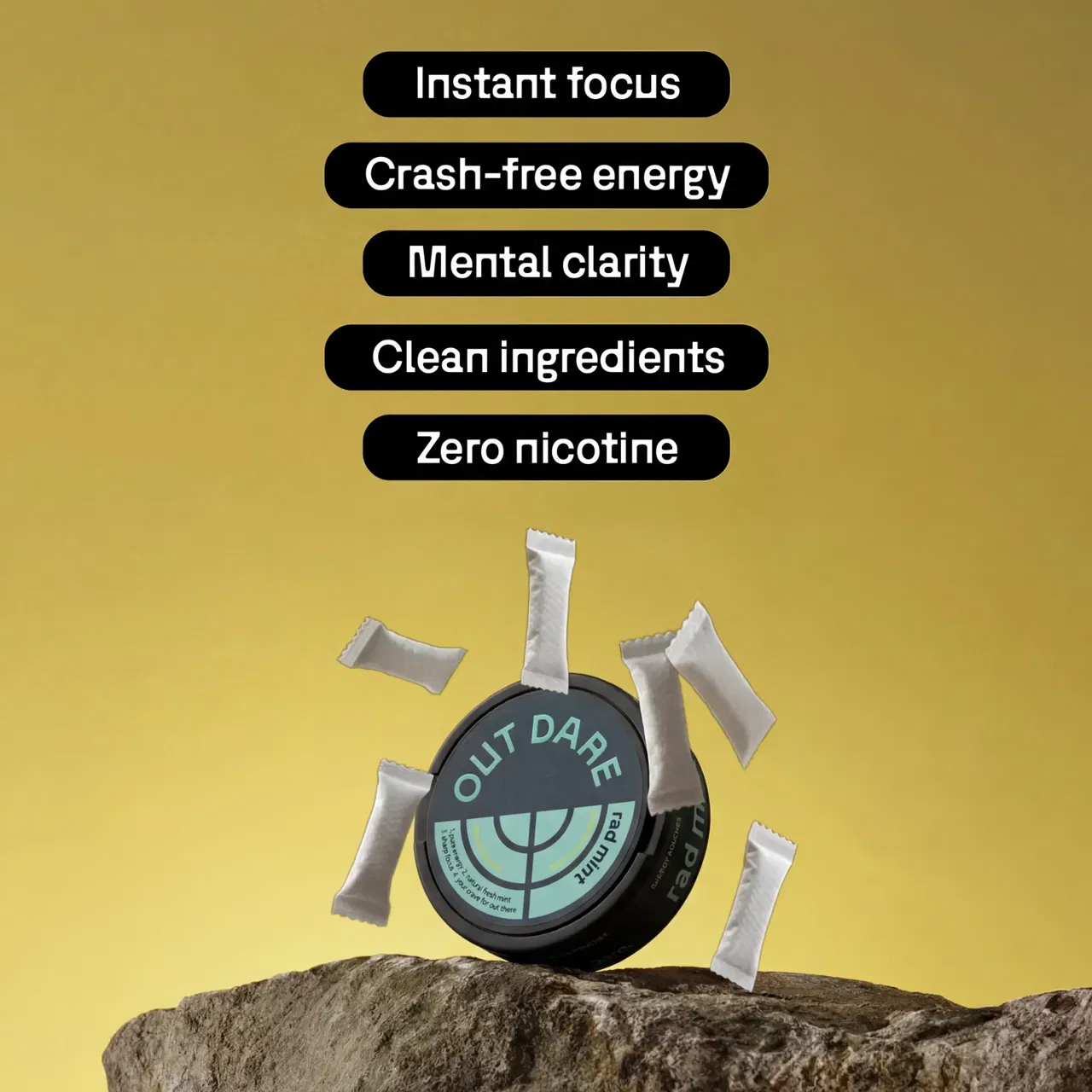
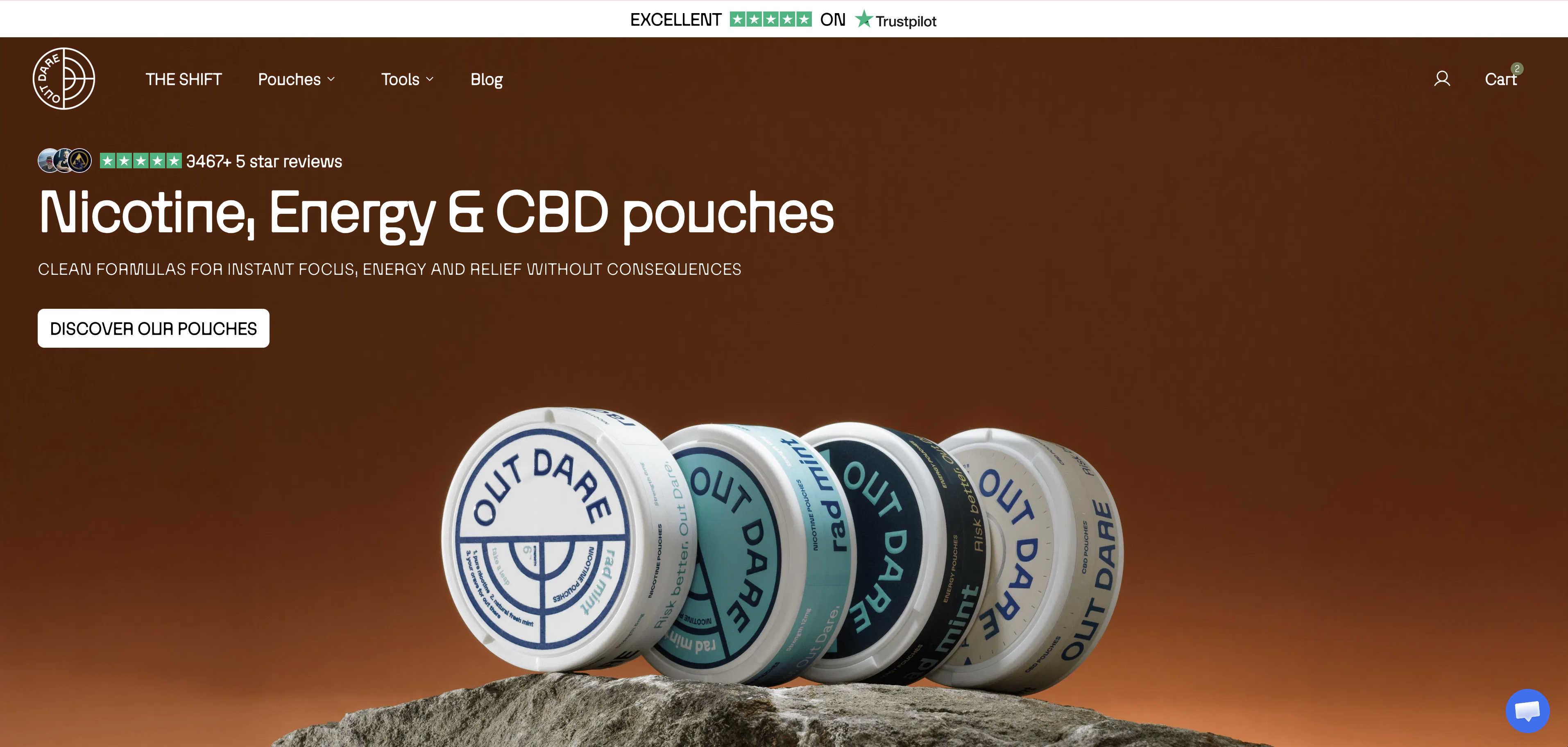
If you're weighing a pharmacological aid alongside group attendance, the combination approach is worth the added step. Products designed for gradual nicotine reduction, such as Outdare's 4-week method, which uses matched nicotine, energy, and CBD pouches to address the habit and sensory components of dependency alongside the chemical, pair logically with a structured group program's session schedule.

Join a Group: Step-by-Step from First Search to First Meeting
Find a smoking cessation support group in under 24 hours by calling 1-800-QUIT-NOW, a free, state-funded line available across all 50 US states.
That number connects you to your state quitline, which can refer you to a local group, often by the next day. You can also use Smokefree.gov's group locator online if you prefer to search without a phone call.
Two additional vetted directories worth checking: the American Lung Association runs a Freedom From Smoking finder [2] that lists in-person group programs at community centers, hospitals, and workplaces, and the American Cancer Society publishes an online group calendar with scheduled sessions you can browse by date and format. Both are free to search.
Before committing to any program, run through this short checklist:
- Does the facilitator hold a certified tobacco treatment specialist (CTTS) credential?
- How many sessions does the program run, and what is the total cost?
- Does the program integrate NRT guidance, patches, gum, or tobacco-free nicotine alternatives, alongside behavioral support?
- Is attendance tracked, or can you drop in?
Once you have a candidate group, attend one session as a visitor before signing up. Most programs allow this [1], and removing the all-or-nothing commitment is often what gets someone through the door the first time.
How to Choose a Group Based on Your Learning Style and Schedule
If you process information by doing rather than listening, look for programs that assign between-session tasks, tracking triggers, logging cravings, or substituting a ritual. The American Lung Association's Freedom From Smoking format covers practical topics like stress management and preparing for quit day [2], which suits action-oriented learners. Evening or weekend sessions work better for most working adults; confirm the schedule before your first visit. Some programs also offer hybrid options, where you attend the first two sessions in person and complete the remaining sessions online, which can be a useful middle ground for people with unpredictable schedules.
Accessibility Options for Rural Areas and People with Disabilities
Distance and mobility are not barriers to joining a smoking cessation support group. Many state health departments now run Zoom-based groups that require only a smartphone and a stable internet connection. The QuitNow! app also hosts a peer community that functions like a text-based group, useful when live sessions are impractical. If you are managing a disability that limits screen time, call 1-800-QUIT-NOW and ask specifically for telephone counseling; trained coaches are available and the service costs nothing.
Avoid These Common Mistakes When Using Cessation Support Groups
The most damaging mistakes in smoking cessation support groups happen in the first three weeks, and most are entirely preventable with the right expectations.
Dropping out after the first hard week. Withdrawal peaks at days 3–5, which is exactly when most people conclude the group isn't working. It is. Nicotine dependency research consistently shows that most people feel significantly better by week 3, and dropping out before that point is the single strongest predictor of relapse. Commit to at least 21 days before reassessing.
Treating the group as your only tool. Group support alone is effective, but combining it with pharmacotherapy, varenicline, bupropion, or nicotine replacement, outperforms either approach on its own. If your program hasn't discussed medication options, ask the facilitator directly.
Choosing a group on convenience alone. The closest location or lowest cost is a poor selection filter. Check facilitator credentials and whether the program follows a structured, evidence-based curriculum [2] before you commit.
Expecting linear progress. Most people who achieve sustained abstinence experience 1–3 slip events first. A well-run group normalizes this; a poorly run one shames it. If your group treats a single slip as failure, find a different one.
Ignoring the 3-month slump. At weeks 8–12 post-quit, many people feel irritable or low-mood as dopamine pathways recalibrate, this is a known neurological phase, not a sign of failure. For those managing this period while still using nicotine pouches, our guide on gradual quit methods explains how a structured reduction approach, like the one Outdare's 4-week method uses, can smooth this transition rather than make it abrupt.
"Relapse is not failure — it is part of the quitting process for most smokers. The goal of a good cessation group is to help participants learn from each slip and recommit, not to treat any setback as the end of the road." — Dr. Nancy Rigotti, Director, Tobacco Research and Treatment Center, Massachusetts General Hospital

Frequently Asked Questions
Is there a smoking cessation support group near me?
Call 1-800-QUIT-NOW (1-800-784-8669) to find a state-funded group in all 50 U.S. states and the District of Columbia [1]. The American Lung Association's Freedom From Smoking® program also runs groups in community centers, hospitals, and workplaces across the country [2], enter your zip code on their site to see scheduled sessions. Your local health department or employer may also offer free in-person or virtual options worth checking before you pay out of pocket.
How much do smoking cessation support groups cost, and does insurance cover them?
Many group programs are free or low-cost through state quitlines, hospitals, and employers [1]. The Affordable Care Act requires most U.S. insurance plans to cover tobacco cessation counseling without cost-sharing, which typically includes group sessions. The American Lung Association's Freedom From Smoking® program charges a fee when run independently, but employer- or health-plan-sponsored versions are often fully covered [2]. Call your insurer directly and ask specifically for "tobacco cessation group counseling" coverage, the wording matters for reimbursement.
Why do I feel worse 3 months after quitting smoking even with group support?
Post-acute withdrawal symptoms, low mood, poor concentration, and irritability, can persist for 3 to 6 months after quitting, even with active group support. This phase is sometimes called the "three-month wall," and it catches many quitters off guard because the acute physical withdrawal is long over. Group programs that cover stress management and long-term motivation strategies help most here [2]. If symptoms are severe, speak to your doctor about whether a short course of approved medication is appropriate alongside your group work.
What do real participants say about their experience in smoking cessation support groups?
Participants most commonly report that peer accountability, knowing others in the group will ask how the week went, is the factor that kept them from relapsing between sessions. The Freedom From Smoking® program has been chosen by employers, hospitals, and health plans for over 40 years [2], which reflects sustained participant satisfaction rather than a single-study result. Negative feedback tends to center on scheduling inflexibility and the difficulty of finding groups that meet at convenient times.
Can nicotine pouches or tobacco-free alternatives help during a cessation program?
Tobacco-free nicotine pouches can serve as a bridge tool during a cessation program, particularly for people who struggle with the oral and sensory side of the habit, not just the chemical dependency. Outdare's 4-week reduction method addresses this directly: its Nicotine, Energy, and CBD pouches share the same mint flavor, burn, and mouthfeel, so you can gradually swap nicotine pouches for zero-nicotine alternatives without losing the ritual that group programs alone rarely replace. Discuss any NRT or alternative with your program facilitator before starting.
Conclusion
The most effective cessation programs combine group accountability with a plan that addresses both the chemical and behavioral sides of the habit [1]. Picking the right group matters: match the format, in-person, phone, or online, to your actual schedule, not your ideal one, or you'll drop out before week four. Pair group support with a structured reduction tool so the ritual gap doesn't pull you back between sessions.
Your concrete next step: call 1-800-QUIT-NOW today to find a free local or phone-based group, then order an Outdare Discovery Pack to trial the three-pouch substitution system alongside it, so you're addressing the full addiction, not just the nicotine.
Sources & References
- Stop smoking support programs: MedlinePlus Medical Encyclopedia
- Freedom From Smoking® Group Programs | American Lung Association
Recommended Articles
Explore more from our content library: