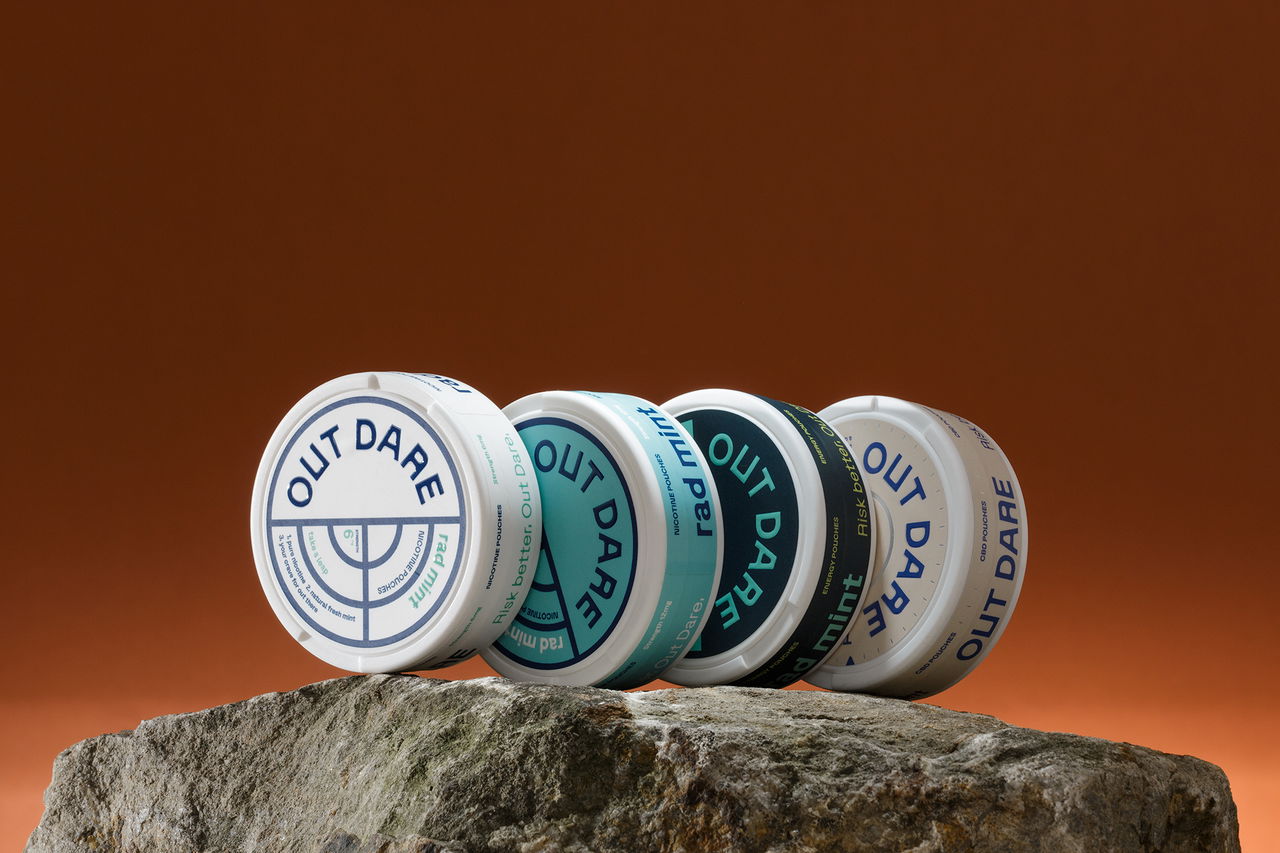




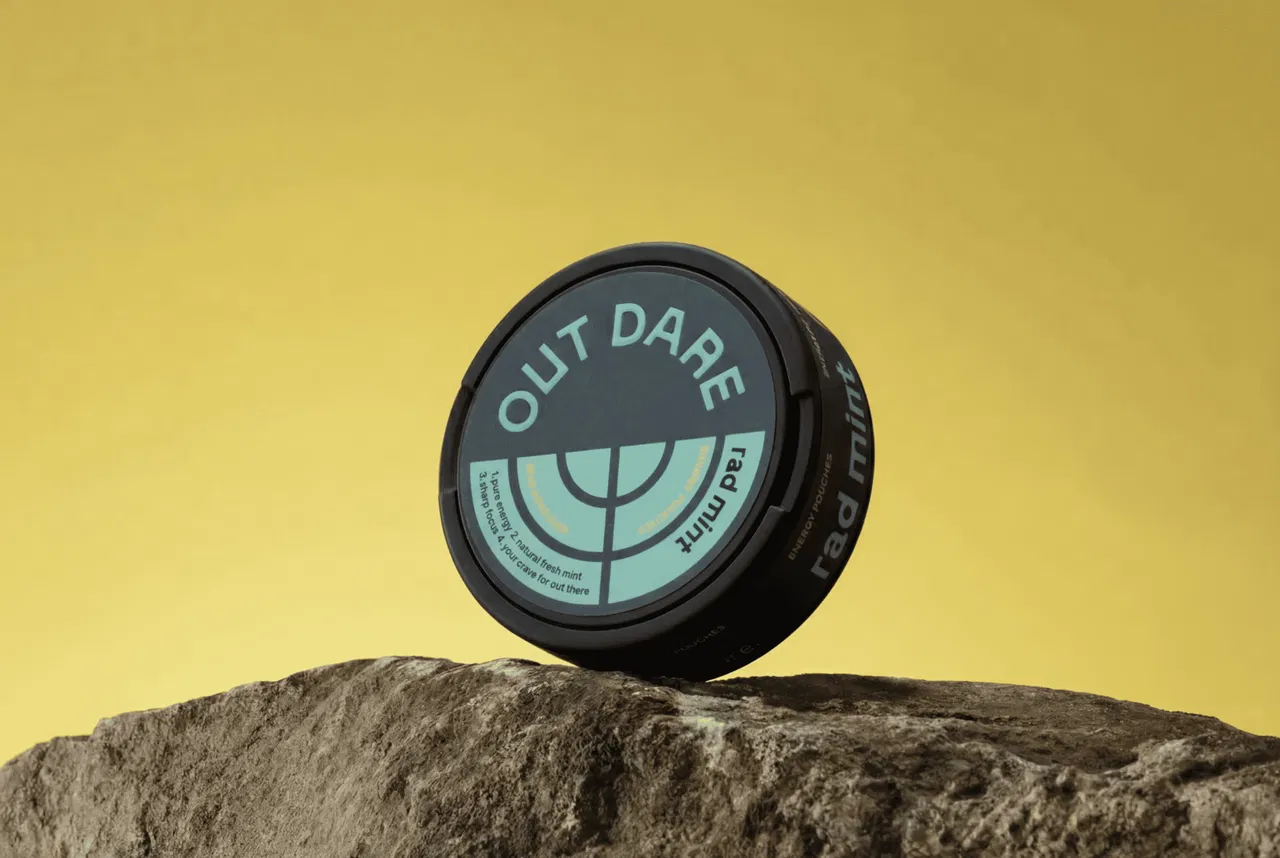

Energy Pouches Caffeine: The Complete 2026 Guide
Key Takeaways
| Key Insight | Explanation |
|---|---|
| Caffeine Content Range | Energy pouches contain 25-200mg caffeine per pouch, offering precise dose control |
| Rapid Absorption | Oral absorption delivers effects in 5-15 minutes, faster than coffee or energy drinks |
| Convenience Factor | Discreet, portable, and requires no preparation or liquid consumption |
| Safety Considerations | Generally safe for adults when total daily caffeine stays under 400mg |
| Market Growth | Caffeine pouch market expanded 340% in 2025-2026 period |
| Target Demographics | Popular among athletes, professionals, and those seeking tobacco-free energy |
What Are Energy Pouches Caffeine?
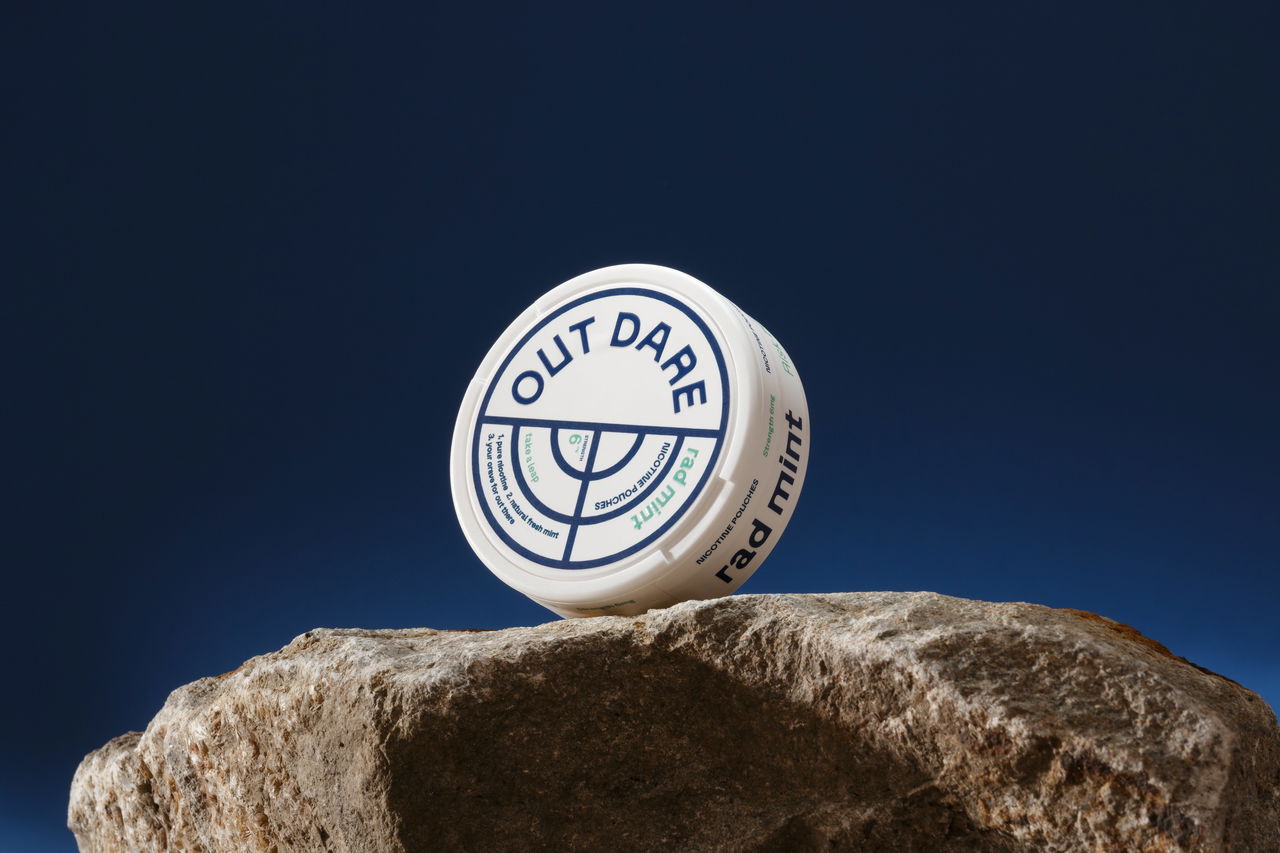
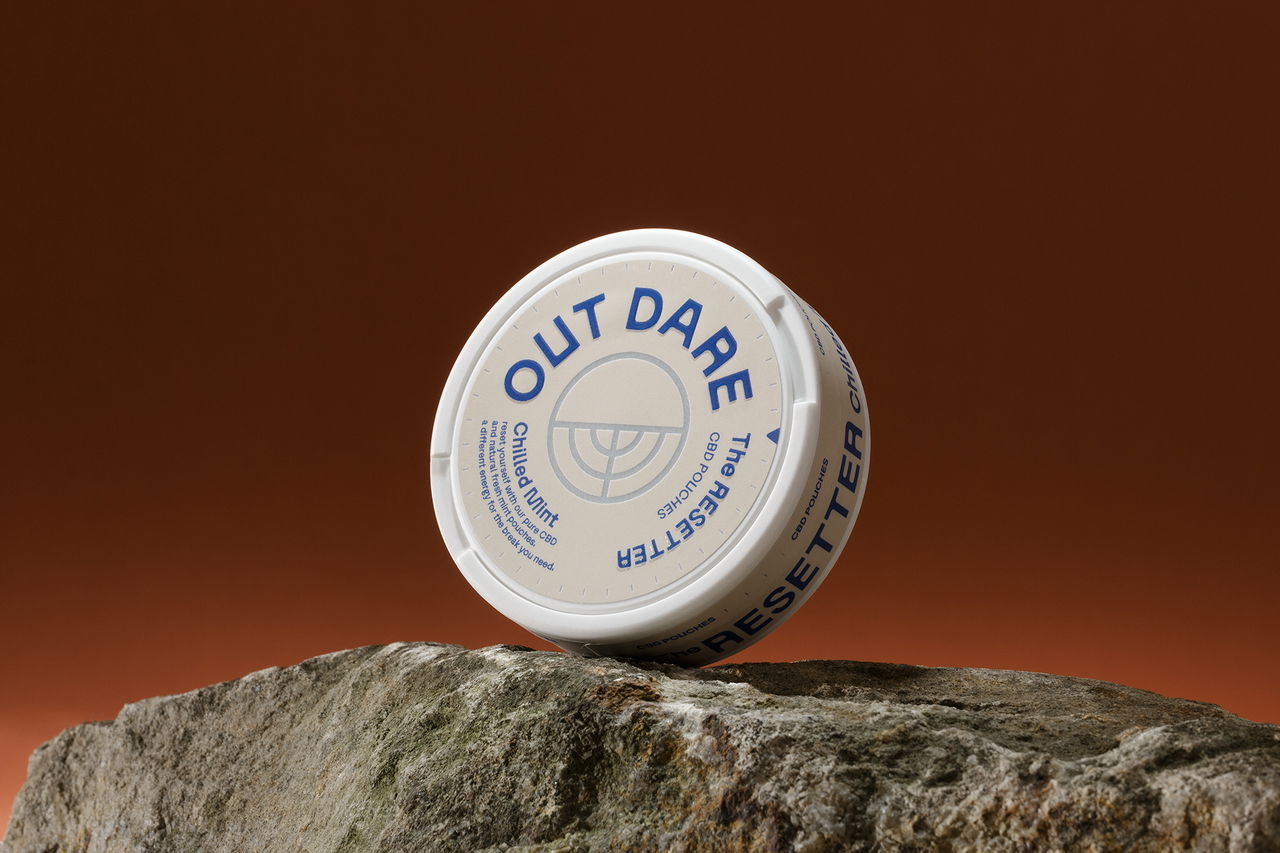
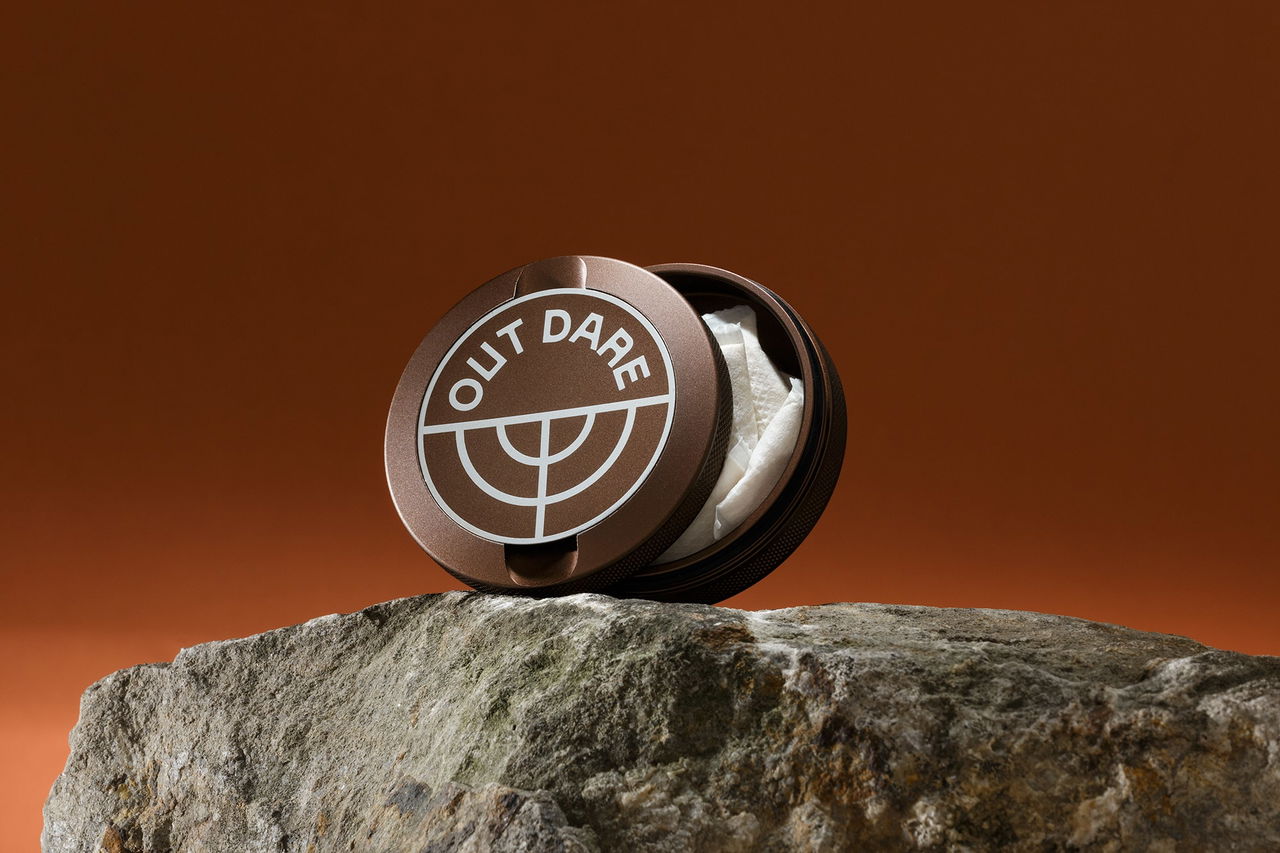
Caffeine pouches are small, pillow-shaped sachets containing micro-ground caffeine, natural flavors, and supporting ingredients designed for oral absorption. Users place these pouches between their lip and gum, similar to traditional tobacco products, but without any tobacco content.Core Components and Formulation
The primary ingredients in caffeine pouches include:- Caffeine (25-200mg per pouch): The active stimulant derived from natural sources
- Plant-based fillers: Cellulose or other natural fibers that create the pouch structure
- Flavoring agents: Natural mint, fruit, or other taste enhancers
- pH adjusters: Compounds that optimize caffeine absorption through oral tissues
- Sweeteners: Often xylitol or other sugar alternatives for taste without calories
Manufacturing Standards and Quality
As of 2026, reputable caffeine pouch manufacturers follow strict quality control protocols. European brands particularly emphasize clean manufacturing processes, using pharmaceutical-grade ingredients and avoiding artificial additives that could compromise the user experience. The pouch material itself is typically made from food-grade plant fibers that dissolve safely if accidentally swallowed. However, the design ensures the pouch remains intact during normal use, containing all ingredients within the sachet while allowing controlled release of active compounds.Pro Tip: Look for caffeine pouches with third-party testing certificates. Reputable brands provide COAs (Certificates of Analysis) showing exact caffeine content and purity testing results.
How Energy Pouches Caffeine Work
Caffeine pouches operate through sublingual and buccal absorption, delivering caffeine directly into the bloodstream through the mouth's mucous membranes. This absorption method offers distinct advantages over traditional oral consumption routes.Absorption Mechanism and Timeline
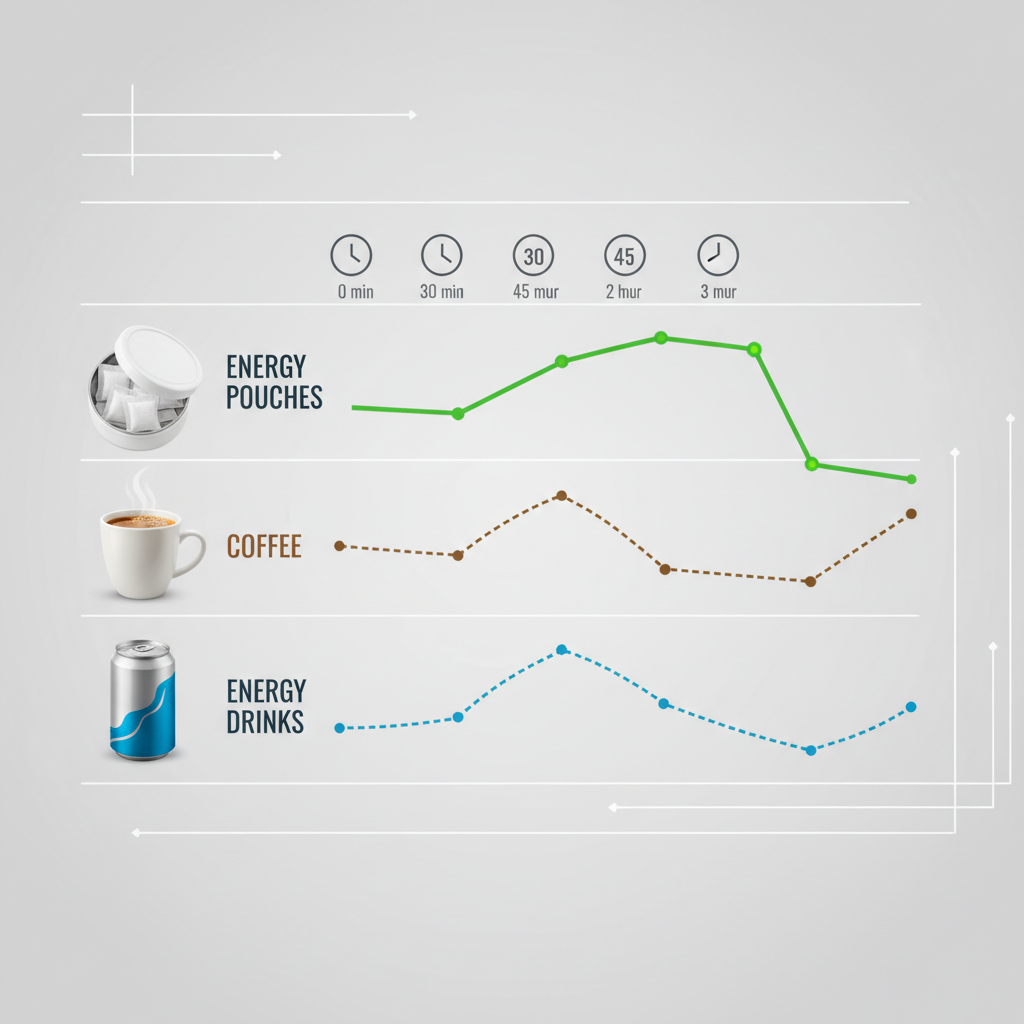
When placed between the lip and gum, caffeine pouches release their contents gradually. The caffeine molecules pass through the oral tissues and enter the bloodstream directly, avoiding first-pass metabolism in the liver that occurs with swallowed caffeine. The typical absorption timeline follows this pattern:- 0-5 minutes: Initial placement and moisture activation of the pouch
- 5-15 minutes: First effects become noticeable as caffeine enters bloodstream
- 15-30 minutes: Peak absorption occurs, maximum alertness achieved
- 30-60 minutes: Sustained energy levels with gradual decline
- 60+ minutes: Effects diminish as caffeine is metabolized normally
Physiological Effects and Duration
The caffeine from these pouches affects the central nervous system identically to other caffeine sources, blocking adenosine receptors and promoting alertness. However, the delivery method creates a unique pharmacokinetic profile. Users typically report:- Faster onset compared to coffee (5-15 minutes vs 30-45 minutes)
- More controlled, sustained energy without dramatic peaks
- Reduced stomach irritation since caffeine bypasses the digestive tract initially
- Easier dose control with pre-measured pouch contents
Pro Tip: Start with lower-dose pouches (25-50mg) to assess your individual response. The rapid absorption means effects can feel stronger than equivalent amounts of coffee.
Benefits of Energy Pouches Caffeine in 2026
Caffeine pouches offer several distinct advantages over traditional caffeine delivery methods, making them increasingly popular among diverse user groups as of 2026.Convenience and Portability Advantages
The primary benefit of caffeine pouches lies in their unmatched convenience. Unlike coffee or energy drinks, these pouches require no preparation, refrigeration, or cleanup. Users can carry multiple doses in a small tin that fits easily in a pocket or bag. Key convenience factors include:- No liquid required: Perfect for situations where drinking isn't practical
- Discrete consumption: Can be used in meetings, during exercise, or in quiet environments
- Temperature independent: Effective regardless of weather conditions
- Long shelf life: Stable for months without degradation
- Precise dosing: Each pouch contains exact caffeine amounts
Health and Performance Benefits
Caffeine pouches provide several health advantages compared to conventional energy drinks and coffee preparations:| Benefit Category | Energy Pouches | Traditional Sources |
|---|---|---|
| Sugar Content | Zero or minimal | High in energy drinks |
| Calories | 0-5 per pouch | 50-200+ per serving |
| Stomach Impact | Minimal irritation | Can cause acid reflux |
| Onset Speed | 5-15 minutes | 30-45 minutes |
| Crash Risk | Lower due to steady absorption | Higher with sugar-based drinks |
Economic and Environmental Considerations
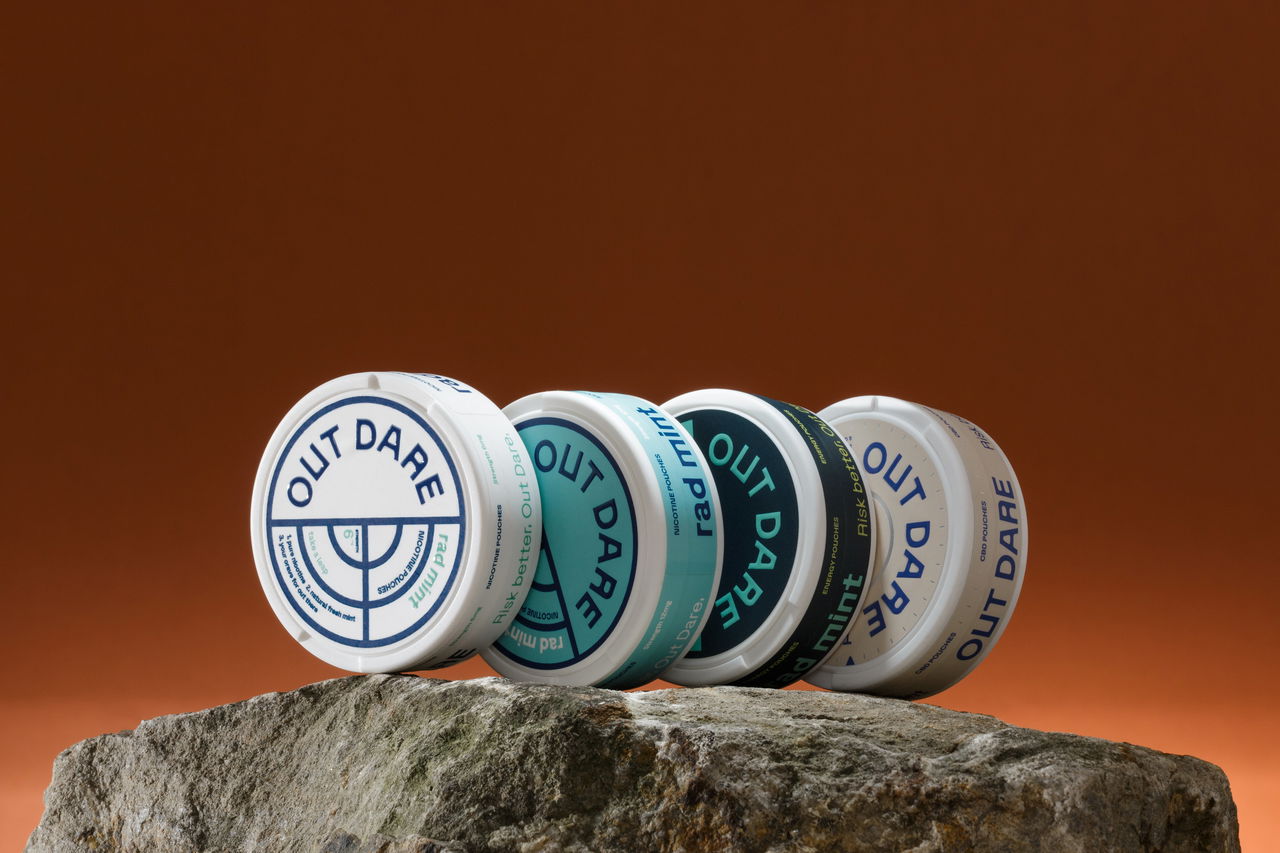
From a cost perspective, caffeine pouches often provide better value than daily coffee shop purchases or premium energy drinks. A single tin typically contains 15-20 pouches, offering multiple doses at a fraction of the cost of equivalent caffeine from beverages. Environmental benefits include reduced packaging waste compared to single-use bottles and cans. The compact tins are often recyclable and contain significantly less material per dose than traditional caffeine delivery methods. As reported by Everyday Health, the growing popularity of caffeine pouches reflects broader consumer trends toward functional, health-conscious products that align with busy lifestyles [4].Safety and Dosage Considerations
While caffeine pouches are generally safe for healthy adults, proper dosage and awareness of potential risks are essential for responsible use.Recommended Dosage Guidelines for 2026
Health authorities maintain that healthy adults can safely consume up to 400mg of caffeine daily from all sources combined. For caffeine pouches, this translates to specific usage recommendations:- Beginners: Start with 25-50mg pouches, maximum 1-2 per day
- Regular caffeine users: 50-100mg pouches, maximum 3-4 per day
- High-tolerance users: Up to 200mg pouches, but monitor total daily intake
- Athletes: Time usage around training, avoid within 6 hours of sleep
Potential Side Effects and Risk Mitigation
Common side effects from caffeine pouches mirror those of other caffeine sources but may appear more quickly due to rapid absorption:- Jitteriness or anxiety (especially with high doses)
- Increased heart rate and blood pressure
- Sleep disruption if used late in the day
- Mild oral irritation from pouch placement
- Dependency with regular high-dose use
Pro Tip: Keep a caffeine log when starting caffeine pouches. Track timing, dosage, and effects to identify your optimal usage pattern and avoid overconsumption.
Special Populations and Contraindications
Certain groups should exercise extra caution or avoid caffeine pouches entirely:- Pregnant and breastfeeding women: Should limit total caffeine to 200mg daily
- Adolescents under 18: Higher sensitivity and developing nervous systems create additional risks
- Individuals on medications: Caffeine can interact with various prescription drugs
- Those with sleep disorders: May worsen insomnia or sleep quality issues
- People with oral health issues: Pouch placement may irritate existing conditions
Best Practices for Energy Pouches
Maximizing the benefits of caffeine pouches while minimizing risks requires strategic usage and quality product selection.Optimal Usage Strategies
Effective caffeine pouch use involves timing, dosage, and situational considerations:- Morning boost: Use 30-60 minutes after waking for sustained morning energy
- Pre-workout: Take 15-30 minutes before exercise for peak performance timing
- Afternoon slump: Use lower doses (25-50mg) to avoid evening sleep disruption
- Mental focus: Combine with hydration and short breaks for optimal cognitive enhancement
- Travel situations: Ideal for long flights, road trips, or jet lag management
Product Selection Criteria
Choosing quality caffeine pouches involves evaluating several key factors:| Selection Factor | What to Look For | Red Flags |
|---|---|---|
| Caffeine Source | Natural caffeine, clear labeling | Synthetic caffeine, vague "proprietary blends" |
| Additional Ingredients | Natural flavors, plant-based fillers | Artificial colors, excessive additives |
| Manufacturing | FDA-registered facilities, third-party testing | Unknown manufacturing origins |
| Dosage Options | Multiple strength options available | Only high-dose options |
| Brand Transparency | Clear ingredient lists, company information | Vague marketing claims, hidden ingredients |
Integration with Lifestyle and Health Goals
Caffeine pouches work best when integrated thoughtfully into broader wellness strategies:- Hydration maintenance: Caffeine can be dehydrating, so increase water intake accordingly
- Sleep hygiene: Avoid use within 6-8 hours of bedtime to prevent sleep disruption
- Nutrition timing: Don't use as meal replacement; maintain regular eating patterns
- Stress management: Avoid during high-stress periods to prevent anxiety amplification
- Exercise coordination: Time usage to enhance rather than interfere with workout schedules
Pro Tip: Create a "caffeine curfew" based on your sleep schedule. If you sleep at 11 PM, avoid caffeine pouches after 3-5 PM to ensure quality rest.
Sources & References
- Ashley Addiction Treatment, "What Are Caffeine Pouches?", 2026
- BSCG, "Energy Pouches - Safety, Ingredients and Compliance Risk", 2026
- NBC News, "Caffeine pouches: The controversial new energy alternative teens", 2025
- Everyday Health, "Are Caffeine Pouches a Safe Way to Get an Energy Boost?", 2026
- The Conversation, "Caffeine pouches deliver a fast hit – and hidden risks", 2026
- Atrius Health, "Why Nicotine and Caffeine Pouches Are Risky for All Ages", 2026
- Drug Free, "How Much Caffeine Is Safe for Teens? Limits, Energy Drinks, and Caffeine Pouches", 2026
Frequently Asked Questions
1. How much caffeine is in energy pouches?
Energy pouches caffeine typically contain 25mg to 200mg per pouch, depending on the brand and intended use. Most standard pouches provide 50-100mg, which is comparable to a cup of coffee but with faster absorption. Premium brands offer multiple strength options to match individual tolerance and needs.
2. Are energy pouches caffeine safe for daily use?
Caffeine pouches are generally safe for healthy adults when total daily caffeine intake stays under 400mg from all sources. However, daily use can lead to tolerance and dependency. It's best to use them strategically rather than as a daily habit, allowing caffeine-free days to maintain effectiveness.
3. How long do energy pouches caffeine effects last?
Effects from caffeine pouches typically last 4-6 hours, similar to other caffeine sources. However, the onset is much faster (5-15 minutes) compared to coffee (30-45 minutes). Peak effects occur within 15-30 minutes of placement, followed by a gradual decline over several hours.
4. Can energy pouches caffeine help with workout performance?
Yes, caffeine pouches can enhance workout performance when used 15-30 minutes before exercise. The rapid absorption provides quick energy without the stomach discomfort that liquid caffeine sources might cause during physical activity. Many athletes prefer them for their convenience and precise dosing.
5. What's the difference between energy pouches and nicotine pouches?
Caffeine pouches contain caffeine as the active ingredient and are tobacco-free, while nicotine pouches contain nicotine. Energy pouches provide temporary stimulation without addiction risk, whereas nicotine pouches can lead to dependency. Both use similar delivery methods but serve different purposes entirely.
6. Can teenagers use energy pouches caffeine safely?
Teenagers should avoid caffeine pouches or use them only under medical supervision. Adolescents have higher caffeine sensitivity and developing nervous systems that can be negatively affected by stimulants. The American Academy of Pediatrics recommends limiting teen caffeine intake significantly below adult levels.
7. Do energy pouches caffeine cause oral health problems?
Quality caffeine pouches are designed to be gentle on oral tissues and typically don't cause health problems with normal use. However, prolonged contact or excessive use might cause minor irritation. Users with existing oral health issues should consult their dentist before regular use.
8. How do energy pouches caffeine compare to energy drinks?
Caffeine pouches offer several advantages over energy drinks: no sugar or calories, faster absorption, more precise dosing, better portability, and no liquid volume requirements. They also eliminate the crash associated with sugar-based energy drinks while providing more controlled, sustained energy release.
Recommended Articles
Explore more from our content library:
- Breaking Free from Nicotine Pouch Addiction: A 2026 Guide
- How to Reduce Nicotine Intake: A Science-Backed Reduction
- Brain Fog Nicotine: Causes, Effects & Recovery Solutions
- How to Quit Nicotine Pouches: A Science-Based Guide
- Smart Nicotine Alternatives That Actually Work in 2026
Ready to take your results to the next level? Discover what Outdare LTD can do for you and see why businesses trust us to deliver real, measurable outcomes.