






Complete Nicotine Pouch Strength Guide for 2026
| Key Insight | Explanation |
|---|---|
| Strength Categories | Range from mild (2-4mg) to ultra-strong (20mg+), with most users finding their sweet spot between 6-12mg |
| Cigarette Comparison | A 12mg pouch delivers similar nicotine to a full cigarette, but with cleaner absorption |
| Tolerance Building | Users typically need to increase strength every 3-6 months as tolerance develops |
| Safety Threshold | FDA recommends staying below 24mg per pouch for general consumer safety |
| Absorption Rate | Pouches deliver 60-80% of stated nicotine content over 30-45 minutes |
Understanding Nicotine Pouch Strengths: nicotine pouch strength guide
Nicotine pouch strength refers to the milligrams of nicotine contained in each individual pouch, typically ranging from 1.5mg to 60mg per pouch as of 2026. The strength directly impacts the intensity of the nicotine hit, satisfaction level, and potential side effects you'll experience.How Strength is Measured
Nicotine content is measured in milligrams (mg) per pouch, representing the total amount of nicotine present in the pouch material. However, your body doesn't absorb 100% of this nicotine. Research shows that oral absorption rates typically range from 60-80% of the stated content, depending on factors like saliva production, pouch placement, and individual physiology [1]. The bioavailability of nicotine from pouches differs significantly from cigarettes or vaping. While a cigarette delivers nicotine rapidly through the lungs, pouches provide a slower, more sustained release through the oral mucosa. This means a 12mg pouch won't feel identical to a 12mg vape hit, even though the nicotine content appears similar.Factors Affecting Nicotine Absorption
Several variables influence how much nicotine you actually receive from a pouch:- Pouch placement: Upper lip placement typically provides faster absorption than lower lip
- Saliva production: Higher saliva flow increases nicotine extraction from the pouch
- Contact time: Longer usage (30-60 minutes) maximizes nicotine delivery
- Pouch pH: Alkaline formulations enhance nicotine absorption rates
- Individual tolerance: Regular users develop tolerance, requiring higher strengths over time
Pro Tip: Start with a strength 25% lower than you think you need. You can always move up, but starting too high can cause unpleasant side effects that turn you off pouches entirely.
Strength Categories Explained
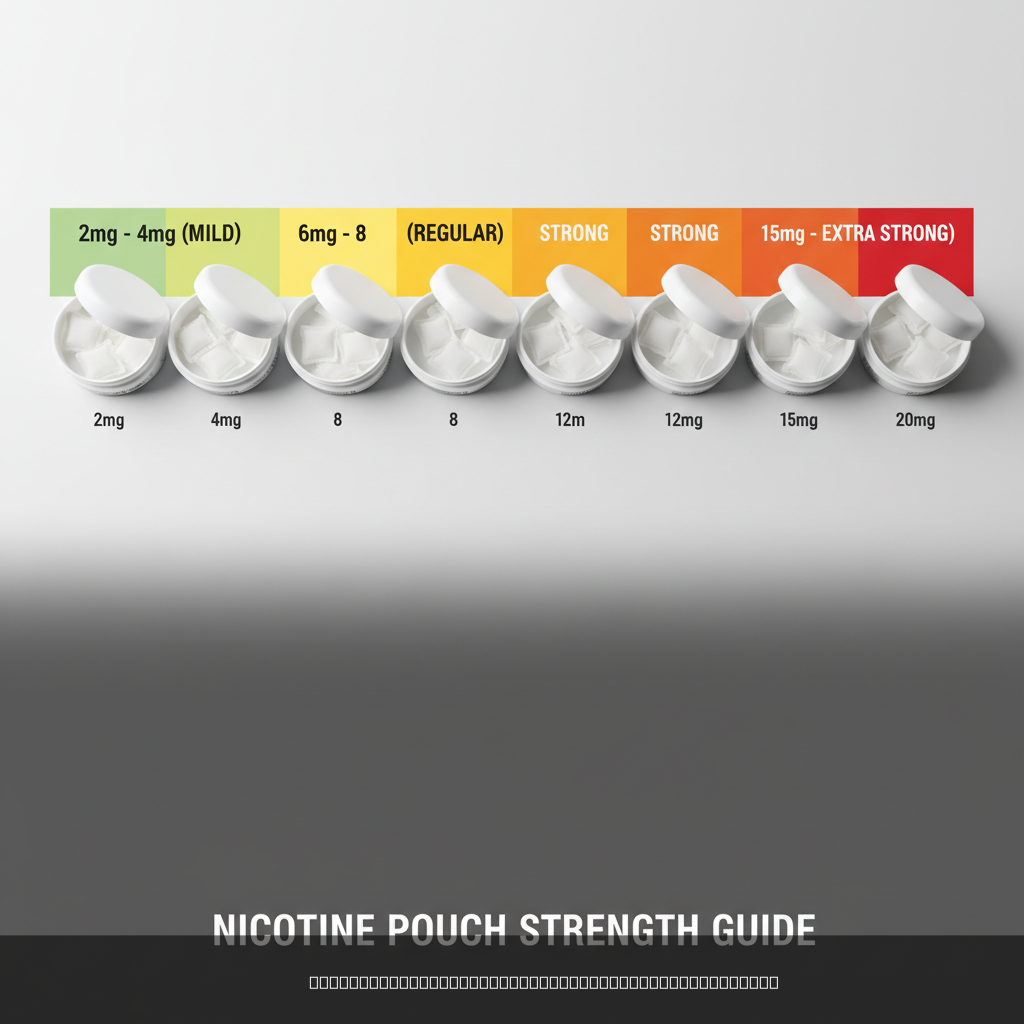
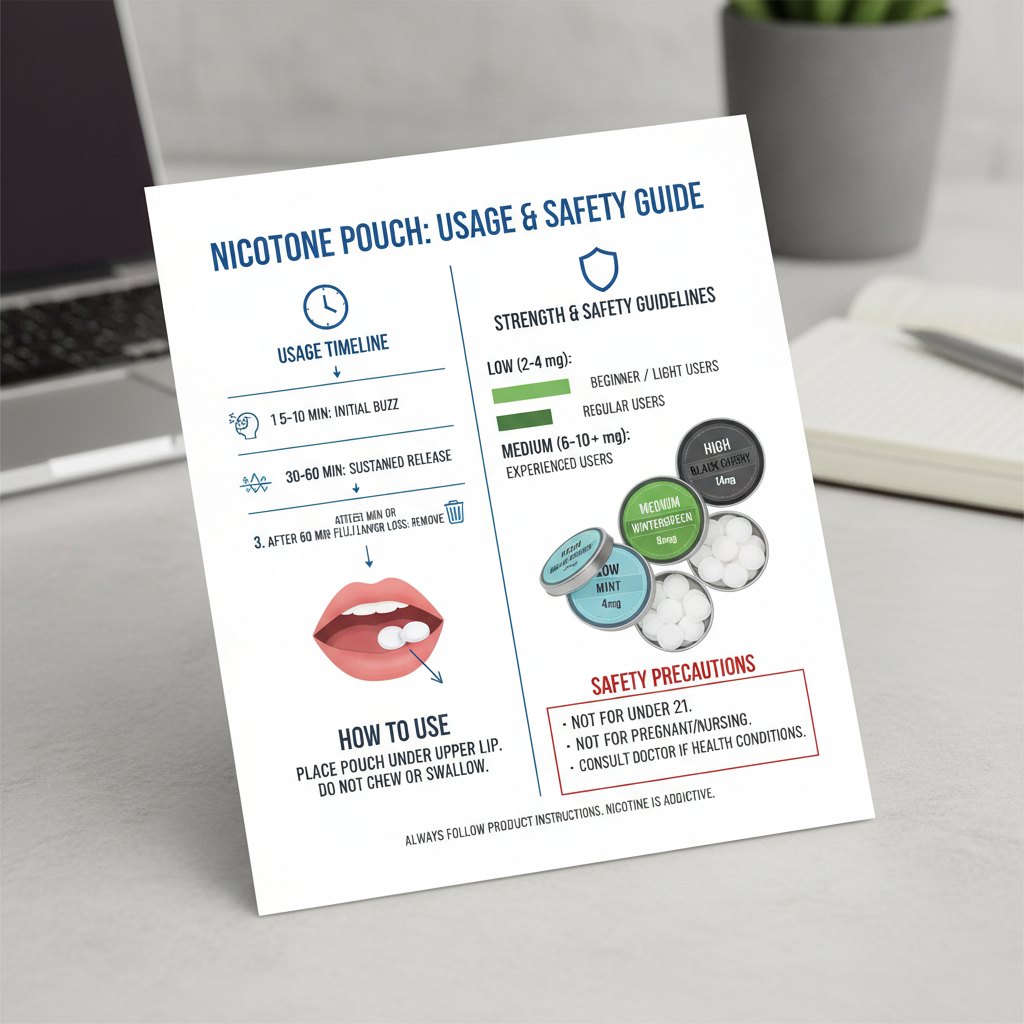
The nicotine pouch industry has standardized strength categories to help consumers navigate their options more easily. These categories provide a framework for understanding intensity levels and making informed choices.Mild Strength (2-4mg)
Mild strength pouches are designed for newcomers to oral nicotine or those with very low tolerance. These pouches provide a gentle introduction without overwhelming the user with intense nicotine effects.| Strength | Best For | Effects | Duration |
|---|---|---|---|
| 2mg | Complete beginners, very light smokers | Subtle satisfaction, minimal buzz | 20-30 minutes |
| 3mg | Light cigarette users, social smokers | Mild satisfaction, gentle throat hit | 25-35 minutes |
| 4mg | Transitioning light smokers | Noticeable but comfortable | 30-40 minutes |
Regular Strength (6-9mg)
Regular strength represents the sweet spot for many users, offering substantial satisfaction without excessive intensity. This category accounts for approximately 60% of all nicotine pouch sales in European markets as of 2026 [2]. Users in this range typically include moderate smokers (5-15 cigarettes daily) or those who've been using pouches for several months. The 6-9mg range provides enough nicotine to satisfy cravings while remaining manageable for extended daily use.Strong and Extra Strong (10-20mg+)
Strong pouches (10-15mg) and extra strong options (16mg+) cater to heavy smokers, experienced pouch users, or those with high nicotine tolerance. These strengths require careful consideration due to their potential for intense effects and rapid tolerance building.- 10-12mg: Suitable for pack-a-day smokers transitioning to pouches
- 15-18mg: Heavy smokers or experienced pouch users with established tolerance
- 20mg+: Extreme users only - requires significant tolerance and experience
Pro Tip: If you're using 15mg+ pouches regularly, consider implementing "strength cycling" - alternating between high and moderate strengths to prevent excessive tolerance buildup.
Choosing the Right Strength for You
Selecting the optimal nicotine strength requires honest assessment of your current habits, tolerance level, and goals. The wrong choice can lead to either unsatisfying experiences or overwhelming side effects.Personal Assessment Factors
Your ideal strength depends on several key factors that you should evaluate before making a selection:- Current nicotine consumption: Heavy smokers (20+ cigarettes daily) typically start with 12-15mg pouches
- Tolerance level: Regular nicotine users can handle higher strengths than occasional users
- Sensitivity to nicotine: Some individuals are naturally more sensitive and should start lower
- Usage goals: Those seeking to reduce nicotine should choose progressively lower strengths
- Time between uses: Frequent users may prefer moderate strengths to avoid constant high-intensity hits
Transitioning from Other Nicotine Products
Converting from cigarettes, vaping, or other nicotine products requires understanding equivalency and adjustment periods. Research indicates that nicotine absorption from pouches differs significantly from smoking, requiring careful calibration [3]. For cigarette users, a general conversion guideline suggests: - Light smokers (1-10 daily): Start with 6-8mg pouches - Moderate smokers (10-20 daily): Begin with 9-12mg pouches - Heavy smokers (20+ daily): Consider 12-15mg pouches initially Vapers face unique challenges because e-cigarettes deliver nicotine rapidly, while pouches provide slower, sustained release. A 20mg/ml vape user might find satisfaction with 12-15mg pouches, but the experience will feel different due to absorption kinetics.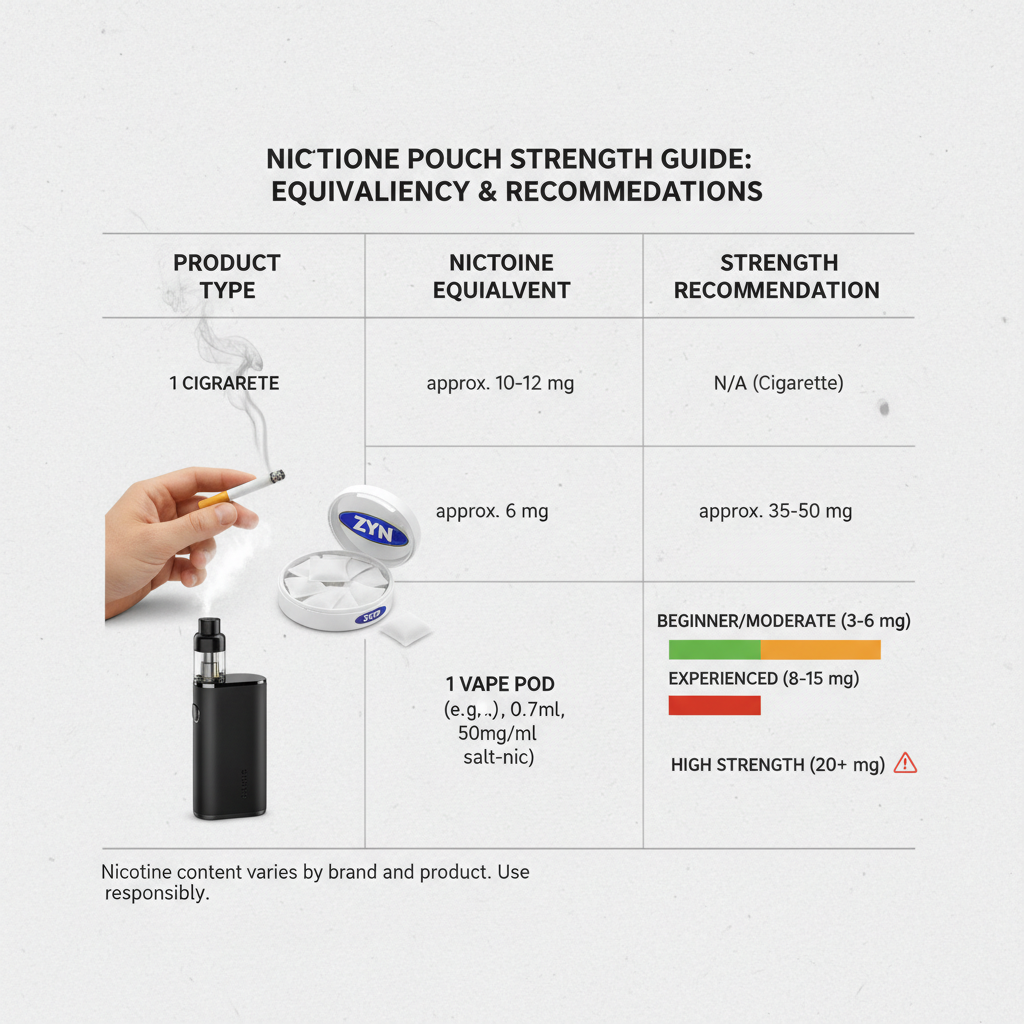
Step-Up and Step-Down Strategies
Many users find success with gradual strength adjustments rather than dramatic changes. Step-up strategies help heavy smokers find adequate satisfaction, while step-down approaches support those seeking to reduce nicotine intake. The step-down method involves reducing strength by 2-3mg every 2-4 weeks, allowing your body to adjust gradually. At Outdare LTD, we've found that users who implement structured reduction plans are 70% more likely to achieve their nicotine reduction goals compared to those who attempt dramatic cuts.Pro Tip: Keep a usage log for your first month, tracking strength, timing, and satisfaction levels. This data helps identify patterns and optimize your approach.
Comparing Different Brands and Strengths
Not all nicotine pouches are created equal, even when they share the same stated strength. Manufacturing processes, pH levels, pouch materials, and nicotine extraction methods can significantly impact the actual user experience.Understanding Brand Variations
Different manufacturers use varying approaches to nicotine delivery, resulting in different experiences even with identical mg ratings. Some brands focus on rapid nicotine release for immediate satisfaction, while others prioritize sustained delivery over longer periods. European brands typically emphasize clean manufacturing and natural ingredients, while some international options prioritize maximum strength or unique flavor profiles. As of 2026, FDA-authorized products in the US market include specific strength limitations and quality standards [4].Quality Indicators to Consider
When evaluating nicotine pouch brands and strengths, several quality factors impact your experience:- Manufacturing standards: Look for European or FDA-approved manufacturing facilities
- Ingredient transparency: Reputable brands list all ingredients and their sources
- pH optimization: Properly formulated pouches enhance nicotine absorption
- Consistency: Quality brands maintain consistent strength across batches
- Third-party testing: Independent verification ensures accurate labeling
| Strength Range | Market Share | Primary Users | Growth Trend |
|---|---|---|---|
| 2-4mg (Mild) | 15% | New users, light smokers | Stable |
| 6-9mg (Regular) | 45% | Moderate users, switchers | Growing |
| 12-15mg (Strong) | 30% | Heavy smokers, experienced users | Declining |
| 18mg+ (Extra Strong) | 10% | High tolerance users | Regulated decline |
Safety Considerations and Best Practices
Understanding safety guidelines for nicotine pouch strength selection protects your health while maximizing satisfaction. Proper usage practices prevent adverse effects and support long-term success with pouches.Recommended Daily Dosage Limits
Health authorities suggest limiting daily nicotine intake to avoid dependency escalation and potential health risks. The American Lung Association recommends monitoring total daily nicotine consumption, particularly with higher-strength pouches [5]. General safety guidelines for daily usage include: - Maximum 20 pouches per day for any strength - No more than 240mg total nicotine daily from all sources - Minimum 30-minute intervals between pouches - Avoid overnight usage to prevent sleep disruptionRecognizing and Managing Side Effects
Higher nicotine strengths can produce unwanted side effects, especially when users exceed their tolerance level. Common issues include nausea, dizziness, increased heart rate, and digestive discomfort. Early warning signs that your chosen strength may be too high:- Nausea or stomach discomfort within 10 minutes of use
- Dizziness or lightheadedness
- Rapid heartbeat or palpitations
- Excessive salivation or dry mouth
- Headaches after pouch removal
- Sleep disturbances or insomnia
Pro Tip: Keep a lower-strength backup option available when trying new higher strengths. This allows immediate downward adjustment if the new strength proves too intense.
Preventing Tolerance Escalation
One limitation of nicotine pouches is the tendency for tolerance to develop over time, leading users to continuously increase strength. Implementing tolerance management strategies helps maintain effectiveness at lower strengths. Effective tolerance prevention techniques include: - Rotating between two different strengths daily - Taking planned "strength breaks" with lower mg options - Limiting usage to specific times rather than continuous use - Incorporating non-nicotine alternatives like energy or CBD pouches In practice, users who implement structured tolerance management report maintaining satisfaction with 30-40% lower strengths compared to those who continuously escalate.Sources & References
- Nicokick, "Nicotine Pouch Strengths Explained - Guide", 2026
- Northerner, "The Ultimate Nicotine Pouch Strengths Guide", 2026
- PMC, "Prioritizing Common Terminology and Measures to Advance Nicotine Pouch Research", 2024
- FDA, "FDA Authorizes 6 Nicotine Pouch Products", 2026
- American Lung Association, "Nicotine Pouches Report", 2025
Frequently Asked Questions
1. How strong is a 20mg nicotine pouch?
Understanding nicotine pouch strength guide is essential. A 20mg nicotine pouch is considered extremely strong and delivers approximately the same nicotine content as 1.5-2 cigarettes. This strength is only recommended for heavy smokers with established high tolerance, as it can cause intense side effects in less experienced users. Most users find 20mg pouches provide a powerful, long-lasting nicotine hit that can satisfy cravings for 2-3 hours.
2. Is 50mg of nicotine pouch a lot?
Yes, 50mg is an extremely high nicotine content that far exceeds most commercial products and safety recommendations. This strength is approximately equivalent to 4-5 cigarettes and can cause severe nicotine poisoning symptoms including nausea, vomiting, and rapid heart rate. Such high concentrations are not available in regulated markets and should be avoided entirely. This is particularly relevant for nicotine pouch strength guide.
3. Are 2mg pouches strong?
No, 2mg pouches are considered very mild and designed for complete beginners or those with minimal nicotine tolerance. They provide subtle satisfaction without noticeable buzz or intensity, making them ideal for first-time users or those transitioning down from higher strengths. Most experienced nicotine users find 2mg insufficient for craving satisfaction. When considering nicotine pouch strength guide, this point stands out.
4. How do I know if my nicotine pouch strength is too high?
Signs of excessive strength include nausea, dizziness, rapid heartbeat, or stomach discomfort within 10 minutes of use. If you experience headaches, excessive salivation, or feel jittery, the strength is likely too high for your tolerance. Start with a lower strength and gradually increase only if needed for satisfaction. For those exploring nicotine pouch strength guide, this matters.
5. What strength should I choose if I smoke a pack a day?
Pack-a-day smokers typically find satisfaction with 12-15mg pouches initially, though individual tolerance varies significantly. Start with 12mg and adjust based on your satisfaction and comfort level. Some heavy smokers may need 18mg, while others find 9mg sufficient due to the different absorption profile of pouches versus cigarettes. This directly impacts nicotine pouch strength guide outcomes.
6. Can I use multiple pouches to increase strength?
While technically possible, using multiple pouches simultaneously is not recommended as it makes dosage control difficult and increases overdose risk. Instead, choose a higher-strength single pouch for better control and safety. If one pouch isn't sufficient, wait at least 30 minutes before using another. This is particularly relevant for nicotine pouch strength guide.
7. How long does nicotine from pouches stay in your system?
Nicotine from pouches typically remains detectable in your system for 1-3 days, with peak blood levels occurring 30-60 minutes after use. The half-life is approximately 1-2 hours, meaning effects gradually diminish over several hours. Higher strength pouches may extend detection time slightly due to increased total nicotine load.
Recommended Articles
Explore more from our content library: