


Caffeine Pouches for Energy: How They Work & Who
| Key Insight | Explanation |
|---|---|
| Buccal absorption is faster than drinking | Caffeine enters the bloodstream through the oral mucosa in as little as 5-10 minutes, bypassing the digestive tract entirely. |
| Nootropics amplify the effect | Compounds like L-Theanine and L-Tyrosine paired with caffeine reduce jitter and extend clean focus without a hard crash. |
| No nicotine required for the ritual | The physical habit of a pouch under the lip accounts for 30% of pouch addiction. Energy pouches satisfy that without any chemical dependency. |
| Dose precision beats energy drinks | Each pouch delivers a fixed caffeine dose (typically 50-100mg), making it easier to manage daily intake than a 500ml energy drink. |
| Not risk-free for everyone | Pregnant individuals, those with heart conditions, and caffeine-sensitive users should avoid or limit use, per established health guidance. |
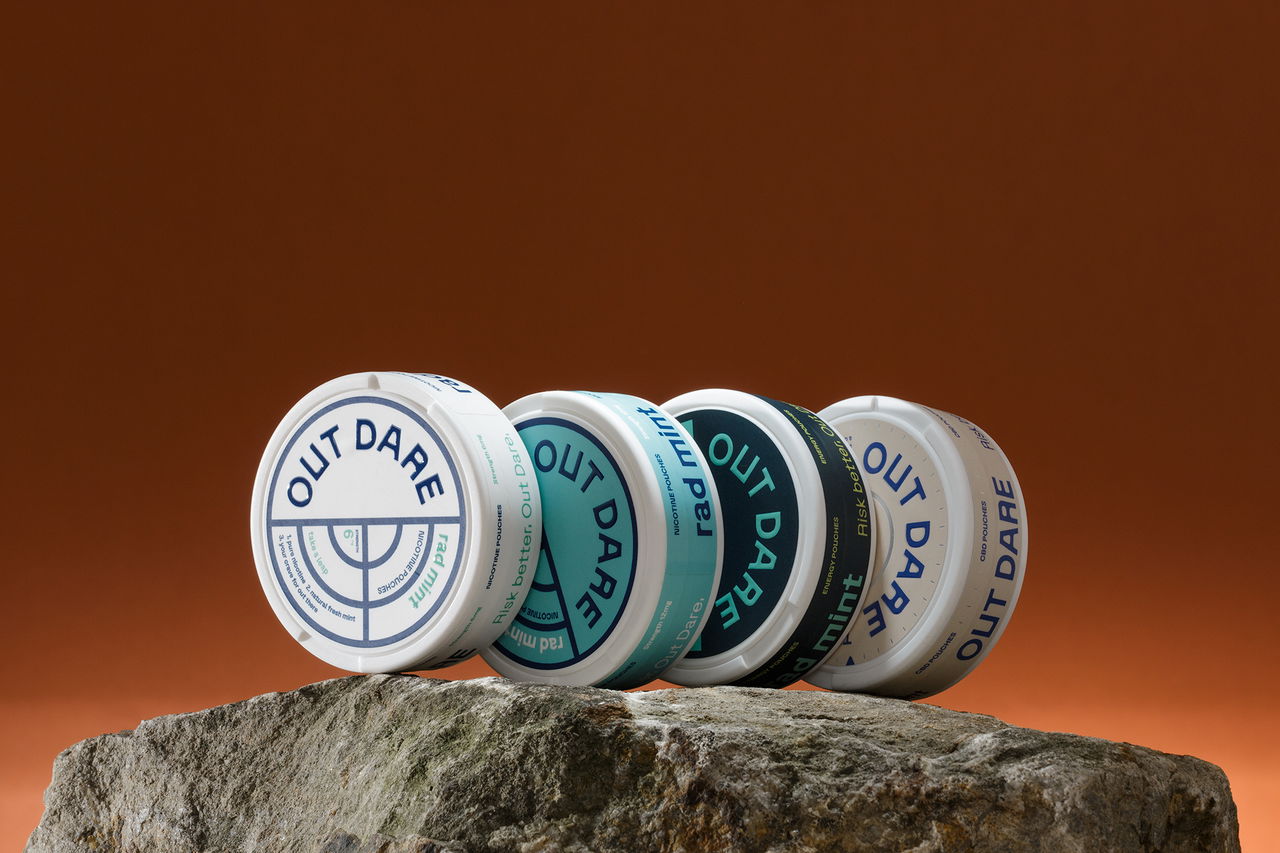
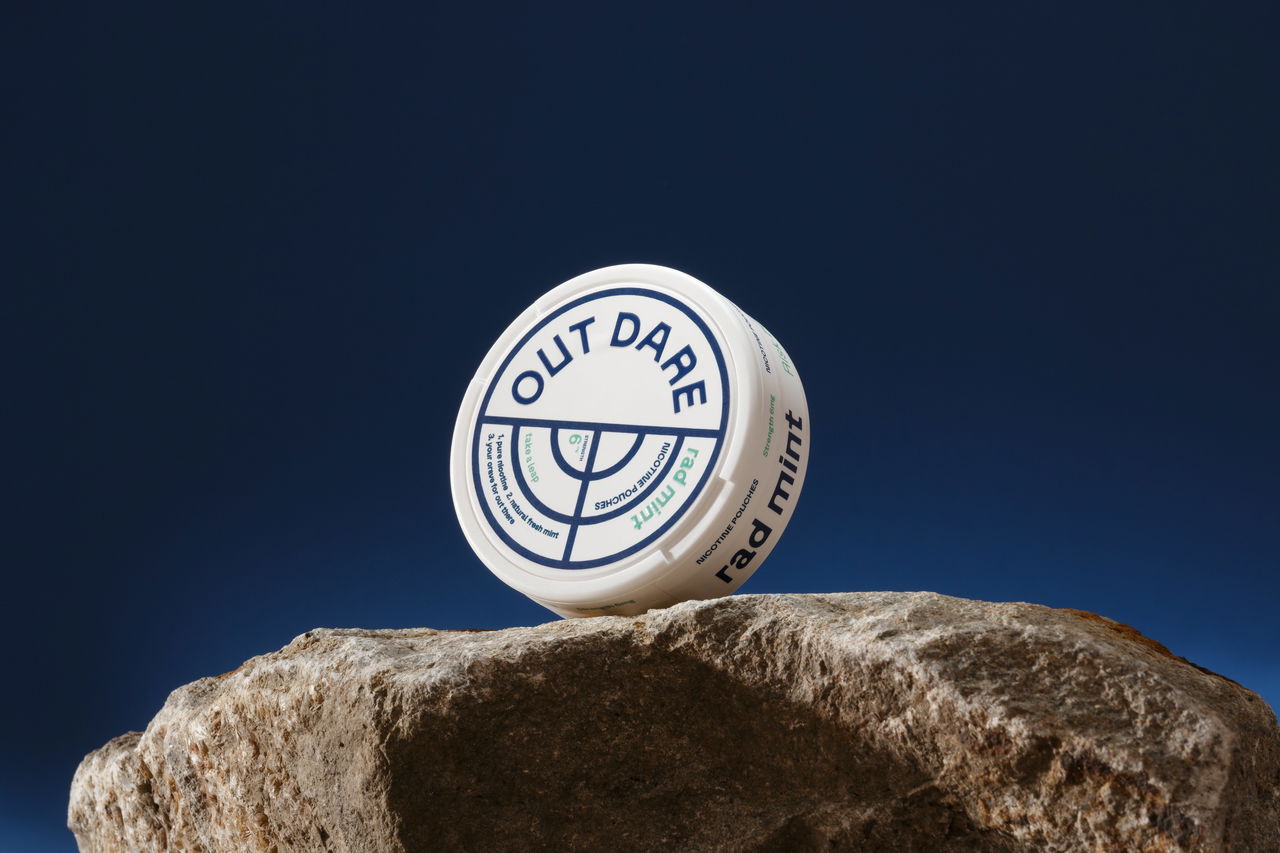
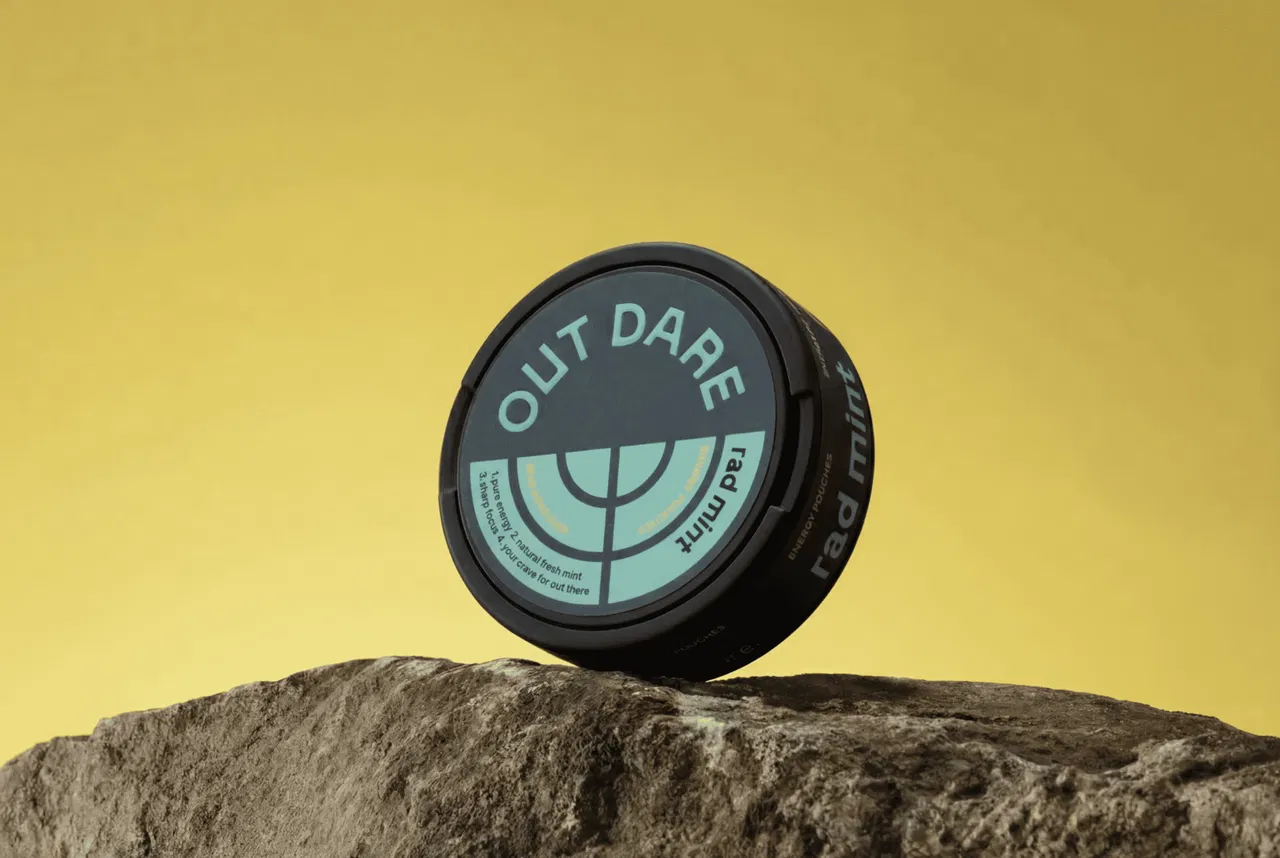
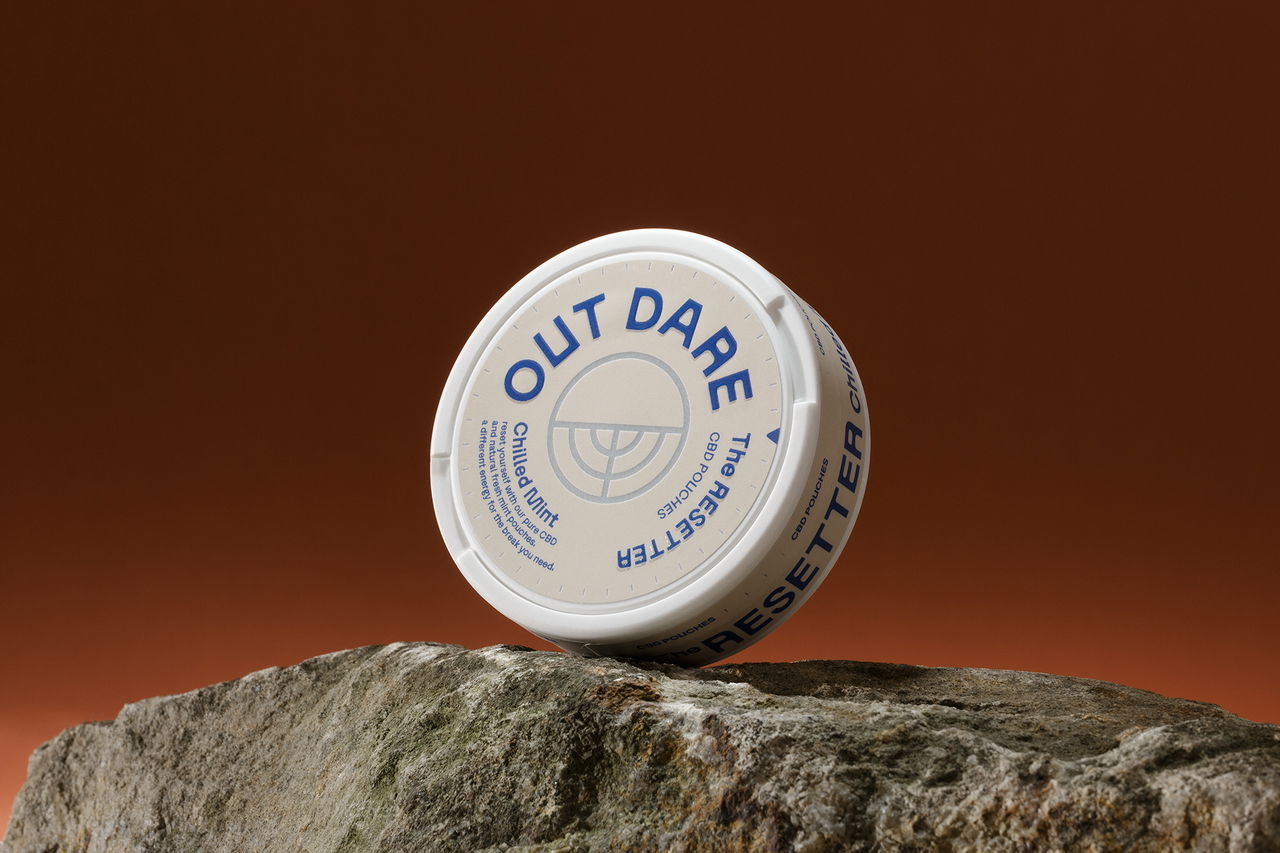
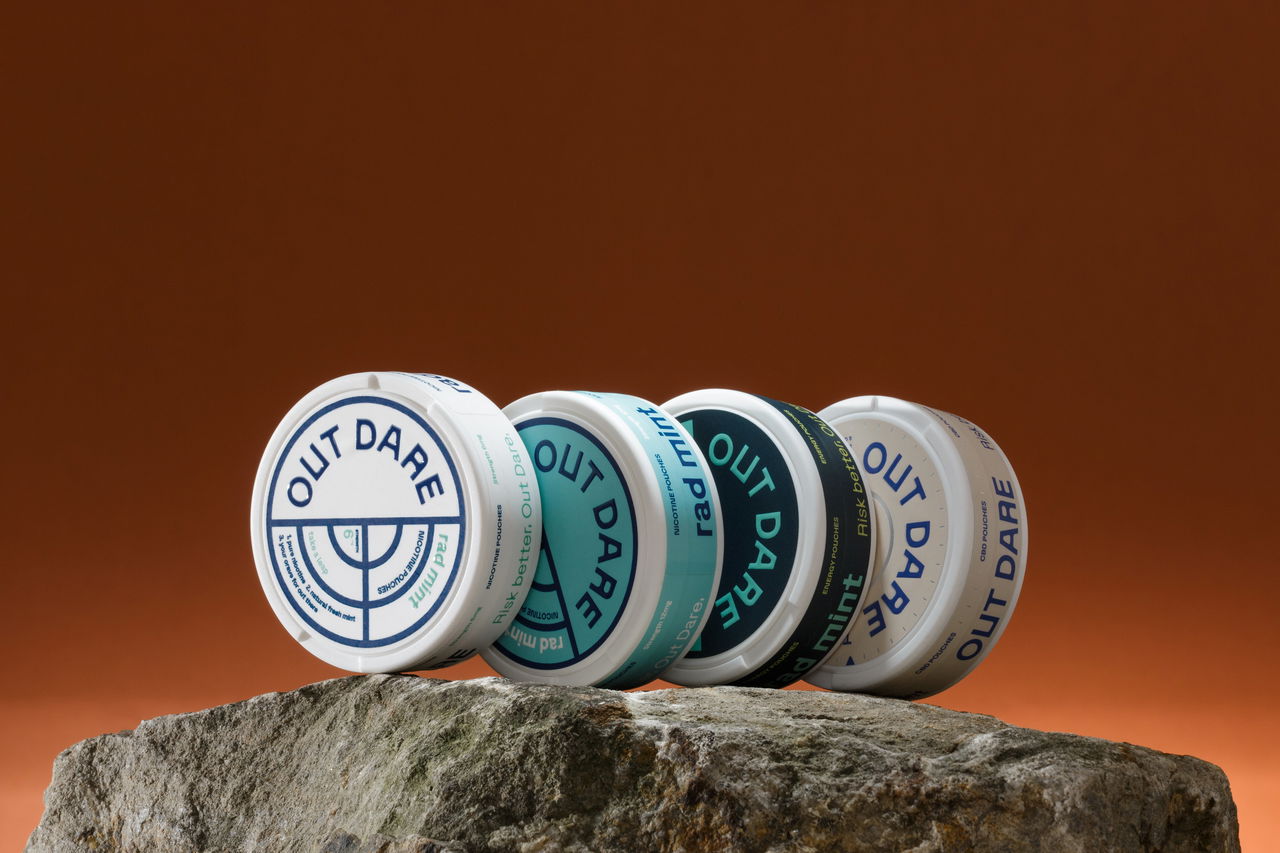
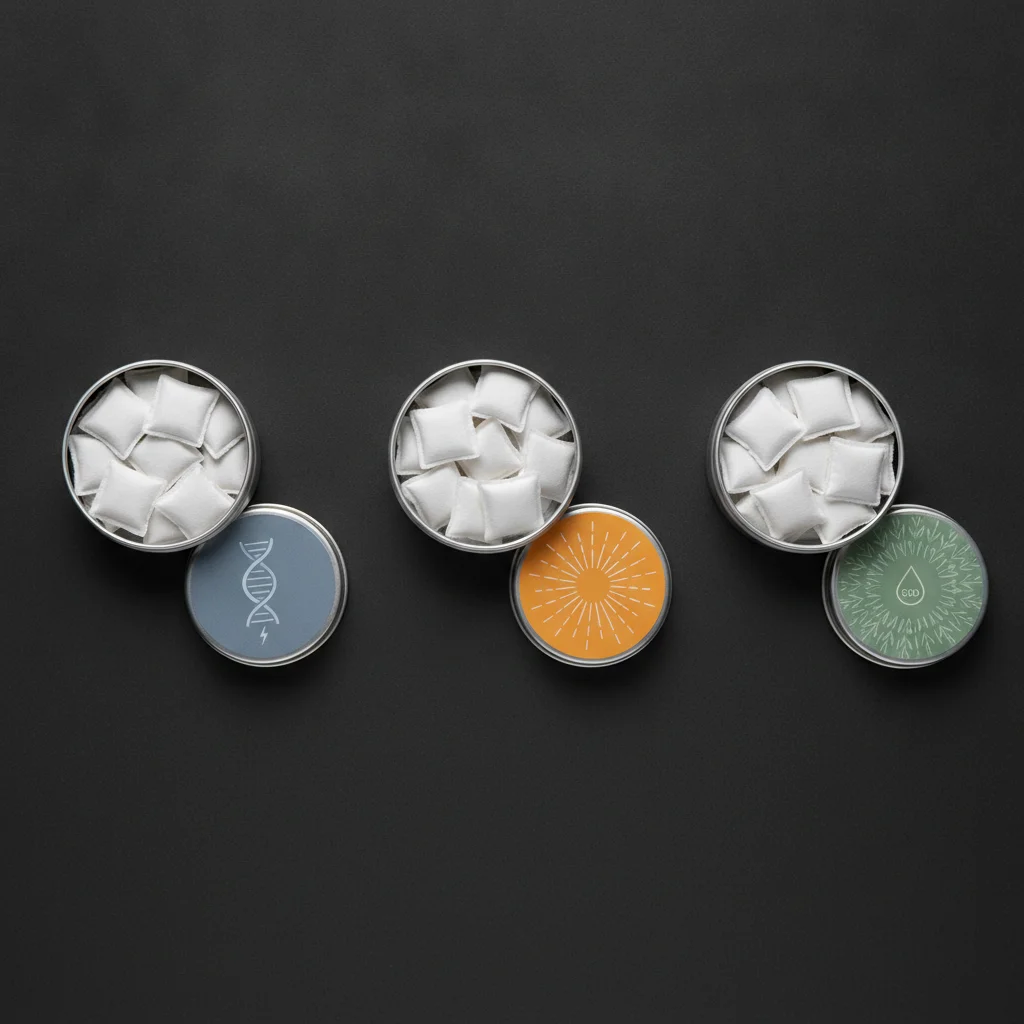
| Outdare's system is unique | The only 3-pouch system (Nicotine, Energy, CBD) sharing identical taste, burn, and mouthfeel — designed to phase out chemical dependency without losing the ritual. |
Caffeine pouches energy delivery is simple: a small tobacco-free pouch placed under the lip releases caffeine directly through the oral mucosa, hitting your bloodstream in minutes without a drink, a pill, or a smoke. No sugar. No crash spike. No nicotine. Just clean, controlled stimulation wherever you are. Whether you're trying to replace an energy drink habit, phase out nicotine, or find a discreet focus tool for deep work, caffeine pouches are one of the fastest-growing formats in the functional wellness space as of 2026 — and this article breaks down exactly how they work, what the science says, and how to use them without making the mistakes most first-timers do.
What Are Caffeine Pouches for Energy?
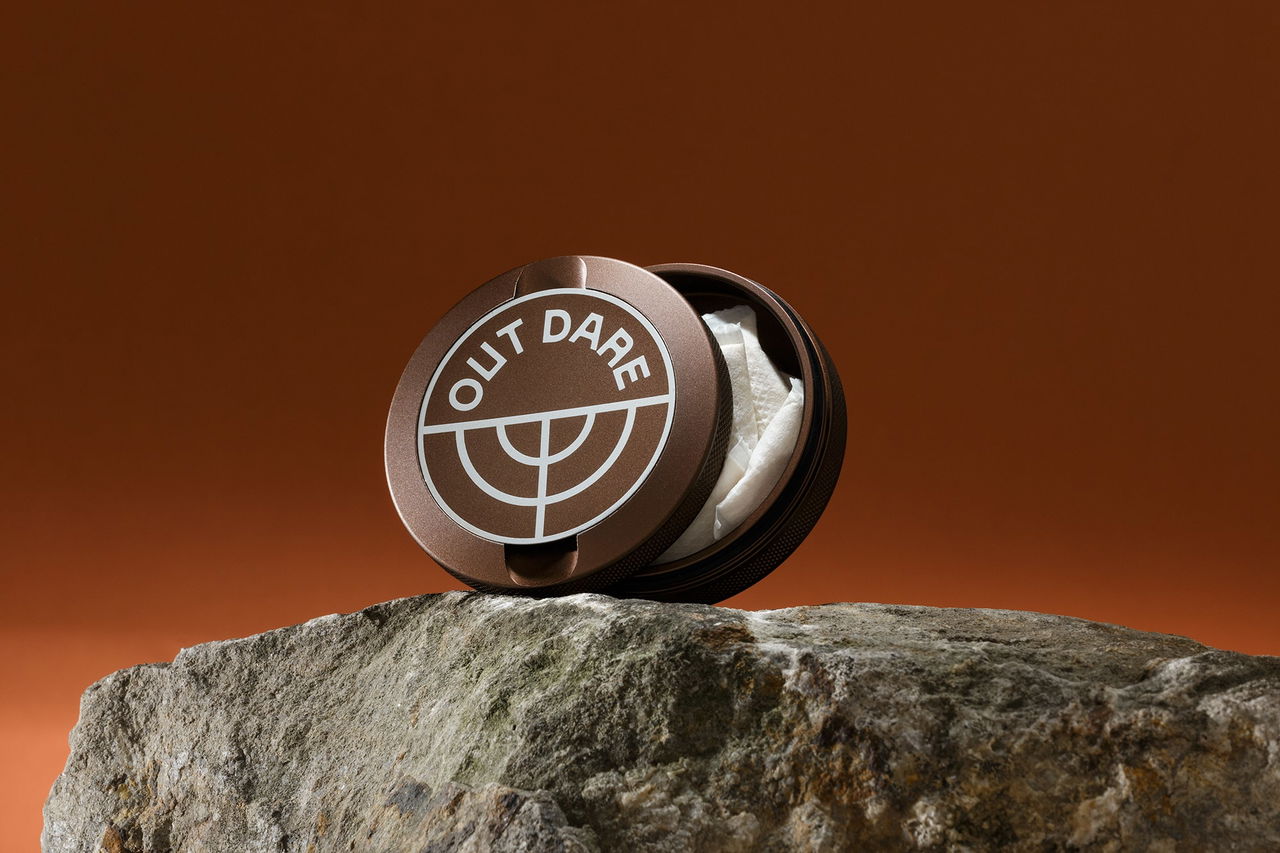
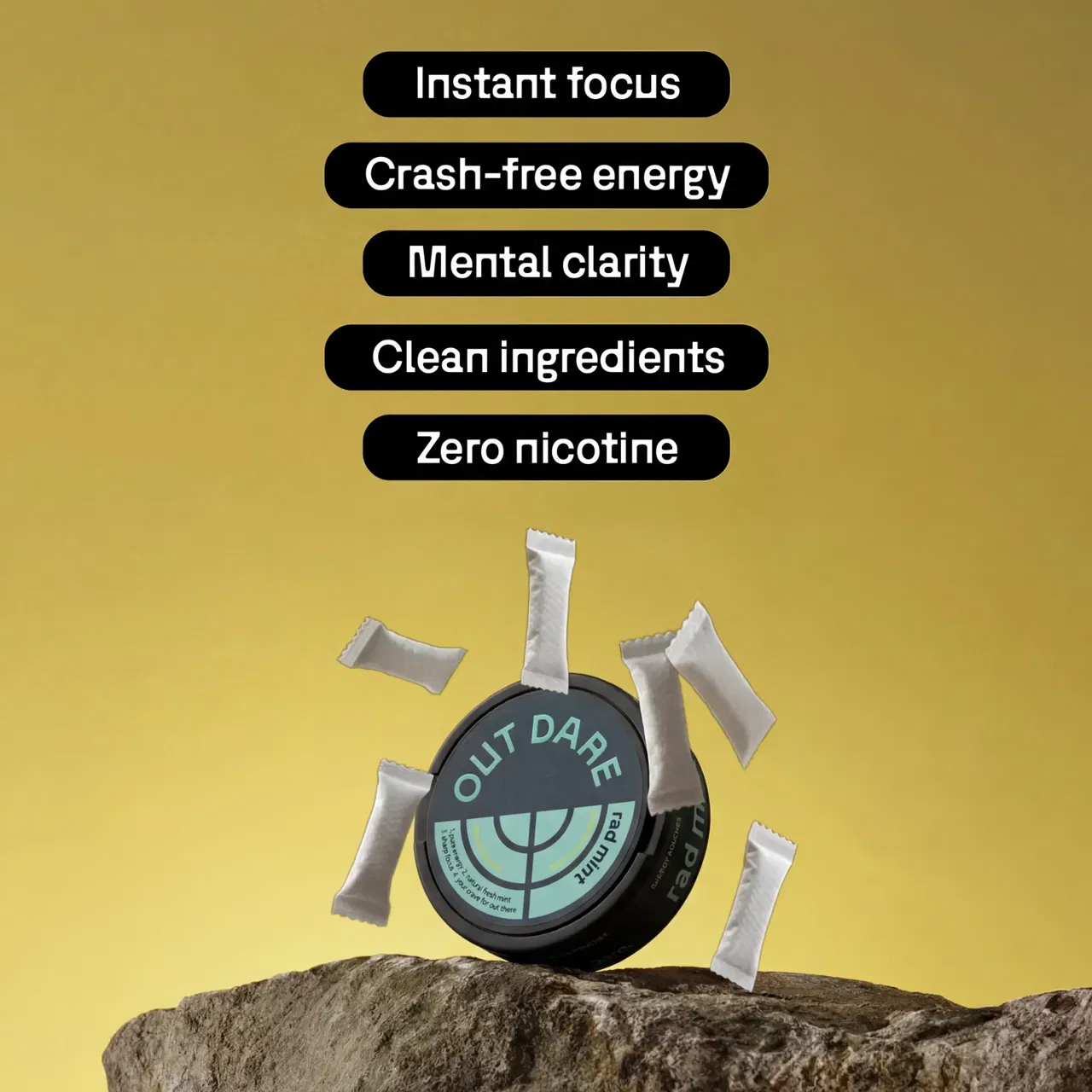
Caffeine pouches are small, tobacco-free oral pouches containing caffeine and often additional active ingredients like nootropics, placed between the lip and gum to deliver stimulation through buccal (oral mucosa) absorption. They contain no tobacco, no nicotine, and no liquid — just a dry, pillow-shaped sachet that releases its contents on contact with saliva. This is particularly relevant for caffeine pouches energy.
The Definition That Matters
Caffeine pouches energy, in plain terms, refers to the use of oral pouches as a delivery mechanism for caffeine-based stimulation. The key characteristic is the absorption route: rather than swallowing caffeine via a drink or capsule, you absorb it sublingually through the gum tissue. This makes onset faster and more predictable than most oral consumption methods [1].
The format borrows its physical design from nicotine pouches — the same discreet, spit-free, smoke-free format that has grown significantly across Europe since 2022. But where nicotine pouches create chemical dependency, caffeine pouches are positioned as a functional, dependency-light alternative for focus and alertness.
What's Actually Inside a Caffeine Energy Pouch?
Formulations vary by brand, but most caffeine pouches on the market in 2026 share a common ingredient architecture:
- Caffeine (50-100mg per pouch): The primary active compound, a methylxanthine (a class of alkaloid stimulants) that blocks adenosine receptors to reduce fatigue signals [2]
- L-Theanine: An amino acid found in green tea that smooths out caffeine's stimulant edge, reducing jitter while maintaining alertness
- L-Tyrosine: A precursor amino acid that supports dopamine and norepinephrine synthesis, relevant for sustained cognitive performance under stress
- B-vitamins (B6, B12): Cofactors in energy metabolism, often included for their role in neurological function
- Plant-fiber fillers: The pouch matrix itself, typically cellulose-based, providing the physical structure and mouthfeel
- Xylitol or natural sweeteners: For flavor without sugar, also offering mild dental benefits
- Natural flavorings: Mint is the dominant flavor profile across the category
According to the BSCG (Banned Substances Control Group), energy pouches are "small, pillow-shaped packets placed between the lip and gum containing caffeine or other active ingredients like nootropics" — a category that is expanding rapidly but remains inconsistently regulated across markets [3].
Pro Tip: When evaluating a caffeine pouch, look at the full ingredient stack — not just the caffeine number. A 100mg pouch with no L-Theanine will hit harder and crash faster than a 50mg pouch formulated with nootropic support. The ratio matters as much as the dose.
How Caffeine Pouches Energy Delivery Works
Caffeine pouches deliver energy through buccal absorption, where caffeine passes through the thin mucosal tissue of the inner lip directly into the bloodstream, bypassing the stomach and liver's first-pass metabolism for a faster, more consistent onset than drinking coffee or swallowing a capsule. When considering caffeine pouches energy, this point stands out.
The Absorption Mechanism
Here's the core difference between drinking caffeine and using a pouch. When you drink coffee, caffeine travels through your esophagus, gets processed in the stomach, and enters the bloodstream via the small intestine. Onset takes 15-45 minutes. With a caffeine pouch, the mucosal tissue under your lip is highly vascularized — meaning it's rich with blood vessels sitting close to the surface. Caffeine diffuses across that tissue wall almost immediately [4].
Most users report feeling the effect within 5-15 minutes. That's not marketing language. That's basic pharmacokinetics (the study of how substances move through the body).
How Caffeine Actually Produces the Energy Effect
Caffeine doesn't create energy from nothing. It works by blocking adenosine receptors in the brain. Adenosine is a neurotransmitter that accumulates throughout the day and signals fatigue — the longer you're awake, the more adenosine builds up, and the sleepier you feel. Caffeine's molecular structure is close enough to adenosine that it fits into the same receptors without activating them, effectively blocking the fatigue signal [2].
The result: dopamine and norepinephrine activity increases, alertness sharpens, and reaction time improves. This is the same mechanism as coffee — the pouch format just changes how fast it arrives and how precisely you dose it. For those exploring caffeine pouches energy, this matters.
The step-by-step process looks like this:
- Place the pouch between your upper or lower lip and gum
- Saliva activates the pouch, releasing caffeine and co-ingredients into the oral environment
- Caffeine diffuses through the buccal mucosa into capillaries beneath the tissue
- Caffeine enters systemic circulation within 5-15 minutes
- Adenosine receptor blockade reduces fatigue signaling in the brain
- Dopamine and norepinephrine activity increases, producing alertness and focus
- Nootropic co-ingredients (L-Theanine, L-Tyrosine) modulate the stimulant effect, reducing jitter and extending the focus window
- Effect typically lasts 1-3 hours depending on individual metabolism and dose
Reddit users who have tested caffeine pouches consistently note that "the caffeine hits quicker than an energy drink does" and report fewer stomach jitters compared to liquid delivery, even at higher doses [5]. That tracks with the pharmacokinetic advantage of bypassing gastric processing.
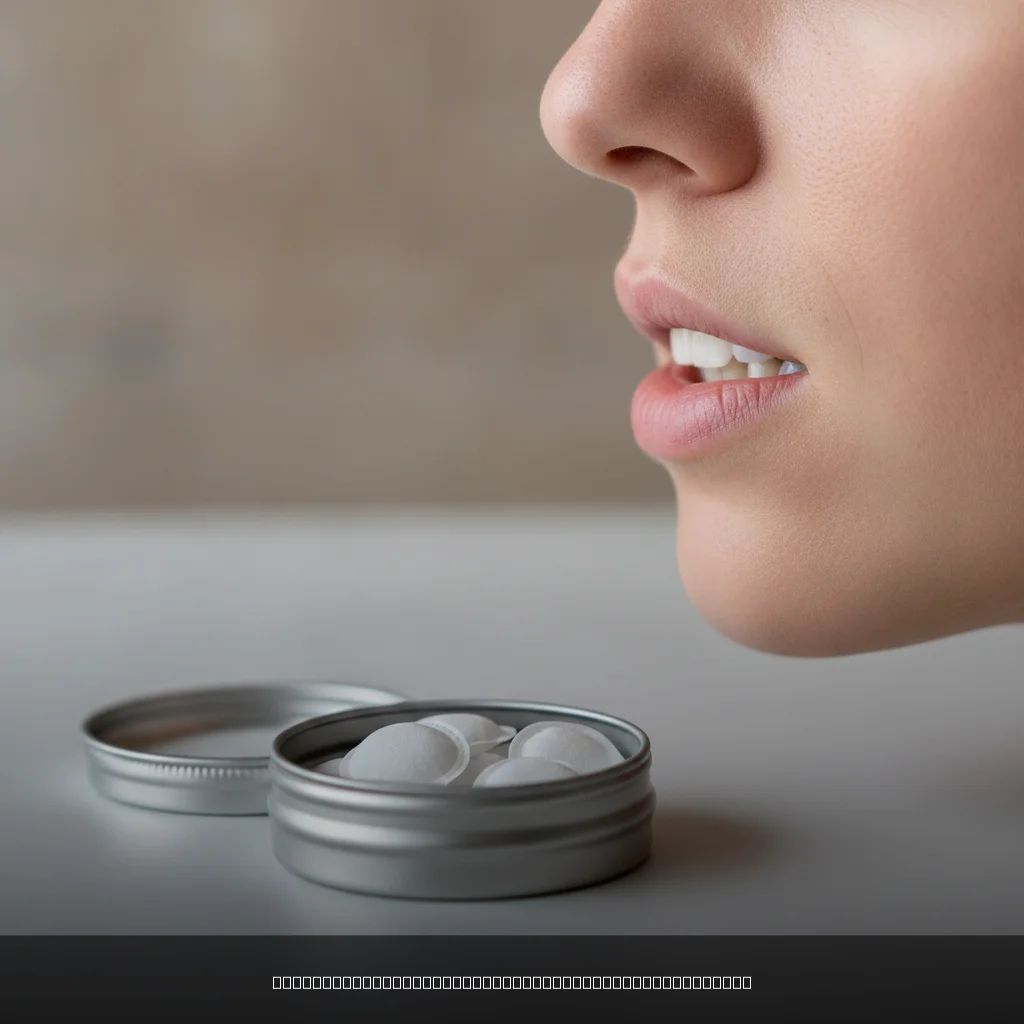
Key Benefits of Caffeine Pouches for Energy
Caffeine pouches offer several practical advantages over traditional energy delivery formats: faster onset, precise dosing, zero sugar, no liquid requirement, and complete discretion in any setting — making them a genuinely functional tool for focus-oriented adults.
Why Caffeine Pouches Beat Energy Drinks for Focused Adults
Energy drinks are convenient, but they come with real tradeoffs: high sugar content, large volume, the need for refrigeration, and a crash that often hits harder than the lift. A 500ml energy drink might contain 160mg of caffeine alongside 50g of sugar and a range of synthetic additives. A caffeine pouch delivers a controlled 50-100mg dose with no sugar, no liquid, and no need to carry a can [6]. This directly impacts caffeine pouches energy outcomes.
For the productivity-focused user — someone tracking their cognitive performance, using nootropics strategically, and optimizing for deep work sessions — that precision matters. You're not guessing how much caffeine is in your third cup of coffee. You know exactly what you're taking and when.
The practical benefits stack up clearly:
- Faster onset: 5-15 minutes vs. 15-45 minutes for coffee or energy drinks
- Precise dosing: Fixed caffeine per pouch vs. variable content in brewed beverages
- Zero sugar: Most quality formulations use xylitol or natural sweeteners
- Discreet use: No smell, no visible container, usable in meetings, on flights, or mid-workout
- No gastric irritation: Bypasses the stomach, reducing the acid and jitter issues common with coffee
- Portable: A flat circular tin fits in any pocket, no refrigeration needed
- No crash spike: Gradual release from the pouch produces a smoother curve than gulping a drink
The Nootropic Stack Advantage
The best caffeine energy pouches in 2026 don't just deliver caffeine in isolation. They pair it with nootropics (cognitive-enhancing compounds) that modify the stimulant effect. L-Theanine is the most validated co-ingredient: a 2008 study published in Nutritional Neuroscience found that a 50mg caffeine / 100mg L-Theanine combination improved speed and accuracy on cognitive tasks while reducing susceptibility to distraction compared to either compound alone.
L-Tyrosine adds another layer. As a precursor to dopamine and norepinephrine, it supports cognitive performance under stress and sleep deprivation — conditions where caffeine alone starts to lose effectiveness. According to Men's Health's energy pouch review, the best-performing products combine "caffeine plus taurine, glucuronolactone, and B-vitamins" for a more complete energy profile [7]. This is particularly relevant for caffeine pouches energy.
At Outdare LTD, we've found that the combination of 50mg caffeine with a nootropic stack in a zero-nicotine pouch format gives users the focus edge they were previously getting from nicotine — without feeding any chemical dependency. That's not a small distinction. That's the entire point.
| Format | Onset Time | Caffeine Dose | Sugar | Portable | Discreet |
|---|---|---|---|---|---|
| Caffeine Pouch | 5-15 min | 50-100mg (fixed) | None | ✓✓✓ | ✓✓✓ |
| Coffee (espresso) | 15-45 min | 60-80mg (variable) | None | ✓ | ✓✓ |
| Energy Drink (500ml) | 20-45 min | 80-160mg (variable) | High | ✓✓ | ✓ |
| Caffeine Capsule | 30-60 min | 100-200mg (fixed) | None | ✓✓✓ | ✓✓ |
| Pre-workout drink | 20-40 min | 150-300mg (variable) | Often high | ✓ | ✗ |
Risks, Side Effects, and Common Mistakes
Caffeine pouches are not risk-free, and the honest assessment is that misuse, excessive dosing, and use by vulnerable populations create real concerns that any responsible brand or consumer needs to acknowledge.
Known Risks and Side Effects
The Atrius Health advisory on nicotine and caffeine pouches notes that caffeine pouches work similarly to nicotine pouches in their delivery mechanism and carry dose-dependent risks including elevated heart rate, increased blood pressure, anxiety, insomnia, and dependence potential [1]. These aren't hypothetical risks. They're the same risks that come with any caffeine source — amplified when the delivery is faster and the dosing is less intuitive than a cup of coffee.
The most common side effects users report include:
- Gum irritation: Prolonged contact of any pouch with gum tissue can cause local inflammation, especially at higher caffeine concentrations
- Elevated heart rate: Particularly at doses above 100mg or in caffeine-sensitive individuals
- Anxiety and jitteriness: More pronounced without L-Theanine in the formulation
- Insomnia: Using caffeine pouches after 2pm can disrupt sleep onset, given caffeine's 5-6 hour half-life
- Caffeine dependence: Regular use creates tolerance and withdrawal headaches, just like coffee
- Nausea: Swallowing excess saliva during pouch use can cause stomach discomfort in some users
According to Ashley Addiction Treatment, caffeine pouches "can offer quick energy without drinks, but carry risks related to overuse and the potential for behavioral dependence on the oral ritual itself" [4].
Who Should Avoid Caffeine Pouches
Certain populations face elevated risk and should avoid caffeine pouches entirely or consult a physician first:
- Pregnant or breastfeeding individuals (caffeine crosses the placental barrier and is present in breast milk)
- People with diagnosed cardiovascular conditions, arrhythmia, or hypertension
- Those with anxiety disorders or panic disorder (caffeine amplifies sympathetic nervous system activity)
- Individuals under 18 (as of 2026, Partnership to End Addiction recommends adolescents avoid all caffeine pouches) [8]
- People taking MAO inhibitors or certain stimulant medications
- Anyone with a history of caffeine use disorder or stimulant abuse
Pro Tip: If you're switching from nicotine pouches to caffeine energy pouches, start with the lowest available dose (50mg or below) and give yourself 3-5 days to assess tolerance before increasing. Your nicotine dependency may have masked caffeine sensitivity you didn't know you had.
The Biggest Mistakes First-Time Users Make
From experience working with users transitioning from nicotine pouches, a few patterns come up repeatedly:
- Stacking doses: Using multiple caffeine pouches back-to-back because the onset feels slower than expected. The effect is building — it just takes 10 minutes. Wait before reaching for a second pouch.
- Using too late in the day: Caffeine's half-life is 5-6 hours. A 3pm pouch means half the caffeine is still active at 9pm. That's a sleep quality problem.
- Ignoring gum health: Leaving any pouch in place for longer than 30-45 minutes increases local tissue irritation risk. Follow the manufacturer's guidance on dwell time.
- Treating them as nicotine replacements without a system: A caffeine pouch can satisfy the oral ritual, but without a structured reduction method, you're likely to relapse to nicotine when stress peaks.
Best Practices for Using Energy Pouches in 2026
The most effective approach to caffeine pouches in 2026 combines strategic timing, dose management, and a structured system for anyone using them as part of a nicotine reduction protocol — not just casual, reactive use whenever you feel tired. When considering caffeine pouches energy, this point stands out.
Strategic Timing and Dosing Framework
The most important variable isn't which pouch you use. It's when. Caffeine's interaction with your circadian rhythm (your body's internal 24-hour clock) means the same dose hits differently at 9am versus 2pm versus 7pm. Research in chronopharmacology (the study of how timing affects drug action) suggests that waiting 90-120 minutes after waking before your first caffeine intake allows cortisol levels to drop naturally, making caffeine more effective and reducing tolerance buildup.
A practical daily framework for caffeine pouch users:
- Morning (90 min after waking): First pouch, 50mg caffeine with nootropic stack. This is your focus primer for deep work.
- Late morning (11am-12pm): Optional second pouch if you have a high-demand task or meeting block ahead.
- Early afternoon (1-2pm): Hard cutoff for caffeine pouches to protect sleep quality. If you need an afternoon ritual, switch to a CBD pouch for the sensory satisfaction without the stimulant.
- Pre-workout (if training before 4pm): One pouch 15 minutes before training. The fast onset makes it ideal for pre-activity priming.
The Outdare 4-Week Method: Using Energy Pouches to Exit Nicotine
For nicotine pouch users specifically, caffeine energy pouches aren't just a focus tool. They're a substitution mechanism. Our team at Outdare LTD recommends the 30/30/30 Addiction Rule as the framework here: 30% of pouch addiction is chemical (nicotine), 30% is the physical habit (the pillow under the lip), and 30% is the sensory cue (the burn and mint flavor). Energy pouches that share the same mouthfeel, burn, and taste as nicotine pouches handle 60% of the addiction loop without any chemical dependency.
The 4-week protocol works like this:
- Week 1: Replace one nicotine pouch per day with an energy pouch. Keep everything else the same.
- Week 2: Replace two nicotine pouches per day. Note which situations trigger the strongest cravings.
- Week 3: Majority of pouches are energy or CBD. Nicotine only at peak craving moments.
- Week 4: Nicotine pouches down to 1-2 per day maximum. Energy and CBD pouches carry the ritual.
Most users following this method report a 60-90% reduction in nicotine intake within the first month. That's not cold turkey. That's a system.
Pro Tip: The critical moment is the 3pm energy crash — this is when most nicotine pouch users reach for their heaviest dose of the day. Having a caffeine energy pouch ready specifically for that window, before the craving hits, is more effective than reacting to the craving after it arrives. Preempt it.
The Conversation's analysis of caffeine pouches notes that the format is "fast, discreet and trending" but cautions that the oral ritual itself can become habituating independently of the active ingredient [6]. That's exactly why a structured substitution system matters more than simply swapping products.
Sources & References
- Atrius Health, "Why Nicotine and Caffeine Pouches Are Risky for All Ages", 2024
- Ashley Addiction Treatment, "What Are Caffeine Pouches?", 2024
- BSCG, "Energy Pouches — Safety, Ingredients and Compliance Risk", 2024
- Ashley Addiction Treatment, "What Are Caffeine Pouches?", 2024
- Reddit, "What is your opinion on caffeine pouches?", r/AskReddit, 2024
- The Conversation, "Caffeine pouches deliver a fast hit — and hidden risks", 2024
- Men's Health, "Some 'Energy Pouches' Are Sketchy. But These Three Actually Work.", 2024
- Partnership to End Addiction (drugfree.org), "How Much Caffeine Is Safe for Teens?", 2024
Frequently Asked Questions
1. Do caffeine pouches give you energy?
Yes, caffeine pouches energy delivery is real and measurable. Caffeine absorbs through the oral mucosa within 5-15 minutes, blocking adenosine receptors in the brain that signal fatigue, which increases dopamine and norepinephrine activity. Unlike drinking coffee, the buccal absorption route bypasses gastric processing, producing a faster and often smoother onset. When paired with nootropics like L-Theanine, the energy effect is sustained and cleaner, with less of the jitter and crash associated with liquid caffeine delivery.
2. Who should avoid caffeine pouches?
Caffeine pouches are not appropriate for everyone. Pregnant and breastfeeding individuals should avoid them entirely, as should anyone with cardiovascular conditions, hypertension, arrhythmia, or anxiety disorders, since caffeine amplifies sympathetic nervous system activity and can worsen these conditions. People under 18 should avoid caffeine pouches completely, per guidance from the Partnership to End Addiction. Those taking stimulant medications or MAO inhibitors should consult a physician before use. Results vary significantly based on individual caffeine sensitivity and metabolic rate.
3. How long does a caffeine pouch take to work?
Most users feel the effect within 5-15 minutes of placing the pouch under the lip. This is significantly faster than coffee (15-45 minutes) or caffeine capsules (30-60 minutes) because buccal absorption bypasses the digestive system. The peak effect typically occurs around 30-45 minutes in, with the active window lasting 1-3 hours depending on dose, individual metabolism, and whether nootropic co-ingredients like L-Theanine are included in the formulation. For those exploring caffeine pouches energy, this matters.
4. Can caffeine pouches replace nicotine pouches?
Caffeine pouches can serve as a direct substitution for nicotine pouches in the oral ritual, particularly when they share the same mouthfeel, burn, and flavor profile. According to the 30/30/30 Addiction Rule, 60% of pouch addiction is tied to the physical habit and sensory cues, not the nicotine itself. A caffeine energy pouch that replicates those sensory elements satisfies the majority of the craving without feeding chemical dependency. Most users following a structured 4-week substitution method reduce nicotine intake by 60-90% in their first month.
5. How much caffeine is in a caffeine pouch?
Caffeine content per pouch typically ranges from 50mg to 100mg depending on the brand and product line. Outdare's Energy Pouch delivers 50mg caffeine alongside a nootropic stack, which is roughly equivalent to a standard espresso shot but with faster onset and more precise dosing. Some brands like Caffyne go up to 100mg per pouch. The FDA's general guidance for healthy adults places the safe upper limit at 400mg per day, so most users can safely use 2-4 pouches daily without exceeding that threshold.
6. Are caffeine pouches safe for daily use?
For healthy adults without contraindicated conditions, moderate daily use of caffeine pouches is generally considered safe, provided total daily caffeine intake stays within 400mg. One limitation is that daily use does build tolerance over time, requiring higher doses for the same effect — the same pattern seen with coffee. Gum tissue health is also a consideration; rotating pouch placement and observing manufacturer dwell time guidelines reduces the risk of local irritation. The BSCG notes that the energy pouch category remains inconsistently regulated, so ingredient quality varies significantly between brands.
7. What's the difference between caffeine pouches and nicotine pouches?
The delivery mechanism is identical: both are small oral pouches placed under the lip that release active compounds through buccal absorption. The key difference is the active ingredient and dependency profile. Nicotine pouches deliver nicotine, a highly addictive compound that creates strong chemical dependency. Caffeine pouches deliver caffeine, which also creates tolerance and mild dependency but at a significantly lower severity. Caffeine pouches contain zero tobacco and zero nicotine, making them a tobacco-free, nicotine-free alternative that still satisfies the oral ritual and provides a functional stimulant effect. This directly impacts caffeine pouches energy outcomes.
The Bottom Line on Caffeine Pouches Energy
Caffeine pouches energy delivery is one of the most practical innovations in the functional wellness space as of 2026. Faster than coffee, more precise than energy drinks, discreet enough for any setting, and genuinely effective when formulated with a proper nootropic stack. They're not a magic solution, and they're not without risks — but for the right user, they represent a meaningful upgrade over the alternatives.
For nicotine pouch users specifically, they're more than a focus tool. They're the mechanism that makes quitting possible without losing the ritual. That's the insight most quit attempts miss entirely. You don't beat a habit by removing it. You replace it with something better.
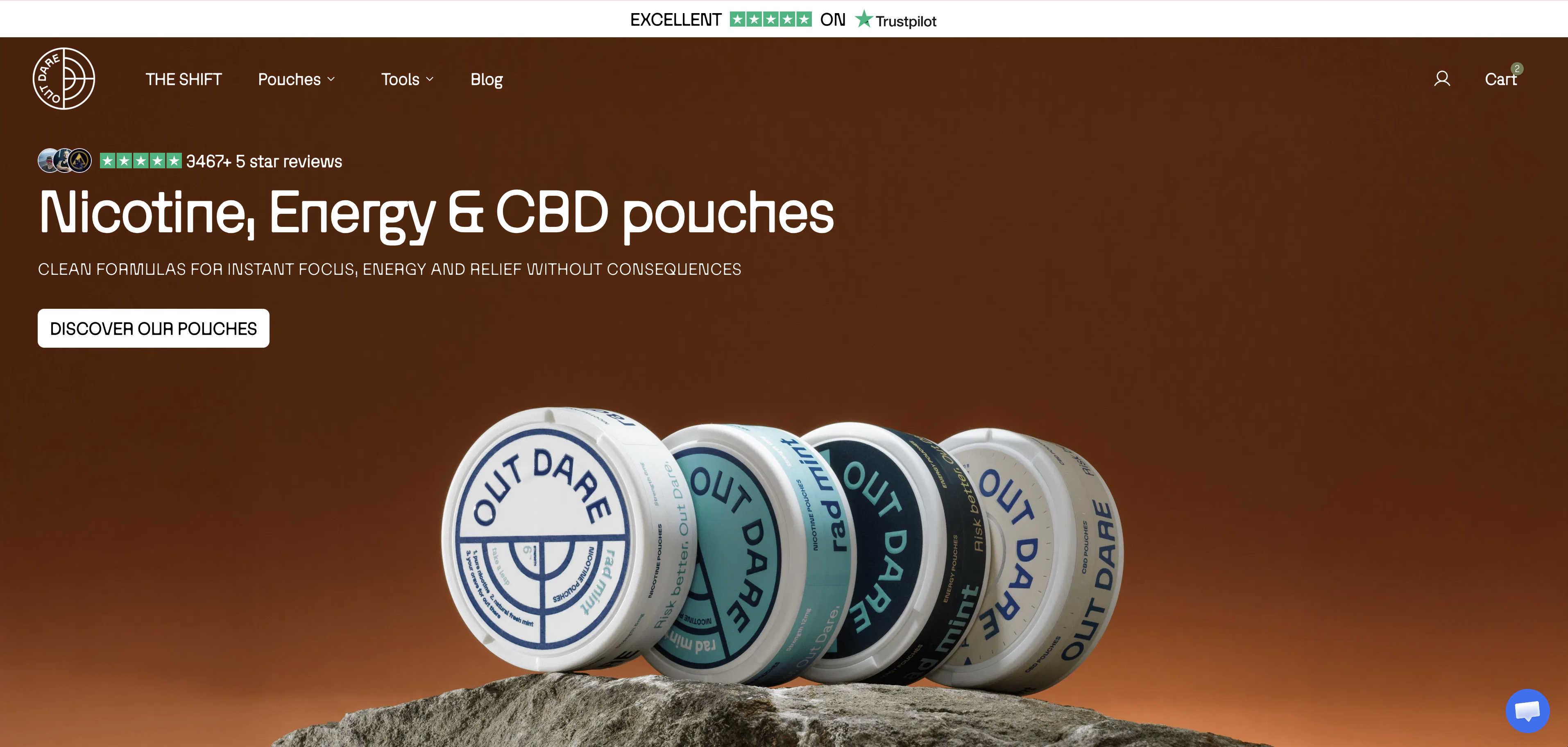
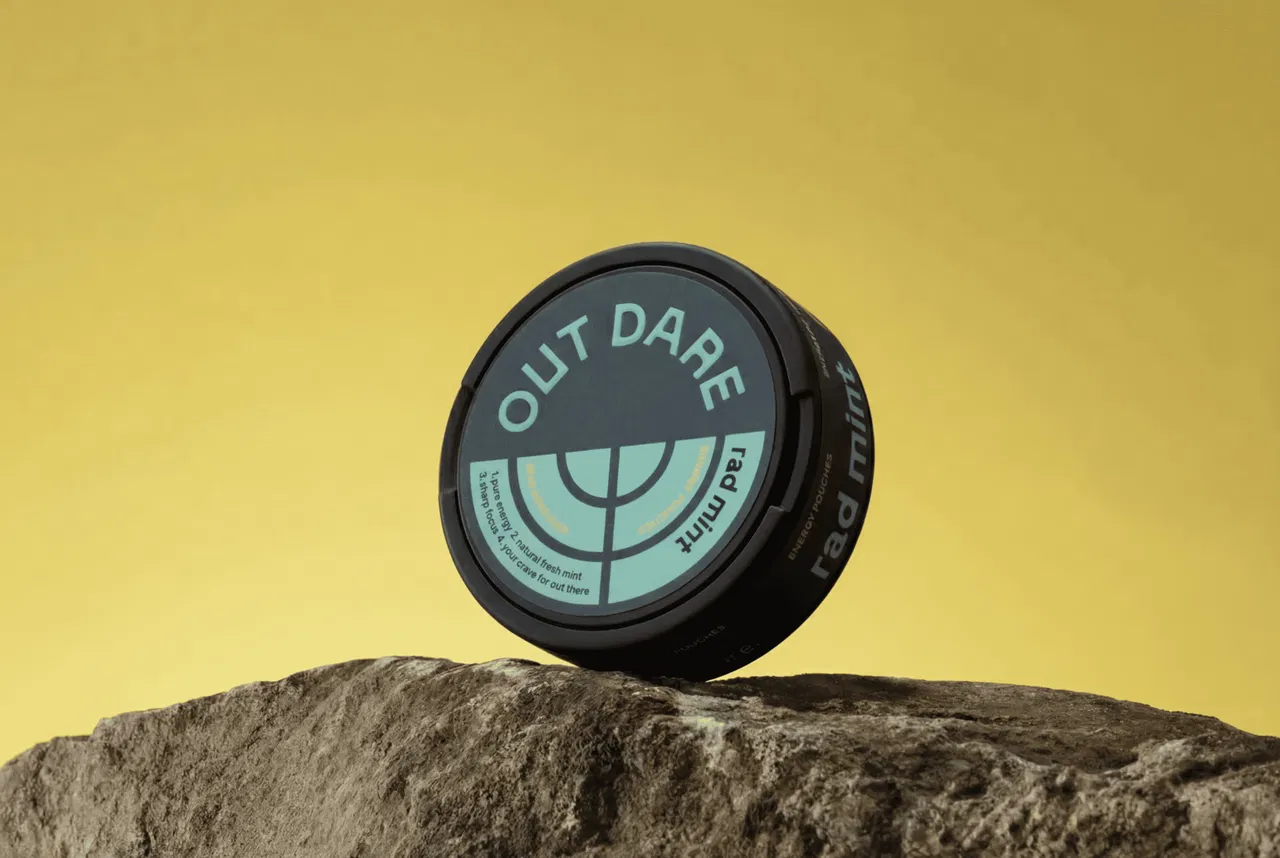
That's what Outdare LTD was built around. Three pouches — Nicotine, Energy, and CBD — all sharing the same mint taste, the same burn, the same mouthfeel. Your brain keeps the ritual. You control what's inside. The caffeine pouches energy format is the engine of the whole system, giving you the focus edge you were getting from nicotine, without any of the chemical dependency. Most users reduce their nicotine intake by 60-90% in the first month. Not because it's easy. Because the system is built around how addiction actually works.
Recommended Articles
Explore more from our content library: