




Caffeine Pouches: Complete Guide to Clean Energy in 2026
| Key Insight | Explanation |
|---|---|
| Caffeine pouches are a fast-growing energy alternative | These small, oral pouches deliver caffeine through the gum lining without sugar, smoke, or liquid, making them one of the most discreet stimulant options available as of 2026. |
| Absorption is faster than drinking coffee | Buccal (oral mucosa) absorption can deliver caffeine to the bloodstream in as little as 10-15 minutes, compared to 30-45 minutes for beverages processed through the digestive system. |
| Dosage ranges matter significantly | Products on the market range from 25mg to 300mg per pouch. Choosing the right strength prevents jitters, crashes, and overconsumption. |
| They aren't the same as nicotine pouches | These energy pouches contain no nicotine or tobacco. They serve a different purpose (energy and focus) and carry a different risk profile than nicotine-based products. |
| Clean formulas with nootropics offer an edge | Premium options now include B-vitamins, L-theanine, and other nootropics to smooth out the energy curve and reduce crash potential. |
| Moderation and informed use are essential | The FDA recommends a daily caffeine ceiling of 400mg for most healthy adults. Tracking intake across all sources prevents adverse effects [1]. |
Imagine getting a clean burst of energy without cracking open a can, brewing a pot, or reaching for a vape. That's the promise behind caffeine pouches, and millions of people are now making them part of their daily routine. The global oral nicotine and stimulant pouch market surpassed $3.8 billion in 2025 and is projected to grow at over 30% CAGR through 2030, according to Grand View Research [2]. Caffeine-based oral pouches represent one of the fastest-expanding segments within that market.
Caffeine pouches are small, pre-portioned packets placed between the upper lip and gum to deliver caffeine directly through the oral mucosa. They contain no tobacco, no nicotine, and no sugar. They matter because they offer a portable, calorie-free, and discreet way to boost alertness without the downsides of traditional energy drinks or coffee.
In this guide, you'll learn exactly what these energy pouches are, how they work inside your body, their key benefits and risks, common mistakes to avoid, and expert tips for choosing the right product in 2026. Whether you're a first-time user or someone comparing options, this article covers everything you need to make an informed decision.

What Are Caffeine Pouches?
Caffeine pouches are small, tobacco-free, nicotine-free sachets that contain a measured dose of caffeine along with flavoring agents and, in premium formulations, functional ingredients like nootropics and B-vitamins. You place them under your lip, and they release caffeine gradually through your gum tissue.
The Basics: Composition and Format
Each pouch is typically made from a plant-fiber material filled with a powder or moist blend. The core active ingredient is caffeine, usually derived from natural sources like green tea extract or coffee beans. Most products on the market in 2026 weigh between 0.5g and 1.5g.
Here's what you'll typically find inside a quality pouch:
- Caffeine (ranging from 25mg to 300mg per pouch, depending on the brand and product line)
- Plant-based fibers for the pouch material itself
- Natural or artificial flavoring (mint, citrus, berry, coffee, and more)
- Functional additives such as L-theanine, taurine, B6, and B12 in premium options
- Sweeteners (typically xylitol or sucralose, keeping them sugar-free)
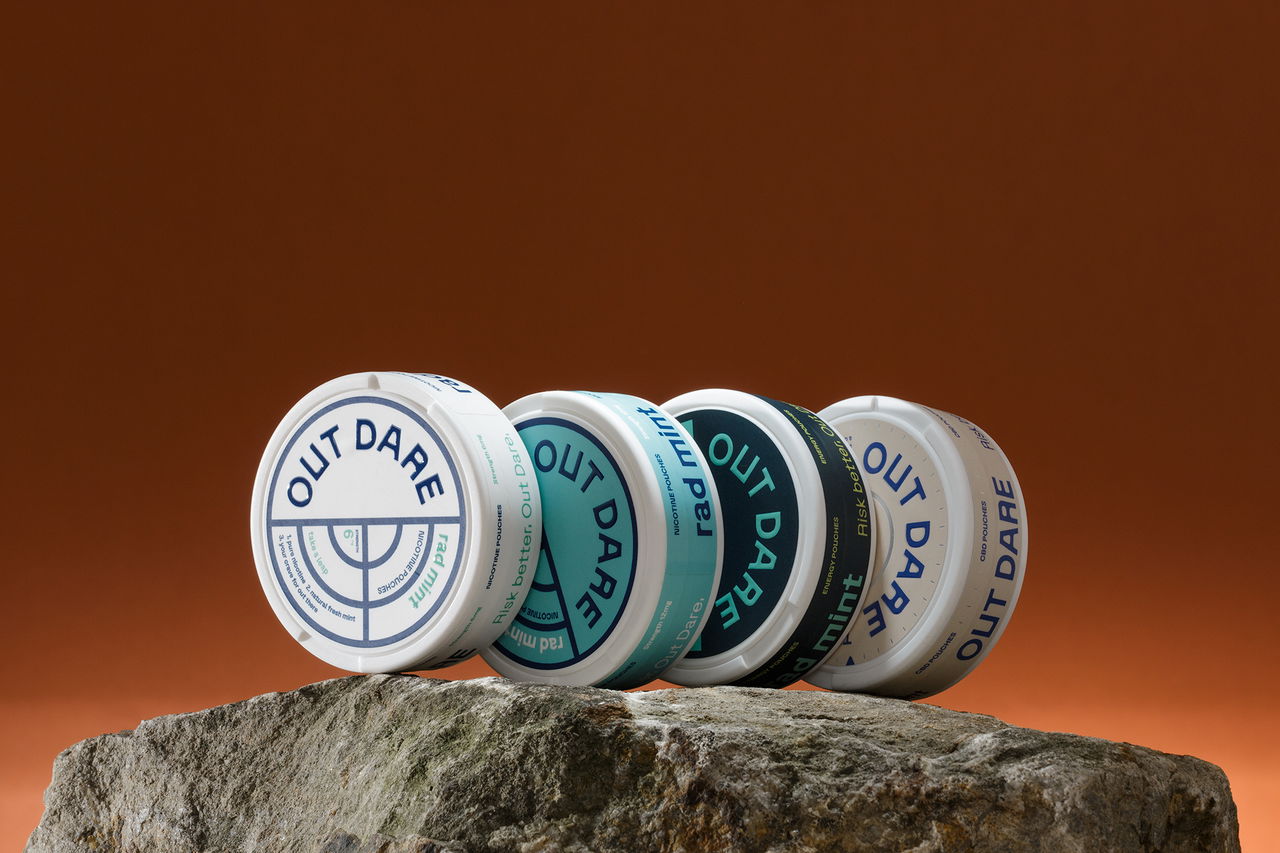
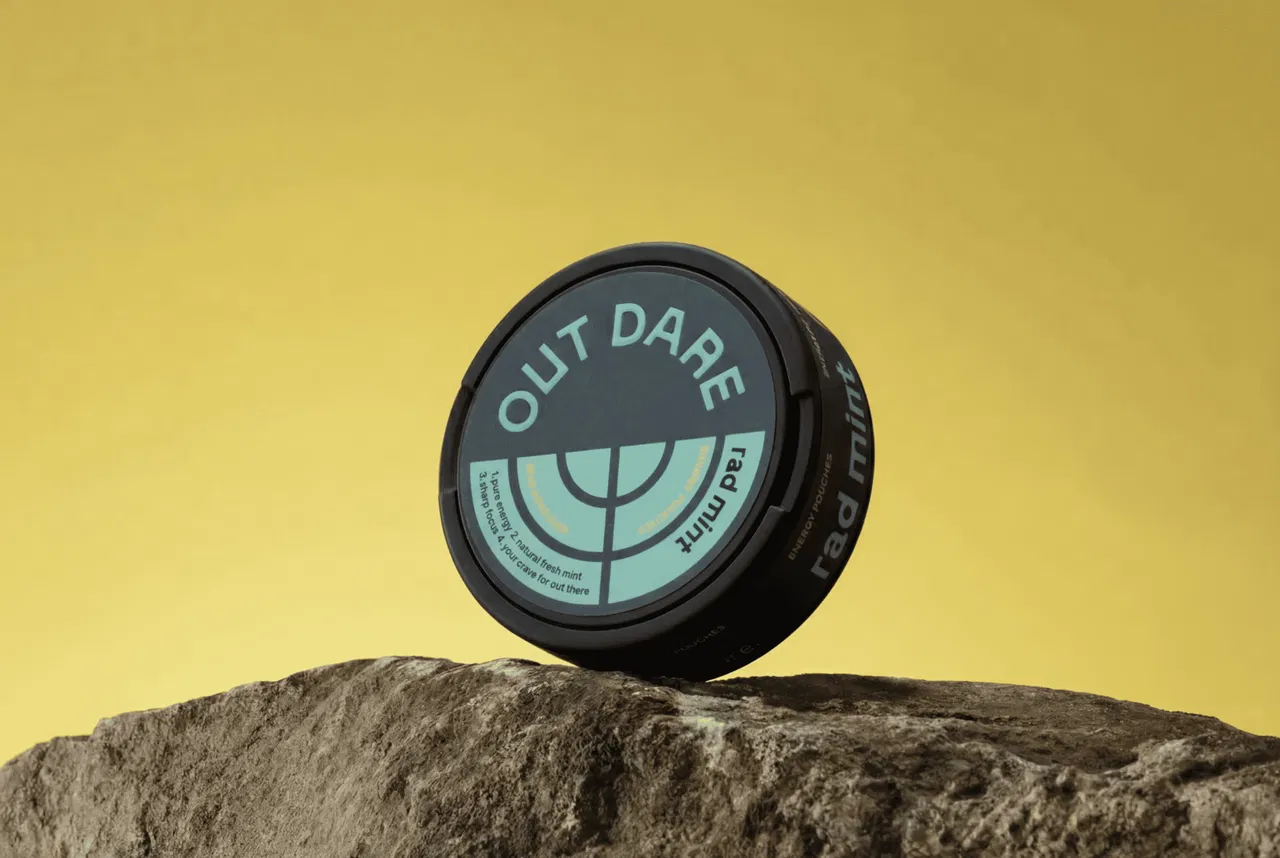
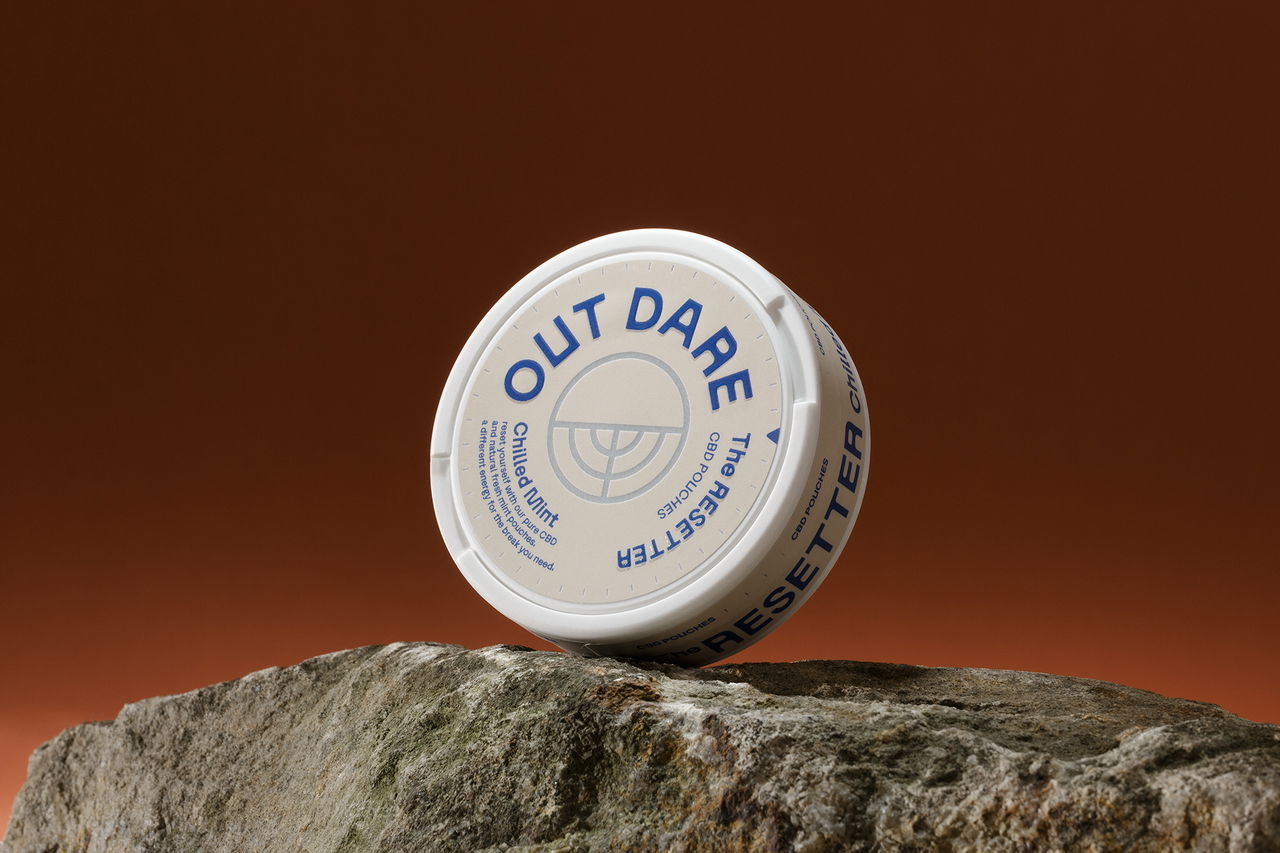
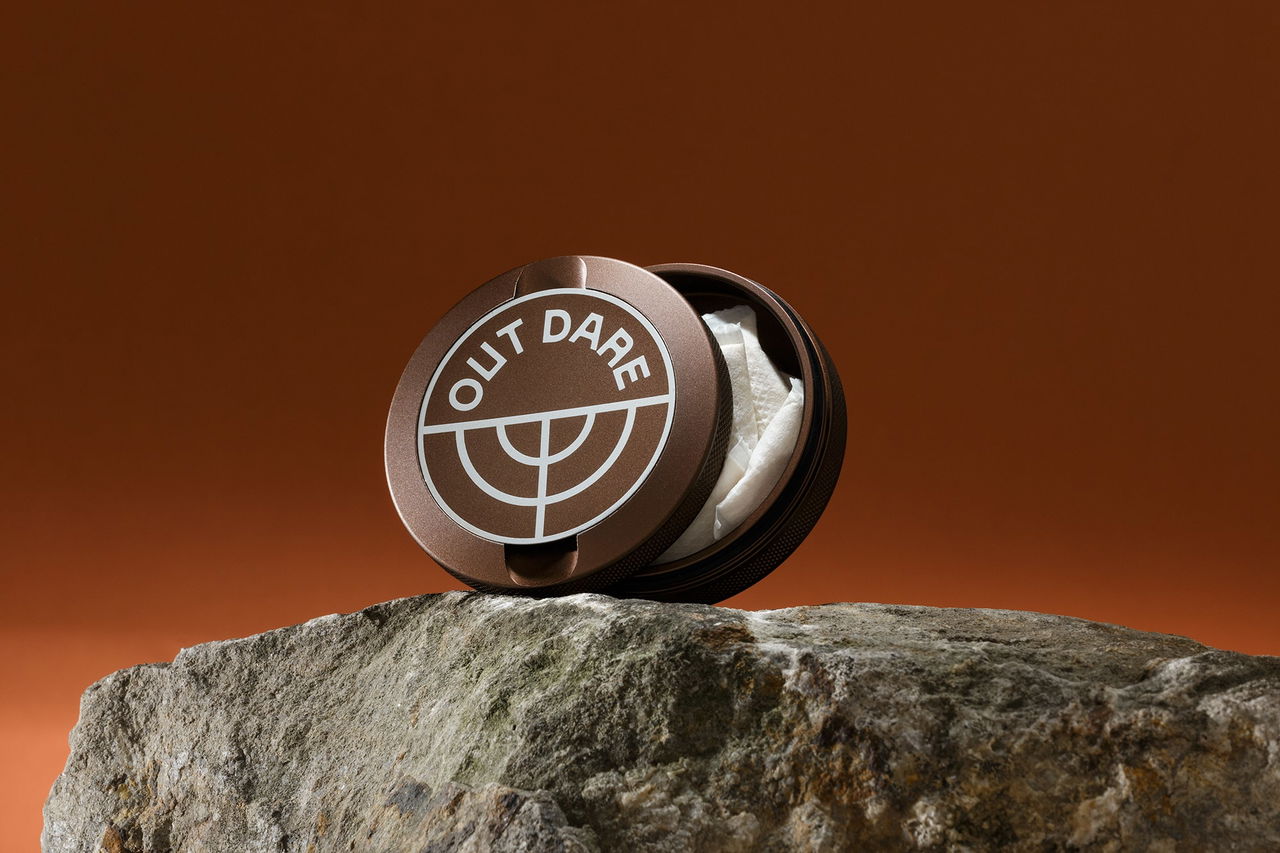
Outdare's Energy Pouches, for example, pack 50mg of caffeine alongside nootropics in each pouch. That's a carefully calibrated dose designed to deliver a push without the jitters or crash commonly associated with high-dose energy drinks.
Who Uses Caffeine Pouches?
The user base is broad. Students, athletes, professionals, truck drivers, military personnel, and anyone seeking a convenient pick-me-up without a beverage have adopted them. According to a 2025 consumer survey by Euromonitor International, the 18-35 demographic accounts for roughly 62% of oral pouch users in Western markets [3].
They're also popular among people trying to quit chewing tobacco or reduce their reliance on energy drinks. The familiar oral format provides a habitual replacement without the harmful substances. This crossover appeal is one reason the category has grown so quickly.
How Caffeine Pouches Work
These products deliver their active ingredient through buccal absorption, meaning caffeine passes through the thin mucous membrane lining your mouth directly into your bloodstream. This bypasses the digestive system and can produce effects faster than swallowing a pill or drinking coffee.
The Science of Buccal Absorption
Your oral mucosa is rich in blood vessels sitting just beneath a thin layer of tissue. When you tuck a pouch between your upper lip and gum, saliva activates the pouch and begins dissolving the caffeine. The caffeine molecules then permeate the mucosal membrane and enter capillaries.
Research published in the Journal of Pharmaceutical Sciences has shown that buccal drug delivery can achieve measurable plasma concentrations within 10 to 15 minutes [4]. Compare that to coffee or energy drinks, which must travel through your stomach and intestines before absorption begins, typically taking 30 to 45 minutes to reach peak effect.
Here's a simplified breakdown of the process:
- Placement: Tuck the pouch under your upper lip, against the gum.
- Activation: Saliva moistens the pouch, releasing caffeine and flavor compounds.
- Absorption: Caffeine passes through the oral mucosa into the bloodstream.
- Effect onset: You begin feeling increased alertness within 10-20 minutes.
- Duration: Effects typically last 1-3 hours, depending on dosage and individual metabolism.
- Disposal: Remove and discard the pouch after 20-45 minutes of use.
What Happens Inside Your Body
Once caffeine enters your blood, it crosses the blood-brain barrier and blocks adenosine receptors. Adenosine is a neurotransmitter that promotes drowsiness. By blocking it, caffeine increases neuronal firing and triggers the release of dopamine and norepinephrine [5]. The result? Heightened alertness, improved focus, and a mild mood boost.
Your liver metabolizes caffeine primarily through the CYP1A2 enzyme. The half-life of caffeine in most adults is approximately 5 hours, according to the National Institutes of Health [5]. This means if you consume 50mg at noon, roughly 25mg will still be circulating at 5 PM.
Pro Tip: If you're sensitive to caffeine or new to oral energy pouches, start with a lower dose (25-50mg) and use it in the morning. Track how long the effects last for your body before adding a second pouch later in the day. Everyone metabolizes caffeine differently.
Key Benefits of Caffeine Pouches in 2026
These oral energy products offer a unique combination of convenience, precision dosing, and clean ingredients that traditional caffeinated products can't match. Their popularity in 2026 reflects a broader consumer shift toward functional, portable, and health-conscious energy solutions.
Practical Advantages Over Beverages
The most obvious benefit is portability. You don't need a cup, a fridge, or a microwave. A single tin fits in your pocket, gym bag, or desk drawer. There's no liquid to spill, no can to recycle, and no sugar crash waiting on the other side.
Key benefits include:
- Zero calories and zero sugar: Most caffeine pouches contain no calories, unlike energy drinks that can pack 200+ calories per can [6].
- Precise dosing: Each pouch contains a fixed amount of caffeine, eliminating the guesswork of "how strong is this cup of coffee?"
- Discreet use: No one knows you're using one. There's no smell, no visible consumption, and no need to step away from your desk or meeting.
- Faster onset: Buccal absorption delivers caffeine to your system more quickly than oral ingestion of beverages.
- No stained teeth: Unlike coffee, these pouches don't discolor your enamel.
- No acid reflux: Coffee's acidity causes gastrointestinal discomfort for many people. Pouches bypass the stomach entirely during the absorption phase.
The Nootropic Edge
Premium caffeine pouches in 2026 go beyond caffeine alone. Brands like Outdare combine caffeine with nootropic compounds to create a more balanced energy experience. L-theanine, for instance, is an amino acid found in green tea that promotes calm focus and has been shown to reduce the anxiety-like side effects of caffeine [7].
This combination matters. A 2024 study in Nutritional Neuroscience found that a caffeine-plus-L-theanine stack improved attention and task-switching accuracy by 12% compared to caffeine alone [7]. That's the difference between wired-and-scattered and locked-in-and-productive.
Outdare's Energy Pouches are formulated with exactly this philosophy. Each 50mg pouch includes a nootropic blend designed to deliver sustained mental clarity. It's energy with intention, not just stimulation.
Common Challenges and Side Effects
Caffeine pouches are generally well-tolerated by healthy adults, but they aren't without risks, especially when used improperly or in excessive quantities. Understanding these challenges helps you use them responsibly.
Side Effects to Watch For
The side effects are largely the same as those of any caffeine source. The FDA states that 400mg per day is generally safe for most healthy adults, but individual tolerance varies significantly [1]. Exceeding your personal threshold can lead to problems.
Common side effects include:
- Jitters and restlessness: Particularly with high-dose pouches (200mg+) or when stacking multiple pouches in a short window.
- Increased heart rate: Caffeine is a stimulant that elevates heart rate and blood pressure temporarily.
- Sleep disruption: Using pouches within 6 hours of bedtime can interfere with sleep quality, given caffeine's 5-hour half-life [5].
- Gum irritation: Prolonged or frequent placement in the same spot can cause localized soreness. Rotating the pouch position helps.
- Nausea: Some users, especially those new to oral pouches, experience mild nausea. Starting with a lower dose typically resolves this.
- Dependency: Regular caffeine use can lead to physical dependence, with withdrawal symptoms like headaches and fatigue if you stop abruptly [8].
Doctors have raised particular concerns about high-dose products (200-300mg per pouch). A 2025 segment on CBS News featured physicians warning that young adults may not realize how much caffeine they're consuming when using multiple high-strength pouches throughout the day [9]. This is a legitimate concern.
Who Should Avoid These Products?
Certain groups should consult a healthcare provider before using caffeine pouches:
- Pregnant or breastfeeding individuals (the American College of Obstetricians and Gynecologists recommends limiting caffeine to under 200mg/day) [10]
- People with heart conditions or hypertension
- Individuals under 18
- Anyone taking medications that interact with caffeine (certain antibiotics, bronchodilators, and psychiatric medications)
From experience, the vast majority of side effects stem from one simple mistake: using too much, too fast. A moderate, consistent approach solves most issues before they start.
Best Practices and Expert Tips for 2026
Getting the most out of caffeine pouches requires choosing the right product, using the correct technique, and managing your daily intake intelligently. These best practices reflect both clinical guidance and real-world user experience as of 2026.
How to Choose the Right Product
Not all pouches are created equal. The market has exploded with options ranging from budget-grade fillers to premium, research-backed formulations. Here's what to evaluate:
| Factor | What to Look For | Red Flag |
|---|---|---|
| Caffeine Dose | 25-100mg per pouch for most users | 300mg+ per pouch with no clear labeling |
| Ingredients | Natural caffeine, nootropics, B-vitamins | Artificial stimulants, undisclosed "proprietary blends" |
| Flavor Quality | Natural flavoring, pleasant taste throughout use | Chemical aftertaste, flavor that fades in under 5 minutes |
| Pouch Material | Soft, plant-based fiber that sits comfortably | Rough or scratchy material that irritates gums |
| Brand Transparency | Full ingredient list, clear dosing info, lab testing | Vague labels, no third-party verification |
| Added Functionality | L-theanine, taurine, or adaptogens for balanced energy | Only caffeine with no supporting ingredients |
Outdare's Energy Pouches check every box on the "what to look for" column. With 50mg of caffeine paired with nootropics, they sit in the sweet spot for daily use: enough to feel a genuine push, not so much that you're bouncing off the walls.
Usage Tips for Maximum Effectiveness
- Place correctly: Tuck the pouch between your upper lip and gum for optimal absorption. The upper lip area has thinner tissue and more blood flow than the lower lip.
- Don't chew: Let the pouch sit. Chewing can release caffeine too quickly and cause gum irritation.
- Time it right: Use your first pouch 30-60 minutes after waking for best results. Your cortisol levels are highest immediately upon waking, so caffeine is more effective once they dip slightly [11].
- Rotate placement: Alternate between left and right sides to prevent localized gum irritation.
- Track total daily intake: Add up caffeine from all sources (coffee, tea, chocolate, supplements, pouches) and stay under 400mg total [1].
Pro Tip: Pair your energy pouch with a glass of water. Hydration enhances cognitive performance on its own, and it helps prevent the mild dry-mouth sensation some users report during pouch use. It's a simple habit that amplifies the benefits.
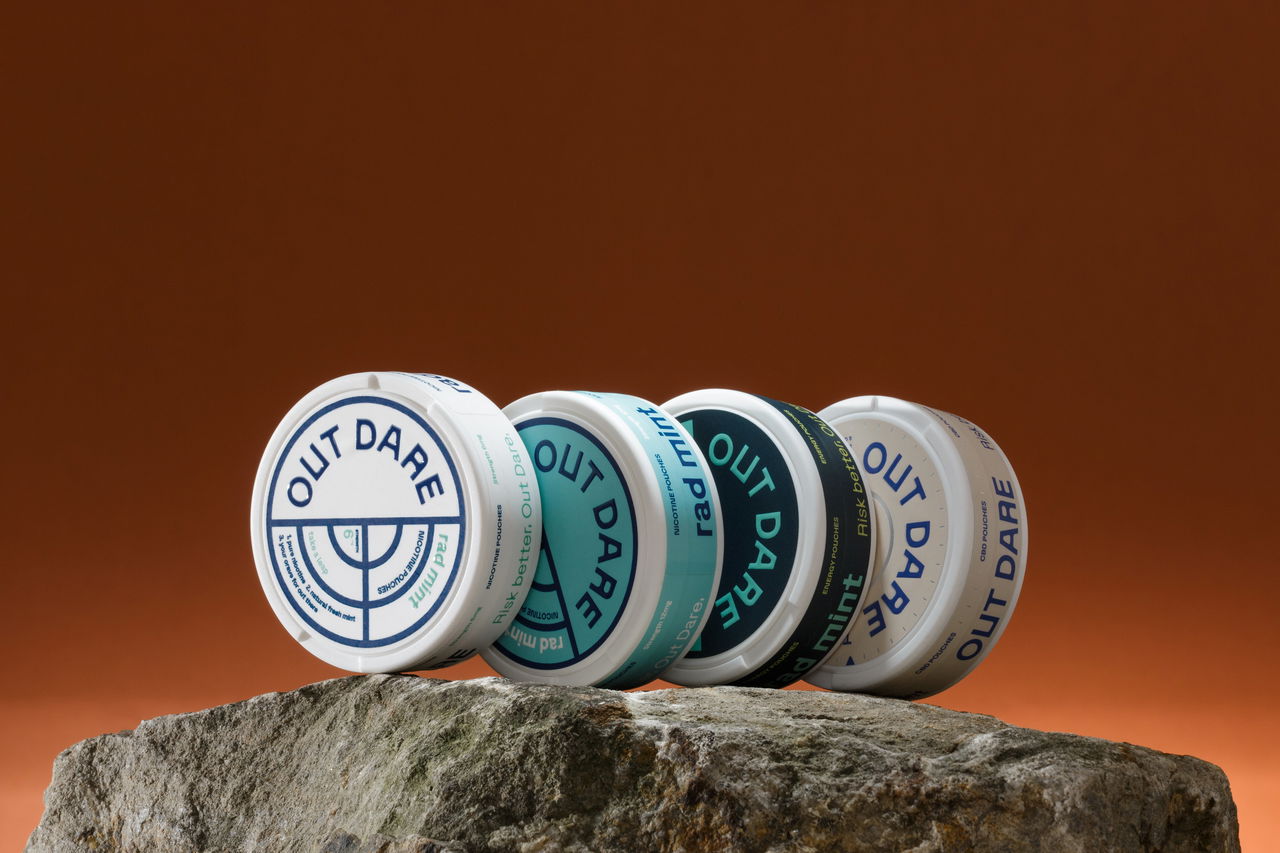
If you're exploring different pouch categories, consider trying a Discovery Pack or Mix & Match bundle. Outdare offers nicotine pouches, energy pouches, and CBD pouches under one roof, so you can match the right product to the right moment: energy for your morning focus, nicotine for your craving, or CBD for your evening wind-down.
Caffeine Pouches vs. Other Energy Products
These oral energy pouches compete in a crowded market that includes coffee, energy drinks, caffeine pills, and even caffeinated gum. Understanding how they compare helps you decide whether they fit your lifestyle.
Head-to-Head Comparison
| Feature | Caffeine Pouches | Coffee | Energy Drinks | Caffeine Pills |
|---|---|---|---|---|
| Typical Caffeine per Serving | 25-100mg (standard) | 80-120mg | 80-300mg | 100-200mg |
| Onset Time | 10-15 minutes | 30-45 minutes | 30-45 minutes | 30-60 minutes |
| Calories | 0-5 | 2-5 (black) | 50-250+ | 0 |
| Sugar | None | None (black) | 20-60g (regular) | None |
| Portability | Excellent (pocket-sized tin) | Moderate (needs cup) | Moderate (can/bottle) | Good (pill bottle) |
| Discretion | Very high | Low | Low | Moderate |
| Added Nootropics | Often (premium brands) | No | Sometimes | Rarely |
| Teeth Staining | No | Yes | Possible | No |
| GI Impact | Minimal | Can cause acid reflux | Bloating, sugar crash | Can cause nausea |
Why the Format Matters
The delivery mechanism isn't just a gimmick. It changes the experience fundamentally. Energy drinks flood your system with sugar and caffeine simultaneously, often causing a spike-and-crash cycle. Coffee is gentler but still processes through your gut, which is a problem for the estimated 40% of Americans who experience some degree of caffeine-related GI discomfort [12].
Caffeine pouches sidestep both issues. No sugar. No acid. No bloating. Just caffeine absorbed through your gum lining at a steady, predictable rate. For people who want energy without the baggage, it's a compelling format.
Industry analysts suggest that the oral pouch format will continue gaining market share through 2028, driven by consumer demand for clean-label, functional products [2]. The trend aligns with broader wellness movements prioritizing transparency, minimal ingredients, and harm reduction.
Pro Tip: If you currently rely on energy drinks for afternoon focus, try swapping in a 50mg pouch for one week. Most users report equivalent alertness with none of the sugar crash or caloric intake. It's a low-risk experiment with potentially significant upside for your daily routine.
For those interested in tobacco-free nicotine alternatives as well, it's worth understanding how nicotine pouches differ from caffeine-based energy pouches. While both use the same oral format, they serve different purposes. Nicotine pouches address cravings and provide a specific pharmacological effect, while caffeine-based options target energy and cognitive performance. Outdare offers both categories, along with CBD pouches for relaxation, giving you a complete toolkit for different moments in your day.
Sources & References
- U.S. Food and Drug Administration (FDA), "Spilling the Beans: How Much Caffeine is Too Much?", 2023 (updated 2025)
- Grand View Research, "Oral Nicotine Pouches Market Size & Trends Report", 2025
- Euromonitor International, "Consumer Survey: Oral Pouch Adoption Demographics", 2025
- Journal of Pharmaceutical Sciences, "Buccal Drug Delivery: Absorption Kinetics and Bioavailability", 2023
- National Institutes of Health (NIH), "Caffeine: Pharmacology and Clinical Effects", National Library of Medicine, 2024
- Harvard T.H. Chan School of Public Health, "Energy Drinks", 2024
- Nutritional Neuroscience, "Synergistic Effects of L-Theanine and Caffeine on Cognitive Performance", 2024
- World Health Organization (WHO), "Caffeine Dependence and Withdrawal: Clinical Considerations", 2023
- CBS News, "Small Caffeine Pouches Can Carry Big Risks, Doctors Warn", 2025
- American College of Obstetricians and Gynecologists (ACOG), "Moderate Caffeine Consumption During Pregnancy", 2020 (reaffirmed 2024)
- Cortisol and Caffeine Timing Research, "Cortisol Circadian Rhythm and Optimal Caffeine Intake Windows", Journal of Clinical Endocrinology, 2023
- National Institute of Diabetes and Digestive and Kidney Diseases (NIDDK), "Caffeine and Gastrointestinal Health", 2024
Frequently Asked Questions
1. Are caffeine pouches better than Zyns?
Caffeine pouches and nicotine pouches (like Zyn) serve fundamentally different purposes, so "better" depends on what you need. Caffeine-based pouches deliver energy and mental focus without any nicotine, making them suitable for anyone seeking a stimulant boost without the addiction risk associated with nicotine. Nicotine pouches, by contrast, are designed for nicotine satisfaction and craving management. If your goal is clean energy with no dependency potential tied to nicotine, a caffeine-based option is the stronger choice. If you're managing nicotine cravings as a tobacco-free alternative, a nicotine pouch is more appropriate. Outdare offers both categories so you can use the right tool for the right moment.
2. Are caffeine pouches healthier than energy drinks?
In several measurable ways, yes. These pouches typically contain zero sugar, zero calories, and no artificial colors, while a standard 16oz energy drink can contain 50-60 grams of sugar and over 200 calories [6]. They also bypass the digestive system, eliminating the bloating, acid reflux, and GI discomfort many people experience with carbonated energy beverages. Additionally, premium formulations include nootropics like L-theanine that smooth out the energy curve, reducing the jitters-and-crash cycle common with high-sugar drinks. However, moderation remains essential. Exceeding 400mg of caffeine daily from any source carries health risks, and pouches make it easy to lose track if you're not paying attention [1].
3. How do you use caffeine pouches?
Place one pouch between your upper lip and gum. Let it sit without chewing for 20 to 45 minutes as saliva activates the caffeine release. You'll feel a mild tingling sensation as absorption begins. Once the flavor fades or you've reached your desired effect, remove the pouch and dispose of it. Start with one pouch to assess your tolerance, and avoid using more than 4-6 standard-dose pouches (50mg each) per day to stay within the FDA's 400mg daily recommendation.
4. What are the side effects of caffeine pouches?
The most common side effects mirror those of any caffeine product: restlessness, increased heart rate, difficulty sleeping (if used too late in the day), and mild nausea in first-time users. Localized gum irritation can occur with prolonged use in the same spot, which is easily prevented by rotating placement. High-dose pouches (200-300mg) carry greater risk of jitters and cardiovascular stress. Staying within moderate doses and tracking your total daily caffeine intake across all sources is the most effective way to avoid adverse effects.
5. What is the best caffeine pouch dosage for beginners?
Beginners should start with 25-50mg per pouch. This range provides noticeable alertness without overwhelming your system, especially if you're not a regular caffeine consumer. Outdare's Energy Pouches at 50mg represent an ideal entry point: strong enough to feel, mild enough to control. You can always add a second pouch later in the day once you understand how your body responds. Gradually increasing dosage over days or weeks is far safer and more effective than starting with a high-dose product.