


Boost Energy Naturally: 12 Caffeine-Free Methods
| Key Insight | Explanation |
|---|---|
| Caffeine isn't the only energy lever | Hydration, movement, nootropics, and breathwork can all raise alertness without stimulant dependency or afternoon crashes. |
| Nootropics offer a cleaner cognitive edge | Compounds like L-Theanine and Alpha-GPC support focus and mental clarity without the jitter or cortisol spike linked to high caffeine intake. |
| Ritual matters as much as chemistry | The physical act of a consistent energy ritual — pouch, breathwork, a walk — signals the brain to shift into a focused state, independent of any stimulant. |
| Nicotine users face a compounded problem | Many pouch users confuse nicotine's stimulant effect with genuine energy. Replacing the ritual — not just the chemical — is the key to sustainable, crash-free focus. |
| Dehydration is the most underrated energy drain | Even mild dehydration (1-2% body weight loss) measurably impairs cognitive performance and mood — and most people are chronically under-hydrated. |
| Functional pouches are an emerging 2026 category | Zero-nicotine energy pouches combining caffeine and nootropics represent a fast-growing alternative to coffee and energy drinks for on-the-go focus. |
Why You're Reaching for Caffeine (And What to Do Instead)
Getting a reliable natural energy boost without caffeine is one of the most searched health questions in 2026 — and for good reason. Caffeine dependency has a ceiling. You build tolerance, you need more to feel the same effect, and the afternoon crash starts arriving earlier every week. For millions of people, especially those also managing nicotine habits, the energy problem isn't just about the morning cup. It's a full-day chemical management exercise that leaves them wired, foggy, and stuck.
The good news: caffeine is not the only lever available. Hydration, movement, breathwork, adaptogens (natural compounds that help the body resist stress), nootropics (cognitive-enhancing supplements), and smarter daily rituals can all meaningfully raise alertness and focus. This list covers 12 methods ranked by evidence quality, practical ease, and how quickly they work — from the immediate to the sustained.
One limitation upfront: this article focuses on lifestyle and supplement-based approaches. It does not cover pharmaceutical stimulants or clinical treatments for conditions like ADHD, which require medical supervision.

12 Ways to Get a Natural Energy Boost Without Caffeine
A natural energy boost without caffeine is achievable through a combination of physiological, nutritional, and behavioral strategies that address the root causes of fatigue rather than masking them with stimulants.
Methods 1–6: Fast-Acting Strategies
These six approaches deliver a noticeable energy shift within minutes to an hour. They're your first line of defense against the mid-morning slump or the 3pm wall.
- 1. Drink water first. Dehydration is responsible for more fatigue than most people realize. Even mild dehydration — as little as 1-2% of body weight — measurably impairs cognitive performance, mood, and reaction time [1]. Before reaching for any stimulant, drink 400-500ml of water. It's the fastest, cheapest energy intervention available, and it works within 20 minutes.
- 2. Take a 10-20 minute nap. A short nap, sometimes called a "power nap," restores alertness without producing the grogginess of longer sleep. Research consistently shows that 10-20 minutes is the optimal window — long enough to enter light sleep, short enough to avoid slow-wave sleep that leaves you sluggish [2]. Set an alarm. Don't guess.
- 3. Use stimulating breathwork. The physiological sigh (two quick inhales through the nose followed by a long exhale through the mouth) activates the sympathetic nervous system and raises alertness within seconds. Northwestern Medicine notes this technique as one of the most underused caffeine-free energy strategies [3]. It's free, takes 30 seconds, and works anywhere.
- 4. Get sunlight exposure. Natural light suppresses melatonin (the sleep hormone) and regulates circadian rhythm. A 5-10 minute walk outside in the morning — or even standing near a bright window — resets your body clock and sustains energy levels throughout the day. This is especially relevant for anyone working in low-light office environments.
- 5. Move your body for 5 minutes. A short burst of physical activity — jumping jacks, a brisk walk, or even standing desk work — increases blood flow to the brain and triggers the release of endorphins and norepinephrine. Harvard Health specifically lists exercise as one of the nine most evidence-backed natural energy strategies [4]. You don't need a gym session. Five minutes is enough to shift your state.
- 6. Smell peppermint or citrus. Aromatherapy sounds soft, but the evidence is real. Peppermint and citrus scents have been shown to increase alertness and reduce perceived fatigue in multiple studies. Silver Cross Health notes this as a practical mid-day slump intervention [5]. Keep a small vial of peppermint essential oil at your desk and use it before meetings or deep work sessions.
Methods 7–12: Sustained Energy Strategies
These six methods build baseline energy over days and weeks. They address the structural causes of chronic fatigue — poor sleep, nutrient gaps, stress overload, and dependency cycles.
- 7. Eat whole foods at regular intervals. Skipping meals causes blood sugar crashes that feel identical to caffeine withdrawal — low focus, irritability, and physical fatigue. UW Medicine recommends whole foods (complex carbohydrates, lean protein, healthy fats) eaten at consistent intervals to maintain stable blood glucose and sustained energy [6]. Processed snacks spike and crash. Whole foods sustain.
- 8. Try adaptogenic herbs. Adaptogens are plant-based compounds that help the body manage stress and maintain energy homeostasis. Rhodiola rosea, for example, has clinical evidence supporting its ability to reduce mental fatigue and improve cognitive performance under stress without overstimulation [7]. Bacopa monnieri and Siberian ginseng are also well-documented options. Dr. Liz McAuliff, ND, identifies these as key biohacks for caffeine-free energy [7].
- 9. Prioritize 7-9 hours of sleep. This sounds obvious, but it's the single most powerful energy intervention available. UPMC HealthBeat recommends 7-9 hours as the evidence-based target for adults [8]. Chronic sleep restriction — even losing 90 minutes per night — compounds into a cognitive debt that no stimulant can fully offset. Fix sleep first, then optimize everything else.
- 10. Use nootropic supplements strategically. Nootropics (cognitive-enhancing compounds) like L-Theanine and Alpha-GPC support focus, working memory, and mental clarity without the cortisol spike or dependency risk of caffeine. L-Theanine in particular promotes alert relaxation — sharper thinking without anxiety or jitter. GoodRx notes that nutrient-dense foods and targeted supplements are among the most effective sustained energy strategies [9].
- 11. Manage stress actively. Chronic stress depletes energy reserves faster than almost any other factor. The stress hormone cortisol, when chronically elevated, disrupts sleep, impairs focus, and creates a feedback loop where you need more stimulants to feel functional. Harvard Health ranks stress control as the number-one natural energy strategy [4]. Meditation, journaling, and structured breathing all reduce cortisol measurably.
- 12. Replace energy drink rituals with functional alternatives. Many people aren't actually addicted to caffeine — they're addicted to the ritual of consuming it. The act of opening a can, the taste, the moment of pause. OSF Healthcare highlights that switching the ritual while keeping the sensory experience is a highly effective strategy for reducing stimulant dependency [1]. This is where functional alternatives — herbal teas, adaptogen drinks, or zero-nicotine energy pouches — become genuinely useful.
Pro Tip: Stack methods 1, 5, and 4 together into a 15-minute morning protocol: drink 500ml of water immediately on waking, step outside for 5-10 minutes of sunlight, and do 5 minutes of movement. This triple combination resets cortisol, hydration, and circadian rhythm simultaneously — and most people notice the difference within three days.
Nootropics and Functional Pouches: The 2026 Edge
Nootropics and functional oral pouches represent the fastest-growing category of caffeine-free energy solutions in 2026, offering a discreet, portable, and crash-free alternative to coffee and energy drinks.
What Are Nootropics and How Do They Work?
Nootropics are compounds — natural or synthetic — that enhance cognitive function without the stimulant mechanism of caffeine. The most well-documented include:
- L-Theanine: An amino acid found naturally in green tea. Promotes alpha brain wave activity (associated with calm focus) and reduces anxiety without sedation. Often paired with low-dose caffeine, but effective on its own.
- Alpha-GPC: A choline compound that supports acetylcholine production — the neurotransmitter central to memory, learning, and sustained attention. Popular in the biohacking and performance optimization community.
- Rhodiola Rosea: An adaptogen with clinical evidence for reducing mental fatigue and improving performance under stress. Particularly effective for the mid-afternoon energy dip.
- Bacopa Monnieri: Supports memory consolidation and reduces cognitive anxiety. Effects build over weeks of consistent use rather than providing an immediate spike.
Functional Pouches: A Discreet Delivery System
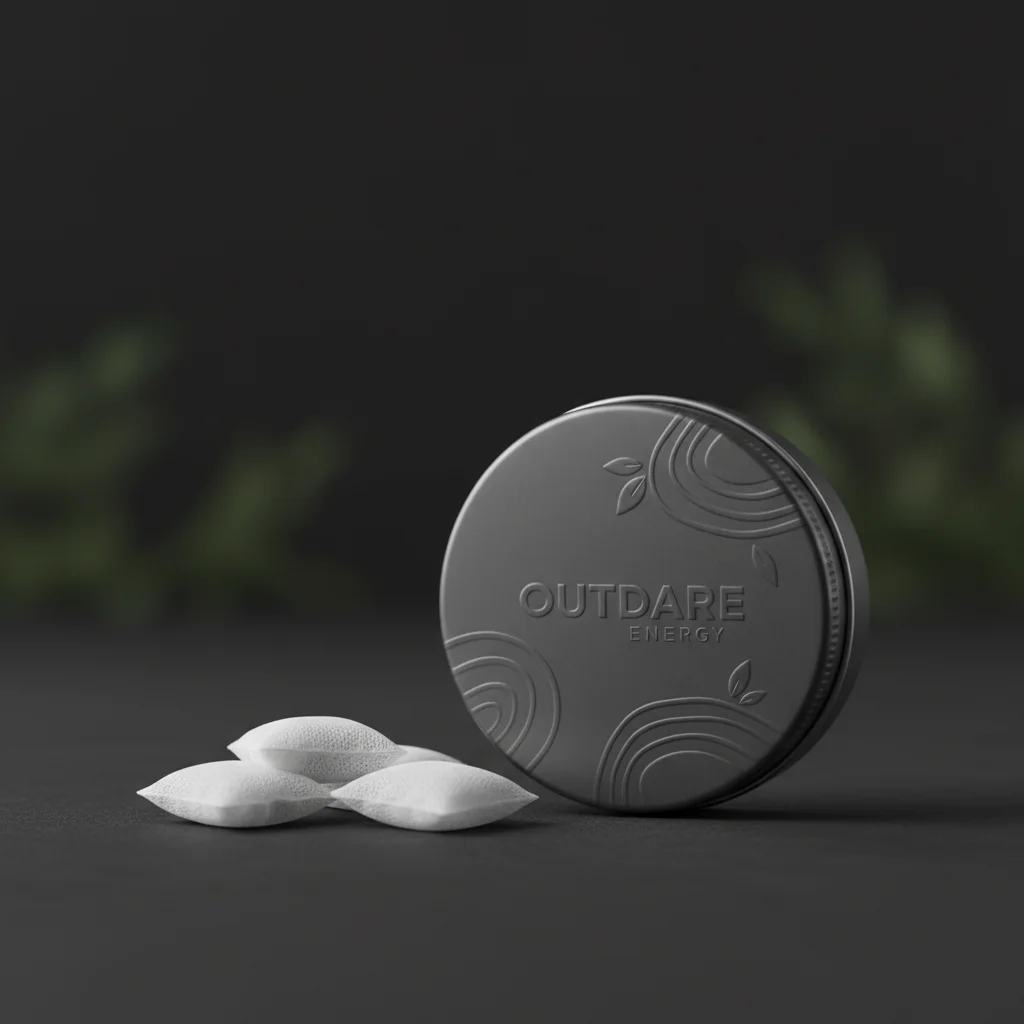
The oral pouch delivery format — placing a small fiber pouch under the lip — has existed for decades in the nicotine category. What's new in 2026 is the emergence of zero-nicotine functional pouches that use this same delivery mechanism for caffeine, nootropics, and CBD.
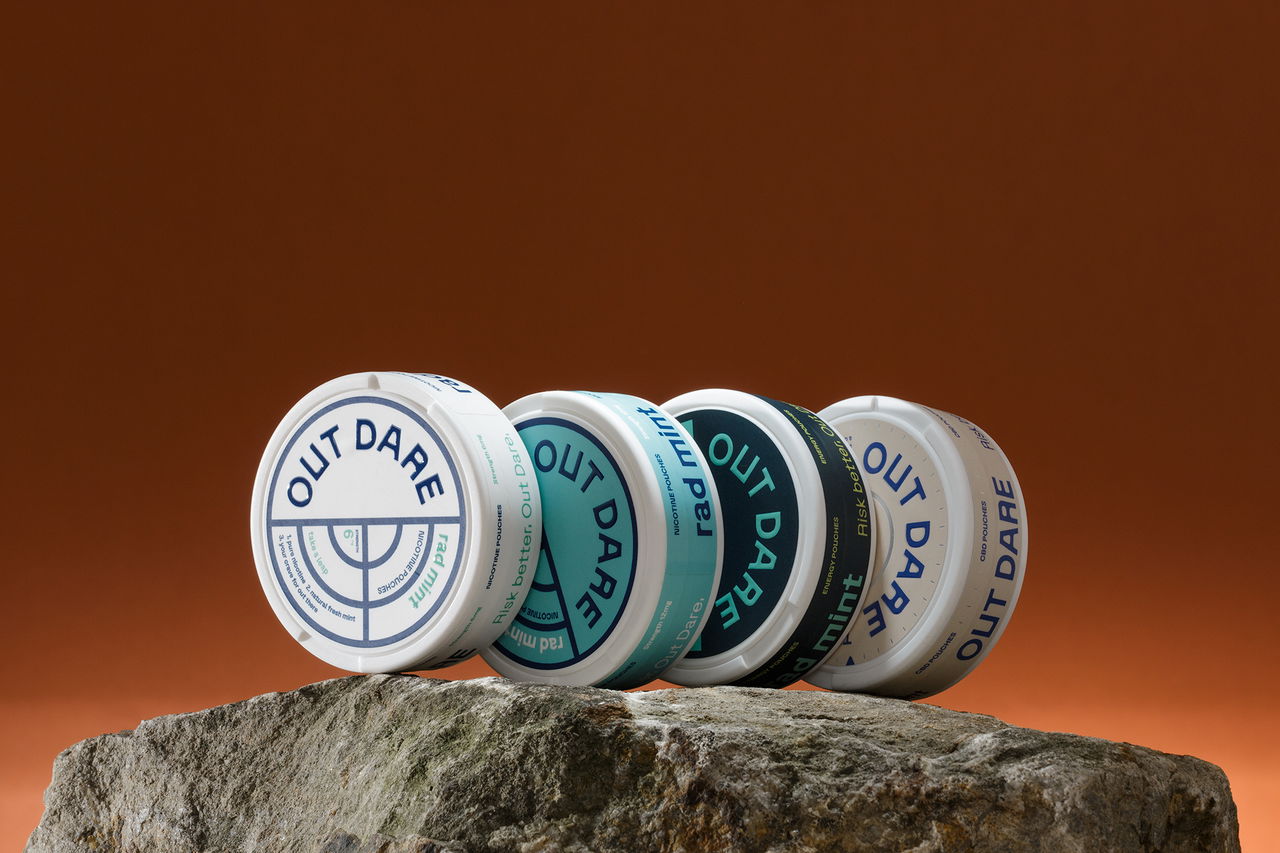
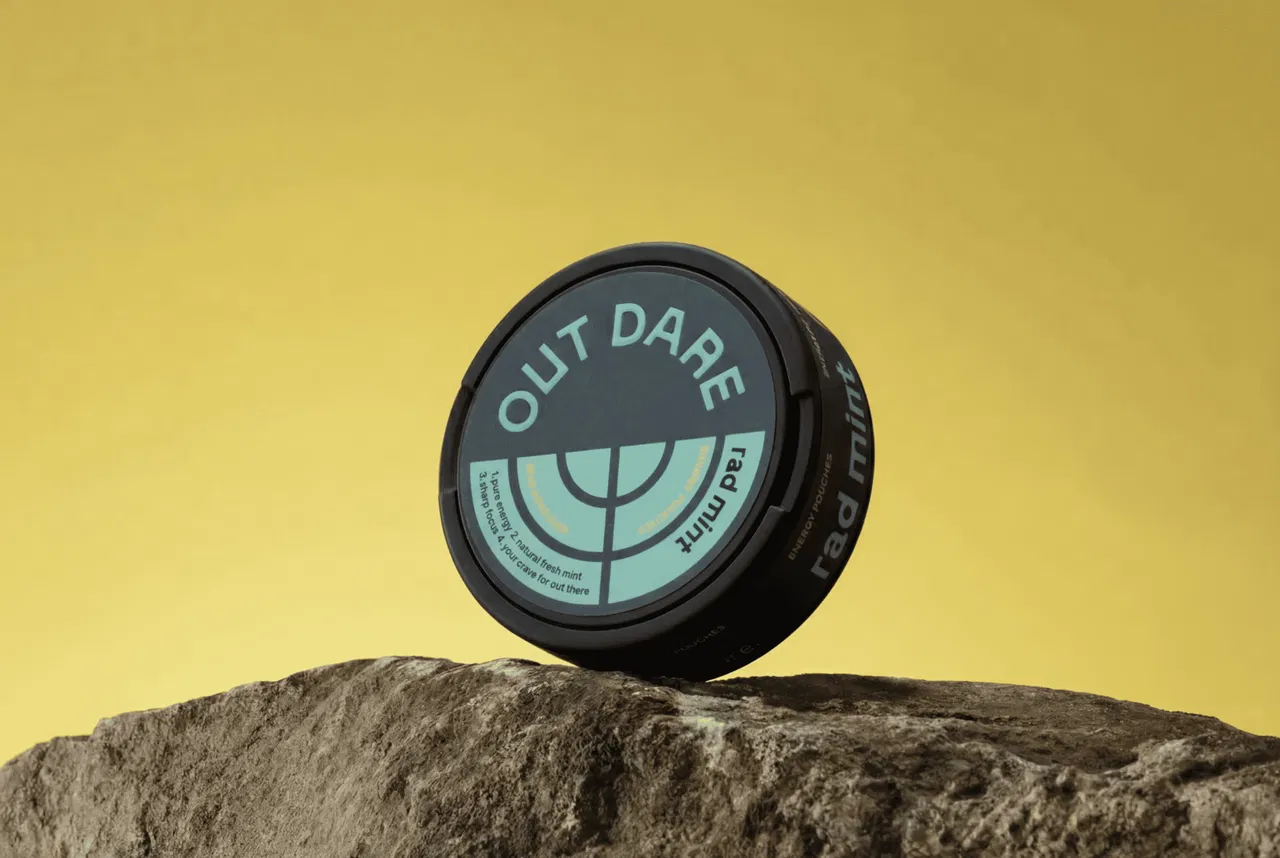
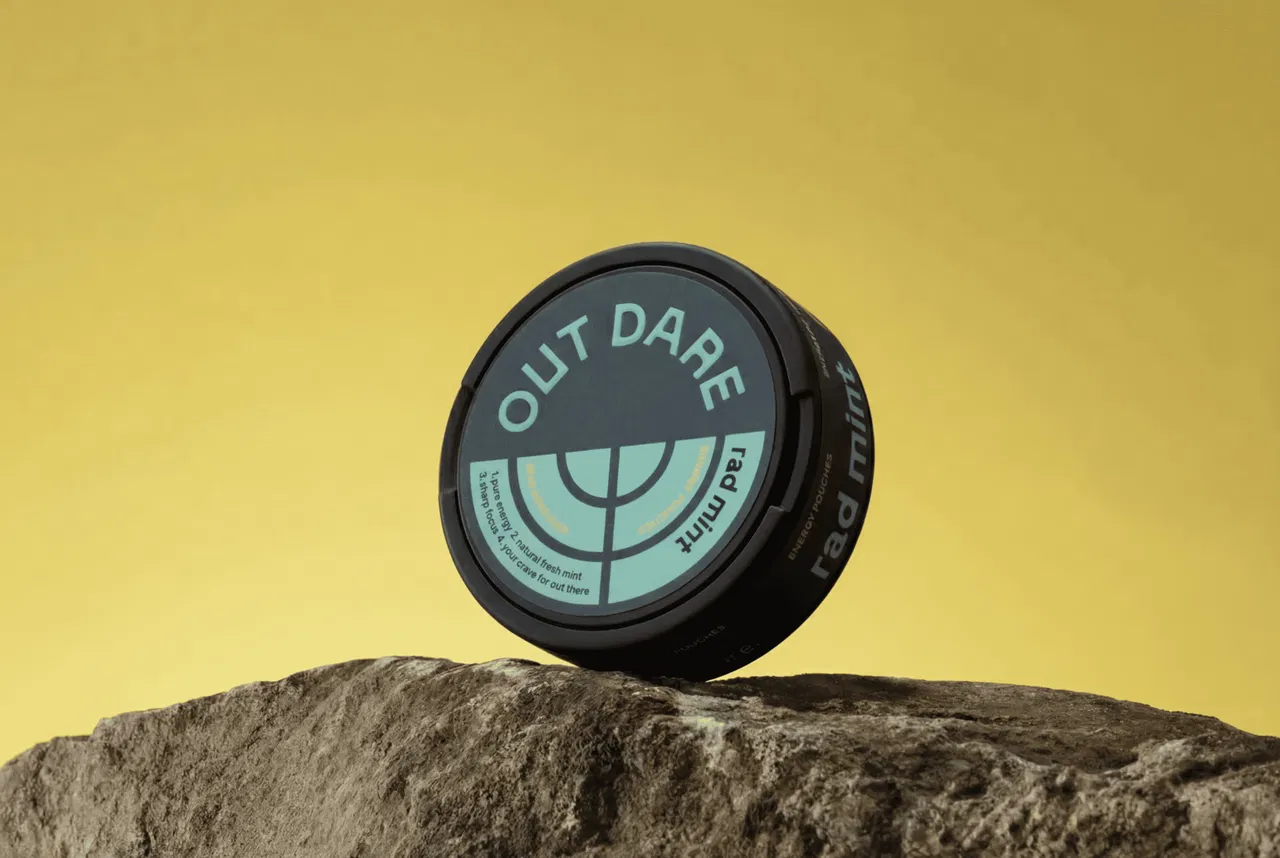
At Outdare LTD, we've found that the delivery format matters as much as the ingredient. A pouch placed under the lip absorbs sublingually (through the mucous membrane), which means active compounds enter the bloodstream faster than a drink or capsule. The Energy pouch delivers 50mg caffeine combined with nootropics — enough for a clean focus boost without the cortisol spike of a double espresso.
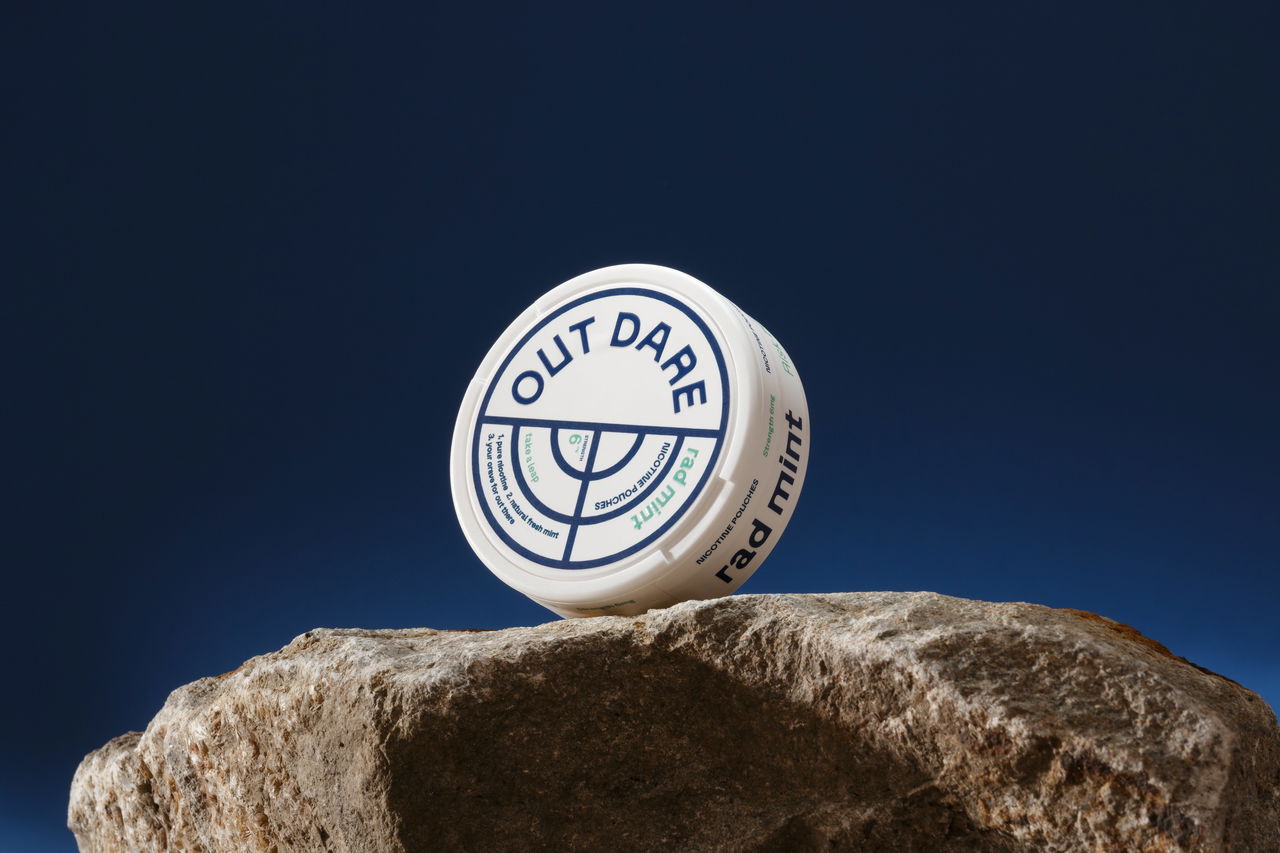
More importantly for anyone managing a nicotine habit: the Energy pouch shares the exact same mint flavor, mouthfeel, and gum burn as the Nicotine pouch. Your brain can't tell which one it's getting. That sensory parity is what makes it a genuine replacement rather than a consolation prize.
| Energy Source | Onset Time | Crash Risk | Portability | Dependency Risk |
|---|---|---|---|---|
| Coffee (double espresso) | 15-30 min | High | Low | Moderate-High |
| Energy drink (250ml) | 15-45 min | High | Moderate | Moderate |
| Adaptogen supplement (capsule) | 30-60 min | Very Low | High | Very Low |
| Nootropic energy pouch (50mg caffeine + nootropics) | 5-15 min | Low | Very High | Low |
| Breathwork (5-min protocol) | Immediate | None | Very High | None |
| Power nap (15 min) | Post-nap | None | Low | None |
Pro Tip: If you're using nootropics for deep work or flow state, time your intervention 15-20 minutes before the task begins. A sublingual delivery format (like a functional pouch) reaches peak absorption faster than a capsule or drink — making it particularly effective for pre-meeting or pre-training focus.
The Nicotine User's Energy Trap (And How to Break It)
Heavy nicotine pouch users often mistake nicotine's stimulant effect for genuine energy — and this confusion is one of the most common obstacles to both quitting and finding sustainable caffeine-free alternatives.
Why Nicotine Feels Like Energy (But Isn't)
Nicotine triggers a dopamine and adrenaline release that feels like a focus boost. But it's borrowed energy. The crash that follows — brain fog, irritability, reduced concentration — is the body demanding repayment. After months or years of use, many pouch users are running a permanent energy deficit, propped up by nicotine just to feel baseline functional.
A common mistake is trying to solve this with more caffeine. Coffee on top of nicotine pouches creates a cortisol and adrenaline overload that accelerates the crash cycle and makes sleep worse — which makes tomorrow's fatigue even harder to manage without stimulants.
The 30/30/30 Addiction Rule offers a more useful framework. According to Outdare's system:
- 30% of pouch addiction is chemical (nicotine itself)
- 30% is the physical habit (the pillow sensation under the lip)
- 30% is the sensory cue (the burn and the mint)
That means 60% of what you're addicted to has nothing to do with nicotine. You're addicted to the ritual. And the ritual can be satisfied with something that doesn't feed chemical dependency.
Breaking the Cycle Without White-Knuckling It
One real-world scenario we see repeatedly: a 28-year-old professional using 1-2 cans of nicotine pouches per day, spending €200-300/month, experiencing receding gums and afternoon crashes, but unable to quit cold turkey because every attempt removes the ritual entirely — and the ritual is what they actually need to function.
The solution isn't willpower. It's substitution. Replace some nicotine pouches with Energy pouches (nootropics + 50mg caffeine, zero nicotine). The brain gets the same burn, the same mint, the same physical sensation. It doesn't register a difference. But you've just removed the chemical dependency from that moment.
Most users following the Outdare 4-Week Method reduce their nicotine intake by 60-90% in the first month — not by suffering through cravings, but by keeping the ritual intact while quietly changing what's inside the pouch. This is what a genuine natural energy boost without caffeine looks like for the nicotine user: same ritual, cleaner chemistry, no crash.
How to Choose the Right Caffeine-Free Strategy for You
The best caffeine-free energy strategy depends on three factors: the speed of effect you need, the root cause of your fatigue, and whether you're managing an existing stimulant habit alongside it.
Decision Framework: Match Strategy to Situation
Use this framework to match your situation to the right approach:
- Identify your primary fatigue driver. Is it poor sleep, dehydration, stress, nutrient deficiency, or stimulant dependency? Each has a different primary fix. Sleep deprivation needs sleep, not supplements. Dehydration needs water, not adaptogens.
- Determine your time horizon. Need energy in the next 10 minutes? Use breathwork, water, or movement. Need sustained energy across a full day? Focus on sleep, whole foods, and adaptogen supplementation.
- Assess your existing habits. If you're a heavy caffeine or nicotine user, your baseline is artificially suppressed. Any caffeine-free strategy will feel weak until your tolerance resets — typically 10-14 days of reduced intake. Plan for this window.
- Choose your ritual format. Pills, drinks, pouches, breathwork — the format you'll actually use consistently is the one that works. A perfect supplement taken irregularly beats nothing. A simple habit done daily beats everything.
- Stack, don't swap. The most effective approach combines multiple methods: morning hydration + sunlight + a functional pouch for focus + an adaptogen at lunch + sleep optimization at night. No single method carries the full load.
Pros and Cons: Key Caffeine-Free Energy Methods
| Method | Pros | Cons | Best For |
|---|---|---|---|
| Hydration | Free, immediate, zero side effects | Effect is modest; doesn't replace sleep | Morning routine, mild afternoon slump |
| Power nap | Clinically proven, no dependency risk | Requires privacy and time; not office-friendly | Post-lunch fatigue, remote workers |
| Adaptogens (Rhodiola, Bacopa) | Sustained, non-stimulant, stress-reducing | Effects build slowly; quality varies by brand | Chronic fatigue, high-stress professionals |
| Functional energy pouch | Fast onset, discreet, portable, ritual-preserving | Contains low caffeine; not fully stimulant-free | Nicotine users transitioning, productivity focus |
| Exercise (5-10 min) | Immediate, free, broad health benefits | Requires space; not always feasible mid-meeting | Pre-work focus, fitness-minded individuals |
| Breathwork | Immediate, zero cost, usable anywhere | Requires practice; effect is short-lived | Instant alertness, pre-performance |
Pro Tip: If you're currently using nicotine pouches and want to shift to cleaner energy, don't try to quit the ritual — replace what's inside it. Swap one nicotine pouch per day with a functional energy pouch for the first week. Your brain won't notice. By week four, most users have reduced nicotine intake by more than half — without a single white-knuckle craving.
Sources & References
- OSF Healthcare, "Caffeine Alternatives: Getting Your Energy Boost Without Coffee," 2024
- Health.com, "16 Natural Ways To Boost Your Energy Without Caffeine," 2024
- Northwestern Medicine, "7 Ways to Wake Up Without Coffee," 2024
- Harvard Health, "9 Tips to Boost Your Energy Naturally," 2023
- Silver Cross Health, "Hitting the Mid-Day Slump: How to Boost Energy Without Caffeine," 2024
- UW Medicine Right as Rain, "5 Ways to Boost Your Energy Without Caffeine," 2024
- Natural Medicine of Seattle, "6 Natural Biohacks to Boost Energy Without Caffeine," 2024
- UPMC HealthBeat, "How to Get Energy Without Caffeine," 2025
- GoodRx, "12 Natural Ways to Stay Awake and Alert Without Caffeine," 2024
- Drip Drop, "How to Get a Natural Energy Boost Without Caffeine," 2024
Frequently Asked Questions
1. What is the fastest natural energy boost without caffeine?
The fastest natural energy boost without caffeine is stimulating breathwork — specifically the physiological sigh (two sharp inhales through the nose, one long exhale through the mouth). It activates the sympathetic nervous system within seconds and requires no equipment, cost, or preparation. Drinking 400-500ml of water and doing 5 minutes of movement are close runners-up, both producing measurable alertness within 10-15 minutes [3].
2. Can nootropics replace caffeine for focus and productivity?
Nootropics like L-Theanine and Alpha-GPC can support focus, working memory, and mental clarity without the stimulant mechanism of caffeine. They don't produce the same acute spike — but they also don't produce the crash. For sustained deep work and flow state, a combination of adaptogens (Rhodiola for stress resilience) and nootropics (L-Theanine for calm focus) often outperforms caffeine over a full working day, particularly after the 10-14 day tolerance reset period [7].
3. How do I get energy without caffeine in the afternoon?
The afternoon slump (typically 2-4pm) is driven by a natural circadian dip in core body temperature, often compounded by dehydration and post-lunch blood sugar fluctuations. The most effective interventions: drink water first, take a 10-15 minute walk outside for sunlight and movement, and use a short breathwork protocol. If you need a supplement, Rhodiola rosea taken mid-morning has evidence for reducing afternoon fatigue without disrupting evening sleep [7].
4. Are energy pouches a good alternative to coffee or energy drinks?
Zero-nicotine energy pouches combining 50mg caffeine with nootropics offer a genuinely different delivery profile compared to coffee or energy drinks. Sublingual absorption (through the mucous membrane under the lip) is faster than digestion-based delivery, onset is typically 5-15 minutes, and the lower caffeine dose relative to a double espresso reduces the cortisol spike and crash risk. For people who want a discreet, portable, sugar-free focus tool — particularly those managing a nicotine habit — functional pouches are a practical and increasingly evidence-aligned option as of 2026.
5. How long does it take to have energy without caffeine after quitting?
Caffeine withdrawal symptoms — headache, fatigue, irritability — typically peak at 20-51 hours after the last dose and resolve within 2-9 days for most people, according to established clinical literature. The tolerance reset period, where natural energy systems normalize, takes approximately 10-14 days. During this window, hydration, sleep optimization, and adaptogenic support are particularly important. Most people report feeling sustainably better — without caffeine — by day 14-21 [8].
6. Can nicotine pouch users get energy without nicotine?
Yes — and this is one of the most important questions for the 18-38 age group currently using nicotine pouches. Nicotine's stimulant effect is real but borrowed: it produces a dopamine and adrenaline spike followed by a crash that leaves users more fatigued than before. Replacing nicotine pouches with zero-nicotine functional pouches (nootropics + low-dose caffeine) preserves the ritual — the burn, the mouthfeel, the mint — while delivering a cleaner, crash-free energy profile. Most users reduce nicotine intake by 60-90% within the first month using this substitution approach.
7. What drinks give you energy without caffeine or sugar?
The most evidence-backed options include: water (fastest and most underrated), electrolyte drinks without added sugar, herbal teas (peppermint for alertness, ginger for circulation), and adaptogen-based drinks containing Rhodiola or ashwagandha. Drip Drop and similar electrolyte formulas are particularly useful if fatigue is dehydration-driven [10]. OSF Healthcare also highlights matcha and yerba mate as lower-caffeine options for those who want to reduce but not eliminate caffeine entirely [1].
8. Does exercise really boost energy without caffeine?
Yes — and the effect is faster than most people expect. Even 5-10 minutes of moderate movement (a brisk walk, bodyweight exercises) increases cerebral blood flow, triggers endorphin and norepinephrine release, and measurably improves alertness and mood within minutes. Harvard Health ranks exercise as one of the nine most evidence-backed natural energy strategies [4]. The effect is short-term (30-60 minutes of heightened alertness) but stacks well with hydration and breathwork for a combined protocol.
Conclusion
A genuine natural energy boost without caffeine isn't a single hack. It's a system. Hydration, movement, breathwork, sleep, adaptogens, nootropics — each addresses a different layer of the fatigue problem, and the most effective approach stacks several together into a consistent daily protocol.
For nicotine pouch users, the opportunity is even more specific. The ritual you're protecting — the burn, the mint, the pillow under the lip — doesn't require nicotine to exist. It can be satisfied with a functional energy pouch that delivers nootropics and clean caffeine instead, while you quietly reduce your chemical dependency over 30 days.
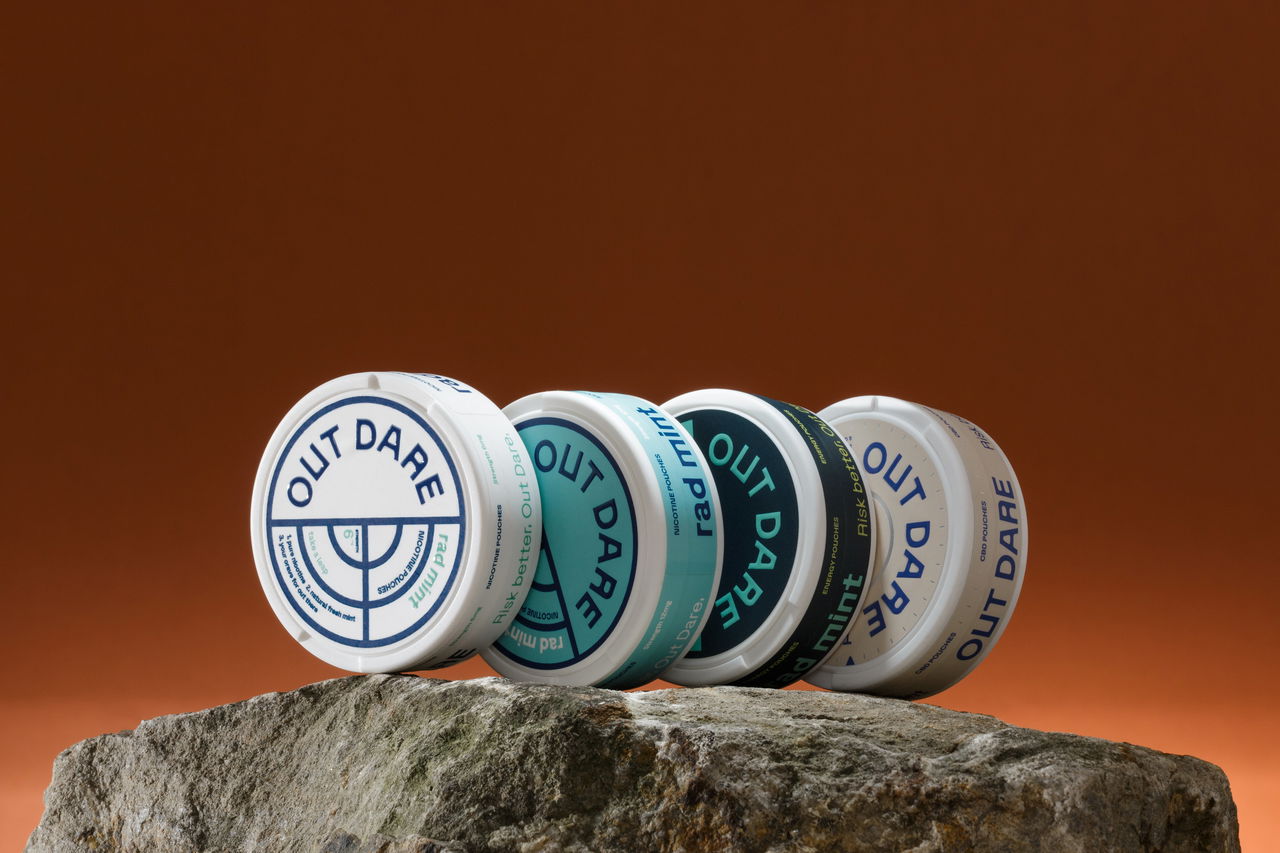
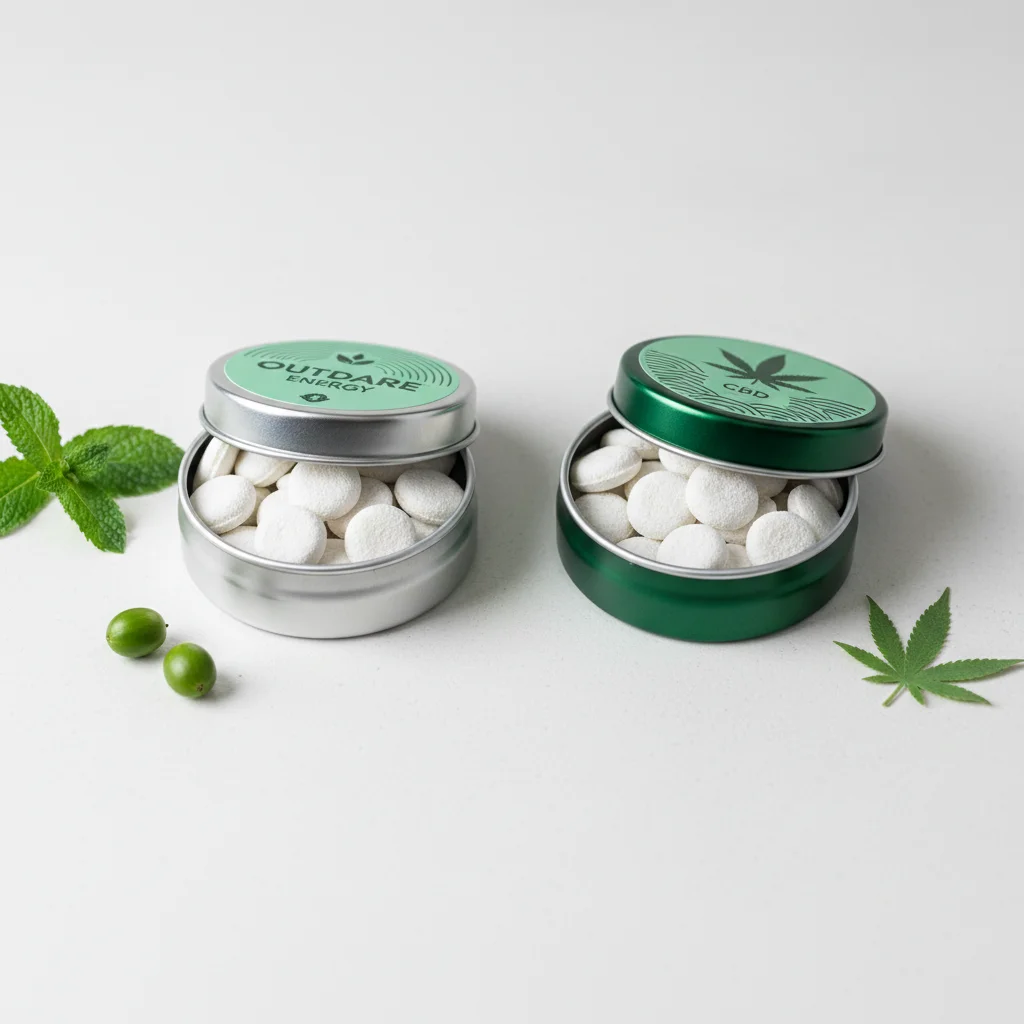
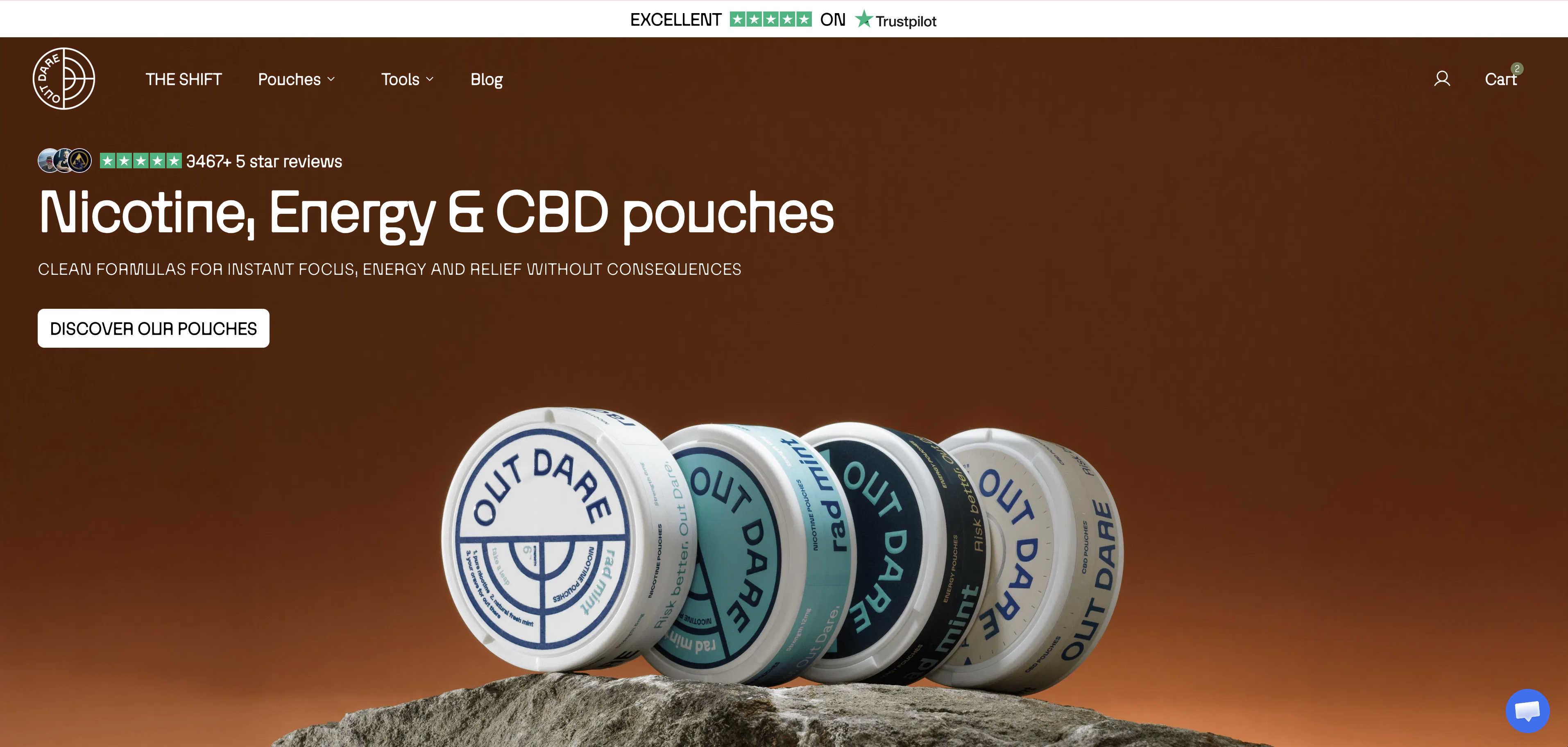
That's exactly the system Outdare LTD was built around. Three pouches — Nicotine, Energy, CBD — identical in taste and mouthfeel, each serving a different role. Energy for focus. CBD for reset. Nicotine only when you actually choose it. Most users who follow the 4-Week Method reduce their nicotine intake by 60-90% in the first month without white-knuckling a single craving. The ritual stays. The dependency doesn't have to.
Risk Better. Out Dare.
Recommended Articles
Explore more from our content library: