






Best Smoking Cessation Products That Actually Work
| Key Insight | Explanation |
|---|---|
| Combination therapy outperforms single products | Using two or more cessation methods simultaneously significantly increases quit rates compared to any single product alone. |
| Nicotine is only 30% of the addiction | The 30/30/30 Addiction Rule identifies habit (30%) and sensory cues (30%) as equal drivers — products that ignore these factors have a lower success rate. |
| Cold turkey has the lowest success rate | Research consistently shows that quitting without any support or product has a success rate below 5% at 12 months. |
| Ritual substitution reduces relapse | Replacing the physical act of smoking or pouching with a sensory-identical alternative keeps the habit loop intact while chemical dependency is addressed. |
| Prescription medications are most effective for heavy users | Varenicline (formerly Chantix) is the single most effective pharmaceutical option, but requires a doctor's prescription and carries side-effect considerations. |
| Modern functional pouches address the ritual gap | Energy and CBD oral pouches that replicate the mouthfeel and burn of nicotine pouches offer a newer, structured approach to cessation that traditional NRT products don't provide. |
The Best Smoking Cessation Products, Ranked for 2026
The best smoking cessation products in 2026 include nicotine replacement therapy (NRT), prescription medications like varenicline, tobacco-free nicotine pouches, and newer functional oral pouches that address the ritual side of addiction. The right choice depends on how heavy your habit is, whether you've tried quitting before, and which part of the addiction you struggle with most.
Most quit attempts fail. Not because people lack willpower, but because they're using products that only tackle one dimension of a multi-layered habit. According to the U.S. Smokefree.gov initiative, using cessation medications can more than double your chances of quitting successfully [1]. The problem is that most people still go it alone, or try one product without a structured system behind it.
This guide covers 10 of the best smoking cessation products available as of 2026. Each section explains what the product does, who it's best for, and where it falls short. Whether you're a pack-a-day smoker, a heavy nicotine pouch user, or someone who's tried cold turkey three times and relapsed every time, there's a specific tool here for your situation.

1. Nicotine Replacement Therapy (NRT)
Nicotine replacement therapy (NRT) is the most widely used category of smoking cessation products, delivering controlled doses of nicotine without tobacco or combustion. The American Cancer Society confirms that NRT can significantly reduce withdrawal symptoms and cravings, making it easier to manage the chemical side of nicotine dependency [2].
Types of NRT Available
- Nicotine patch: A slow-release transdermal patch worn on the skin, delivering a steady baseline of nicotine over 16 or 24 hours. Best for heavy smokers who need consistent background coverage.
- Nicotine gum: A fast-acting option for managing acute cravings. Available in 2mg and 4mg doses. Requires a specific "chew and park" technique to work correctly.
- Nicotine lozenge: Dissolves in the mouth over 20-30 minutes, releasing nicotine through the oral mucosa. Good for people who miss the oral component of smoking.
- Nicotine nasal spray: The fastest-acting NRT, delivering nicotine within minutes. Requires a prescription in most countries and can cause nasal irritation.
- Nicotine inhaler: A plastic device that mimics the hand-to-mouth ritual of smoking while delivering nicotine vapor. Available by prescription in the U.S.
Who NRT Is Best For
NRT is a strong starting point for current smokers who want a medically established, over-the-counter option. The Mayo Clinic recommends combining a long-acting NRT (like the patch) with a short-acting form (like gum or lozenge) for better coverage of both baseline cravings and acute urges [3].
Pros:
- Widely available over the counter
- Clinically proven, FDA-approved
- Multiple formats to suit different habits
- Adjustable dosing via step-down programs
Cons:
- Doesn't replicate the oral ritual of smoking or pouch use
- Patch can cause skin irritation and disrupted sleep
- Gum and lozenge require correct technique to be effective
- Addresses chemical dependency only, not the behavioral habit
Pro Tip: If you're stepping down from heavy nicotine pouch use, combine a 14mg patch for baseline coverage with a 2mg lozenge for acute cravings. This dual-NRT approach mirrors the combination therapy that the NHS recommends for cigarette smokers — and it applies equally well to pouch users.
2. Prescription Medications for Smoking Cessation
Prescription medications are the most pharmacologically potent best smoking cessation products available, and they're the right call when NRT alone hasn't worked. Two main options dominate this category: varenicline and bupropion.
Varenicline (Formerly Chantix)
According to MD Anderson Cancer Center, varenicline is the most effective single product to help you quit smoking [4]. It works by partially activating nicotine receptors in the brain, reducing both cravings and the reward response if you do smoke. The FDA has approved varenicline as a first-line cessation treatment [5].
- Typical course: 12 weeks, with an optional 12-week extension
- Success rate: Roughly 3x more effective than placebo at 12-month abstinence
- Side effects to monitor: Nausea, vivid dreams, mood changes (discuss with your doctor)
Bupropion (Wellbutrin SR / Zyban)
Bupropion is an antidepressant that was found to reduce nicotine cravings as a secondary effect. It's particularly useful for people who experience depression during quit attempts, or for those who can't tolerate NRT. The CDC notes that bupropion roughly doubles quit rates compared to placebo [6].
Best for: Heavy smokers who've failed NRT alone, or people with a history of depression linked to nicotine use.
One limitation is that neither varenicline nor bupropion addresses the physical ritual of smoking. You might eliminate the chemical craving but still find yourself reaching for something to put in your mouth at 3pm. That's where the next category becomes critical.
3. Tobacco-Free Nicotine Pouches
Tobacco-free nicotine pouches are small, white oral pouches placed under the lip that deliver nicotine without tobacco leaf, smoke, or vapor. They've grown significantly as a harm-reduction tool for smokers and vapers looking to transition away from combustion-based products.
How They Work as a Cessation Tool
The pouch sits between the gum and lip, releasing nicotine through the oral mucosa over 20-45 minutes. There's no spit, no smoke, no smell. For smokers transitioning off cigarettes, the oral placement partially satisfies the hand-to-mouth habit, making it easier than a patch or gum alone.
As of 2026, tobacco-free nicotine pouches are available in a wide range of strengths, typically from 2mg up to 15mg per pouch. This makes step-down dosing practical: you start at a strength that matches your current nicotine intake and progressively move to lower doses.
What to Look for in a Quality Nicotine Pouch
- Clean ingredients: Look for plant-fiber fillers rather than cellulose from tobacco byproducts
- Xylitol-based formula: Xylitol supports oral health and reduces the acidic environment that can damage gum tissue
- Consistent mouthfeel and burn: The "gum burn" sensation is a key sensory cue; pouches that deliver this reliably are more effective at satisfying cravings
- European manufacturing: EU-manufactured pouches are subject to stricter ingredient and quality controls than many alternatives
Pros:
- Discreet and odorless
- No combustion, no tobacco
- Adjustable nicotine strength for step-down use
- Satisfies oral habit better than patches or gum
Cons:
- Still delivers nicotine — doesn't eliminate chemical dependency on its own
- Potential for gum recession with heavy use
- Without a structured reduction system, users can maintain or increase consumption

4. Functional Oral Pouches: The Ritual Substitution Approach
Functional oral pouches — specifically energy and CBD variants that share the same sensory profile as nicotine pouches — represent one of the most structurally sound approaches to cessation available in 2026. They work by targeting the 60% of addiction that isn't chemical.
The 30/30/30 Addiction Rule Explained
Here's what most cessation products miss. Addiction to nicotine pouches or smoking isn't purely chemical. Research and clinical observation support breaking it into three roughly equal components:
- 30% chemical: The actual nicotine dependency
- 30% physical habit: The ritual of placing something under the lip or between your fingers
- 30% sensory cue: The burn, the tingle, the mint flavor that your brain associates with relief or focus
Traditional NRT products address the 30% chemical component. Functional pouches that replicate the mouthfeel, burn, and flavor of a nicotine pouch address the remaining 60%. That's a structural advantage no patch, gum, or prescription medication can match.
How the Outdare 4-Week Method Works
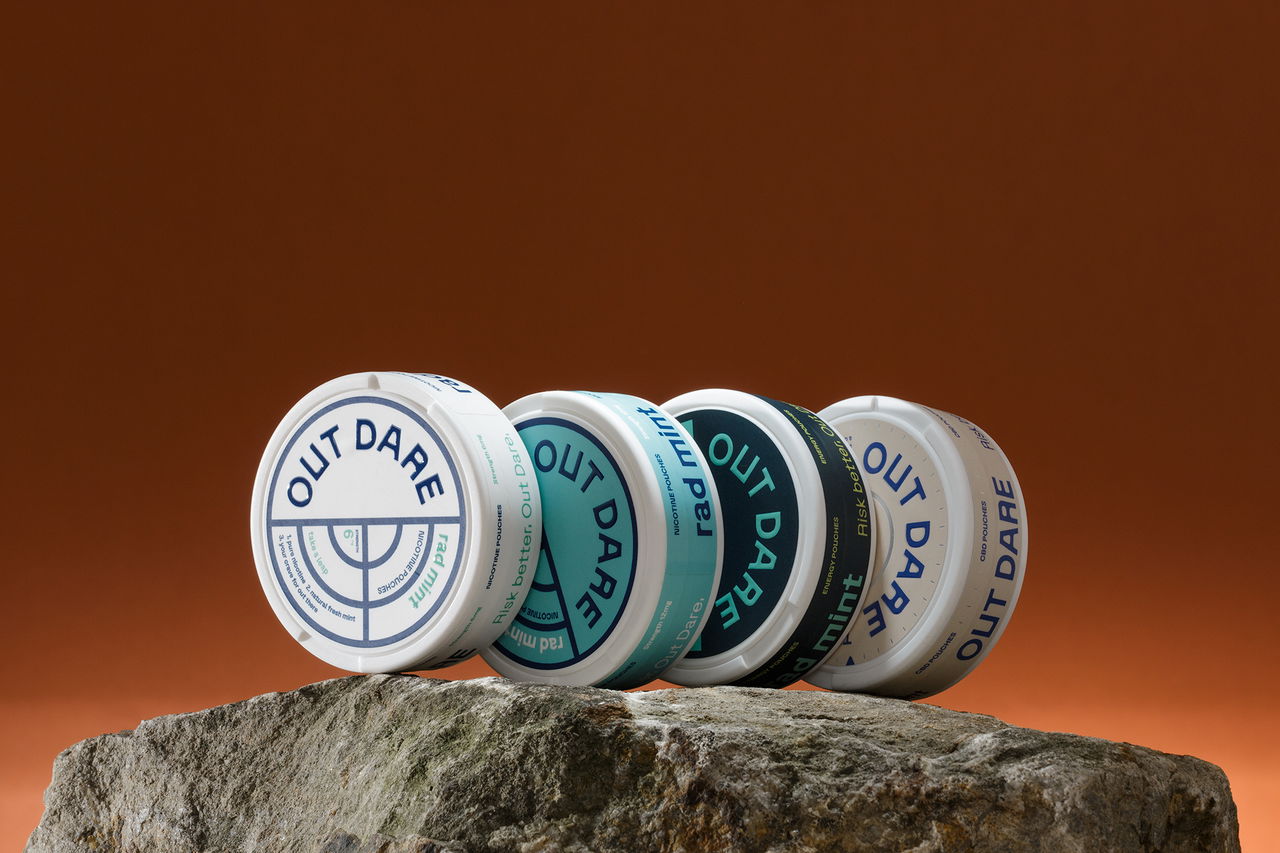
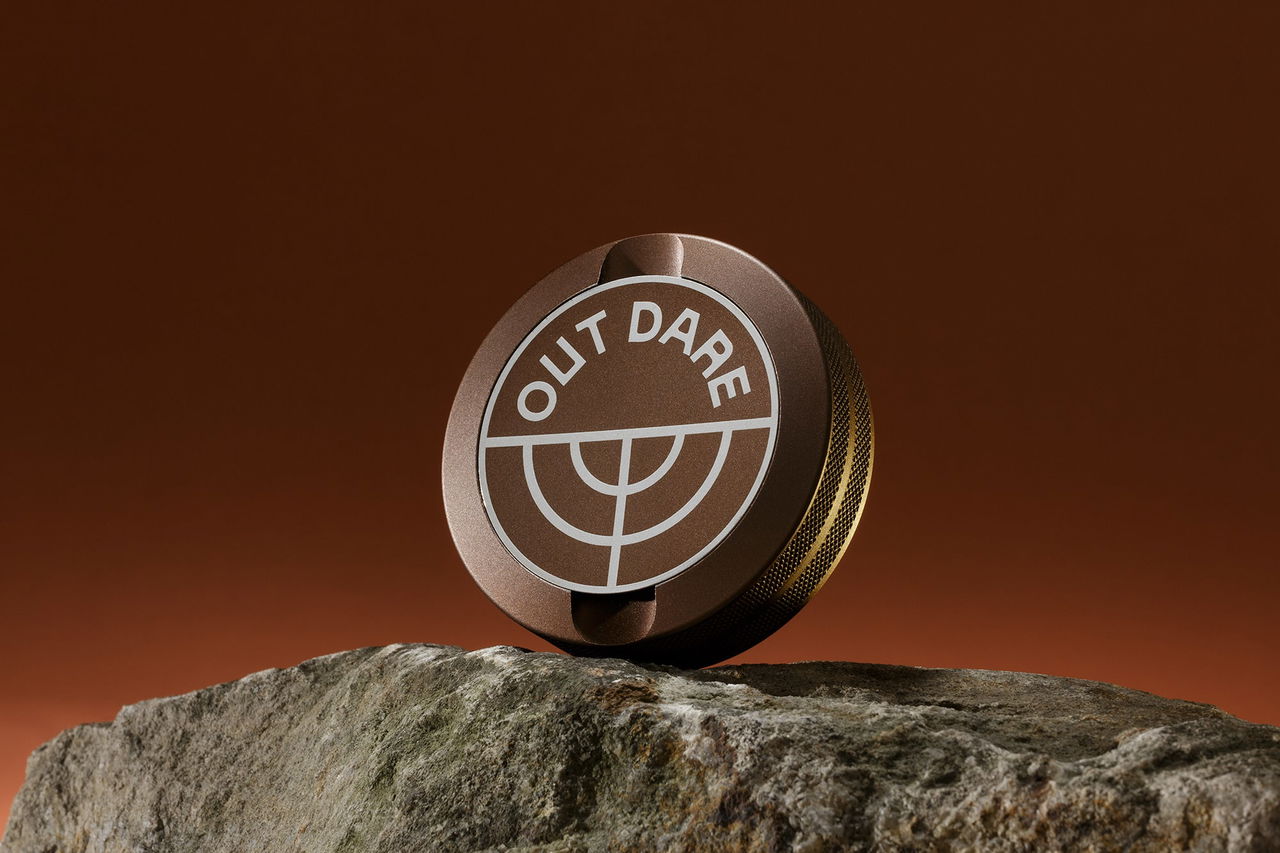
At Outdare LTD, we've found that the biggest barrier to successful cessation isn't willpower — it's the absence of a system that keeps the ritual intact while reducing chemical exposure. The Outdare three-pouch system uses this principle directly.
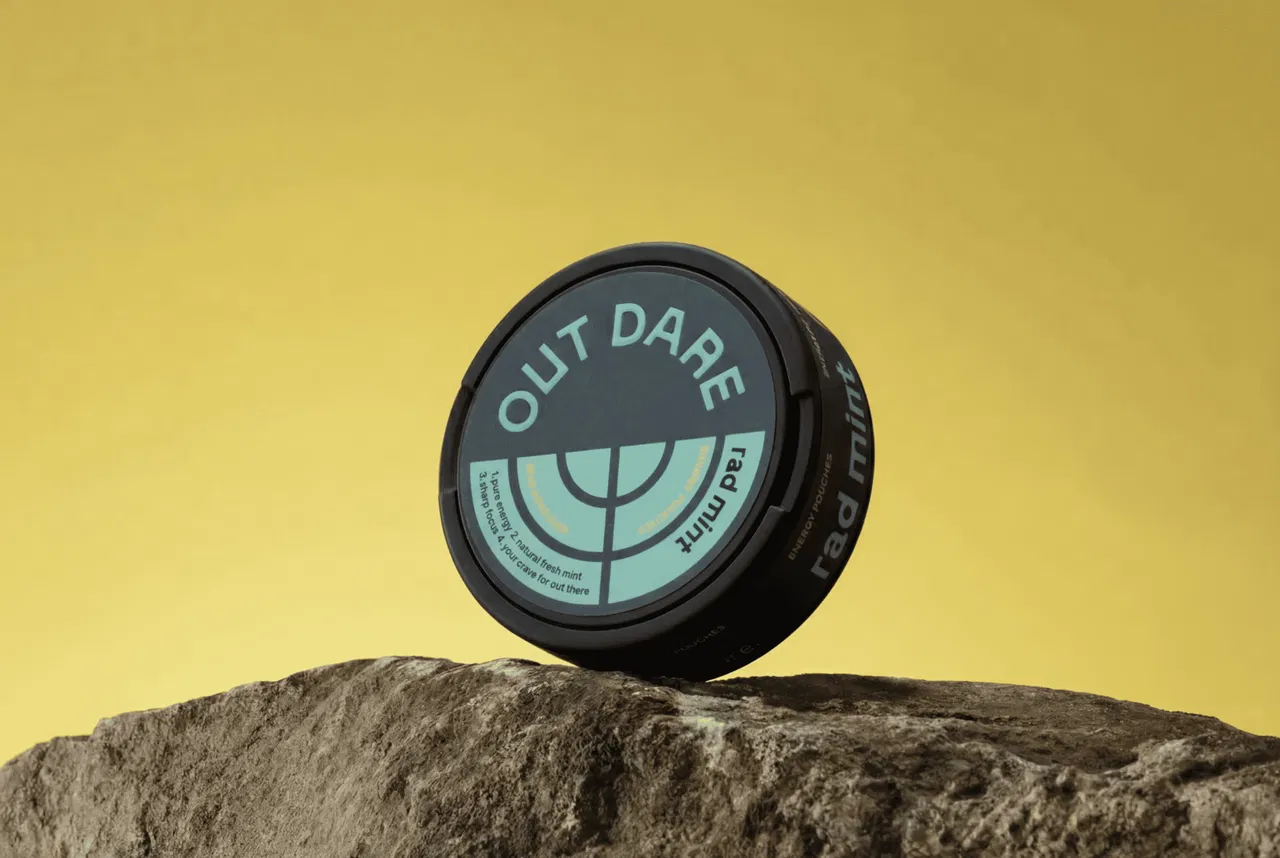
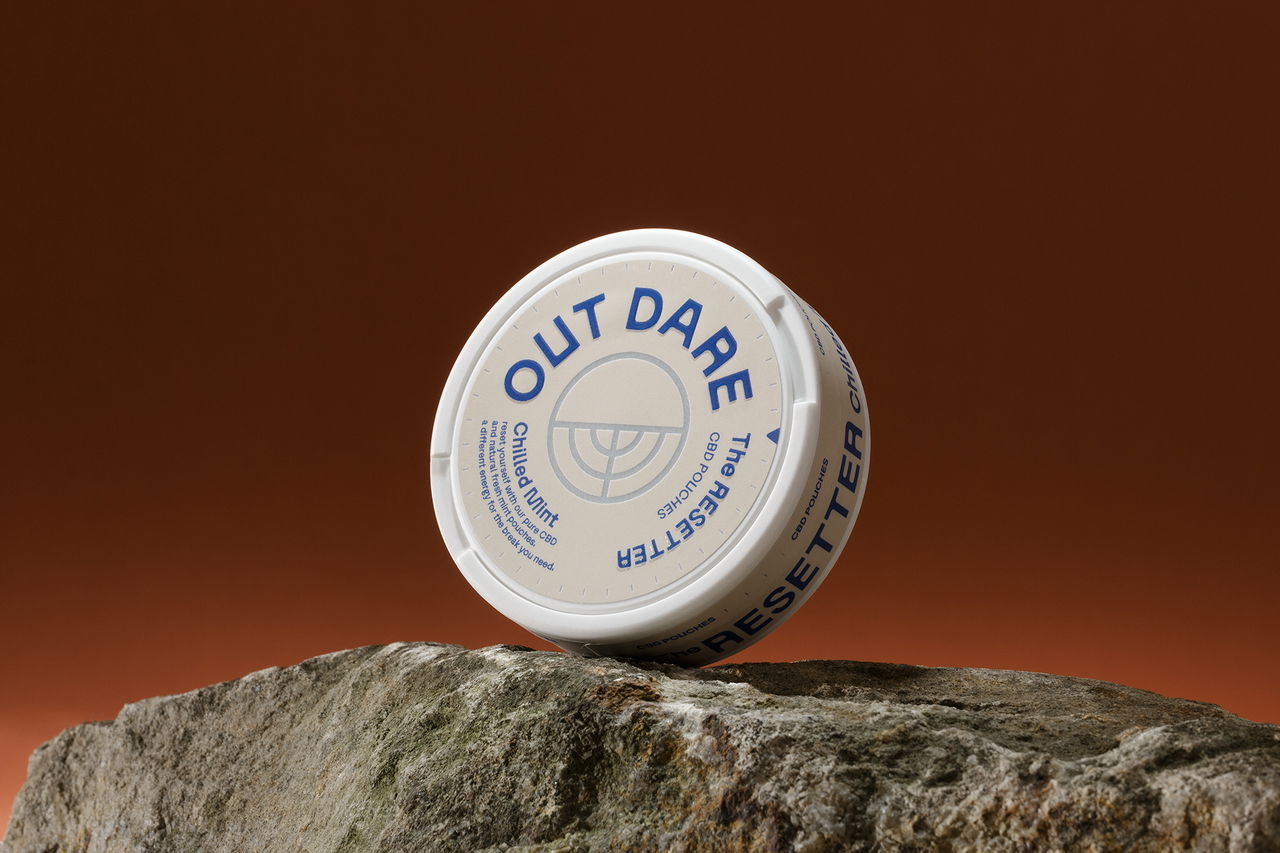
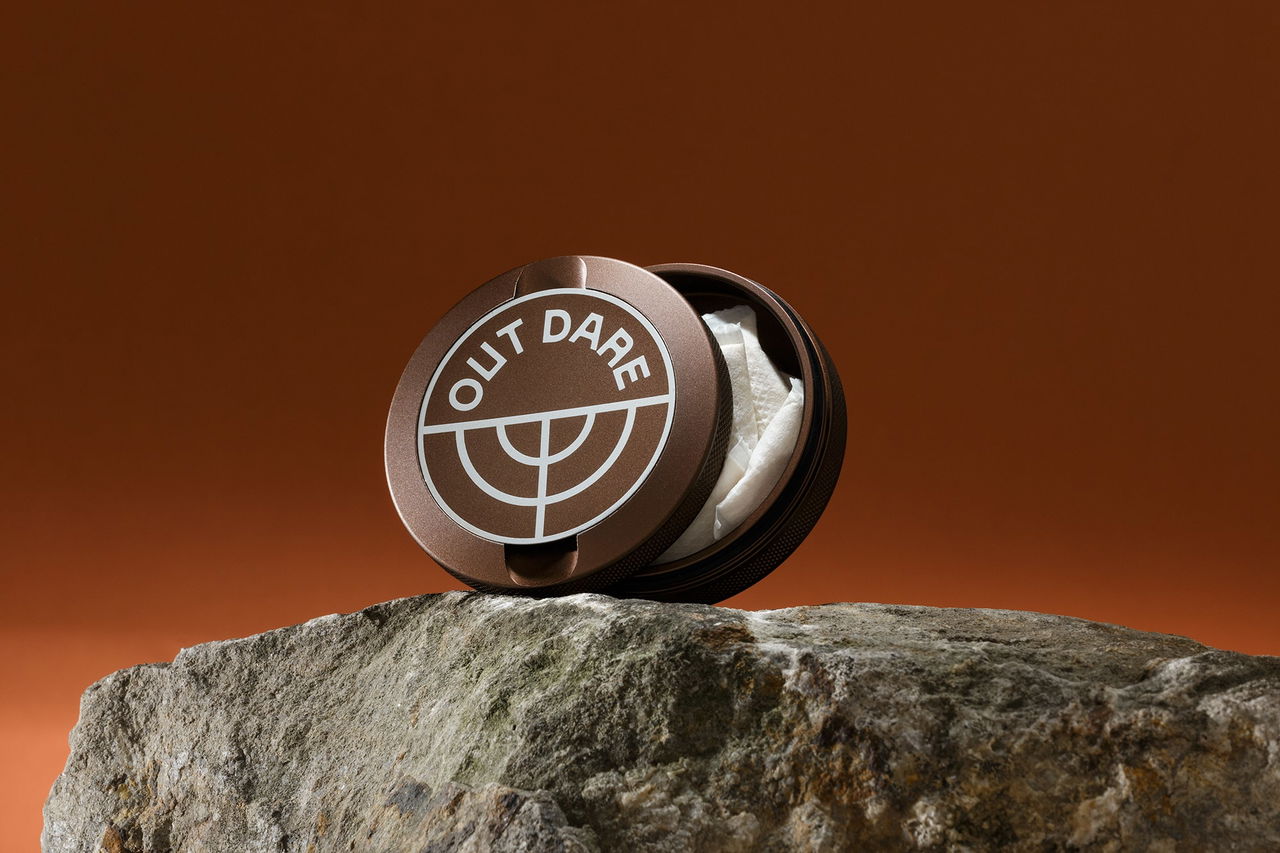
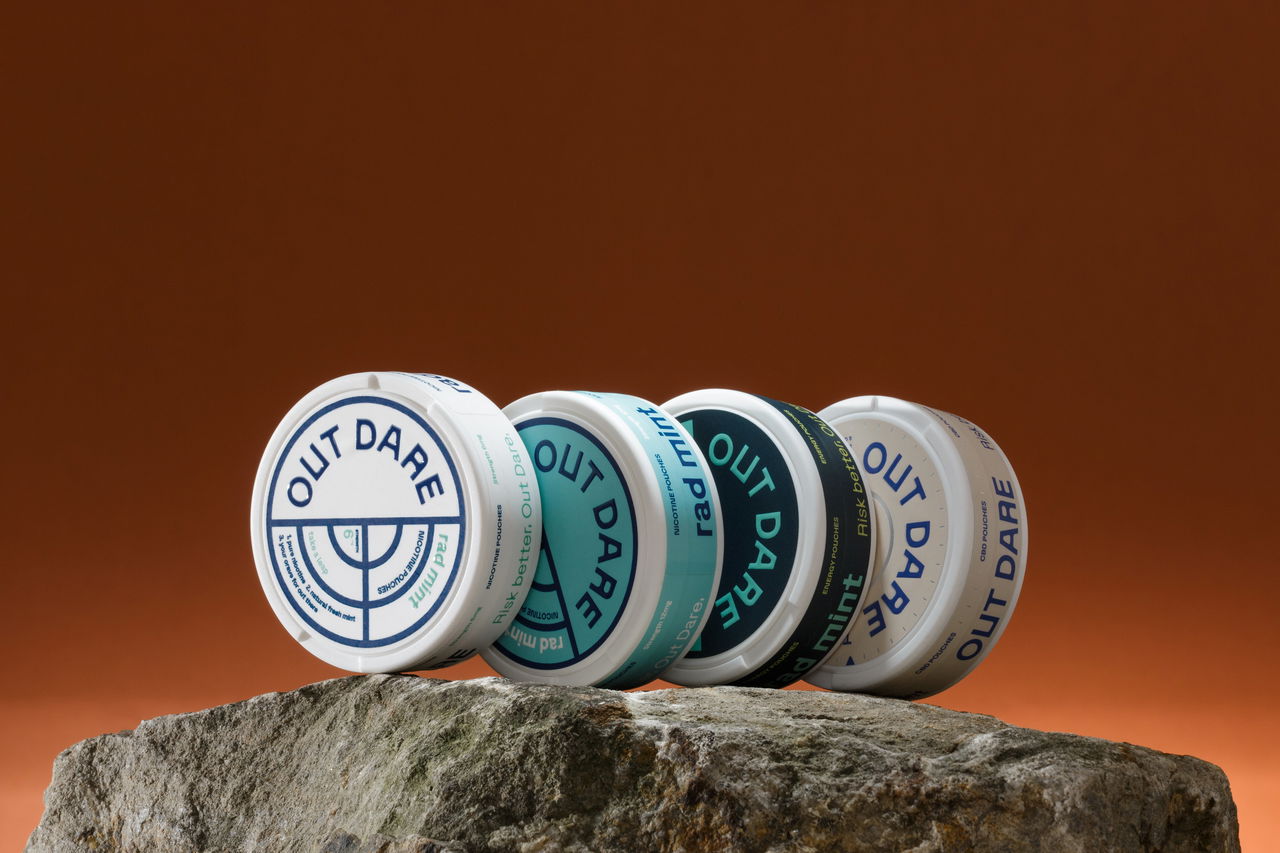
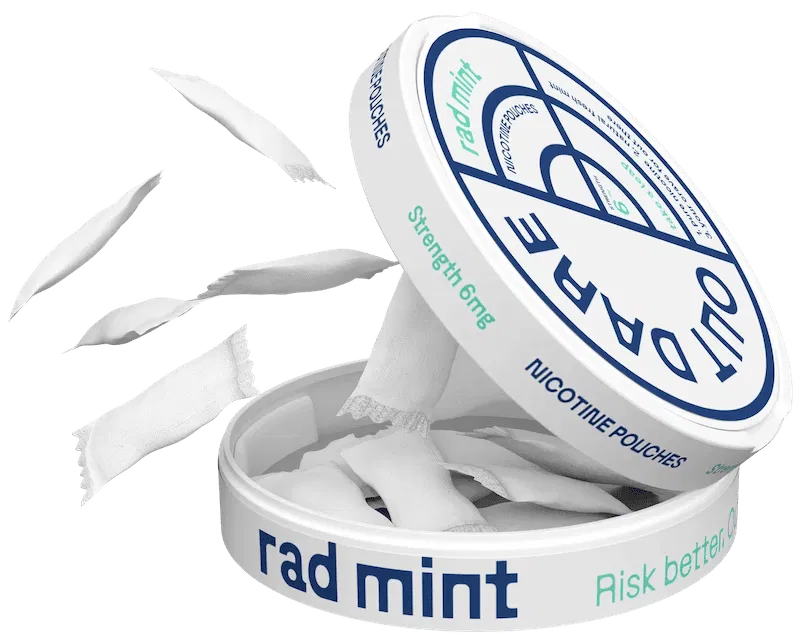
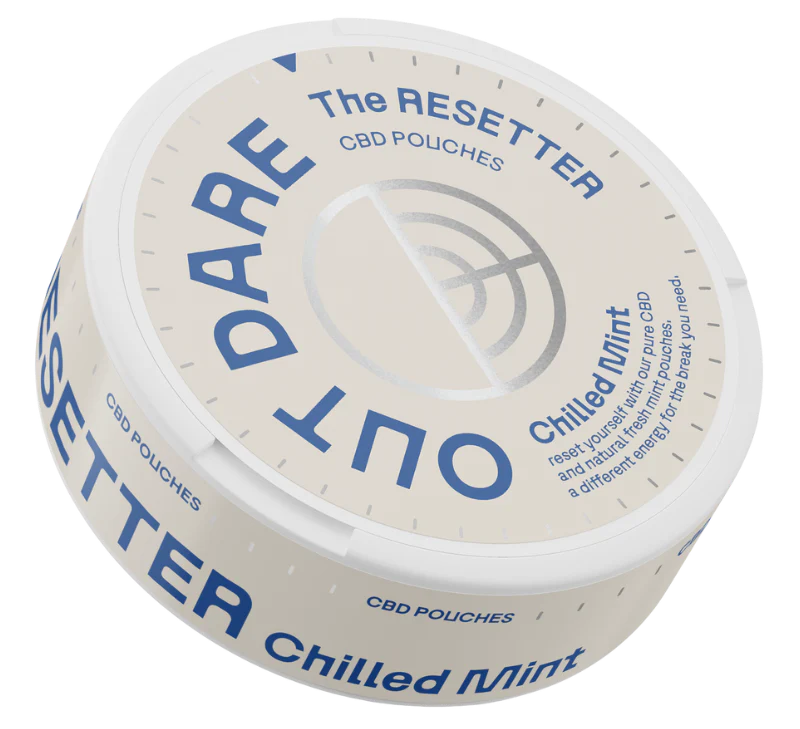
All three pouch variants — Clean Nicotine (available in 6mg, 12mg, and 15mg), Energy (50mg caffeine plus nootropics, zero nicotine), and CBD (zero nicotine) — share the exact same natural mint flavor, pillow mouthfeel, and gum burn. Your brain can't distinguish between them sensorially. That's not an accident. It's the mechanism.
- Week 1: Establish your current nicotine pouch usage. Use Clean Nicotine pouches at your existing strength alongside your first Energy pouches to map the ritual.
- Week 2: Begin swapping one-third of your nicotine pouches for Energy pouches. The sensory experience is identical — your brain stays satisfied.
- Week 3: Increase the Energy and CBD pouch ratio. Use CBD pouches in the evening to manage restlessness and improve sleep quality during the reduction phase.
- Week 4: Target 60-90% reduction in nicotine intake. Most users reach this milestone without the white-knuckling associated with cold turkey or patch-only approaches.
The Energy pouch delivers 50mg caffeine combined with nootropics (compounds that support cognitive function, such as L-Theanine and Alpha-GPC) for sharper focus without the jitter or crash of energy drinks. This matters for productivity-focused users who've been using nicotine as a cognitive tool rather than purely for craving relief.
Pro Tip: Use the CBD pouch in the 30-60 minutes before bed during your reduction weeks. Nicotine disrupts sleep architecture — replacing the evening pouch with a CBD variant addresses both the ritual and the sleep quality issue simultaneously.
5. Behavioral and Digital Support Tools
Behavioral support tools — including counseling, quit apps, and text-based programs — are among the most underused best smoking cessation products available, despite strong evidence for their effectiveness when combined with pharmacological approaches.
Behavioral Counseling
The Indiana University Health system notes that combining behavioral counseling with NRT or medication produces significantly higher quit rates than either approach alone [7]. Counseling helps identify triggers, build coping strategies, and address the psychological side of the habit loop.
- Individual counseling: One-on-one sessions with a trained cessation specialist
- Group programs: Peer support in structured quit programs
- Telephone quitlines: Free in most countries; the U.S. National Quitline is 1-800-QUIT-NOW
Digital Tools and Apps
As of 2026, several well-validated quit apps track cravings, log money saved, and provide real-time support during high-risk moments. The Smokefree.gov platform offers free text-based support programs (SmokefreeTXT) that have shown measurable increases in abstinence rates in clinical trials [1].
- Craving tracking and pattern recognition
- Progress milestones to reinforce motivation
- On-demand distraction exercises for acute craving moments
- Community forums for peer accountability
A common mistake is treating behavioral tools as optional add-ons rather than core components of a quit plan. In practice, the users who succeed long-term are almost always combining a physical product with some form of structured behavioral support.
Best Smoking Cessation Products: Full Comparison for 2026
The table below summarizes the 10 best smoking cessation products covered in this guide, ranked by the dimension of addiction they address.
| Product | Type | Addresses Chemical (30%) | Addresses Habit (30%) | Addresses Sensory (30%) | Rx Required |
|---|---|---|---|---|---|
| Nicotine Patch | NRT | ✅ Yes | ❌ No | ❌ No | No |
| Nicotine Gum | NRT | ✅ Yes | ⚠️ Partial | ❌ No | No |
| Nicotine Lozenge | NRT | ✅ Yes | ⚠️ Partial | ⚠️ Partial | No |
| Nicotine Nasal Spray | NRT | ✅ Yes | ❌ No | ❌ No | Varies |
| Varenicline | Prescription | ✅ Yes | ❌ No | ❌ No | Yes |
| Bupropion | Prescription | ✅ Yes | ❌ No | ❌ No | Yes |
| Tobacco-Free Nicotine Pouches | Harm Reduction | ✅ Yes | ✅ Yes | ✅ Yes | No |
| Energy Pouches (Caffeine + Nootropics) | Functional / Ritual Substitution | ❌ No | ✅ Yes | ✅ Yes | No |
| CBD Pouches | Functional / Ritual Substitution | ❌ No | ✅ Yes | ✅ Yes | No |
| Behavioral Counseling / Digital Tools | Behavioral Support | ⚠️ Indirect | ✅ Yes | ⚠️ Indirect | No |
How to Choose the Right Cessation Product for You
The right cessation product depends on three factors: your current nicotine delivery method, your dependency level, and which component of the addiction drives your cravings most. There's no single best answer — but there is a logical framework for narrowing it down.
Step-by-Step Decision Framework
- Identify your primary habit: Are you a smoker, a vaper, or a pouch user? Each has a different ritual profile. Smokers have a strong hand-to-mouth habit. Pouch users have a strong oral-placement habit. Your product choice should match your ritual, not just your nicotine level.
- Assess your dependency level: If you reach for nicotine within 30 minutes of waking, you're a high-dependency user. Start with higher-strength NRT or consider a prescription consultation before going cold turkey with pouches alone.
- Decide whether you want to eliminate nicotine or just reduce it: If elimination is the goal, a structured step-down system (like the Outdare 4-week method) is more sustainable than an abrupt stop. If harm reduction is the goal, switching to tobacco-free pouches is already a significant improvement over smoking or vaping.
- Consider what's driven your previous relapses: If you relapsed because of cravings, NRT or varenicline is the priority. If you relapsed because you missed the ritual, a sensory-identical oral substitute is the missing piece.
- Layer your approach: The NHS recommends combining a long-acting NRT with a short-acting form and behavioral support for the highest success rates [8]. The same logic applies to any combination approach.
Matching Products to User Profiles
- Heavy smoker, first quit attempt: Nicotine patch + lozenge, with behavioral counseling or a quit app
- Vaper wanting to transition: Tobacco-free nicotine pouches at matching strength, then step down over 4-6 weeks
- Heavy pouch user with failed cold turkey attempts: Three-pouch substitution system (nicotine + energy + CBD) using the 30/30/30 framework
- Productivity-focused user who uses nicotine for focus: Energy pouches with caffeine and nootropics as a direct functional replacement
- User with anxiety and sleep disruption from nicotine: CBD pouches in the evening combined with step-down nicotine reduction during the day
Pro Tip: Don't set a hard quit date in week one. Instead, spend the first week tracking exactly when and why you reach for nicotine. Is it stress? Boredom? Focus? Each trigger maps to a different substitution strategy — and knowing your pattern makes the product choice much clearer.
Sources & References
- Smokefree.gov, "Quit Smoking or Vaping Today — We Can Help," 2026
- American Cancer Society, "Nicotine Replacement Therapy to Help You Quit Tobacco," 2026
- Mayo Clinic, "Quit-Smoking Products: Boost Your Chance of Success," 2026
- MD Anderson Cancer Center, "Quit Smoking: 6 Products to Strike Out Nicotine Cravings," 2026
- U.S. Food and Drug Administration, "Want to Quit Smoking? FDA-Approved Cessation Products Can Help," 2026
- Centers for Disease Control and Prevention, "Five New Ways to Quit With Medicines," 2026
- Indiana University Health, "The Most Helpful Aids for Quitting Smoking," 2026
- NHS Better Health, "Find the Best Stop-Smoking Product for You," 2026
Frequently Asked Questions
1. What are the best smoking cessation products for heavy nicotine users?
The best smoking cessation products for heavy users combine a high-strength NRT (patch or lozenge) with a behavioral support tool, or a structured substitution system like the Outdare 4-week method. Heavy users — those consuming more than 20 cigarettes per day or a can of nicotine pouches daily — typically need both chemical management and ritual replacement to succeed long-term.
2. Does nicotine replacement therapy actually work?
Yes. The American Cancer Society confirms that NRT reduces withdrawal symptoms and cravings, and clinical data shows it roughly doubles quit rates compared to no treatment. Combining two forms of NRT (a long-acting patch with a short-acting gum or lozenge) is more effective than using either alone, per Mayo Clinic guidance.
3. What's the difference between varenicline and bupropion for quitting?
Varenicline directly targets nicotine receptors, reducing cravings and blocking the reward response. Bupropion is an antidepressant that reduces cravings as a secondary mechanism. Varenicline is generally considered more effective as a standalone option, but bupropion is often preferred for users with depression or those who can't tolerate varenicline's side effects. Both require a prescription.
4. Can tobacco-free nicotine pouches help you quit smoking?
Tobacco-free nicotine pouches can serve as a harm-reduction bridge — eliminating combustion, tobacco, and secondhand smoke while maintaining nicotine delivery. They're particularly effective for smokers and vapers who struggle with the oral habit component of addiction. Used as part of a step-down system, they're one of the more practical tools available without a prescription.
5. Why do most quit attempts fail?
Most quit attempts fail because they address only the chemical component of addiction. The physical habit (the ritual of placing something in your mouth) and the sensory cue (the burn, the taste) together account for 60% of the addiction loop under the 30/30/30 framework. Products that don't account for these dimensions leave users vulnerable to relapse when stress or boredom triggers the habit.
6. Are there natural or nicotine-free alternatives to help quit smoking?
Yes. Nicotine-free options include energy pouches (caffeine and nootropics), CBD pouches, oral substitutes like herbal cigarettes, and behavioral tools like counseling and quit apps. These work best for people who've already reduced their nicotine dependency and need something to maintain the ritual without the chemical. They're not a substitute for NRT in heavy-dependency situations.
7. How long should you use smoking cessation products?
Duration depends on the product and the individual. Standard NRT courses run 8-12 weeks, with step-down dosing. Prescription medications like varenicline are typically prescribed for 12 weeks with an optional extension. Structured substitution systems like the Outdare 4-week method target a 60-90% nicotine reduction within the first month, with ongoing use of functional pouches as long-term maintenance tools.
8. Can you use multiple cessation products at the same time?
Yes, and combination therapy is generally recommended. The NHS, CDC, and Mayo Clinic all support using a long-acting NRT alongside a short-acting form. Adding behavioral counseling or a structured substitution system on top of pharmacological support produces the highest success rates. Results may vary based on individual dependency levels and consistency of use.

Conclusion: Choose a System, Not Just a Product
The best smoking cessation products aren't the ones with the most clinical trials behind them. They're the ones you'll actually stick with — because they fit your habit, your dependency level, and your daily routine. Nicotine patches and prescription medications address the chemical 30%. But if the ritual and the sensory burn are what keep pulling you back, those products alone won't be enough.
The most effective approach in 2026 is a layered one. Start with a product that matches your primary addiction driver. Add behavioral support to address the psychological triggers. And if you're a pouch user or vaper who's tried cold turkey and failed, consider a structured substitution system that keeps the ritual intact while you gradually reduce the nicotine.
That's exactly what Outdare LTD was built to do. Three pouches. Same taste. Same burn. Same ritual. You control what's inside. Most users reduce their nicotine intake by 60-90% within the first month — not by white-knuckling cravings, but by replacing the habit with something that still feels intentional and satisfying. Risk Better. Out Dare.
Recommended Articles
Explore more from our content library: