



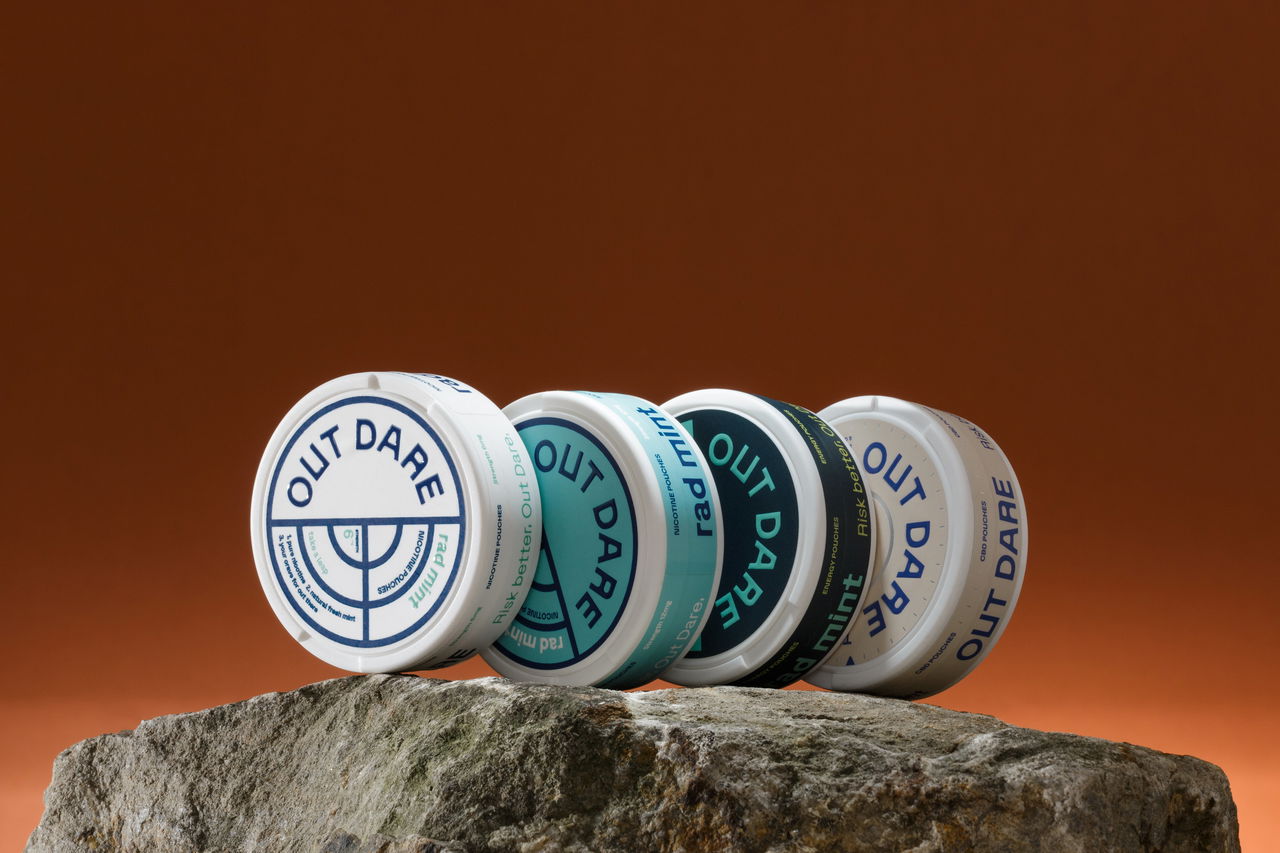

Best Natural Anxiety Relief Products for 2026
| Key Insight | Explanation |
|---|---|
| Ritual matters as much as chemistry | According to the 30/30/30 Addiction Rule, 60% of pouch dependency is habit and sensory cue — not nicotine. Addressing the ritual is just as important as addressing the chemical. |
| Adaptogens are clinically supported | Ashwagandha, L-Theanine, and magnesium glycinate have peer-reviewed evidence supporting their role in reducing cortisol and anxiety symptoms. |
| CBD shows real promise for anxious users | Research published in PMC indicates CBD interacts with serotonin receptors, offering measurable anxiety reduction without intoxication or dependency risk. |
| Nicotine itself amplifies anxiety long-term | What feels like a calming pouch is often just temporary withdrawal relief. Sustained nicotine use raises baseline anxiety and disrupts sleep architecture. |
| Delivery format determines effectiveness | Oral pouches, sublingual formats, and certain supplements absorb faster than capsules or edibles — making them better suited for acute anxiety relief. |
| Gradual substitution beats cold turkey | Most quit attempts fail because the ritual disappears entirely. Replacing nicotine pouches with functional alternatives preserves the habit loop while eliminating the chemical dependency. |
Introduction
Natural anxiety relief products have moved from the fringe of wellness culture to the center of it. As of 2026, the global anxiety supplement market is valued at over $5 billion and growing — driven by a generation that's burned out, overstimulated, and done with pharmaceutical side effects. Whether you're a nicotine pouch user whose habit is quietly fueling your 3pm anxiety spiral, a professional grinding through back-to-back meetings, or someone who just wants to sleep without a racing mind, there's a growing toolkit of evidence-backed options worth knowing about. [1]
This guide ranks the best natural anxiety relief products available in 2026, explains the science behind each one, and gives you a practical decision framework for matching the right product to your specific situation. We also cover something most anxiety guides ignore: the connection between oral habits, nicotine dependency, and chronic anxiety — and what you can actually do about it.
Top Natural Anxiety Relief Products for 2026
The best natural anxiety relief products in 2026 combine clinical evidence, clean formulation, and practical delivery formats that fit real life. Here are the top-ranked options based on peer-reviewed research, bioavailability, and real-world usability.
1. Ashwagandha (KSM-66 Extract)
Ashwagandha is an adaptogen (a plant compound that helps the body regulate its stress response) with some of the strongest clinical backing in the natural anxiety space. The KSM-66 form, a patented full-spectrum root extract, has been studied in multiple randomized controlled trials. One published study found that 300mg twice daily reduced serum cortisol by 27.9% and significantly lowered scores on standardized anxiety assessments compared to placebo. [2]
- Best for: Chronic stress, elevated cortisol, anxiety that builds over weeks rather than hours
- Typical dose: 300–600mg daily of KSM-66 extract
- Onset time: 2–4 weeks for full effect
- One limitation is: It's not fast-acting — poor choice for acute panic episodes
Pro Tip: Take ashwagandha with a fat-containing meal. The active compounds (withanolides) are fat-soluble, so absorption increases significantly when paired with food rather than taken on an empty stomach.
2. L-Theanine
L-Theanine is an amino acid found naturally in green tea that promotes alpha brainwave activity — the mental state associated with relaxed alertness. Unlike most sedatives, it calms without inducing drowsiness, making it a favorite among productivity-focused users who want anxiety relief without cognitive blunting. [3]
- Best for: Pre-presentation nerves, caffeine-induced jitters, daytime anxiety during focused work
- Typical dose: 100–200mg; often stacked with 50–100mg caffeine for a "clean energy" effect
- Onset time: 30–60 minutes
- Pros: Fast-acting, non-sedating, pairs well with other supplements
- Cons: Mild effects at lower doses; not sufficient for severe anxiety disorders
3. Magnesium Glycinate
Magnesium deficiency (low cellular magnesium levels, which impair neurotransmitter function) is surprisingly common — estimated to affect over 45% of adults in Western Europe as of 2024 data. The glycinate form is the best-absorbed oral variant and has been shown to reduce anxiety symptoms by regulating serotonin pathways and dampening the HPA axis (the hypothalamic-pituitary-adrenal stress response system). [1]
- Best for: Sleep-onset anxiety, muscle tension, general nervousness
- Typical dose: 200–400mg elemental magnesium before bed
- Onset time: Days to weeks for consistent benefit
- Pros: Inexpensive, widely available, excellent safety profile
- Cons: Glycinate form costs more than oxide; oxide is poorly absorbed
4. Lavender (Silexan / Oral Lavender Oil)
Lavender isn't just aromatherapy. Silexan, a standardized oral lavender oil preparation (80mg capsules), has been studied in several European clinical trials and shown to reduce generalized anxiety disorder (GAD) symptoms comparably to low-dose benzodiazepines — without dependency risk. According to the Mayo Clinic, lavender is among the better-evidenced herbal options for anxiety, though results vary by preparation. [4]
- Best for: Generalized anxiety, restlessness, sleep disturbance related to worry
- Typical dose: 80mg standardized Silexan daily
- Pros: Clinically validated, non-habit-forming, well-tolerated
- Cons: Standardized oral form is more expensive than essential oil; topical lavender lacks the same evidence base
5. Valerian Root
Valerian root has been used as a calming herb since ancient Greece, and modern research provides modest but consistent support for its anxiolytic (anxiety-reducing) properties, particularly for sleep-related anxiety. A 2022 systematic review published in PMC found valerian to be effective for mild neurological disorders including anxiety and insomnia when used consistently. [5]
- Best for: Evening anxiety, racing thoughts at bedtime, nicotine withdrawal restlessness
- Typical dose: 300–600mg extract, 30–60 minutes before bed
- Pros: Long safety record, affordable, widely available
- Cons: Strong smell; some users report vivid dreams; not ideal for daytime use
6. Kava Kava
Kava is a Pacific island plant whose active compounds, kavalactones, bind to GABA receptors — the same receptors targeted by prescription anti-anxiety medications. GoodRx notes kava as one of the more potent natural anxiety relief products, with some studies showing effects comparable to low-dose pharmaceutical anxiolytics. [6]
- Best for: Acute social anxiety, situational stress, short-term relief
- Typical dose: 70–250mg kavalactones per serving
- Pros: Fast-acting, strong anxiolytic effect, non-addictive at standard doses
- Cons: Potential liver toxicity with long-term high-dose use; not recommended with alcohol; banned or restricted in some EU countries
Pro Tip: If you're using kava for the first time, start with a "noble kava" variety (traditional root preparation) rather than supplements made from kava leaves or stems — the leaf and stem forms carry higher liver risk. Stick to 1–3 servings per week maximum.
7. CBD (Cannabidiol)
CBD is a non-psychoactive cannabinoid that interacts with the body's endocannabinoid system and serotonin (5-HT1A) receptors. Research published in PMC indicates that CBD demonstrates significant anxiolytic effects in both animal models and human trials, particularly for social anxiety disorder and stress-induced anxiety. [5] Unlike THC, it produces no intoxication and carries no dependency profile.
- Best for: Social anxiety, post-work decompression, evening wind-down, nicotine quit support
- Typical dose: 15–50mg per serving, depending on format
- Pros: Non-psychoactive, no dependency risk, multiple delivery formats
- Cons: Regulatory status varies across EU countries; quality varies widely between brands
8. Chamomile Extract
Chamomile is one of the most widely consumed herbs globally, and its active flavonoid apigenin binds to benzodiazepine receptors in the brain — producing mild sedative and anxiolytic effects. According to Mayo Clinic, chamomile has shown evidence for reducing symptoms of worry and excitability in small clinical studies. [4]
- Best for: Mild daily anxiety, digestive anxiety (the gut-brain connection is real), pre-sleep calm
- Typical dose: 220–1,100mg standardized extract; or 1–2 cups of strong chamomile tea
- Pros: Extremely safe, widely available, pleasant taste
- Cons: Mild effect only; not adequate for moderate-to-severe anxiety
9. Lemon Balm
Lemon balm (Melissa officinalis) works by inhibiting GABA transaminase, an enzyme that breaks down GABA — effectively increasing calming neurotransmitter activity in the brain. Mayo Clinic identifies lemon balm as one of the herbal options with evidence for reducing worry and excitability. [4] It's often combined with valerian for a synergistic sleep-and-anxiety formula.
- Best for: Mild anxiety, restlessness, nervous digestion
- Typical dose: 300–600mg extract, up to twice daily
- Pros: Gentle, well-tolerated, pairs well with other herbs
- Cons: Evidence base is smaller than ashwagandha or magnesium
10. Inositol
Inositol is a naturally occurring sugar alcohol found in fruits, beans, and grains that plays a key role in serotonin and dopamine signaling. AARP's health guidance notes that inositol supplementation has shown promise for treating anxiety and panic attacks, with some studies using doses of 12–18g daily for panic disorder. [3]
- Best for: Panic attacks, OCD-related anxiety, hormonal anxiety
- Typical dose: 2–18g daily (higher doses for panic disorder)
- Pros: Good safety profile, addresses serotonin signaling directly
- Cons: High doses required for clinical effect; can cause mild GI discomfort
| Product | Best For | Onset Speed | Evidence Level | Dependency Risk |
|---|---|---|---|---|
| Ashwagandha (KSM-66) | Chronic stress | 2–4 weeks | Strong | None |
| L-Theanine | Daytime focus anxiety | 30–60 min | Moderate–Strong | None |
| Magnesium Glycinate | Sleep anxiety | Days–weeks | Moderate–Strong | None |
| Lavender (Silexan) | GAD, restlessness | 1–2 weeks | Strong | None |
| Kava Kava | Acute social anxiety | 30–60 min | Moderate | Low (standard dose) |
| CBD | Evening calm, quit support | 15–45 min | Moderate–Strong | None |
| Chamomile Extract | Mild daily anxiety | 30–60 min | Moderate | None |
| Inositol | Panic attacks | Weeks | Moderate | None |
Herbal Remedies That Actually Work for Anxiety
Herbal remedies for anxiety work through several distinct biological mechanisms — GABA modulation, HPA axis regulation, and serotonin receptor activity — making them meaningfully different from each other, not just interchangeable "calming herbs." Choosing the right one depends on understanding which mechanism matches your anxiety pattern. [5]
GABA-Pathway Herbs: Fast and Sedating
GABA (gamma-aminobutyric acid) is the brain's primary inhibitory neurotransmitter. When it's low, the nervous system stays in a state of overactivation — racing thoughts, muscle tension, difficulty sleeping. Kava, valerian, and lemon balm all work through this pathway.
A common mistake practitioners make is stacking multiple GABA-active herbs simultaneously. Combining kava with valerian and alcohol, for example, can produce excessive sedation. Use one GABA-pathway herb at a time, particularly if you're also using any pharmaceutical anxiolytics.
- Kava: Fastest-acting, strongest effect, best for situational anxiety
- Valerian: Gentler, better suited for sleep-onset anxiety
- Lemon Balm: Mildest, good for everyday nervous tension
Adaptogen Herbs: Slow and Systemic
Adaptogens don't produce immediate calm. They work by normalizing the HPA axis stress response over days and weeks — reducing the overall reactivity of your stress system rather than blunting an acute episode. Think of them as long-term infrastructure, not emergency tools.
Research from Jefferson Health indicates that ashwagandha specifically helps manage anxiety by regulating serotonin and improving brain function — with meaningful results typically appearing after two to four weeks of consistent use. [1]
- Ashwagandha: Best evidence base, cortisol-reducing, supports sleep quality
- Rhodiola Rosea: Better for fatigue-driven anxiety; improves stress resilience
- Holy Basil (Tulsi): Mild adaptogen with additional anti-inflammatory properties
In practice, the most effective natural anxiety relief strategy combines one adaptogen (daily, long-term) with one fast-acting option (situational, as needed). This mirrors how evidence-based practitioners approach anxiety management — baseline support plus acute relief tools.
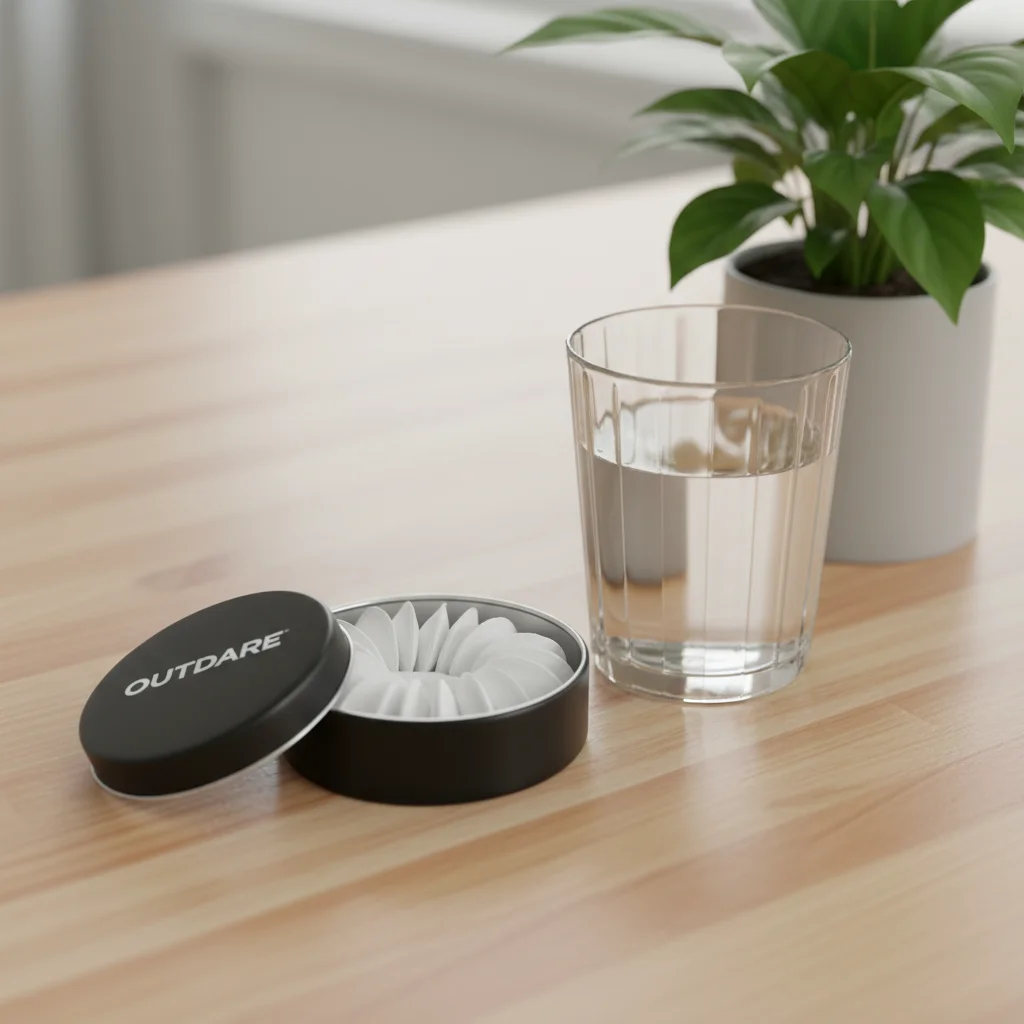
CBD and Functional Pouches: The Modern Anxiety Ritual
CBD oral pouches represent one of the fastest-growing delivery formats for natural anxiety relief in Europe as of 2026, combining rapid sublingual absorption with the discreet, ritualistic format that many users — especially former nicotine pouch users — already find comforting.
Why Delivery Format Matters for Anxiety Relief
A supplement's format determines how fast it works. Capsules and tablets must pass through the digestive system before reaching the bloodstream — typically 45–90 minutes. Oral pouches placed under the lip allow compounds to absorb through the buccal mucosa (the thin membrane lining the inside of the mouth), reaching the bloodstream significantly faster.
This matters for anxiety because acute anxiety episodes don't wait 90 minutes. The ability to get CBD or calming compounds into circulation within 15–30 minutes changes the practical utility of the product entirely.
- Oral pouches: 15–30 minute onset via buccal absorption
- Sublingual tinctures: 15–45 minutes
- Capsules/tablets: 45–90 minutes
- Edibles: 60–120 minutes, highly variable
The Outdare CBD Pouch: Calm Without the Compromise
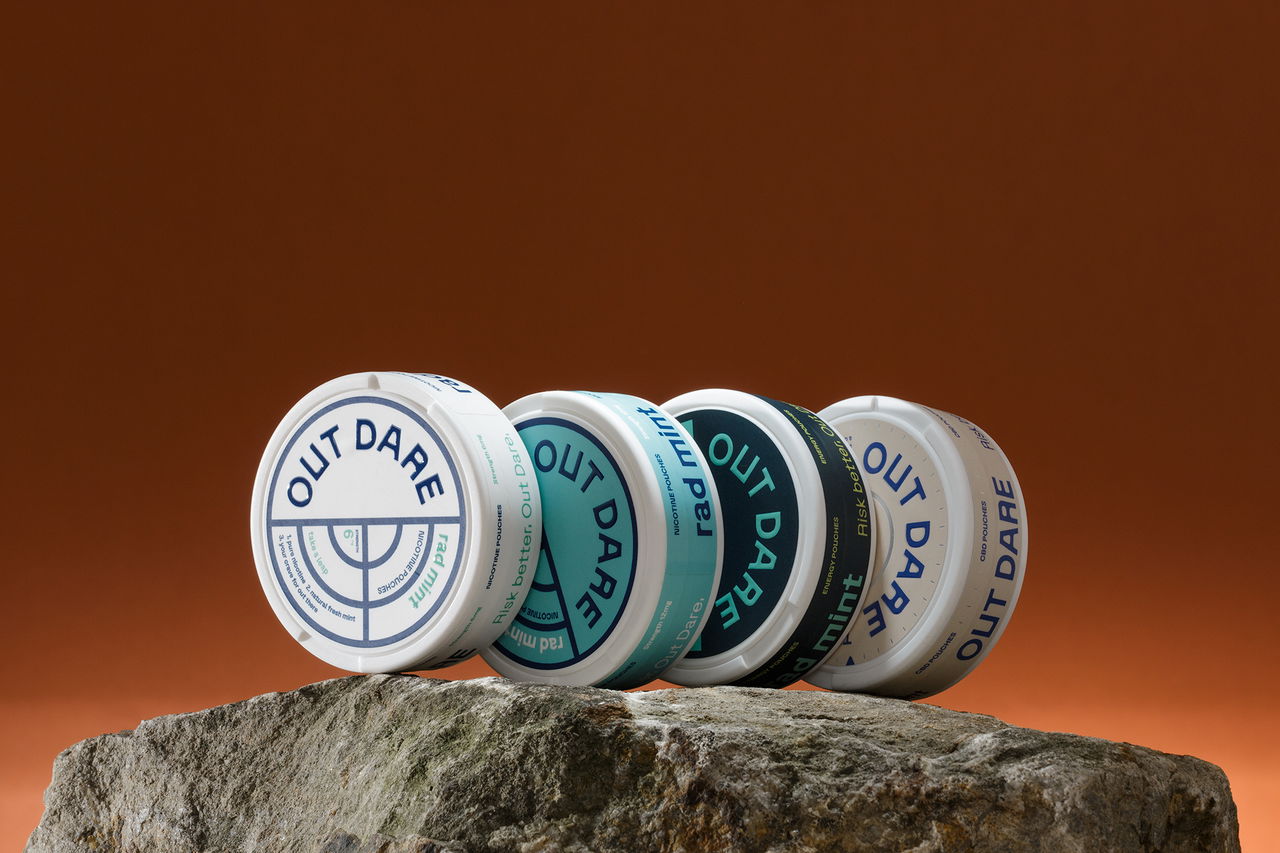
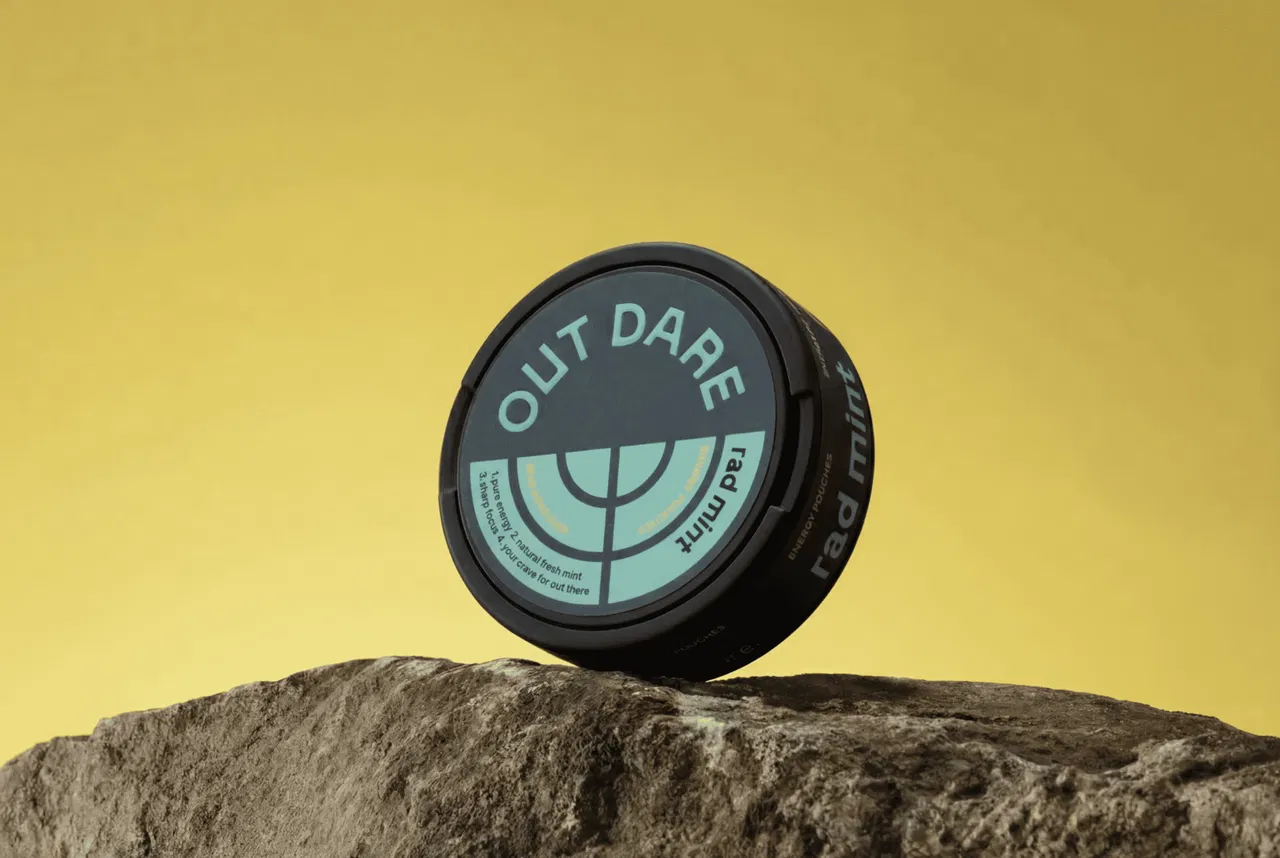
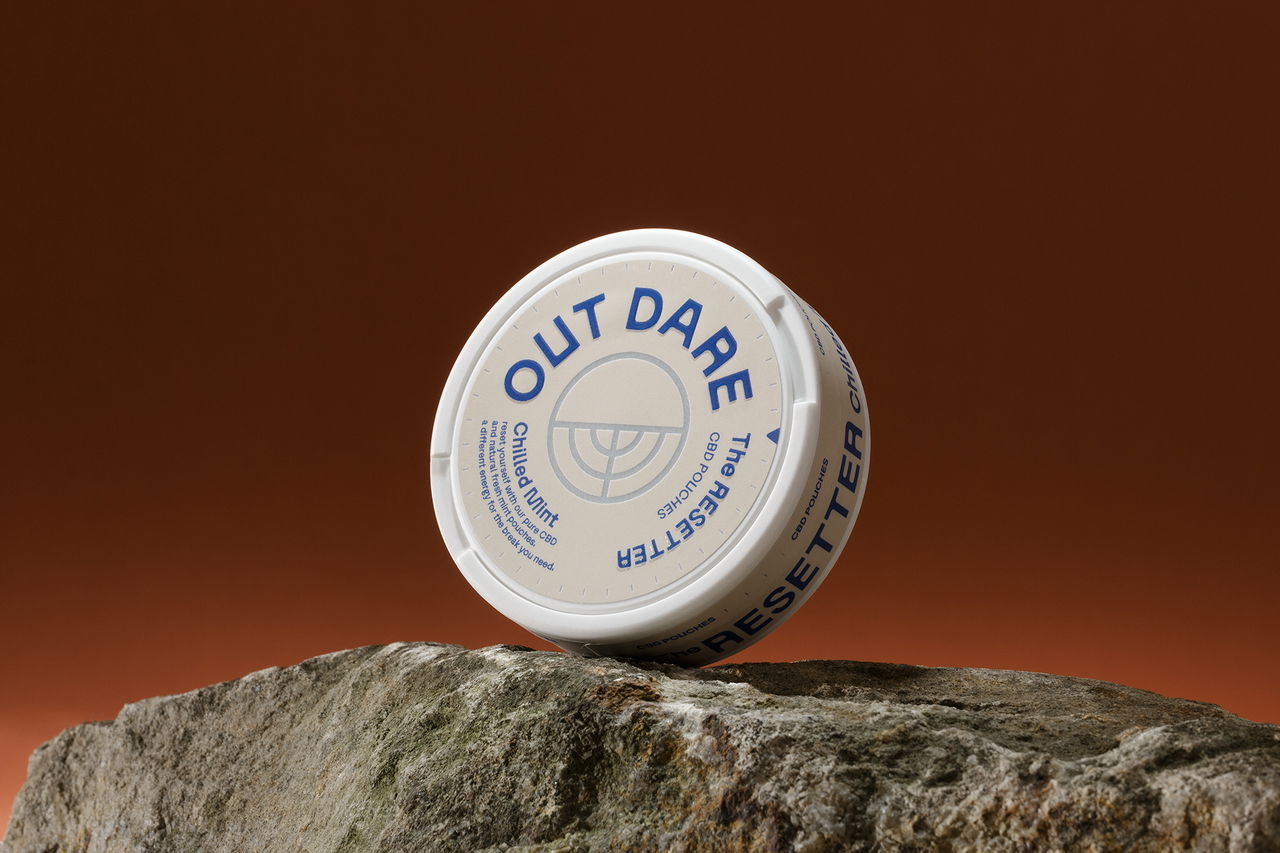
At Outdare LTD, we've found that the biggest barrier to natural anxiety relief for nicotine pouch users isn't finding the right compound — it's finding a delivery format that doesn't feel like a downgrade. A CBD capsule doesn't replace the ritual of a pouch under the lip. An adaptogen tea doesn't fit in your pocket at a work meeting.
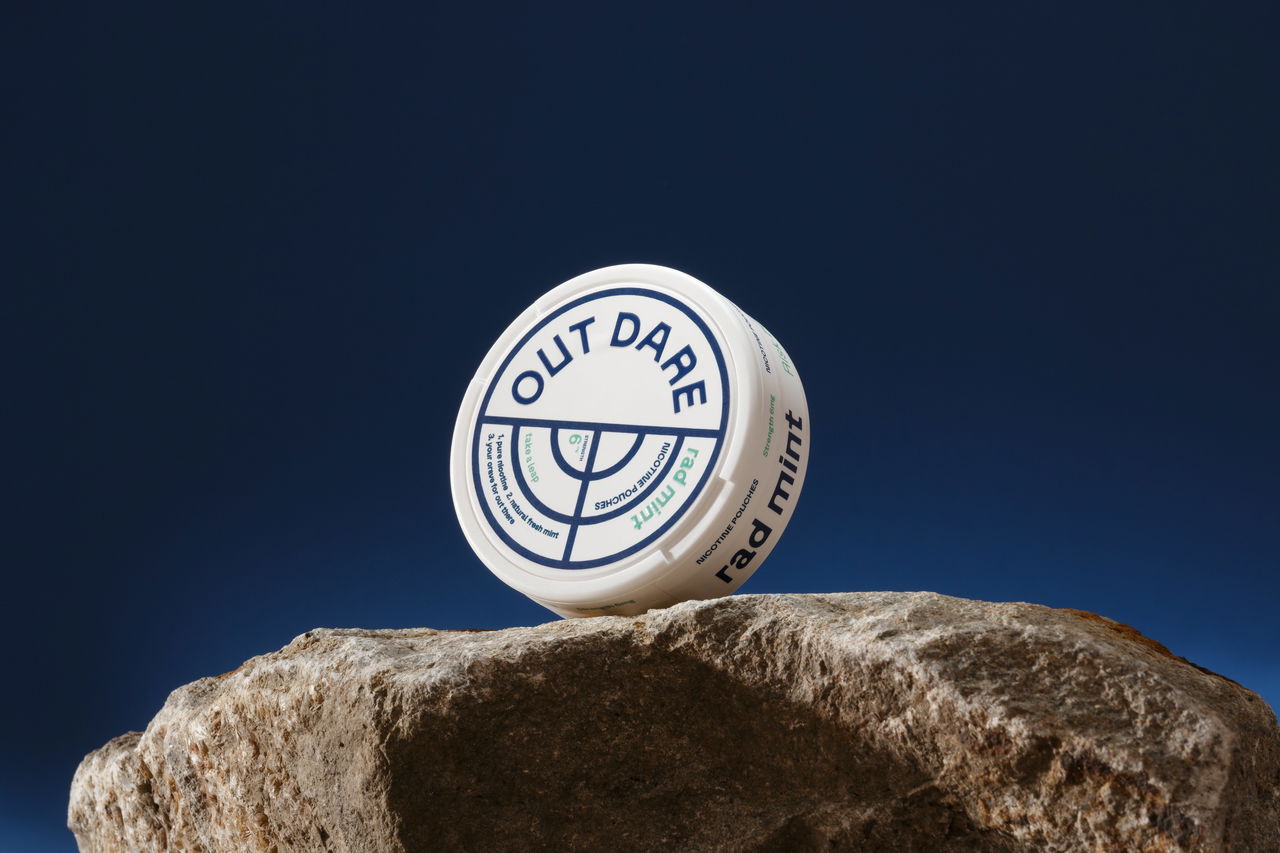
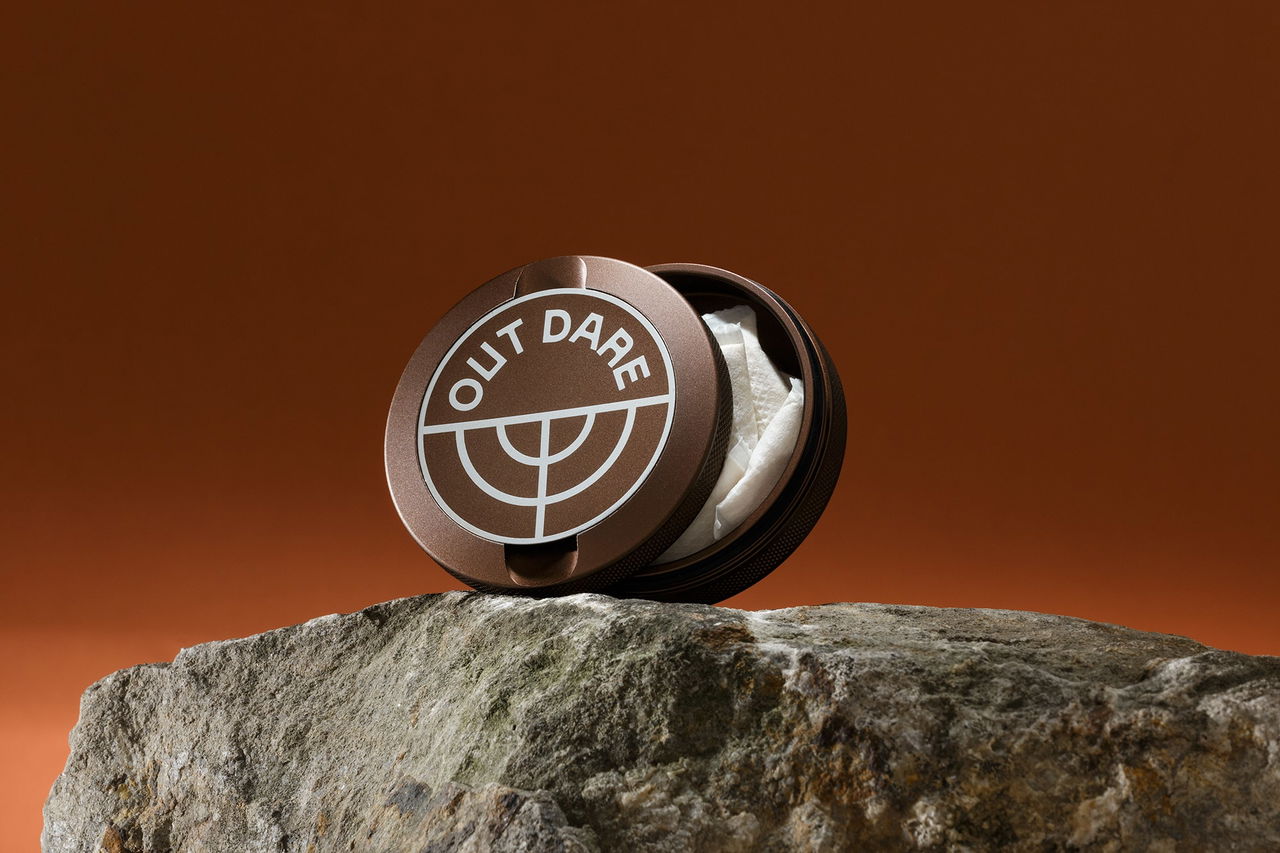
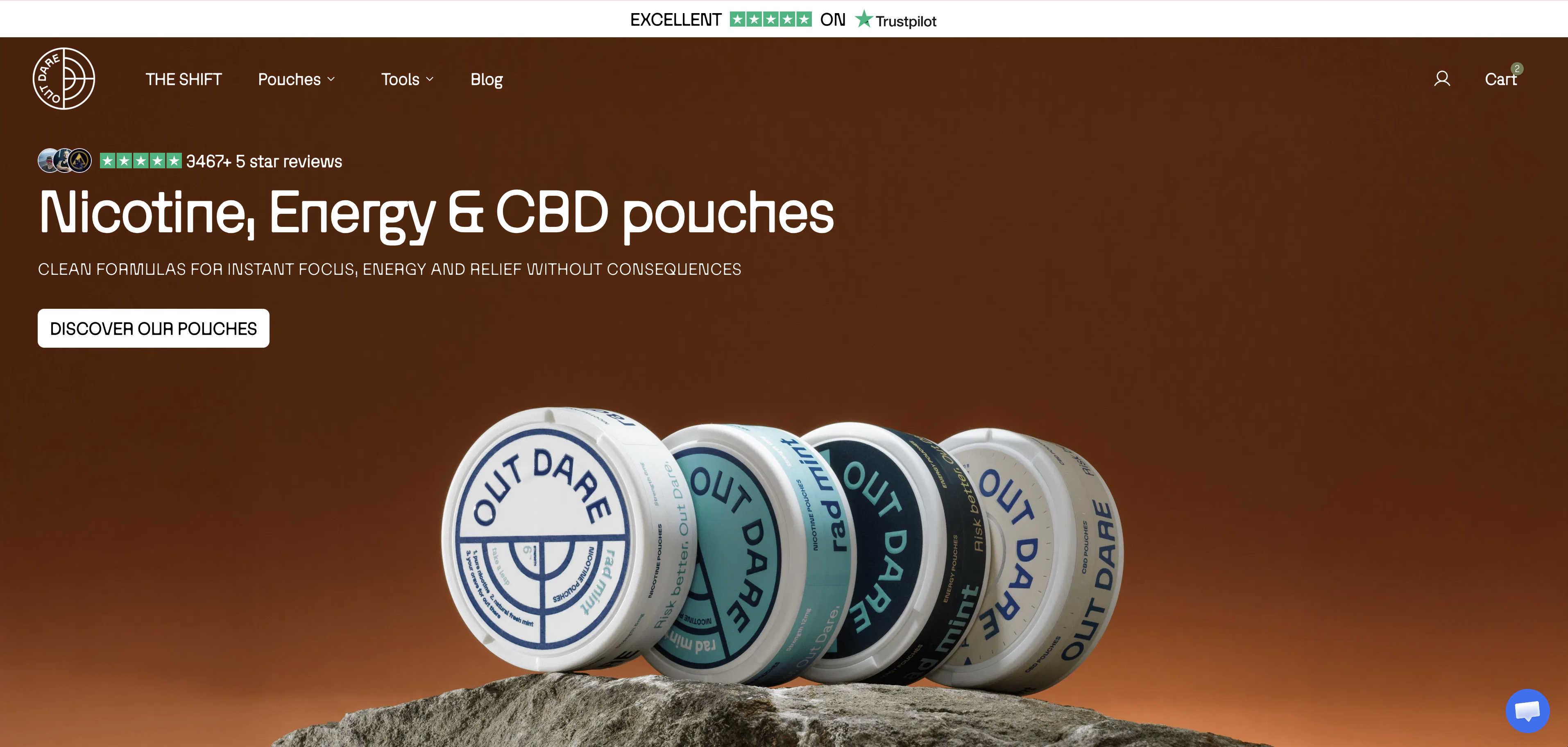
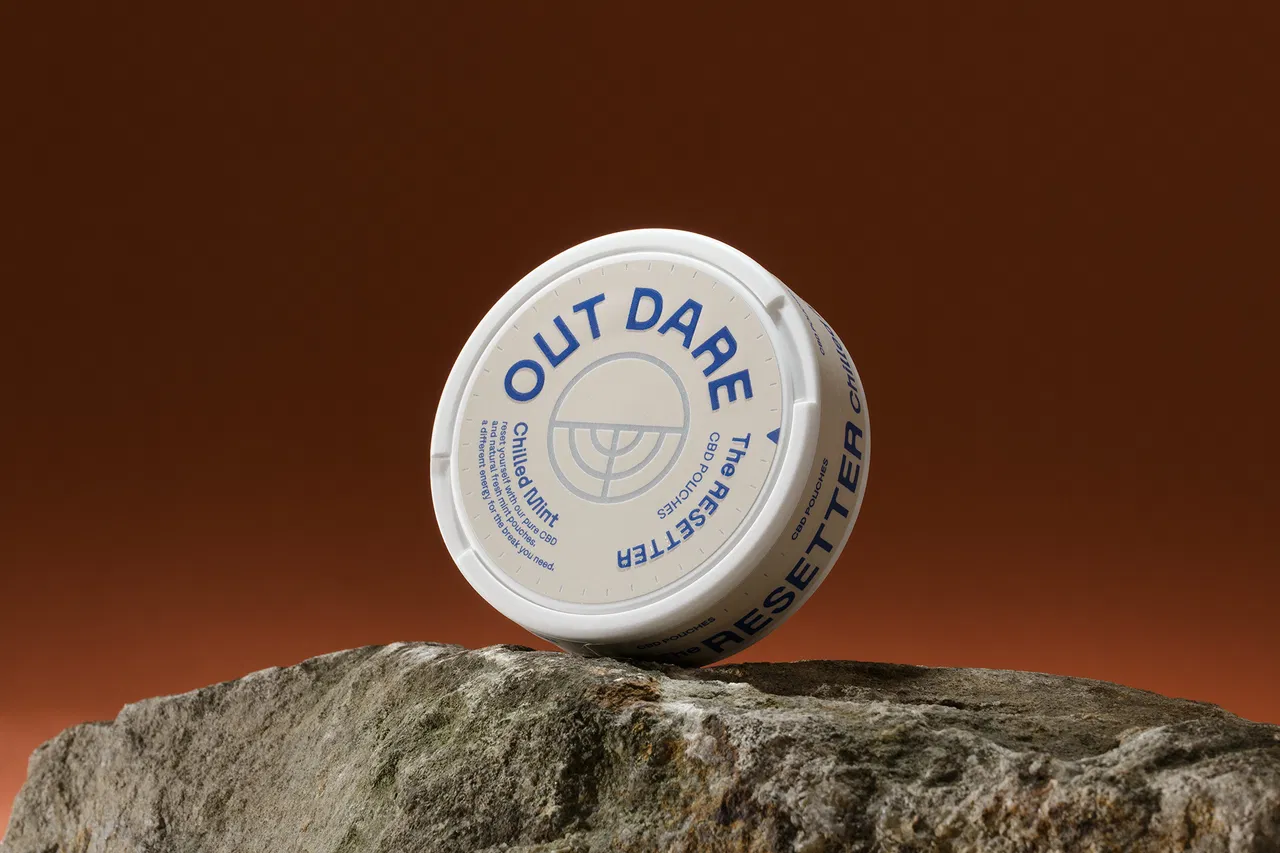
The Outdare CBD pouch was designed specifically for this gap. It delivers CBD with zero nicotine, zero tobacco, and zero psychoactive compounds — in the same mint flavor, same physical mouthfeel, and same gum burn as the nicotine variant. The brain gets the full sensory ritual. The body gets the calming compound. No compromise on either end.
This is particularly relevant for nicotine pouch users managing anxiety, because many of them are caught in a frustrating loop: nicotine feels calming in the short term (it's just relieving withdrawal), but it raises baseline anxiety over time and disrupts sleep architecture. Replacing evening nicotine pouches with CBD pouches addresses both problems simultaneously.
Pro Tip: If you're a nicotine pouch user experiencing evening anxiety or poor sleep, try replacing your last two pouches of the day with CBD pouches for two weeks before making any other changes. You'll keep the full ritual intact while removing the compound most likely to be disrupting your sleep and elevating your baseline anxiety.
The Nicotine-Anxiety Connection You're Probably Ignoring
Nicotine and anxiety have a well-documented bidirectional relationship: nicotine provides short-term relief from anxiety symptoms, but sustained use raises baseline anxiety levels and creates a dependency cycle that mimics — and worsens — chronic anxiety disorder. [2]
Why Nicotine Feels Calming (But Isn't)
Here's the uncomfortable truth. That calm you feel after placing a pouch isn't nicotine reducing your anxiety. It's nicotine relieving the withdrawal anxiety that nicotine created. The relief feels real because it is real — but you're running on a hamster wheel.
Chronic nicotine use dysregulates the dopamine and norepinephrine systems, which are directly involved in anxiety regulation. As tolerance builds, the baseline anxiety level rises. More pouches are needed to feel "normal." By the time users are burning through a can a day, they're not using nicotine for energy or focus — they're using it to avoid the anxiety that comes from not having it.
- Nicotine elevates heart rate and blood pressure, mimicking physiological anxiety symptoms
- Withdrawal between pouches produces irritability, restlessness, and difficulty concentrating
- Disrupted sleep from evening nicotine use compounds anxiety the following day
- Gut dysbiosis (imbalance in the gut microbiome) linked to heavy nicotine use can worsen anxiety via the gut-brain axis
The 30/30/30 Solution: Breaking the Loop
The 30/30/30 Addiction Rule identifies three components of nicotine pouch dependency: 30% chemical (the nicotine itself), 30% physical habit (the oral sensation and pillow feeling), and 30% sensory cue (the burn and mint flavor). Most quit attempts fail because they remove all three simultaneously — cold turkey strips the chemical, the ritual, and the sensory cue at once, and the brain experiences it as total deprivation.
The smarter approach is to address only the 30% chemical component while keeping the other 60% intact. Functional pouches — Energy for focus, CBD for calm — that share the identical taste, burn, and mouthfeel as the nicotine variant allow users to maintain the ritual while progressively reducing chemical exposure. Most users who follow this structured approach reduce their nicotine intake by 60–90% within the first month.
A common mistake is trying to manage anxiety and nicotine dependency as separate problems. They're the same problem. Addressing the nicotine loop is one of the most effective natural anxiety relief interventions available to heavy pouch users — and it doesn't require white-knuckling through withdrawal.
How to Choose the Right Natural Anxiety Relief Product
Choosing the right natural anxiety relief product depends on three variables: your anxiety type (chronic vs. acute), your existing habits (particularly oral habits or stimulant use), and your timeline (how fast you need results). There's no universal best option — the right product is the one that matches your specific pattern.
The Decision Framework: Match Product to Anxiety Type
- Chronic, background anxiety (always-on stress): Start with ashwagandha KSM-66 + magnesium glycinate. These address the root HPA axis dysregulation rather than masking symptoms.
- Acute, situational anxiety (presentations, social events): L-Theanine or kava for fast-acting relief. Take 30–60 minutes before the trigger event.
- Evening and sleep-related anxiety: Valerian, magnesium glycinate, or a CBD pouch 30–60 minutes before bed.
- Anxiety driven by nicotine dependency: The Outdare 3-pouch substitution system, starting with replacing evening pouches with CBD variants.
- Anxiety + need for daytime focus: L-Theanine stacked with moderate caffeine (the 2:1 theanine-to-caffeine ratio is the most studied combination for calm alertness).
What to Look for in Product Quality
The supplement industry remains inconsistently regulated across EU member states as of 2026. Quality varies dramatically between brands. Use these markers to filter credible products:
- Standardized extracts: Look for specific extract designations (KSM-66 for ashwagandha, Silexan for lavender) rather than generic "herbal extract"
- Third-party testing: Certificates of Analysis (CoA) from independent labs confirm potency and purity
- Clean ingredient lists: Avoid products with unnecessary fillers, artificial colorings, or undisclosed proprietary blends
- European manufacturing: EU-manufactured products are subject to stricter GMP (Good Manufacturing Practice) standards than many imports
- Transparent dosing: Products that list exact milligrams of active compounds per serving, not just total extract weight
Results may vary based on individual biochemistry, existing health conditions, and consistency of use. Natural anxiety relief products work best as part of a broader approach that includes sleep hygiene, exercise, and stress management — not as standalone fixes. If anxiety is severe or significantly impairs daily functioning, consult a qualified healthcare provider before relying solely on natural options.
Sources & References
- Jefferson Health, "8 Supplements that Can Help Reduce Anxiety, According to a Psychiatrist," 2023
- GoodRx, "14 Over-the-Counter (OTC) Natural Remedies for Anxiety," 2024
- AARP, "7 Supplements That May Help With Anxiety," 2024
- Mayo Clinic, "Herbal Treatment for Anxiety: Is It Effective?," 2024
- PMC / NCBI, "Medicinal Plants Used for Anxiety, Depression, or Stress Treatment," 2022
- Healthline, "7 Useful Anxiety Relief Products Used by Our Editors," 2024
- Forbes Health, "5 Top Natural Supplements For Anxiety, Recommended By Experts," 2024
Frequently Asked Questions
1. What are the most effective natural anxiety relief products available in 2026?
The most evidence-backed natural anxiety relief products as of 2026 include ashwagandha KSM-66 (for chronic stress), L-Theanine (for daytime anxiety without sedation), magnesium glycinate (for sleep-related anxiety), lavender Silexan (for generalized anxiety), and CBD in fast-absorbing formats like oral pouches. The right choice depends on whether your anxiety is chronic or acute, and whether it's linked to stimulant or nicotine use.
2. Can nicotine pouches cause anxiety, or do they relieve it?
Both, depending on timing. Nicotine provides short-term relief from anxiety symptoms — but that relief is largely withdrawal relief, not genuine anxiolytic action. Long-term, sustained nicotine use raises baseline anxiety, disrupts sleep, and dysregulates the dopamine and norepinephrine systems. Heavy pouch users often find that reducing nicotine intake through a structured substitution system (like the Outdare 4-Week Method) significantly lowers their overall anxiety levels within weeks.
3. How quickly do natural anxiety supplements work?
Speed varies significantly by product. L-Theanine and kava can reduce acute anxiety within 30–60 minutes. CBD via oral pouch or sublingual tincture typically takes 15–45 minutes. Ashwagandha and magnesium glycinate require 2–4 weeks of consistent use to produce meaningful results. For best outcomes, use a fast-acting option for acute episodes and a daily adaptogen for baseline stress management.
4. Are CBD pouches legal in Europe?
CBD derived from hemp (containing less than 0.2–0.3% THC, depending on the country) is legal in most EU member states, including France, Denmark, Ireland, Finland, the Netherlands, and Slovenia. Regulations are evolving as of 2026, so it's worth confirming the specific rules in your country. Outdare's CBD pouches are formulated to comply with European standards and contain zero THC.
5. Can I combine multiple natural anxiety supplements?
Many combinations are safe and even synergistic — L-Theanine with caffeine is one of the most studied stacks for calm focus. Ashwagandha pairs well with magnesium glycinate for chronic stress. One pitfall to watch for: don't stack multiple GABA-active herbs (kava, valerian, lemon balm) simultaneously, especially with alcohol, as excessive sedation can result. Always consult a healthcare provider if you're on prescription medications.
6. What's the difference between adaptogens and anxiolytics?
Adaptogens (like ashwagandha and rhodiola) work by normalizing the body's stress response system over time — they don't produce immediate calm but reduce overall stress reactivity. Anxiolytics (like kava, valerian, and CBD) work more directly on GABA or serotonin receptors to reduce anxiety acutely. Most effective natural anxiety protocols use both: an adaptogen daily for baseline support, and an anxiolytic as needed for acute episodes.
7. Do natural anxiety relief products work for panic attacks?
Some do. Inositol has the strongest evidence base for panic disorder specifically, with studies using 12–18g daily. Kava and CBD can help reduce the intensity of acute panic episodes. That said, natural anxiety relief products are generally better suited for prevention and baseline management than for stopping a full panic attack mid-episode. If you experience frequent panic attacks, working with a mental health professional alongside natural approaches is strongly recommended.
8. How does the Outdare CBD pouch compare to other CBD anxiety products?
The primary differentiator is delivery format and ritual design. Most CBD products come as capsules (slow onset), oils (fast but inconvenient), or edibles (variable onset). The Outdare CBD pouch absorbs through the buccal mucosa for faster onset, fits discreetly in any social context, and — critically — shares the exact same taste, burn, and mouthfeel as the nicotine pouch variants. For nicotine pouch users, this makes it a genuine ritual replacement rather than a clinical supplement.
Conclusion
The landscape for natural anxiety relief products in 2026 is more developed than it's ever been. Ashwagandha, magnesium glycinate, L-Theanine, lavender Silexan, CBD, and valerian all have meaningful clinical evidence behind them — the question is matching the right product to the right anxiety pattern, not just picking the most popular option.
For nicotine pouch users, there's an additional layer that most anxiety guides skip entirely. The habit itself may be the primary anxiety driver. Addressing the nicotine loop through structured substitution — keeping the ritual intact while replacing the chemical — is one of the most effective anxiety interventions available to this group. It's not about willpower. It's about having the right tools.
Outdare LTD was built around exactly this insight. Three pouches. Same taste, same burn, same ritual. But now you choose what's inside: nicotine when you actually want it, clean energy when you need focus, and CBD when you need to reset. Most users reduce their nicotine intake by 60–90% in the first month — and report lower baseline anxiety as a direct result. Natural anxiety relief products work best when they fit your life without friction. That's the standard worth holding every option to.
Recommended Articles
Explore more from our content library: