




Are Caffeine Pouches Addictive? Understanding Caffeine Pouches and Their Effects
Written by
Published
Fri, 26/12/2025
Caffeine pouches are a relatively new product on the market, offering a discreet and convenient way to consume caffeine. These pouches are gaining popularity, especially among teens and young adults, as an alternative to coffee or energy drinks. But with their increasing use, a crucial question arises: Are caffeine pouches addictive?
What are Caffeine Pouches?
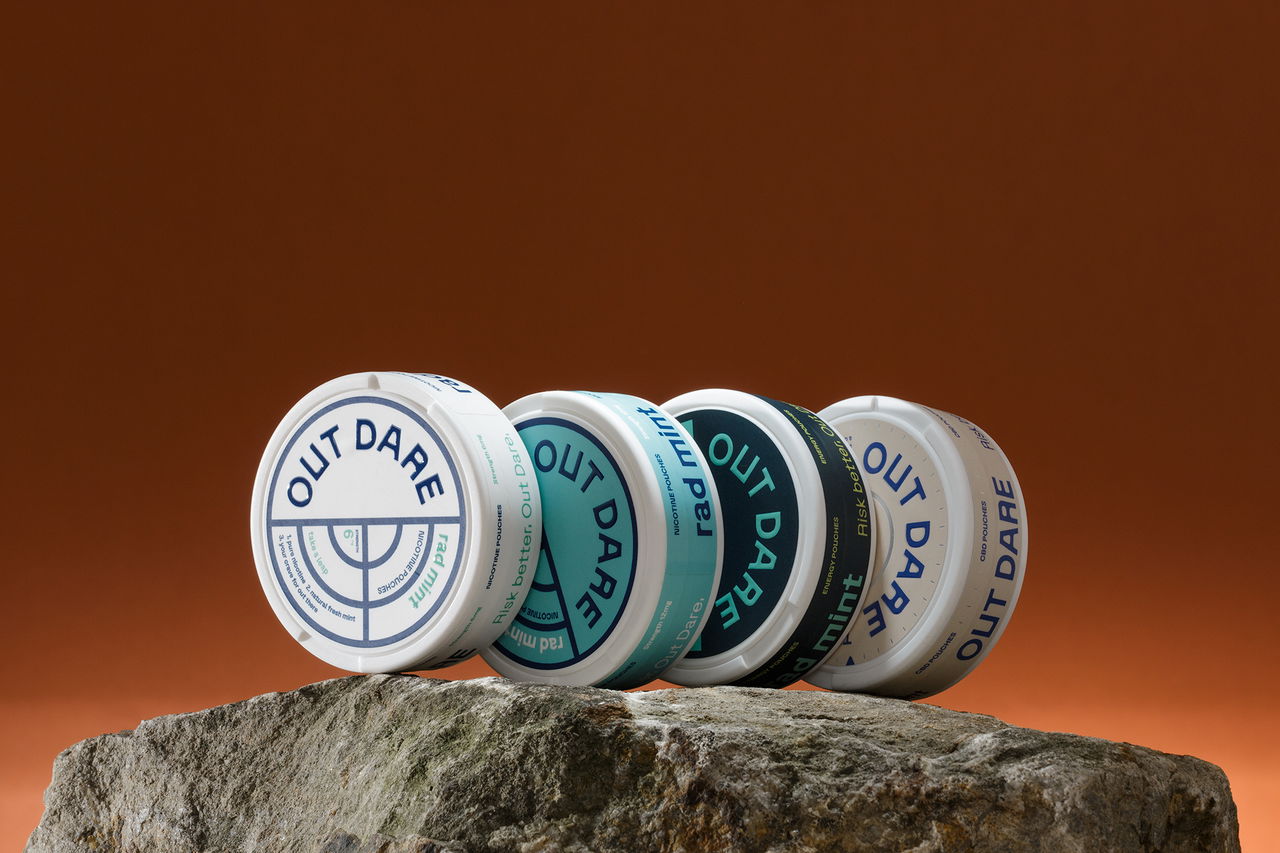
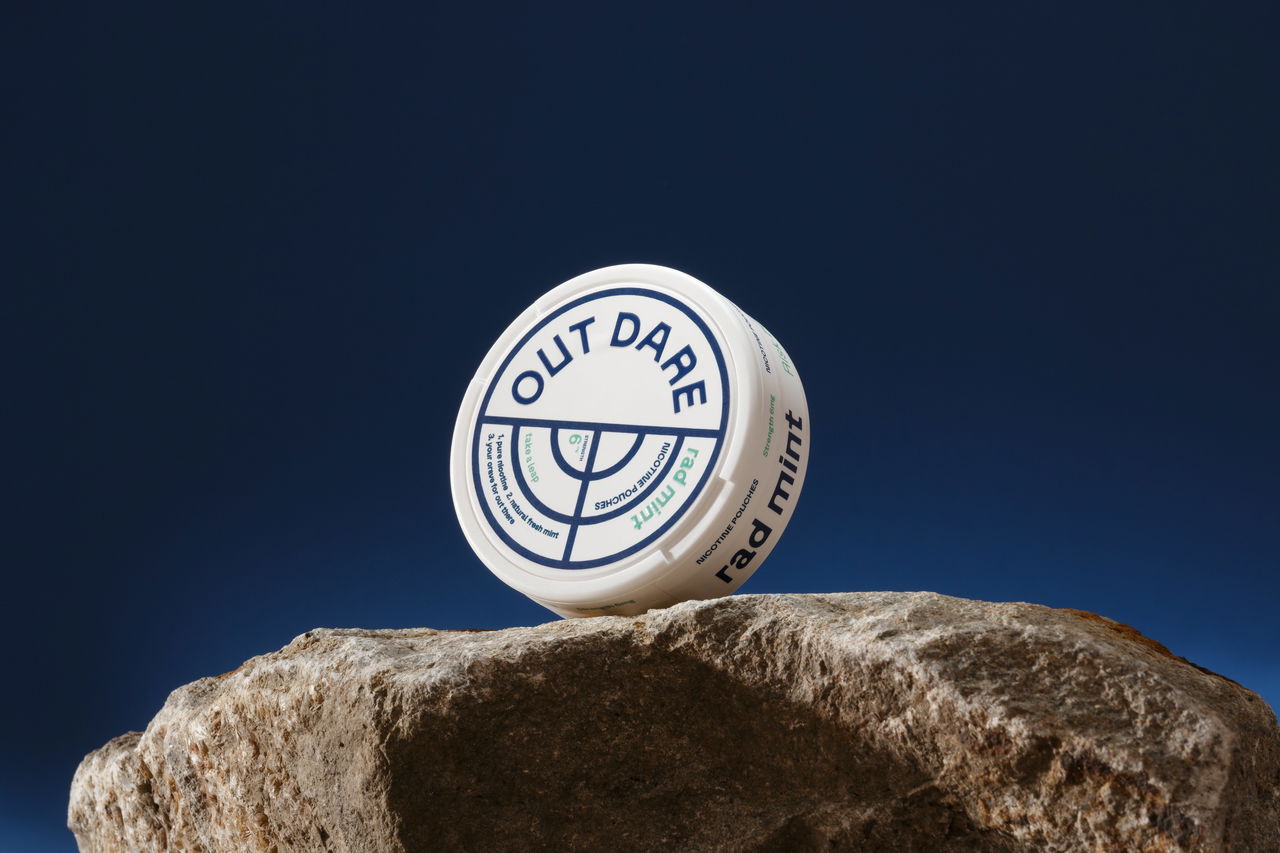
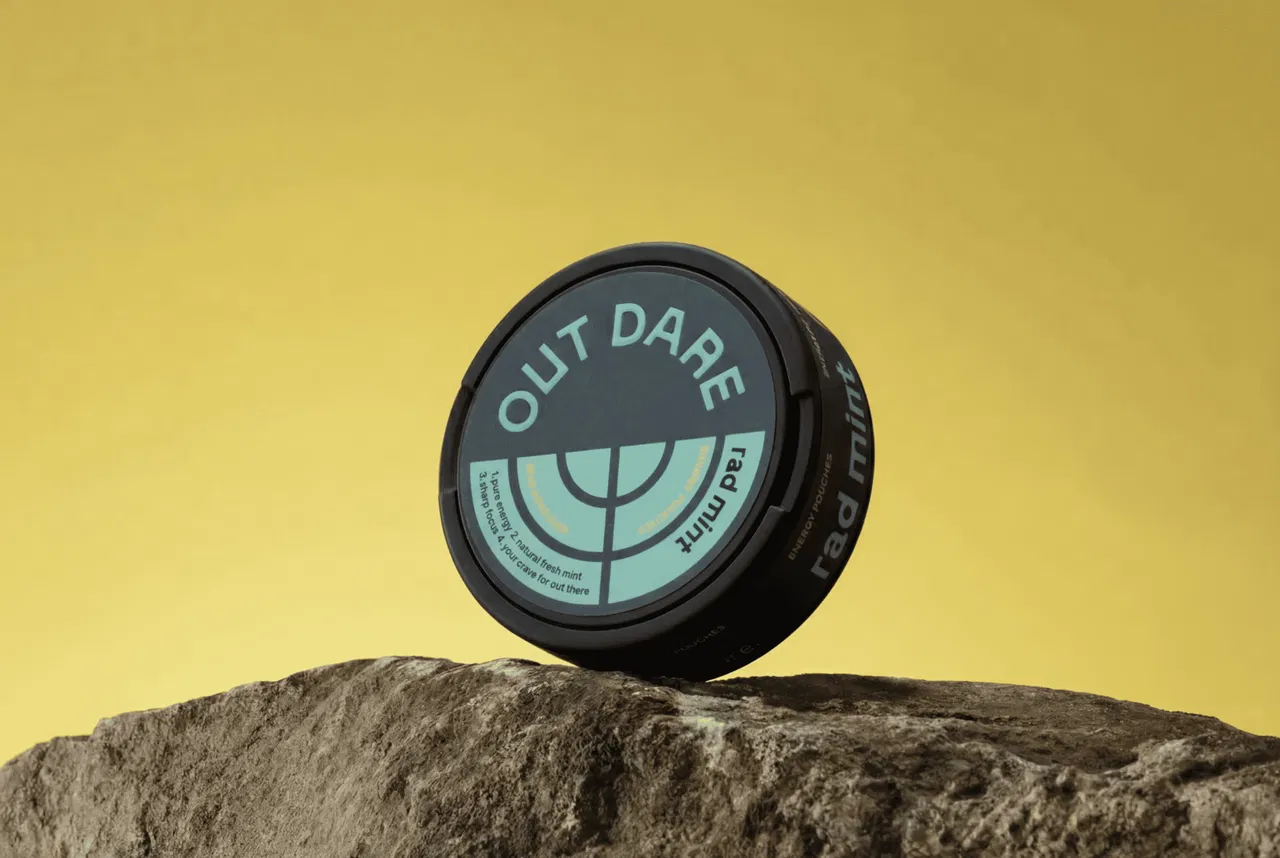
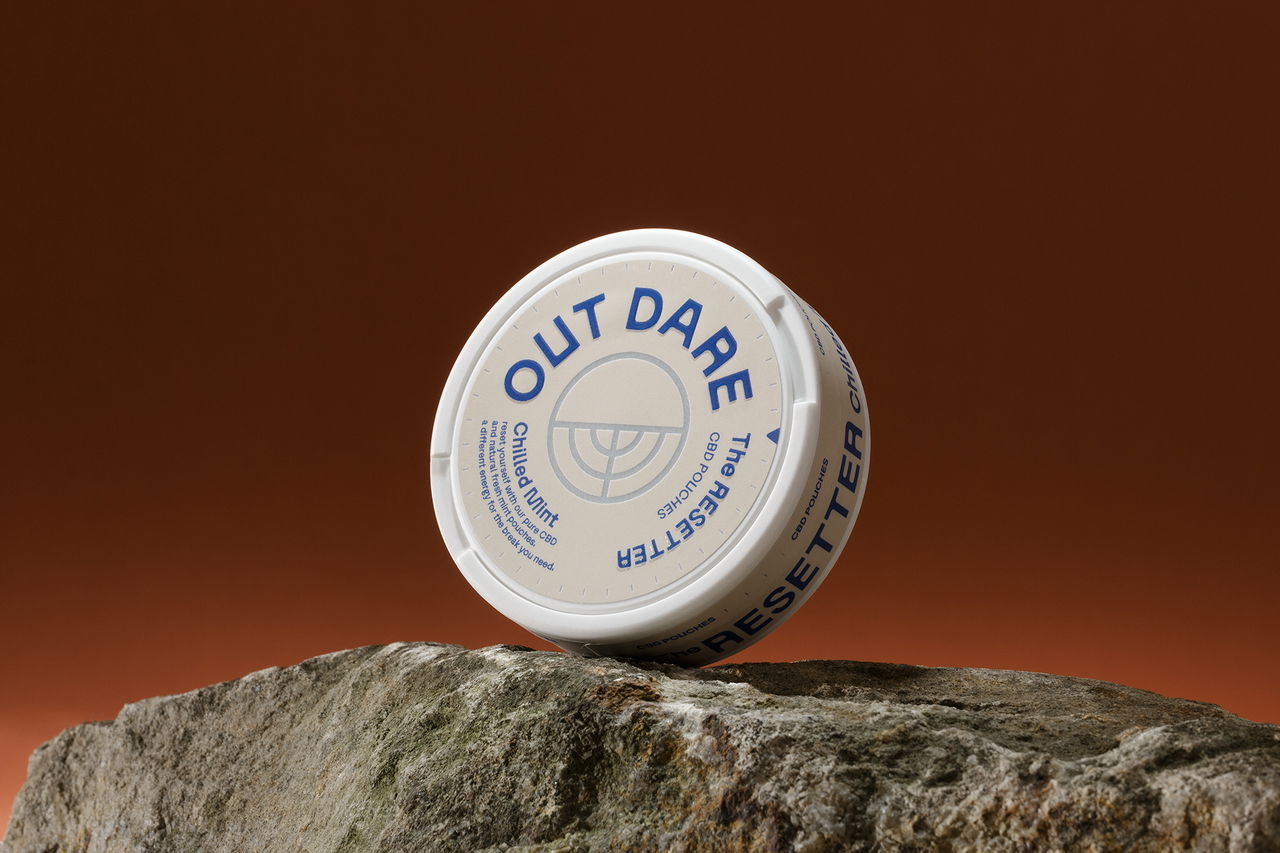
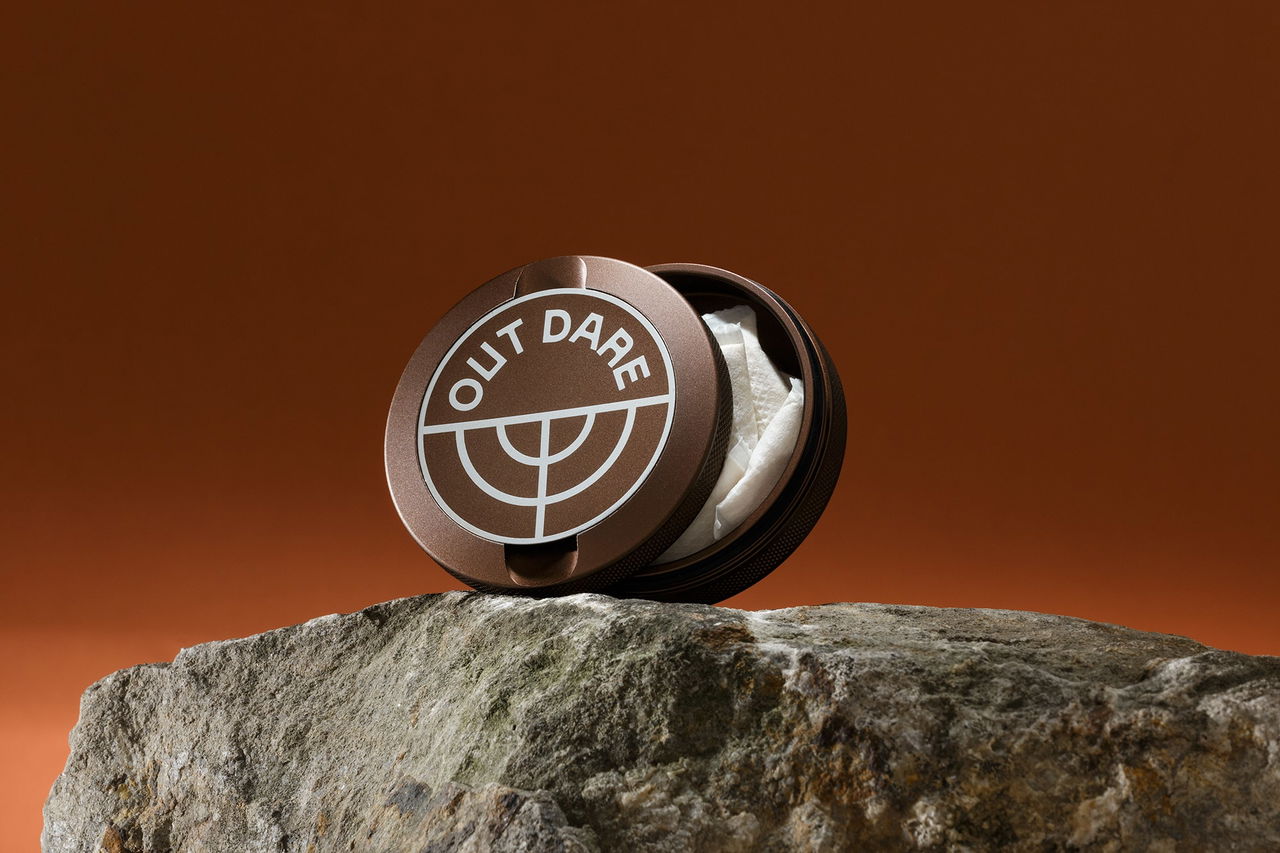
Caffeine pouches are small, pre-portioned packets that contain caffeine, along with other ingredients, but no tobacco. Similar in appearance and usage to nicotine pouches, caffeine pouches look like small teabags and are placed between the gum and lip, where the caffeine is absorbed into the bloodstream. The pouches contain varying amounts of caffeine; however, most brands offer different strengths, allowing consumers to choose their desired caffeine dose.
Method
Caffeine Pouches
Coffee/Energy Drinks
Delivery
Direct absorption into the bloodstream
Indirect delivery
Unlike coffee or energy drinks, caffeine pouches deliver a concentrated dose of caffeine directly into the system, leading to a quicker and potentially stronger effect. The convenience and discreet nature of caffeine pouches may contribute to their appeal, especially among young people looking for a quick energy boost.
Caffeine Content and Effects
The caffeine content in caffeine pouches is a significant factor in understanding their potential for addiction. The amount of caffeine per pouch can vary widely depending on the brand and strength, but some pouches contain as much caffeine as two cups of coffee. For example, some pouches may contain 50 mg of caffeine, while others may contain 100mg of caffeine or even 200mg of caffeine per pouch. This high dose of caffeine can lead to several physiological effects, including increased heart rate, heightened alertness, and improved focus. However, these effects can also be accompanied by side effects such as anxiety, insomnia, and jitteriness, particularly in individuals who are sensitive to caffeine. The fact that caffeine pouches contain a significant amount of caffeine raises concerns about excessive caffeine consumption, especially if users are not mindful of the caffeine content per pouch and use caffeine pouches frequently.
Effects of Caffeine Pouches
Short-term Effects of Caffeine
The short-term effects of caffeine pouches are primarily related to the stimulant properties of caffeine. After placing a caffeine pouch between the gum and lip, the caffeine is rapidly absorbed into the bloodstream. This rapid absorption often leads to a quick energy boost and increased alertness. The effects of caffeine pouches typically include a heightened heart rate and improved focus, making them appealing for individuals seeking a mental edge. However, these effects can also manifest as less desirable symptoms, particularly among young adults or those sensitive to caffeine. Anxiety, jitteriness, and insomnia are common short-term side effects of using caffeine pouches, especially when using high doses of caffeine or exceeding recommended caffeine consumption. The caffeine content in pouches can significantly impact these effects; those with a lot of caffeine, such as the ones containing 200mg of caffeine, may cause more pronounced and potentially negative reactions. Understanding the caffeine content per pouch is crucial to managing these short-term effects and avoiding adverse reactions.
Long-term Effects of Caffeine Pouches
Assessing the long-term effects of caffeine pouches requires a deeper understanding of how prolonged caffeine consumption impacts the body. While caffeine may not be as physically addictive as nicotine, regular use of caffeine pouches can lead to dependence. Over time, the body may adapt to the consistent presence of caffeine, requiring higher doses to achieve the same effects. This tolerance can lead to increased caffeine consumption, potentially resulting in chronic health issues. Long-term use of caffeine pouches may also affect sleep patterns, exacerbating insomnia and disrupting the natural sleep-wake cycle. These sleep disturbances can have cascading effects on overall health, including reduced cognitive function and mood disorders. The caffeine content in caffeine pouches could also contribute to cardiovascular problems, such as elevated blood pressure and irregular heart rhythms, particularly in individuals predisposed to such conditions. Furthermore, the long-term impact on dental health from placing the pouches between the gum and lip needs investigation.
Caffeine Pouches and Their Impact on Young Users
The impact of caffeine pouches on teens and young adults is a growing concern due to the potential for increased caffeine consumption and associated health risks. Among young individuals, the developing brain is particularly vulnerable to the effects of caffeine. High doses of caffeine can interfere with neurological development and impact cognitive functions like memory and learning. The appeal of caffeine pouches as a discreet and convenient source of energy boost can lead to excessive use of caffeine pouches, especially among young people who may not fully understand the risks associated with the caffeine content per pouch. Furthermore, the marketing and availability of energy pouches, including caffeine pouches, can normalize and encourage caffeine use among young adults. The easy accessibility of products like caffeine pouches raises concerns about the potential for caffeine dependence and associated mental health issues, such as anxiety and depression. Educational initiatives are needed to raise awareness among young users about the potential risks of using caffeine pouches and to promote responsible caffeine consumption habits.
Addiction Potential of Caffeine Pouches
Comparing Caffeine Pouches and Nicotine Pouches
When comparing caffeine pouches and nicotine pouches, it's essential to recognize the different substances at play and their respective impacts on the body. While both caffeine pouches are small and placed between the gum and lip for absorption, the primary difference lies in the active ingredient: caffeine versus nicotine. Nicotine is a highly addictive substance, and nicotine pouches are designed to deliver a dose of nicotine, leading to a strong potential for dependence. On the other hand, caffeine may be considered less physically addictive, but the effects of caffeine can still lead to habitual use. The caffeine content in pouches can vary, but even a moderate amount of caffeine can result in dependence over time. Furthermore, the user experience differs; nicotine pouches often provide a more pronounced physical sensation due to the addictive nature of nicotine, while caffeine pouches may offer a more subtle energy boost. Understanding these distinctions is crucial for assessing the addictive potential and health risks associated with each product. Both teens and young adults should be aware that both types of pouches may lead to health consequences. The amount of caffeine and the addictive properties may vary, but they both can impact health.
Signs of Addiction to Caffeine Pouches
Recognizing the signs of addiction to caffeine pouches is crucial for early intervention and preventing potential health issues. While caffeine may not be as physically addictive as some substances, psychological dependence and tolerance can develop. One of the primary signs of addiction to caffeine pouches is an increased tolerance, where the user needs to use caffeine pouches more frequently to achieve the same effects. Withdrawal symptoms may also occur when caffeine consumption is reduced or stopped, including headaches, fatigue, irritability, and difficulty concentrating. Another indicator is continued use of caffeine pouches despite experiencing negative consequences, such as anxiety, insomnia, or digestive problems. Preoccupation with obtaining and using caffeine pouches, along with neglecting other responsibilities or activities, can also signal a problem. If an individual experiences these signs, it may be necessary to seek support from a healthcare professional to manage caffeine consumption and address any underlying issues. If someone requires a lot of caffeine to properly function, that person should seek professional medical assistance. The caffeine dose and the caffeine content per pouch should also be taken into consideration.
Managing Caffeine Use Among Young Consumers
Given the increasing popularity of caffeine pouches among young adults, managing caffeine consumption is essential to mitigate potential health risks. Education plays a vital role in helping teens and young adults understand the effects of caffeine and make informed decisions about using caffeine pouches. Schools and community organizations can provide resources and programs that promote responsible caffeine consumption habits. It is also crucial to regulate the marketing and sale of energy pouches, including caffeine pouches, to protect young consumers from excessive caffeine exposure. Parents can play a proactive role by discussing the risks of caffeine consumption with their children and setting limits on caffeine intake. Healthcare professionals can also offer guidance on safe caffeine consumption levels and address any concerns about dependence or withdrawal symptoms. By implementing a multi-faceted approach that combines education, regulation, and parental involvement, it is possible to minimize the negative impacts of caffeine use and promote the well-being of young consumers. The amount of caffeine should be regulated among young individuals since their bodies are not fully developed yet. The effects of caffeine pouches should be examined and understood before consumption. The caffeine content should be considered and looked at before teens and young adults ingest any caffeine pouches. Using caffeine pouches could have negative side effects on young consumers.
Caffeine Pouches Currently on the Market
Popular Caffeine Pouch Brands
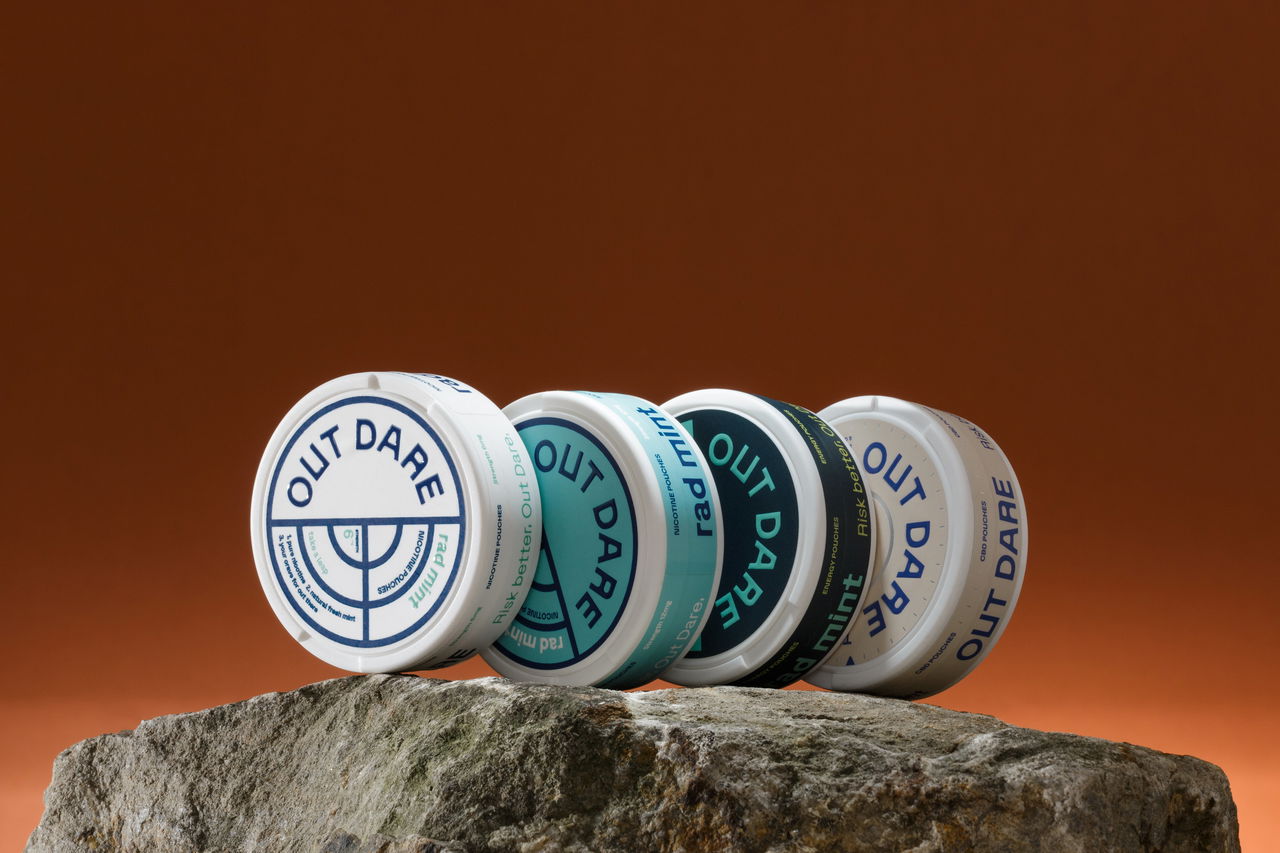
The market for caffeine pouches is expanding, especially among teens and young adults, with brands differentiating themselves through variations in caffeine content, flavors, and pouch design. Marketing strategies often highlight the convenience and discreet nature of caffeine pouches, positioning them as an alternative to traditional energy drinks or coffee. As the market evolves, it will be important for consumers to understand the ingredients and potential effects of each brand's offerings.
Feature
- Caffeine Content
- Ingredients
- Flavors
Variations
- Ranges from lower doses for casual users to higher doses for significant energy boosts.
- Some companies emphasize natural or organic ingredients.
- They come in different flavors.
The caffeine pouches are small, similar to nicotine pouches.
Consumer Trends in Caffeine Pouches
Consumer trends in caffeine pouches indicate a growing preference for convenient and discreet energy solutions. A notable trend is the increasing adoption of caffeine pouches among students and young professionals seeking a quick and easy energy boost without the need for coffee or energy drinks. The discreet nature of pouches may allow for use in settings where traditional caffeinated beverages are not allowed. Another trend is the rising demand for flavored caffeine pouches, with a wide array of flavors available to cater to different taste preferences. The amount of caffeine also plays a significant role, with many consumers opting for higher doses for a more pronounced effect. The convenience of caffeine pouches delivers a controlled caffeine dose that aligns with individual energy needs, contributing to the product's popularity. The caffeine content per pouch and user preferences are factors in product choices. The caffeine pouches are small and can easily be consumed anywhere, compared to coffee or energy drinks. Teens and young adults use caffeine pouches more often.
Regulations and Safety of Caffeine Pouches
The regulatory landscape surrounding caffeine pouches is still evolving, and safety concerns are paramount given the increasing use of caffeine pouches, particularly among young adults. Currently, there are no specific regulations governing the caffeine content in caffeine pouches, leading to variations in caffeine content per pouch and potential risks of excessive caffeine consumption. Health organizations are advocating for clearer labeling requirements that specify the amount of caffeine and potential side effects, similar to those on coffee or energy drinks. Some regions are considering implementing age restrictions on the sale of energy pouches, including caffeine pouches, to protect young consumers from high doses of caffeine. Furthermore, there is a need for more research into the long-term effects of caffeine pouches, particularly on cardiovascular health and neurological development. Regulatory bodies may eventually need to establish guidelines on caffeine content and recommended use to ensure consumer safety and prevent adverse health outcomes. The absence of strict regulations raises concerns about the potential for excessive caffeine consumption and the need for responsible marketing practices. Consumers should always consider the amount of caffeine they are ingesting and choose products responsibly. Caffeine pouches are small and easy to hide, especially for teens and young adults. More research is needed on how caffeine pouches work and their effects on the body. The caffeine pouches contain ingredients that could affect health.
Area of Concern
- Regulation of Caffeine Content
- Labeling Requirements
Current Status
- No specific regulations exist.
- Health organizations are advocating for clearer labels.